Coyote Season Is Coming To New York Backyards. Here’s How To Prepare
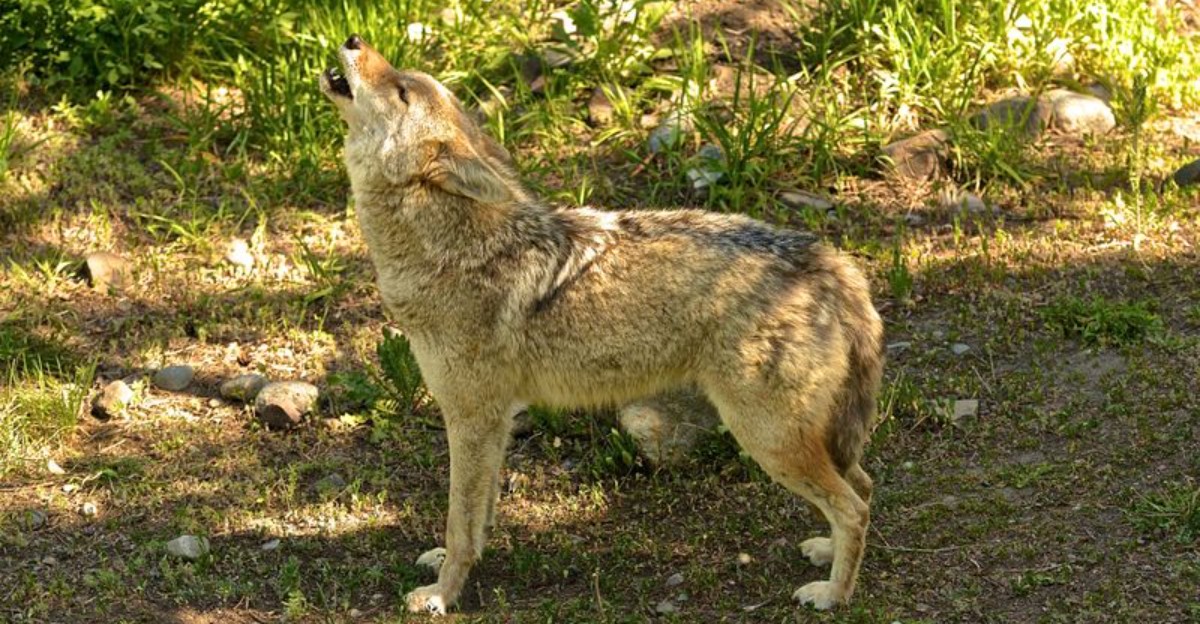
Coyotes live all across New York, from Adirondack forests to Long Island suburbs and even the Bronx. They’re clever, curious, and very good at living close to people.
Most of the time, they slip by quietly and want nothing to do with you. A few smart moves can keep your family, your pets, and the coyote itself safe.
Some steps take just seconds, like standing tall and making noise. Others are small yard changes that make your property far less tempting.
You might be surprised by what draws these wild neighbors in. The guide below will help you feel confident if one shows up.
1. Stay Calm And Keep Your Distance
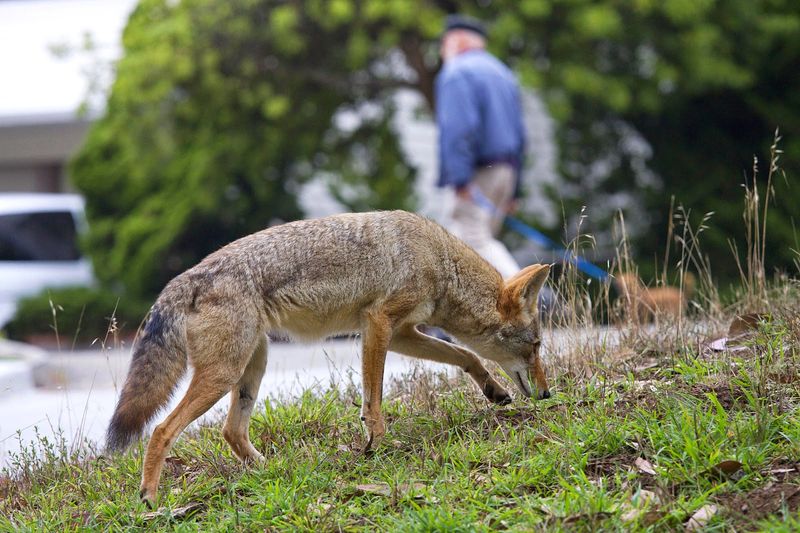
Picture it: you glance out the kitchen window, and a lanky, dog-like animal trots past your shed. Take a slow breath, because most coyotes want nothing to do with you.
Coyotes are shy by nature and usually avoid people when they can. A coyote crossing your lawn is often just heading somewhere else, like a commuter cutting through a parking lot.
Your best first move is to watch from a safe spot, such as a porch, window, or doorway. Give the animal plenty of room so it does not feel cornered or trapped.
Walking closer for a better photo is tempting, but please resist that urge. Wild animals can act unpredictably when people move toward them, even calm-looking ones.
Keep kids and pets near you and away from the coyote. Children may want to say hello, so explain that wild animals are for watching, not petting.
If the coyote simply passes through, you usually do not need to do anything at all. New York wildlife experts say a brief visit like that is normal behavior for these adaptable animals.
Here is a fun fact to ease your nerves. Coyotes in the Northeast often carry a little wolf DNA, which helps explain their larger size.
Staying calm helps you think clearly and make good choices. Panic leads to rushed moves, while a steady mind keeps everyone safer.
2. Make Yourself Big And Loud
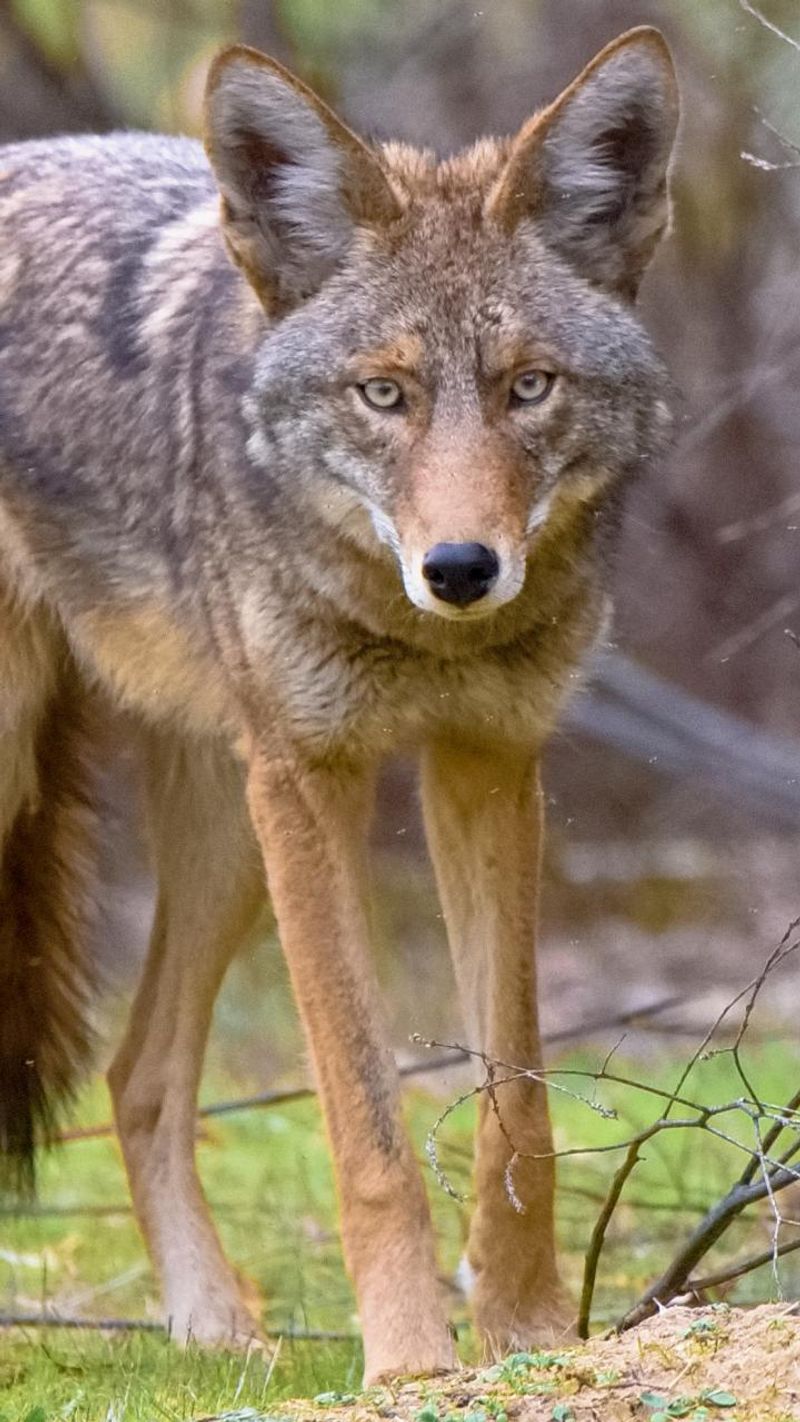
Time to channel your inner rock star. If a coyote lingers or starts walking toward you, it is your cue to make a scene.
Wildlife experts call this “hazing,” and it reminds coyotes that people are not fun to be around. The goal is to scare, not hurt, so the animal keeps its healthy fear of humans.
Start by standing tall and waving your arms above your head. Opening a jacket wide can make you look even bigger to a curious coyote.
Next, use your voice like you mean it. A firm “Go away!” in a deep, strong tone works better than a nervous squeak.
Noise makers add extra punch to your message. Try a whistle, an air horn, or banging two pots together like a marching band.
You can also toss small, safe items near the animal, not at it. Sticks, pebbles, or tennis balls landing nearby send a clear signal to leave.
Your New York Garden Changes Every Week. Your Plan Should Too.
Gardening in New York changes quickly throughout the season. Every Friday you’ll receive a simple weekly plan showing exactly what to plant, prune, fertilize, harvest, and protect so you never miss the right timing.
Keep going until the coyote has fully left your yard. Stopping too soon can teach it that a little patience pays off.
Many families keep a “coyote kit” by the back door. A shaker can filled with coins or pebbles makes a great, cheap noise tool kids can use too.
3. Bring Pets Inside Right Away
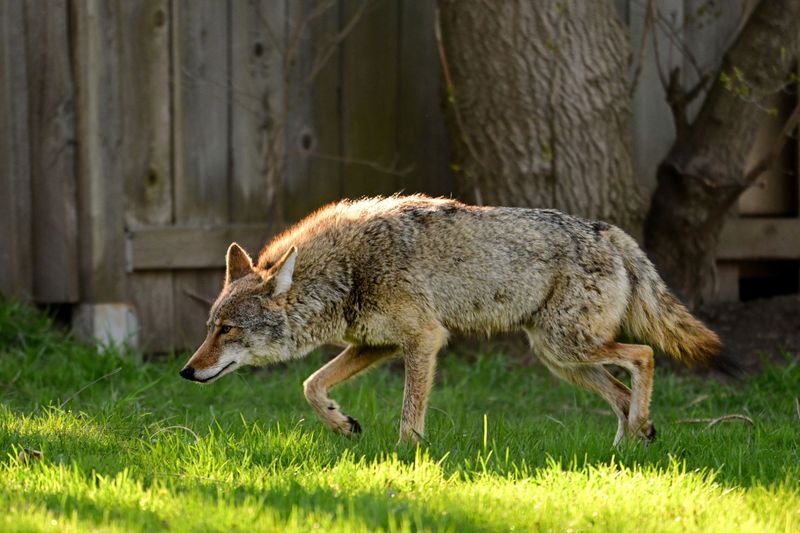
Fluffy may think she owns the backyard, but a coyote sees things a little differently. Small dogs and cats can look like an easy snack to a hungry wild canine.
The moment you spot a coyote, call your pets indoors. A treat or a familiar squeaky toy can speed up even the most stubborn pup.
If a coyote comes closer and your pet is small, pick it up if you can. Holding your pet also makes you look larger and more intimidating.
Bigger dogs are not off the hook either. A coyote may see a large dog as a rival, especially during mating and pup season in late winter and spring.
Outdoor cats face real risks in many New York neighborhoods. Keeping cats inside protects them from coyotes, cars, and other dangers too.
Practice a strong recall command with your dog during calm moments. A dog that comes on the first call is much easier to protect in a surprise encounter.
A short leash, around six feet, gives you more control on walks. Retractable leashes can let a dog wander too far, right toward trouble.
Once everyone is inside, check your pets for scratches or bites. If any contact happened, call your veterinarian to talk about rabies shots and care.
4. Never Run Or Turn Your Back
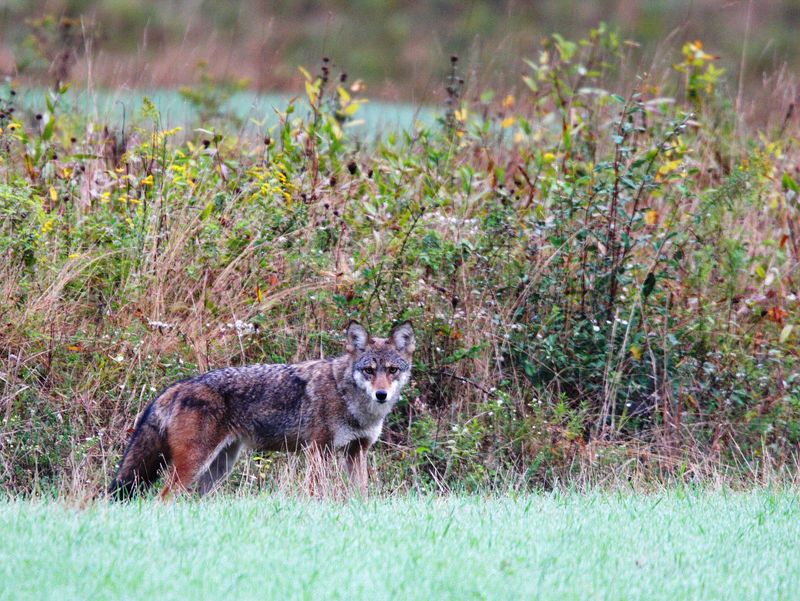
Every instinct might scream “run,” but your feet should stay steady. Sprinting away can trigger a coyote’s chase response, just like a rabbit bolting across a field.
Coyotes are fast, reaching speeds near 40 miles per hour. You cannot outrun one, so it makes no sense to try.
Instead, face the animal and keep your eyes on it. Turning your back can make you look less confident and more like easy prey.
Back away slowly while you keep hazing. Wave your arms, speak loudly, and move step by step toward your door or car.
Teach kids this rule before they ever need it. Role-play at home, pretending the family dog is a coyote, so the steps feel natural.
Joggers and walkers on trails should keep this in mind too. If a coyote follows at a distance, stop, turn, and haze it until it backs off.
Bikers can stop and place the bike between themselves and the animal. The frame acts like a handy shield while you make noise.
Remember, a coyote that watches you is not always planning trouble. Often it is simply curious, and a confident stance sends it on its way.
5. Don’t Feed It, Ever
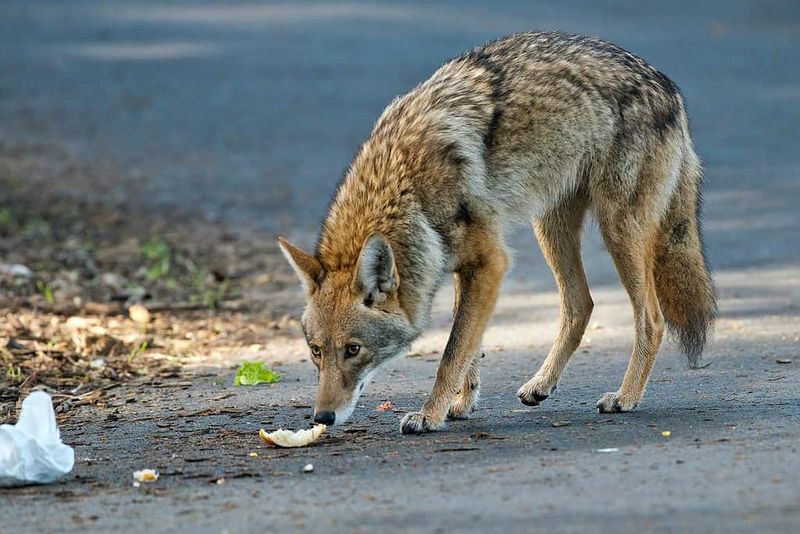
A coyote with sad eyes and a skinny frame can tug at your heart. Tossing it a hot dog might feel kind, but it causes real harm.
Fed coyotes quickly link people with meals. Over time, they lose their natural fear and start hanging around homes, schools, and playgrounds.
A bold coyote is a problem coyote. Those animals are more likely to approach people and pets, and they often end up being removed.
So a single snack can change a wild animal’s whole future. Keeping coyotes wild is the kindest thing you can do for them.
Accidental feeding matters just as much as handing out treats. Grill drippings, compost piles with meat, and picnic leftovers all count as free food.
Talk with your neighbors about this too. One house leaving out scraps can draw coyotes to the entire block.
Here is a surprising detail. Coyotes eat a wide menu, including mice, rabbits, insects, berries, and even watermelon.
They are excellent hunters on their own and do not need our help. In New York, feeding wildlife can create conflicts that put both people and animals at risk.
6. Lock Up Trash And Pet Food
Think of your garbage can as an all-night diner with a neon sign. To a coyote, the smell of last night’s chicken bones is hard to ignore.
Secure your trash in sturdy, animal-proof containers with tight lids. Locking lids or bungee cords help keep curious noses out.
Better yet, store bins in a garage or shed overnight. Roll them to the curb on the morning of pickup instead of the night before.
Pet food is another big draw. Feed your dogs and cats indoors whenever you can.
If you must feed pets outside, pick up the bowls right after mealtime. Leftover kibble can attract raccoons, skunks, and rodents, which then lure coyotes.
Store big bags of pet food in sealed plastic or metal bins. A cheap tote with a snap lid works fine in a garage or mudroom.
Rinse food scraps from cans and wrappers before tossing them. Less smell means fewer hungry visitors sniffing around your home.
Compost bins deserve attention too. Skip meat, dairy, and oily foods, and choose an enclosed bin rather than an open pile.
7. Clean Up Fallen Birdseed

Bird feeders bring cheerful cardinals and chickadees to your window. Sadly, they can also start a food chain that ends with a coyote at your doorstep.
Spilled seed attracts squirrels, chipmunks, mice, and rabbits. Coyotes follow those small animals, treating your yard like a well-stocked buffet.
Rake or sweep up fallen birdseed often. A quick cleanup every day or two makes a big difference.
Try a seed catcher tray under your feeder. These trays grab most spills before they ever hit the ground.
No-mess seed blends help too. Hulled sunflower hearts leave fewer shells and scraps behind for critters.
Some residents take feeders down during spring and summer. Birds have plenty of natural food then, and it cuts down on wildlife traffic.
Fruit trees deserve the same attention. Coyotes happily munch fallen apples, pears, and berries, so pick up dropped fruit quickly.
Here is a quirky fact. Coyotes have been spotted eating persimmons and even raiding backyard vegetable gardens for ripe tomatoes.
8. Thin Bushes And Close Off Crawl Spaces

Coyotes love a good hiding spot, much like a kid playing hide-and-seek. Thick brush, tall grass, and dark spaces under decks feel like perfect shelter.
Trim back overgrown shrubs near your house and along fence lines. Fewer hiding spots mean coyotes feel exposed and less likely to stick around.
Mow tall grass and clear out piles of brush or lumber. These areas also shelter mice and rabbits, which draw coyotes in.
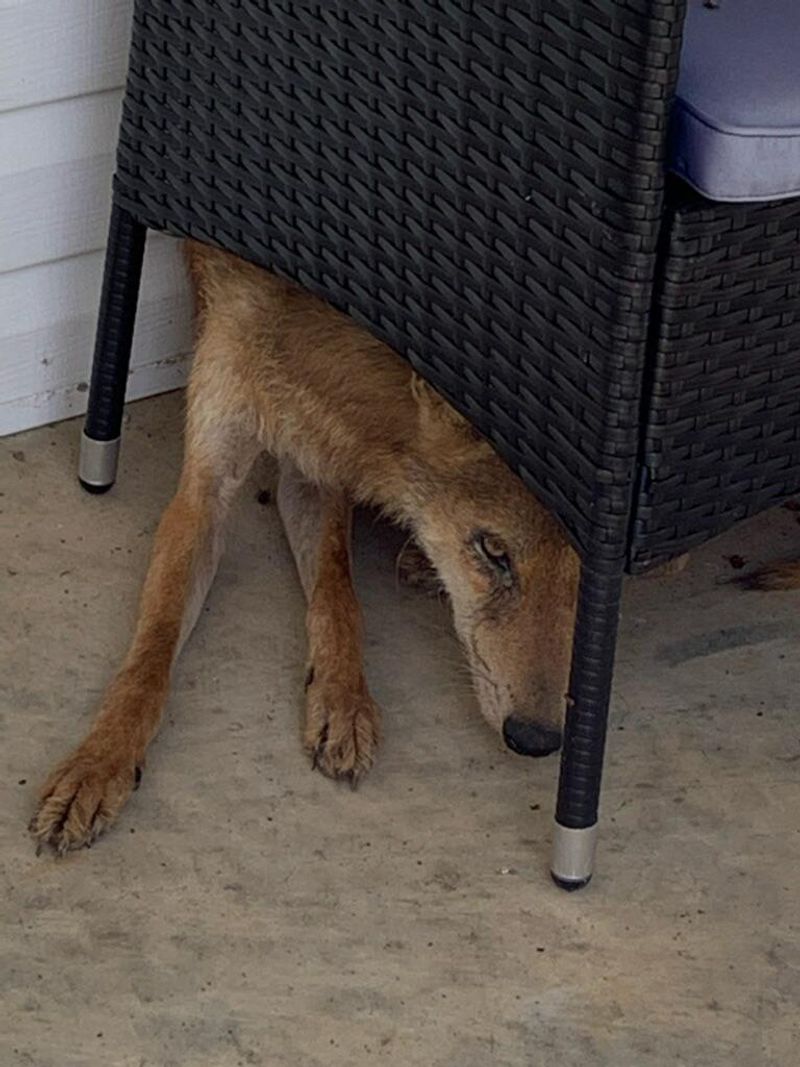
Next, check under porches, decks, and sheds. Coyotes may choose these cozy openings as dens for raising pups in spring.
Seal gaps with sturdy hardware cloth or wire mesh. Bury the bottom edge several inches deep so animals cannot dig underneath.
Fencing can help keep coyotes out of your yard. New York wildlife officials suggest fences taller than four feet that reach six inches below ground.
Coyotes are skilled jumpers and diggers. A roller bar along the top of a fence can stop them from climbing over.
Do this work in late summer or fall, before denning season begins. You do not want to accidentally trap a family inside.
9. Supervise Pets At Dusk And Night
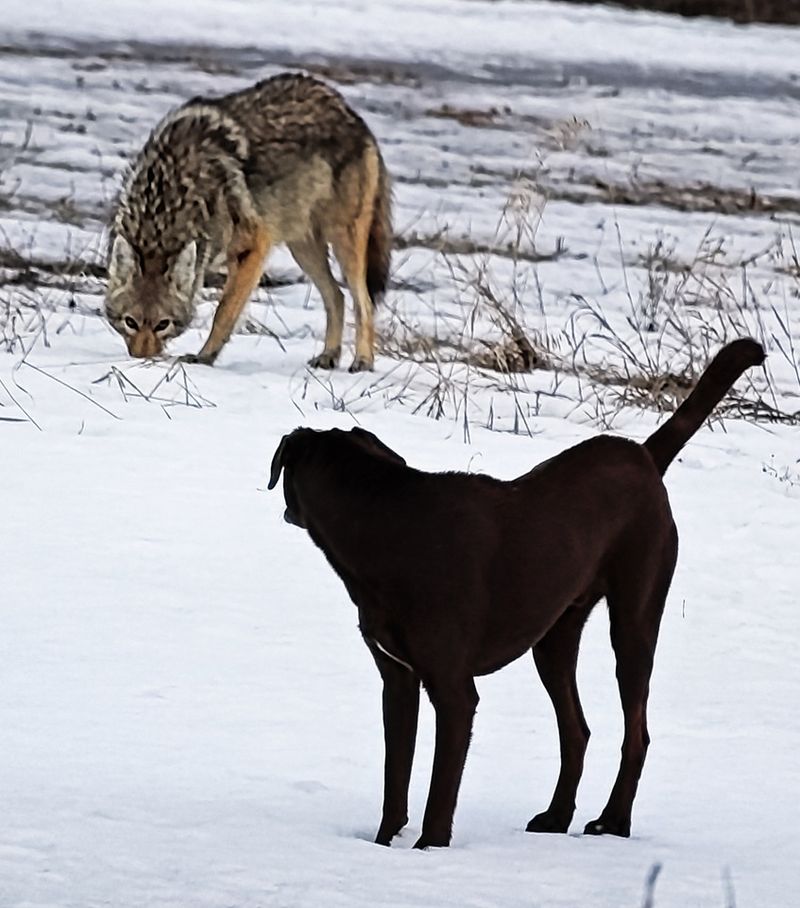
When the sun sinks and the crickets start singing, coyotes begin their busiest hours. Dusk, nighttime, and early dawn are prime time for these crafty hunters.
That last bathroom break for your dog deserves extra care. Step outside with your pet instead of opening the door and walking away.
Keep small dogs on a leash, even in a fenced yard. A coyote can hop a short fence faster than you can grab your shoes.
Turn on porch lights or install motion-sensor lights. Sudden brightness can startle a coyote and help you spot it sooner.
Carry a flashlight and a whistle on evening walks. You get better visibility and a quick way to make noise if needed.
Cats should stay inside after sunset, if not all the time. Nighttime is when many outdoor cats in New York go missing.
Pay attention to your dog’s body language. Raised fur, stiff posture, or sudden growling may mean a wild visitor is nearby.
Winter can bring more sightings because it is mating season. Stay extra alert from January through March when coyotes travel more.
10. Call DEC If It Acts Bold Or Keeps Coming Back In Daylight
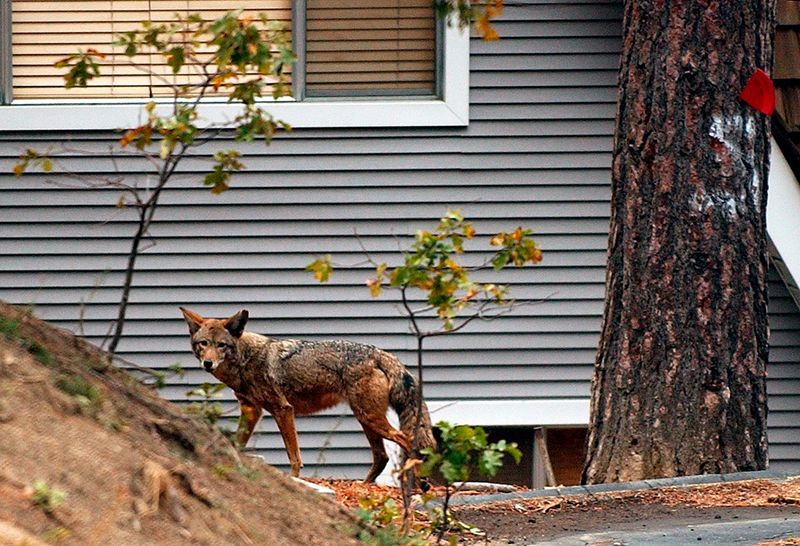
Most coyote visits are short and harmless. Still, some behaviors mean it is time to bring in the professionals.
Watch for coyotes that show little fear of people. Warning signs include walking toward people or pets, chasing dogs, or hanging around play areas.
Frequent daytime visits near homes are another red flag. A coyote that keeps returning may have learned that your street means food.
When you notice these patterns, contact your Regional DEC Wildlife Office. The New York State Department of Environmental Conservation offers guidance for problem coyotes.
Keep notes before you call. Write down dates, times, locations, and what the coyote did so staff can understand the situation.
Emergencies call for faster help. If a coyote makes physical contact with a person, dial your local police department right away.
Rabies is rare in coyotes but possible. If a sick-acting coyote touches a person or pet, call your county health department too.
Signs of illness can include stumbling, strange aggression, or acting unusually tame. Sharing what you see helps protect your whole community.