The New York Birds That Arrive In Fall And Stay All Winter
Not every bird flees the cold. Some fly straight toward New York, and October is when the first of them arrive.
While summer songbirds head south, a new crowd drops in from Canada and the Arctic. They aren’t passing through, either, because they plan to stay until spring.
Some hop through brush piles, some bob on park lakes, and one hovers over snowy fields like a feathered kite. A few arrive in October, while others trickle in by November.
Knowing who these visitors are can turn a gray winter walk into a treasure hunt. You might spot them in a Brooklyn park, a Hudson Valley backyard, or on a windy Long Island beach.
The guide below introduces the winter guests and where to find them. The list is longer and more colorful than you might expect.
1. Dark-Eyed Juncos Arrive As The First Big Sign Of Winter
Grandparents across the state have a nickname for these little gray birds: snowbirds. Their arrival tells everyone that cold weather is right around the corner.
Most juncos show up in New York sometime in October. They come down from forests in Canada and the northern mountains, ready to spend the winter here.
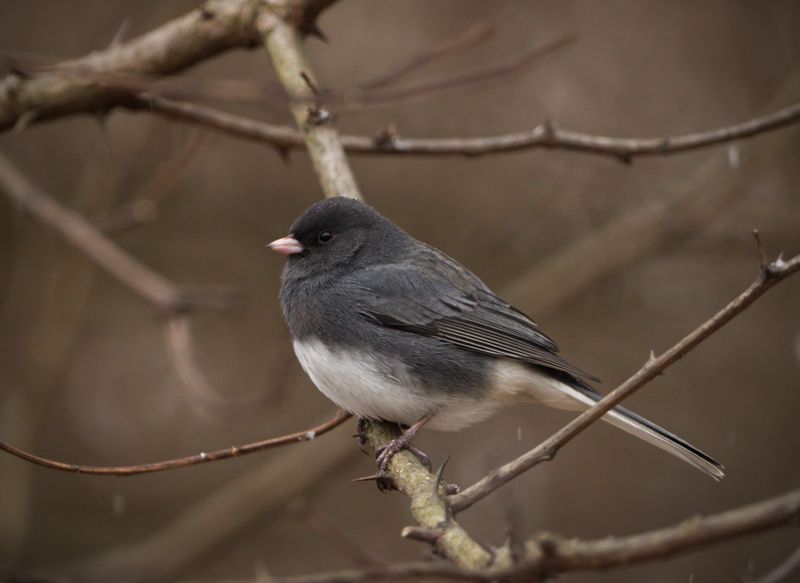
Spotting one is pretty easy once you know the look. The eastern type, called the slate-colored junco, wears a dark gray back like a cozy coat.
Its belly is bright white, and its short bill is a soft pink. When it flies off, you will see white outer tail feathers flash on each side.
Feeders attract them, but not in the way you might think. Juncos are ground feeders, so they usually hop around underneath, picking up spilled seeds.
Millet, cracked corn, and sunflower chips are their top picks. Scatter some on the ground or use a low platform feeder to keep them happy.
Out in the wild, they nibble seeds from grasses and weeds. Now and then, they also grab small fruits or a tasty insect.
Shelter matters just as much as food in winter. Juncos travel in small flocks and roost at night in evergreens, yew bushes, or brush piles.
Leaving a pile of branches in a corner of your yard helps them stay warm. Pair it with a seed tray, and you may host a junco crowd until April.
2. White-Throated Sparrows Move In By The Hundreds
Listen closely on a crisp fall morning, and you might hear a sweet whistle. Many people say it sounds like the bird is singing Old Sam Peabody.
White-throated sparrows sing that tune even in winter. Their song is one of the friendliest sounds in a cold city park.
Huge numbers pour into New York every October. Central Park and Prospect Park can fill up with them almost overnight.
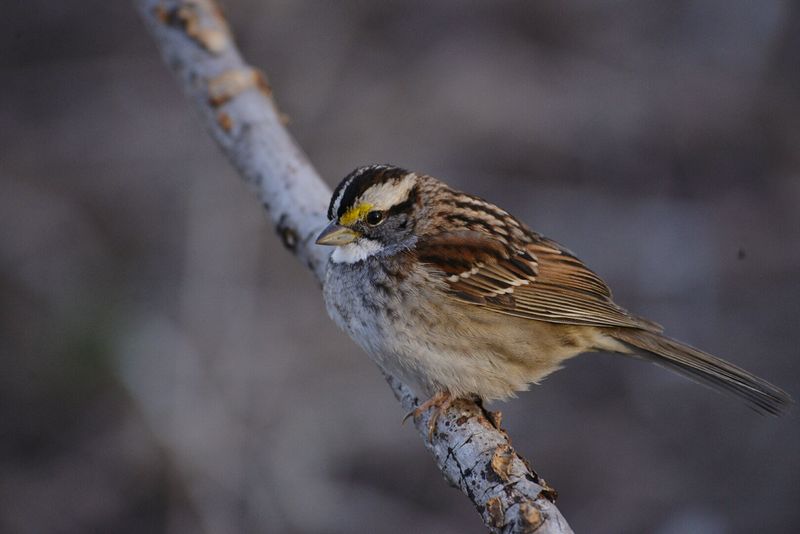
Look for a bright white throat patch and a small yellow spot near each eye. The head has bold stripes that can be either white or tan.
Fun fact time: the two stripe colors are not just random. Birds with white stripes and tan stripes often pair up with the opposite type when nesting.
Your New York Garden Changes Every Week. Your Plan Should Too.
Gardening in New York changes quickly throughout the season. Every Friday you’ll receive a simple weekly plan showing exactly what to plant, prune, fertilize, harvest, and protect so you never miss the right timing.
Scratching is their favorite way to find food. They kick backward with both feet at once, flipping leaves to uncover seeds and bugs.
Leaving fallen leaves under shrubs gives them a perfect feeding spot. Raking every corner of the yard removes the snack bar they love.
Dense bushes are another big draw. These sparrows like to stay close to cover so they can dart away from hawks.
Toss a handful of millet near a hedge to bring them closer. Within a few days, you may notice a small gang returning every morning.
Patience pays off with this bird. Sit quietly by a window, and you will soon recognize their shuffling dance in the leaves.
3. Winter Wrens Slip Into Brush Piles And Streamside Tangles
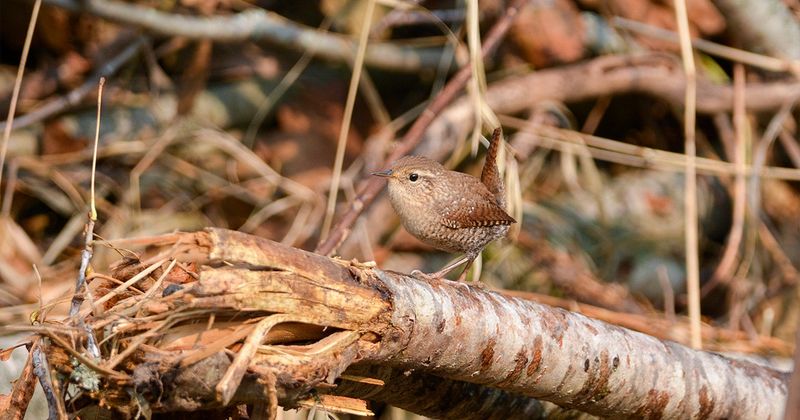
Picture a brown ball of fluff with a tail sticking straight up. Now shrink it down to about the weight of two quarters.
Meet the winter wren, one of the tiniest birds you can find in New York. It is so small and secretive that many hikers walk right past it.
Unlike juncos, these wrens do not visit feeders much. They prefer damp, shady spots along creeks, ravines, and wooded swamps.
Fallen logs, roots, and brush piles are their favorite hangouts. They creep through the gaps like little mice, hunting spiders and insect eggs.
Watch for a bobbing motion as one pops up on a log. The quick bounce is often the first clue that a wren is nearby.
Their call is a sharp double chip, a bit like two pebbles knocking together. Learning that sound will help you find them much faster.
Summer is when their song really shines. A single song can pack in dozens of notes in just a few seconds, which amazes scientists.
Want to help them in your own yard? Build a loose brush pile near a shady corner, especially if you have a stream or wet area.
Leave old logs on the ground instead of hauling them away. Rotting wood hides plenty of tiny bugs for a hungry wren.
Bring patience and quiet shoes on your search. A soft step and a sharp eye make all the difference with this shy little sprite.
4. Yellow-Rumped Warblers Feast On Coastal Berries
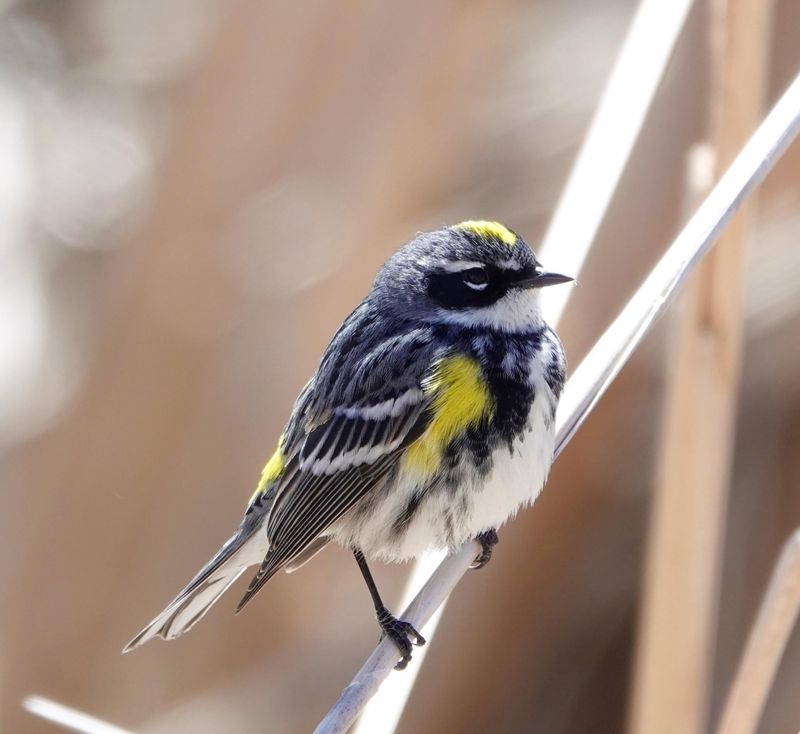
Most warblers fly far south when the weather turns cold. One stubborn little warbler decided it would rather stay and snack.
Birders lovingly call it the butter butt. The name comes from a bright yellow patch right above its tail.
In winter, its colors fade to soft browns and grays. Still, that yellow rump and small yellow side patches give it away.
Berries are the secret to its survival. This warbler can digest the waxy coating on bayberries, which most other songbirds cannot handle.
Bayberry and wax myrtle bushes grow along the coast of Long Island and Staten Island. In October, flocks gather there to fill up on the fatty fruit.
Poison ivy berries are another favorite, believe it or not. The birds eat them without any trouble, so look but do not touch.
Jones Beach and Fire Island are great places to spot them. Walk slowly along dune trails and listen for a short, sharp check note.
Inland, some warblers stick around near fruiting trees and sheltered woods. A suet feeder can tempt them during the coldest weeks.
Planting native bayberry or red cedar in your yard helps them a lot. Both plants offer winter food and shelter in one handy package.
Keep your binoculars ready on sunny winter days. Seeing a warbler in January feels like finding a little piece of spring.
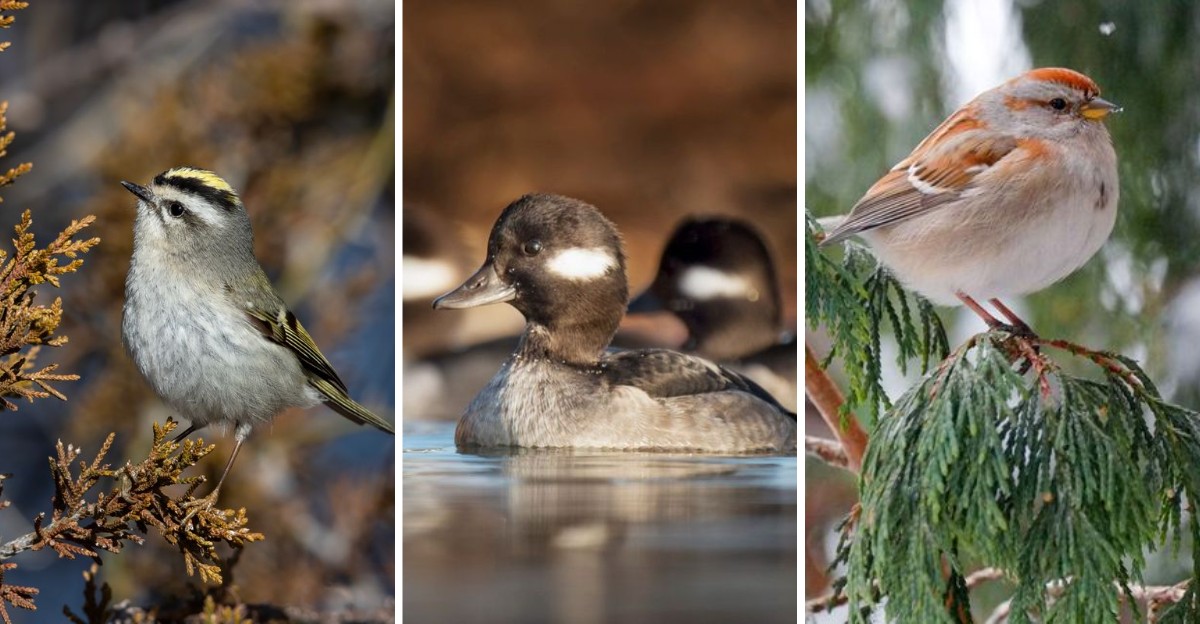
5. Golden-Crowned Kinglets Join Winter Foraging Flocks
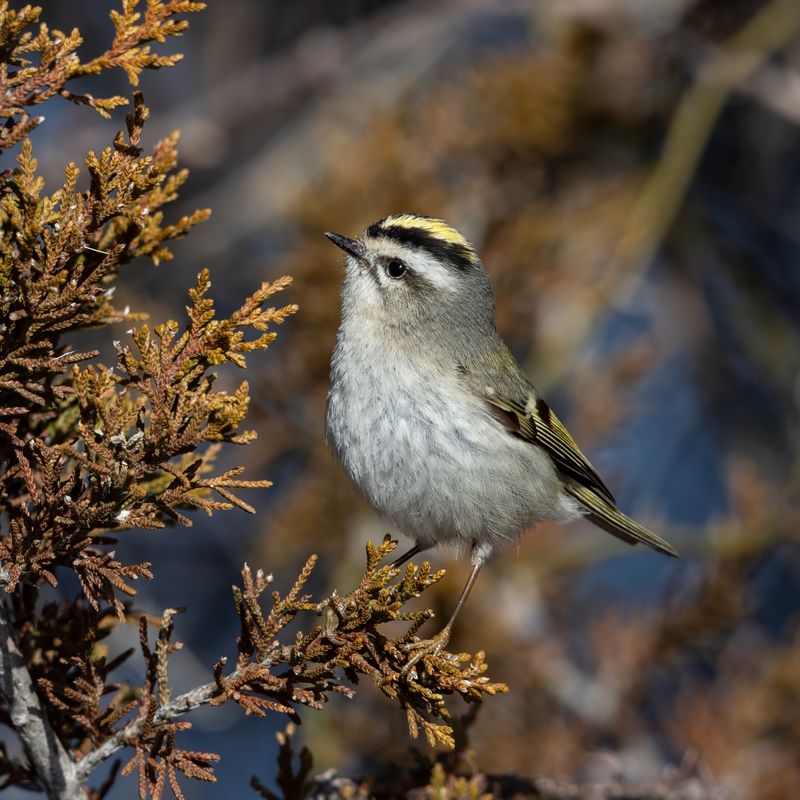
Tiny, tough, and full of energy, the golden-crowned kinglet is a winter marvel. It weighs about as much as a single pencil.
Somehow, this bird survives freezing nights that drop well below zero. Scientists are still impressed by how it manages.
Part of the trick is huddling. Kinglets sometimes squeeze together on a branch at night to share body heat.
They also eat almost nonstop during daylight hours. Tiny caterpillars, insect eggs, and spiders hidden in pine needles keep them fueled.
Look up high in evergreen trees to find them. Spruce, hemlock, and pine stands across the state are prime kinglet territory.
Their crown is the star of the show. A bright yellow stripe sits on top, with an orange center on males, all outlined in black.
Hearing them comes before seeing them, most of the time. Their call is a super high tsee tsee tsee that some adults can barely hear.
Kinglets love to travel with other birds in winter. Chickadees, nuthatches, and downy woodpeckers often move through the woods together with them.
When you hear a chickadee crowd, stop and scan the branches. A kinglet may be flicking its wings nearby, hovering for a quick bite.
Planting native conifers is the best way to invite them home. Evergreens give them food, shelter from wind, and a cozy place to rest.
6. American Tree Sparrows Follow In Late October
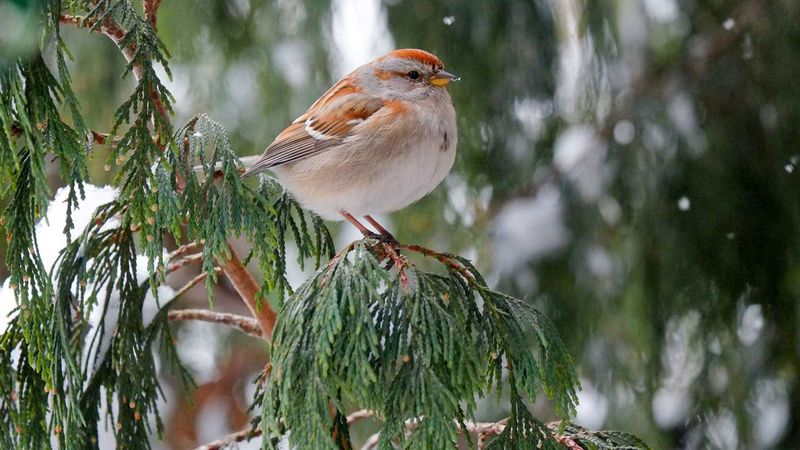
Here is a funny fact to share at dinner. The American tree sparrow spends most of its time on the ground, not in trees.
Early settlers named it after a European bird it reminded them of. The name stuck, even though it does not fit very well.
These sparrows nest far north, near the edge of the Arctic tundra. They reach New York a bit later than juncos, usually in late October.
Spotting one takes just a few clues. Look for a rusty cap, a soft gray face, and a two-toned bill that is dark on top and yellow below.
The best clue is a small dark spot in the middle of a plain gray chest. Birders call it a stickpin, like jewelry on a shirt.
Weedy fields, hedgerows, and farm edges are their winter homes. They hop up on tall weeds and shake seeds loose to eat.
Backyard visits happen too, especially after snowstorms. They often mix in with junco flocks under feeders.
Millet and cracked corn work well for them. A low tray or seed scattered on cleared snow makes an easy buffet.
Leaving a patch of garden flowers standing through winter helps too. Coneflower and goldenrod seed heads offer a natural snack.
Listen for their soft, tinkling chatter on cold mornings. A flock talking together sounds a bit like tiny bells ringing in the snow.
7. Ruddy Ducks, Coots, And Shovelers Settle On Park Lakes
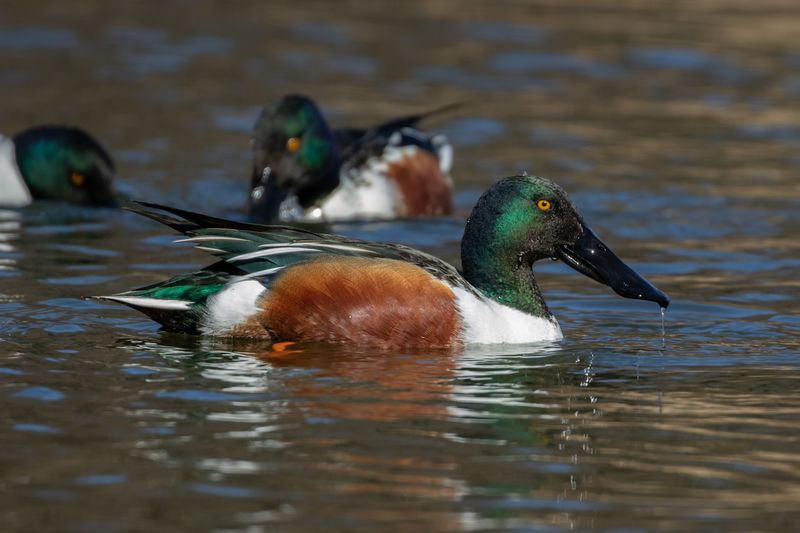
Ever seen a duck with its tail sticking up like a tiny broom? You may have just met a ruddy duck.
Park lakes turn into busy waterbird hangouts each fall. Ruddy ducks, American coots, and northern shovelers all settle in for the season.
Ruddy ducks are small and chunky, with stiff tail feathers. In winter, males are mostly gray-brown with bright white cheeks.
Coots look like ducks, but they are actually related to cranes and rails. They are dark slate gray with a bold white bill.
Check out a coot’s feet if you get the chance. Instead of webbed feet, they have lobed toes that work like little paddles.
Shovelers win the prize for the strangest bill. It is long and wide like a spoon, with comb-like edges that strain tiny food from water.
Groups of shovelers sometimes swim in tight circles. The spinning stirs up food, and they scoop it up as they go.
Central Park Reservoir and Prospect Park Lake are fantastic places to watch them. Many lakes across the state host similar flocks.
Please skip the bread when visiting. It fills birds up without proper nutrition, and it can pollute the water.
Bring binoculars and visit on a calm morning instead. Still water makes it much easier to spot every bobbing head and wiggling tail.
8. Buffleheads And Goldeneyes Dive In On Open Water
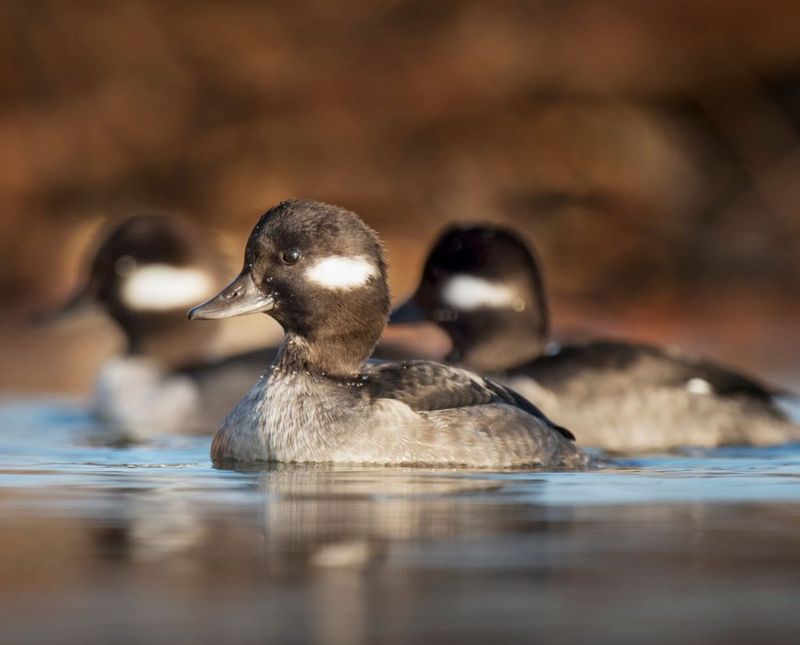
Blink, and the bufflehead is gone. One second it floats on the water, and the next it vanishes in a quick plunge.
These small ducks are expert divers. They hunt underwater for snails, shrimp, and insect larvae.
Male buffleheads are easy to love. They have a big puffy head with a large white patch that shines in the sun.
Up close, the dark head glows green and purple. Females are gray-brown with a small white cheek spot.
Common goldeneyes are a bit larger and just as fun. Males have a round white spot near the bill and, true to their name, bright golden eyes.
Their wings make a whistling sound when they fly. Some birders even call them whistlers for that reason.
Both ducks need open water to find food. When lakes freeze, they move to rivers, bays, and harbors that stay ice-free.
The Hudson River, Jamaica Bay, and Lake Ontario shores are great places to look. Bring a scope if you can, since they often stay far from shore.
Here is a cool tidbit about nesting. Both species nest inside tree holes, and buffleheads often use old flicker cavities.
On a windy day, find a sheltered cove and wait. Ducks often gather there to rest, giving you a closer look.
9. Rough-Legged Hawks Patrol Open Fields From The Arctic
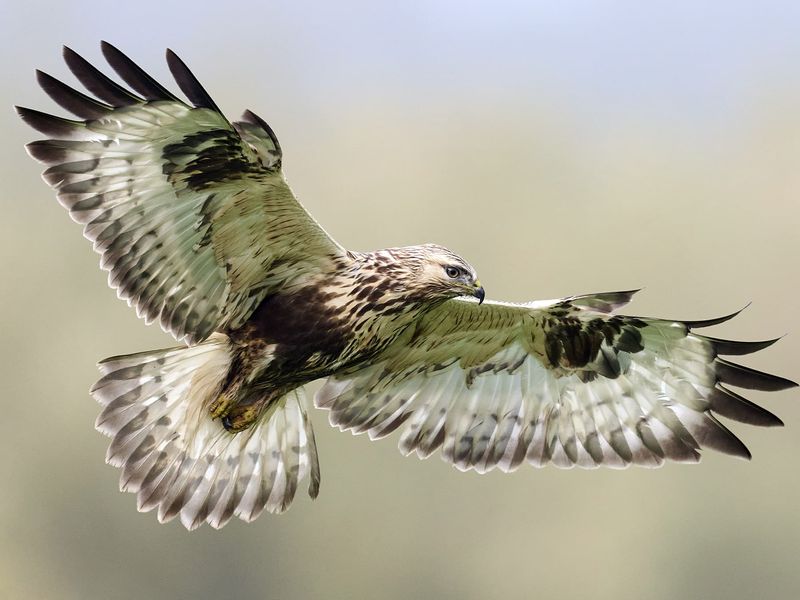
Imagine a hawk that hovers in place like a kite on a string. Rough-legged hawks do exactly that over winter fields.
These big raptors nest on cliffs in the Arctic tundra. When lemmings get harder to find up north, they head south.
Many reach New York in late October and November. They stay through winter, then fly back north in early spring.
Their name comes from their legs. Feathers cover them all the way down to the toes, like fuzzy winter boots.
Look for a white tail with a dark band near the tip. Dark patches at the bend of each wing also help with identification.
Wide open spaces are where they hunt. Grasslands, farm fields, and airports give them room to search for voles and mice.
The Washington County Grasslands and Montezuma area are favorite viewing spots. Fort Edward draws winter raptor fans from all over.
Plan your trip for late afternoon. Hawks often hunt more as the sun gets low, and owls may join them too.
Stay in or near your car while watching. Cars work like a bird blind, and getting out can scare the hawks away.
Each winter is different for these birds. Some years bring lots of them, while other years only a few make the trip, so every sighting feels special.
10. Snow Buntings Sweep Across Fields And Shorelines
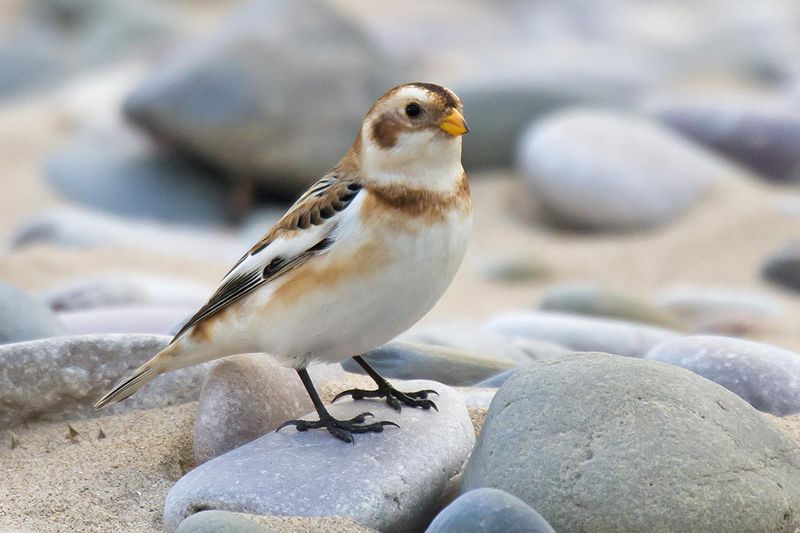
A swirl of white wings rises from a frozen beach. For a moment, it looks like the snow itself decided to fly.
That magical scene is a flock of snow buntings. These Arctic birds love cold weather more than almost any other songbird.
In winter, they wear a warm mix of white, tan, and rusty brown. When they fly, their wings flash big white patches.
Flocks can include dozens or even hundreds of birds. They move together, swooping low and landing all at once.
Beaches, open farm fields, and lakeshores are where to look. Robert Moses State Park and Jones Beach host them in many winters.
Plowed fields with spilled grain also attract them. Upstate farmers sometimes see big flocks along snowy roadsides.
Seeds from grasses and weeds make up most of their diet. They shuffle along the ground, picking up food without much fuss.
Here is a neat trick they use at night. Snow buntings sometimes burrow into snow to stay warm, using it like a blanket.
Bundle up and walk slowly near dunes for your best chance. Listen for soft, rippling chirps as the flock moves along.
Spotting snow buntings is a perfect way to wrap up your winter bird list. Once you see that flash of white, the cold may suddenly feel worth it.