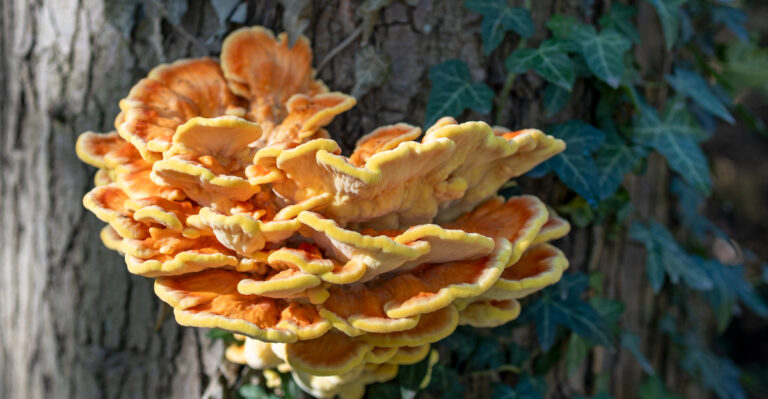
The New York Lawn Fungus That Feeds On Something Underground
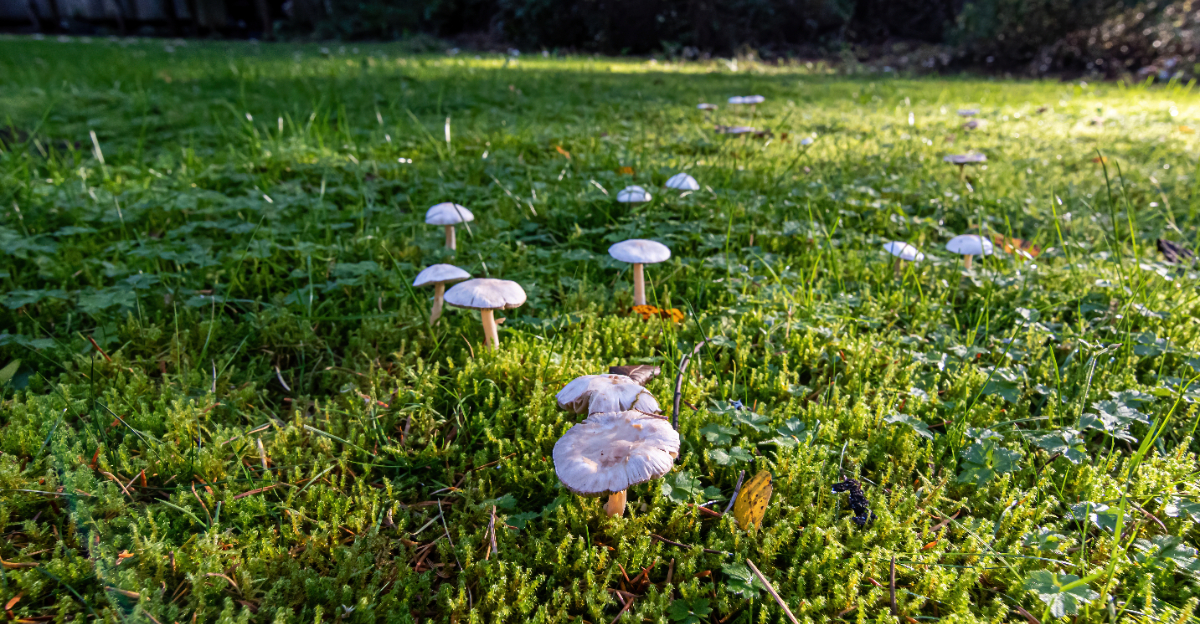
Overnight, strange clusters have claimed a patch of your lawn. Mowing does nothing to stop them from returning. Every morning brings a fresh ring of unwelcome guests.
New York lawns face this exact mystery every summer. Beneath the grass, something is quietly feeding on decay. Buried wood, old roots, or forgotten mulch could be fueling it.
Your soil holds more secrets than most homeowners realize. Rain and humidity only make the situation more dramatic. Warm nights across New York create ideal conditions for growth.
Left alone, these clusters multiply faster than expected. Ignoring them will not make the problem disappear. Ripping them out by hand barely scratches the surface.
Real answers lie underground, not on the blade of grass. What is actually happening beneath your feet will change how you treat your entire lawn.
Decaying Wood Below The Grass Is The Actual Food Source
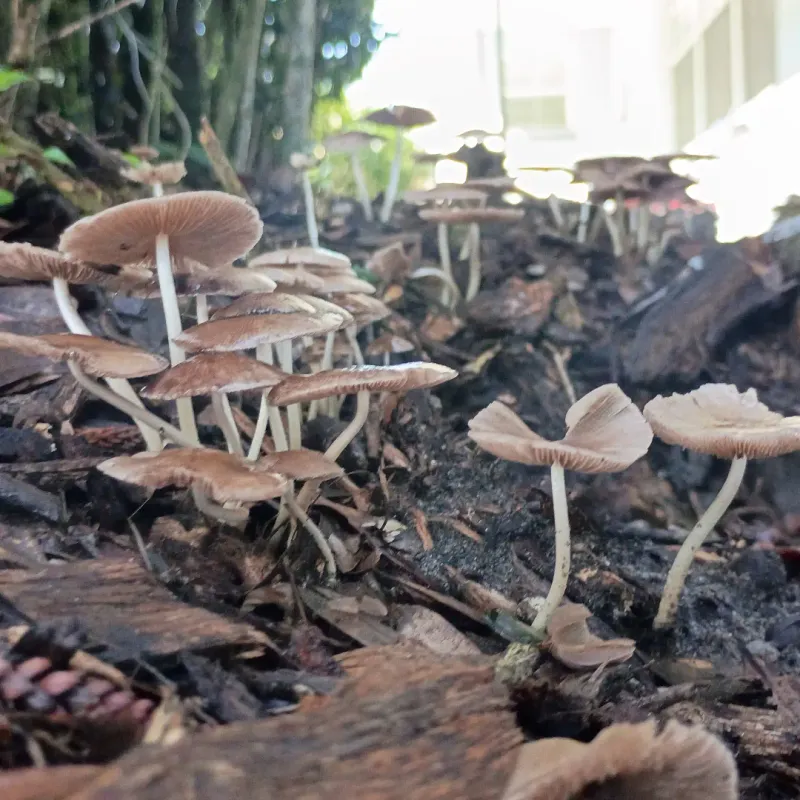
Mushrooms do not grow from thin air. The real action happens beneath your feet, where a network of fungal threads called mycelium quietly feasts on rotting organic matter.
Specifically, this fungus loves decayed wood. Old tree roots, buried logs, and forgotten stumps left in the soil become a buffet for these underground organisms.
The mycelium spreads outward from the food source in all directions. As it grows, it breaks down the wood fiber by fiber, releasing nutrients back into the soil.
That process is actually helpful for soil health. But for homeowners, it means the fungus is not going away until the food runs out.
The wood underground can take years, sometimes decades, to fully decompose. During that entire time, the fungal colony remains active and continues to push up mushrooms whenever conditions are right.
Think of the lawn fungus as a symptom, not the root problem. The buried wood is the cause, and the mushrooms are just the visible signal that something organic is breaking down below.
Some people mistake this for a disease attacking their grass. Grass is not the target at all, since the fungus draws most of its energy from buried cellulose in decayed wood and other organic debris.
Knowing this changes everything about how you approach the problem. Pulling caps off the surface does nothing to address the underground feast happening just inches below your lawn.
The Buried Stumps And Roots Left Behind By Older Trees
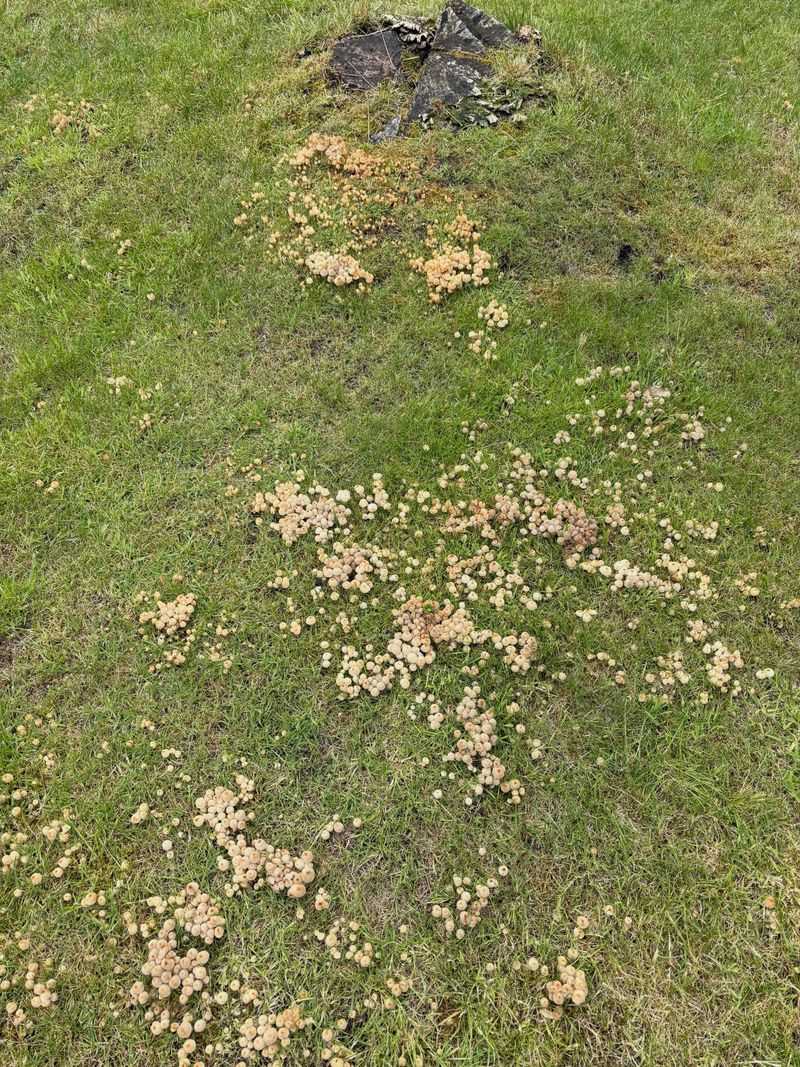
Years ago, a tree stood in that spot. Maybe a storm took it down, or a previous homeowner had it cut. Either way, the stump was ground down or left just below the soil surface.
Out of sight, out of mind, right? Not exactly, because what is left underground becomes a long-term food source for hungry fungal colonies.
Grinding a stump does not remove it. Grinding only shreds the top portion into chips, while the main root system stays intact and continues to decay underground.
Those thick lateral roots can extend ten to fifteen feet from where the trunk once stood. Mushrooms appearing far from any obvious stump are often feeding on these extended roots.
Your New York Garden Changes Every Week. Your Plan Should Too.
Gardening in New York changes quickly throughout the season. Every Friday you’ll receive a simple weekly plan showing exactly what to plant, prune, fertilize, harvest, and protect so you never miss the right timing.
Older neighborhoods across New York are especially prone to this issue. Mature trees were planted decades ago, removed over time, and their root systems are still slowly rotting beneath manicured lawns.
The fungus moves along the root pathways, following the wood wherever it leads. This explains why mushroom clusters sometimes appear in unexpected spots across a yard.
Homeowners often dig near the mushrooms and find nothing obvious. The actual food source could be two feet deeper or several feet to the side.
Identifying old tree locations using historical photos or neighborhood records can help you pinpoint where stumps might be hiding. That knowledge makes targeted removal far more effective than random digging.
Circles And Arcs That Form Across Established Lawns
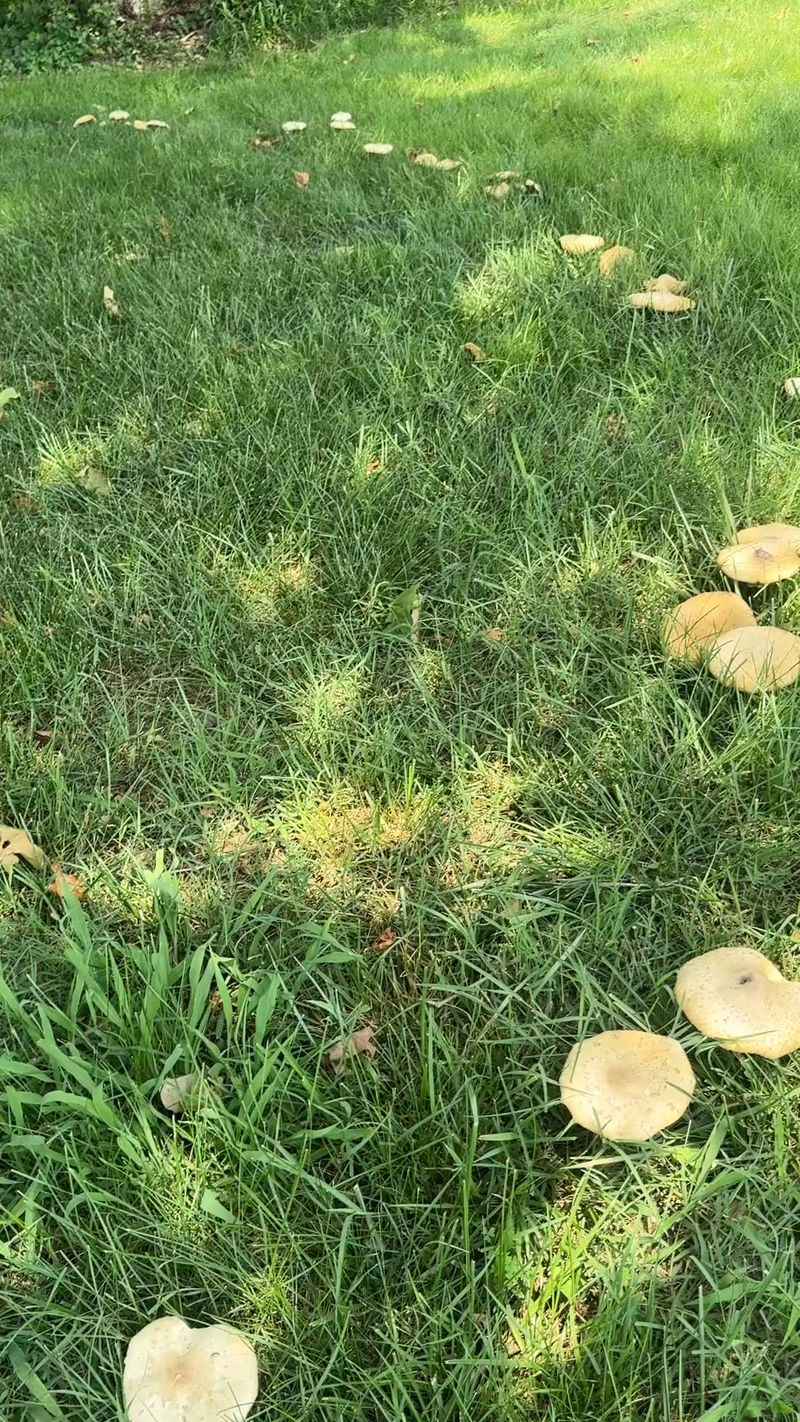
Fairy rings are one of the most striking and baffling things a homeowner can discover in their lawn. A perfect circle or sweeping arc of mushrooms appears almost overnight, and it looks almost intentional.
These formations are not magic or coincidence. They are the direct result of mycelium spreading outward in an even circle from a central food source buried underground.
As the fungal network expands, it releases nitrogen into the soil. That nitrogen boost causes the grass directly above the mycelium to grow faster and greener than the surrounding turf.
This creates a visible dark green ring that often appears even before mushrooms emerge. Homeowners sometimes notice the ring in the grass weeks before any caps appear above ground.
The circle tends to grow larger with each passing season. Each year, the outer edge of the mycelium advances a few inches further, and the ring expands accordingly.
Over time, a small circle can become a wide arc spanning half a yard. Some established fairy rings in older New York neighborhoods have been expanding for many years without any sign of stopping.
The center of the ring often shows stressed or thin grass. The mycelium has already consumed the nutrients in that area, leaving the soil depleted and dry.
Watching the ring grow year after year gives you a rough timeline of how long the colony has been active underground. The pattern tells you exactly how long the underground colony has been active and spreading.
Late Summer Rain Triggers The Sudden Appearance
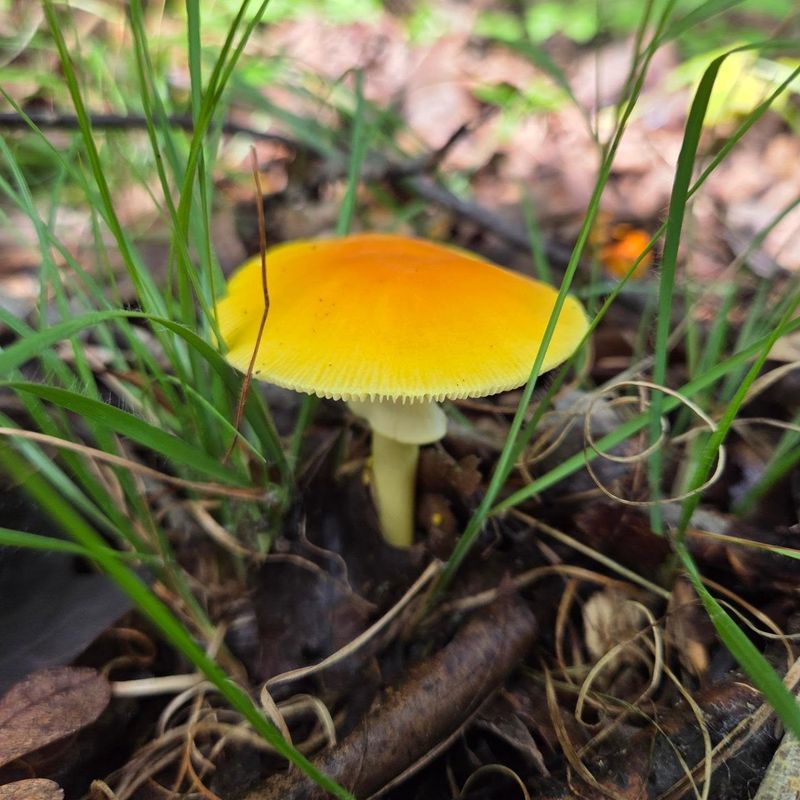
You can go all spring without seeing a single mushroom. Then one August morning after a heavy overnight rain, dozens of tan caps appear across the lawn almost all at once.
This timing is not random. Mushrooms are the fruiting bodies of the fungal colony, and they only emerge when moisture and temperature conditions align perfectly.
Late summer in New York brings warm soil temperatures combined with increased rainfall. That combination signals the underground mycelium to push energy into producing spore-releasing caps above ground.
The caps appear quickly, sometimes within hours of heavy rain soaking into the ground. The mycelium has been ready and waiting, needing only that moisture trigger to act.
Warm nights also play a role in this process. Soil that stays above sixty degrees Fahrenheit overnight gives the fungus the thermal energy it needs to fruit aggressively.
Once conditions shift, such as when the soil dries out or temperatures drop, the mushrooms stop appearing. The colony goes dormant until the next favorable weather window opens.
This on-and-off pattern confuses many homeowners into thinking the problem is solved. A dry September might mean no mushrooms, but the colony underground is still very much alive.
Tracking your local rainfall and temperatures each August can help you predict when the next flush of mushrooms will appear. Being prepared makes management much less stressful when the caps arrive.
Removing The Caps Leaves The Colony Untouched
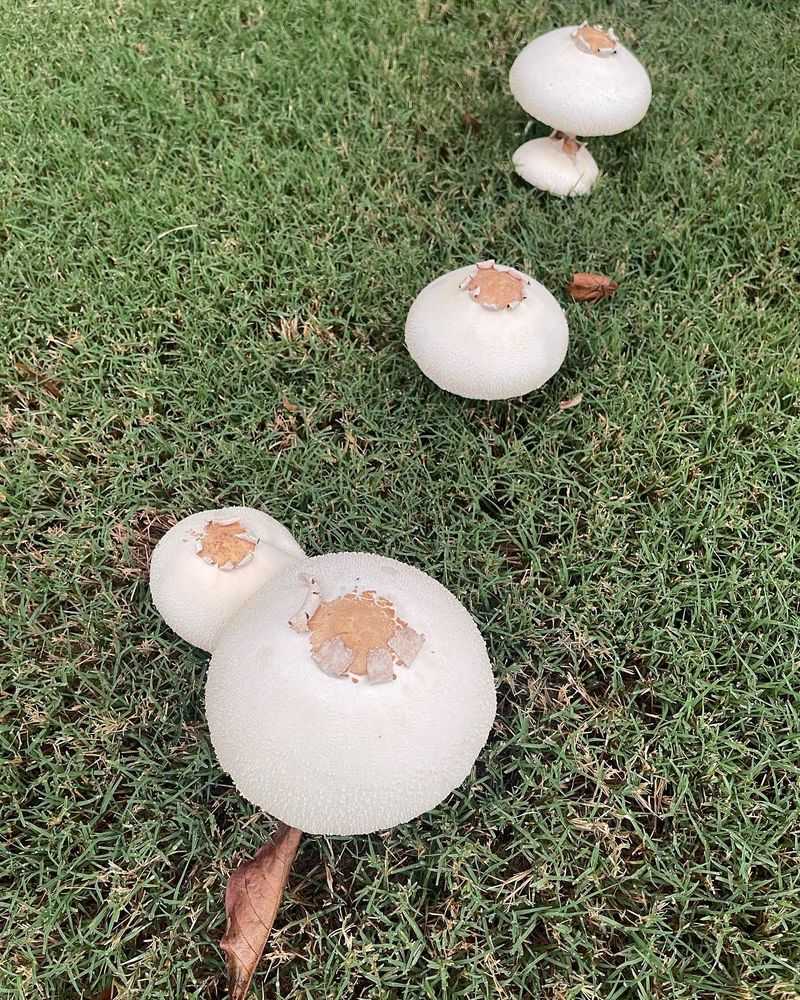
Picking mushrooms off your lawn feels productive. The yard looks clean again, and it seems like the problem is handled. Unfortunately, that feeling does not last long.
Within days, or sometimes overnight, new caps push right back up. The removal of surface mushrooms has little to no effect on the mycelium growing below the soil.
Think of it like trimming weeds without pulling the roots. You address what you can see, but the source keeps regenerating from underground.
Removing caps does serve one limited purpose. It prevents the caps from releasing spores, which could spread the fungal colony to new areas of the lawn.
So while cap removal is not a cure, it is a reasonable short-term management step. Do it consistently and you reduce the chance of the colony expanding further.
Fungicide sprays sold at garden centers are similarly limited in their effectiveness. They may suppress mushroom production temporarily, but they rarely penetrate deep enough to harm the mycelium.
Some products labeled for fairy ring treatment can help manage the visible symptoms. However, no spray product eliminates the underground colony when buried wood remains in the soil.
Accepting this limitation is actually empowering. Once you stop chasing the surface symptoms and focus on the underground cause, you start making real progress toward a lasting solution for your yard.
Digging Out The Buried Wood Is The Only Lasting Fix
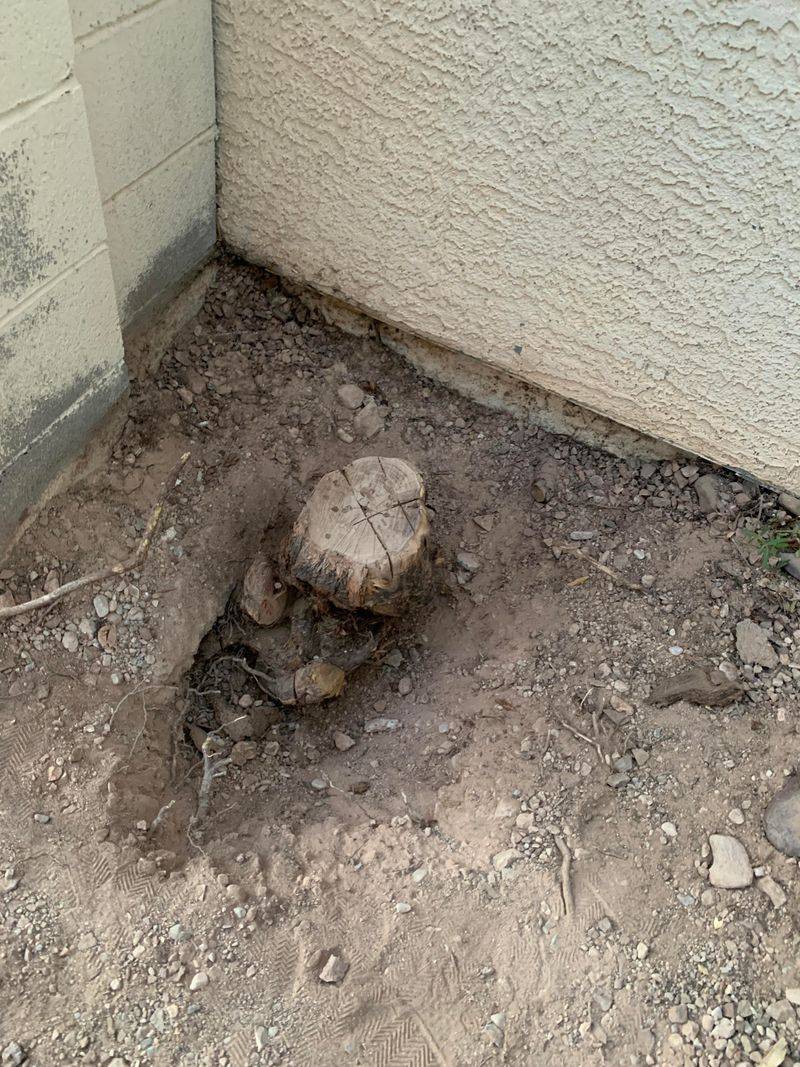
The most reliable way to stop the lawn fungus that feeds on something underground requires a shovel. The buried wood must come out of the ground completely.
This is not a small job, and it should not be underestimated. Root systems from medium-sized trees can spread across hundreds of square feet of soil beneath your lawn.
Start by mapping where the mushrooms appear most frequently. That pattern gives you the best clues about where the largest concentration of buried wood is located underground.
Rent a stump grinder or hire a professional to address any accessible stumps first. Then dig along the root paths, removing as much decaying wood as possible from the soil.
Fill the excavated areas with fresh topsoil and reseed or resod the disturbed patches. Grass can recover within a few weeks once the soil is restored and compacted properly.
In cases where roots are too deep or widespread to fully remove, you can accelerate decomposition. Adding high-nitrogen fertilizer to the soil speeds up the natural breakdown of remaining wood fiber.
Some homeowners also use stump remover granules on exposed root sections before backfilling. These products help soften the remaining wood so it breaks down faster over the following seasons.
Addressing the buried wood is the approach most likely to end the cycle of the New York lawn fungus reappearing year after year. Do the hard work now, and your lawn has the best chance of staying clear for seasons to come.