What West Texas Gardeners Should Do Before Flash Flooding Hits
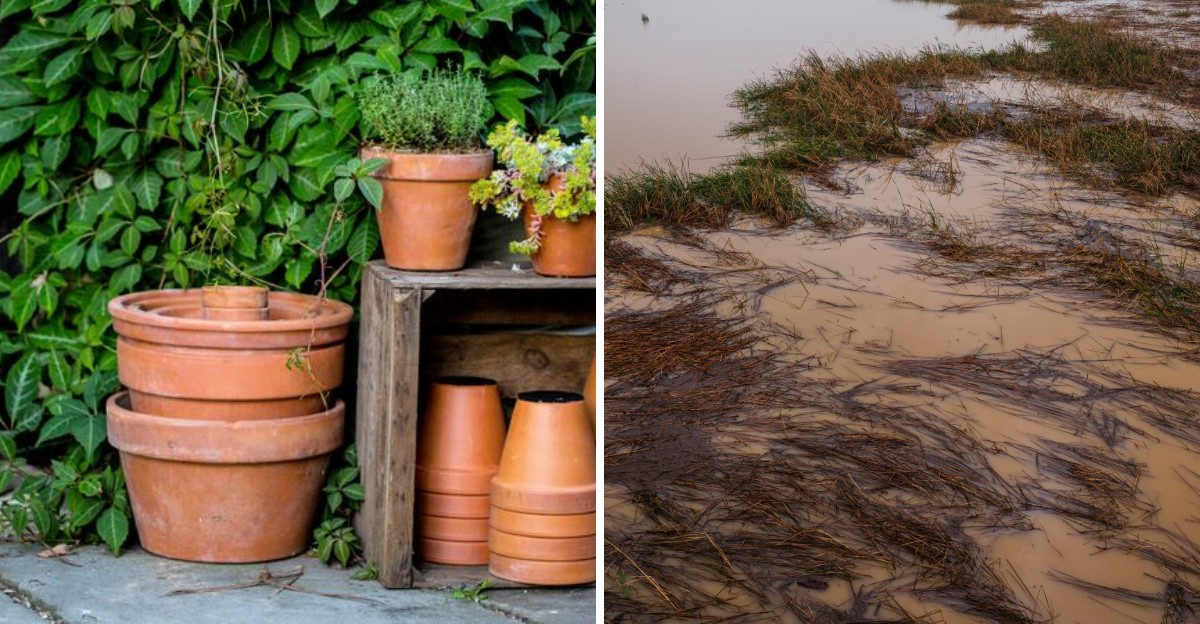
In a region known for dry spells and blazing sun, flooding might be the last thing on a gardener’s mind.
Then a storm rolls in, and a few inches of rain fall in less than an hour. That’s when West Texas yards run into trouble.
After months of heat and drought, the ground bakes hard. Caliche and compacted desert soil can act almost like pavement, so heavy rain has nowhere to go.
Water rushes across the surface instead of soaking in, carrying away topsoil, mulch, and young plants. Low spots turn into ponds.
Slopes wash out. Arroyos and drainage paths can fill in minutes. A little preparation can make a big difference.
Simple changes to how water moves through your yard can protect your plants, your soil, and even your foundation. The best time to get ready is before the clouds start building.
1. Clear Drainage Paths
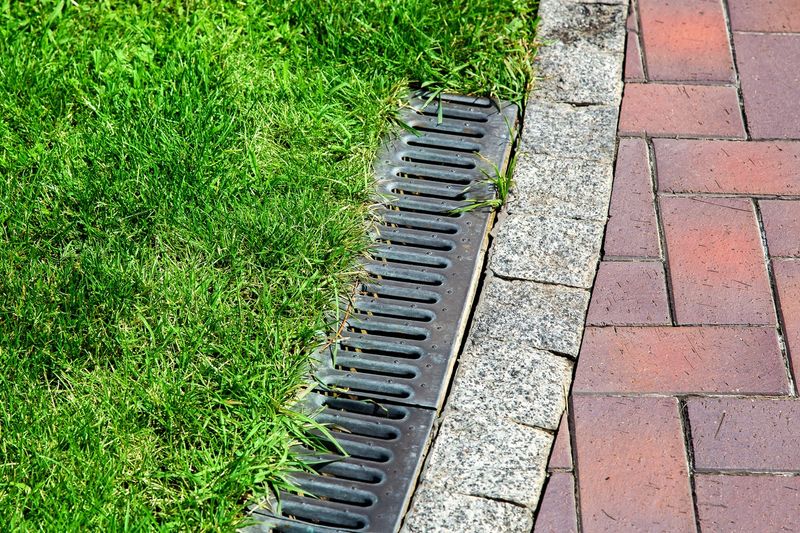
Ask any longtime West Texas gardener about flash floods, and you will likely hear a story about a clogged ditch.
Our ground is often hard and dry, almost like pavement. When heavy rain falls, the water has nowhere to go but sideways.
That is why clear drainage paths matter so much. Gutters, culverts, ditches, and natural channels act like highways for rainwater. If those highways are blocked, the water backs up and spills right into your garden beds.
Start with your roof gutters. Scoop out leaves, twigs, and dirt by hand or with a small gutter scoop.
Then check that your downspouts point away from the house and garden. A cheap downspout extension can move water several feet farther out.
Next, walk your yard and look for low spots where water flows. Tumbleweeds, plastic bags, and piles of dry leaves love to collect in these places. Pull them out before storm season starts, usually in late spring and summer.
Do not forget the culvert under your driveway or the ditch along the road. These can fill with sand and gravel after every storm.
A shovel and an hour of work can make a huge difference. If the culvert is shared or belongs to the county, call them to report a blockage.
A good habit is to check your drainage areas once a month. Also check right after any big windstorm, since wind blows lots of junk into low spots. Keep a small notebook of trouble areas so you remember them next season.
Clear paths let water move away quickly. Your plants, soil, and home will all thank you when the next storm rumbles through.
2. Secure Or Move Loose Items
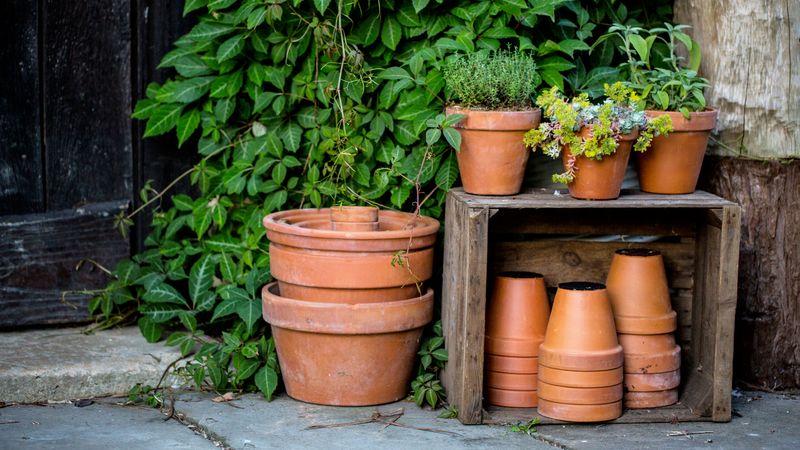
Funny thing about floodwater: it does not care how much you paid for that ceramic pot. Fast water will grab it, tumble it, and toss it down the street like a toy. Garden gnomes, hoses, and lawn chairs get the same rough ride.
Loose items cause more than just lost stuff. They can slam into fences, windows, and cars. Worse, they often end up jammed inside storm drains and culverts, which makes flooding even worse for you and your neighbors.
Your Texas Garden Changes Every Week. Your Plan Should Too.
Gardening in Texas changes quickly throughout the season. Every Friday you’ll receive a simple weekly plan showing exactly what to plant, prune, fertilize, harvest, and protect so you never miss the right timing.
So what should you move? Make a quick list. Small pots, hand tools, buckets, watering cans, hoses, kids’ toys, and solar lights are all easy targets. Bring them into a shed, garage, or even a back porch closet.
Bigger items need a different plan. Heavy furniture, large planters, and grills can be anchored instead.
Use ground stakes, bungee cords, or tie-down straps to hold them in place. Some people chain patio sets to a sturdy post or fence.
Trash cans and recycling bins also float away quickly. Store them in the garage or strap them to a wall when storms are coming. Empty ones are especially light and easy for water to carry.
Here is a smart trick. Keep a storage bin near your back door labeled storm stuff. When a flood watch pops up on your phone, toss small items in and carry the whole bin inside. It takes five minutes instead of thirty.
Weather alerts in West Texas can come fast, sometimes with only an hour of notice. Having a plan ready means you can act quickly, stay calm, and keep your yard tidy after the storm passes.
3. Slow Runoff With Berms, Swales, And Rain Catchment
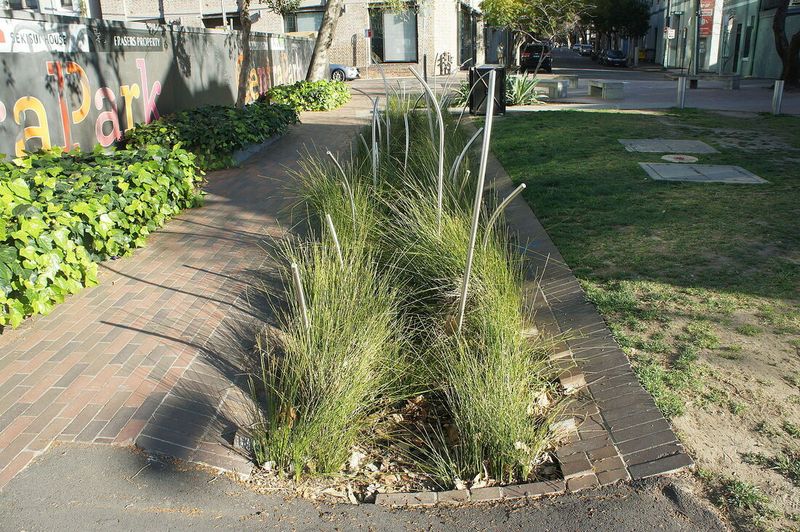
Did you know that a single inch of rain on a 1,000 square foot roof makes about 600 gallons of water? That is a lot of water rushing off your house in a storm. Instead of letting it race through your garden, you can slow it down and even save it.
Swales and berms are simple tools that people have used for thousands of years. A swale is a shallow, wide ditch dug along the slope of your yard. A berm is a low mound of soil, often built right next to the swale.
Together, they work like speed bumps for water. Rain flows into the swale, slows down, and spreads out. That gives it more time to sink into the ground instead of flooding your beds.
To build one, notice where water runs during a storm. Dig a shallow channel across that path, then pile the dirt on the downhill side. Plant the berm with tough native grasses or shrubs so roots hold it together.
Rain barrels and cisterns are the other half of the plan. Place a barrel under a downspout to catch roof runoff. Bigger cisterns can hold hundreds or even thousands of gallons.
The best part is what happens later. When the long dry spell returns, you have free water for your tomatoes and peppers. Texas even offers sales tax breaks on some rainwater harvesting gear, so check before you buy.
Just remember to empty or use barrels between storms. A full barrel cannot catch anything new. Add a screen on top to keep out mosquitoes and leaves.
4. Protect Soil From Washing Away
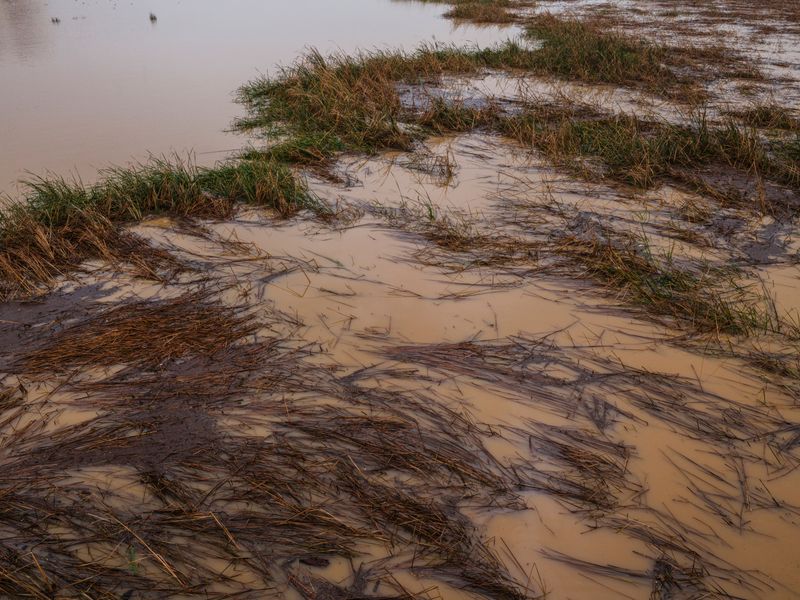
Healthy soil is like a savings account for your garden. It takes years to build up and only one bad storm to wipe out. In West Texas, good topsoil is already thin, so every inch counts.
Bare ground is the biggest problem. When heavy raindrops hit uncovered dirt, they break it apart. Then the moving water carries it off, leaving deep ruts and exposed roots behind.
The fix is simple: keep your soil covered. Native groundcovers and grasses are great at this job. Buffalograss, blue grama, and silver ponyweed spread low and grip the soil with their roots.
Mulch is another strong choice for garden beds. A two to three inch layer helps hold soil in place and keeps moisture in during hot months. It also keeps weeds down, which is a nice bonus.
Here is where many gardeners make a mistake, though. Lightweight bark and wood chips float. In spots where water rushes through, that mulch can wash away and clog drains and culverts.
For those high-flow areas, use rock or gravel mulch instead. Decomposed granite, river rock, and crushed limestone stay put much better. Larger rocks work best in channels where water moves fastest.
You can also use a mix. Put bark mulch around plants on flat ground, and gravel along slopes and paths where water travels. That way, you get the best of both.
Fun fact: the Dust Bowl of the 1930s hit parts of the Texas Panhandle hard because so much soil was left bare.
Farmers learned that covering ground protects it from both wind and water. Your backyard can benefit from that same old lesson.
5. Store Garden Chemicals Safely
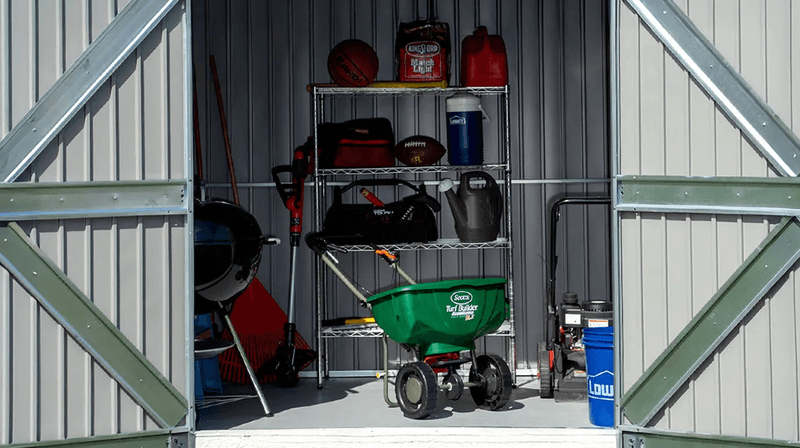
Let’s be honest. Most of us have a corner in the garage with half-used bags of fertilizer and old bottles of bug spray. It seems harmless until floodwater rolls in.
When water reaches those products, it can soak through bags and tip over bottles. The chemicals mix into the water and spread across your yard. They can end up in your soil, your well, and nearby creeks and rivers.
Fertilizers might sound gentle, but too much in waterways can feed algae and harm fish. Pesticides and herbicides are even more serious. They can be harmful to pets, wildlife, and people.
Start by taking stock of what you have. Toss out anything old, leaking, or unlabeled at a local household hazardous waste event. Many West Texas cities hold these a few times a year.
Next, move the rest up high. Sturdy shelves at least three or four feet off the floor are a good goal. The top shelf is even better, and it keeps products away from kids and pets too.
Use sealed plastic bins with tight lids for extra protection. Paper fertilizer bags fall apart fast when wet, so put them inside a bin or a heavy trash bag. Keep liquids in their original containers with labels facing out.
Location matters as well. Avoid storing chemicals in sheds that sit in low spots of your yard. If your garage tends to flood, consider a wall cabinet instead.
Finally, skip spraying or fertilizing when storms are in the forecast. Rain will just wash it away, wasting money and adding pollution downstream.
6. Plan For Safety During And After The Flood
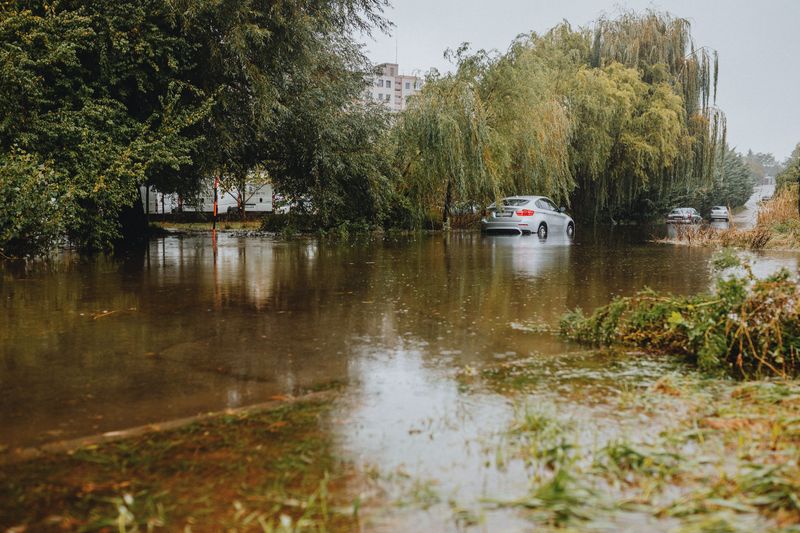
Turn Around, Don’t Drown. The National Weather Service created that slogan for a reason, and it fits West Texas perfectly. Our low-water crossings and dry creek beds can turn wild in minutes.
Floodwater is much stronger than it looks. Just six inches of moving water can knock an adult off their feet. About a foot can float a small car, and two feet can sweep away most trucks.
So the rule is simple. Never walk, bike, or drive through floodwater, even if it looks shallow. You cannot see holes, sharp objects, or washed-out roads underneath.
Plan ahead before storms arrive. Sign up for local weather alerts on your phone. Know which roads near your home flood often, and pick another route to use.
Keep a small emergency kit ready too. Pack a flashlight, batteries, water, snacks, and a first aid kit. Rubber boots and gloves will come in handy for cleanup later.
Once the water goes down, take things slowly. Wait until the area is safe before stepping into your garden. Watch for snakes, fire ants, and broken glass that floods often leave behind.
Now for the hard part. Any vegetables, fruits, or herbs that touched floodwater should go in the trash. Floodwater can carry bacteria, sewage, and chemicals that washing will not remove.
Produce that stayed high and dry is usually fine, but rinse it well. For leafy greens and root crops in flooded beds, experts often suggest waiting a few months before replanting.
Staying patient keeps your family healthy, and your garden will come back stronger with time.