Deter Spiders From Your New York House This Fall With These 8 Smells

A silky thread glints across your bathroom mirror, and you did not hang it there. New York autumn lures house spiders and wolf spiders toward your warm baseboards.
Males roam widest in autumn, chasing mates across your warm floors. Caulk fills the gaps you overlook around pipes and door sweeps.
Peppermint oil may irritate the sensors on their legs, so some avoid your doorway. Citrus, cedar, and lavender add layers your nose enjoys and their legs may resent.
Vinegar spray freshens your quiet corners and may discourage wanderers from lingering there. Spray window frames and thresholds, where eager scouts test your defenses.
Refresh the scent often, because oils fade faster than you expect. You may deter spiders in your New York home without wall smudges.
Soon your doorways smell like a luxury spa while uninvited guests find new lodging elsewhere.
1. Peppermint Oil For A Minty Defense

Picture a tiny creature that senses the world through little hairs on its legs. Now imagine it stepping onto a windowsill soaked in sharp, cooling peppermint oil.
Some believe the strong menthol in peppermint may overwhelm these sensitive legs, making the area feel unpleasant. Many homeowners use it as a first line of defense each fall.
Making a spray takes about two minutes and costs very little money. Mix fifteen to twenty drops of peppermint oil into a spray bottle filled with water.
Add a small squirt of dish soap so the oil blends with the water. Shake the bottle well before every use, since oil likes to float on top.
Spray along window frames, door gaps, baseboards, and dark corners in basements or closets. Focus on spots where you have seen webs or tiny visitors before.
The scent fades quickly, so spray again every few days during October and November. Spraying every few days during October and November helps keep the minty barrier strong.
Pet owners should take care, because peppermint oil can be toxic to cats and dogs. Keep sprayed areas out of reach and talk with your vet if unsure.
Bonus points come from the smell itself, which makes your home feel fresh and clean. Your family gets a candy cane aroma while unwanted guests get a firm hint.
Peppermint plants growing near your front door can add an extra layer of protection. Plus, you can snip a few leaves for hot cocoa on chilly nights.
These scents may help, but sealing gaps, vacuuming webs, and reducing other insects work better.
2. Lemon Peels For A Zesty Deterrent
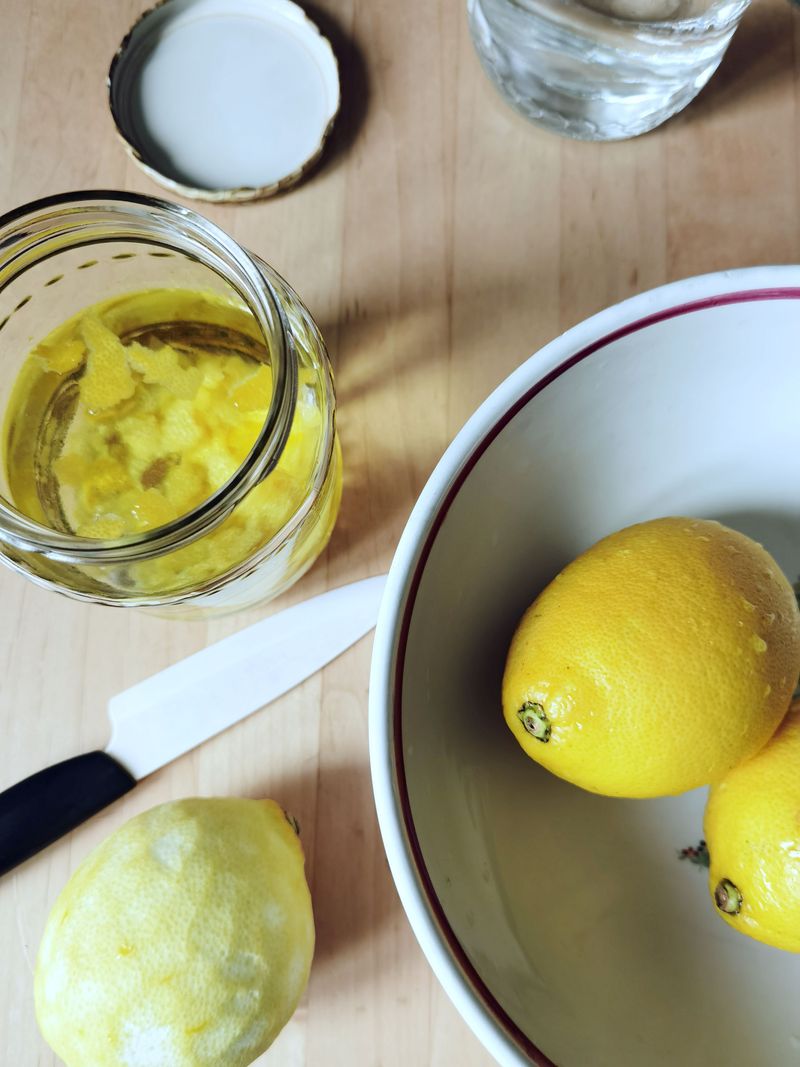
Grandma had a habit of tucking lemon peels into every windowsill, and she had a smart reason. Citrus oils can be toxic to cats, so keep peels and sprays out of reach of pets.
The secret lives in a natural compound called limonene, found mostly in the peel. When you scratch or twist a lemon rind, you can smell that powerful burst instantly.
Save your peels after making lemonade or squeezing juice for dinner. Rub the shiny side along windowsills, door frames, and bookshelves to release the oils.
Your New York Garden Changes Every Week. Your Plan Should Too.
Gardening in New York changes quickly throughout the season. Every Friday you’ll receive a simple weekly plan showing exactly what to plant, prune, fertilize, harvest, and protect so you never miss the right timing.
Leftover rinds can sit in small dishes near entry points for a few days. Swap them out once they turn dry and hard, since the smell weakens over time.
Cleaning with citrus gives you double the reward for the same effort. Wipe down counters and baseboards with a lemon solution, and your kitchen will sparkle too.
Oranges, limes, and grapefruits work in a similar way, so use whatever fruit you have. Mixing several peels together creates a bright, layered scent that feels like summer.
Be careful on wood furniture and natural stone, since acidic juice may cause damage. Test a hidden spot first before spraying anything across a large area.
Citrus oils can irritate cats and dogs, so keep peels and sprays out of their reach.
Best of all, your New York home will smell sunny as days grow shorter. That cheerful aroma makes cold October afternoons feel a little brighter.
One small lemon can do a surprising amount of work around the house. Toss it in your next grocery cart and put every part of it to use.
3. White Vinegar For A Sour Surprise
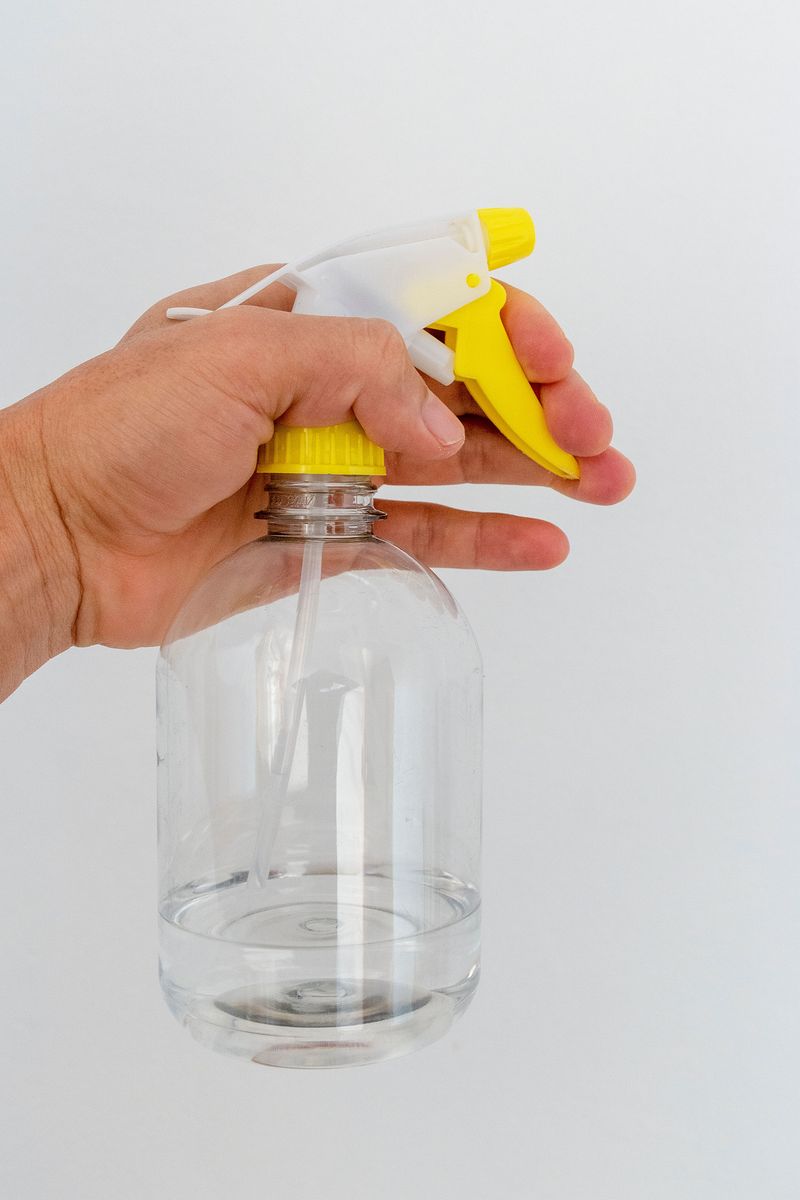
Sniff an open bottle of white vinegar, and your nose will scrunch up right away. Tiny eight-legged visitors may react much the same way.
Vinegar contains acetic acid, which gives it that sour, stinging smell. Many people believe the acid irritates pests on contact and pushes them to find new hiding spots.
Mixing a batch is about as easy as it gets. Combine equal parts white vinegar and water in a clean spray bottle, then shake gently.
Spray the solution along cracks in walls, window tracks, and the space under doors. Garages, sheds, and basements are also great targets, since they stay dark and quiet.
Some folks place small bowls of vinegar in corners where webs keep showing up. Refill the bowls every few days, because the liquid slowly evaporates.
Worried about your house smelling like a pickle jar? The sour scent fades within an hour, and a faint trace may linger.
Adding a few drops of essential oil can soften the harsh smell. Peppermint or lemon pair nicely and give your mixture an extra boost.
Vinegar is cheap, generally safe around families, and probably already sitting in your pantry. A large jug is usually inexpensive at the grocery store.
Avoid spraying it on marble, granite, or waxed wood, since acid can dull those surfaces. Plants also dislike vinegar, so keep the mist away from houseplants.
Use vinegar to clean windows at the same time, and you will finish two chores at once. Clear glass and fewer webs make a winning combination this season.
4. Eucalyptus For A Woodsy Warning
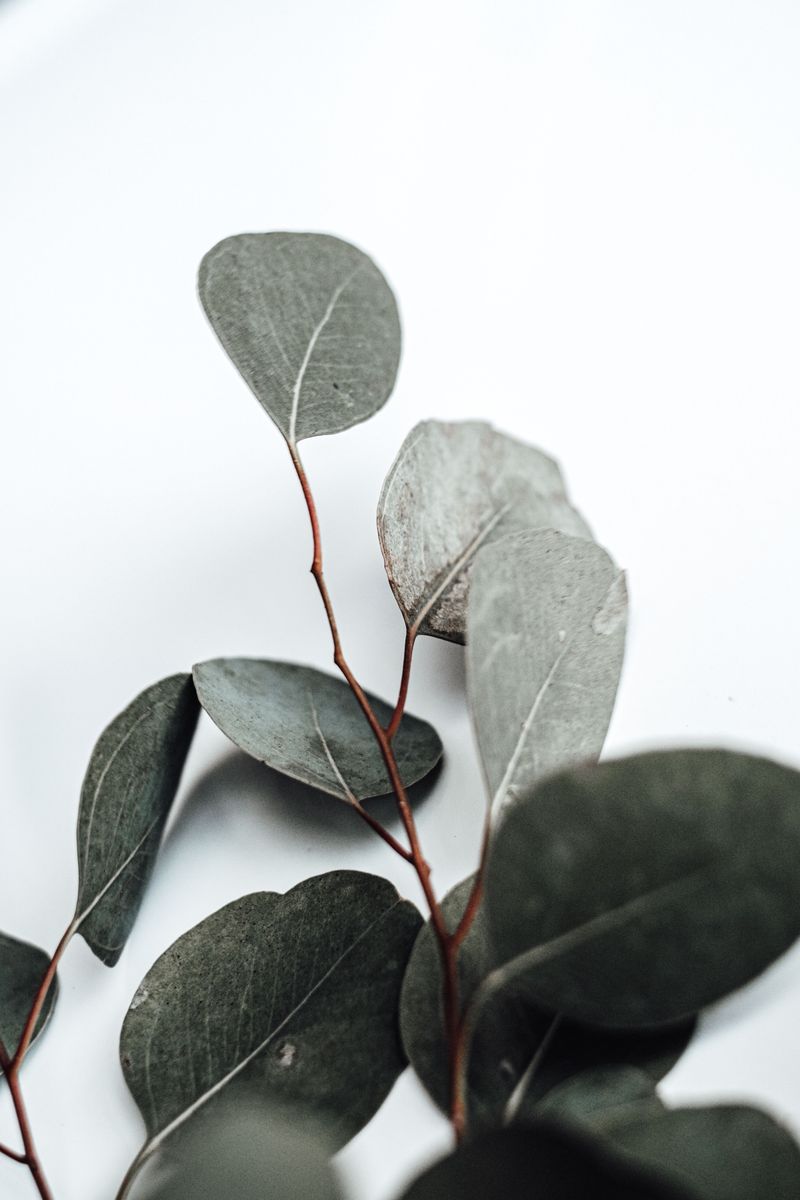
Walking into a room filled with eucalyptus feels like stepping into a fancy spa. Crawling pests, on the other hand, tend to avoid that crisp, woodsy smell.
Koalas feast on eucalyptus leaves in Australia, yet the oil in those leaves can deter some insects. The leaf oil contains a compound called eucalyptol that gives off a strong, medicine-like aroma.
Dried eucalyptus bundles look lovely hanging near doorways or tucked into vases. They add a rustic touch to fall decor while working quietly as a scent guard.
Hang a bunch in your shower, and the steam will release even more fragrance. Your bathroom becomes a relaxing retreat that unwanted guests would rather skip.
Essential oil gives you a stronger option for problem areas. Add about fifteen drops to a cup of water with a splash of rubbing alcohol.
Mist the mixture around window screens, vents, and the edges of carpets. Cotton balls dabbed with oil can also sit inside closets and cabinets.
Refresh cotton balls about once a week, since the scent fades as the oil dries. Dried bundles last longer but may need a fresh spritz every few weeks.
Keep eucalyptus oil away from pets, especially cats, because it can be harmful if licked. Eucalyptus oil can poison children if swallowed, so store the bottle well out of reach.
Many garden centers sell live eucalyptus plants that grow well in sunny pots. Placing one on a porch adds greenery and a fresh scent near your entrance.
Your home ends up smelling clean, calm, and a little bit fancy. Not bad for a plant best known as koala snack food.
5. Cedarwood For Cozy Closets And Corners
Open an old cedar chest, and a warm, woodsy smell rushes out like a hug. Generations of families have trusted cedar to protect sweaters from moths and other pests.
Cedar oil is known to repel moths and some other insects, though evidence for spiders is limited. That same rich smell that humans love may encourage critters to look elsewhere.
Cedar blocks and hanging rings are easy to find at most home stores. Slip them into closets, dresser drawers, and storage boxes holding summer clothes.
Garages and basements benefit too, since webs love those dusty, forgotten corners. Scatter a few cedar balls behind shelves and near the garage door.
Outdoors, cedar mulch suits flower beds, but keep it several inches from your foundation, since mulch can shelter pests. A ring of it can discourage critters from crawling toward your walls.
Over time, cedar loses its punch as the natural oils dry out. Lightly sand the blocks with sandpaper to wake up the scent again.
Cedarwood essential oil can recharge old blocks in seconds. Add a few drops to each piece, and the cozy aroma bounces right back.
Want a homemade spray? Mix ten drops of cedarwood oil with water, a little witch hazel, and a drop of dish soap so the oil blends.
Woodworkers often save cedar shavings in small cloth bags for drawers. You can do the same with scraps from a local lumber yard.
Cedar fits the New York fall, matching crackling fires and flannel shirts. Your closets will smell like a mountain cabin instead of musty storage.
Choose real cedar instead of scented plastic, because genuine wood holds more of those helpful oils. Check labels carefully when shopping to get the real deal. Cedar oil can irritate pets, so keep blocks and sprays out of their reach.
6. Lavender For A Calming Cutoff
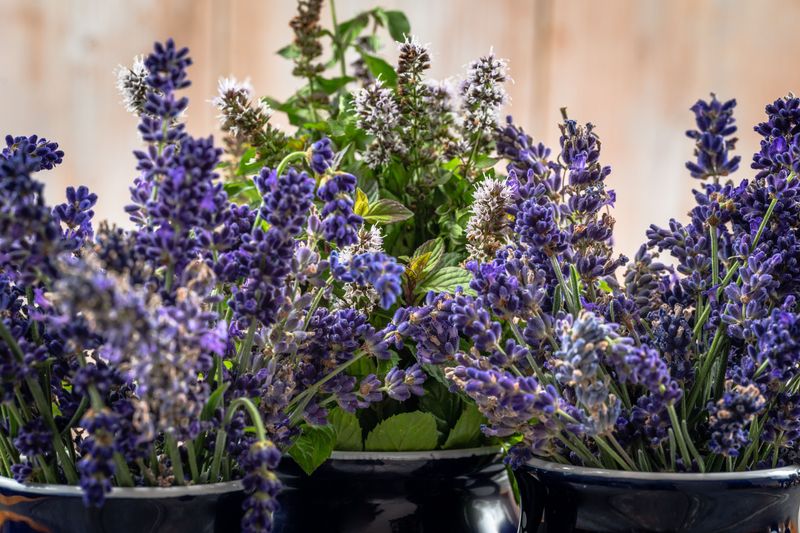
Lavender has a reputation for helping people relax before bed. Funny enough, that same soothing scent may encourage some household pests to move on.
Long ago, people placed lavender sachets in linen closets to keep sheets smelling sweet. They also noticed fewer bugs hiding among the folded fabric.
Linalool, a natural compound in lavender, gives the flower its famous floral smell. Some pests dislike it, which makes lavender a pretty choice.
Sachets are simple to make with a scrap of fabric and dried buds. Tie them with ribbon and tuck them under pillows, inside drawers, or near windows.
A spray works well for bigger spaces like bedrooms and living rooms. Blend twenty drops of lavender oil with water and a drop of dish soap in a spray bottle.
Mist the edges of curtains, the corners of rooms, and the area behind furniture. Skip spraying directly on silk or delicate fabrics to avoid stains. Lavender oil can be toxic to cats, so keep sprays and diffusers away from pets.
Growing lavender in pots by your front steps adds another layer of protection. The purple blooms also look charming next to pumpkins and mums.
Hardy varieties can winter outdoors in a sheltered spot, while tender types need a bright, cool space indoors.
Sachets lose their strength after a month or two of use. Give them a gentle squeeze to release more oil, or add fresh drops.
Lavender candles and diffusers spread the scent through a whole room quickly. Just remember to blow out candles before leaving home or heading to bed.
Your bedroom might become the calmest spot in the house. Better sleep and fewer surprise ceiling guests sound like a dream come true.
7. Tea Tree Oil For A Sharp Signal
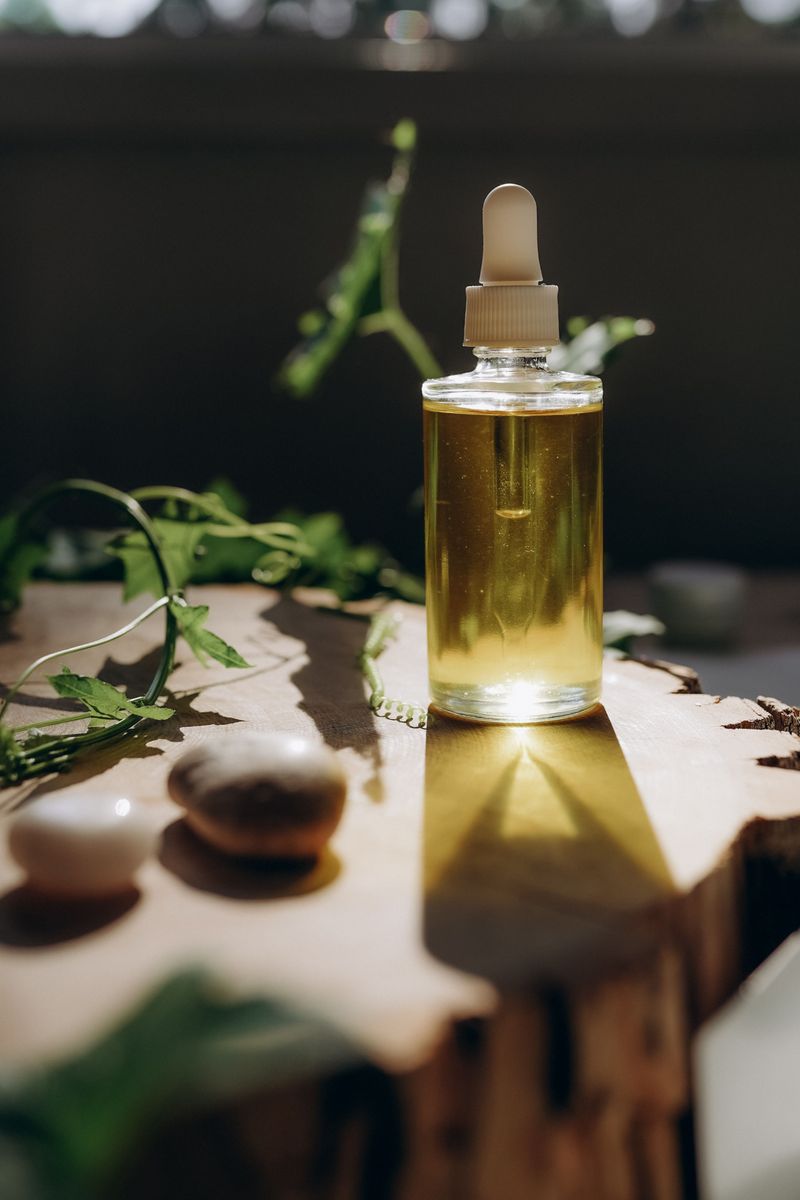
Indigenous Australians have used tea tree leaves for centuries to clean scrapes and soothe skin. Today, the oil has found a second job as a sharp-smelling pest blocker.
Its scent is strong, earthy, and a bit like a medicine cabinet. Humans may find it clean and fresh, but many crawlers clearly disagree.
Start by mixing about twenty drops of tea tree oil into a sixteen-ounce spray bottle. Fill the rest with water and add a few drops of dish soap.
Shake it hard, then spray along baseboards, window ledges, and the gaps around pipes. Under-sink cabinets deserve extra attention, since they stay dark and damp.
Tea tree oil may also help with mold and mildew in bathrooms, though stronger dilutions work better. Spraying your shower corners tackles grime and visitors with a single squeeze of the trigger.
Mixing it with other oils can create a powerful blend. Many people combine tea tree with peppermint or lemon for an extra kick.
Pure tea tree oil is very strong, so wear gloves if your skin feels sensitive. Keep it far away from cats and dogs, since it can harm them.
Plan to reapply the spray about twice a week during busy fall months. Rainy weeks may call for more frequent touch-ups near doors and windows.
A small bottle lasts a long time because you only need a few drops. That makes it a smart buy for anyone watching their budget. Tea tree may help deter spiders at entry points without making a scene.
8. Cinnamon For A Spicy Nudge

Cinnamon is a familiar October scent, drifting through many a warm kitchen. Surprisingly, this cozy spice may also help keep crawling visitors away.
Cinnamon contains a compound called cinnamaldehyde, which gives it that spicy, sweet punch. Some small pests find the strong aroma irritating and steer clear of it.
Sprinkle ground cinnamon along windowsills, door thresholds, and cracks where critters sneak in. A thin line works fine, so there is no need to dump the whole jar.
Cinnamon sticks are a tidier option for shelves and pantries. Tuck a few behind canned goods or inside cabinets for a gentle, lasting scent.
For a spray, add cinnamon essential oil to water with a pinch of dish soap. Use it sparingly, because cinnamon oil is strong and can irritate skin.
Fall decorating gives you plenty of chances to hide cinnamon in plain sight. Scented pinecones in a bowl or a stick garland on the mantel look festive.
Simmering a pot of water with cinnamon sticks and orange peels fills the house quickly. Your New York home smells like a bakery during apple season.
Vacuum up old powder every week or so, then sprinkle a fresh line. Damp weather can make cinnamon clump and lose strength faster than expected.
Pets might sniff curiously, so keep piles small and out of reach. Large amounts of the spice can upset tummies if eaten.
Spicy scents and crisp air make cinnamon a pleasant finishing touch for autumn. Your nose gets a treat while spiders may look elsewhere.