Why Fire Ants Settle Into North Carolina Compost Piles And Raised Beds As Nights Cool
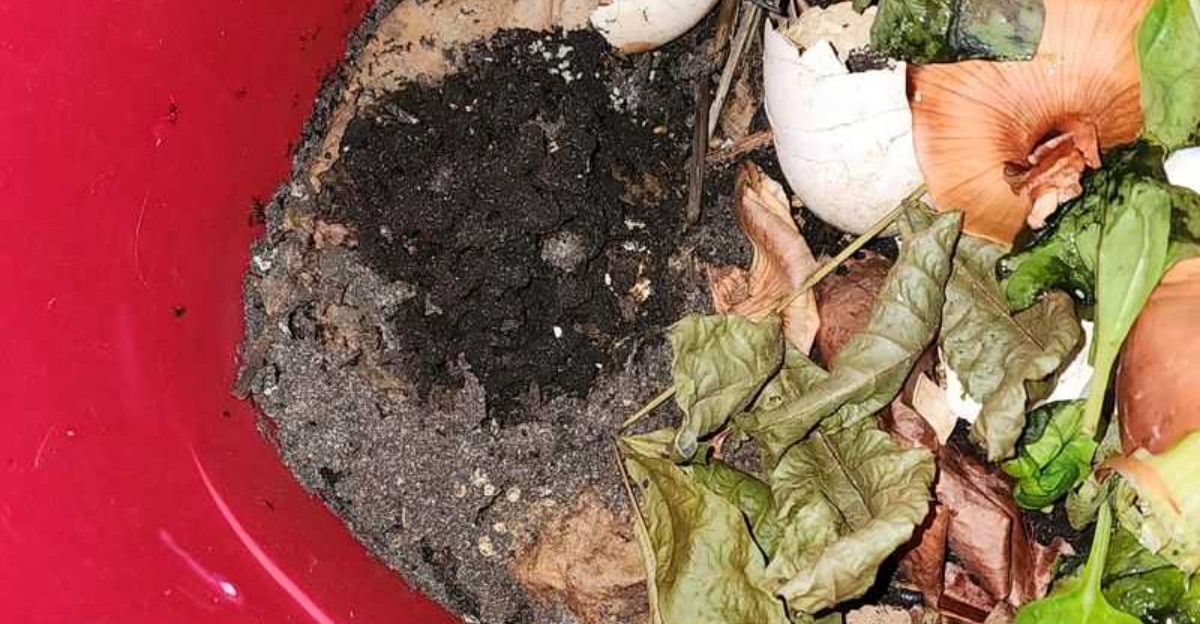
Fire ants love warmth, and cool October nights push them to find it. A compost pile is a perfect place.
Decomposing material gives off heat, stays moist, and holds plenty of food. Raised beds offer something similar, with loose soil that warms quickly in the sun.
Moving a colony into one of these spots is a smart survival choice. For you, it is a problem. Reaching into a pile for finished compost can lead to a painful surprise. Fire ants can also damage roots and disturb seedlings.
Knowing why they choose these places helps you plan better. A few simple habits make your beds and piles far less welcoming. Then you can garden without watching your step.
1. Compost Piles Give Off Warmth
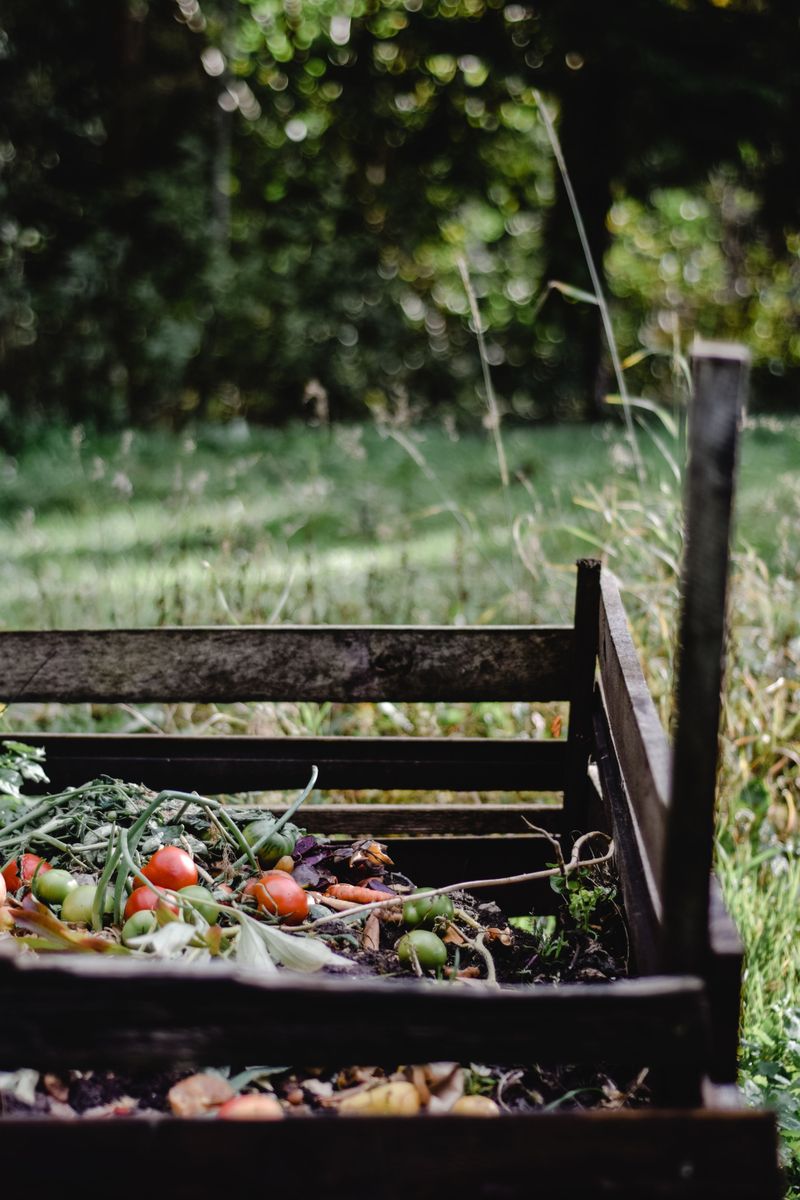
Steam rising from a compost pile on a chilly October morning is a sign that the pile is working hard. Inside, millions of tiny microbes are breaking down leaves, grass clippings, and kitchen scraps.
All that busy work creates heat, and a healthy pile can reach well over 130 degrees in the center.
Fire ants love that warmth. When fall nights turn crisp, they look for spots that stay cozy so their colony and their young can keep growing.
Eggs, larvae, and pupae, often called brood, need steady warmth to develop, so a warm compost pile acts like a heated nursery.
The good news is that you can make your pile far less welcoming. Turn your compost every week or two with a pitchfork or shovel.
Turning mixes in fresh air, which keeps the center hot and active, and those very hot zones are too much for ants to handle comfortably.
Regular turning also shakes up any nest that starts forming near the cooler edges. Ants dislike being bothered over and over, and many colonies will simply pack up and move somewhere quieter.
Think of it as a polite eviction notice delivered with a garden fork. Safety matters too. Always wear sturdy gloves and long sleeves before reaching into a pile, and take a quick look at the surface first.
Loose, piled-up soil or ants scurrying around are clear warning signs. Here in North Carolina, fire ants are well established across the Piedmont and Coastal Plain.
If you garden anywhere in those regions, checking your compost before digging in should become a simple habit that saves you from itchy, painful stings.
2. Raised Beds Warm Up Quickly In The Sun
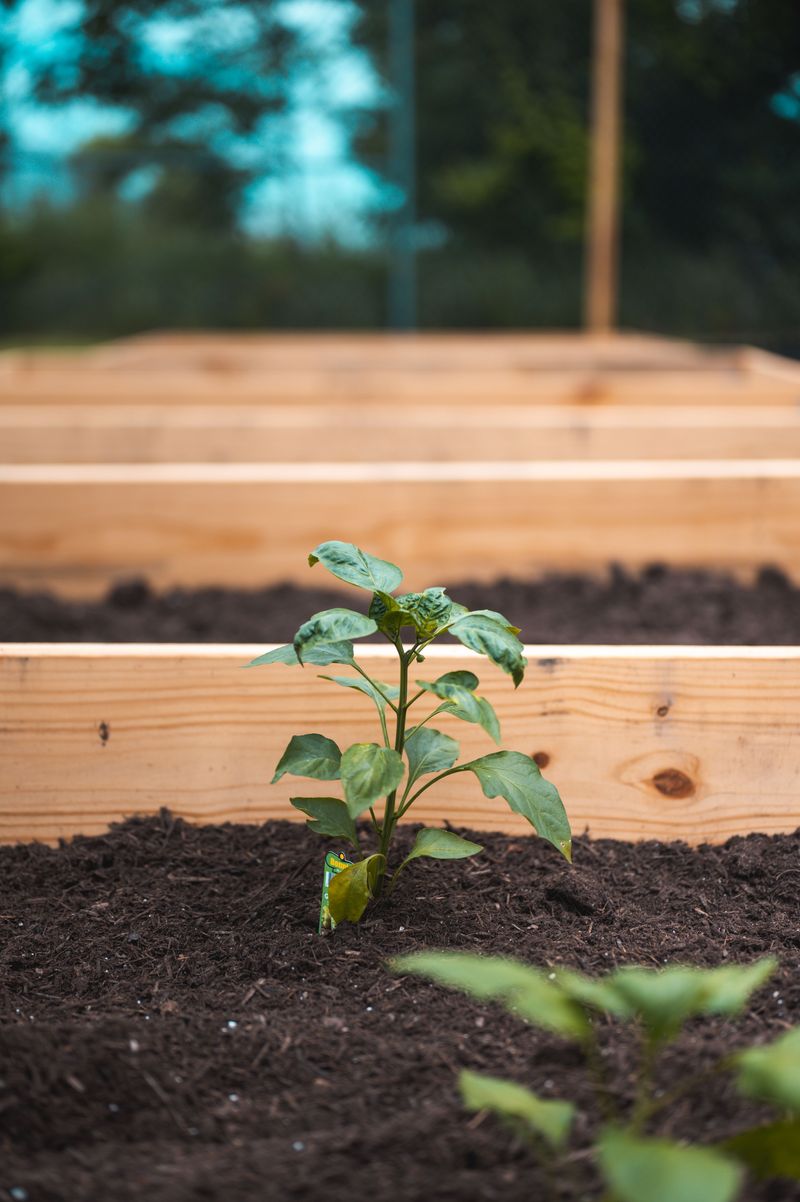
Ever notice how a raised bed feels warm to the touch on a sunny fall afternoon while the lawn stays cool? Raised soil sits above the ground and catches sunlight on its top and sides.
As a result, it heats up faster and holds that warmth longer than the flat earth around it. Fire ants pay close attention to temperature. During cooler weather, colonies often move closer to the surface and shift toward sunny spots to soak up heat.
A raised bed sitting in full sun becomes a perfect solar-powered home for them. So how do you stay one step ahead? Make a habit of scanning your beds before you start weeding or planting.
Your North Carolina Garden Changes Every Week. Your Plan Should Too.
Gardening in North Carolina changes quickly throughout the season. Every Friday you’ll receive a simple weekly plan showing exactly what to plant, prune, fertilize, harvest, and protect so you never miss the right timing.
Look for small mounds of fluffy soil, especially along the edges or near the corners where boards trap extra heat.
Sunny fall days deserve extra caution. On those afternoons, ants are often gathered near the top of the soil, ready to swarm the moment something disturbs them.
If you poke a trowel into the dirt and see ants pour out, step back quickly and brush off any that climb onto your hands or boots.
A handy trick is to tap the bed frame or lightly scratch the surface with a long tool first. That small test can reveal hidden activity without putting your fingers at risk. For North Carolina gardeners, raised beds are a year-round tool.
Many people grow lettuce, kale, collards, and garlic straight through fall and winter, which means plenty of time spent kneeling beside warm soil. Staying alert keeps those cool-season harvests fun instead of painful.
3. Loose Soil Is Easy To Dig
Building a home is a lot easier when the ground cooperates. Fire ants are skilled diggers, carving out long tunnels and many small rooms for their queen, workers, and brood. Every grain of soil they move takes effort, so they naturally choose the easiest spots.
Compost and raised bed soil are about as easy as it gets. Gardeners work hard to make that soil loose, crumbly, and full of organic matter so plant roots can spread.
Unfortunately, the same qualities that help your tomatoes grow also make life simple for tunneling ants.
Compare that to hard, packed ground. Compacted dirt and thick clay take far more work to move, so a fluffy garden bed looks like prime real estate to an ant colony looking for a new address.
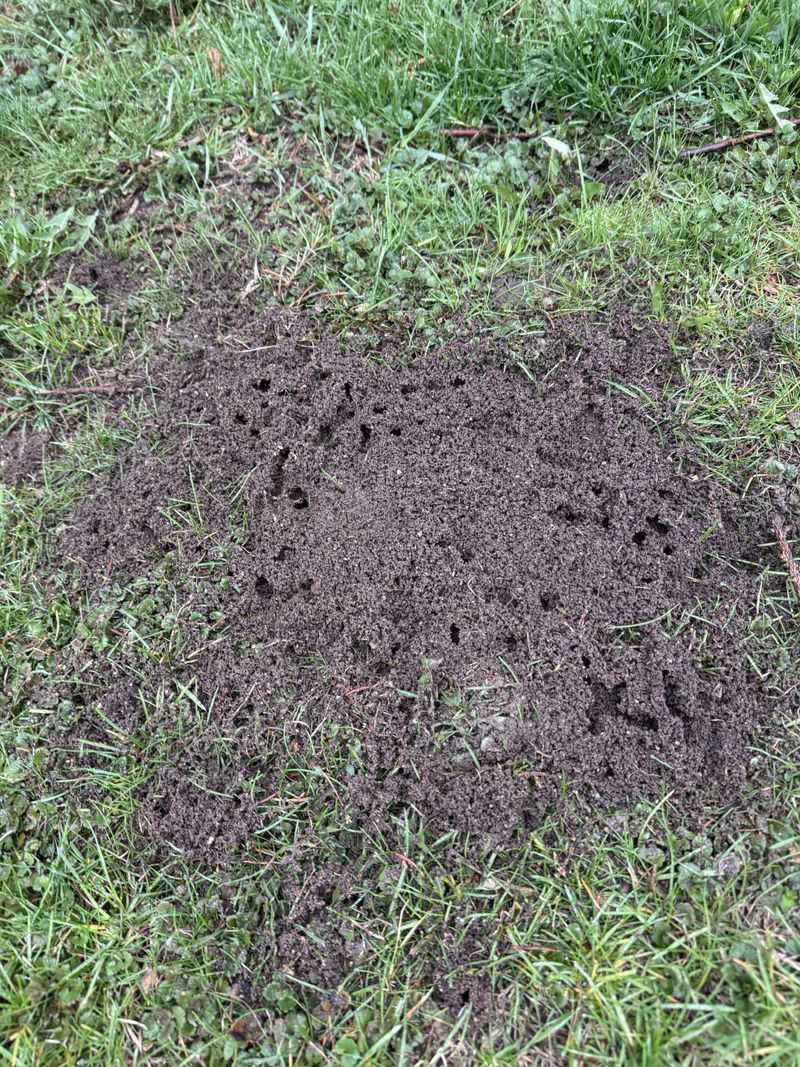
Spotting a new mound early makes a big difference. Fire ant mounds usually look like small piles of loose, puffy soil, and unlike many other ant hills, they often have no clear hole in the center.
The ants enter through underground tunnels around the edges instead. Walk through your beds once or twice a week and look for these fresh mounds. When you find one, act quickly by disturbing it or using a garden-safe treatment.
Small, young colonies are much easier to manage than large ones that have had months to grow.
North Carolina adds an extra twist. Much of the state, especially the Piedmont, sits on heavy red clay that can feel like brick in dry weather.
With that kind of soil all around, your soft, rich beds stand out even more as the comfiest spot in the neighborhood.
4. Moisture And Drainage Are Just Right
Too wet, too dry, or just right? Fire ants are a bit like Goldilocks when it comes to moisture. Their colonies need some dampness to keep the brood healthy and the tunnels stable, but they cannot handle being soaked for long.
Compost piles and raised beds hit that sweet spot. Organic matter holds water like a sponge, keeping the inside moist for days.
At the same time, the raised shape lets extra water drain away instead of pooling, which keeps tunnels from flooding.
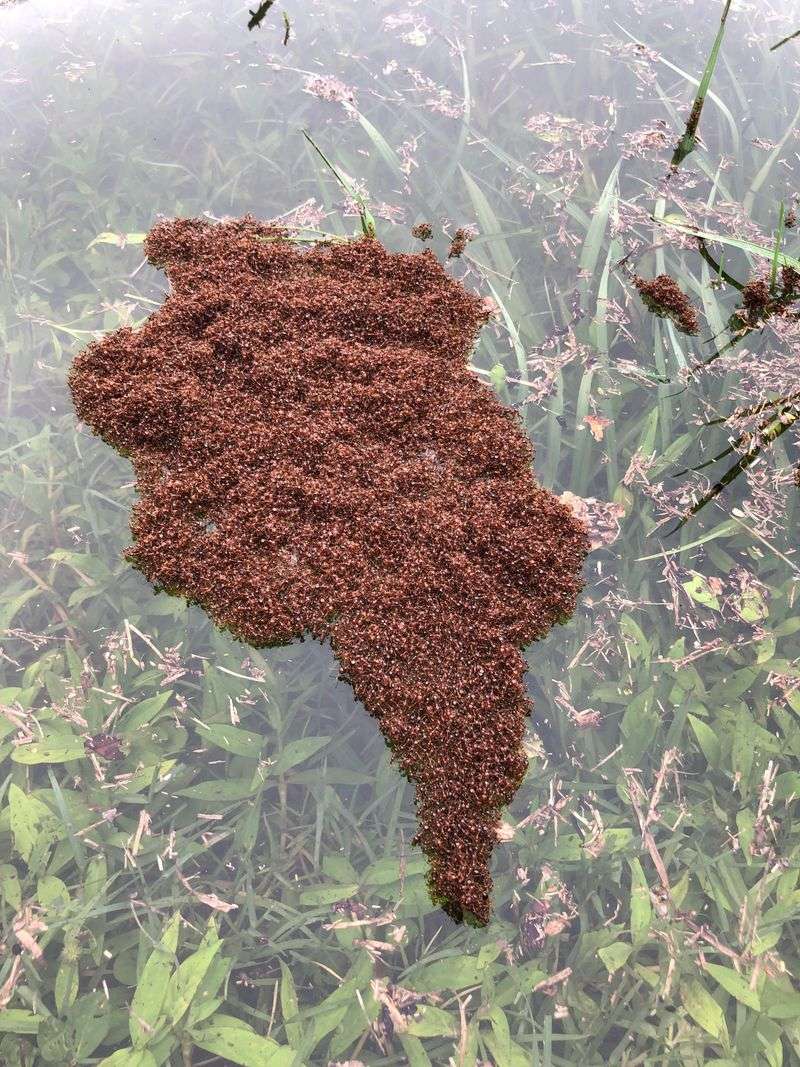
Low, soggy patches of yard are a different story. After a heavy rain, water can fill tunnels and force ants to escape.
When that happens, colonies often pick up and move to higher ground, and your raised beds sit right there waiting.
You can tip the balance a little by watching your watering habits. Give beds only as much water as your plants truly need, and test the soil with your finger before turning on the hose.
Keep compost about as damp as a wrung-out sponge, never dripping wet.
Big storms call for a quick garden check. Once the rain stops and the ground starts to dry, walk past your beds and compost bin and look for brand-new mounds. Colonies that relocated during the storm often show up within a day or two.
Fall in North Carolina can bring strong storms, including the tail end of hurricane season. Heavy downpours can flood low spots along the coast and inland, pushing ants toward anything raised and well drained.
Staying watchful after those storms helps you catch new arrivals before they get comfortable.
5. Food Sources Are Close At Hand

A compost pile is basically an all-you-can-eat buffet for small creatures. Beetles, worms, grubs, and other tiny critters gather there to feast on rotting scraps. For fire ants, that crowd of bugs is dinner served on a plate.
Fire ants are not picky eaters. They hunt insects and other small invertebrates, gather seeds, and happily chow down on sugary or oily food scraps.
A garden bed full of fallen fruit and a compost pile full of kitchen leftovers can supply all of that in one spot.
Cutting off the easy meals helps a lot. Skip meat, bones, greasy foods, and sweet leftovers like cake or syrup when adding to your compost.
Those items attract ants quickly and can also bring in raccoons and other unwanted visitors.
Fruit and vegetable scraps are still great for compost, but placement matters. Dig a small hole in the center of the pile and bury fresh scraps there, then cover them with leaves or finished compost.
The hot middle breaks them down fast, and the cover hides tempting smells. Out in the beds, tidy up as the season winds down. Pick up dropped tomatoes, split melons, and fallen figs, and pull spent plants once they stop producing.
A clean bed offers fewer snacks and fewer hiding spots for the bugs ants like to hunt. North Carolina gardeners spend a lot of time right next to their compost bins and vegetable rows.
When food draws colonies into those spots, ants end up exactly where your hands and knees go most often. Keeping things clean protects both you and your harvest.
6. Fall Beds Are Often Left Undisturbed
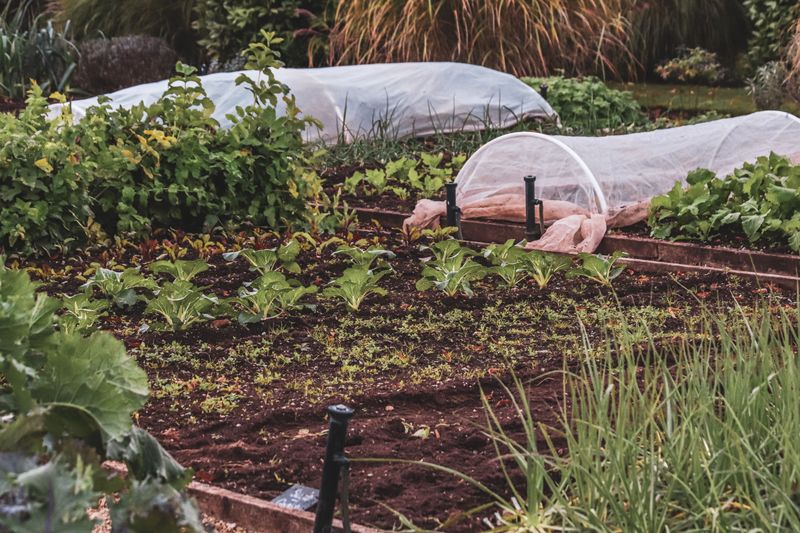
Once the last peppers are picked, plenty of gardeners hang up their tools and take a well-earned break. Beds sit quiet, compost piles go untouched, and the garden slips into a sleepy fall routine.
Fire ants see that peace and quiet as an open invitation. Colonies grow best when nothing bothers them. A few weeks without digging, raking, or turning gives ants plenty of time to build tunnels, raise new workers, and spread out.
By the time you return, a small group can turn into a busy, crowded mound. Staying active in the garden is one of the simplest fixes. Pull weeds, loosen soil, and move things around every week or so.
Turn your compost every few weeks too, even when you are not adding much to it. Planting something new keeps beds lively. Fall vegetables like spinach, radishes, turnips, and broccoli thrive in cooler weather and give you a reason to visit often.
Cover crops such as crimson clover or winter rye are another smart choice, adding nutrients to the soil while keeping beds from sitting empty.
Remember the forgotten corners as well. Spots behind sheds, along fences, and under stacked pots often go weeks without a glance.
Take a slow walk around the whole yard every so often and peek into those quiet places for fresh mounds.
North Carolina falls tend to be mild, with many warm afternoons stretching into November. Those comfortable days keep fire ants foraging and building well into the season, so a little regular attention pays off long after summer ends.
7. Treat Garden Areas With Care

Grabbing the first fire ant product on the store shelf might seem like a quick fix, but vegetable gardens need a gentler plan. Many popular fire ant treatments are not labeled for use around food crops or in compost.
Using the wrong one could harm your harvest, your soil, or the helpful creatures living in it. Reading labels is the smartest first step. Look for baits that clearly state they are approved for vegetable gardens.
Some baits made with spinosad, a natural ingredient produced by a soil bacterium, carry that approval and are popular with home growers.
Baits work by letting worker ants carry the product back to the colony, where it reaches the queen. Scatter bait around the mound rather than on top of it, and apply it when the ground is dry and ants are actively foraging, usually on warm afternoons.
Follow every direction on the label, including how much to use and how long to wait before harvesting.
Compost piles call for a more hands-on approach. Turning and mixing the pile again and again disturbs the nest and keeps the center hot, which often drives ants to move on.
Skip the old boiling water trick in your beds. Hot water may reach some ants, but it also scalds plant roots, earthworms, and the tiny organisms that keep soil healthy.
North Carolina gardeners grow food in nearly every season, so safe choices matter all year. NC State Extension offers helpful fire ant guides, and your local county office can answer questions about the best options for your garden.