Do Stink Bug Traps Actually Help In North Carolina Gardens? Here’s The Truth
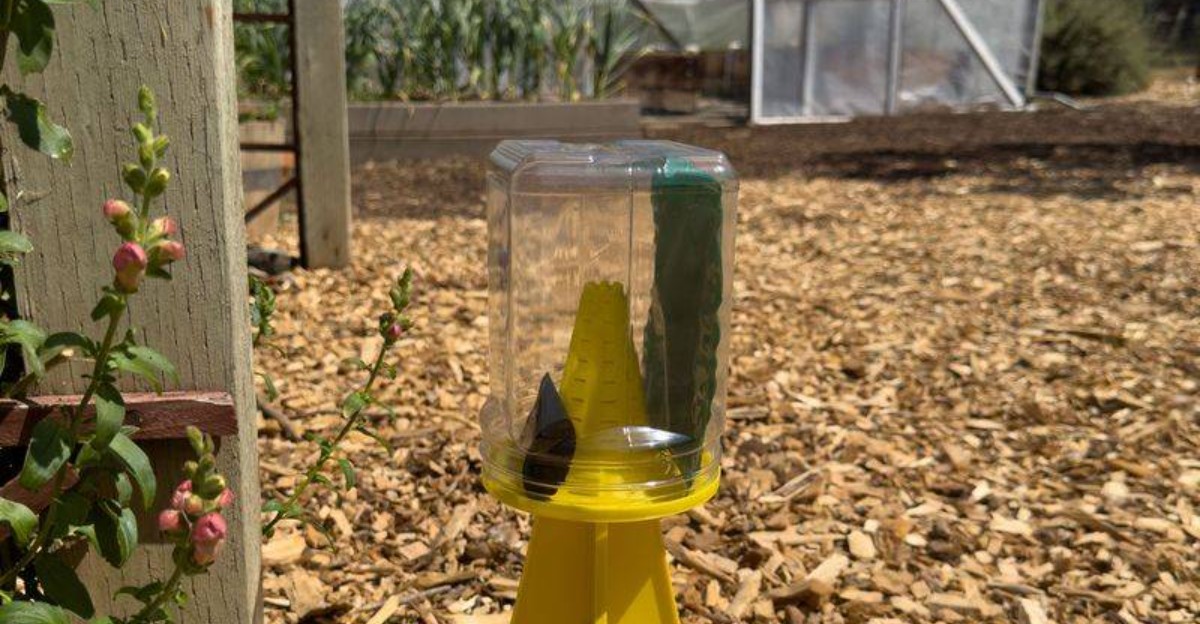
Stink bug traps are easy to find and easy to believe in. The packaging promises relief, and the bugs are certainly annoying. But gardeners often notice something odd.
More bugs seem to show up after the trap goes out. That is not your imagination. Many traps use a scent that draws insects from a wide area.
If the trap sits near your plants, it can pull them closer instead of keeping them away. Placement changes everything. So does knowing what the trap can and can’t do.
North Carolina has plenty of stink bugs, and the right plan matters. Before you spend more money, it helps to understand how these traps really work and where they fall short.
1. Traps Catch Bugs But Rarely Reduce Garden Damage
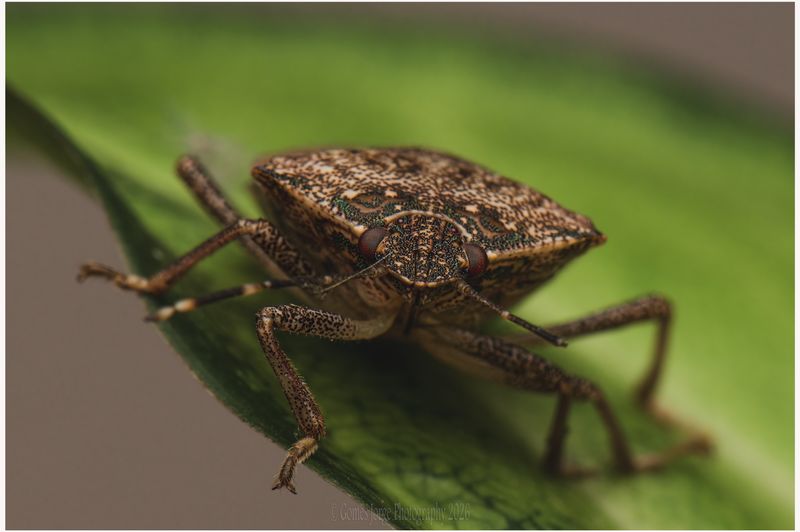
A trap stuffed with stink bugs feels like a win. You peek inside, see dozens of brown bugs piled up, and think your garden must be safe now. Sadly, that full trap tells only half the story.
Most store-bought traps use a pheromone lure, a scent that copies the signal brown marmorated stink bugs use to call each other together.
The scent works very well at pulling bugs in. Catching some of them, though, does not mean the rest stop feeding on your tomatoes, peppers, and peaches.
Think of it like a crowded party. Even if a few guests leave early, plenty more stay behind and keep eating the snacks. Stink bugs that skip the trap keep poking their needle-like mouths into fruit, leaving hard, pale, cloudy spots under the skin.
So how should you judge a trap? Skip counting bugs in the bag and look at your harvest instead. If your fruit still has dimples, mushy patches, or corky spots, the trap is not doing the job you paid for.
Research from universities and Extension services has found the same thing again and again. Home traps used by themselves usually do not give gardens good protection from feeding damage.
They can remove some bugs, yet the damage often stays about the same. All of this matters a lot in North Carolina, where long, warm summers give stink bugs plenty of time to feast.
Many gardeners spend twenty or thirty dollars on traps and refill lures each season, hoping to save their summer crops. Knowing the real results helps you spend that money on methods that actually keep your tomatoes smooth and tasty.
2. They Can Draw More Stink Bugs Into Your Yard
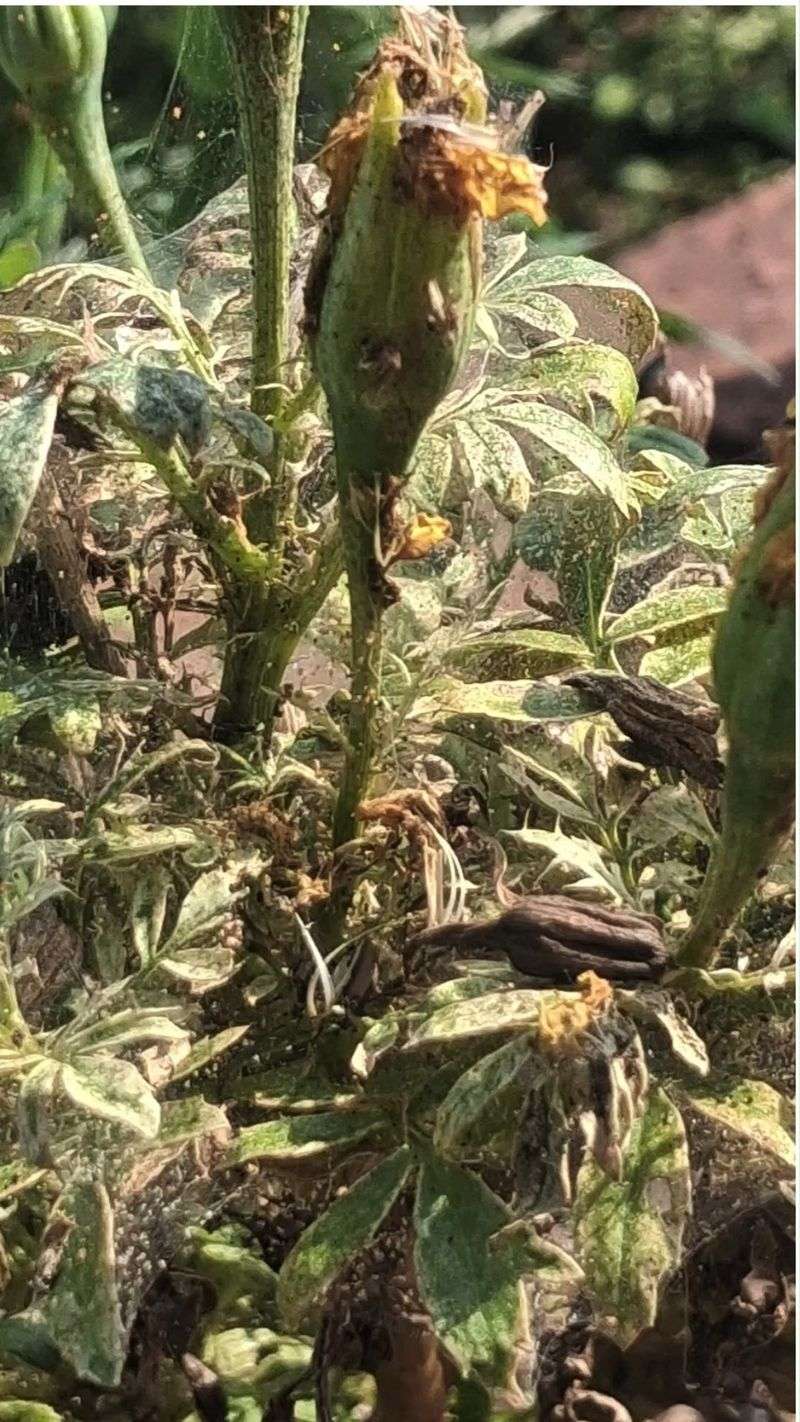
Imagine ringing a dinner bell for every stink bug on your street. That is pretty much what a pheromone trap does. The lure sends out a strong message that says, come here, the party is on.
Bugs from nearby woods, fields, and neighbor yards may follow that scent right to your property. Here is the tricky part. Many of them never actually crawl into the trap.
Instead, they land on plants close to it and stay a while. Some rest on leaves, while others start sipping juice from your beans, peppers, and ripening fruit.
Your North Carolina Garden Changes Every Week. Your Plan Should Too.
Gardening in North Carolina changes quickly throughout the season. Every Friday you’ll receive a simple weekly plan showing exactly what to plant, prune, fertilize, harvest, and protect so you never miss the right timing.
Researchers have noticed more feeding damage on plants near traps, which is the opposite of what gardeners want.
Because of that, placement matters a great deal. Keep pheromone traps out of your vegetable beds, and never hang them right beside fruit trees or berry bushes.
Before buying one at all, ask yourself an honest question: do I really want to invite more stink bugs to my yard?
For many home gardeners, the answer is no. If your yard has only a few bugs right now, a trap might turn a small problem into a bigger one. Watching your plants closely and using other methods may be the smarter move.
North Carolina gardens host a mix of stink bugs. The invasive brown marmorated stink bug is common in many counties, while native types like the green stink bug and brown stink bug also show up in gardens.
With so many kinds already around, the last thing your tomatoes need is a scent magnet pulling even more hungry visitors through the gate.
3. Growers Use Traps To Monitor, Not To Control
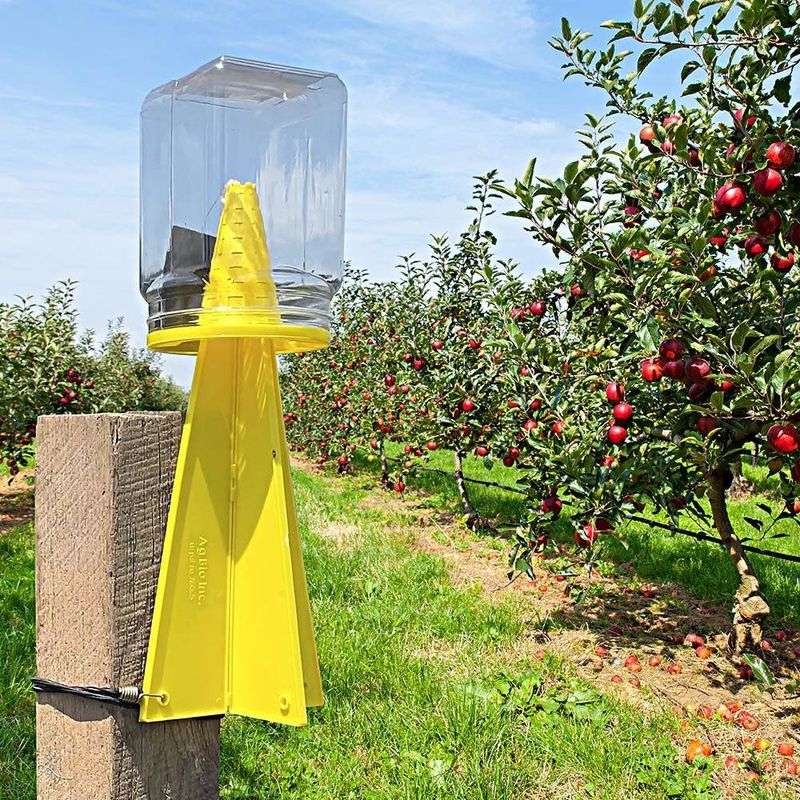
Walk past a peach orchard in the Sandhills, and you might spot a tall black pyramid standing near the trees. That odd-looking object is a stink bug trap. Farmers are not using it to wipe out pests, though.
Professional growers treat traps like a weather report. The catch tells them when stink bugs arrive and roughly how many are active. With that information, they know when to walk the rows and look closely at fruit.
A sudden jump in trap numbers acts like a warning light on a car dashboard. It does not fix anything by itself. Instead, it tells the grower to check things out and decide whether action is really needed.
Home gardeners can borrow the same smart idea. Place one trap far from your garden, maybe at a back corner of the yard, and check it every few days in late spring and summer. When bugs start showing up, you know it is time to inspect your plants more often.
That small habit helps you catch trouble early. You can look under leaves for egg clusters and spot young bugs before they grow and spread. Early action is usually easier and works better than chasing a big crowd later.
North Carolina State Extension has worked with growers to monitor stink bugs in orchards, cotton, soybeans, and other crops.
Monitoring helps farmers time their efforts instead of guessing. Bringing that same approach to a backyard garden turns a trap from a false hope into a useful early warning tool.
4. If You Use A Trap, Place It Far From Plants
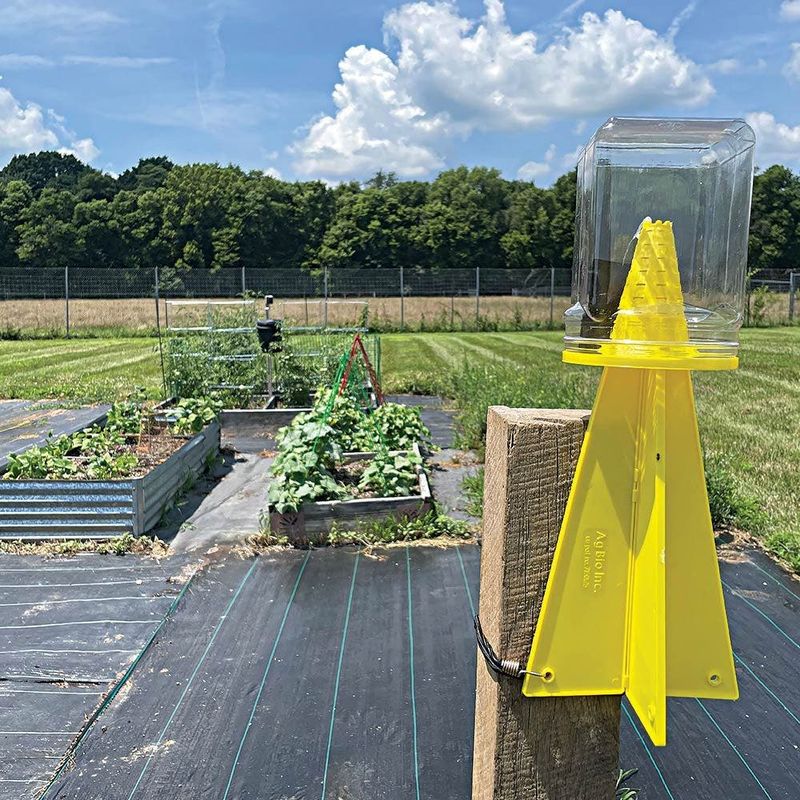
Location can turn a helpful trap into a harmful one. Put it in the wrong spot, and you basically roll out a welcome mat for pests right next to your tomatoes. Put it in the right spot, and it might catch a few travelers before they reach your food.
A trap far from crops may intercept some bugs that wander in from the edges. A trap close to plants, on the other hand, pulls bugs straight to the very crops you want to save. Distance is the difference.
Aim for the outer edge of your property, such as a back fence or a corner near the woods. Many experts suggest placing traps at least several yards away from gardens and fruit trees, and farther is better.
Keep the trap where the bugs would cross before reaching your beds. Empty the trap often, since a stuffed bag stops working well and starts to smell.
Replace lures when the package says they wear out, usually every few weeks. Seal used bags before tossing them in the trash.
Most important, keep walking through your garden. Flip leaves, look at fruit, and watch for bugs, because no trap will catch them all.
For many North Carolina families, yards are small. Townhomes in Raleigh or neighborhood lots in Charlotte may leave the garden only a few steps from any spot you could hang a trap.
If you cannot get real distance between the trap and your plants, skipping the trap entirely may protect your harvest better.
5. Indoor Light Traps Catch Some Bugs Inside
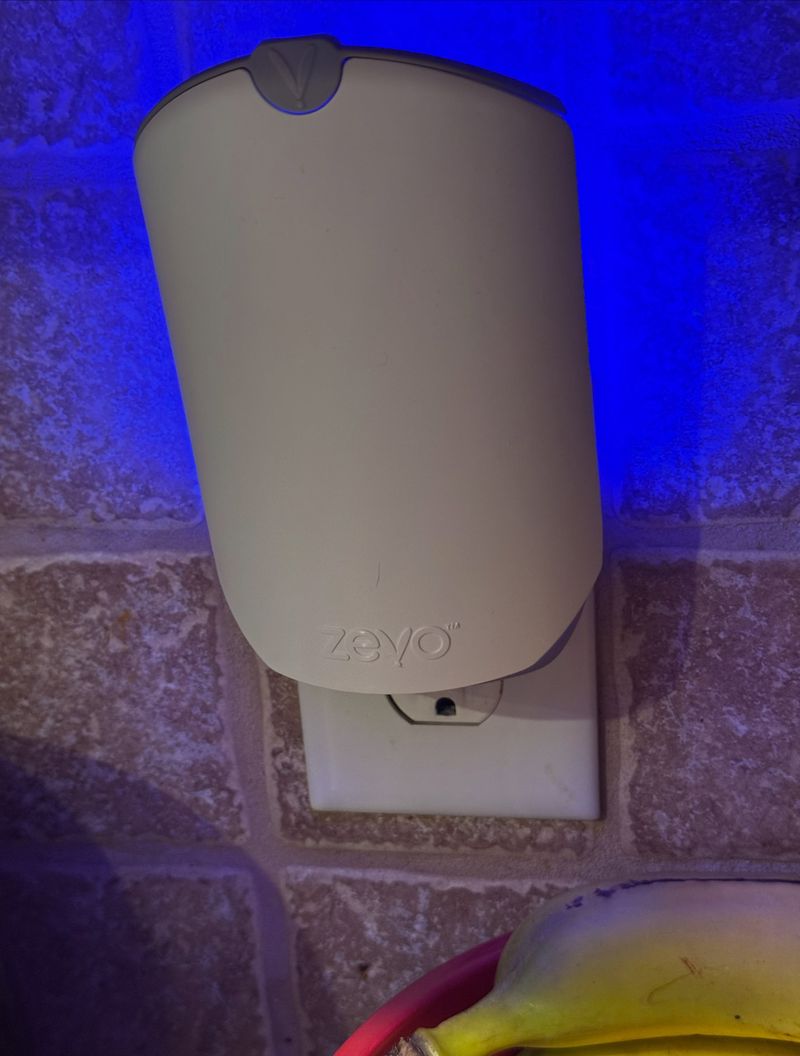
A sunny January afternoon in North Carolina can feel almost like spring. Suddenly, a stink bug buzzes past your face and bumps into the kitchen window. Where did it come from?
In fall, stink bugs crawl into walls, attics, and window frames to spend the winter. When the house warms up, some wake and wander. Many of them head toward light, and you can use that habit to your advantage.
A homemade light trap costs almost nothing. Fill a shallow pan, like a baking tray or foil pan, with water and add a few drops of dish soap. The soap breaks the surface of the water, so bugs that land cannot climb back out.
Next, set a desk lamp so it shines right over the pan. Turn off other lights in the room and leave the lamp on overnight. In the morning, flush the bugs and pour out the water.
Safety comes first, so keep the pan away from curious pets and small children. Pick a room you can close off, such as a spare bedroom or laundry room. Also keep the lamp away from the water and anything that could catch fire.
Be realistic about the results. A light trap lowers the number of bugs bumbling around your living room, but it will not clear out every hidden one. Sealing gaps around windows, doors, and vents in late summer does the bigger job.
Since mild winter days are so common across the state, this little trick can make cozy evenings a lot more peaceful.
6. Hand-Picking And Barriers Work Better In Gardens
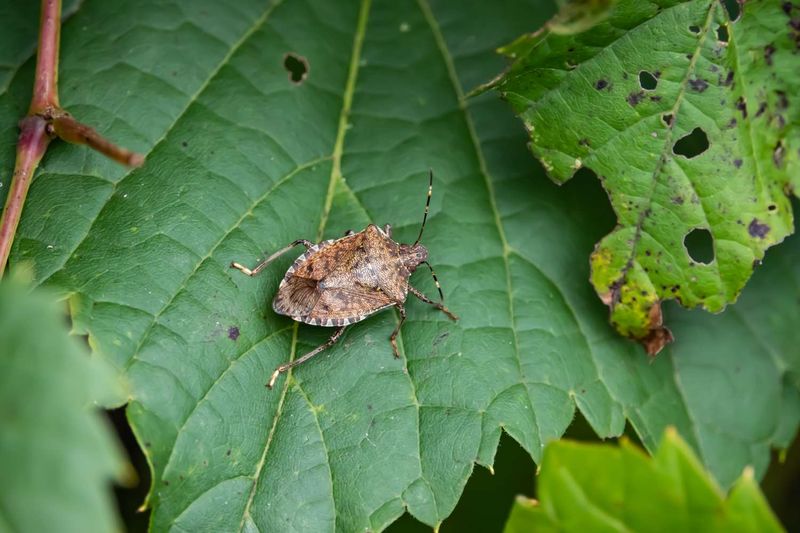
Old-fashioned methods often beat fancy gadgets. Grab a bucket, some soapy water, and a cup of coffee, and you have one of the best stink bug tools around. No lure required.
The reason is simple. Traps only attract bugs, but removing them by hand and blocking them from plants actually cuts down on feeding. Fewer mouths on your fruit means fewer scars on your harvest.
Head out in the early morning while the air is cool. Stink bugs move slowly then, so they are easier to catch. Hold the bucket under a branch and tap it, and many bugs will tumble right in.
Gloves help, since these bugs live up to their name when disturbed. Check the undersides of leaves too. Look for neat clusters of tiny barrel-shaped eggs, often about 28 in a group, and squish them or scrape them into the bucket.
Barriers add a second layer of defense. Fine netting or lightweight row covers keep bugs off young plants and small crops. For bigger plants, slip mesh bags over single fruit clusters, like a bunch of tomatoes or a branch of peaches.
Remember to remove row covers from crops that need bees once they bloom, unless you plan to pollinate by hand. A few minutes of checking every day adds up to a much cleaner harvest.
Across North Carolina, stink bugs love tomatoes, peppers, beans, and peaches, all garden favorites here. A daily morning walk with a soapy bucket protects those crops far better than any trap hanging nearby.
7. Trap Crops Can Lure Them Away From Main Crops

Sunflowers are not just pretty faces in the garden. To a stink bug, a sunflower forming seeds looks like an all-you-can-eat buffet. Smart gardeners can use that craving as a decoy.
A trap crop is a plant grown mainly to attract pests away from your main food crops. Stink bugs are strongly drawn to sunflowers and sorghum, especially when the seed heads are filling out.
Plant them along the garden edge, and many bugs may stop there instead of heading for your tomatoes.
Timing is the secret ingredient. You want the trap crop to bloom and set seed right when your vegetables start ripening. Planting sunflowers a few weeks before your tomatoes, or staggering plantings every couple of weeks, helps keep fresh seed heads ready.
Visit the trap crop often, at least a few times a week. Knock bugs into soapy water, and look for egg clusters on the leaves. Without this step, your decoy could turn into a nursery that sends new bugs straight into the garden.
Once the seed heads are past their prime and loaded with bugs, cut them, bag them, and remove them from the yard. Then a newer planting can take over the job.
North Carolina summers are perfect for sunflowers, which sprout fast and grow tall in the heat.
Researchers, including teams studying stink bugs in the Southeast, have tested sunflower and sorghum trap crops with encouraging results. A golden border that guards your vegetables and makes the yard glow is a win any gardener can enjoy.