This Is What Pennsylvania Hydrangeas Need After They Have Finished Blooming
As fall settles over Pennsylvania, hydrangea blooms go through one last transformation. Bright summer blues, pinks, and whites slowly fade into dusty rose, antique green, and deep burgundy.
By November, the flower heads turn papery and dry, rustling in the breeze. Plenty of gardeners grab the pruners at this point. Others leave everything alone and hope for the best.
The right move depends on which hydrangea you’re growing. Some types bloom on new growth and can handle a trim.
Others have already set next summer’s flower buds, and cutting them now could leave you with leaves and no flowers. Watering, feeding, and winter protection all play a role, too.
Getting these post-bloom steps right helps your hydrangeas rest well, survive the cold, and come back with even bigger blooms next year.
1. The Right Pruning For Their Type
Ask any longtime gardener about their biggest hydrangea mistake, and many will say the same thing. They pruned at the wrong time and lost a whole year of flowers. It happens more often than you might think.
The secret is knowing which kind of hydrangea you have. Bigleaf hydrangeas, the ones with blue or pink mophead flowers, bloom on old wood. Oakleaf hydrangeas, with their leaves shaped like oak leaves, do the same.
Old wood means the stems that grew last year. These plants start forming next year’s flower buds in late summer. If you cut them back in fall or spring, you snip off those future flowers.
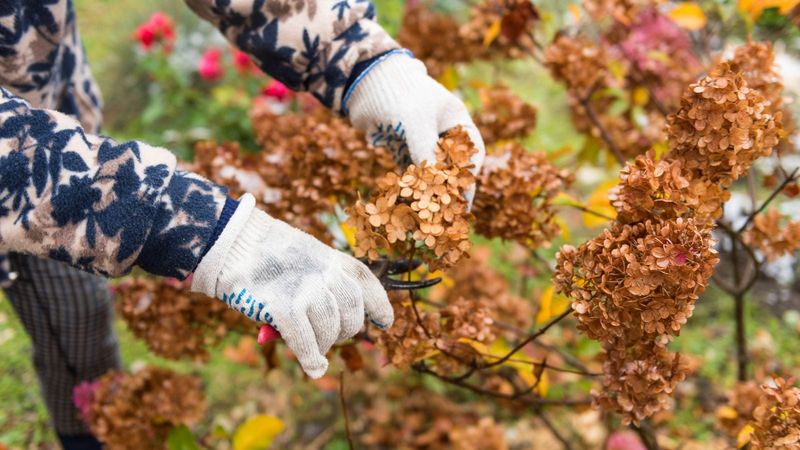
For bigleaf and oakleaf types, do any pruning right after they finish flowering. Try to be done by midsummer, around the end of July in Pennsylvania. Keep it light, removing only dry stems or a few branches that look messy.
Panicle hydrangeas are a different story. Popular kinds like ‘Limelight’ have cone-shaped flowers that bloom on new growth.
Smooth hydrangeas, such as the well-known ‘Annabelle,’ also flower on new stems grown in the same season.
That means you can wait to prune these until late winter or early spring. Cutting them back before new growth starts can even help them make sturdier stems. Some people trim ‘Annabelle’ down to about a foot tall each spring.
Not sure what type you have? Look at the flower shape and leaf style, or check the plant tag if you still have it. A local garden center can also help you figure it out with a quick photo.
Always use clean, sharp pruners. Clean cuts heal faster and keep your shrub healthier for years to come.
2. Spent Blooms Left In Place For Winter
Sometimes the laziest choice is also the smartest one. Leaving old hydrangea flowers on the plant all winter is a perfect example. You get to skip a chore and help your shrub at the same time.
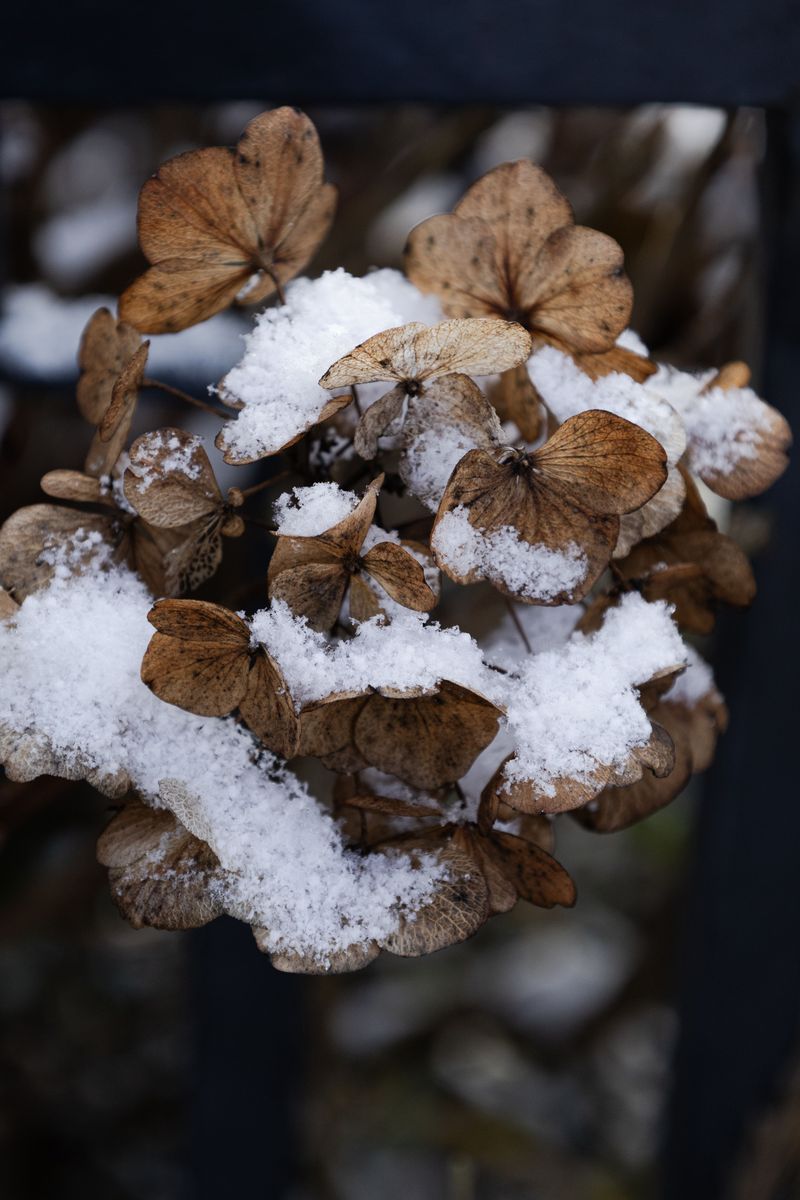
As fall arrives, hydrangea blooms slowly fade. Bright blues and pinks turn into soft shades of tan, rose, and antique green. By winter, the flower heads become dry and papery, almost like old lace.
Your Pennsylvania Garden Changes Every Week. Your Plan Should Too.
Gardening in Pennsylvania changes quickly throughout the season. Every Friday you’ll receive a simple weekly plan showing exactly what to plant, prune, fertilize, harvest, and protect so you never miss the right timing.
Many Pennsylvania gardeners love how these dried blooms look in a snowy yard. They add shape and texture when everything else is bare.
After a fresh snowfall, the flower heads catch little white caps that look like something from a holiday card.
There is also a practical reason to leave them alone. On bigleaf hydrangeas, next year’s flower buds sit just below the old blooms. If you snip off the faded flowers in fall, you can easily cut those hidden buds by accident.
Some gardeners even believe the dried flowers give a small bit of shelter to the buds underneath. Either way, keeping them in place takes away the risk of a costly mistake.
When spring comes and you see green buds swelling, you can finally remove the old heads. Cut just above the first set of healthy buds. Your plant will look fresh and tidy again.
Here is a fun bonus. Dried hydrangea flowers make lovely indoor decorations. Snip a few in early fall, when they feel slightly papery, and place them in a vase without water.
They can last for months on a table or mantel. It is a sweet way to enjoy your garden long after the season ends.
3. Deep Watering Until The Ground Freezes
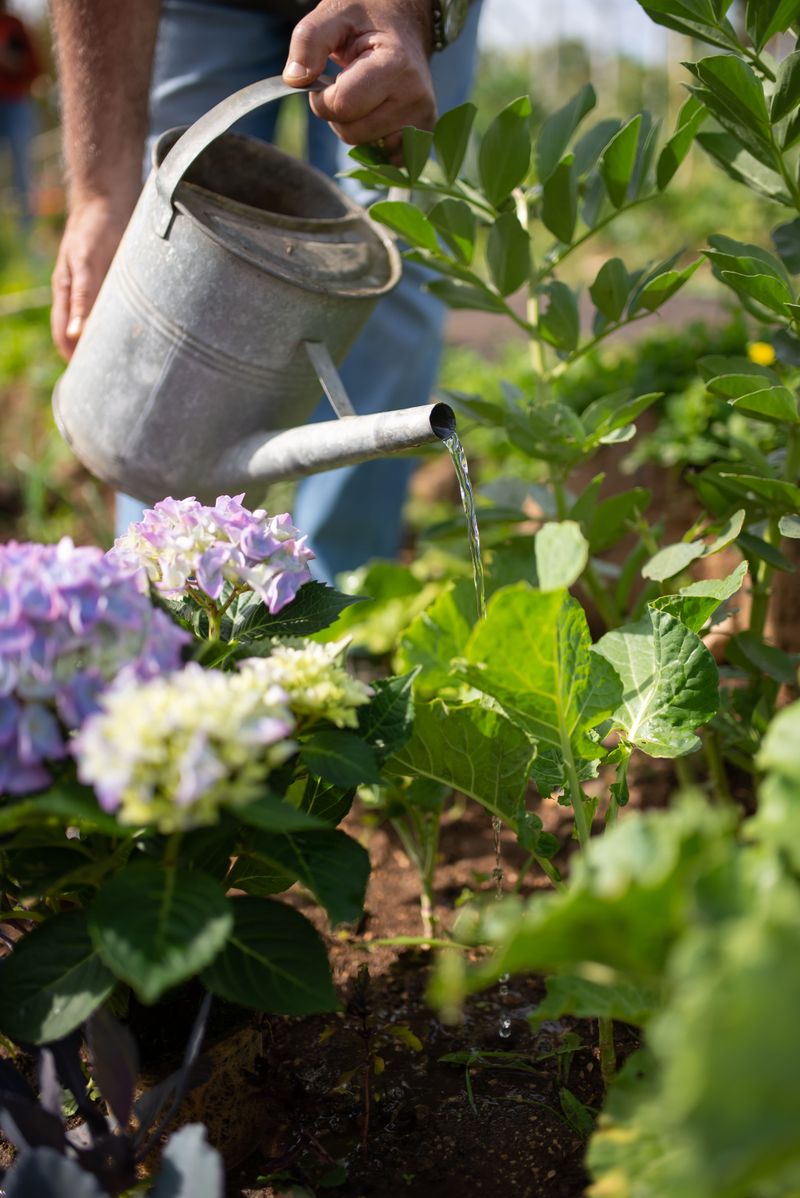
Hydrangeas are thirsty plants, and their name proves it. The word hydrangea comes from Greek words meaning water vessel. That fits these shrubs perfectly.
After blooming, it is easy to forget about watering. The flowers are gone, the weather cools down, and the hose gets tucked away. Yet your hydrangea still needs a steady drink.
Late summer and fall are busy times for these plants. They are forming the flower buds that will open next year. If the soil gets too dry, the plant becomes stressed and may produce fewer blooms.
Pennsylvania often sees dry spells in August and September. Even in October, a few weeks without rain can leave the soil dusty. Check the ground by pushing your finger about two inches into the soil near the plant.
If it feels dry, it is time to water. Give the plant a deep soaking instead of a quick sprinkle. A slow trickle from a hose for several minutes works well, or you can use a soaker hose.
Deep watering helps roots grow down into the soil where moisture lasts longer. Shallow watering only wets the top layer, which dries out fast. Aim for about an inch of water each week when rain is scarce.
Water in the morning if you can. That gives leaves time to dry and lowers the chance of disease.
Keep this up until the ground freezes, usually in late November or December. Plants that head into winter well hydrated handle cold weather much better.
Dry roots are more likely to suffer damage during freezing temperatures. Think of it as packing your plant a good water bottle before a long, cold trip.
4. A Fresh Layer Of Mulch
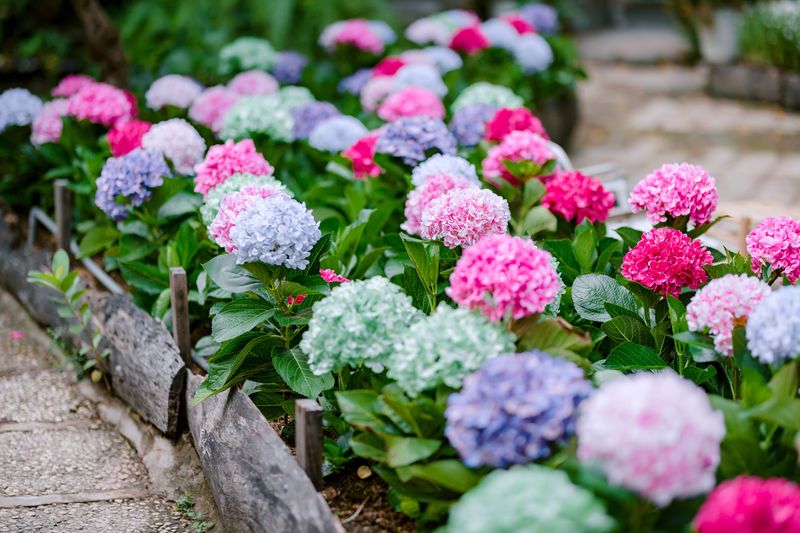
Mulch is like a warm blanket for your garden. It might not look exciting, but it works hard all year long. Hydrangeas especially love a good layer around their roots.
After your shrubs finish blooming, fall is a great time to add fresh mulch. Spread about two to three inches around the base of each plant. Try to cover the area out to where the branches end.
Why does it matter so much? Mulch keeps the soil from drying out too fast. It holds in moisture, which means less watering for you and happier roots for your hydrangea.
It also helps with something called freeze-thaw cycles. Pennsylvania winters often swing from freezing nights to sunny, mild days. The soil can freeze, thaw, and freeze again, which can push roots up and damage them.
A thick layer of mulch keeps soil temperatures more even. That steady temperature protects roots from all that stressful back and forth.
Here is one rule you should never skip. Keep the mulch pulled back a few inches from the stems. Piling it against the trunk, sometimes called a mulch volcano, traps moisture and can cause rot.
Good choices include shredded hardwood, pine bark, pine needles, or chopped leaves. Shredded leaves are free and easy to find in most Pennsylvania yards each fall.
As they break down, they also add nutrients to the soil. Avoid using fresh grass clippings in thick layers. They can mat down and smell bad.
Refresh your mulch each year as it breaks down. A small amount of effort now pays off with healthier plants, fewer weeds, and stronger blooms next season.
5. No More Fertilizer Until Spring
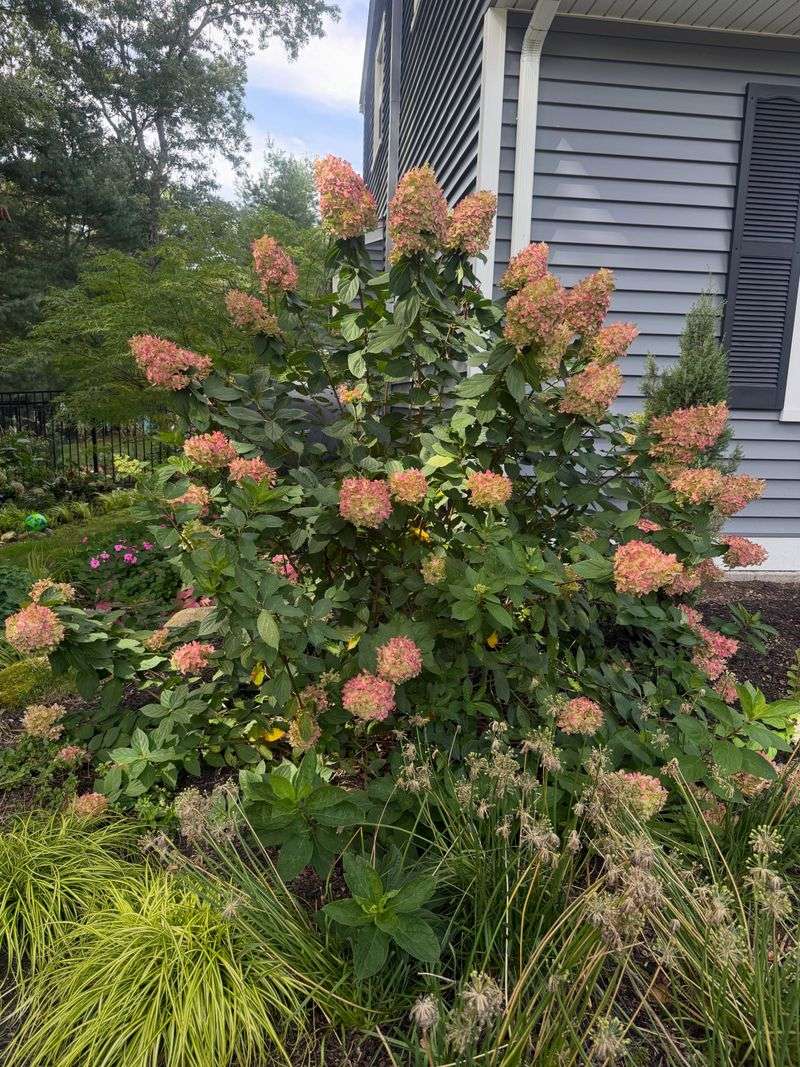
Feeding your plants seems like a kind thing to do. More food should mean more flowers, right? With hydrangeas, timing makes all the difference.
Fertilizer tells a plant to grow. When you feed a hydrangea in late summer or fall, it starts pushing out soft, new leaves and stems. That sounds nice, but the timing is all wrong.
New growth is tender and weak. It has not had time to toughen up before cold weather arrives. In Pennsylvania, early frosts can show up in October or even late September in some areas.
When frost hits that soft growth, it gets damaged quickly. The plant then wastes energy on growth that will not survive. Instead, it should be using that energy to store food and get ready for winter.
The simple fix is to stop feeding by midsummer. A good rule is to give your last dose of fertilizer no later than the end of July. After that, put the bag away and let nature take over.
Hydrangeas naturally slow down in fall. Their stems harden, their leaves change, and they prepare to rest. Letting them follow this rhythm helps them handle the cold much better.
Wait until spring to feed them again. When you see new leaves starting to unfold, that is your signal. A balanced, slow-release fertilizer works well for most hydrangeas.
Here is a quick tip for bigleaf types. The color of their flowers depends on soil acidity, not just fertilizer.
Acidic soil tends to make blue flowers, while less acidic soil leans pink. So relax this fall. Sometimes giving your plant a break is the best care of all.
6. Winter Protection For Bigleaf Types
Picture a summer with no blooms on your favorite blue hydrangea. For many Pennsylvania gardeners, that disappointment comes from one thing. Winter weather damaged the flower buds before spring even started.
Bigleaf hydrangeas are the most sensitive type. Their buds form on old wood in late summer and must survive all winter. Harsh cold, icy winds, and late spring frosts can ruin those buds.
When that happens, the plant may still grow lots of green leaves. Sadly, it will have few or no flowers. Panicle and smooth hydrangeas do not have this problem because they bloom on new growth.
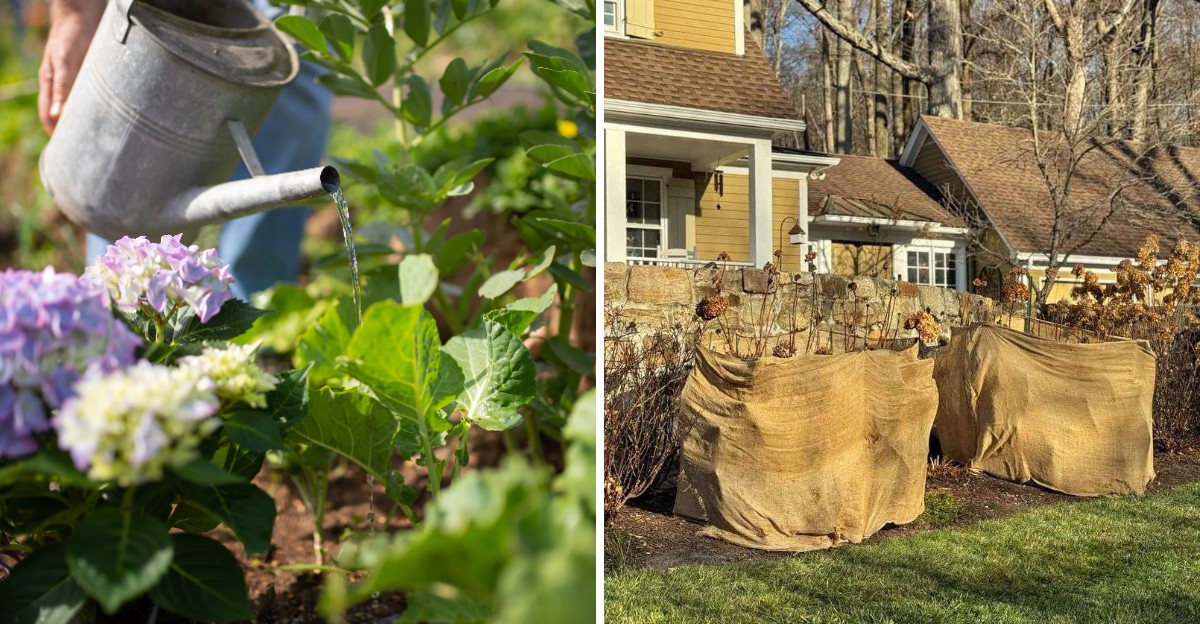
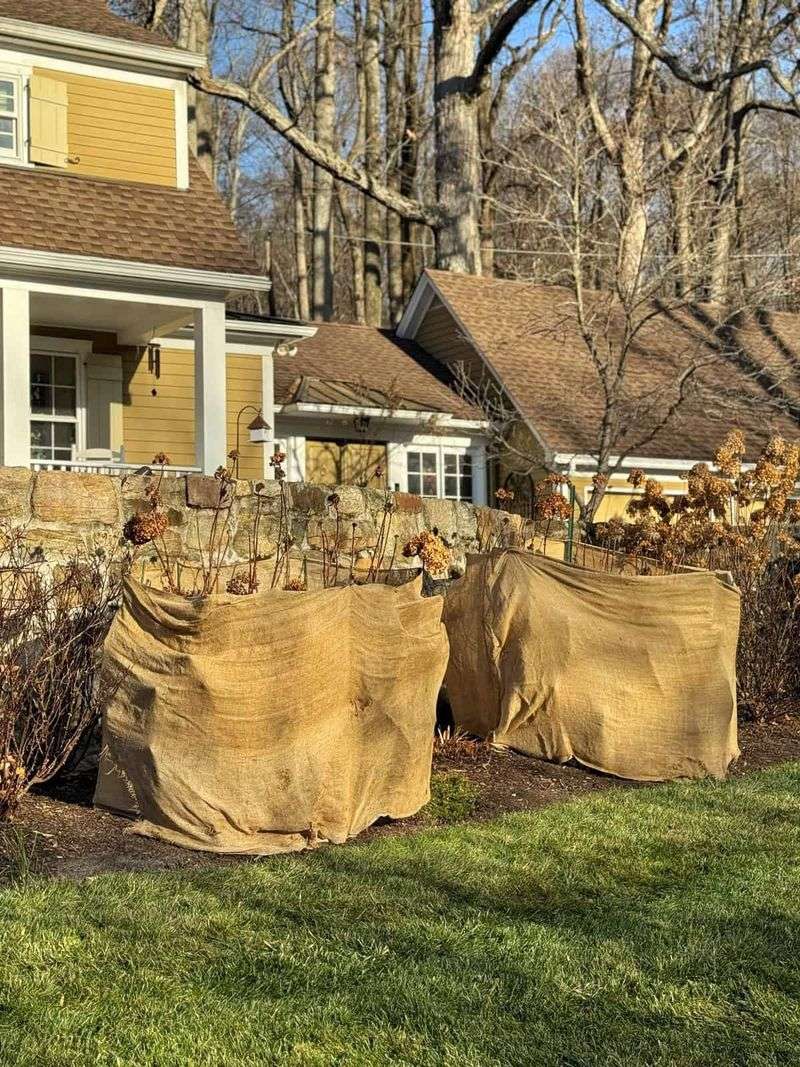
The good news is you can build a simple shelter. Wait until the plant goes dormant, usually after a few hard frosts in late November. The leaves will have dropped by then.
Push a few stakes into the ground around the shrub. Wrap chicken wire or burlap around the stakes to form a cage. Then fill the cage with dry, shredded leaves, covering the stems loosely.
Oak leaves work great because they do not pack down as easily. Keep the filling dry, since soggy leaves can cause rot. Some people add a loose cover on top to keep rain and snow out.
Leave the protection in place until spring frosts have passed. In most of Pennsylvania, that is around mid to late April. Remove it slowly on a cloudy day so the plant can adjust.
Did you know? Many newer bigleaf varieties, like the Endless Summer series, can bloom on both old and new wood.
Even so, protecting them still leads to more flowers. A little effort in winter can reward you with a shrub bursting with color all summer long.