Harvest These Vegetables Before This Weekend’s Ohio Frost – And Leave These For After
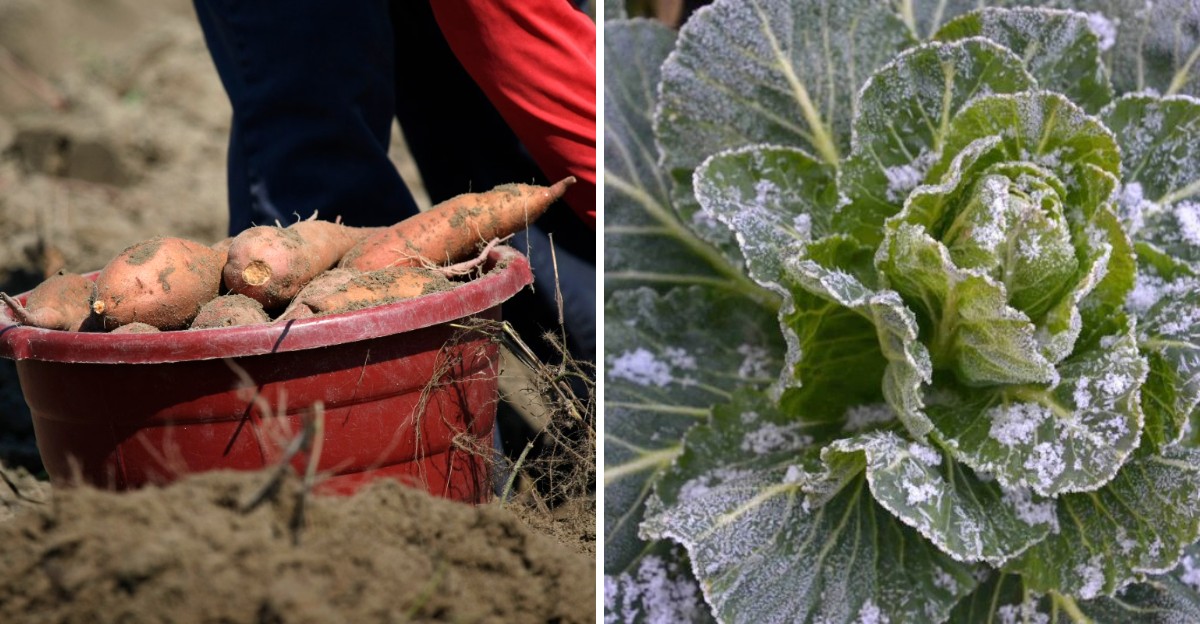
Two Ohio gardeners, same street, same cold snap. One ate fresh vegetables into November.
The other hauled a wheelbarrow of mush to the compost pile.
Skill had nothing to do with it, and neither did luck. The gap came down to the order they worked their rows, and one group of crops behaves in a way that surprises most people.
Some of your plants need rescuing before the weekend. Others want the cold to do them a favor.
Mix up the two and you pay twice, once in lost harvest and once in flavor you never got to taste.
Plenty of gardeners swear they know the split. Plenty still get at least one crop wrong.
Walk your rows with a basket before Friday night. The garden won’t offer a second chance.
1. Pick Every Pepper And Eggplant
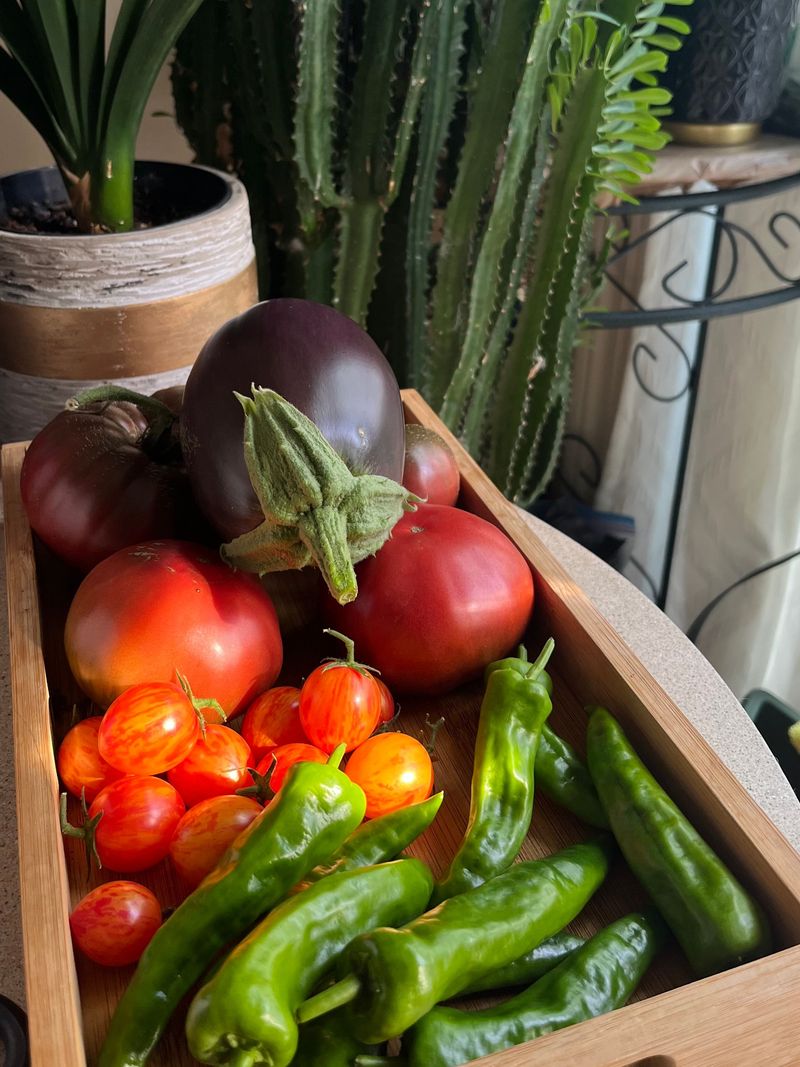
Picture a pepper plant on a frosty morning. Its leaves droop like wet tissue paper, and the fruit turns soft and slimy within hours.
Peppers and eggplants come from warm places, so they have zero patience for cold. Even a light frost can ruin them overnight, and chilly nights in the 40s already slow them down.
That means every single fruit should come off the plant before the weekend.
Do not worry if some peppers are still green. Green peppers are simply unripe red, yellow, or orange ones, and they taste great in stir-fries and chili.
A few with a hint of color may keep ripening on your counter for several days.
Use clean pruners or scissors instead of yanking. Pulling can snap branches and bruise the fruit.
Leave a short piece of stem on each one, which helps it stay fresh longer.
Eggplants are ready when the skin looks shiny. Dull skin often means seeds are getting tough, but pick those anyway since frost will not wait.
Small eggplants are tender and cook quickly.
Store peppers in the fridge crisper drawer for up to two weeks. Eggplants prefer a cool spot around 50 degrees, so a basement shelf works nicely.
Extra peppers can be chopped and frozen on a tray for winter soups.
2. Gather The Last Beans And Cucumbers
Late-season beans have a funny way of hiding. You swear you picked them all, and then a dozen fat pods wink at you from under the leaves.
Now is the time to hunt them down. Bean plants are tender, and frost turns their leaves black and limp.
Snap beans should be picked whether they are thin and young or a bit lumpy and older.
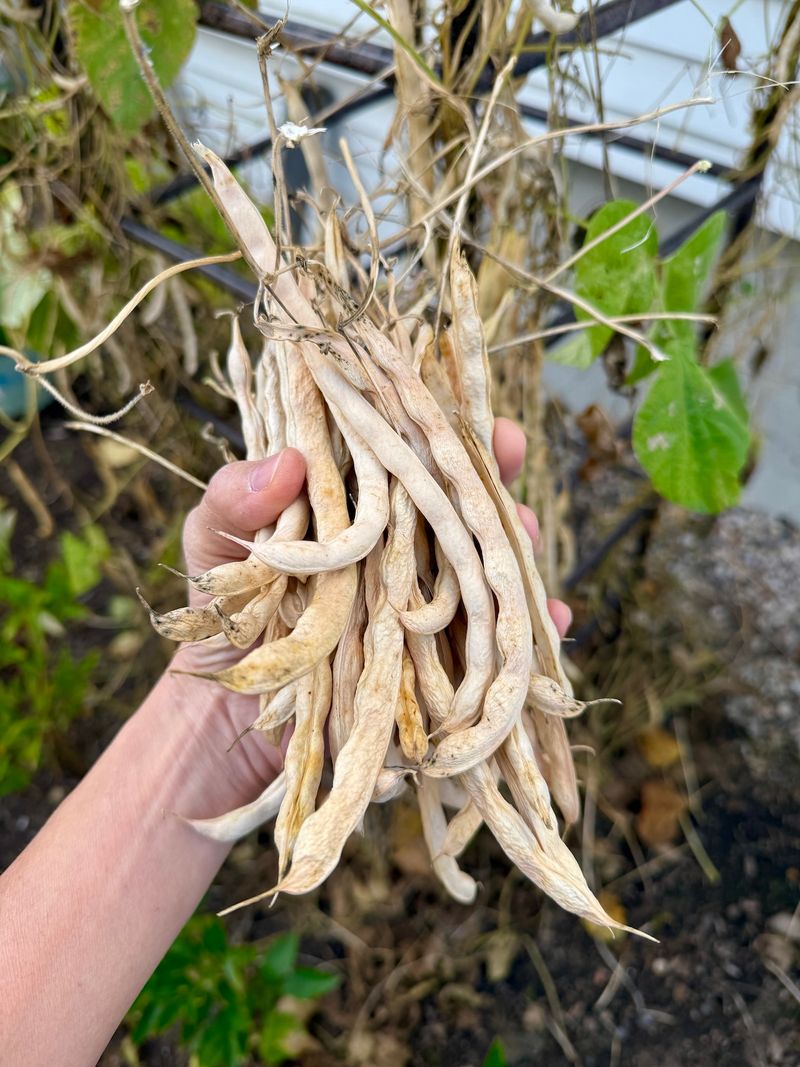
Planning to save dry beans for soup? Bring those pods in too.
Freezing weather can damage the beans inside and shorten how long they store. Spread the pods on a screen or newspaper in a dry room until they rattle, then shell them.
Cucumbers are just as fussy about the cold. Their vines get mushy after one frosty night, and the fruit turns watery and soft.
Pick every cucumber you can find, even the tiny ones.
Your Ohio Garden Changes Every Week. Your Plan Should Too.
Gardening in Ohio changes quickly throughout the season. Every Friday you’ll receive a simple weekly plan showing exactly what to plant, prune, fertilize, harvest, and protect so you never miss the right timing.
Small cucumbers make wonderful quick pickles. Slice them into a jar with vinegar, water, salt, and a little dill, then chill for a day.
Overgrown yellow ones can go into the compost pile.
Keep fresh beans in a bag in the fridge and eat them within a week. Cucumbers last longest wrapped in a towel in the crisper drawer.
Once the vines are bare, you can pull them and tidy the bed.
3. Bring In Summer Squash
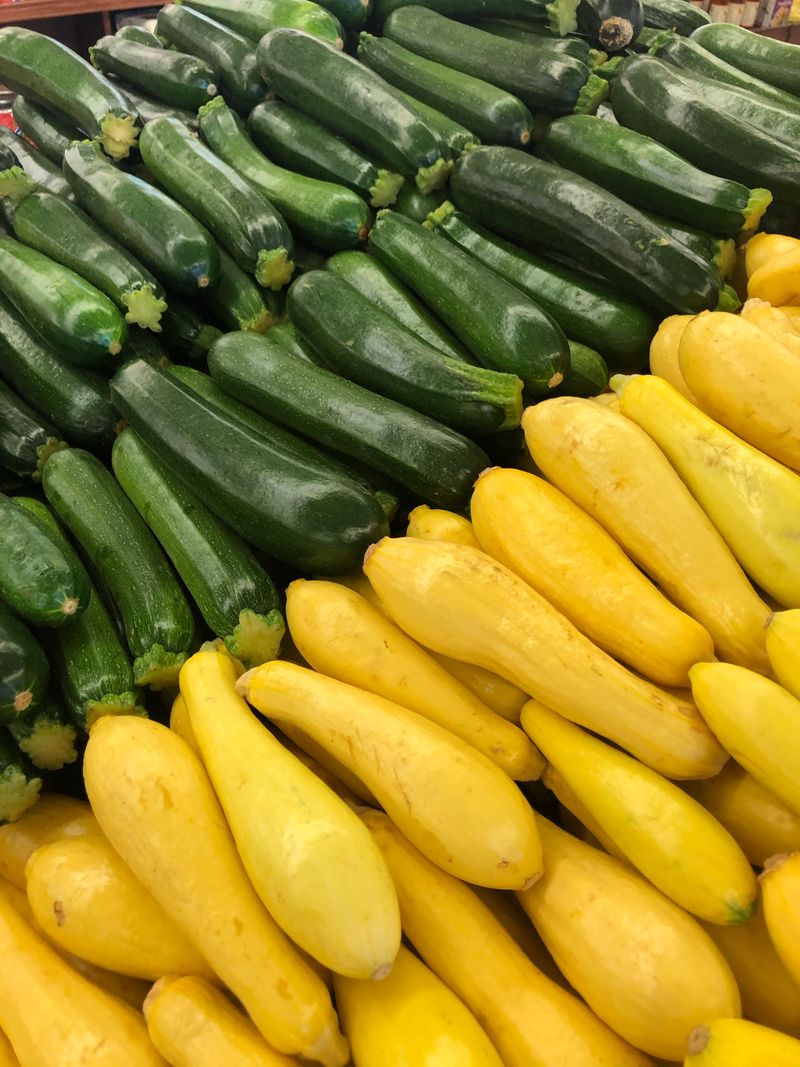
Zucchini spent all summer acting like the class clown. It popped up everywhere, grew huge overnight, and made you beg neighbors to take some.
Sadly, the party ends when frost shows up. Summer squash plants are tender and turn to mush in freezing air.
Any zucchini, yellow squash, or pattypan still on the vine needs to be picked this week.
Size matters for flavor. Most summer squash taste best around 6 inches long.
Scalloped pattypan types are sweetest when they are 3 to 6 inches across. Small ones have soft skin and fewer seeds.
Got a giant zucchini the size of a baseball bat? You can still use it.
Scoop out the seeds and shred the rest for zucchini bread or muffins. Shredded squash freezes well in bags for baking all winter.
Cut squash from the plant with a knife and leave an inch of stem. The prickly leaves can scratch, so long sleeves help.
Handle the fruit gently since the thin skin bruises easily.
Fresh summer squash keeps about a week in the fridge. Try slicing some into rounds, brushing with olive oil, and roasting with garlic.
Kids often love them sprinkled with parmesan cheese.
4. Get Pumpkins And Winter Squash In Too
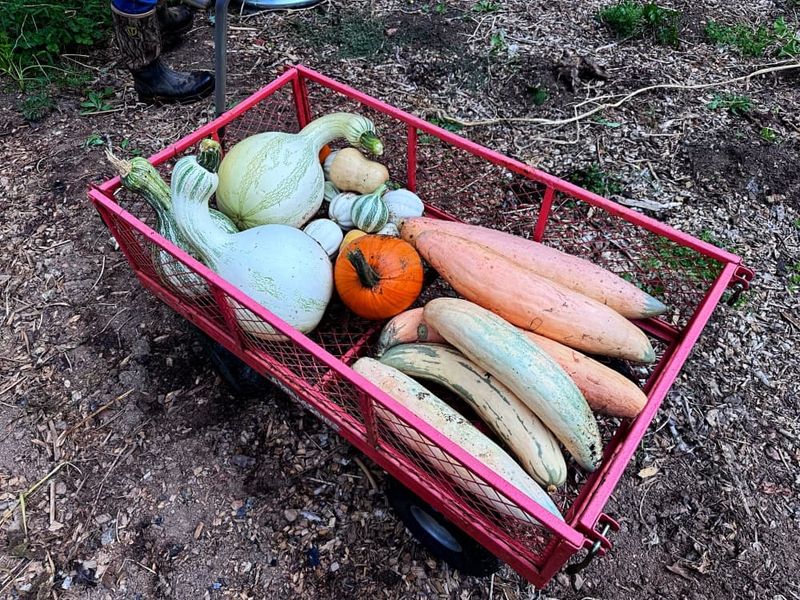
Here is a surprise for many Ohio gardeners. Pumpkins look tough with those thick shells, but frost can still hurt them.
A hard freeze damages the skin and shortens storage life. Squash that could last until spring might spoil by Thanksgiving instead.
So bring pumpkins, butternuts, acorns, and spaghetti squash inside before the big chill.
How do you know they are ready? Press your fingernail into the rind.
If it does not dent, that is a great sign. Ripe squash also has dull skin, a dry woody stem, and a deep orange or tan spot where it sat on the ground.
Cut the stem with pruners, leaving 2 to 4 inches attached. Never carry a pumpkin by its stem like a handle, because it can snap off.
A broken stem lets germs sneak inside and cause rot.
Next comes curing. Set the squash somewhere warm and dry for about a week or two, like a sunny porch or garage.
Curing toughens the skin and sweetens the flesh.
After that, store them in a cool, dry spot around 50 to 55 degrees. A spare bedroom or basement works well.
Check them every few weeks and use any with soft spots first.
5. Dig Sweet Potatoes Before The Soil Gets Too Cold
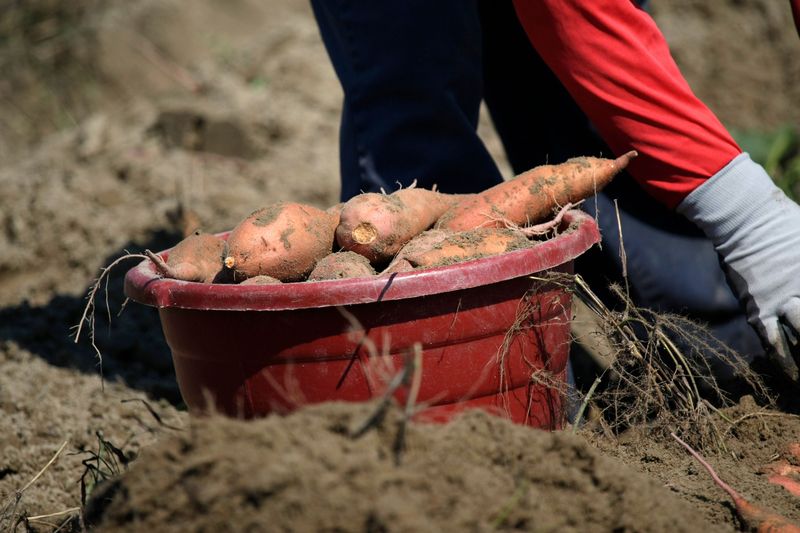
Digging sweet potatoes feels like a treasure hunt. You push in a fork, lift the soil, and out tumble knobby orange gems of every shape.
Timing really matters with these roots. Sweet potatoes dislike cold soil, and once it drops below 50 degrees, they can turn mushy and spoil fast.
In Ohio, chilly fall nights cool the ground quickly, so dig them up soon.
Yellowing leaves are a helpful clue. They often mean the roots are ready, sometimes a couple of weeks before frost.
If frost blackens the vines first, cut them off right away and dig within a day or two.
Be gentle when you dig. Sweet potato skin is thin and scrapes easily.
Start your fork about a foot away from the plant and loosen the soil slowly. Brush off dirt with your hands rather than washing.
Fun fact: freshly dug sweet potatoes do not taste very sweet yet. They need curing to turn their starch into sugar.
Keep them somewhere warm and humid, around 80 degrees, for about ten days.
Afterward, store them in a cool spot near 55 degrees. Skip the fridge, since cold makes them hard in the middle.
Properly cured roots can last for months.
6. Cut The Basil First
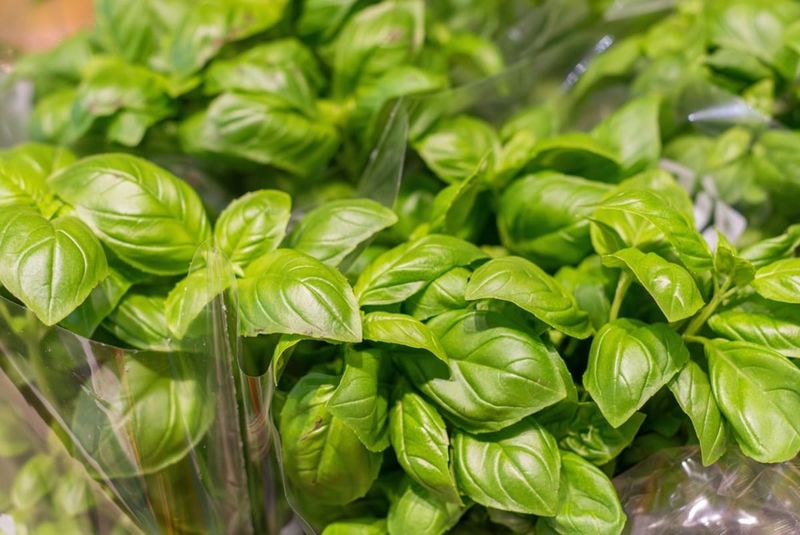
If your Ohio garden had a drama queen, basil would wear the crown. One whiff of cold air and its bright leaves turn brown and sulky.
Basil is the most frost-sensitive plant on this list. Even nights in the low 40s can cause dark spots on the leaves.
That is why it should be the very first crop you harvest before the weekend.
Go ahead and cut the whole plant down to the base. Do it in the morning after the dew dries, when the leaves are full of flavor.
Shake off any bugs and rinse gently.
Now for the fun part. Blend big handfuls with garlic, olive oil, nuts, and parmesan to make pesto.
Spoon it into ice cube trays and freeze, then pop the cubes into a bag. A cube tossed into pasta in January tastes like July.
Want to keep some fresh? Stand stems in a jar of water on the counter like a bouquet.
Basil hates the fridge and turns black inside, so keep it out of the cold.
You can also dry the leaves, though the flavor gets milder. A small potted basil plant may live on a sunny windowsill for a while.
It makes a cheerful kitchen buddy as days get shorter.
7. Pick Tomatoes Showing A Blush Of Color
Grandma had a trick every fall. She lined a cardboard box with newspaper, filled it with half-ripe tomatoes, and tucked it under the bed.
Weeks later, the family was still eating homegrown tomatoes. You can do the same thing this weekend.
Tomatoes are warm-season plants, and frost turns them soft and mushy fast.
Even before frost, nights below 50 degrees can dull their flavor. So start picking now.
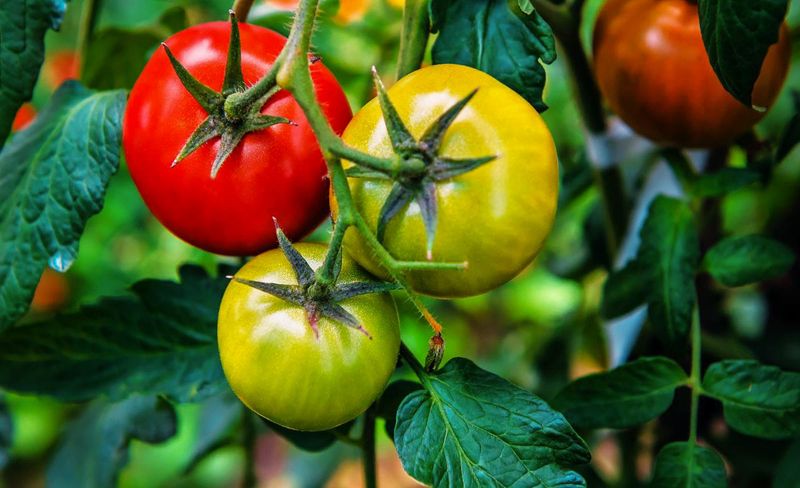
Any tomato with a blush of pink, orange, or yellow will finish ripening indoors just fine.
Mature green tomatoes can ripen inside too. Look for ones that are full-sized and shiny with a slightly lighter green color.
Tiny hard green ones probably will not ripen, but they make tasty fried green tomatoes.
Remove the stems so they do not poke holes in other fruit. Set tomatoes in a single layer, not touching, in a cool spot out of direct sun.
Check every few days and move ripe ones to the kitchen.
Need to speed things up? Put a few tomatoes in a paper bag with a ripe banana or apple.
These fruits give off a natural gas that helps tomatoes turn red. Toss any tomatoes that get moldy so the rest stay healthy.
8. Leave Kale, Cabbage And Brussels Sprouts For Later
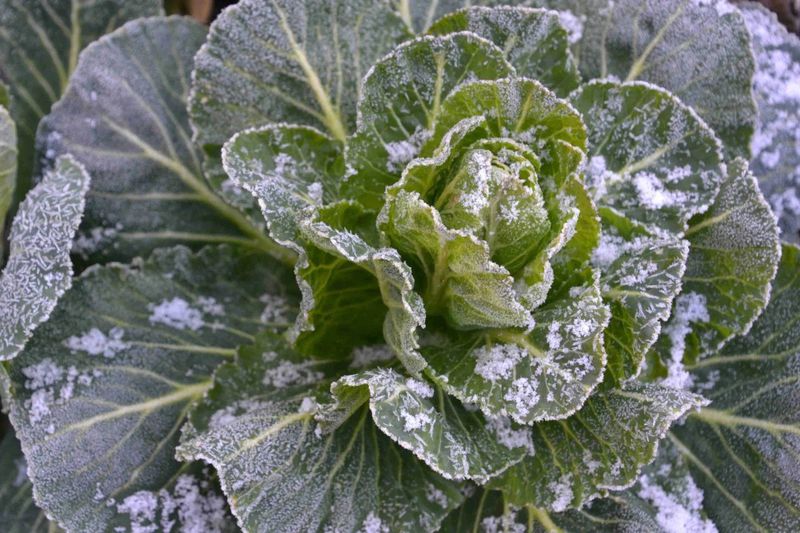
Some vegetables cheer when the thermometer drops. Kale, cabbage, and Brussels sprouts are the tough kids who play outside in the snow without a coat.
These leafy crops are cold-hardy, so you can leave them right where they are. Better yet, frost actually makes them taste sweeter.
Cold weather causes the plants to turn some starch into sugar, which works like a natural antifreeze.
Kale is the champion of the group. It keeps growing even when temperatures dip near 20 degrees.
Pick the outer leaves as you need them and let the center keep producing new ones.
Cabbage handles light to moderate frost well. Harvest heads when they feel firm and solid when squeezed.
If a really hard freeze is forecast, you can cover plants with an old sheet overnight.
Brussels sprouts are famous for getting tastier after a frosty night. Pick sprouts from the bottom of the stalk first, since those mature earliest.
Some gardeners harvest them into early winter, even brushing snow off the stalks.
One helpful tip: let frosted leaves thaw on the plant before picking. Handling them while frozen can bruise them.
Wait until late morning when the sun warms things up, and your greens will be crisp and sweet.
9. Let Carrots, Parsnips And Turnips Sweeten In The Ground
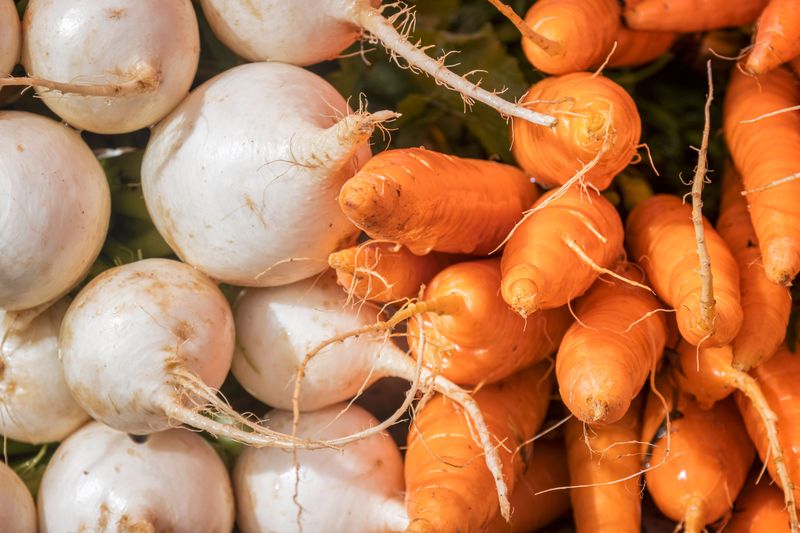
Think of your soil as a giant refrigerator. Root crops like carrots, parsnips, and turnips are happy to chill there long after the first frost.
Cold weather works a little magic underground. The roots change stored starch into sugar, making them noticeably sweeter.
Many gardeners say a frosted carrot tastes almost like candy.
Carrots are half-hardy and can stay put until a hard frost. Spread a thick layer of straw or shredded leaves over the row, and you may dig them through much of the winter.
The mulch keeps the ground from freezing solid.
Parsnips are the real winter heroes. Several light freezes greatly improve their flavor, which is why old-time farmers waited until after frost to dig them.
Mulch them well and harvest whenever you want a sweet, nutty side dish.
Turnips handle frost and even heavy freezes. Mild cold sweetens the roots nicely.
Pull them when they are about 2 to 3 inches across, since bigger ones can get woody and sharp.
Mark your rows with tall stakes before snow arrives. Otherwise, finding buried carrots in January turns into a guessing game.
Roasted together with olive oil and a pinch of salt, these roots make a cozy winter dinner.