The Glossy Red Berries On Alabama Shrubs Are Setting A Trap For Arriving Flocks
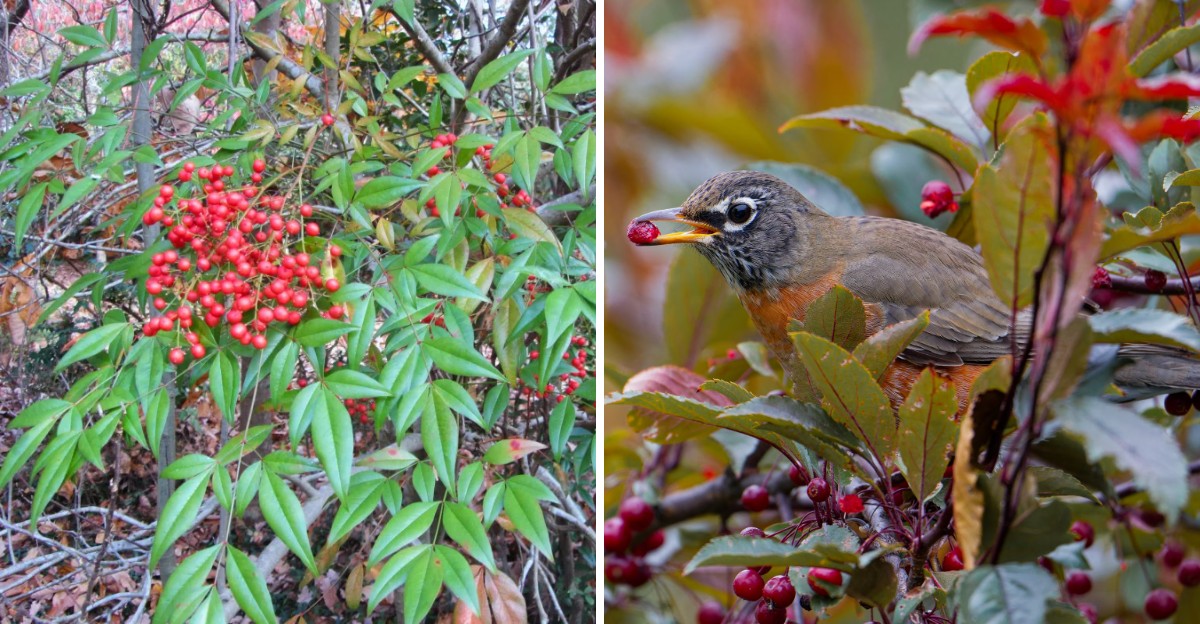
Glossy red nandina berries can draw masked cedar waxwings to your porch. You may spot flocks arriving in Alabama from fall onward, hungry after long flights.
Watch them swallow nandina berries whole in minutes. But those berries hold compounds that release cyanide inside a bird’s body.
A waxwing weighs less than a deck of cards, so doses matter. Binoculars reveal how fast each bird feeds.
Alabama yards often hold nandina, and you may be hosting the feast. Yaupon holly and American beautyberry supply fruit that migrants can eat safely.
Plant them now for a safe rest stop. Swap now and spare yourself the chore of pulling invasive seedlings later.
Your masked visitors deserve a menu worth the flight. Cut nandina berry clusters at the base, and pull roots before frost hardens soil. Then you can finally savor a healthier feast.
Cyanide Compounds In A Popular Berry
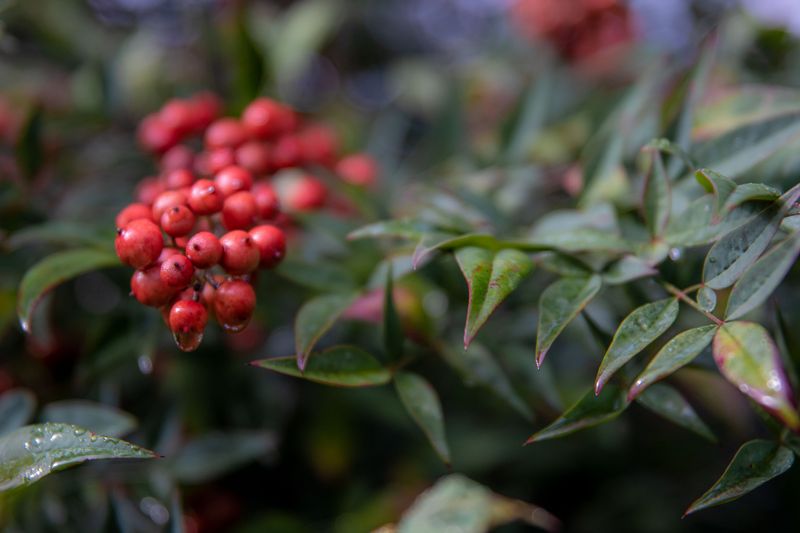
Picture a berry that looks like a cherry candy but works more like a tiny chemical pouch. Nandina, often called heavenly bamboo, grows those berries all over Alabama yards.
Inside each glossy fruit sit natural compounds called cyanogenic glycosides, which act like a locked box. When a bird digests them, they break down and release hydrogen cyanide.
Cyanide blocks the body from using oxygen properly. For a creature that weighs less than a deck of cards, even a modest dose matters.
A flock of cedar waxwings in Georgia was found with signs of cyanide poisoning in 2009. Investigators linked the poisoning to the nandina berries in their stomachs.
People often assume birds know better than to eat harmful food. Most of the time they do, but a bright, plentiful berry can override caution.
The shrub itself is not trying to be a villain. Plenty of plants carry chemical defenses, and nandina hails from Asia, where local wildlife may have adapted differently.
Grazing animals and curious pets can also be affected if they chew on leaves or fruit. The risk is highest for small bodies that eat a lot in one sitting.
So the hazard is not obvious at first glance. It is a glowing, tempting snack that looks harmless until a hungry flock overdoes it.
Knowing the science helps you look at that pretty shrub with fresh eyes. A little awareness this fall can protect a lot of feathered visitors.
October Ripening And The Winter Bird Rush
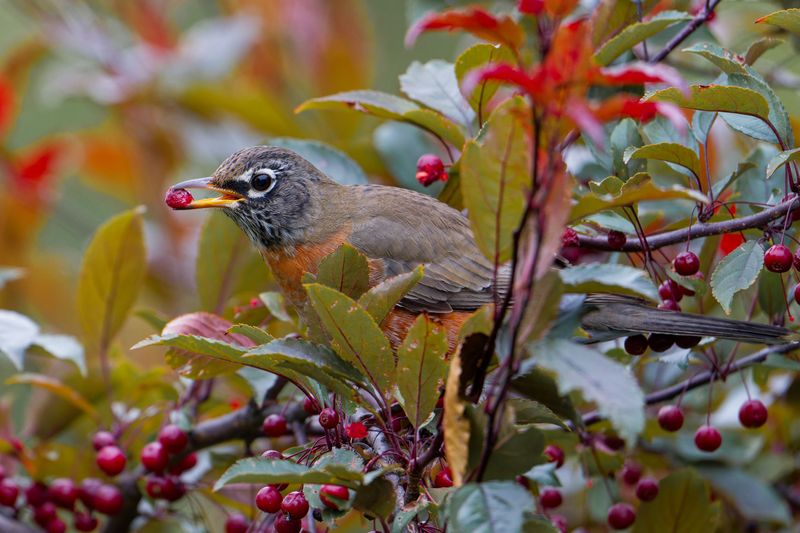
October in Alabama feels like a slow costume change for the landscape. Maples blush, mornings turn crisp, and nandina berries shift from green to fire-engine red.
The timing lines up neatly with fall migration. Cedar waxwings, American robins, and northern mockingbirds start moving through or settling in for the winter.
Berries on many native plants get eaten quickly in autumn. By late winter, nandina clusters are often the last fruit left standing in the neighborhood.
That leftover status is part of the danger. When food runs short in January and February, birds grow less picky about what they swallow.
Your Alabama Garden Changes Every Week. Your Plan Should Too.
Gardening in Alabama changes quickly throughout the season. Every Friday you’ll receive a simple weekly plan showing exactly what to plant, prune, fertilize, harvest, and protect so you never miss the right timing.
Cold snaps make things worse. Birds burn extra energy staying warm, so they may gorge on whatever berries are handy.
Waxwings travel in tight, hungry groups of dozens or even hundreds. One heavily loaded shrub can attract an entire flock in a single afternoon.
October is the sweet spot for action. The berries are colorful but still early in the season, before the big winter crowds show up.
Mark your calendar for a weekend walk around the yard. Count the shrubs, note the berry clusters, and plan your next step before December.
A few minutes now can spare a lot of trouble later. Birds will not send a thank-you card, but their cheerful chatter in spring says plenty.
Think of fall as the quiet window between harvest season and the winter rush. Acting early keeps the buffet table stocked only with safe choices.
Why Nandina Became So Common In Southern Yards
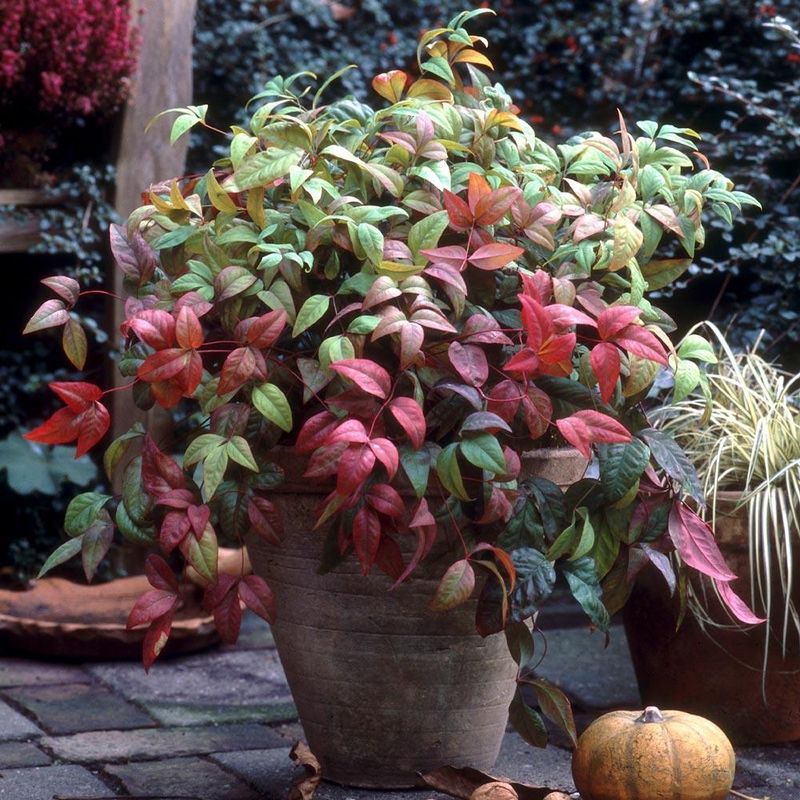
Grandma’s front porch probably had a row of nandina, and she was not alone. For decades, Southern nurseries sold it as the perfect easy shrub.
It tolerates heat, drought, poor soil, and deer. It also stays green year-round, turns red in winter, and needs little care.
Those strengths explain why it ended up near so many Alabama homes, schools, and shopping centers. Few people stopped to ask what birds thought about it.
The biggest mistake is planting the berry-heavy varieties without a plan for the fruit. Standard nandina produces huge clusters, while some dwarf types make few or none.
Another misstep is letting the shrub spread on its own. Birds that survive the berries drop seeds in woods, and new plants pop up far from home.
Alabama’s invasive plant council lists nandina as a threat to native woods. Seedlings creep into forests, where they shade out wildflowers and young trees.
Many homeowners also buy the plant just for its winter color. They see a festive red display and forget that it doubles as a bird buffet.
None of this means past gardeners did anything wrong on purpose. They simply worked with the information and plant choices available at the time.
Now we know more, and that knowledge gives us better options. Updating an old planting is less about guilt and more about smart, caring choices.
Take a quick look at the labels on any shrub you buy this fall. A thirty-second check at the garden center can save a winter of worry.
Clipping Berry Clusters Before The Flocks Land
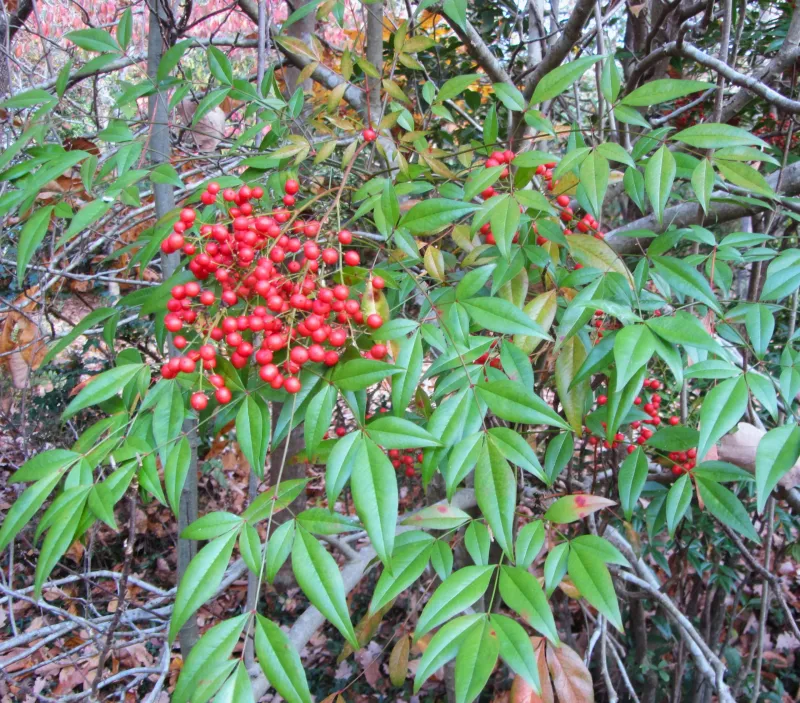
Grab your pruners, a trash bag, and a mug of something warm. Removing nandina berries is a simple way to help birds.
Start by snipping off all the berry clusters you can reach at the base of the stem. October and November are ideal, before hungry flocks start raiding the shrubs.
Bag the clusters instead of tossing them on the compost pile. Loose berries can still tempt birds or sprout into new plants later.
Wear gloves if you have sensitive skin or plan to touch your face. Wash your hands afterward, especially before snacking or handling pets.
Cutting the flowers in late spring stops berries from forming at all. Those white blooms appear around May, so set a reminder on your phone.
For a bigger fix, consider removing the whole shrub. Dig out the roots carefully, since leftover pieces can sprout again like a stubborn weed.
Large, established clumps may need a shovel, a mattock, and a strong friend. Cutting stems low and treating stumps with herbicide, following the product label, is another option for tough cases.
Another route is swapping to low-fruiting dwarf varieties like Firepower or Obsession, though fruiting can vary. They keep the colorful leaves while producing fewer troublesome berries.
Whatever you choose, small steps add up across a neighborhood. Share your plan with neighbors, since birds do not care about property lines.
A bag of clipped berries may not look heroic sitting by the curb. To a passing flock of waxwings, though, it is a helpful step.
Waxwings, Robins, And Fast Feeding Habits
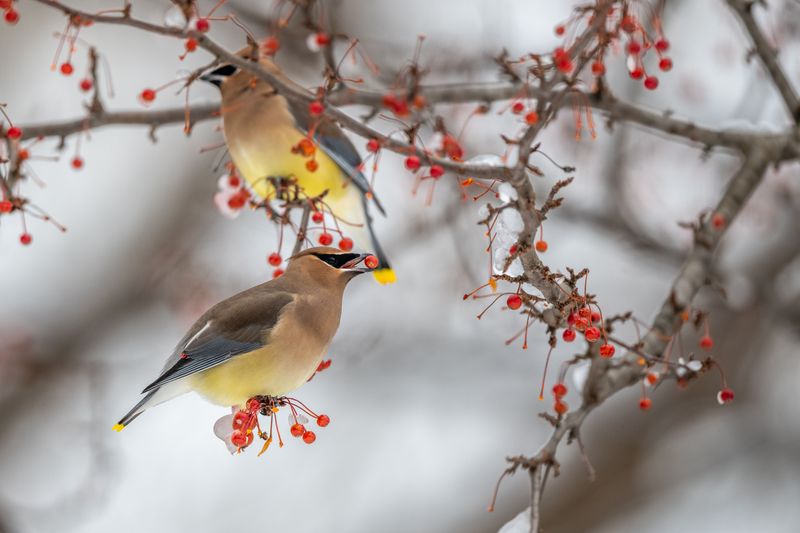
Imagine forty sleek birds in black masks landing on one shrub at once. Cedar waxwings eat quickly, swallowing berries whole.
Their eating style is what makes nandina so risky for them. A waxwing can gulp dozens of berries in minutes, packing in a large dose quickly.
Robins and mockingbirds face similar trouble, especially during cold, food-scarce weeks. Bluebirds and thrushes may also nibble when other fruit runs out.
Signs of poisoning can include weakness, trouble breathing, and birds sitting oddly still on the ground. Some birds seem stunned and cannot fly away when people approach.
If you find a struggling bird, keep pets inside and handle it gently with a towel. Place it in a ventilated box in a quiet, dark spot.
Then call a licensed wildlife rehabilitator right away. Alabama has several rescue groups, so check which ones offer phone advice.
Do not try to feed the bird or give it water. A sick bird can choke easily, and experts know the safest care steps.
Not every bird that eats nandina gets sick. The danger depends on how many berries it eats, how fast, and how small it is.
Still, poisoning events have been documented in Georgia. One bad afternoon can harm an entire traveling flock.
Seeing those masked travelers thrive all winter is the real reward. A safe yard turns your property into a rest stop instead of a hazard.
Native Shrubs That Feed Birds Safely
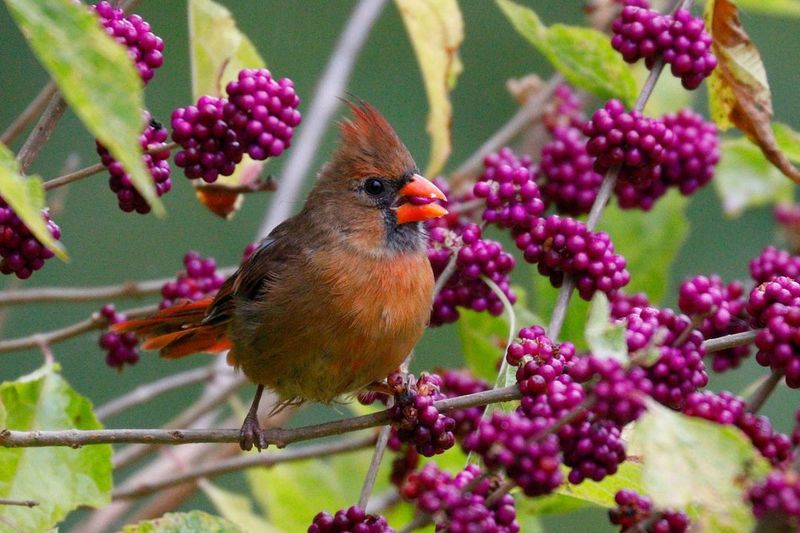
Here is a cheerful thought for fall planting season. Alabama has gorgeous native shrubs that feed birds well and look stunning doing it.
American beautyberry is a showstopper with clusters of bright purple fruit. Mockingbirds, cardinals, and brown thrashers gobble them up from late summer into fall.
Yaupon holly gives you glossy red berries without the cyanide concern, though the fruit can upset people and pets if eaten. It handles heat and drought, and dwarf forms fit neatly by a front porch.
Winterberry holly loses its leaves, revealing bare branches loaded with scarlet fruit. Robins and bluebirds treat it like a winter snack bar.
Wax myrtle, also called southern bayberry, offers waxy gray berries that yellow-rumped warblers adore. It also makes a fragrant evergreen screen for privacy.
Fall is the best time to plant shrubs in Alabama. Cooler air and warm soil help roots settle in before summer heat returns.
Mix a few different species so berries ripen at different times. A layered yard keeps the buffet open from September into early spring.
Native plants also host caterpillars, which feed baby birds in spring. One shrub swap can ripple through the whole backyard food web.
Check for native plant sales at extension offices and nature centers, since dates vary. Staff there can suggest plants that suit your soil and sunlight.
Replacing a hazard with a feast feels pretty good. Your yard becomes the place flocks remember, for all the right reasons.
Start small with one or two shrubs if a big project feels overwhelming. Each native plant you add gives tired travelers a safer place to refuel.