Alabama Fields Are Turning Into Pink Smoke Clouds As A Native Grass Reaches Full Bloom
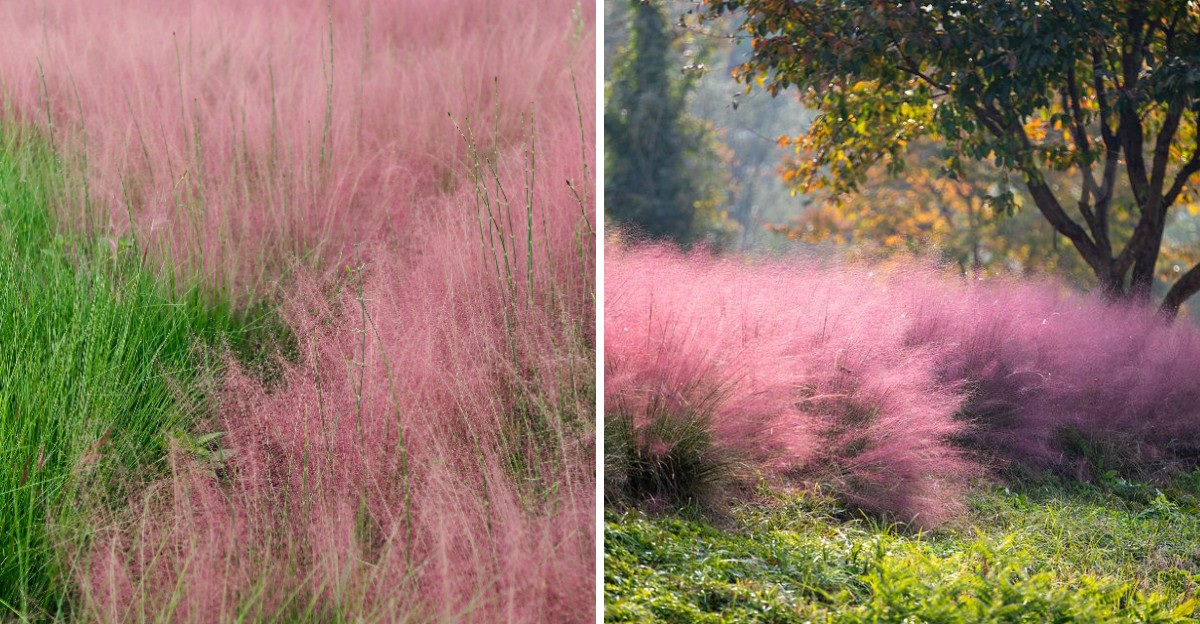
Pink smoke doesn’t belong on an Alabama roadside, yet there it drifts. You slow down, certain something strange hovers just past your window. Wind refuses to scatter it, and that alone unsettles you.
Locals say this happens each September without any real explanation. Alabama turns rose gold for a stretch, and you notice instantly. Something ignites along fence lines, and you can’t look away.
September gives this bloom its chance, and you get to watch. Nobody names it outright, yet everyone seems to recognize the color. Farmers watch fields flush with hue, and air feels different.
Photographers chase the fading light, chasing something they can’t quite explain. Gardeners bring it home, hoping to catch the same glow.
Curiosity pulls drivers over, and yours will pull just as hard. This spectacle won’t linger, so hesitation costs you the view. Here’s why you need to see it before it fades for good.
The Grass Behind Alabama’s Rosy Haze
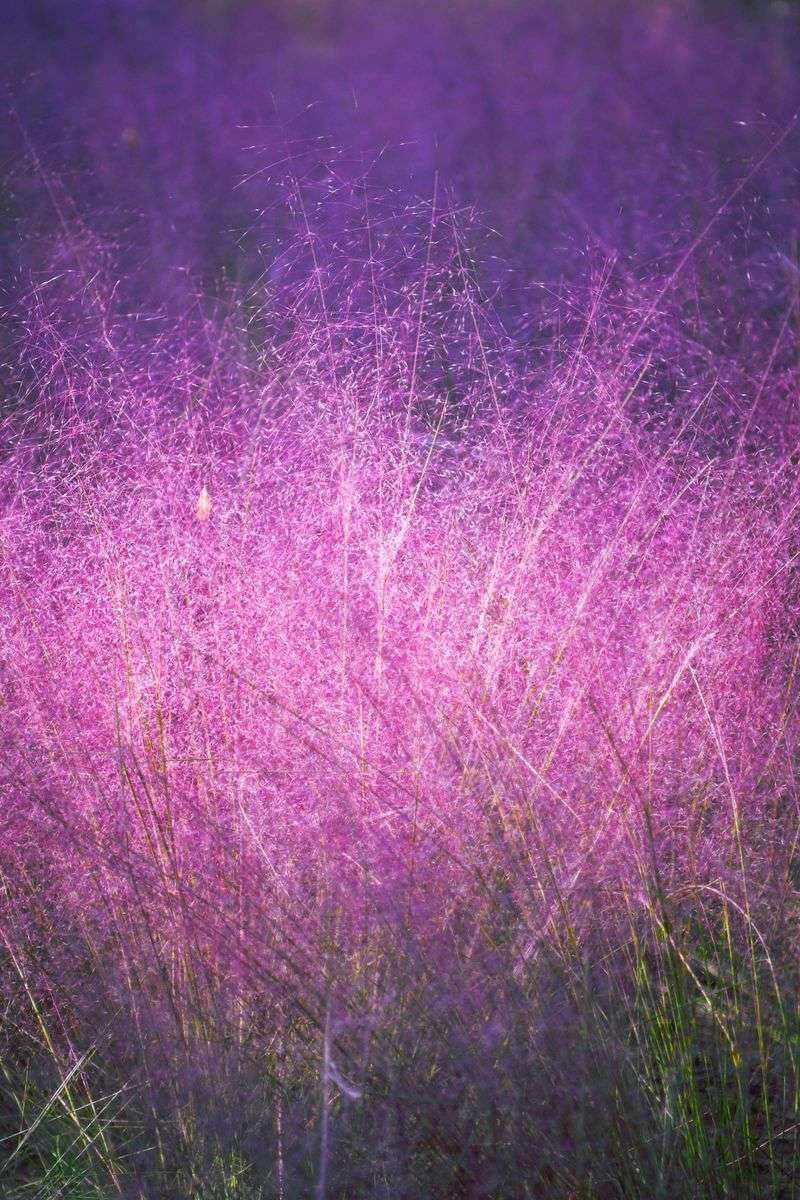
Pink muhly grass, known to botanists as Muhlenbergia capillaris, is the plant responsible for all that roadside fog. It grows in tidy clumps of thin green blades, about two to three feet tall, and for most of the year it looks unremarkable.
Then autumn arrives and the plant sends up thousands of hair-thin flower stalks. Each one carries tiny blooms, and together they create a cloud of rosy purple that seems to float above the leaves.
The effect works because the flower stems are so fine that your eye cannot focus on any single one. Instead, the whole clump blurs into a soft pink mass, which is exactly why people compare it to smoke or cotton candy.
Botanists sometimes call it hairawn muhly, a nod to those wispy flower parts. Older Alabama farmers may know it as a hardy pasture grass that helped stabilize soil long before anyone planted it on purpose.
Color varies quite a bit from plant to plant. Some clumps lean toward deep magenta, others toward pale rose, and a few seedlings come up nearly white.
Here is a fun bit of trivia. The species is generally found across much of the eastern and southeastern United States, with the Southeast producing the fullest blooms.
Once the pink fades, the seed heads turn tan and hang around through winter. Even then they catch frost and morning light in a way that keeps the plant worth looking at.
Why September Flips The Switch

Timing is the secret ingredient here. Pink muhly is what gardeners call a short-day bloomer, meaning it waits for nights to stretch out before it sends up flowers.
Across Alabama, that signal usually lands in mid to late September. Daytime heat is still hanging on, but the light shifts, and the grass responds within a week or two.
Rainfall in late summer plays a supporting role. A few good storms in August tend to produce fuller, denser plumes, while a bone-dry stretch can leave the display thinner than usual.
Your Alabama Garden Changes Every Week. Your Plan Should Too.
Gardening in Alabama changes quickly throughout the season. Every Friday you’ll receive a simple weekly plan showing exactly what to plant, prune, fertilize, harvest, and protect so you never miss the right timing.
The bloom holds for roughly four to six weeks, which carries the show through much of October. After that, cooler air and wind start pulling the color out, leaving behind wheat-colored tufts.
North Alabama near Huntsville often peaks a touch earlier than the Gulf Coast. Down around Mobile and Baldwin County, the warmth can stretch the display well past Halloween.
If you want the best view, go out within an hour of sunrise or sunset. Backlighting turns the seed heads into something that catches the light, while midday sun flattens the color into plain brown-pink.
Photographers have figured this out, which is why you will spot tripods along Highway 280 and county roads in the Black Belt each fall.
Weather can shift the schedule by a couple of weeks either direction. A cool, wet September speeds things up slightly, and a scorching one can push peak color deeper into October.
Where To Spot The Pink Clouds Around Alabama
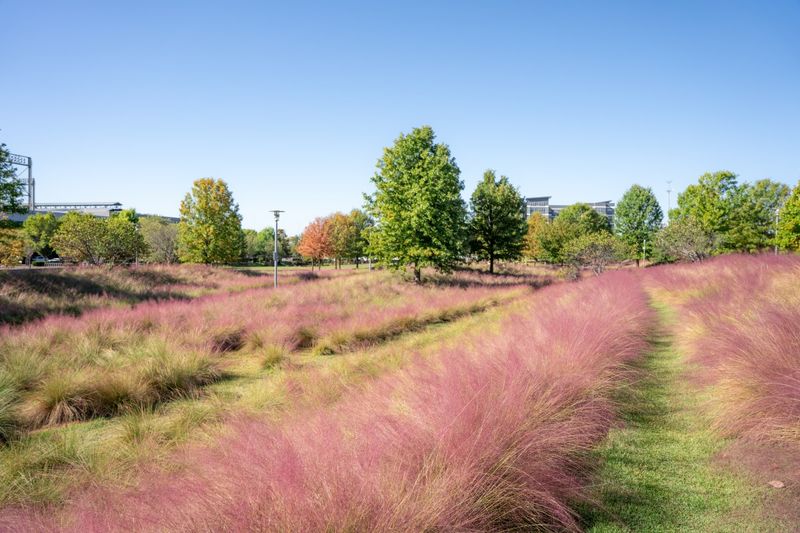
Highway medians are surprisingly good hunting grounds. Many state transportation departments across the Southeast favor muhly grass for roadside landscaping, since it tolerates heat, poor soil, and road salt.
Ornamental plantings often show up in city landscaping and highway medians around Birmingham and Montgomery, though exact locations shift from year to year.
Beyond the pavement, look toward open pine savannas and sandy pasture edges. Wild stands favor thin, gritty ground where taller weeds struggle to crowd them out.
The Black Belt region and the coastal plain both hold scattered native colonies. Wiregrass country down near Dothan is another reliable spot, especially along fence lines that avoid regular mowing.
Public gardens can be a reliable option for spotting ornamental plantings. Check ahead with local botanical gardens near you to confirm what’s currently in bloom.
State parks are worth a look too, since several maintain restored areas where native grasses are encouraged rather than mowed flat.
A quick word on manners while you hunt. Pull fully off the road, stay out of private pastures without permission, and resist the urge to snip stems from public plantings.
Seeds from wild stands are usually fine to collect in small amounts on public land, though park rules vary. Checking first saves you a conversation with park staff. Bring a phone camera and patience, because the wind rarely holds still for long.
Planting Your Own Patch Of Pink Fog
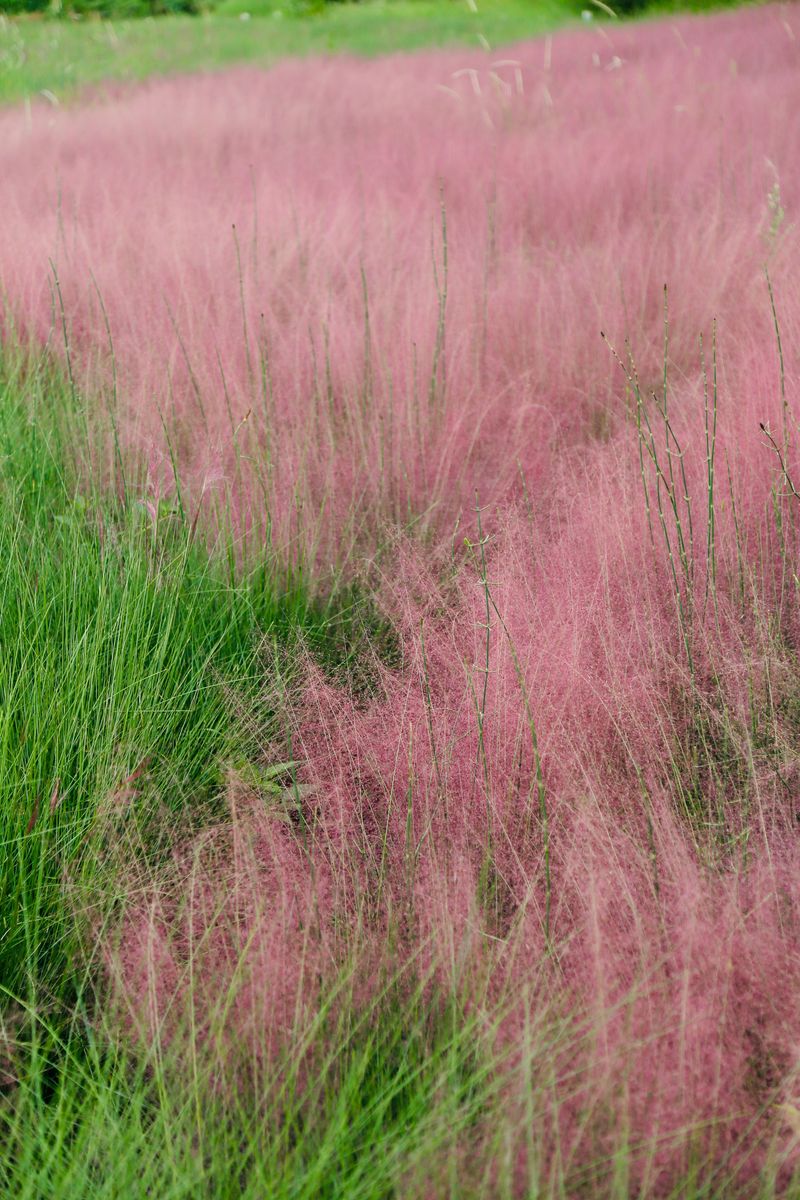
Anyone who has fought with fussy perennials will appreciate how forgiving this grass is. Give it sun and drainage and it mostly takes care of itself.
Full sun is the one thing worth insisting on. Six hours minimum produces dense pink plumes, while shade gives you floppy green leaves and a disappointing bloom.
Drainage matters just as much. Heavy Alabama clay that stays soggy will rot the crown, so amend the bed with coarse sand, grit, or pine bark fines before planting.
Spacing catches people off guard. Each clump spreads about two to three feet wide, so set plants roughly three feet apart and let them fill in over two seasons.
Fall and early spring are both fine planting windows. September planting lets roots settle during mild weather, though you will want to water regularly for the first month.
Skip the fertilizer. Rich soil makes the leaves grow tall and floppy, and the plumes lose that upright, airy look everyone wants.
For the smoke-cloud effect at home, plant in groups of five or more rather than single specimens. One clump looks nice, but a drift is what draws attention.
Pair them with black-eyed Susan, little bluestem, or dwarf yaupon for contrast. Dark backgrounds like a fence or evergreen hedge make the pink pop even harder.
Cut the whole clump back to about six inches in late winter, before new green growth appears. That single chore is roughly the extent of the maintenance calendar.
How This Grass Earns Its Keep In The Ecosystem
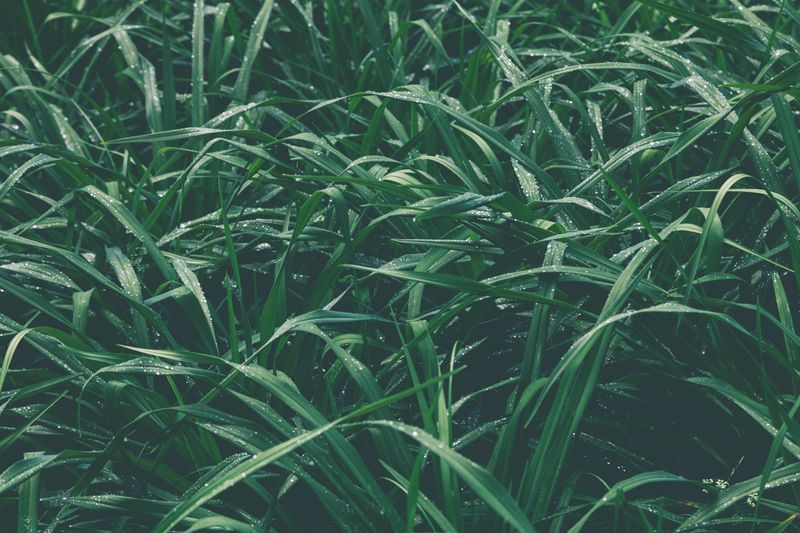
Pretty is nice, but muhly grass pulls real weight in the landscape. Its fibrous root system runs deep and knits sandy or eroding soil together with a solid hold.
Coastal restoration crews use it behind dunes for exactly that reason. The roots hold ground during storms when looser plantings wash out.
Wildlife benefits in quieter ways. Small songbirds pick at the tiny seeds through late fall, and the dense base offers cover for insects, lizards, and ground-nesting bees.
Butterflies and skippers use the foliage too. Several skipper species are known to use native bunchgrasses more broadly for egg-laying and shelter.
Because it evolved in the Southeast, muhly asks for almost no supplemental water once established. That makes it a smart pick during the dry stretches Alabama gets in late summer.
Deer generally leave it alone, which is a practical bonus for anyone who has watched hostas disappear overnight.
It also stays put. Unlike some ornamental grasses that seed aggressively into wild areas, muhly spreads slowly and politely, so it will not overrun a natural site.
Pollinator gardens gain from having it in the mix. The clumps give flying insects a windbreak and a landing spot between flower visits.
Replacing a slice of thirsty lawn with a drift of muhly cuts mowing time and gives local critters something useful. That trade offers a clear ecological upside, especially when the payoff arrives as a pink cloud each September.
Keeping Established Clumps Looking Sharp
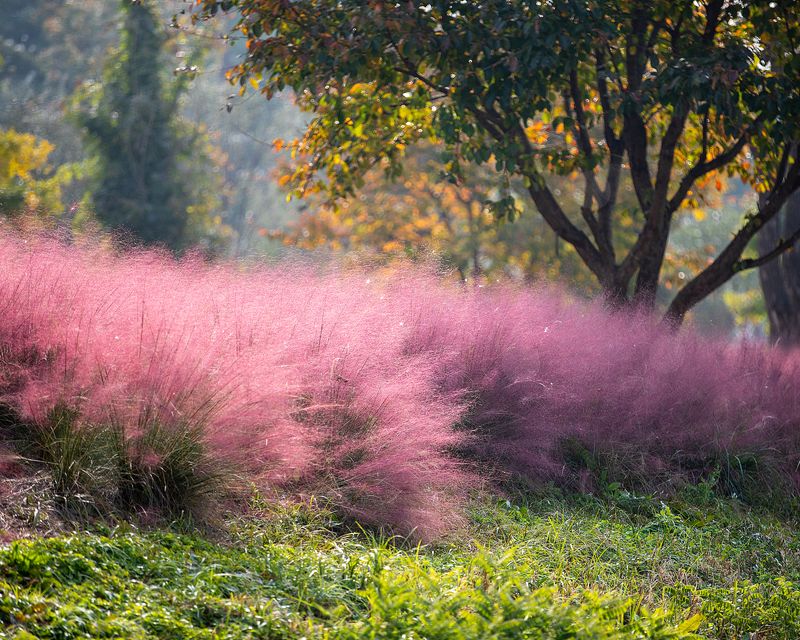
Year two is when muhly really hits its stride, and the care routine stays refreshingly short. A trim, a look, and an occasional division cover most of it.
Late winter cleanup is the main event. Shear the clump down to four or six inches in February, before fresh green shoots start pushing through the old growth.
Cutting too late is a common slip. Once new blades emerge, your shears leave blunt brown tips that stick around all season.
Leave the spent plumes standing through winter if you can. They catch frost beautifully and give birds something to pick through during lean months.
Watch for the center of older clumps thinning out. After five or six years, the middle may look bare while the edges stay vigorous.
The fix is simple division. Dig the clump in early spring, slice it into chunks with a sharp spade, and replant the healthy outer sections.
Overwatering causes more trouble than neglect. Established plants handle Alabama summers on rainfall alone in most yards, so hold back the hose unless things get truly parched.
Mulch lightly, and keep it pulled back from the crown. Piled mulch traps moisture right where the plant least wants it.
Bloom looking sparse? Check for creeping shade from a maturing tree, or soil that has gotten too rich from nearby lawn fertilizer.
Fix the light and ease off the feeding, and the pink haze usually returns fully the following September.