The Native Pennsylvania Perennial That Thrives In Wet Spots
Every yard seems to have that one soggy spot. Maybe it’s a low corner where rainwater collects, the edge of a downspout, or a shady patch that never quite dries out.
Most plants sulk there. Some simply rot. One Pennsylvania native actually prefers it.
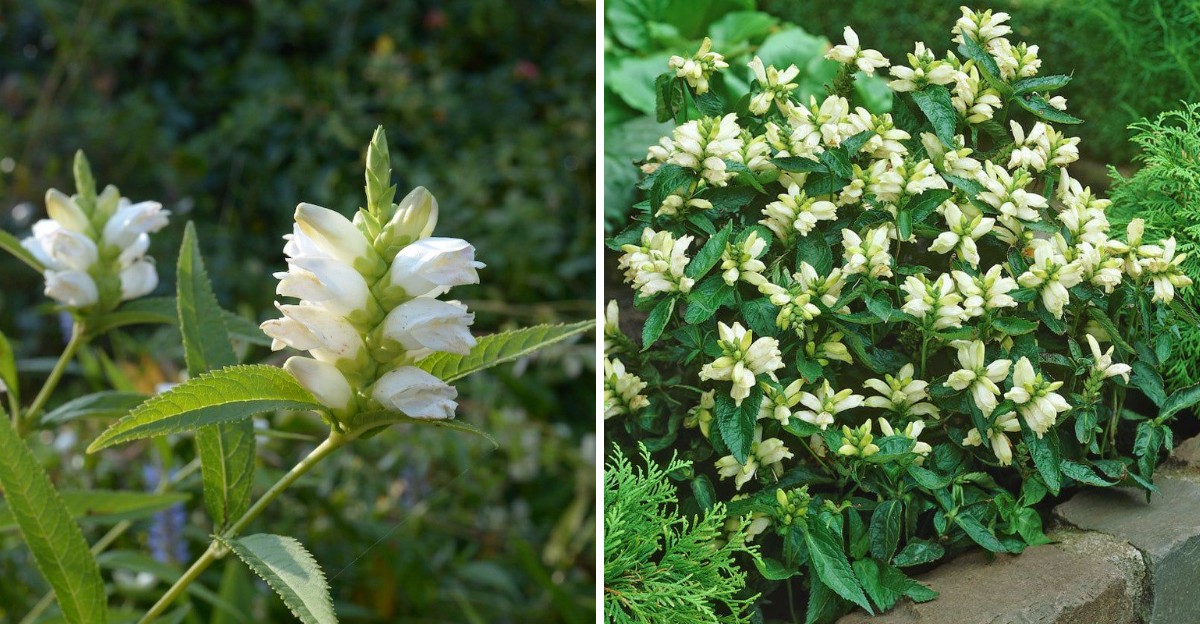
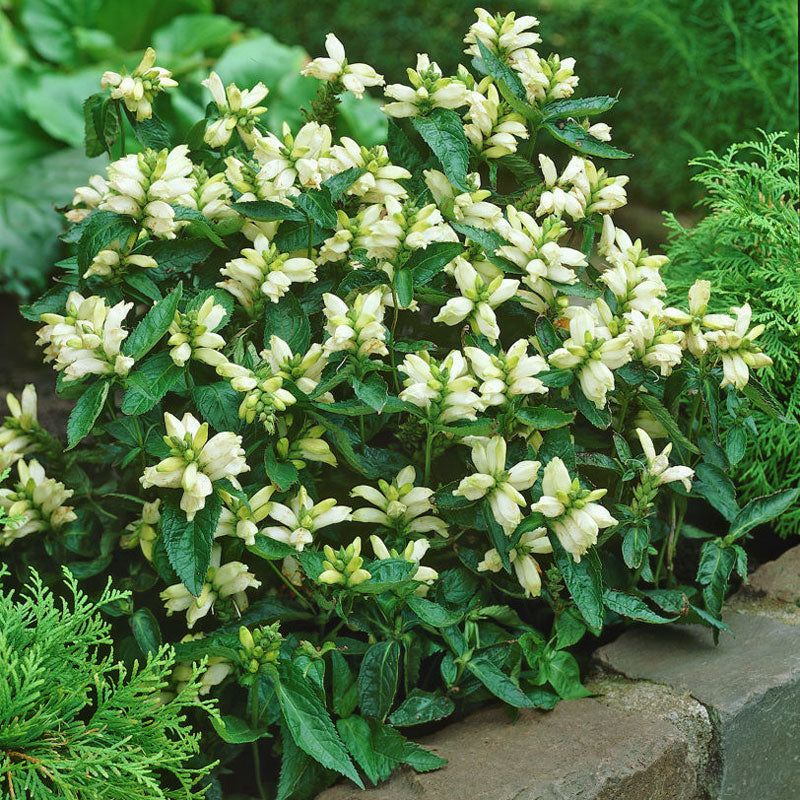
This tough perennial grows naturally along stream banks and in wet meadows, so damp soil feels like home. In late summer and fall, it sends up spikes of white flowers with a curious, hooded shape.
Watch closely, and you’ll see bumblebees push their way right inside the blooms, disappearing for a moment before backing out covered in pollen.
It’s also the main food source for the caterpillars of a striking orange-and-black butterfly. Deer usually leave it alone, too. That soggy problem area might be the perfect home for it.
The Native For Soggy Ground
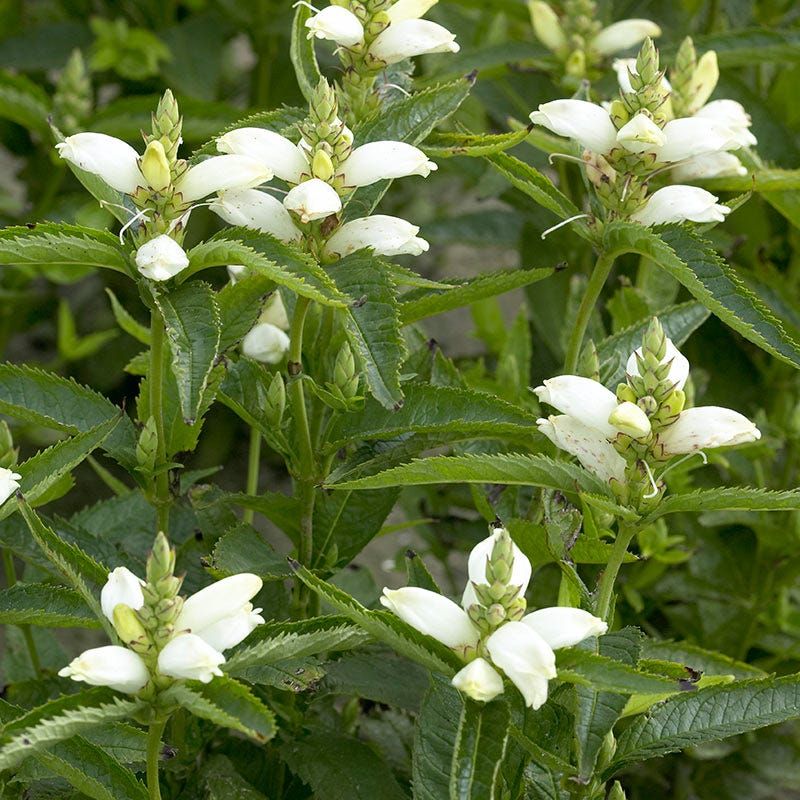
Some plants sulk when it rains for a week. White turtlehead does the opposite and seems to cheer up. Its scientific name is Chelone glabra, and it has called Pennsylvania home long before any of us planted a garden.
In the wild, you can find it in wet meadows, along creek banks, and in swampy patches of woods.
These places stay damp for much of the year. Many common garden flowers would rot in that kind of ground. Turtlehead, though, is built for it.
Most plants grow about 2 to 3 feet tall. The stems stand upright and are lined with long, narrow leaves that have small teeth along the edges.
The leaves are a deep, glossy green. They look neat and tidy all summer, even before the flowers show up.
Why does this matter for your yard? Many homes have a low spot where water collects. Maybe it is near a downspout or at the bottom of a slope. Instead of fighting that wet area, you can plant something that actually wants to be there.
Fun fact: the name Chelone comes from a Greek story about a nymph who was turned into a turtle. It is a fitting name, as you will soon see.
Turtlehead is also a true native, which means local insects and animals already know how to use it.
Native plants support far more wildlife than many imported ones. When you grow turtlehead, you are helping to rebuild a small piece of the natural Pennsylvania landscape.
Start by watching your yard after a heavy rain. Note where the water sits longest. That soggy spot might be the perfect home for your first turtlehead.
Flowers Shaped Like A Turtle’s Head
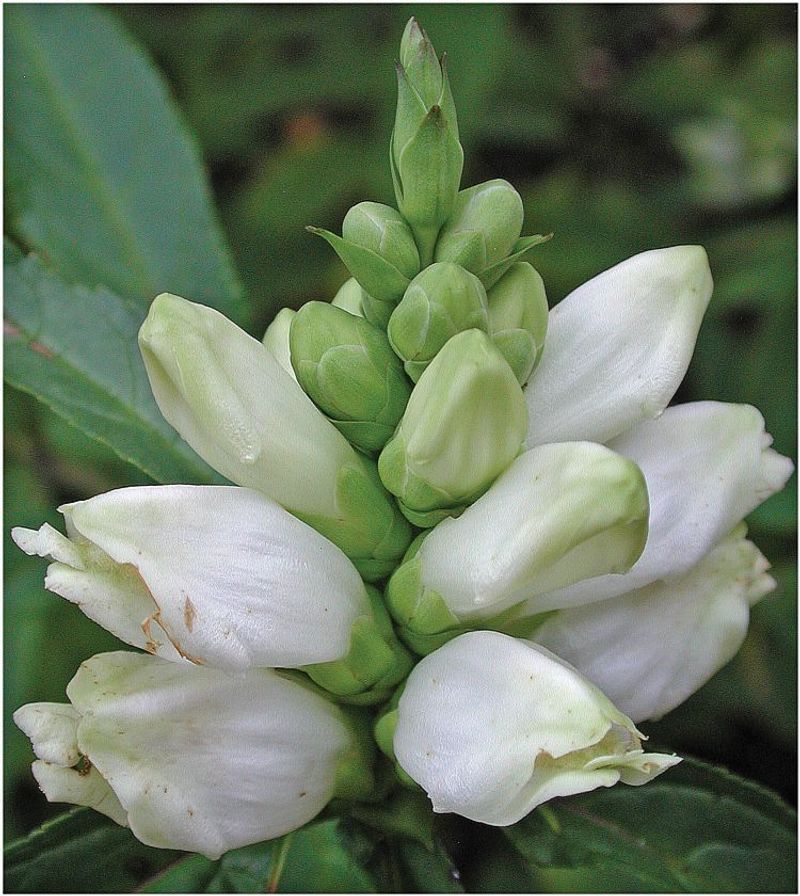
Kids love this plant the moment they see it bloom. Point to a flower and ask what it looks like. Nine times out of ten, someone will shout, “A turtle!”
The flowers appear in late summer and keep going into early fall. That timing is a real gift. By August, many garden plants are tired and fading. Turtlehead steps up just when the yard needs a fresh burst of life.
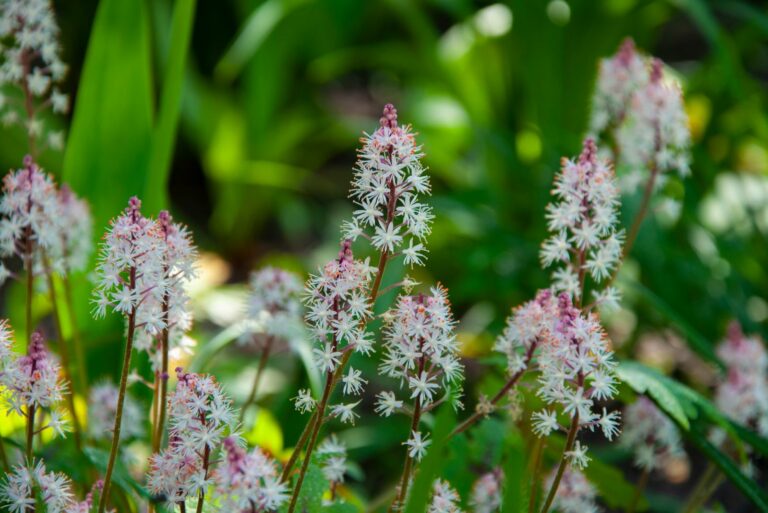
Each stem ends in a tight cluster of blooms. Most are pure white, but some have a soft pink blush near the tips. The petals form a hooded shape with a small opening at the front.
Your Pennsylvania Garden Changes Every Week. Your Plan Should Too.
Gardening in Pennsylvania changes quickly throughout the season. Every Friday you’ll receive a simple weekly plan showing exactly what to plant, prune, fertilize, harvest, and protect so you never miss the right timing.
Seen from the side, each bloom looks like a turtle stretching its neck out of its shell with its mouth just a little open.
The blooms open slowly from the bottom of the cluster to the top. Because of this, a single plant can stay in flower for several weeks. You get a long show from just one clump.
Want to try a fun trick? Gently squeeze the sides of a flower. The “mouth” will open wider, almost like the turtle is talking. It is a great way to get children curious about plants and how they work.
The flowers also look lovely in a vase. Cut a few stems when the bottom blooms are open and the top ones are still closed. They will keep opening indoors for several days.
For the best display, plant turtlehead in groups of three or more. A small crowd of these white, turtle-shaped blooms makes a much bigger splash than a single plant standing alone.
A Host Plant For A Striking Butterfly
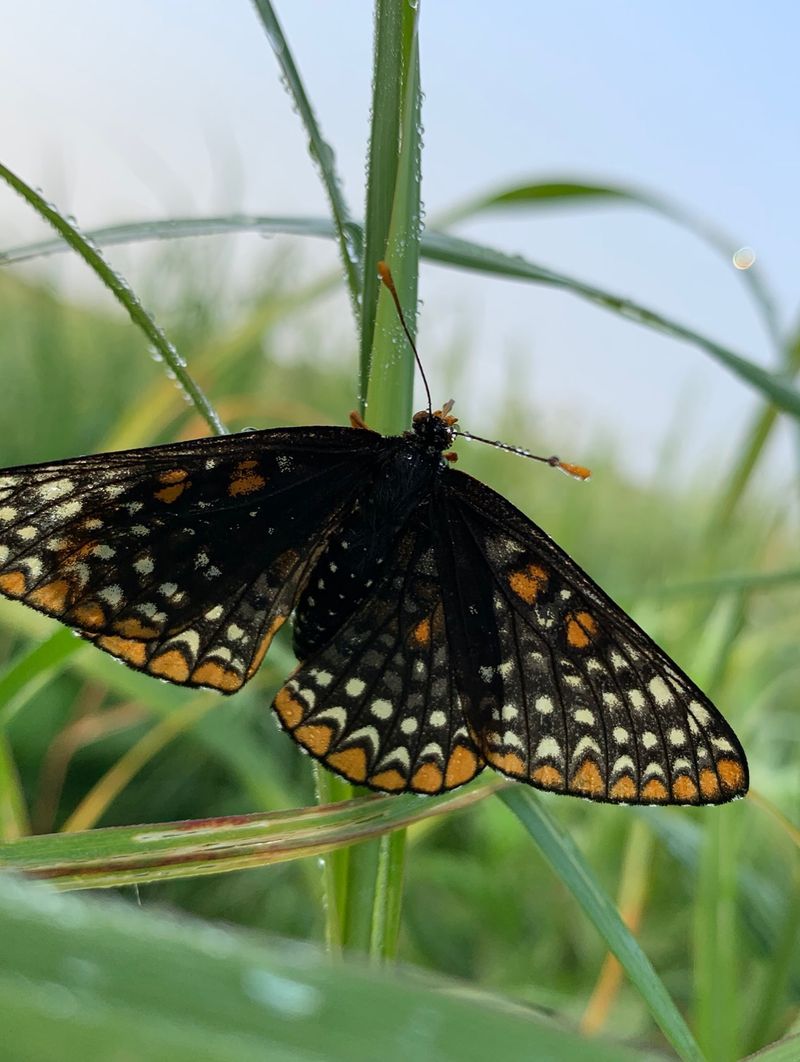
Here is a butterfly with a fancy name and picky taste. The Baltimore checkerspot wears a bold pattern of black wings dotted with orange and white spots. Once you see one, you will never forget it.
The catch is that this butterfly needs white turtlehead to raise its young. Females lay clusters of tiny eggs on the undersides of the leaves.
When the caterpillars hatch, they munch on those leaves and grow. Turtlehead is their main food source, so without it, the butterflies struggle to survive in an area.
The caterpillars are easy to spot. They are orange and black with soft spikes along their backs. Don’t worry, they will not harm you. Young caterpillars often spin a light web over the leaves and feed together as a group.
Yes, they will chew some holes. That is a good sign! It means your garden is doing its job. A healthy turtlehead plant bounces back quickly and still blooms nicely.
Here is a cool bit of history. The butterfly was named after Lord Baltimore, an early colonial leader whose family colors were orange and black. It is even the state insect of Maryland.
Sadly, these butterflies have become harder to find as wetlands disappear. Each turtlehead you plant creates a small stepping stone of habitat. If enough neighbors plant it, the butterflies have a better chance of moving in.
A few tips will help. Skip bug sprays near your turtlehead, since they can harm caterpillars too. Plant a small patch instead of one plant to give the butterflies more to work with. Then keep an eye out in early summer for those striking wings.
Built For Bumblebees
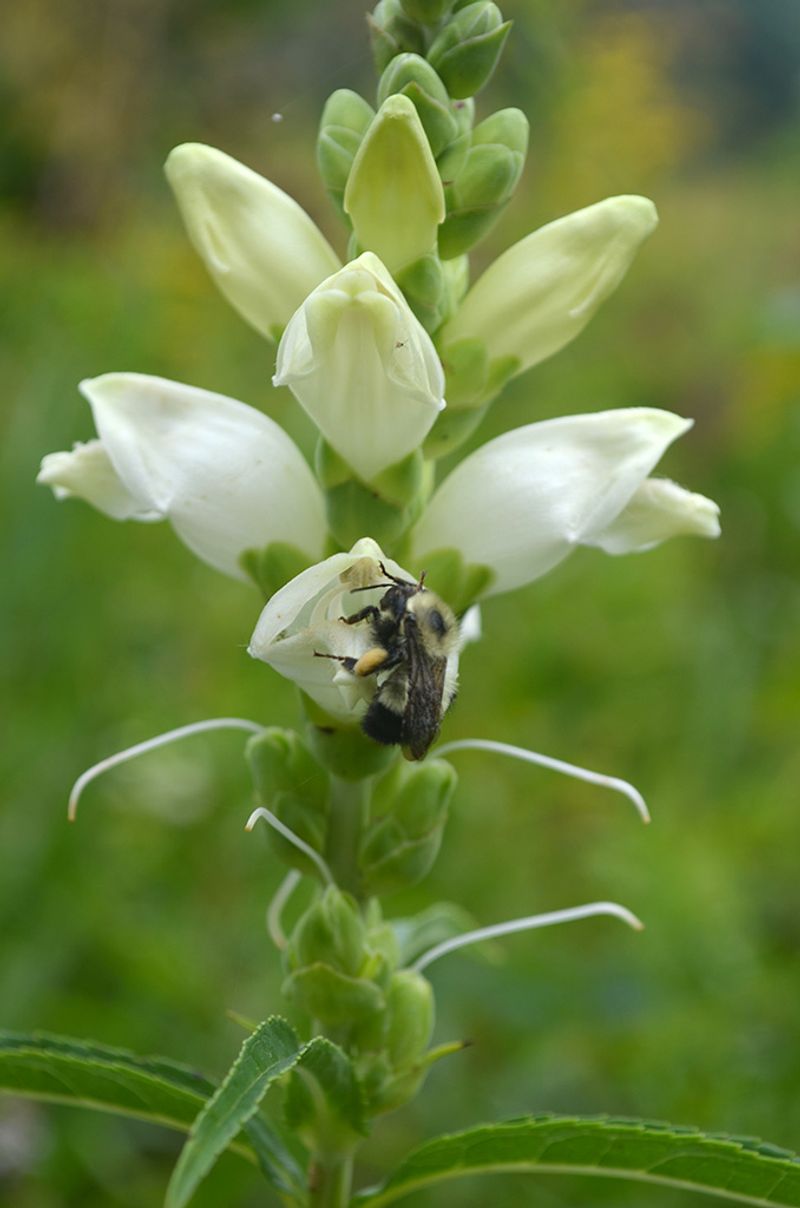
Ever watched a bee play hide and seek? Grow turtlehead, and you will see it happen all afternoon. The show is silly, sweet, and kind of amazing.
The flowers stay almost closed, like a little locked door. Small bees and flies cannot get in. Only strong insects can push the petals apart. Bumblebees are perfect for the job.
Here is how it works. A bumblebee lands on the lip of the flower. It shoves its head inside, then wiggles its whole fuzzy body in.
For a few seconds, you might only see its back legs sticking out. Then the bee backs out, covered in pollen, and buzzes off to the next bloom.
While the bee is inside, it sips sweet nectar. At the same time, pollen rubs onto its back. When it visits another flower, that pollen helps the plant make seeds. Both the bee and the plant win.
Scientists call this a special partnership. Over a very long time, the flower shape and the bee’s strength fit together like puzzle pieces.
Bumblebees need all the help they can get. Several kinds have become less common in recent years.
Late summer blooms are especially useful because many other flowers are done by then. Bumblebee queens need lots of food before they rest for winter.
Want the best view? Plant your turtlehead near a path, a bench, or a window. Visit on a warm, sunny afternoon when bees are busiest. Bring a child or a camera along.
Counting how many bees disappear into flowers in five minutes is a fun backyard game for the whole family.
Easy To Grow In Wet Or Clay Soil
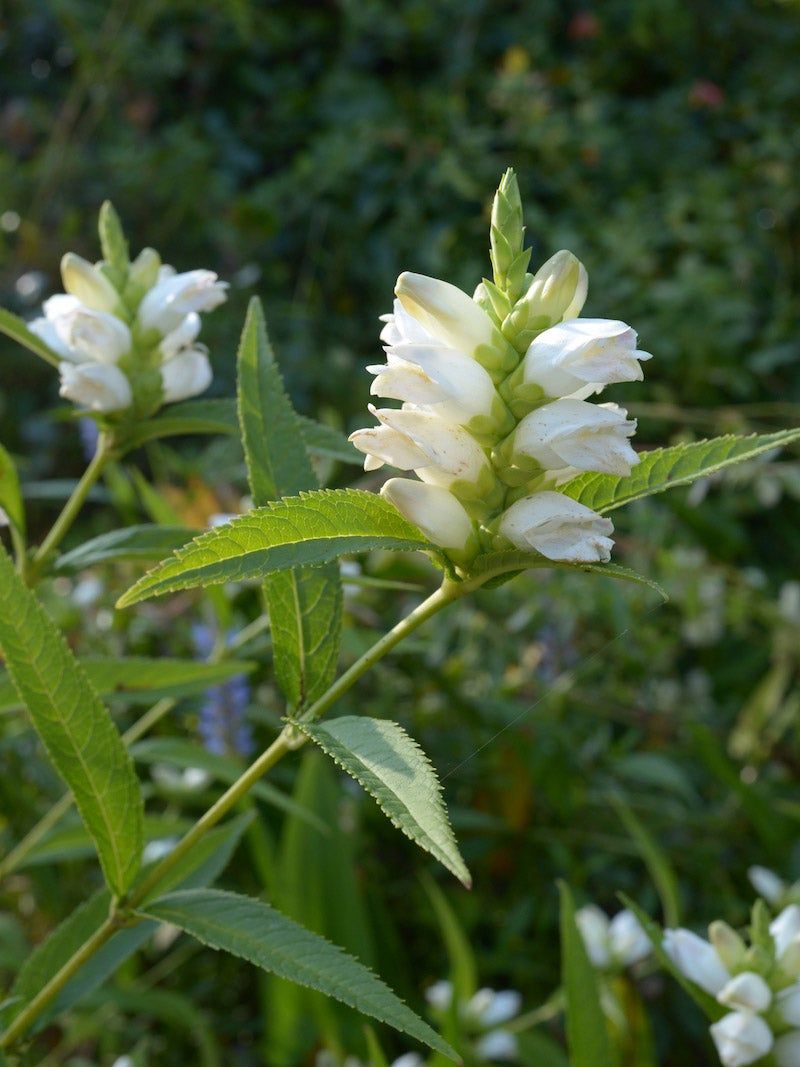
Clay soil can feel like the enemy. It turns sticky after rain and hard as brick in a dry spell. Lots of gardeners give up on it. Turtlehead shrugs and gets to work.
The plant grows best in soil that stays moist or even wet. It handles heavy clay without complaint. That makes it a smart pick for spots where other flowers keep failing.
Where should you put it? Rain gardens are a top choice. These are shallow, planted dips that catch runoff from roofs and driveways. Turtlehead also looks great along pond edges, near drainage ditches, or in any low part of the lawn that stays soggy.
Light needs are flexible too. It can grow in full sun or part shade. In full sun, make sure the soil does not dry out, since the plant can wilt in hot, dry weather.
In part shade, it stays happy with a little less water. Morning sun with afternoon shade is often the sweet spot.
Deer are a big problem in much of Pennsylvania. Good news here! The leaves taste bitter, so deer usually leave them alone. Rabbits tend to skip it as well.
Planting is simple. Dig a hole about twice as wide as the pot. Set the plant at the same depth it was growing before. Water it well and add a thin layer of mulch to hold moisture.
Try pairing turtlehead with other wet-loving natives like swamp milkweed, blue flag iris, and cardinal flower. Together, they create a colorful, wildlife-friendly patch that blooms from spring into fall.
Simple Care For A Fuller Plant
Good news for busy people: turtlehead does not ask for much. A few small chores at the right time will give you a sturdier, fuller plant. Think of it as a little haircut and a long winter nap.
First comes the haircut. In late spring, when stems reach about a foot tall, pinch off the top inch or two. You can use your fingers or small clippers. The plant responds by growing extra side shoots.
Those extra shoots make the clump bushier. They also help stop the stems from flopping over later in the season.
Tall plants in rich, wet soil sometimes lean. Pinching keeps them standing proud. Flowers may open a week or so later, but there will be more of them.
Over the years, turtlehead spreads slowly by underground stems. A single plant can turn into a nice, wide clump.
It will not take over your yard like some aggressive plants. If you want more, dig up a piece in early spring and move it to a new wet spot.
Now for the winter nap. When fall ends, resist the urge to cut everything down. Leave the stems standing until spring. Hollow stems and dried seed heads give overwintering insects a cozy place to hide from the cold.
Birds may also visit to pick at seeds or hunt for bugs. Plus, the dark stems look pretty dusted with snow.
In early spring, once temperatures stay above about 50 degrees, trim the old stems down. New green shoots will soon push up from the base. Add a fresh layer of mulch, keep the soil moist, and get ready for another season of turtles.