A Better Way to Manage Weeds Between Pavers in Arizona
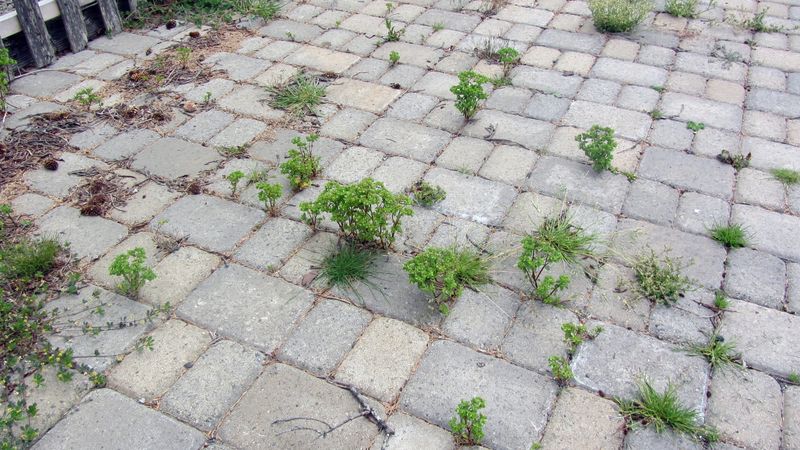
Weeds poking out of paver joints can make a fresh patio look neglected in a matter of weeks. Spraying again and again gets old fast, and it rarely fixes why the weeds showed up.
A smarter plan looks at the gaps themselves, where seeds and dust settle and take hold. Here is a practical way to cut down on weeds without chasing promises that sound too good to be true.
Manage the gap instead of relying on a one-step cure
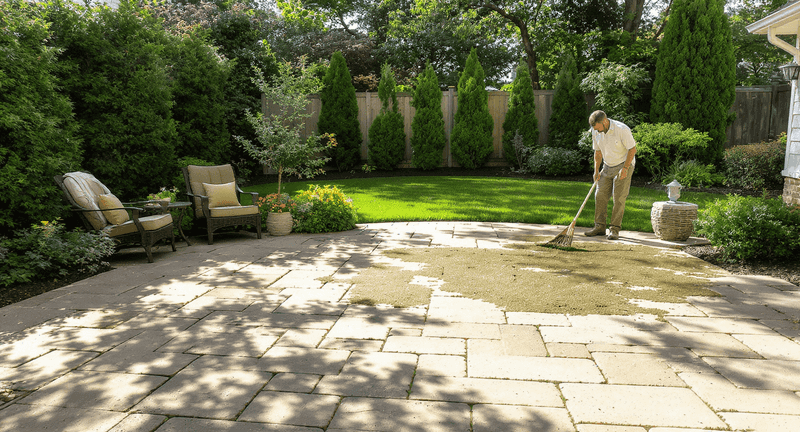
Nobody wants to hear it, but no single spray or pour keeps pavers weed-free for good. What works better is a two-part habit: remove the growth that is already there, then repair the joints that let it settle in.
Weeds need a bit of room and some collected dirt, and empty or washed-out joints supply both.
Joint material is the second half of the plan. Belgard’s installation guidance describes polymeric sand as material swept into paver joints and compacted to help stabilize them and keep debris out.
That can leave less space for seedlings to take hold.
Be realistic, though. Joint repair can reduce opportunities for weeds, but it cannot guarantee a weed-free patio, and weeds can still return.
Quick fixes such as hot water only act on what is above the surface, a point Iowa State Extension makes about roots that can survive contact treatments. Think maintenance, not a one-time cure.
Identify the weed, then remove it with its growth pattern in mind
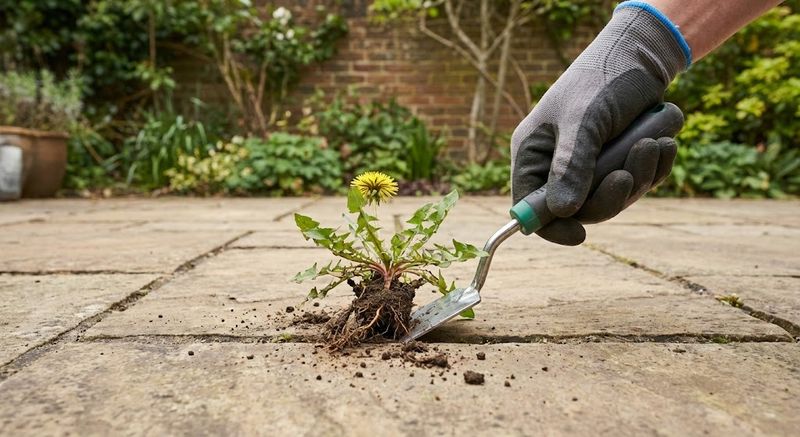
Before you yank anything, take a quick look at what you are pulling. Some weeds are annuals, which grow, make seed, and spread by dropping that seed into every nearby crack.
Others are perennials, and many of those can regrow from roots, rhizomes, or other underground parts.
The difference changes your approach. For annuals, speed matters most.
University of Arizona Cooperative Extension advises pulling or cutting them before they set seed, so check your joints often during the growing season.
Perennials take more patience. Snipping off the green top may leave the underground parts intact, and the plant can simply grow back.
If you hand-dig, moist soil can reduce root breakage, so a day after watering or rain beats a bone-dry afternoon.
A narrow weeding tool or an old screwdriver helps you follow the root down between pavers. Pull out the loose soil that comes with it, because that soil is what fed the weed.
Watch for stinknet in Phoenix-area pavement cracks
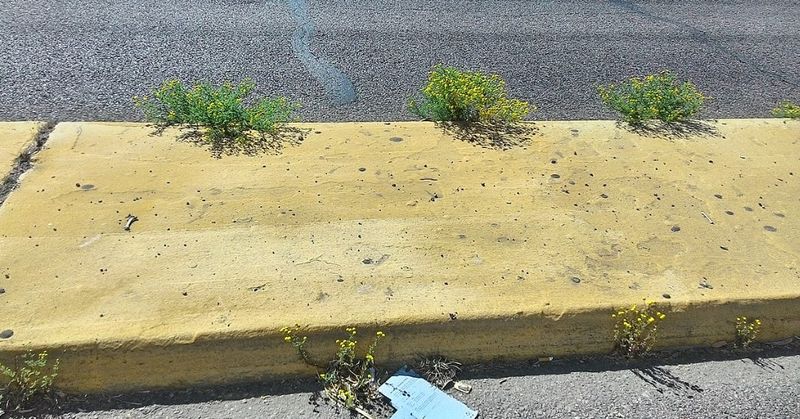
Arizona has its own troublemaker worth knowing. University of Arizona Extension reports stinknet growing in pavement and sidewalk cracks in the Phoenix area, which puts paver joints and driveway seams on the list of places it can turn up.
Keep this in proportion. Not every weed in your patio is stinknet, and many of the usual suspects are something else entirely.
Stinknet is simply a local example of how pavement gaps can host a plant that spreads aggressively.
If you spot it, the main goal is to stop it from setting seed. A seed-bearing plant left in place can restock the same crack for next season.
Your Arizona Garden Changes Every Week. Your Plan Should Too.
Gardening in Arizona changes quickly throughout the season. Every Friday you’ll receive a simple weekly plan showing exactly what to plant, prune, fertilize, harvest, and protect so you never miss the right timing.
Be careful with cutting, since cutting stinknet may allow it to regrow. Handle it early, check back after you treat it, and keep an eye on the joints nearby so a single plant does not become many.
Refill depleted joints with material suited to the pavers
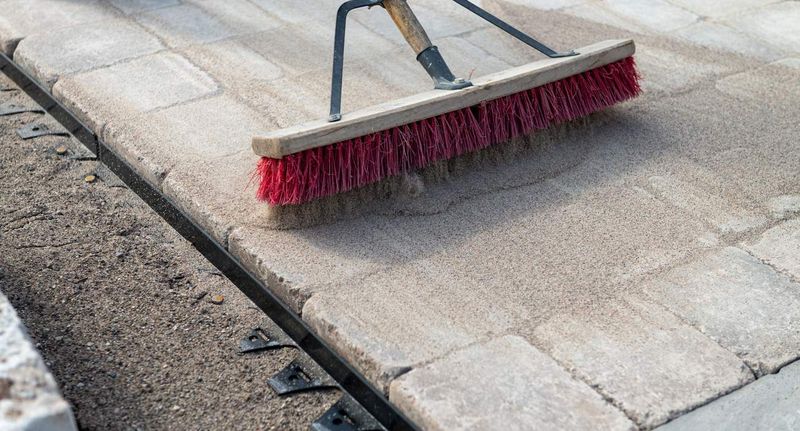
Start with a clean slate. Pull the weeds, then clear loose debris, old soil, and dust from the joints so you can see what is left.
Joints that are low, empty, or washed out are the ones that invite new growth.
Next, choose replacement material made for your paving system and joint width. Polymeric sand is one option for suitable joints, and Belgard describes it as a material swept into paver joints and compacted to help stabilize them and keep debris out.
It is not right for every paver type or every gap, so check compatibility before you buy.
Follow the product instructions closely. Preparation and installation matter a great deal, and skipping steps can undercut the result.
Because manufacturers differ, avoid relying on a cure time or lifespan you heard secondhand.
Think of this as maintenance rather than a permanent weed-proof seal. Joints wear down over time, so plan to inspect them now and then and top them off when they look thin.
Treat boiling water as a limited option for young weeds
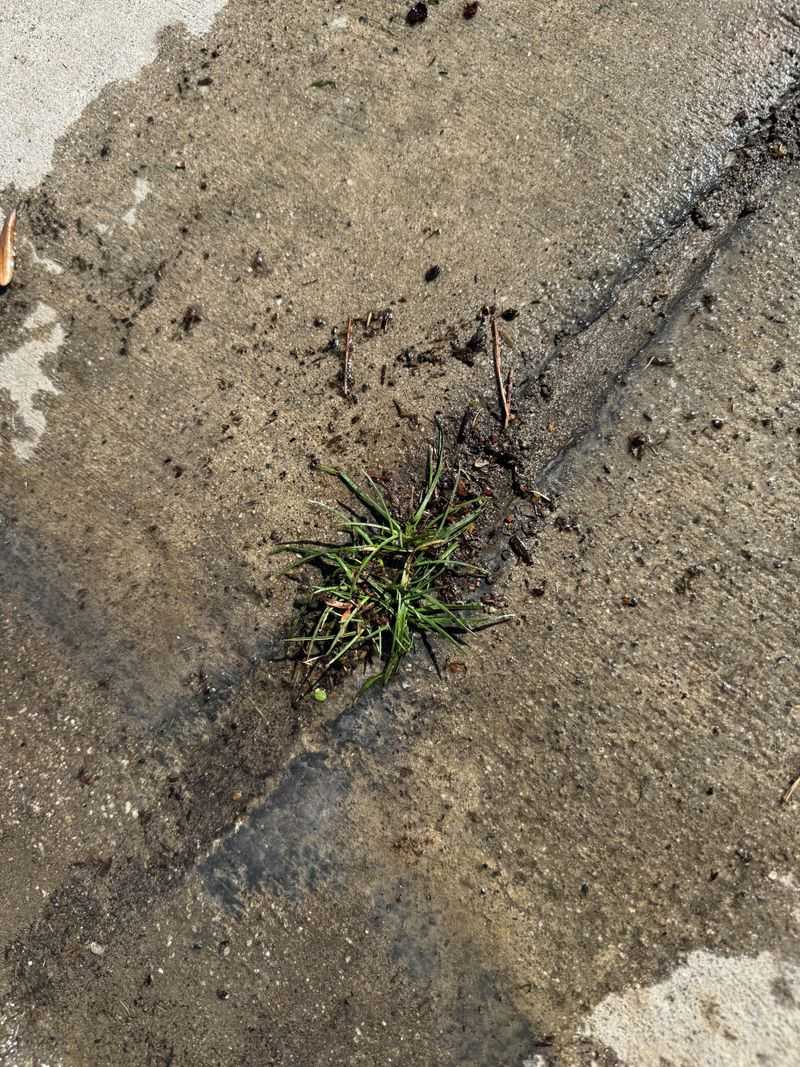
Hot water from the kettle can work on one narrow job: small, young weeds in hardscape cracks. It is a contact treatment, meaning it affects the part of the plant it touches.
Tiny seedlings may collapse, but weeds with established roots can come back.
That is why repeat treatment may be needed. Pouring once and walking away usually means you will be pouring again in a couple of weeks.
Safety comes first. Boiling water can burn you, so wear closed-toe shoes, keep kids and pets away, and carry it only a short distance.
It can also harm any desirable plants it touches, so keep it away from nearby shrubs, groundcovers, and lawn edges.
Do not count it as joint repair or as prevention. It does nothing to refill a gap or keep new seeds out.
Use it for a quick touch-up on a few young sprouts, then go back to the joint maintenance that does the heavy lifting.
Use labeled herbicides and skip risky homemade remedies
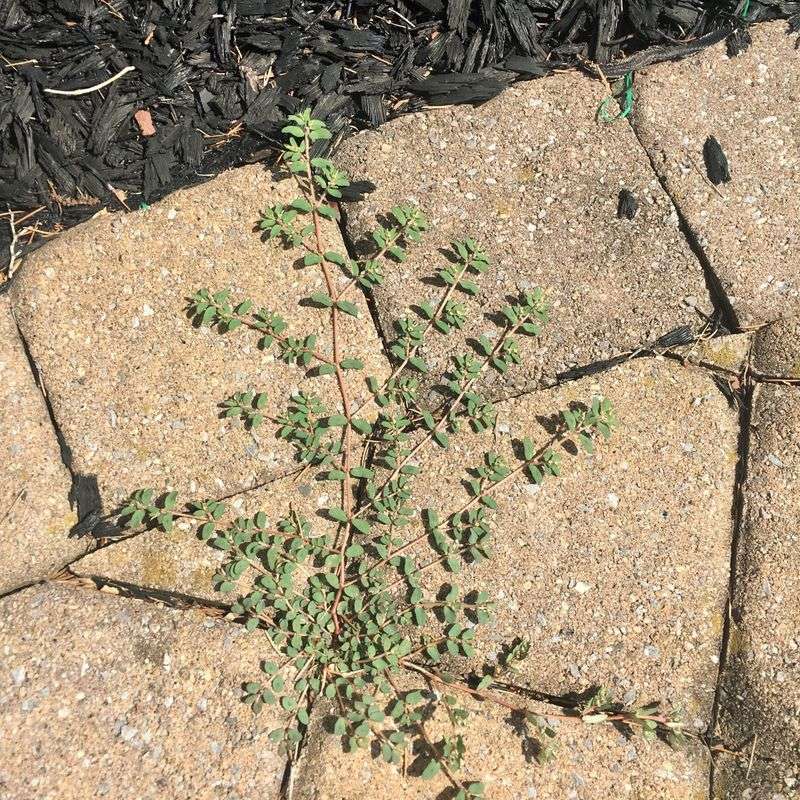
If you decide to reach for an herbicide, the label is your rulebook. Make sure it permits the site you plan to treat, then follow the directions and precautions.
Brand names can fool you, because University of Arizona Extension notes that products with similar names can have different active ingredients and properties.
Homemade mixes are a different story. Vinegar can burn leaves, but it often does not reach the roots, so growth can return and repeat applications may be needed.
Strong horticultural vinegar is not harmless just because it is natural. Concentrated acetic acid can cause serious burns and eye damage, and the EPA flags levels above 8% for that reason.
Salt and bleach are poor choices too. Salt can linger in soil and wash toward nearby plants, and bleach is not a proper weed remedy.
Stick with labeled products, protective gear, and the joint repair covered earlier. It is less exciting than a kitchen cure, but it is safer for your family, pets, and plants.
Use a simple maintenance sequence and reset expectations
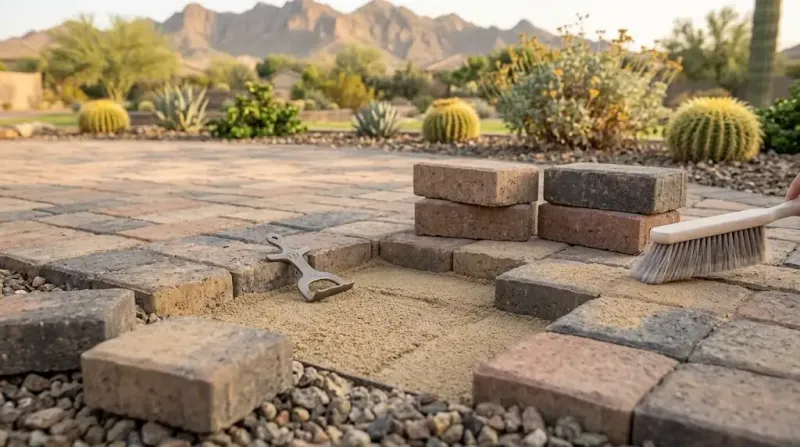
Here is the routine in order. Remove weeds with their growth pattern in mind, pulling annuals before seed and digging out perennial roots when you can, as UA Extension advises.
Clear loose debris, inspect the joints, and refill any depleted ones with compatible material following its instructions.
Do that regularly and you give weeds fewer places to start. It will not make pavers permanently weed-free.
Pavers are less like a finished project and more like a garden path: a little steady attention beats a big rescue later.