Fall Pruning Can Strip Georgia Pyracantha Of The Berries Birds Count On
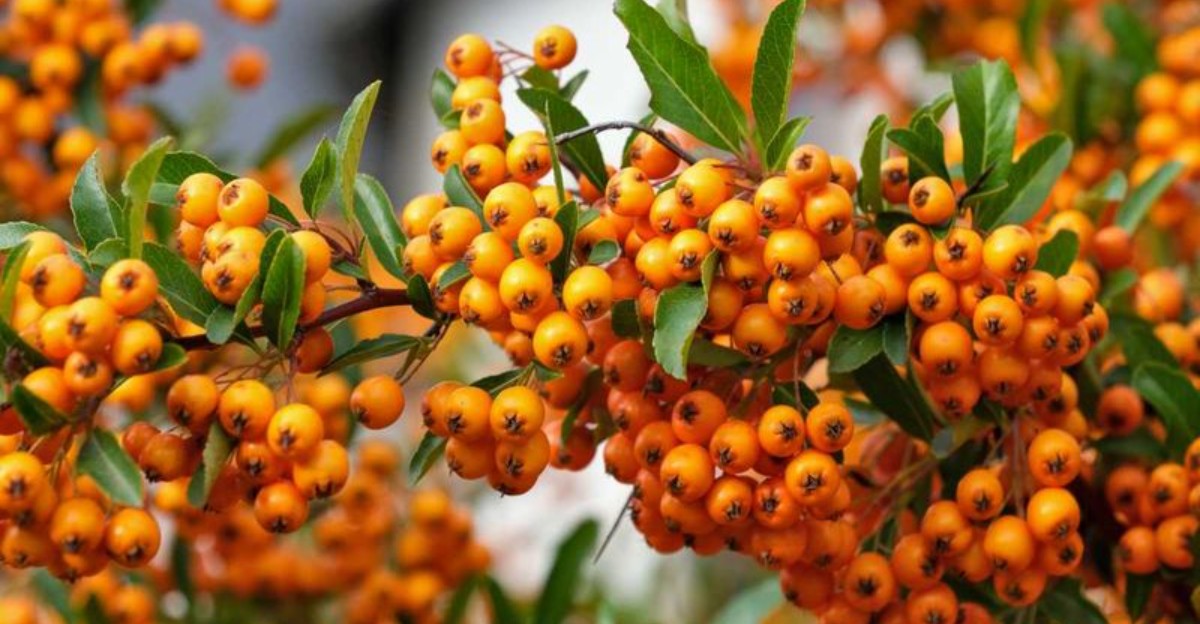
Pyracantha loaded with orange or red berries can look a little wild by October, with long shoots reaching in every direction. Trimming it back into shape seems like a quick weekend fix.
Doing that now can remove much of the fruit that makes the shrub worth growing in winter.
Berries form on older wood, so shearing off stems in fall takes many of them right along with it.
Robins, mockingbirds, and cedar waxwings often rely on that fruit once cold weather sets in.
Losing it to an early trim means fewer birds visiting your yard in the leanest months. Across much of Georgia, those berries can hang on well into winter if left alone.
Save the bigger shaping job for spring, after the shrub finishes flowering and new growth begins.
1. Bright Orange Clusters Are Winter Food For Many Backyard Birds
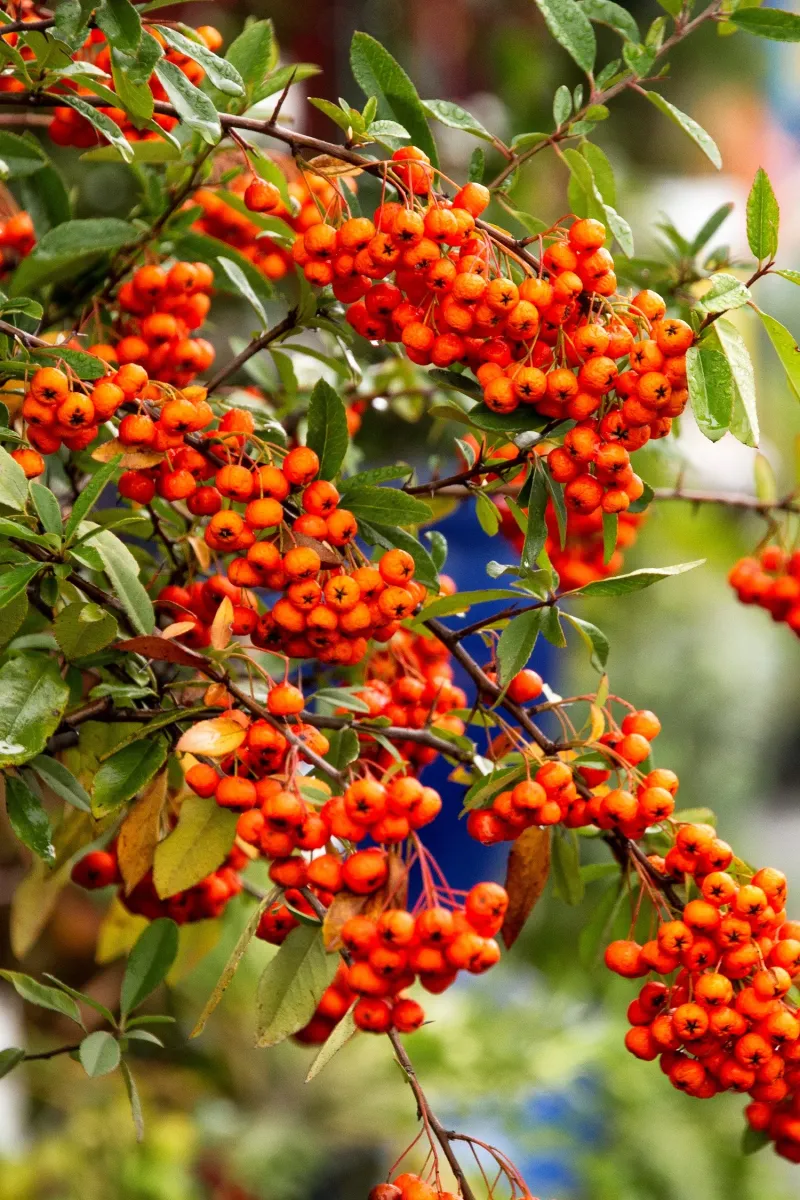
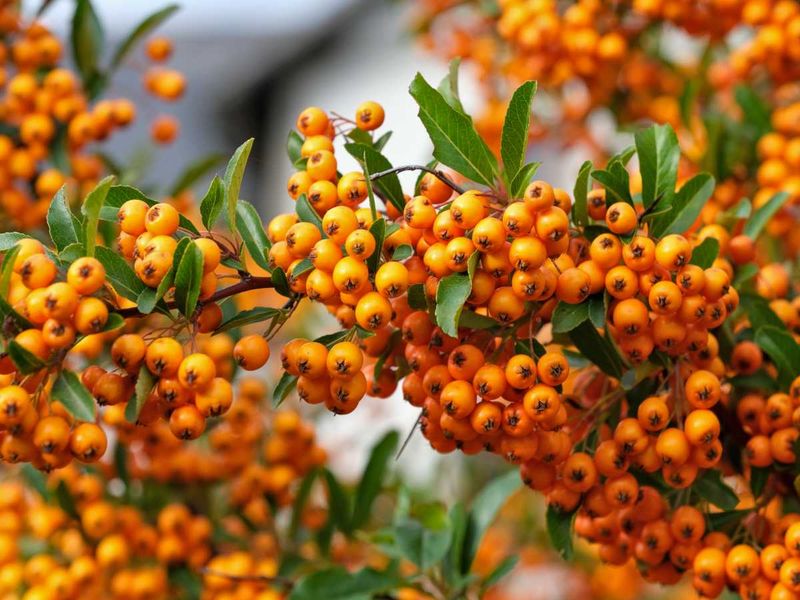
Walk past a loaded firethorn in November and it almost glows. Those thick clusters of small orange or red fruit, called pomes, ripen in fall and often hang on well into winter.
Birds tend to notice that long display, especially after insects become scarce.
In Georgia, pyracantha berries usually reach full color in fall. Some birds take them right away, while others seem to wait until later in winter, possibly after the fruit softens or other food runs low.
How long the berries last on your shrub depends on the local bird crowd, the weather, and what else is growing nearby.
A yard with holly, dogwood, or native viburnums may see the firethorn fruit eaten at a different pace than a yard with nothing else to offer. That variety is a good thing, since birds benefit from several food sources across the cold months.
Keep in mind that pyracantha is not native to North America. Some gardeners prefer to pair it with native fruiting shrubs, and that mix can give birds more choices.
If you already have an established firethorn, the simplest way to help birds is to leave the fruit alone. Enjoy the color from your window, and let the shrub do its job through the coldest part of the year.
2. Berries Form On Wood Grown The Previous Season
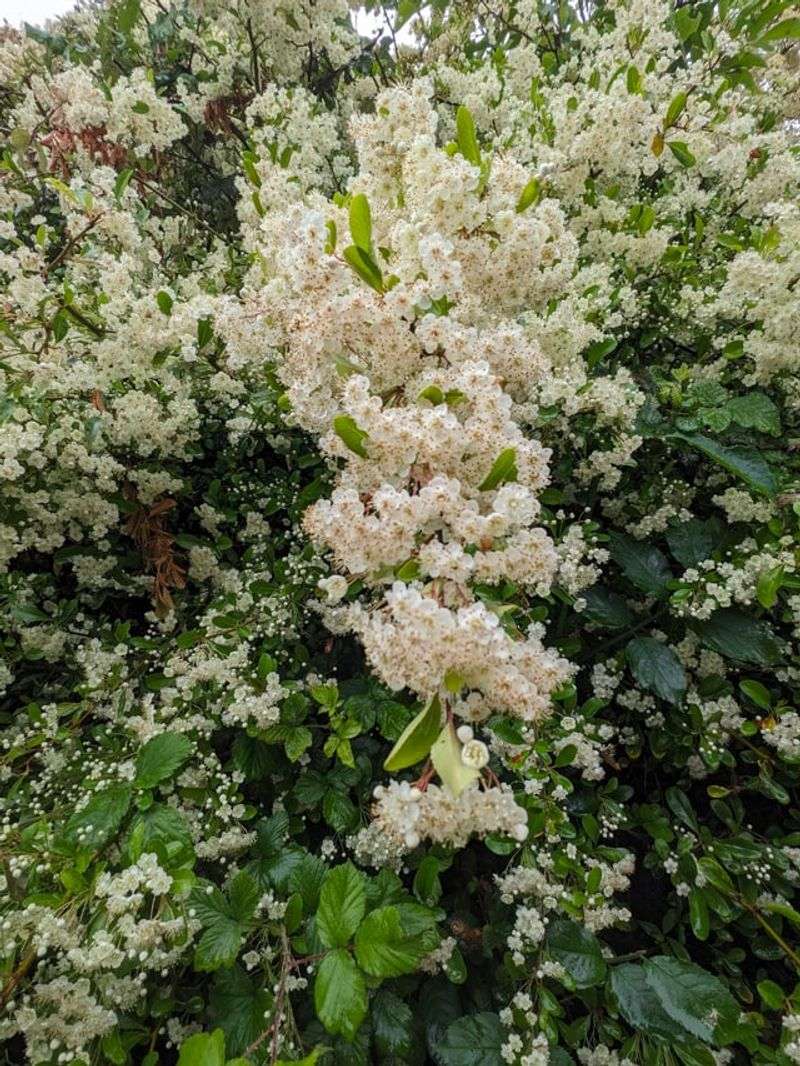
Timing is everything with firethorn. Its flowers, and the berries that follow, appear mainly on stems that grew the year before.
So the branches you see in fall are carrying next spring’s flower buds as well as this year’s fruit.
Small white flowers open in spring, usually around April across much of the state. Bees visit them, and pollinated flowers swell into green berries that color up by fall.
New shoots that grow during summer are typically leafy and long. Those fresh stems are the ones likely to carry flowers the following year.
Here is why that matters for anyone holding pruners. If you shear the whole shrub back, you remove both the older fruiting wood and the young growth that would bloom next spring.
Gardeners in Georgia sometimes notice a heavily trimmed firethorn that stays green but barely flowers. Pruning is one common reason, though too much shade or heavy nitrogen fertilizer can also cut down on blooms.
Your Georgia Garden Changes Every Week. Your Plan Should Too.
Gardening in Georgia changes quickly throughout the season. Every Friday you’ll receive a simple weekly plan showing exactly what to plant, prune, fertilize, harvest, and protect so you never miss the right timing.
A good habit is to look closely at a branch before you cut it. If you can spot fruit clusters or plump buds, ask yourself whether that stem really needs to go.
Understanding this simple growth cycle makes every other pruning choice easier.
3. Heavy Fall Cuts Remove The Clusters Along With The Stems
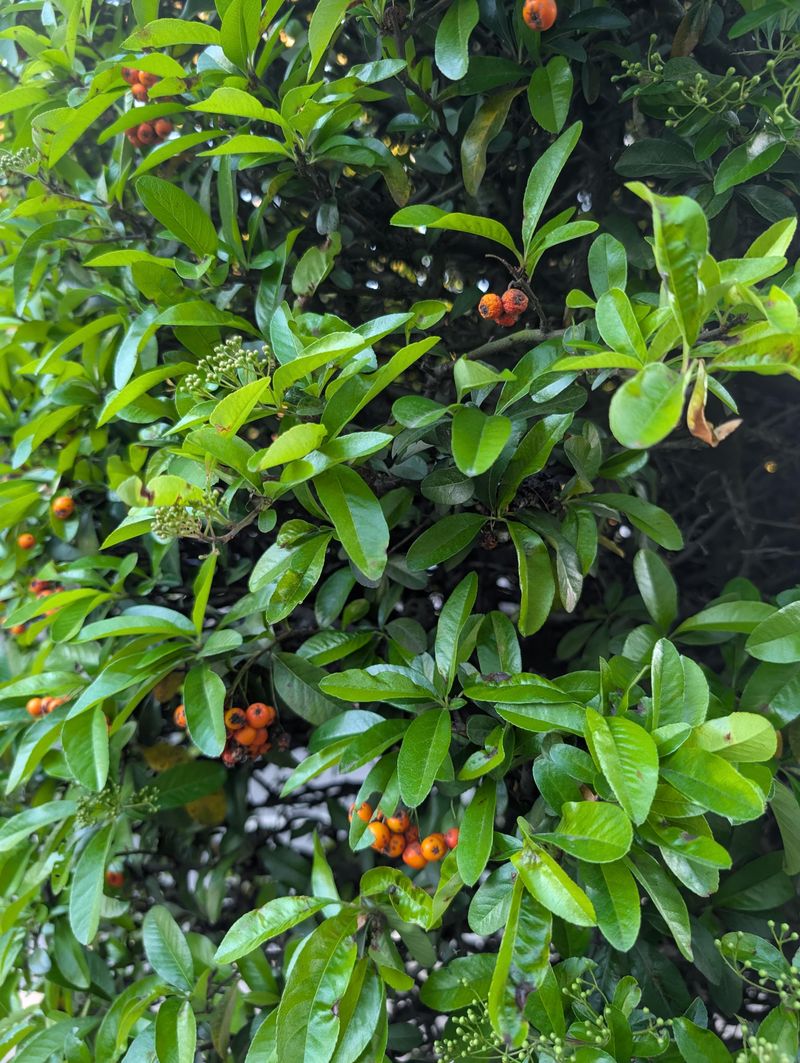
Picture a neat, freshly sheared shrub with a pile of orange-studded branches on the lawn. That pile is a big chunk of the winter food supply, raked up and bagged.
Fall trimming feels natural because yards get tidied before the holidays. With pyracantha, though, a hard cut at that time works against the berry display.
Each cluster sits on a stem, and those stems are often what gets snipped to shape the plant.
Shearing into a tight box or ball tends to remove the outer layer where much of the fruit hangs. You may also lose some of the buds that would flower next spring.
Not every fall cut is a problem. Snipping a single branch that blocks a walkway or scratches people near a door is reasonable, and Georgia homeowners often need to do exactly that.
Broken or diseased stems can also come off whenever you spot them.
The trouble comes from large, all-over trims. If your shrub has gotten too big, consider waiting and spreading the work across a couple of seasons.
A little patience in fall lets you enjoy the color now and still shape the plant later, when cutting costs you far fewer berries.
4. Mockingbirds, Robins, And Waxwings Feed On Them Into Winter
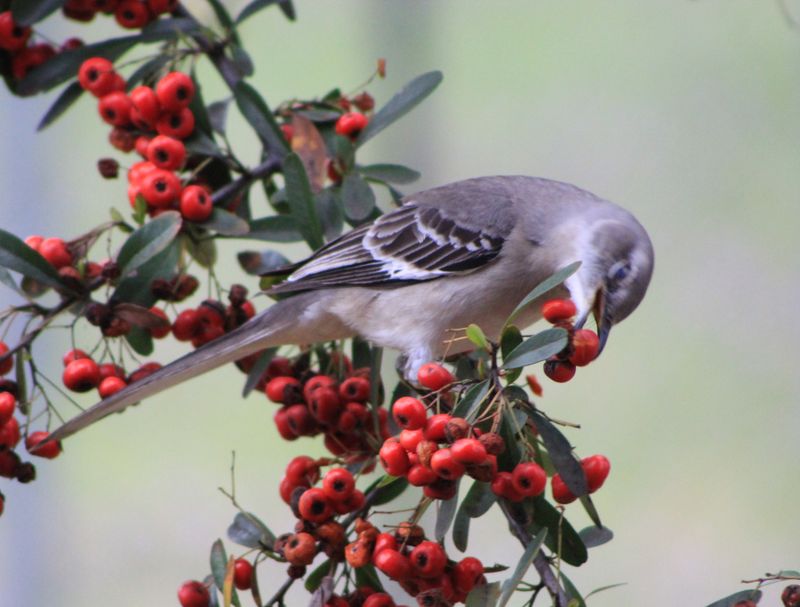
Ever watched a mockingbird chase other birds away from one shrub? That bossy behavior often shows up around fruiting plants, and pyracantha is a frequent target.
Northern mockingbirds live in Georgia year-round and may guard a good berry source through winter.
American robins are another common visitor. Large flocks move through the Southeast in winter, and they can strip a shrub of fruit surprisingly fast.
Cedar waxwings travel in groups too, and their visits can be hard to predict.
Some years they show up and feast for a day or two, then vanish. Other years you might not see them at all, since their movements follow food supplies across the region.
Brown thrashers, eastern bluebirds, and northern cardinals may also nibble firethorn fruit. Which species you see depends on your neighborhood, nearby habitat, and the season.
A few gardeners report birds acting a bit clumsy after eating fermented, overripe berries. That can happen with many fruits, but it is not a regular or widespread event.
To enjoy the show, place a chair or feeder where you can see the shrub from inside. Keep cats indoors, since birds feeding low in a bush can be easy targets.
5. Pruning After Spring Flowering Helps Preserve The Berry Display
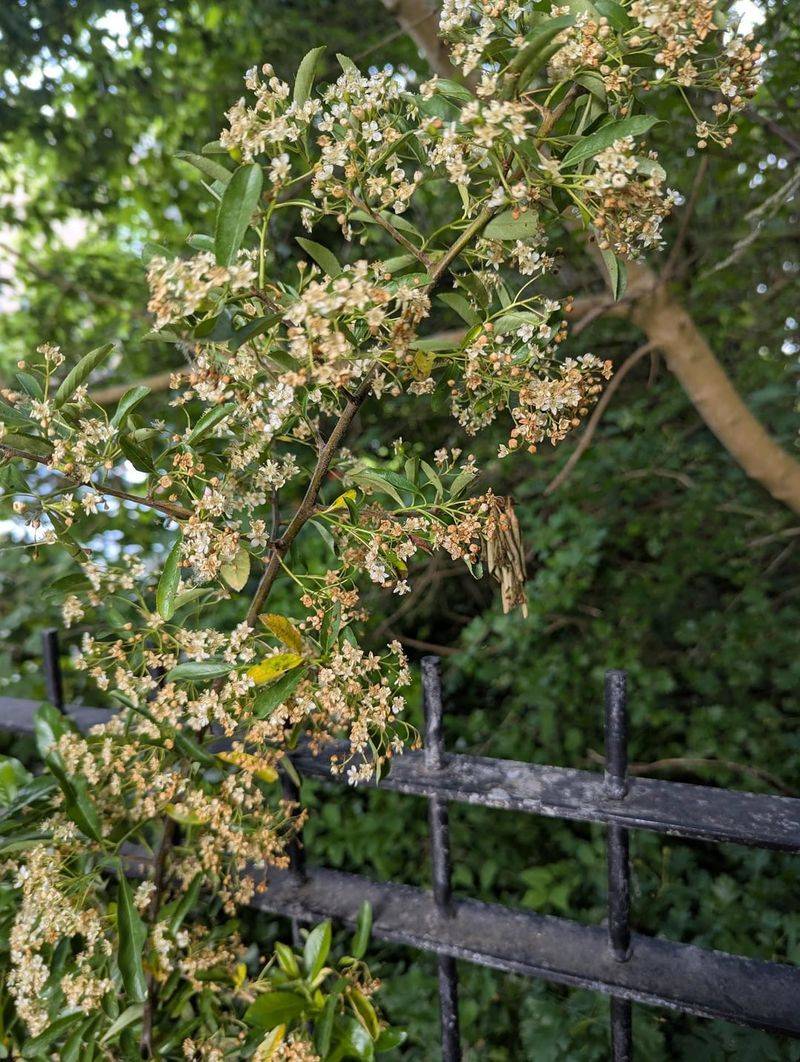
Better timing beats harder cutting. For most pyracantha, the best window for shaping is shortly after the spring flowers fade.
At that point, you can see where young berries are forming. That makes it easier to remove extra growth while leaving the fruiting stems in place.
Across Georgia, bloom usually wraps up in late spring, though the exact timing shifts between the mountains and the coast.
Watch your own shrub rather than the calendar. Once petals drop and tiny green berries appear, you are in a good spot to prune.
Focus on thinning instead of shearing. Remove crossing branches, overly long shoots, and stems that crowd the center so light and air can move through.
Light summer tip-pinching of wild new shoots is also an option, but go easy.
Some of that new growth will carry next year’s flowers, so cutting too much can reduce the following season’s crop.
Late winter is another time some gardeners prune for size, especially on very overgrown plants. You will lose some flower buds that way, so accept a smaller show that year.
Clean, sharp hand pruners or loppers give neater cuts than hedge shears and help you choose each branch with care.
6. Sharp Thorns Make Thick Gloves And Long Sleeves A Must
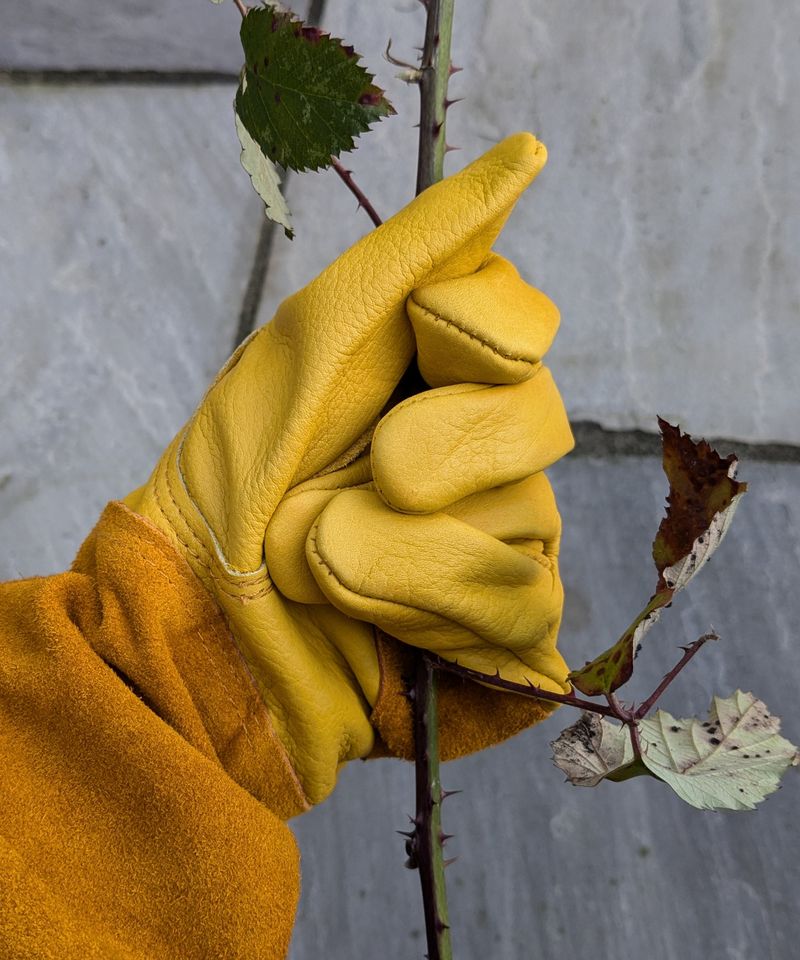
Firethorn earns its name. The stems carry stiff, sharp thorns that can poke through thin cotton gloves without much effort.
Anyone who has pruned one bare-handed usually remembers it.
Thick leather or puncture-resistant gloves are the first line of defense. Longer gauntlet-style gloves add protection for your wrists and forearms.
Wear a heavy long-sleeved shirt and sturdy pants, even on warm spring days. Georgia heat can make that uncomfortable, so plan pruning for cooler mornings and take water breaks.
Safety glasses are a smart extra. Branches can spring back when cut, and a thorn near the eyes is a real risk.
Long-handled loppers let you reach into the shrub while keeping some distance.
Cleanup deserves the same care. Thorny clippings can hide in grass and jab bare feet or pets, so rake them onto a tarp and bag them right away.
Puncture wounds from any plant can sometimes become infected. Clean small scratches with soap and water, and see a doctor if a wound gets red, swollen, or painful.
Planting location matters too. Keep pyracantha away from walkways, play areas, and windows you need to reach, so you have fewer reasons to prune near people.
7. Scab And Fire Blight Can Blacken Fruit And Branch Tips
Dark, sooty berries are a warning sign. Scab is a fungal disease that can leave pyracantha fruit and leaves spotted, dark, and sometimes cracked.
Wet spring weather often helps it spread.
Fire blight is a bacterial disease that affects pyracantha and related plants like pear and apple. Infected shoot tips may turn brown or black and curl over, looking scorched.
Both problems show up in humid parts of the Southeast, including much of Georgia. Severity varies a lot from year to year with rainfall and temperature during bloom.
Other things can cause dark leaves or fruit, so look closely before deciding what you have. Your county Extension office can help with an accurate diagnosis.
Choosing resistant varieties is one of the best long-term steps, since some cultivars handle scab and fire blight better than others.
For fire blight, prune out affected shoots during dry weather, cutting several inches into healthy wood. Clean your pruners between cuts with a household disinfectant.
Good air flow helps limit scab, which is another reason to thin rather than shear. Rake up fallen infected leaves and fruit.
Avoid heavy nitrogen feeding, because soft, fast growth tends to be more vulnerable to fire blight infections.