How To Protect Texas Shrubs From Buck Rubs This Fall
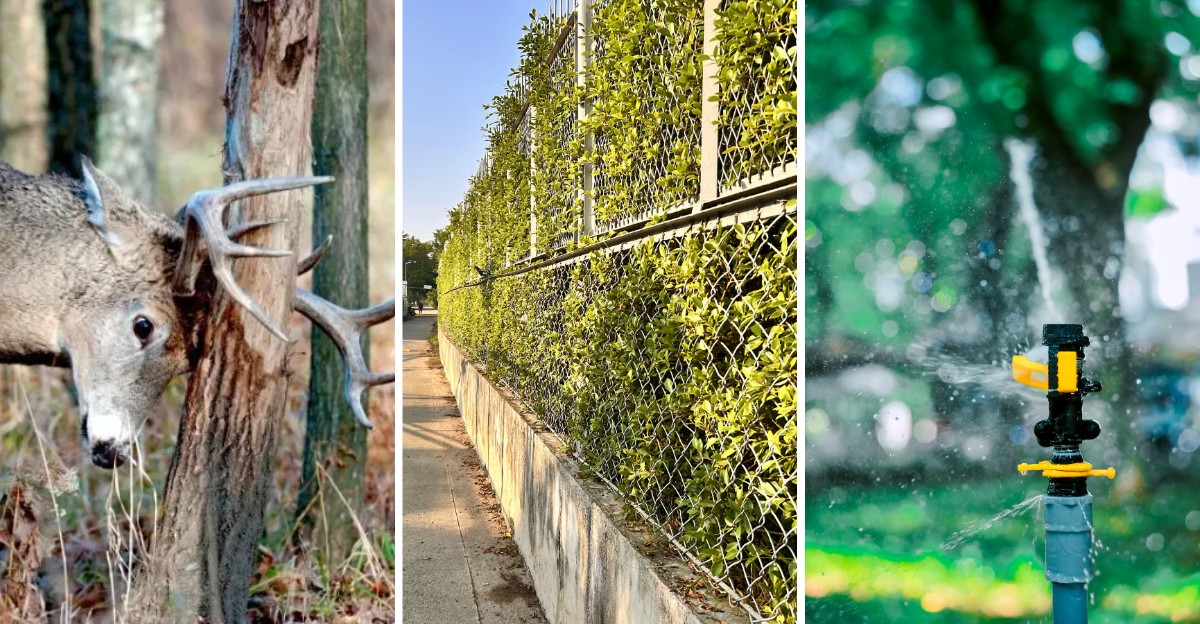
A buck damaged your favorite sapling overnight, and the culprit wears antlers. You find bark hanging in curly ribbons and a stem stripped to pale wood.
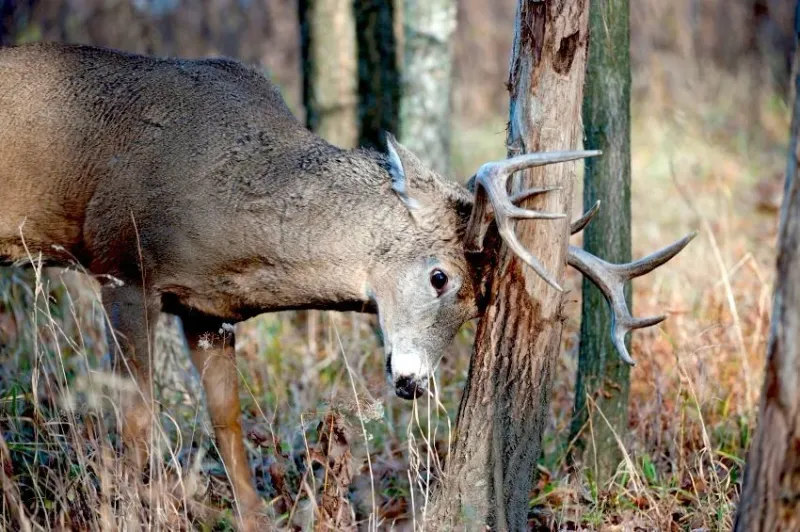
Bucks do this on purpose, and Texas hosts a large population of them. Rubbing lets them signal dominance and polish their racks.
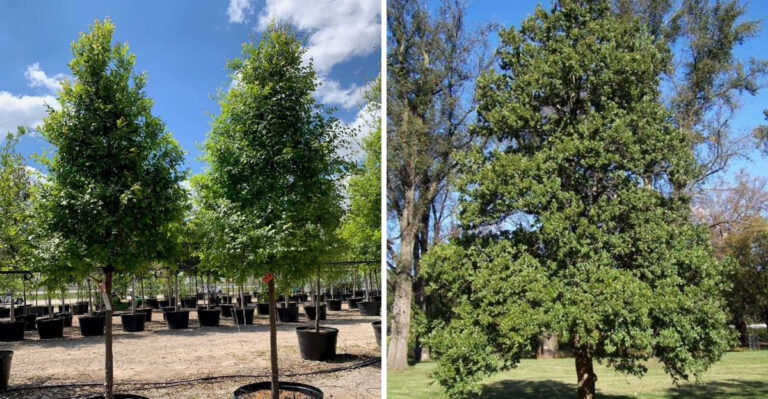
Rubs also leave scent from glands on his forehead as a calling card. Thin, smooth trees like your young pecan or crape myrtle make frequent targets.
Hard rubs can strip bark and the phloem, which carries sugars through the trunk. Damage that circles the stem can cut off supplies to the crown above.
Cheap tree guards and a few smart placements can help reduce rubbing this fall. Texas research shows bucks favor certain plants. His targets follow a clear pattern. Spot the cue he reads, then lure his antlers to a decoy.
1. Wrap Young Trunks With Tree Guards
Picture a buck in late October, his hormone levels high and his antlers hardened. Young shrubs with skinny stems look like an attractive rubbing site to him.
Bucks rub to mark territory, signal dominance, and condition their neck muscles. Texas rut timing varies by region, with peak breeding falling between October and late December and South Texas running latest.
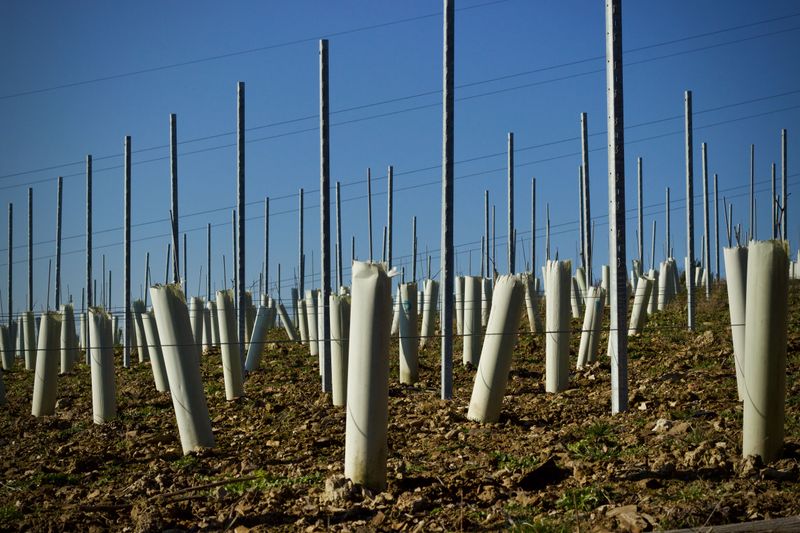
A simple tree guard puts a tough barrier between those antlers and the tender bark. Most guards are spiral plastic tubes or rigid sleeves that snap around the trunk.
Spiral wraps work well on stems about one to three inches thick. Slip one on at the base and twist it upward, like wrapping a candy cane.
Aim to cover the lower four feet, since bucks usually rub between knee and chest height. Taller guards are smart if big-bodied bucks roam your area.
Corrugated drain pipe works too, and it costs very little at hardware stores. Cut a slit down one side, then pop it around the stem.
Check guards every few weeks to make sure they are not rubbing or trapping moisture. Remove them in late winter so the bark can breathe and grow freely.
Leaving solid sleeves on all year can trap moisture and invite insects, so check them regularly. Think of them as a cozy fall jacket, not a permanent outfit.
Bright white guards also help you spot damage quickly during morning walks. One glance tells you whether a visitor tested your defenses overnight.
2. Build A Wire Cage Around Each Shrub
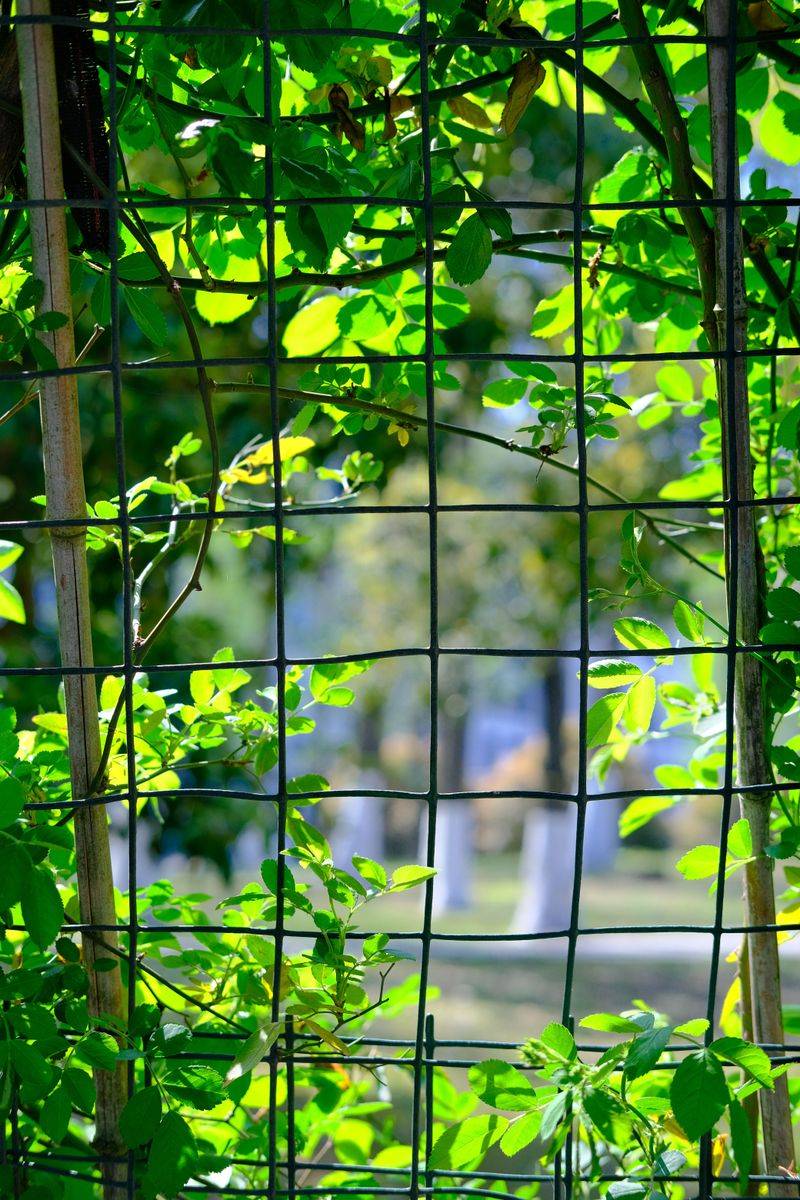
A ring of welded wire is a clear physical barrier. A cage keeps antlers off the stem. Grab a roll of welded wire or hog panel with openings around four inches wide. Snip enough to circle the plant with at least a foot of space.
That extra gap matters more than you might think. Antlers can still reach the stem through the openings if the cage hugs the branches too tightly.
Shape the wire into a cylinder and fasten the ends with zip ties or hog rings. Height should reach about four to five feet to protect against rubs, or six feet to also limit browsing.
Your Texas Garden Changes Every Week. Your Plan Should Too.
Gardening in Texas changes quickly throughout the season. Every Friday you’ll receive a simple weekly plan showing exactly what to plant, prune, fertilize, harvest, and protect so you never miss the right timing.
Anchor the cage with two or three metal stakes driven firmly into the soil. A loose cage can get shoved aside by a determined buck in minutes. Unanchored cages are easily flattened and left beside a scraped-up shrub.
Cages blend in better than you might expect, especially with green or black coated wire. Once the shrub leafs out, most guests may not even notice them.
A cage about six feet tall can also limit nibbling on tender growth. You get rub protection and some browse protection from one simple project.
Keep cages in place through the rut, then decide if you want them year round. Many gardeners leave them up where deer pressure stays high.
3. Drive Sturdy Stakes Around Your Plants
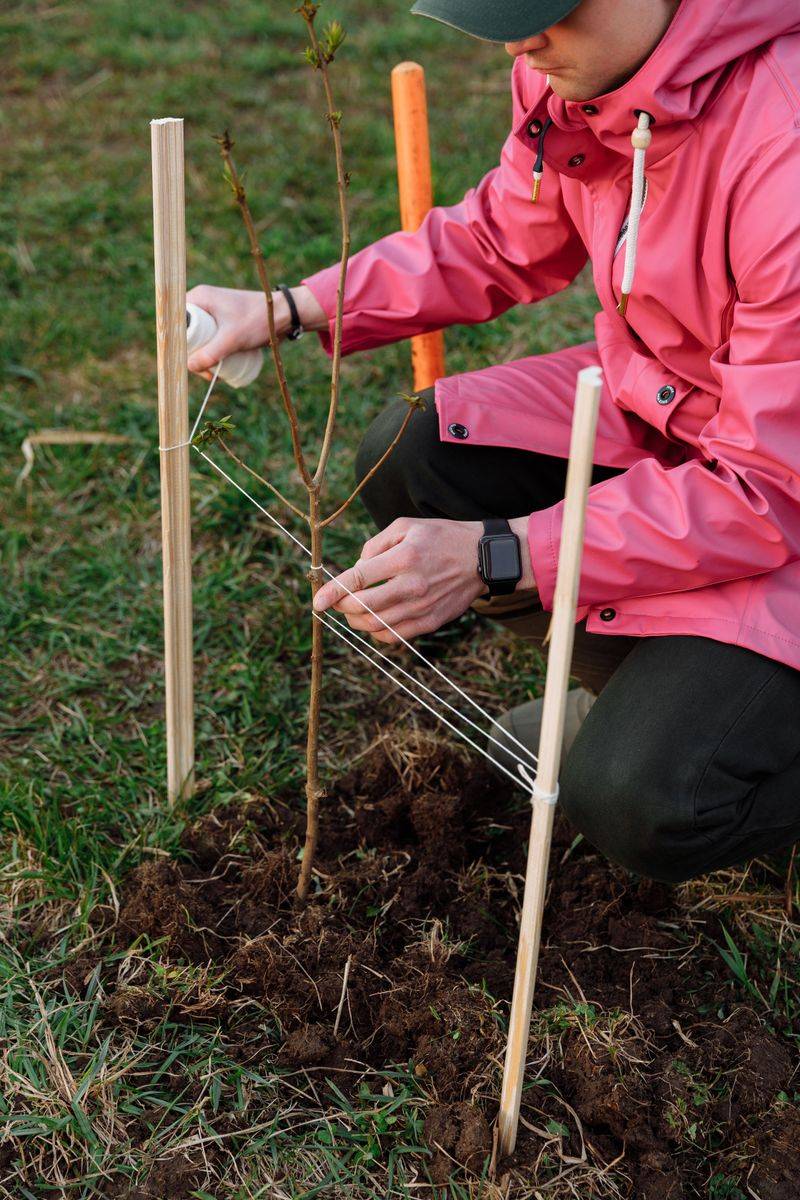
Sometimes the simplest trick is just a few wooden stakes and a little elbow grease. Bucks need room to swing their heads, and stakes may take some of that room away.
Drive three or four sturdy stakes in a tight triangle or square around the shrub. Keep each stake about six to eight inches away from the main stem.
The goal is to make rubbing awkward by leaving no clear surface for antlers. A buck wants a clean, open trunk to work his antlers against.
Use stakes that stand at least four feet tall above the ground. T-posts, rebar, or treated lumber hold up well in most soils, though rocky or caliche ground may need pre-drilled holes.
For extra punch, run a few strands of twine or wire between the stakes. That creates a mini fence that may feel strange to curious bucks.
Some folks tie strips of bright flagging tape to the top of each stake. The flapping motion in a breeze may make a wary buck think twice.
Stakes cost less than most cages, which makes them great for large yards with many plants. You can protect a whole row of shrubs in one afternoon.
Pull them out after the rut winds down, usually by late January or early February, depending on your region. Store them in the garage, and next October setup takes just minutes.
Paint the tops orange or white so you do not trip over them at dusk. Your shins will thank you when you carry groceries past the flower beds.
4. Spray A Smelly Repellent On A Schedule
Ever caught a whiff of rotten eggs mixed with garlic? Deer generally avoid that smell, and that is the whole idea.
Repellents work by making your shrubs smell or taste unpleasant to visiting bucks. Most brands use egg solids, garlic, hot pepper, or predator urine.
Rubbing is less about food and more about marking, so repellents may be less reliable here than they are for browsing. A buck that dislikes the odor may move his workout somewhere else.
Spray the trunk and lower branches up to about four feet high. Focus on stems where you already see scuffs, broken twigs, or peeled bark.
Timing matters with these products, especially in a Texas fall. Reapply as the label directs, often every one to two weeks, and after any heavy rain.
Switching between two different brands can keep bucks from getting used to one smell. Deer can get used to a smell that is repeated without any real threat.
Wear gloves while spraying, and maybe old clothes you do not mind airing out. Your family will appreciate it at dinner time, too.
Repellents work best as a backup to physical barriers rather than a solo fix. Pair them with guards or stakes for your most prized plants.
Pick a calm, dry morning for application so the spray sticks and dries well. A light coat beats a heavy soak that drips onto the soil.
Read the label to see which plants and pets the product is safe around. Some formulas are fine near vegetable gardens, while others are not.
5. Install A Tall Perimeter Fence
A white-tailed deer can clear a fence of about eight feet, often with a running start. Yes, those skinny legs hide serious spring power.
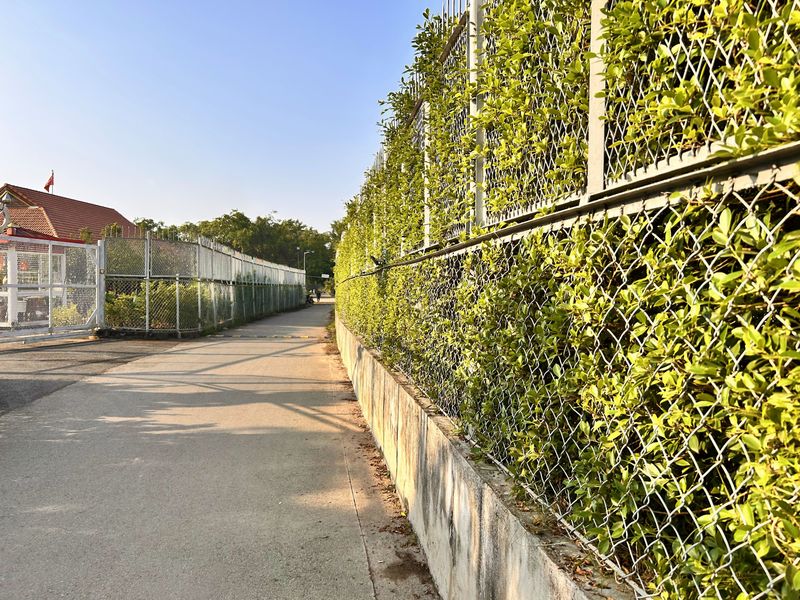
If buck rubs show up across your whole property, a perimeter fence may be worth the investment. It protects every shrub at once instead of one plant at a time.
Height is the key number to remember when planning. Aim for at least eight feet, since shorter fences often become a fun hurdle.
Polypropylene deer mesh is lightweight, affordable, and nearly invisible from a distance. Welded wire or high-tensile woven wire is sturdier and lasts longer than mesh.
Some homeowners try a double fence instead of one tall barrier. Two shorter fences spaced about four feet apart confuse deer depth perception.
Bucks dislike jumping into a narrow space where they cannot see a safe landing. That trick works well when city rules limit fence height.
Check with your city or homeowners association before buying any materials. Many Texas neighborhoods have strict guidelines about fence style and height.
Walk the fence line every couple of weeks during fall, looking for gaps or sagging spots. Deer will test weak corners, and a single gap gives them an entry point.
A fence is the biggest upfront cost on this list, no doubt about it. Still, it can save hundreds of dollars in replaced landscaping over the years.
Install gates that close tightly and latch on their own whenever possible. A gate left open overnight gives wandering bucks an easy entry point.
6. Add A Motion-Activated Sprinkler
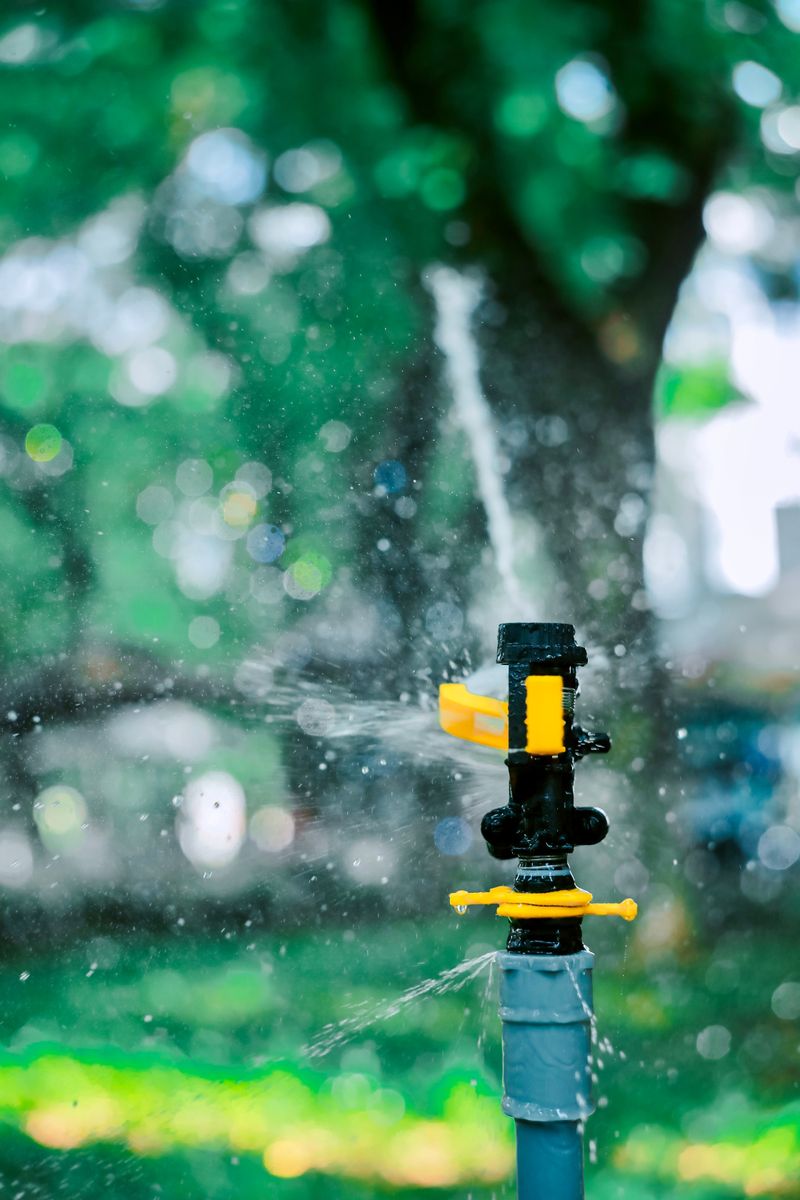
A sudden spray can interrupt a buck’s rubbing. Motion-activated sprinklers give him a startling reason to avoid your yard.
These gadgets hook up to a regular garden hose and use a sensor to detect movement. When something walks by, they fire a quick burst of water and a ticking sound.
Deer startle easily, especially at night when they feel most exposed. A few soakings may teach them that your shrubs are not worth the hassle, though results vary.
Place sprinklers near your most damaged plants or along common deer trails. Look for hoof prints, trampled grass, or droppings to find their favorite routes.
Most models let you adjust sensitivity, spray distance, and day or night modes. Set them for nighttime so the mail carrier stays dry and happy.
October in Texas is usually mild, so freezing hoses are not a big worry yet. Once a hard freeze threatens, unhook and drain everything to prevent cracked parts.
Move sprinklers to new spots every week or two to keep bucks guessing. Deer get comfortable with anything that stays in one place too long.
Water use is surprisingly low, since the sprinkler only runs when triggered. That makes it a friendly choice during dry spells and watering restrictions.
Pets and visitors may set it off too, so warn the household first. A quick test run at dusk helps you confirm the spray reaches the right spot.
Pair sprinklers with guards on your priciest shrubs for layered protection. A buck that dodges the water still meets a barrier at the trunk.
7. Plant Shrubs That Bucks Tend To Skip
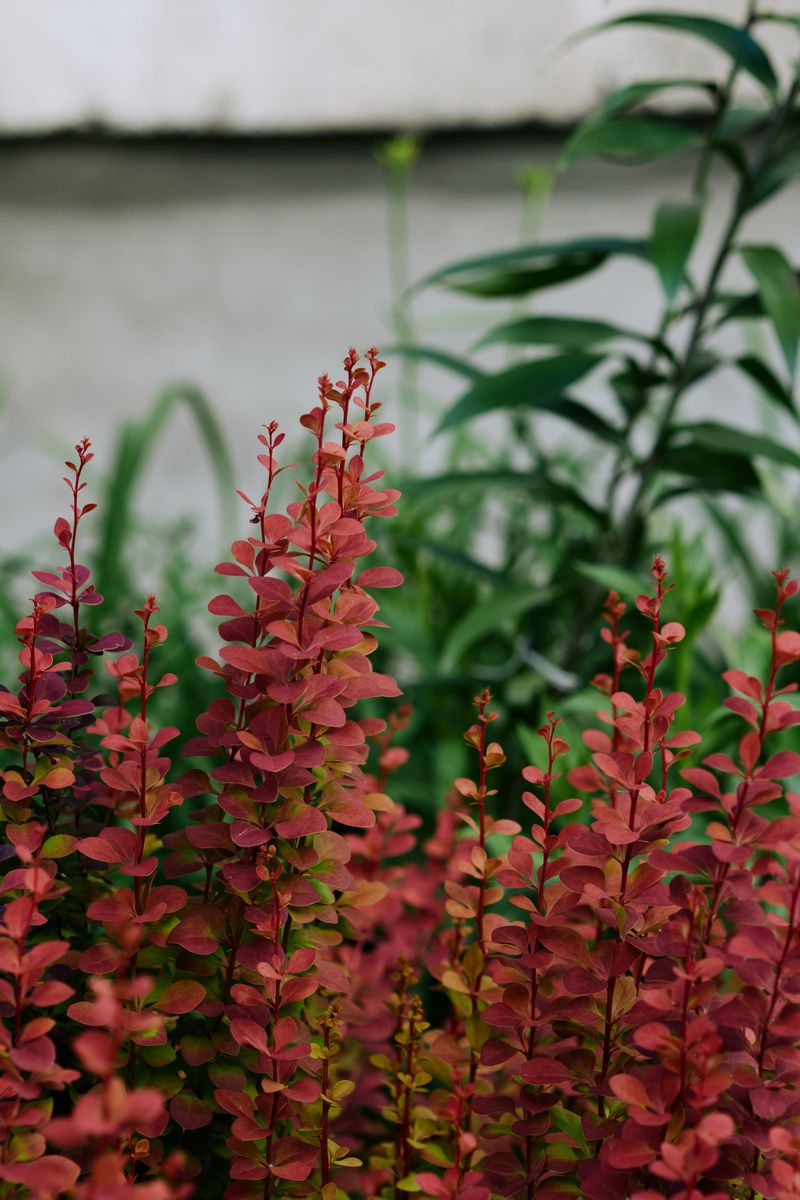
Experienced gardeners often find that the best defense starts at the nursery. Bucks favor certain shrubs for rubbing, and others they tend to ignore.
Bucks prefer smooth, flexible stems about the thickness of a broom handle. Aromatic bark, like cedar or pine, also attracts them for scent marking.
Prickly, multi-stemmed shrubs often hold up better in deer country. A crowded tangle of stems gives antlers no clean surface to scrape.
Agarita is a tough Texas native with holly-like leaves that poke anything nearby. Texas sage, also called cenizo, offers silvery foliage and bushy growth bucks often skip.
Dwarf yaupon holly forms a dense mound that may be harder to rub, though no shrub is guaranteed. Damianita and rosemary bring strong scents that many deer find unappealing.
Keep in mind that no plant is fully deer proof in a hungry or crowded year. Drought can push deer to try shrubs they normally pass by.
Fall is actually the best time to plant in most of Texas. Cooler air and warm soil help roots settle in before summer heat returns.
Protect new plantings with a small cage for the first couple of years. Young stems are softer and more tempting than mature, woody ones.
Ask your local extension office or native plant nursery for regional suggestions. A shrub that thrives near Houston may struggle in the Panhandle.
Mixing several resistant species also keeps your yard interesting to look at. Variety adds color and texture while giving bucks fewer easy targets.
8. Offer An Alternative Rubbing Post
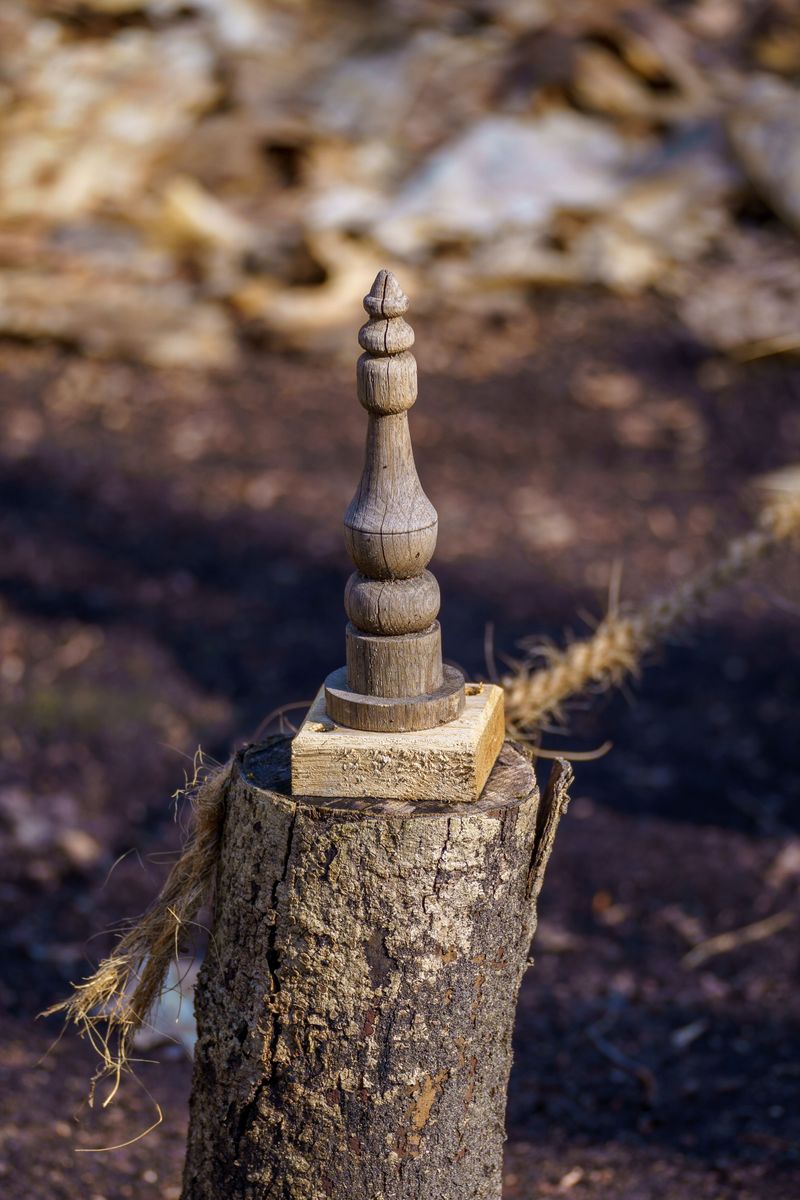
Try an unconventional idea that sounds odd at first. Give the bucks something else to rub, and they may leave your shrubs alone.
Hunters and wildlife managers use rubbing posts and mock rubs on ranches, and some landowners try the same idea at home. A rubbing post is a sturdy pole or log set up away from your landscaping.
Cedar posts work especially well because bucks love their strong, woodsy scent. Set one a few inches thick and about five feet tall at the edge of your property.
Placement matters a lot, so watch where deer enter your yard. Put the post along that trail, ideally a good distance from your prized plants.
Some folks add a commercial scent lure to make the post even more attractive. Check state and local rules on scent lures first, since some states restrict natural deer urine because of chronic wasting disease.
Others hang a scraped branch from a previous rub nearby for natural scent. Leaving a few existing rubbed saplings standing can work the same way.
Bucks often return to the same rubs year after year. Think of the post as a decoy rather than a guarantee, and place it well away from your plants, since it may draw more bucks to the area.
Combine it with guards or repellents on the plants you care about most. Watching a big buck scrape away at your post can be thrilling from a window.
Keep a camera handy, because those moments make great stories. Replace the post every couple of seasons once the bark is shredded and worn.
Some land managers set out several posts to spread the activity around. Even one well-placed decoy can spare a few beloved shrubs this fall.