The One Thing Pennsylvania Gardeners Forget To Do With Lavender Every October
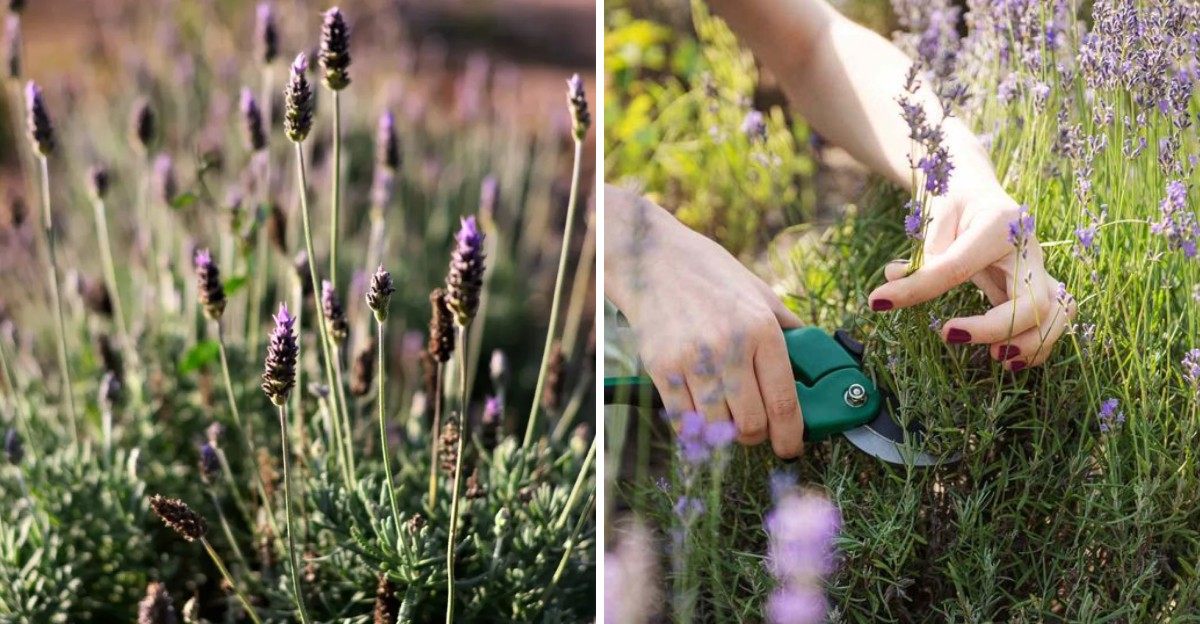
October is a busy month in a Pennsylvania garden, and lavender is very easy to walk right past. It is not demanding attention the way the tomatoes were or putting on a show the way the dahlias did.
It just sits there, quietly fragrant, looking like it has everything under control. That is exactly the problem.
Lavender has one fall task that most gardeners forget entirely, and skipping it tends to show up in the worst possible way, which is a gray, floppy, split-open plant in April when you were expecting something lush and buzzing with bees.
The fix is genuinely simple and takes about twenty minutes.
A light trim and the right mulch are all that stand between a great lavender summer and a disappointing one. October is the month it all gets decided.
1. Pennsylvania Lavender Spring Struggles Often Start In October
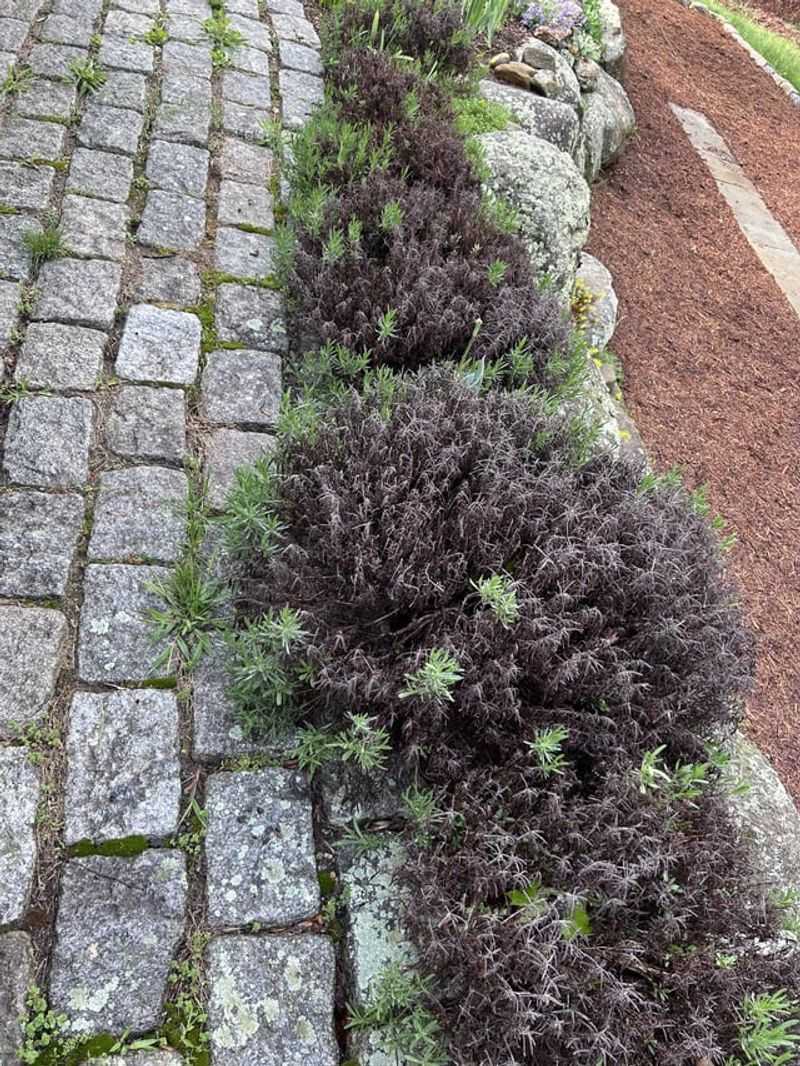
Every April, gardeners across the state walk outside and find their lavender looking tired and split open. Most blame the cold, but the real trouble often began months earlier.
Lavender comes from the dry, rocky hills around the Mediterranean Sea. It loves sunshine and lean soil, and it hates sitting in wet ground all winter.
Here in Pennsylvania, our winters bring freezing, thawing, slush, and soggy clay. That mix is far harder on lavender than steady cold ever could be.
When a plant goes into winter with long, leggy stems, snow and ice can bend them until they crack. Those open wounds let moisture creep into the woody center of the plant.
Bare soil around the base is another problem. Without a protective layer, the ground heaves as it freezes and thaws, pushing roots up where cold air dries them out.
So the one thing so many people forget is a two-part task. Give lavender a light trim after its final blooms, then add a ring of coarse, gritty mulch before the ground freezes.
That pairing keeps the plant compact, sturdy, and dry at the crown. It sounds small, yet it changes how your lavender looks once spring rolls around.
Think of October care as packing a good lunch for a long trip. Your plant has a long winter ahead, and a little prep helps it arrive in spring ready to grow.
2. A Light Trim And A Hard Cutback Are Not The Same Thing
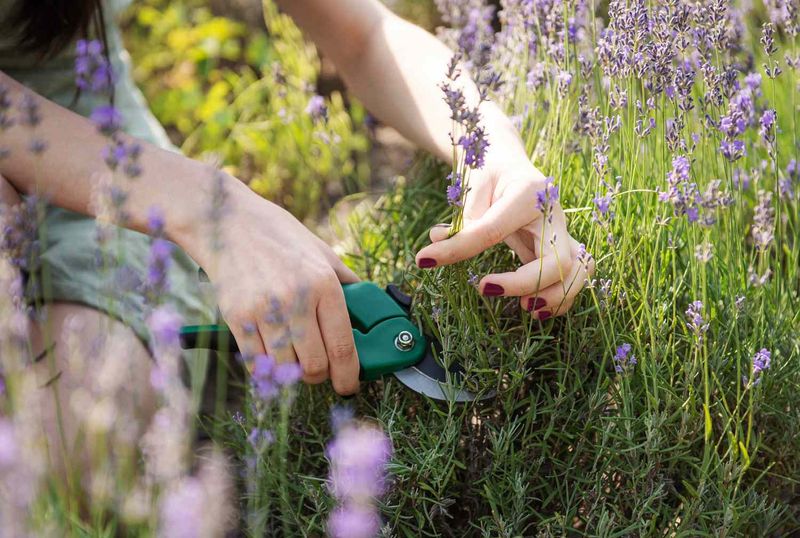
Ask ten neighbors how to prune lavender, and you might hear ten different answers. Some swear by chopping it low, while others never touch it at all.
The truth sits somewhere in the middle, and it depends partly on where you live. A light trim and a hard cutback are two very different jobs, and mixing them up causes real trouble.
A hard cutback means slicing deep into the brown, woody base of the plant. Lavender rarely sprouts new shoots from old bare wood, so those deep cuts can leave stubby gaps that may not fill in.
In Pennsylvania, a hard cut in fall is extra risky. The plant has no time to heal before freezing weather arrives, and those raw stems sit exposed for months.
Your Pennsylvania Garden Changes Every Week. Your Plan Should Too.
Gardening in Pennsylvania changes quickly throughout the season. Every Friday you’ll receive a simple weekly plan showing exactly what to plant, prune, fertilize, harvest, and protect so you never miss the right timing.
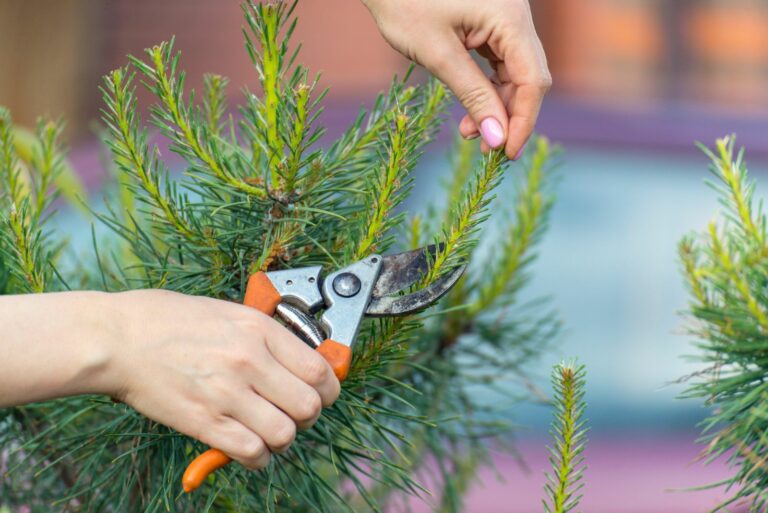
A light trim is gentle by comparison. You remove spent flower stalks and shape the top of the plant, taking off roughly one or two inches of soft, leafy growth.
It is worth noting that some horticultural sources, including The Old Farmer’s Almanac, recommend skipping fall pruning altogether for lavender in colder zones like Pennsylvania’s zone 5 areas, favoring spring pruning instead when new green growth appears at the base. If you garden in a colder part of the state, that is a reasonable approach worth considering.
Here is a handy rule many growers use. Look for the green leaves on each stem, and make sure you leave at least a few sets of them below your cut.
Those leaves keep feeding the plant through late fall and give it buds to wake up with when the weather warms.
Save any serious shaping for spring, once new green growth appears. Fall is for tidying, not for big makeovers.
3. Pennsylvania Lavender Needs Different Fall Treatment Than Most Perennials
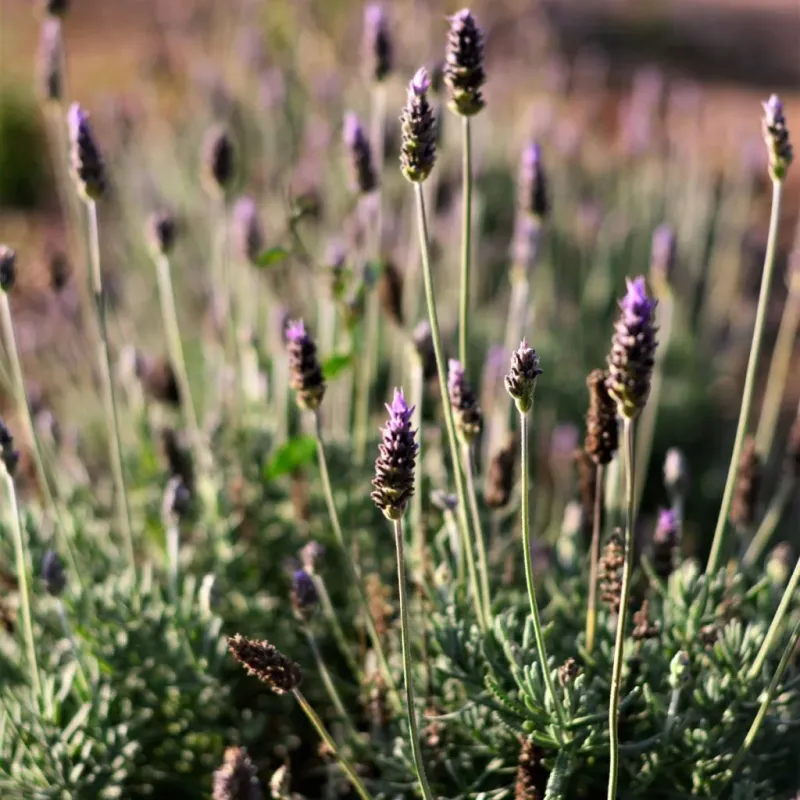
Honestly, it is easy to treat every plant in the fall bed the same way. You grab your shears, cut the hostas and daylilies to the ground, and keep going down the row.
Lavender, though, plays by its own rules. It is not a typical soft perennial but a small woody shrub, closer in habit to rosemary or sage.
Soft perennials pull their energy down into the roots and send up fresh shoots each spring. Lavender keeps its woody frame above ground year-round and grows from that frame.
That is why cutting it to the soil like a peony can set it back badly. The plant needs its framework to bounce back.
Mulching rules are different too. Many Pennsylvania gardeners pile on thick shredded bark or leaves to tuck in their beds for winter.
That fluffy blanket works for many plants, yet it holds moisture against the lavender crown. A soggy crown in cold weather is one of the fastest ways to lose a plant.
Fertilizer is another place to hold back. Feeding lavender in fall pushes tender new growth that freezing nights can easily damage.
So give lavender its own spot on your to-do list. A gentle trim, a dry gritty mulch, and no fall feeding make up its simple but special routine.
4. October Timing Matters More Than Most Gardeners Realize
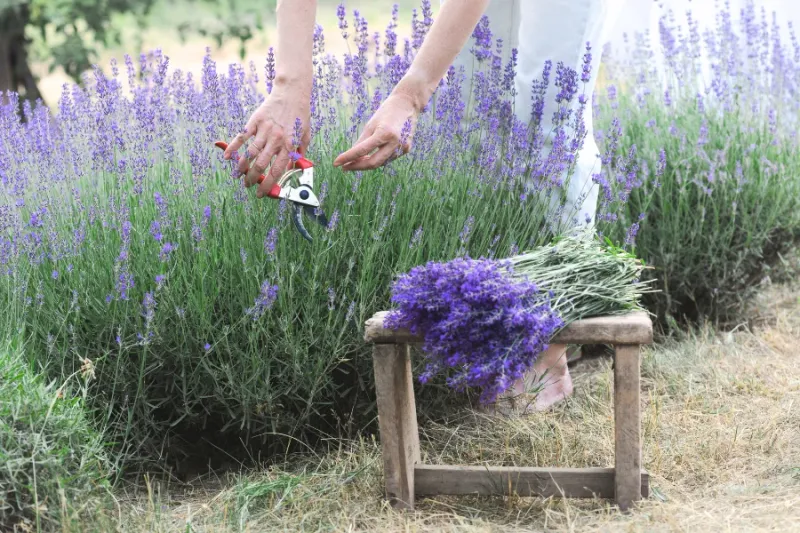
Timing is the sneaky part of this whole job. Prune too early or too late, and even a perfect cut can backfire.
Most lavender in Pennsylvania finishes its main bloom in early summer. Many plants then push out a smaller second flush in late summer or early fall.
The best moment to trim is right after that last flush fades. For a lot of gardens, that lands in late September or early October.
Why not wait until November? By then, the plant has started settling in for winter, and fresh cuts struggle to seal before hard freezes hit.
Trim in August, though, and you may trigger soft new growth. That tender growth will not toughen up in time for the first frost.
Aim to finish trimming about six weeks before your area usually sees a hard freeze. In southeast Pennsylvania, that may be early October, while northern counties may need to act in late September.
Mulching has its own window. Spread your gritty layer after the trim but before the ground freezes solid, usually by mid to late November.
A simple trick helps you remember. Put a reminder on your phone for the first weekend of October, and treat it like a standing date with your lavender.
5. The Right Cut Makes A Real Difference Going Into Winter
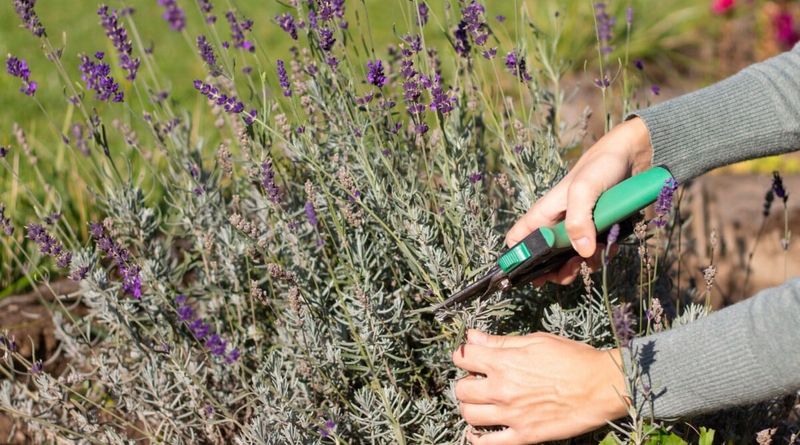
A well-shaped lavender plant in winter looks a bit like a soft, silvery cushion. That rounded shape is not just pretty, it is smart engineering.
Snow slides off a dome much more easily than it sits on a flat or floppy top. Less weight means fewer split stems when a heavy Pennsylvania snowstorm rolls through.
Start with clean, sharp bypass pruners or hand shears. Wipe the blades with rubbing alcohol so you do not spread disease from plant to plant.
First, snip off all the old flower stalks down to the leafy part of the stem. Then gather a handful of stems, like a ponytail, and trim the top gently.
Work around the plant, shaping it into a low mound. Keep the cuts in the green, leafy growth, and stop well above the bare brown wood.
Fun fact: lavender is generally believed to get its name from the Latin word lavare, meaning to wash, though some sources suggest an alternative connection to the Latin lividus, meaning bluish. Either way, Romans valued it highly and used it to scent their bathwater, which is a habit worth reviving with your dried trimmings.
You can bundle the clippings with twine and hang them upside down to dry for sachets.
When you are done, step back and look. Your plant should be smaller but still full and green, ready to face the cold months ahead.
6. The Mulching Mistake That Quietly Damages Lavender Every Winter
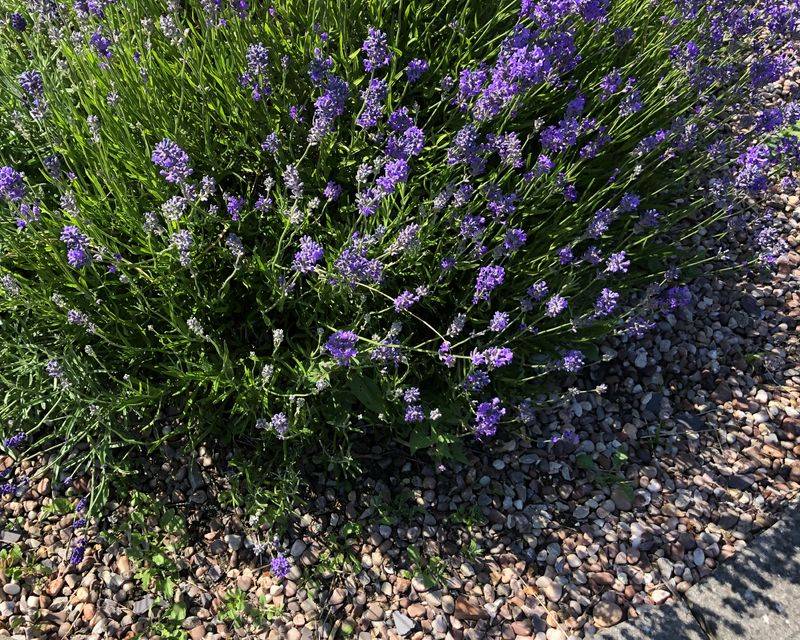
Picture a cozy wool sweater soaked in cold rain. That is roughly how lavender feels under a thick pile of wet wood mulch.
Shredded bark, straw, and leaves soak up water and hold it for weeks. Pressed against the crown, they keep it damp all winter, which invites rot.
Many Pennsylvania gardens also sit on heavy clay soil. Clay already drains slowly, so adding a soggy mulch on top doubles the trouble.
The better choice is something coarse and fast-draining. Pea gravel, crushed stone, chicken grit, or even small river rock all work well.
Spread the layer about one to two inches deep around the base. Keep a small gap of an inch or so right around the main stems so air can move.
Gravel helps in two ways. It shields the soil from wild temperature swings, and it bounces sunlight up to warm and dry the plant.
Light-colored stone is a nice bonus. It reflects extra light during gray winter days and makes the silver leaves pop in the garden.
If you already have bark mulch in the bed, simply pull it back from the lavender. Then fill that circle with your gritty layer, and you are set for winter.
7. Properly Winterized Lavender Looks Different Than Most People Expect
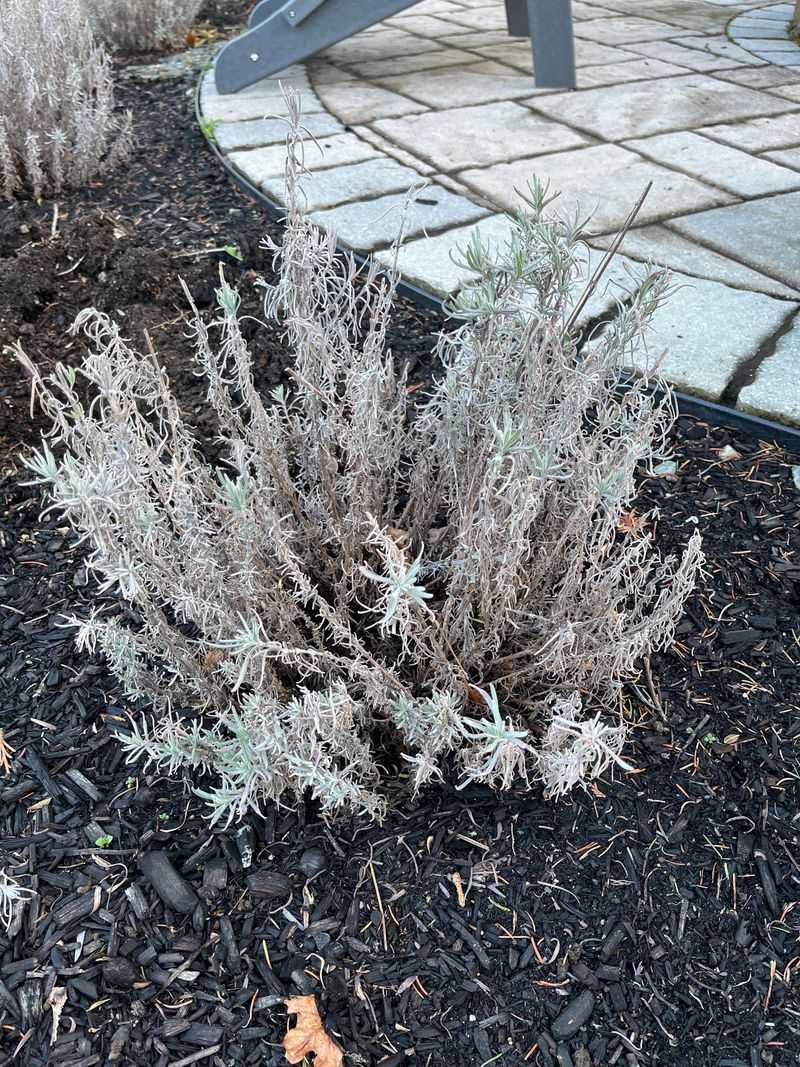
Here is a confession many first-time growers share. They peek at their lavender in January, panic at the gray color, and assume it is a goner.
Relax, because that dull look is often a good sign. Lavender naturally turns more silver and gray in cold weather to protect itself.
A healthy winterized plant in Pennsylvania looks compact, a little faded, and maybe a bit scruffy. The stems feel firm, and the base stays dry and tidy inside its gravel ring.
What you do not want to see is mushy, black, or slimy stems near the soil. That usually points to too much moisture around the crown.
A quick scratch test can ease your worries. Gently scrape a stem with your fingernail, and look for green just under the skin.
Resist the urge to fuss. Do not prune again, add fertilizer, or pile on extra mulch during the coldest months.
If heavy snow bends the branches, brush it off softly with a broom. Avoid knocking off ice, since frozen stems snap easily.
Come April, fresh green shoots will start pushing out along the stems. That is your reward for the October work, and it feels like a small spring miracle.
8. The Lavender Varieties That Handle Pennsylvania Winters Best
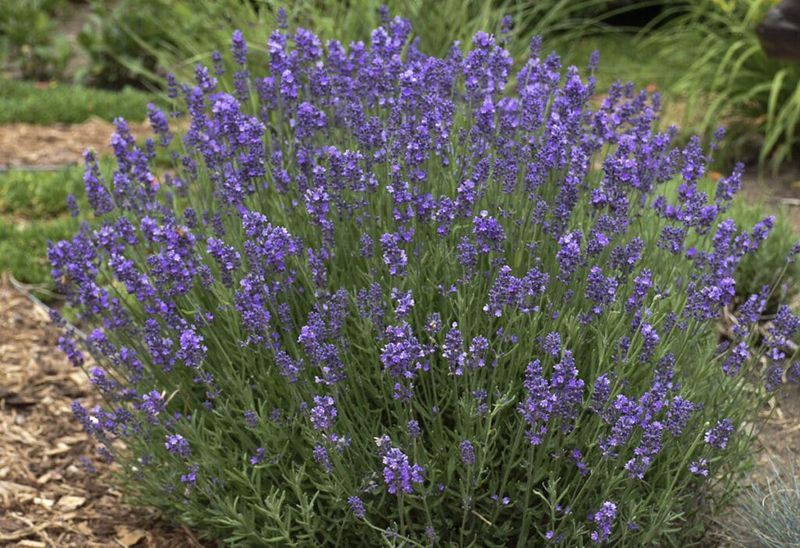
Not all lavender is built for snow boots. Picking the right variety may be the smartest gardening choice you make all year.
Pennsylvania spans USDA zones 5 through 7, with most of the state falling in zones 6a and 6b and southeastern areas like Philadelphia reaching zone 7a. That range rules out many tender types sold in garden centers each spring.
English lavender, or Lavandula angustifolia, is the champion of cold weather. Munstead and Hidcote are classic picks, with compact shapes and deep purple blooms.
Both have been well tested to zone 5 and remain the most recommended choices for gardeners growing lavender for the first time.
Lavandin hybrids are another great option. Phenomenal earned its name by shrugging off cold, humidity, and wet summers better than most, and is rated for zones 5 through 9, making it a reliable performer across most of Pennsylvania.
Grosso is also popular, especially for its big, fragrant flower spikes. It is a favorite at lavender farms for oils and dried bundles.
Spanish and French lavender look adorable with their fluffy topknots. Sadly, Spanish lavender is hardy only to zone 7 and French lavender only to zone 8, making them unsuitable for most winters outdoors.
Treat them like annuals or grow them in pots you bring inside.
Where you plant matters as much as what you plant. Choose a sunny spot with at least six hours of light, and consider a raised bed or slope for better drainage.
Pair a hardy variety with that simple October routine of a light trim and gritty mulch. You will be cutting fragrant bundles next summer and sharing them with the whole neighborhood.