The Nor’easter Left Your New York Lawn Soggy And Salty. Here’s How To Rescue It
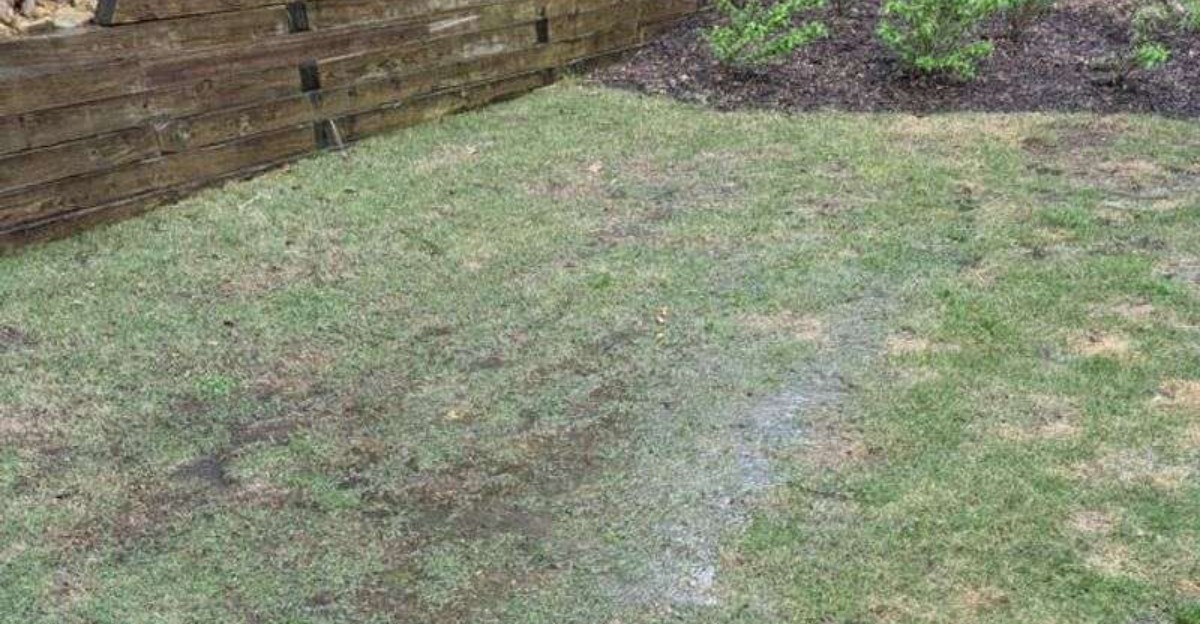
Your lawn went a few rounds with a nor’easter, and it looks like it lost. Weeks later, the real damage may only be starting to show.
Wind-driven seawater and buckets of rain left plenty of New York yards squishy underfoot and quietly suffering below the surface. Salt doesn’t always announce itself right away, either.
Brown, crispy patches can take weeks to appear, long after the floodwater has drained away and the cleanup crews have gone home. What you do now matters far more than what you see now.
Grass that soaked up ocean water needs fresh water, patience, and a little smart care. Rushing in with fertilizer or heavy boots can make things worse, not better.
Most storm-battered lawns can bounce back with the right steps. Read the damage, flush out the salt, protect the soil, and your green carpet can return thicker and healthier next season.
Salt Burns Grass Roots From The Ground Up
Picture a sponge that suddenly starts squeezing itself dry. Salty soil does something similar to your grass, even when the ground feels wet.
Scientists call it osmotic stress, but the idea is simple. Salt in the soil pulls water away from roots instead of letting roots drink it in.
So your lawn can look soaked yet feel desperately thirsty inside. Grass blades may wilt or curl even after days of rain from the storm.
Sodium causes a second problem once it settles in. It pushes out helpful nutrients like potassium and calcium that roots need to stay strong.
Chloride is the third troublemaker in seawater and road salt. Roots soak it up, and it slowly builds to harmful levels inside the plant.
Here is the sneaky part about salt damage after a New York nor’easter. Trouble starts underground, so the top of the lawn may look fine for weeks.
By the time blades change color, roots have often been struggling for a while. Acting early gives your grass a much better shot at recovery.
A quick way to check is to pull up a small clump of turf. Healthy roots look white and firm, while stressed roots look brown and brittle.
Fun fact: farmers in ancient times sometimes salted enemy fields to ruin crops. Your storm-soaked yard got a smaller dose, but the science works the same way.
Understanding the root problem helps every later step make sense. Most of the fixes ahead focus on getting salt away from those roots.
Gray, Crispy Patches Point To Salt Damage
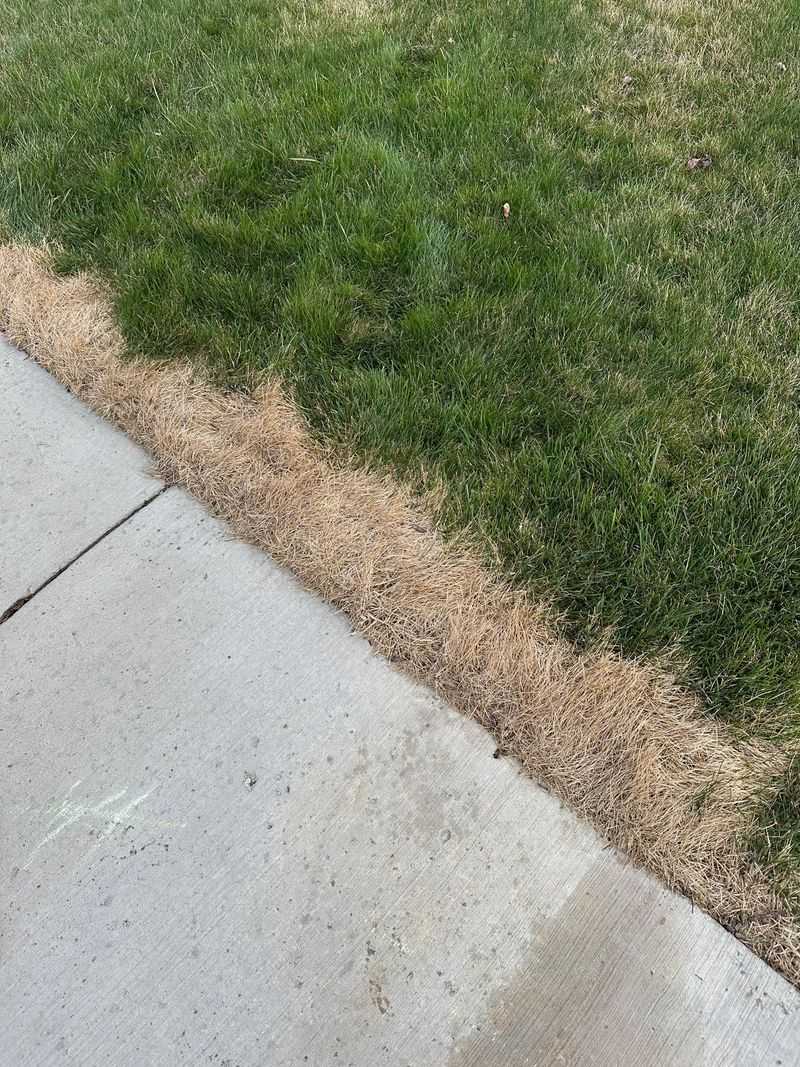
Walk your yard like a detective looking for clues. Salt leaves a trail that is pretty easy to spot once you know what to look for.
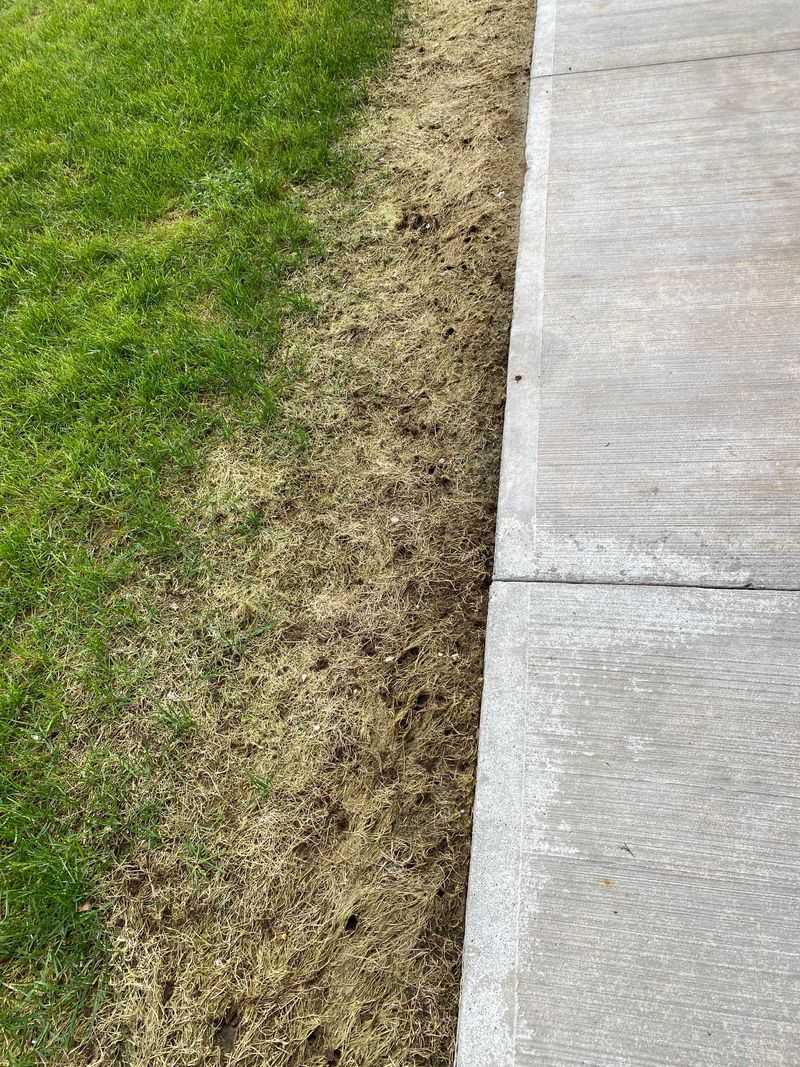
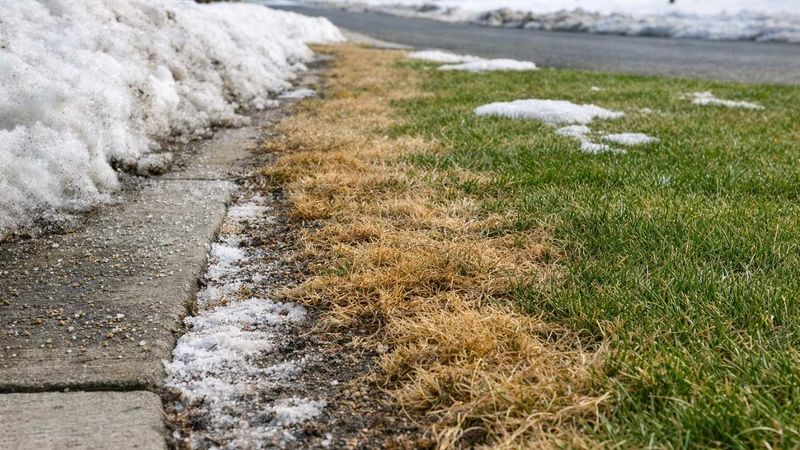
The first sign is often grass that turns yellow, tan, or grayish brown. Many homeowners say it looks like someone took a blowtorch to the edges.
Location is a huge hint. Damage tends to show up along driveways, sidewalks, and curbs where storm surge and salty spray hit hardest.
You may notice a sharp line where the lawn meets pavement. Grass right next to the concrete looks scorched, while grass farther away stays green.
Your New York Garden Changes Every Week. Your Plan Should Too.
Gardening in New York changes quickly throughout the season. Every Friday you’ll receive a simple weekly plan showing exactly what to plant, prune, fertilize, harvest, and protect so you never miss the right timing.
Look closely at the bare soil too. A thin white, crusty film on the surface usually means salt has dried and been left behind.
Blades often feel crispy and snap instead of bending. Thinning turf with lots of open gaps is another clue worth writing down.
Snap a few photos with your phone during your walk. Comparing pictures every week helps you see whether patches are spreading or healing.
Not every brown spot is salt, of course. Dog spots, grubs, and drought stress can look similar, so location and pattern matter a lot.
Coastal New York yards near bays and beaches may show damage in wide sweeps. That happens when wind pushes salty spray far across open lawns.
Mapping the damage now saves time later. You will know exactly which zones need extra watering and which ones may need reseeding.
Fresh Water Is Your Lawn’s Best Friend Right Now
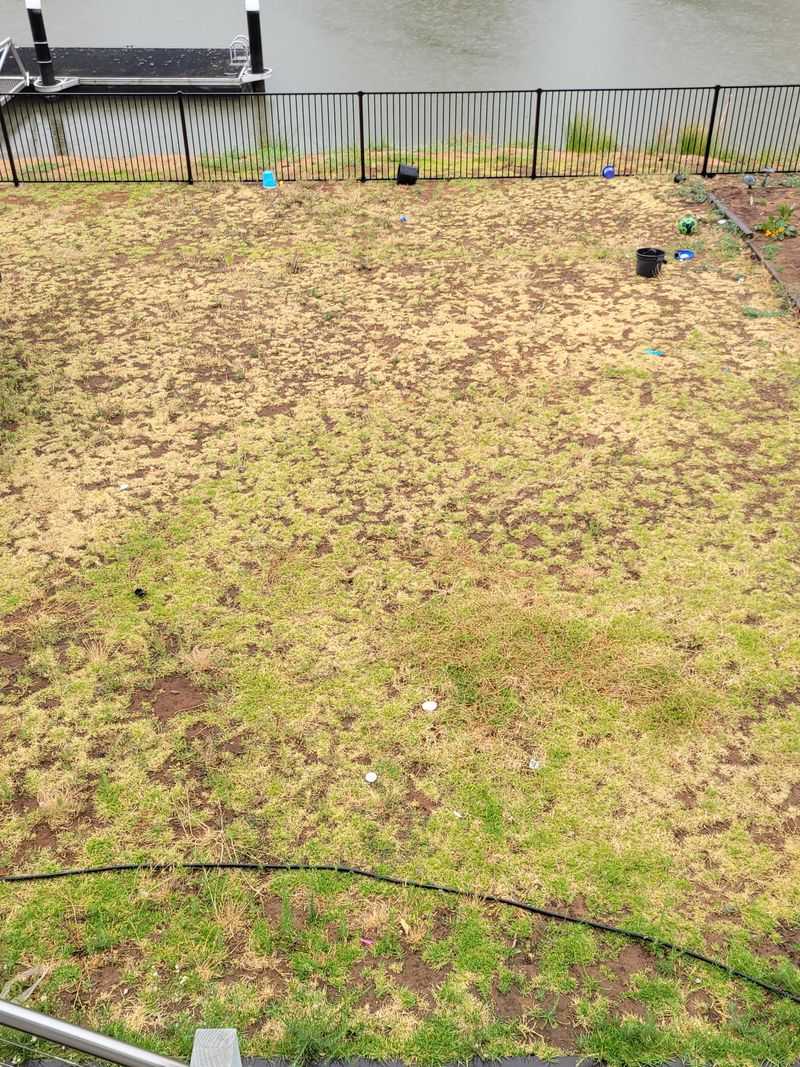
Grab the hose, because plain old tap water is the hero of this story. It costs little and does more than any fancy product on the shelf.
Fresh water rinses salt off grass blades and the soil surface. It also dilutes what is left, making the salt far less harsh on roots.
Wait, the lawn is already soggy, right? Rainwater from the storm may have mixed with seawater, so the salt often stays put.
Once standing puddles drain, start rinsing the worst areas first. Focus on strips along roads, walkways, and anywhere ocean spray landed.
Clay soils, common across much of the statek, hold onto salt tightly. Those yards need more frequent flushing than lawns with loose, sandy ground.
Water gently with a sprinkler or a soft spray setting. Blasting the turf too hard can wash away loose soil and expose fragile roots.
A handy trick is to set out an empty tuna can while watering. When it fills about one inch deep, you know how much water landed.
Fall rain will help, so check the forecast before you water. A good soaking storm can save you a day of hose duty.
Keep your outdoor faucet line in mind as freezing nights arrive. Disconnect the hose after each use so pipes stay safe.
Think of each rinse as a deposit in your lawn’s recovery bank. Small, steady efforts add up to healthier grass by early summer.
Deep Soakings Push Salt Below The Root Zone
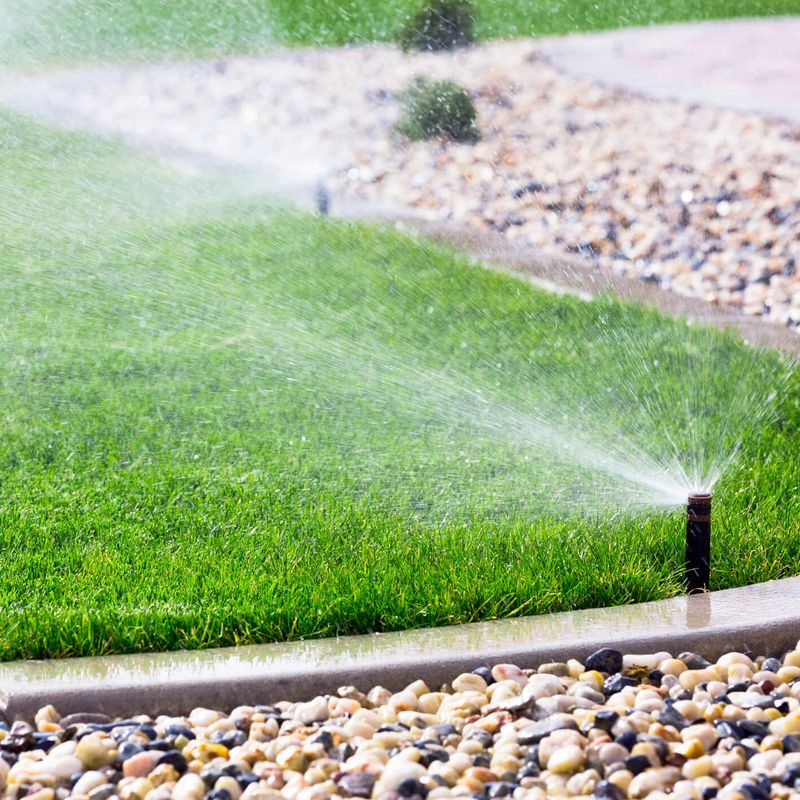
Light sprinkles are nice for flowers, but salty soil needs a real soak. Shallow watering only moves salt around near the surface where roots live.
Deep watering pushes salt downward, past the root zone. Down there, it does much less harm to your grass.
Experts suggest applying at least six inches of fresh water over time. That amount can flush out a big share of the sodium.
Six inches sounds like a lot, and it is. The trick is spreading it out over several weeks instead of flooding the yard at once.
Try watering about one inch at a time, a couple of times each week. Let the soil drain between sessions so roots can breathe.
Natural rainfall counts toward your total, so keep a simple tally. A cheap rain gauge stuck in the lawn makes tracking easy.
Soil type changes the timeline quite a bit. Sandy soils on eastern Long Island drain salt fast, while dense clay takes longer.
If water puddles instead of sinking in, slow down. Run sprinklers in shorter cycles with breaks so the ground can absorb each round.
Early morning is the best time to water deeply. Less water evaporates, and grass dries off before evening, which helps limit disease.
Patience pays off here more than anything else. Slow, deep soakings work quietly, but they are one of the most powerful fixes you have.
Gypsum Can Help, But It’s No Magic Fix
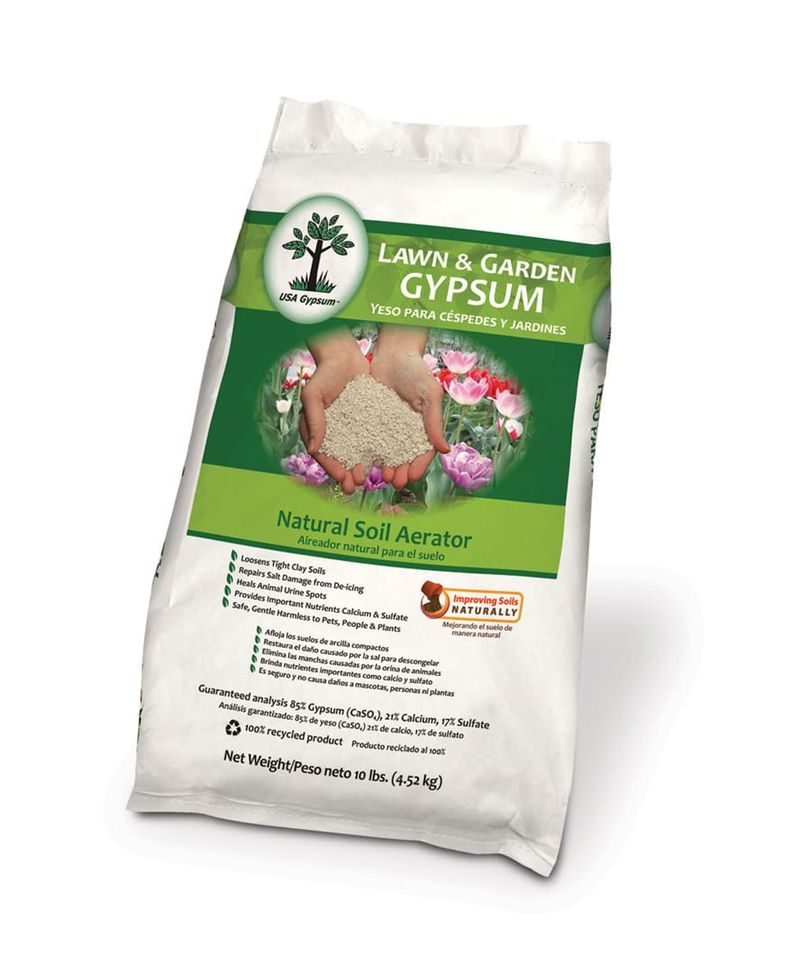
Garden centers love to stack bags of gypsum near the door after a rough winter. It can be useful, but it works best as a helper, not a cure.
Gypsum is calcium sulfate, a natural mineral. Its calcium swaps places with sodium stuck to soil particles.
Once sodium lets go, water can carry it away more easily. Gypsum also loosens soil structure, so water soaks in better.
Here is the catch many people miss. Without plenty of fresh water afterward, that loosened sodium just sits there.
So gypsum and deep watering need to work as a team. One without the other gives you only part of the result.
Spread pelletized gypsum with a regular lawn spreader for even coverage. Follow the bag rate, and focus on the salt-hit zones first.
Heavily damaged areas may need more than one application. Some homeowners repeat it each fall, especially along busy roads that get plowed often.
Gypsum will not change your soil pH much. If you need to raise pH, lime is a separate product with a different job.
A soil test can tell you whether sodium is actually high. That keeps you from buying bags your yard does not really need.
Fun fact: gypsum is the same mineral used in drywall and plaster. Your lawn and your living room walls have more in common than you thought.
Stay Off Soggy Turf To Avoid Crushing The Soil
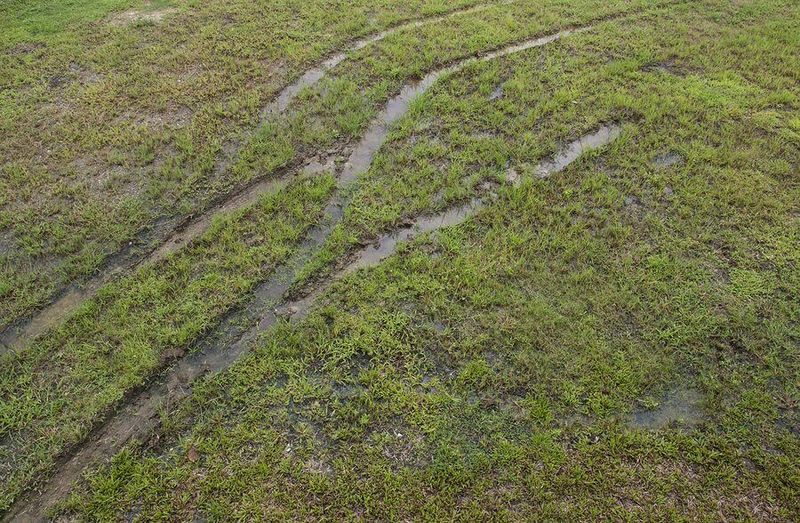
Every squishy step leaves more than a muddy boot print. Wet soil squashes easily, and that damage lingers long after the mud dries.
Healthy soil is full of tiny air pockets. Roots use those spaces to breathe, grow, and pull in water.
Walking on soggy ground presses those pockets flat. Gardeners call it compaction, and it is tough on struggling grass.
Compacted soil sheds water instead of soaking it up. That makes flushing salt much harder, since water cannot sink past the roots.
Even worse, salt tends to get trapped near the surface. Your lawn ends up stuck with the very problem you want to wash away.
Try laying down a few boards or stepping stones if you must cross the yard. Spreading your weight protects the soil underneath.
Keep kids, pets, and wheelbarrows on paths for now. A friendly sign or a strip of garden twine can remind the whole household.
Hold off on mowing too. Heavy mowers leave deep ruts in waterlogged turf, and blades tear weakened grass.
A quick squeeze test helps you decide when it is safe. If a handful of soil drips or smears, give it a few more dry days.
Once the lawn firms up, core aeration can undo some damage. Many lawn pros book aeration jobs in spring and early fall.
Skip Fertilizer Until The Salt Washes Out
It feels natural to feed a hurting lawn. Hold that thought, because fertilizer right now could do more harm than good.
Most fertilizers are made of salts themselves. Adding them to salty soil piles stress on top of stress for tender roots.
Damaged grass also cannot absorb nutrients well. Much of what you spread simply goes unused.
Saturated soil makes matters worse. Rain and extra watering wash fertilizer away before roots can grab it.
That runoff often ends up in storm drains, streams, and bays. Places like Long Island Sound already struggle with too many nutrients.
Late-season feeding adds risk too. Stressed grass can’t use it well, and much of it may wash away before winter.
So what should you do instead? Focus on flushing, protecting the soil, and waiting for new green growth to appear.
Once grass starts growing steadily again, a light feeding makes sense. Many experts suggest a slow-release product to go easy on recovering roots.
New York bans lawn fertilizer statewide from December 1 to April 1. If your grass isn’t growing steadily before then, save the feeding for spring.
Let the bag sit on the garage shelf a little longer. Your lawn will put that food to better use once the salt is gone.
A Soil Test Tells You Exactly Where You Stand
Guessing is fine for trivia night, but not for soil care. A simple soil test turns your lawn rescue into a clear plan.
Tests can measure salt levels, sodium, and pH. Many also show whether key nutrients went missing after the storm.
That information tells you if gypsum, lime, or extra watering makes sense. You stop spending money on products your yard does not need.
In New York, Cornell Cooperative Extension offices can help with testing. Many county offices offer kits or advice for a small fee.
Ask for a salinity or electrical conductivity reading if possible. Standard tests sometimes skip it unless you request it.
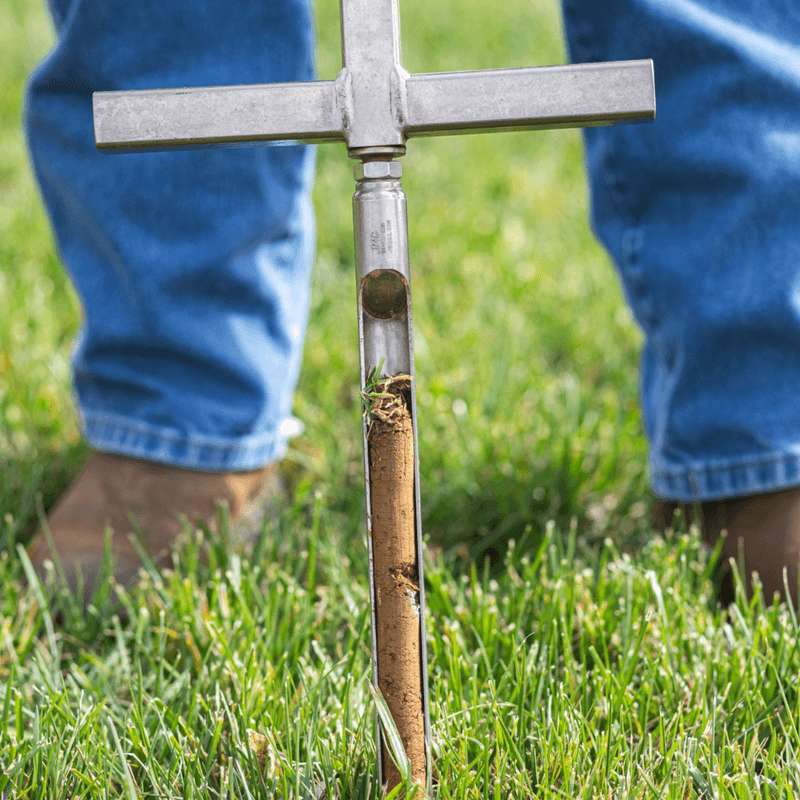
Collecting a good sample is easy. Dig several small scoops from about three to four inches deep across the damaged area.
Mix them together in a clean bucket. Then send a cup or so to the lab in a labeled bag.
Test healthy areas separately for comparison. Seeing the difference helps you understand just how much salt moved in.
Results usually arrive within a couple of weeks. They often come with plain-language recommendations, which take the guesswork away.
Consider retesting after a few months of flushing. Watching those salt numbers drop is oddly satisfying, like seeing a grade improve.
Try The Seed Test Before You Replant
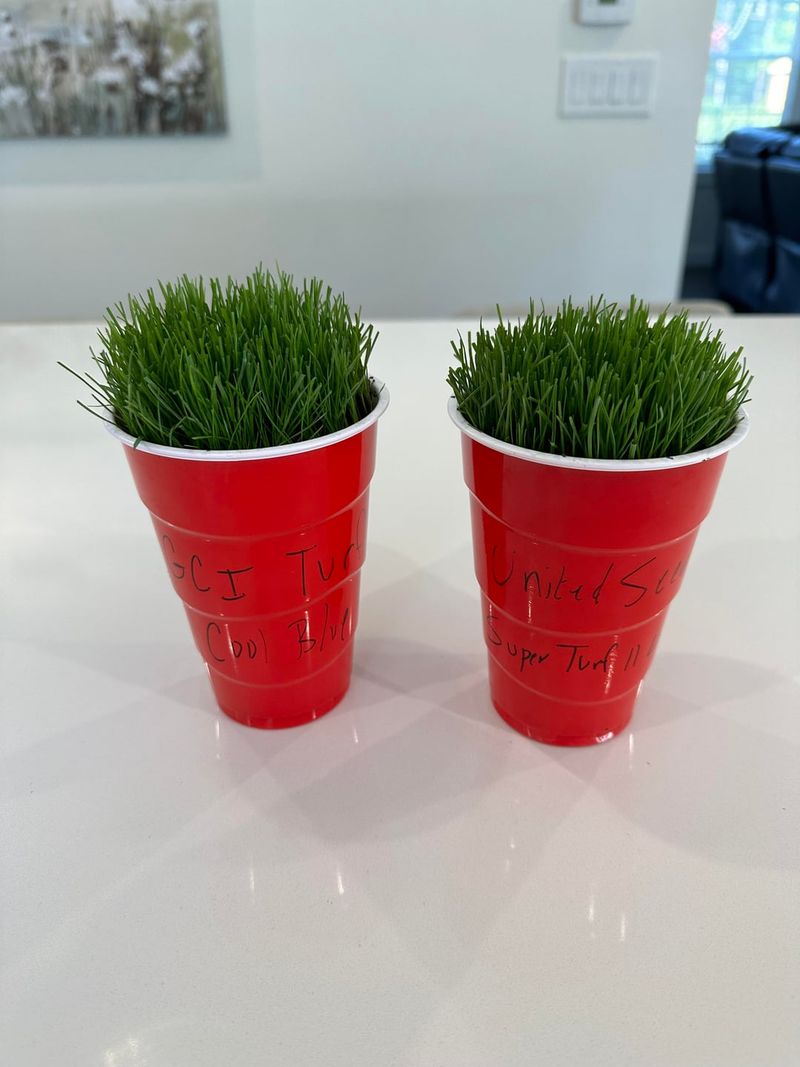
Here is a clever little experiment you can do on a windowsill. It shows whether your soil is ready for new grass before you spend big.
Scoop soil from a damaged spot into a cup. Fill a second cup with soil from a healthy part of the yard.
Sprinkle a pinch of grass seed into each one. Keep them moist and sunny, then watch what happens over two weeks.
If seeds sprout well in both cups, the salt has likely washed out. Weak or missing sprouts in the damaged cup mean more flushing is needed.
Meanwhile, keep an eye on the lawn itself. Mild salt damage often greens up on its own within a few weeks of steady watering.
Grass that stays brown and pulls up easily is a different story. Those spots will probably need new seed or sod.
Timing matters a lot for success. Wait until soil temperatures reach about 55 degrees Fahrenheit for good germination.
This fall’s seeding window has mostly closed, so plan to reseed in mid to late spring. Or try dormant seeding once the soil turns cold in late fall, and let winter do the work.
A cheap soil thermometer takes the guessing out of it. Push it a few inches deep in the morning for an accurate reading.
Planting too early wastes seed and effort. A little patience now means thicker, happier turf later.
Salt-Tolerant Grasses Can Fill Bare Spots Next Season
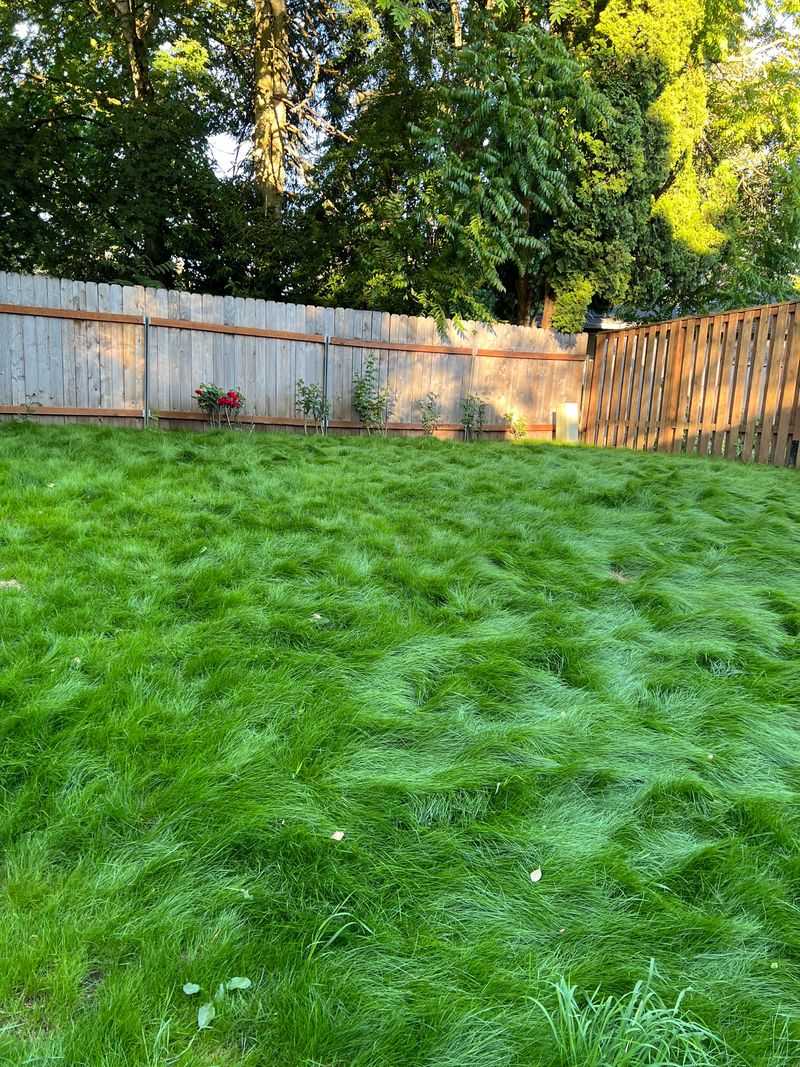
Some grasses shrug off salt like seasoned beachgoers. Choosing the right ones can make your next storm season far less stressful.
Fine fescue blends are a smart pick for many New York lawns. Slender creeping red fescue stands out among cool-season grasses for handling salt.
Tall fescue is another strong choice. It roots deeply, handles cold winters, and puts up with salty soil better than many grasses.
Kentucky bluegrass looks lovely but struggles more with salt. It may suit the backyard, while tougher grasses guard the front edges.
Think about where salt hits hardest each year. Strips along streets, driveways, and shorelines deserve the sturdiest seed you can find.
Read seed labels carefully at the store. Look for blends marketed for roadsides, coastal areas, or salt tolerance.
Fun fact: some highway crews in snowy states plant salt-tolerant fescues along road shoulders. Those tough strips handle brutal winters year after year.
Prepare bare spots by loosening the top inch of soil first. Good seed-to-soil contact helps new grass sprout faster and more evenly.
Keep new seed lightly moist until it reaches mowing height. A thin layer of straw can help hold moisture and protect it from birds.
With smarter grass in place, your yard will be ready for the next nor’easter. Coastal New York weather can be wild, but your lawn can be wilder.