The Pennsylvania Trees To Plant Before Halloween
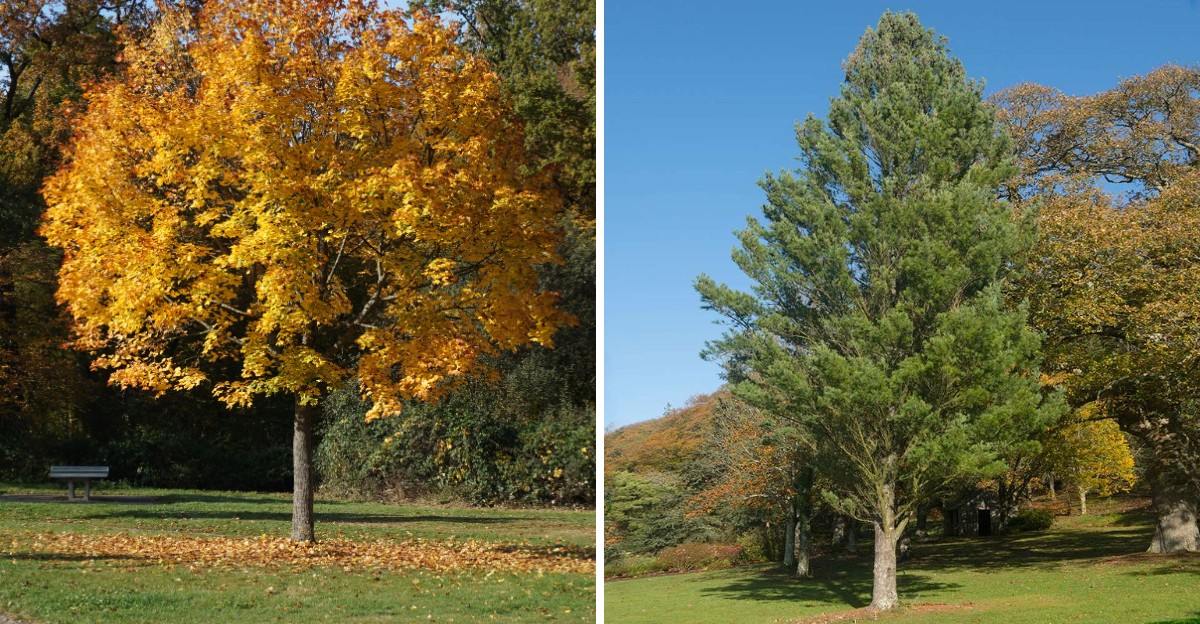
There’s an old saying that the best time to plant a tree was 20 years ago. The second-best time is now.
Fall is one of the best seasons for planting trees here. The air is cool, so young trees don’t lose as much water through their leaves.
Meanwhile, the soil stays warm enough for roots to keep growing for weeks, often until the ground nears freezing. That helps new trees settle in before winter and take off faster next spring.
Wait too long, though, and that window starts to close. Getting trees in the ground before Halloween gives their roots enough time to get established.
Some trees handle fall planting better than others, offering shade, color, and wildlife value for decades to come.
1. Red Maple Brings Fiery Fall Color
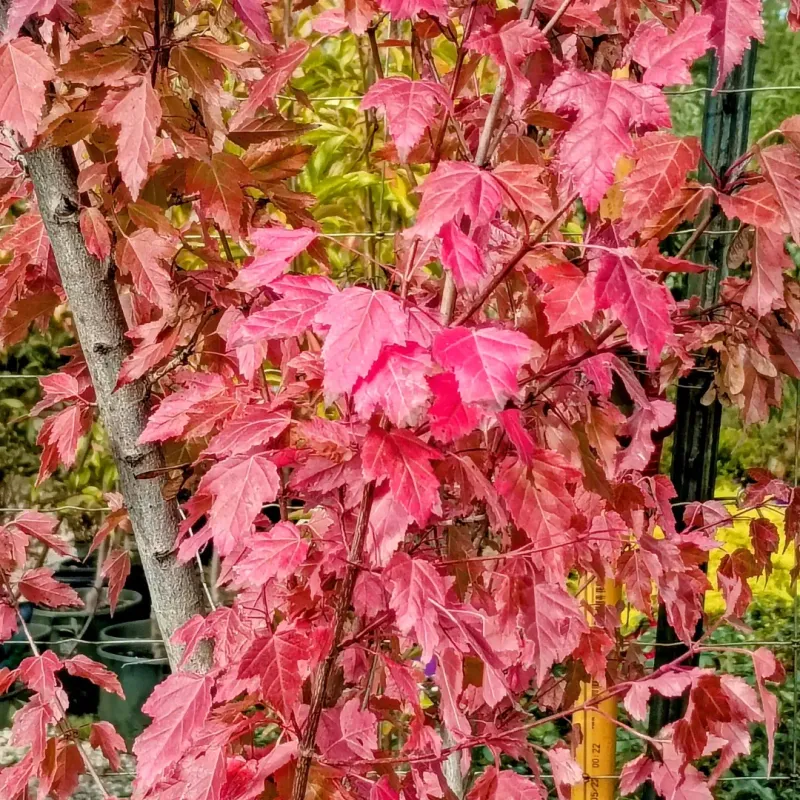
Every October, Pennsylvania roadsides seem to catch fire, and red maple is often the reason why. Its leaves turn shades of scarlet, orange, and sometimes yellow. Few trees put on a better show.
Red maple is native to our state, so it fits right in. It grows fairly fast, often adding one to two feet per year. Over time, it forms a nice rounded canopy that shades a big part of your yard.
One of the best things about red maple is how easygoing it is about soil. It can handle wet spots near a creek or drier ground on a hill.
Many trees are picky, but this one adapts well. That makes it a smart choice if you are not sure what your soil is like.
Give it a spot with full sun or partial shade. More sun usually means brighter fall color. Plant it at least 15 to 20 feet away from your house, since the roots and branches spread wide as it grows.
When planting, dig a hole two to three times wider than the root ball. Keep the top of the root ball even with the ground or slightly higher.
Water it deeply once a week until the ground freezes. A ring of mulch two to three inches deep helps hold in moisture, but keep it away from the trunk.
Here is a fun fact. Red maple shows red all year long, not just in fall. Its tiny flowers in early spring are red, its seeds are reddish, and its leaf stems often have a red tint too.
Wildlife loves it as well. Early flowers feed bees when little else is blooming, and squirrels snack on the seeds.
2. Autumn Blaze Freeman Maple Offers Speedy Shade
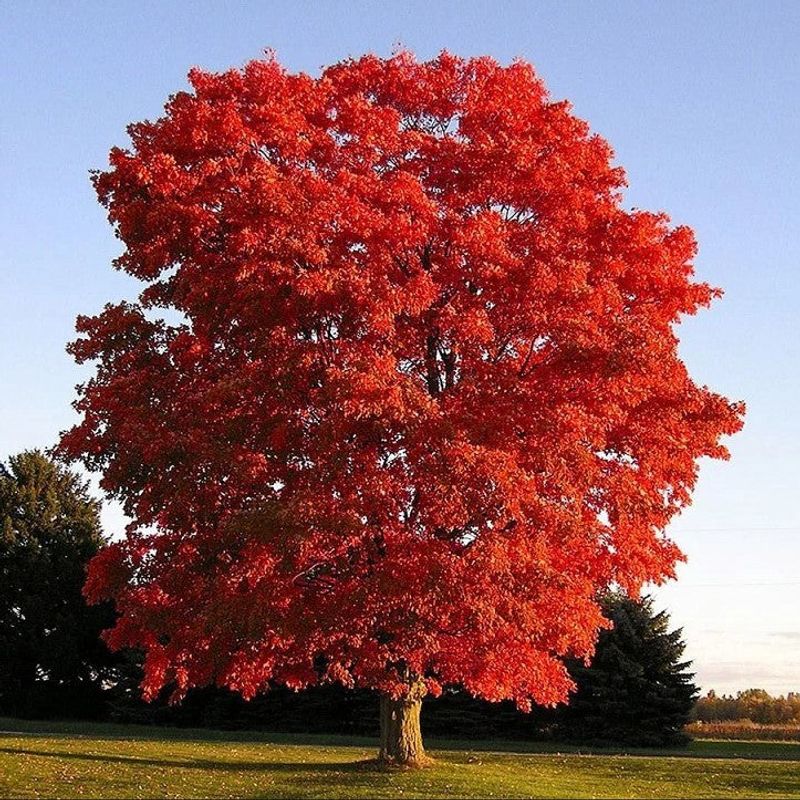
Need shade, and need it soon? Many Pennsylvania homeowners turn to the Autumn Blaze Freeman maple when patience is running low. It is one of the fastest maples you can buy.
Autumn Blaze is a hybrid, which means it is a cross between two trees. One parent is red maple, and the other is silver maple.
From silver maple, it gets quick growth. From red maple, it gets stronger wood and gorgeous fall color.
Why does stronger wood matter? Silver maples grow fast, but their branches often snap in ice storms and heavy winds.
Your Pennsylvania Garden Changes Every Week. Your Plan Should Too.
Gardening in Pennsylvania changes quickly throughout the season. Every Friday you’ll receive a simple weekly plan showing exactly what to plant, prune, fertilize, harvest, and protect so you never miss the right timing.
Autumn Blaze holds up much better. You get speed without as much worry about broken limbs landing on your roof or car.
In good conditions, this tree can grow two to three feet a year. Within about ten years, it can shade a patio or cool down the sunny side of a house. That can even help lower summer energy bills.
Fall is when it really shines. The leaves turn a bright orange-red that lasts for weeks. Neighbors may stop and ask what kind of tree you planted.
Plant it in full sun for the best growth and color. Give it plenty of space, because it can reach 40 to 50 feet tall and about 30 to 40 feet wide.
Keep it away from sidewalks and driveways, since its roots can spread near the surface.
Water deeply after planting and keep the soil damp, but not soggy, until the ground freezes. Skip the fertilizer in fall.
Let the roots focus on settling in, and save feeding for spring if your tree seems to need it. A little care now pays off with years of cool shade later.
3. River Birch Shows Off Peeling Cinnamon Bark
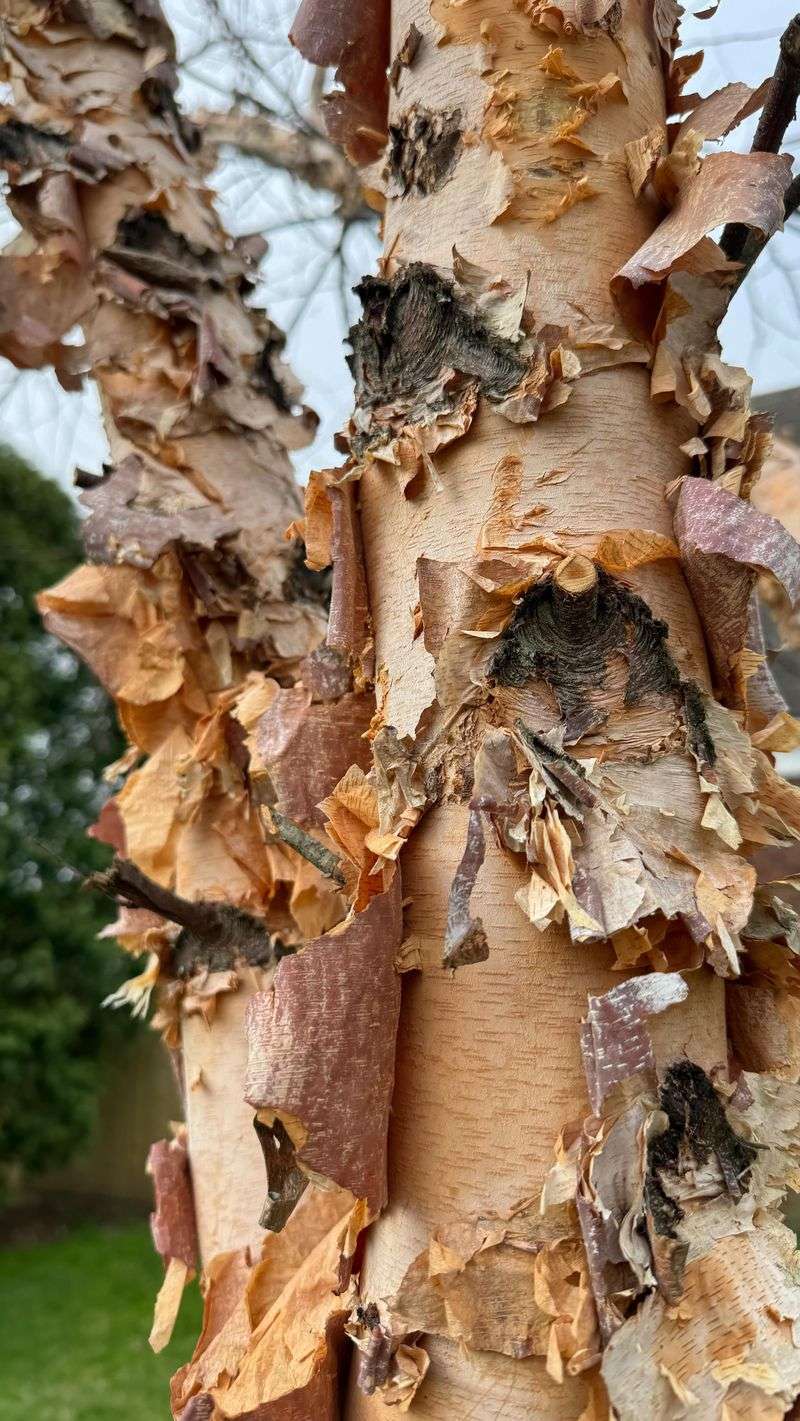
Run your hand along a river birch trunk, and you will feel curls of bark peeling away like paper. The colors range from cinnamon to tan to creamy pink. Kids love it, and so do grown-ups who enjoy a tree with personality.
River birch is native to Pennsylvania and grows quickly, often one to two feet a year. Many nurseries sell it with several trunks growing from the base. That clump shape looks beautiful in a corner of the yard or near a patio.
As the name hints, river birch loves water. It grows naturally along streams and riverbanks. If you have a soggy spot where other plants struggle, this tree may be your answer. It also does fine in regular yard soil, as long as you water it during dry spells.
Its small leaves create light, dappled shade. Sunlight sneaks through, so you can still grow flowers or grass underneath. In fall, the leaves turn a soft golden yellow.
Here is a big bonus. Many birch trees suffer from a pest called the bronze birch borer. River birch is much more resistant to it than white or paper birch. That means fewer problems and a healthier tree over the years.
Plant river birch in full sun or partial shade. Water it often during its first year, especially if fall turns dry. A thick layer of mulch keeps its shallow roots cool and moist.
Did you know? The peeling bark is not a sign of trouble. It is perfectly normal and gets even more interesting as the tree ages.
In winter, when leaves are gone, that bark becomes the star of your whole yard.
4. American Sycamore Grows Into A Giant
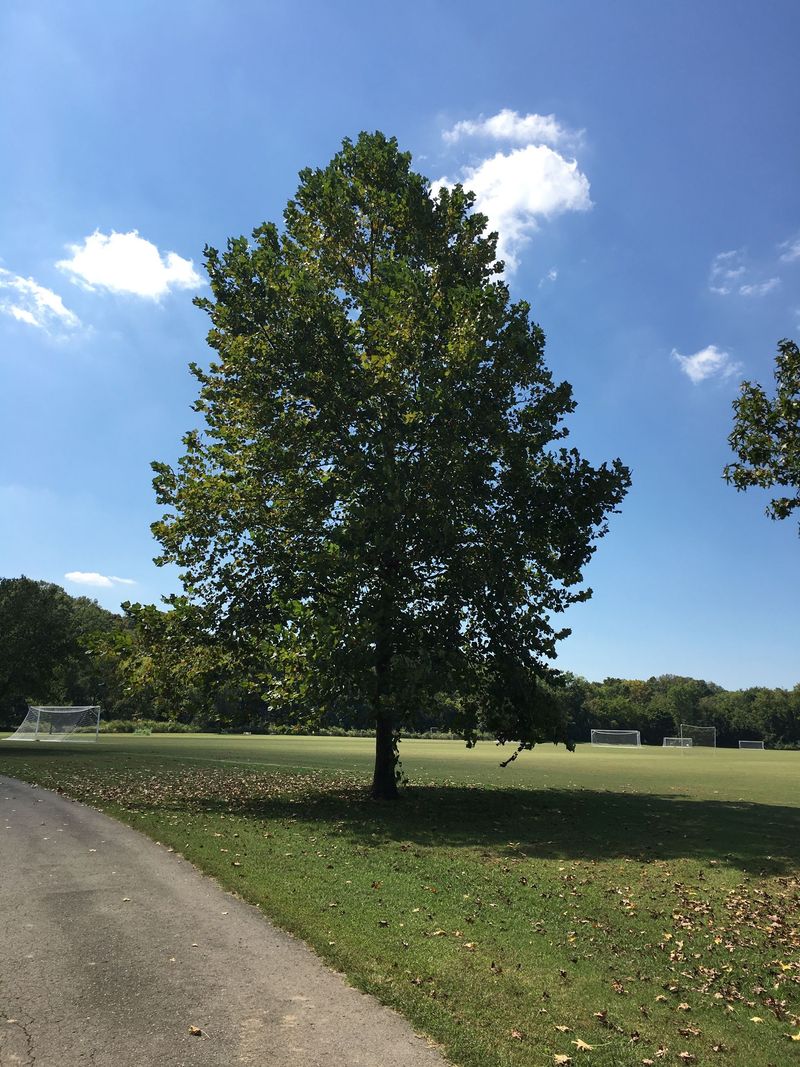
Some of the biggest trees in Pennsylvania are sycamores. Along rivers like the Susquehanna, you can spot their ghostly white branches from far away. They tower over almost everything around them.
American sycamore is one of the fastest-growing native trees in our state. Young trees can shoot up two feet or more each year. Eventually, a sycamore can reach 70 to 100 feet tall, with a trunk as wide as a car.
The bark is what makes people stop and stare. It peels off in patches, showing white, tan, green, and gray underneath.
Some folks say it looks like camouflage. On a winter day, the pale upper branches almost glow against the sky.
Sycamore leaves are huge, sometimes as big as a dinner plate. They cast deep, cool shade in summer. If you want a tree that makes a backyard feel like a forest, this one delivers.
Now for an honest warning. Sycamores need lots of room. They are not a good pick for a small city lot. Plant them at least 30 to 40 feet from houses, power lines, and pipes.
They also drop leaves, bark, and fuzzy seed balls. If you do not mind a little cleanup, the trade-off is worth it.
Sycamores enjoy moist soil and full sun. They handle wet ground well, which makes them great for large properties with streams or low spots.
Fun history bit: some of the oldest sycamores in the East were alive when America was founded.
A few have hollow trunks big enough for a person to stand inside. Plant one this fall, and you might be giving future generations a true landmark.
5. Thornless Honeylocust Keeps Your Lawn Happy
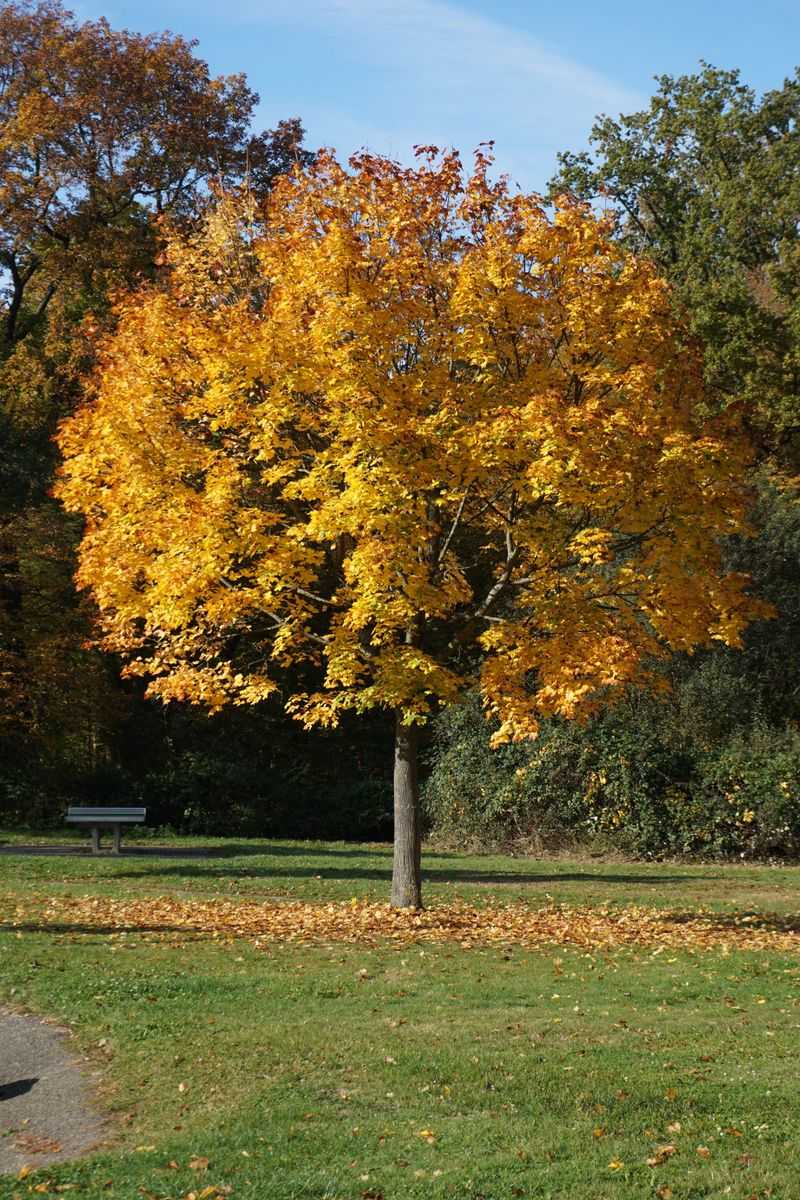
Hate raking? You are going to like this tree. Thornless honeylocust has tiny leaflets that almost vanish into the grass in fall.
Each leaf is made of many small leaflets, each about the size of a fingernail. When they drop in autumn, they break down quickly.
Often, you can just mow over them. Compare that to a giant oak or sycamore, and your back will thank you.
Those small leaflets also create light, filtered shade. Sunshine sneaks between them, so grass keeps growing under the tree. Many shade trees leave bare dirt below, but honeylocust plays nicely with lawns.
It grows quickly, often two feet or more each year. It handles tough spots too, like dry soil, road salt, and city air. That is why you often see it lining streets and parking lots.
Wild honeylocust trees have long, sharp thorns that can be several inches long. Ouch. Thankfully, nurseries sell thornless types that are safe for yards where kids and pets play. Many are also seedless, so you will not deal with messy pods.
In fall, the leaflets turn a cheerful golden yellow. Popular varieties include Shademaster, Skyline, and Sunburst. Sunburst even has bright yellow new growth in spring.
Plant it in full sun with good drainage. It does not like sitting in soggy ground. Water weekly during its first fall and again through its first summer.
One tip: avoid planting too many honeylocusts in one neighborhood. Mixing different trees helps protect against pests that target a single kind.
For a low-fuss shade tree that keeps your grass green, honeylocust is hard to beat.
6. Eastern White Pine Stays Green All Year
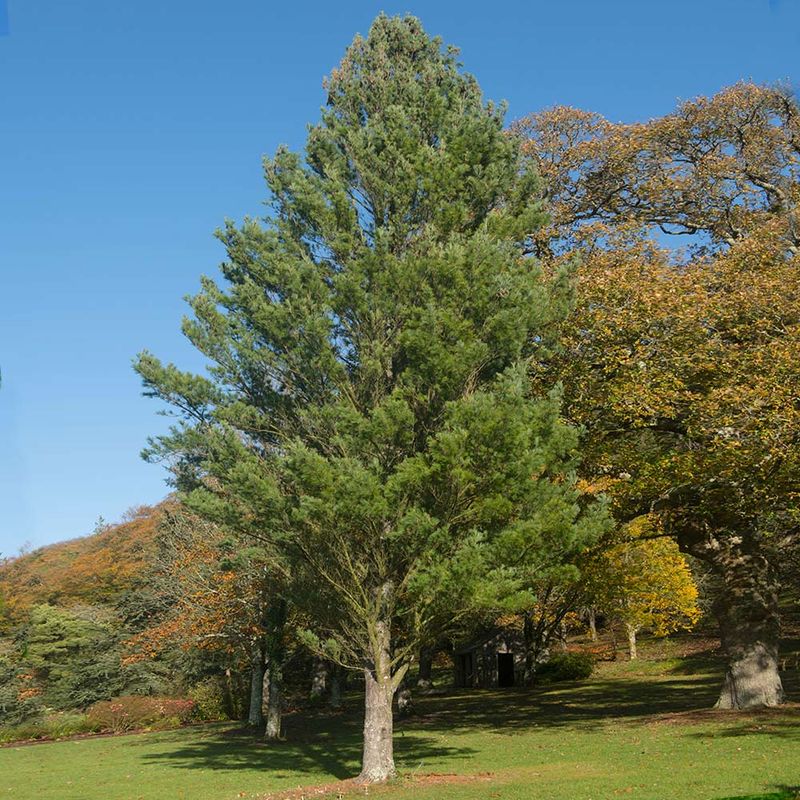
Long before Pennsylvania had towns, Eastern white pines ruled its forests. Colonial shipbuilders prized these tall, straight trees for ship masts. Today, they make one of the best evergreens for a home landscape.
White pine is native and grows fast. In good conditions, it can add two to three feet a year. That speed makes it a favorite for privacy screens and windbreaks.
Want to hide a busy road or a neighbor’s shed? Plant a row of white pines about 10 to 15 feet apart. In just a few years, you will have a green wall that stays thick all winter.
Run your fingers through the needles, and you will notice how soft they feel. They are long, thin, and blue-green.
They grow in bundles of five, which is an easy way to tell white pine from other pines. Just remember W-H-I-T-E has five letters.
Birds love these trees. Chickadees, nuthatches, and owls find shelter in the branches, especially during snowy months.
Plant white pine in full sun or light shade. It prefers well-drained, slightly acidic soil, which much of Pennsylvania already has. Keep it away from roads that get heavy salt in winter, since salt spray can brown the needles.
Early fall is a great time to plant evergreens. They need time to grow roots before the ground freezes. Water deeply each week until late fall, because evergreens lose moisture through their needles even in winter.
Do not worry if some inner needles turn yellow and fall in autumn. That is normal shedding. With a little care, your pine could stand tall for well over a hundred years.
7. American Linden Fills The Air With Sweetness
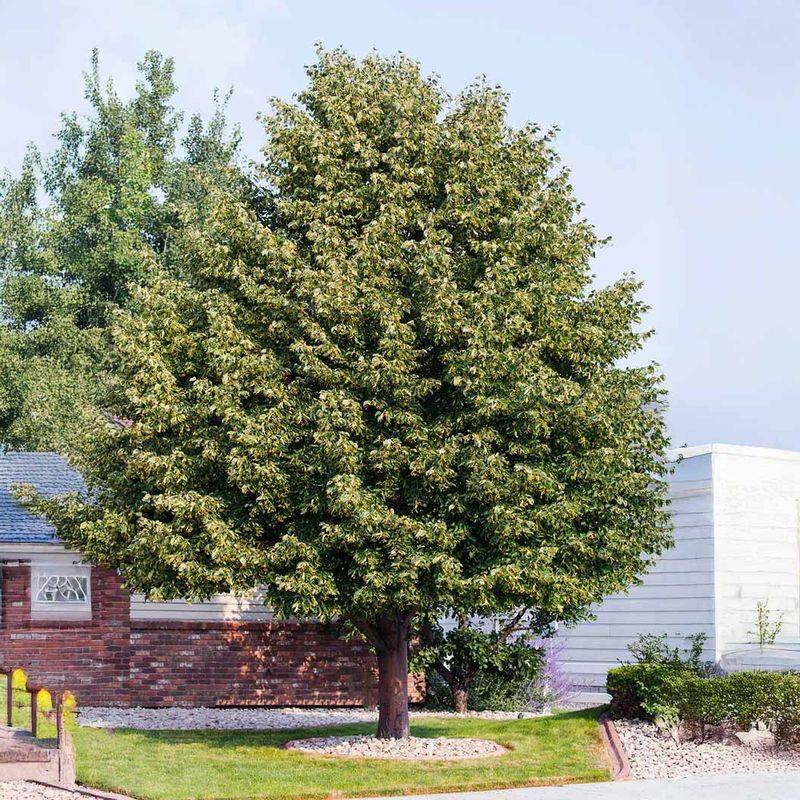
Step under an American linden in June, and you will smell it before you see the flowers. Clusters of pale yellow blooms fill the air with a sweet, honey-like scent. Bees buzz so loudly that the whole tree seems to hum.
American linden, also called basswood, is a native shade tree found across Pennsylvania. It grows at a moderate to fast pace and builds a dense, rounded canopy. Over time, it can reach 60 to 80 feet tall.
The leaves are shaped like big hearts. They overlap to create deep, cool shade, perfect for a hammock or picnic table. In fall, they turn soft yellow before dropping.
Linden is a powerhouse for pollinators. Beekeepers love it because honey made from linden flowers is light and delicious. Many butterflies and moths also depend on its leaves to raise their young.
A quick history fact: Native Americans used the tough inner bark, called bast, to make rope, mats, and baskets. That is how it earned the name basswood. Woodcarvers still love its soft, smooth wood today.
Plant linden in full sun or partial shade. It prefers moist, rich soil but adapts to many yard conditions. Give it plenty of space, since both its height and width grow large.
After planting, water slowly and deeply so moisture reaches the roots. Add mulch, but keep it a few inches from the trunk. Check the soil each week until frost settles in.
If you want a tree that feels calm, welcoming, and full of life, linden is a wonderful pick. Plant it this fall, and future summers will smell a whole lot sweeter.