What To Do With Sweet Potato Vines After Michigan Frost Turns Them Black
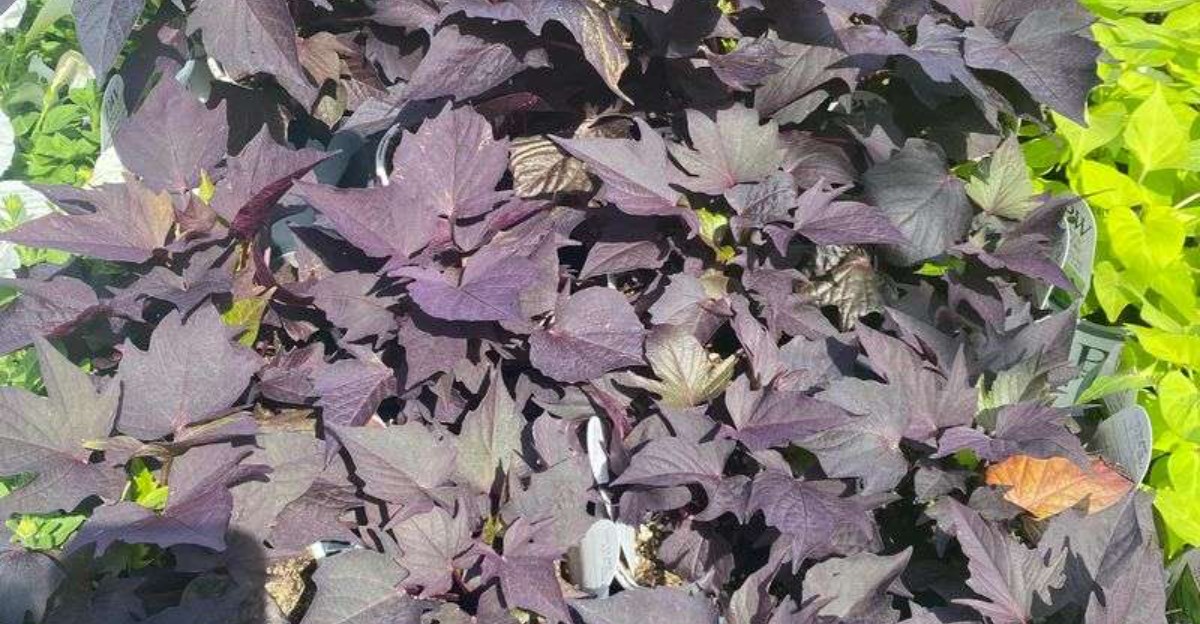
One cold night, and the lime green vines that spilled over your pots look like wet black ribbons. It happens every fall in Michigan. The sight is a little sad, but the plant is not a total loss.
Ornamental sweet potato vines grow tubers underground, just like the ones you eat. Those tubers can be saved and planted again next spring. Frost cuts the plant’s growth, though, so the timing of your next step matters.
You can also save the plant another way, by rooting cuttings before cold arrives. Each option has its own benefits and risks. Some are easy, and some take patience.
Knowing what to do with a frosted vine means you will not have to buy new ones in spring.
1. Dig Edible Sweet Potatoes Right Away
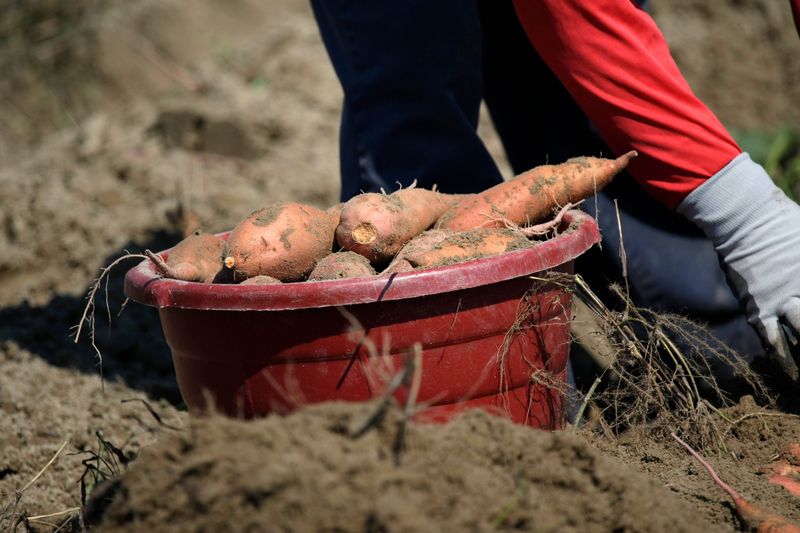
Frost is a starting gun for sweet potato growers. Once those leaves go black, the clock is ticking on the roots below, and speed matters more than almost anything else you do this fall.
Sweet potatoes come from warm tropical places, so they simply do not handle cold well. When soil temperatures drop below about 50°F, the roots can suffer chilling injury.
You might not see the damage right away, but it shows up later as hard spots, strange flavors, or rot during storage.
Another problem starts at the top of the plant. Frost-damaged vines begin to break down, and that decay can travel down the stems into the roots. Wait too long, and roots that looked fine at harvest may turn soft and moldy a few weeks later in your pantry.
So how fast should you move? Aim to dig within a day or two after frost blackens the vines. If life gets busy and you cannot dig right away, grab some pruners and cut the vines off at the soil line as soon as possible.
That simple step helps stop decay from spreading downward. Even better, keep an eye on the weather forecast. When a frost warning pops up, harvesting a day or two early is a smart move that protects your crop completely.
Michigan gardeners face a special challenge here. Our growing season is short, so many of us let sweet potatoes grow right up until the first frost to squeeze out every bit of size.
That makes quick action after frost extra important. A little hustle now means plump, sweet roots on your table all winter long.
2. Dig Carefully To Avoid Damaging The Roots
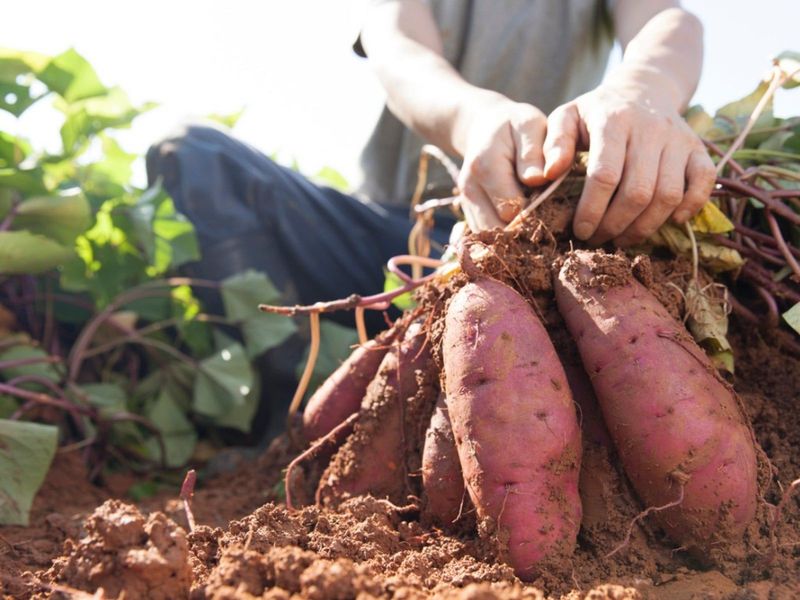
Think of a freshly dug sweet potato like a ripe peach. Its skin is thin, tender, and easy to scrape, and every little nick becomes an open door for rot.
Right out of the ground, those skins have not toughened up yet. A careless jab with a shovel or a rough toss into a bucket can leave cuts and bruises you barely notice. Sadly, those small wounds often lead to spoiled roots and a much shorter storage life.
Start with a spading fork instead of a shovel, since the tines slide into the soil with less slicing. Push it into the ground about a foot or more away from the center of the plant.
Your Michigan Garden Changes Every Week. Your Plan Should Too.
Gardening in Michigan changes quickly throughout the season. Every Friday you’ll receive a simple weekly plan showing exactly what to plant, prune, fertilize, harvest, and protect so you never miss the right timing.
Sweet potato roots can spread farther than you expect, so giving them extra room keeps your fork from stabbing the best ones.
Gently rock the fork back to loosen the soil, then work your way around the plant. Once things feel loose, reach in with your hands and lift the roots out slowly. Try not to yank on them, and never drop or throw them into a basket.
If the day is dry and mild, you can let the roots sit on the soil surface for a few hours to dry off a bit. Skip this step on cold or wet days, because chilly air can harm them.
Many Michigan yards sit on heavy clay soil, which packs down hard and grips roots tightly. That makes digging tougher and raises the chance of damage.
Take your time, loosen a wider circle, and your careful work will pay off in sweet potatoes that keep for months.
3. Cure Edible Sweet Potatoes In Warm, Humid Conditions
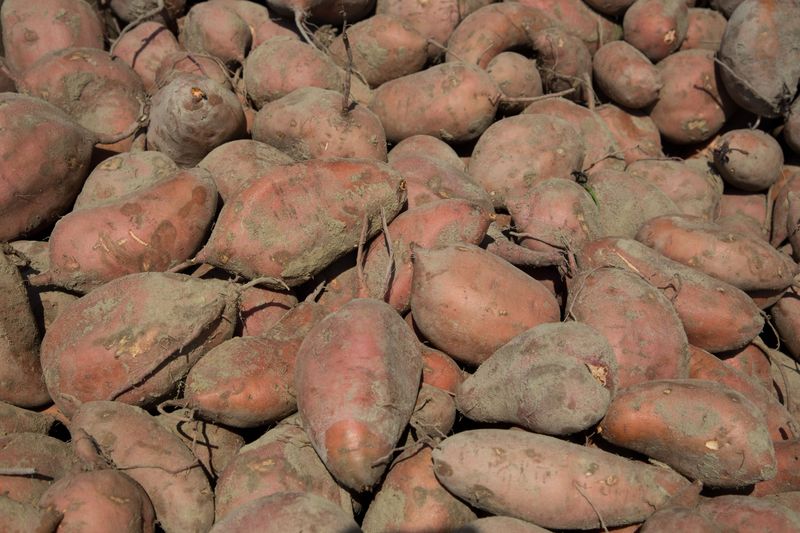
Here is a little secret that surprises many new growers. Sweet potatoes straight from the garden do not taste very sweet at all, and they need a cozy spa week before they reach their full flavor.
That spa week is called curing. During curing, small wounds on the skin heal over, and the skin itself grows tougher. At the same time, starches inside the root start turning into sugars.
The result is a sweeter, creamier sweet potato that can keep for months instead of weeks. The ideal setup is warm and humid, around 80 to 85°F with high humidity.
Keep the roots there for about 7 to 10 days. Do not wash them first, since extra moisture on the skin can invite mold. Just brush off big clumps of dirt gently if needed.
You do not need fancy equipment to pull this off. A small spare room or bathroom with a space heater works well, especially with a pan of water nearby to add moisture to the air.
Some gardeners set their roots in a closed box near the furnace, which traps warmth and humidity nicely. A cheap thermometer and humidity gauge help you keep things on track.
Lay the roots in a single layer if you can, so air reaches each one. Check on them every couple of days and pull out any that look soft.
Michigan fall weather makes indoor curing a must. Outdoor temperatures in October are far too cool, and leaving roots outside or in an unheated shed would do more harm than good. A warm corner of your house turns a decent harvest into a delicious one.
4. Store Cured Roots Cool But Never Cold
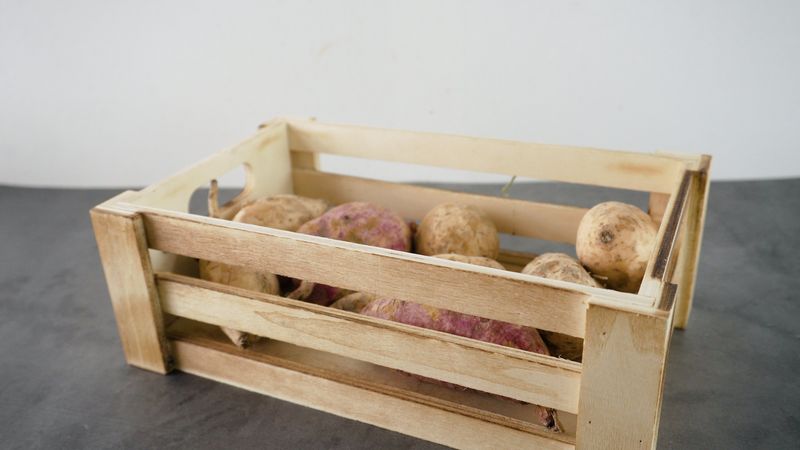
Your fridge might keep apples crisp, but it is the worst place in the house for sweet potatoes. Those curing efforts can go to waste fast if storage gets too cold.
Temperatures below about 55°F can cause chilling injury in cured roots. The damage often hides at first, then shows up as hard centers that never soften when cooked, odd flavors, and eventually rot.
On the other hand, storing them somewhere too warm encourages sprouting, and soon your sweet potatoes look like they want to become plants again.
The sweet spot sits around 55 to 60°F. Choose a dry, dark place with good airflow, like an interior closet, a cool pantry, or a spare room. Baskets, wooden crates, or paper bags with a few holes work much better than sealed plastic, which traps moisture.
Handle your roots gently every time you move them, because bruises still lead to trouble even after curing.
Set a reminder to check them every week or two. If one starts showing a soft spot or a wrinkly end, cook it soon, and use those first before reaching for the firm ones.
Stored well, sweet potatoes can last several months. Many families enjoy home-grown roots well into late winter or even early spring.
Michigan homes bring their own puzzle here. Basements and attached garages often feel like natural storage spots, yet in the middle of January they can easily slip below 55°F.
Place a simple thermometer in your chosen spot for a few days before moving your harvest in. If it runs too cold, a closet on the main floor is often the safer bet.
5. Save Ornamental Tubers To Replant Next Spring
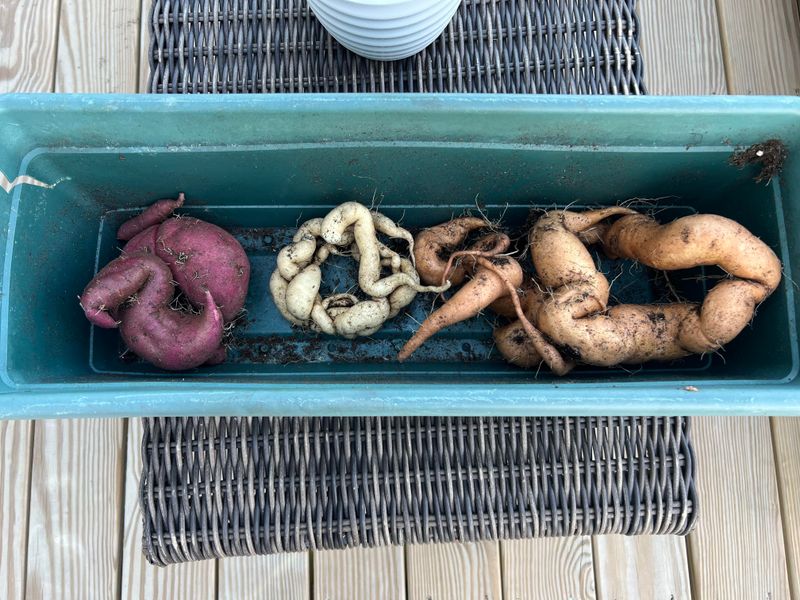
Those glowing chartreuse, deep purple, and splashy variegated vines that spilled out of your porch pots all summer have a hidden bonus. Under the soil, they have been quietly building tubers, just like their edible cousins.
Ornamental sweet potato vines belong to the same species as the ones we eat. They form tubers that can be saved over winter and coaxed into brand new vines next year.
That means free plants and a chance to grow your favorite colors again without another trip to the garden center.
One warning matters a lot here. Ornamental types are bred for pretty leaves, not flavor, and they may have been treated with products not meant for food crops. Keep them strictly for planting and never put them on the dinner plate.
Dig the tubers soon after frost hits, using the same gentle approach as edible roots. Let them dry for a few days somewhere sheltered and indoors.
Next, nestle them in dry peat moss or tuck them into paper bags, then store them around 55 to 60°F in a dark spot.
When spring rolls around, usually in March or April, plant the tubers in pots of moist potting mix indoors. Give them warmth and bright light. New shoots will pop up in a few weeks, ready to move outside once nights stay warm.
In Michigan, sweet potato vines are a summer favorite in hanging baskets, window boxes, and mixed containers. Saving tubers lets you skip buying fresh plants each season and gives you a head start on those bold, colorful spillers.
6. Take Cuttings Before Frost For Indoor Plants
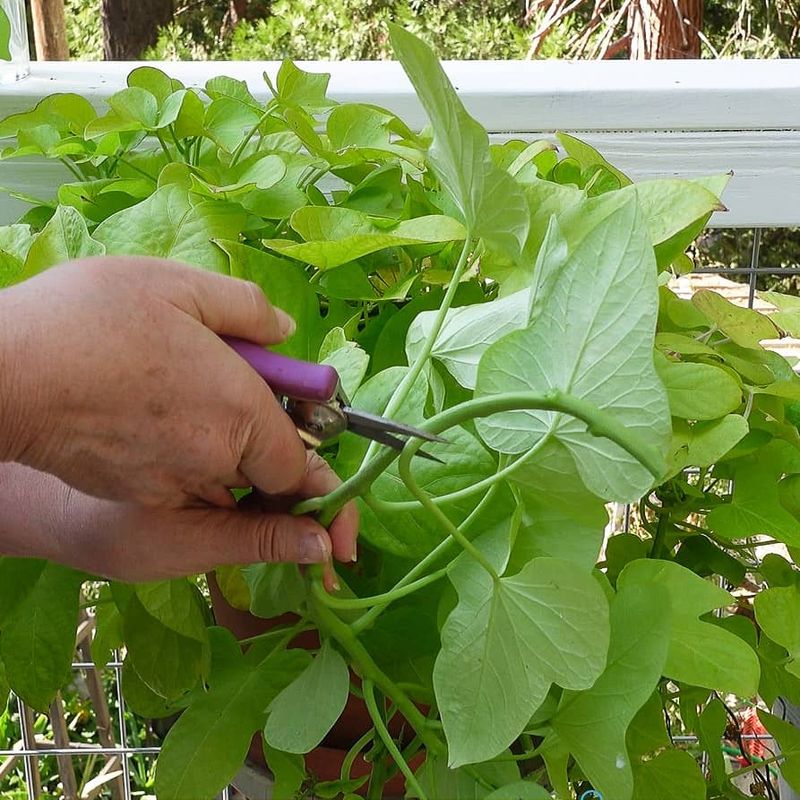
A glass of water and a sunny window might be all you need to keep your sweet potato vines going strong until spring. Few plants root as easily, which makes this one of the simplest winter projects around.
Stem cuttings from sweet potato vines grow roots in water within a week or two. Once potted, they turn into charming trailing houseplants that brighten a gray Michigan winter.
Come spring, you will already have healthy plants waiting for your outdoor containers.
Timing is the big catch. You must take cuttings before frost arrives, because once those leaves turn black, the stems are too damaged to root. Watch the forecast in September and early October, and snip a few while the vines still look green and lively.
Choose healthy stem tips about 6 to 8 inches long. Pull off the lower leaves so only a few remain at the top. Bare stem sections should sit underwater, while leaves stay above it to avoid rot.
Place the cuttings in a glass or jar of water in bright light. Change the water every few days to keep it fresh and clear. Soon you will see white roots sprouting along the stems.
Once roots reach an inch or two long, move the cuttings into small pots with good potting mix. Keep them in your sunniest window through winter, watering when the top of the soil feels dry.
By May, you will have lush vines ready for baskets and planters. You can even take more cuttings from your indoor plants to fill extra pots for free.
7. Clean Up And Compost Healthy Vines
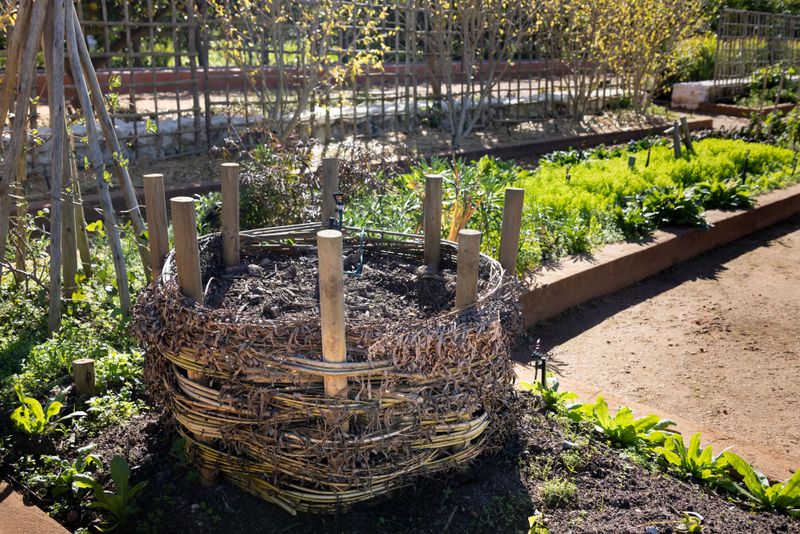
With the roots tucked safely inside, one last chore remains in the garden. Those slumped, blackened vines are not pretty, but they still have something useful to give.
Leaving old vines sitting in beds and pots gives pests a cozy place to hide through the colder months. A tangle of soggy stems also makes the yard look messy. Clearing them out keeps things tidy and gives you a fresh start.
Pull the vines from garden beds, porch containers, and hanging baskets. Most will come up easily now that frost has softened them. If any stems cling tightly, snip them close to the soil. Healthy vines make great compost material.
Chop them into smaller pieces if you can, since smaller bits break down faster. Mix them with fall leaves for a good balance of green and brown materials, and they will turn into rich compost that feeds next year’s garden.
Look closely before you toss everything in the pile, though. Vines that showed spots, odd wilting, or other signs of disease during summer belong in the trash or yard waste bin instead. Home compost piles often do not get hot enough to wipe out disease problems.
Think ahead to next year too. Plant sweet potatoes in a different spot to help keep soil pests and diseases from building up in one place.
For Michigan gardeners, fall cleanup is a gift to your spring self. When April arrives and the planting itch kicks in, you will have clear beds, empty containers, and a pile of crumbly compost ready to go.