The Best Time Of Day To Fertilize Container Plants In Michigan Without Burning The Roots
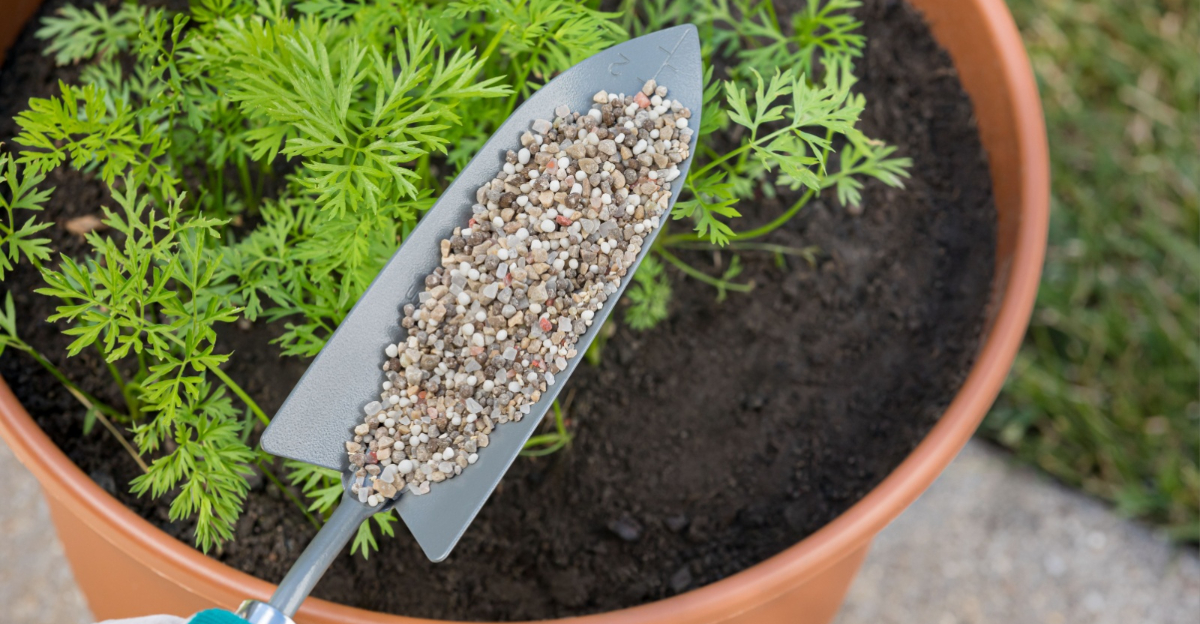
Container plants on a Michigan patio in summer have exactly one complaint, and it is that their roots live in a small pot with nowhere to hide from the heat.
Unlike in-ground beds that hold moisture and stay cooler deeper down, containers heat up fast, dry out faster, and leave roots genuinely vulnerable during a July heat spell.
Fertilizing into that situation at the wrong time, especially midday when the potting mix is dry and the sun is at full intensity, can stress roots rather than support them. Early morning is the window that works.
Cooler temperatures, moist potting mix, and plants that have not yet started dealing with the heat of the day all line up to make feeding safer, more effective, and a lot more worthwhile for every container on the deck.
1. Early Morning Is The Safest Time
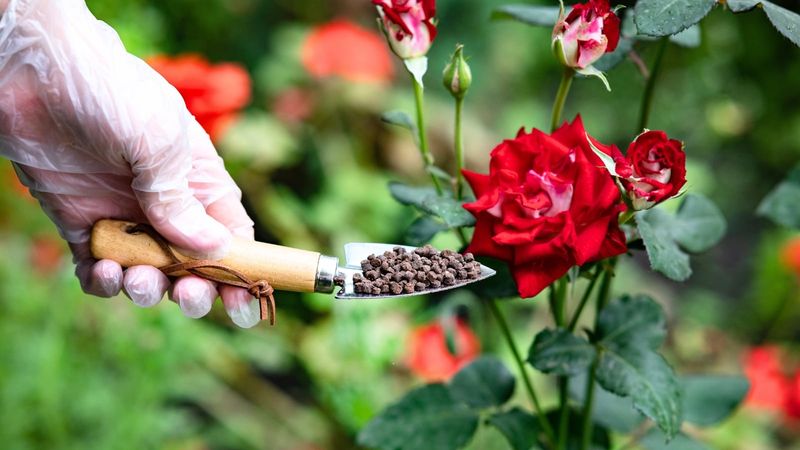
Warm patios and sunny decks across Michigan can heat up surprisingly fast once the morning progresses, which is exactly why feeding container plants early in the day tends to work so much better than waiting.
In the cooler hours before the sun climbs high, roots are less stressed, the potting mix holds moisture more evenly, and fertilizer has time to move through the container before temperatures spike.
That window, roughly between 6 and 10 in the morning, gives Michigan gardeners a reliable opportunity to feed plants without adding extra pressure during the hottest part of the day.
Early morning feeding also lines up naturally with watering routines that many container gardeners already follow.
Checking on hanging baskets, topping off porch planters, and giving pots a good drink before heading to work is a habit that pairs well with a light fertilizer application.
Adding a diluted liquid feed to that routine takes only a few extra minutes.
Conditions across Michigan vary quite a bit. A shaded porch in a northern town stays cooler longer than a south-facing balcony in a city.
Gardeners in warmer parts of the state may find that the early morning window closes faster, making it worth starting the routine a bit earlier during heat waves.
The goal is to feed plants while the air is still comfortable and before the potting mix starts drying out under full sun.
2. Moist Potting Mix Protects Roots
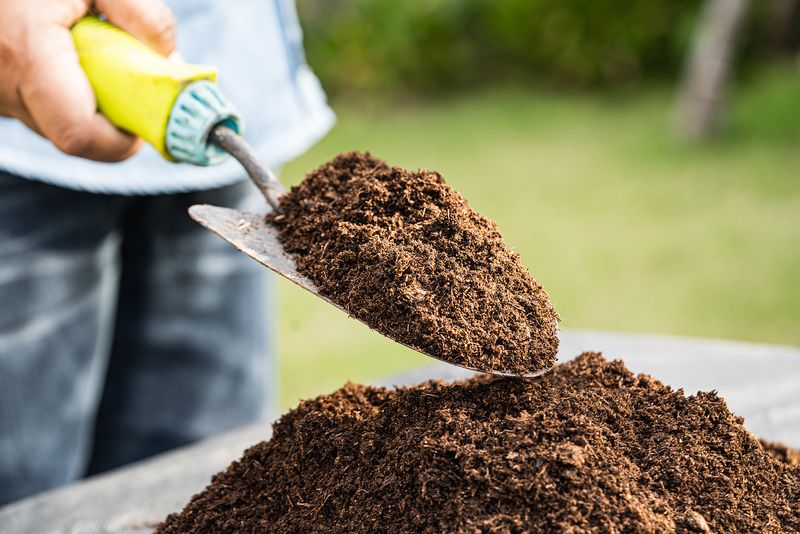
Running your fingers through a container before fertilizing tells you a lot about whether the timing is right.
Moist potting mix allows fertilizer to spread more evenly as it moves through the container, which reduces the chance of concentrated fertilizer salts sitting directly against roots.
When the mix is already damp, liquid fertilizer dilutes further as it travels downward, giving roots a gentler introduction to nutrients rather than a sudden jolt of concentrated solution.
Dry potting mix behaves very differently. Fertilizer applied to a bone-dry container tends to pool unevenly, and the salts in that solution can pull moisture away from root cells rather than delivering nutrients to them.
That process, sometimes called fertilizer burn, is more likely to show up in dry containers sitting in full Michigan summer sun than in containers that were watered first.
Your Michigan Garden Changes Every Week. Your Plan Should Too.
Gardening in Michigan changes quickly throughout the season. Every Friday you’ll receive a simple weekly plan showing exactly what to plant, prune, fertilize, harvest, and protect so you never miss the right timing.
A simple approach is to water the container thoroughly the day before you plan to fertilize, or give it a good drink about 30 minutes before feeding. The goal is not a soggy mix but one that feels consistently damp throughout.
Michigan gardeners growing annuals, herbs, and vegetables in containers on sunny decks or balconies may need to check moisture levels more often than those with pots on shaded porches, since exposed containers dry out faster.
Paying attention to the feel of the mix before reaching for the fertilizer is one of the most practical habits a container gardener can develop.
3. Dry Containers Raise The Risk
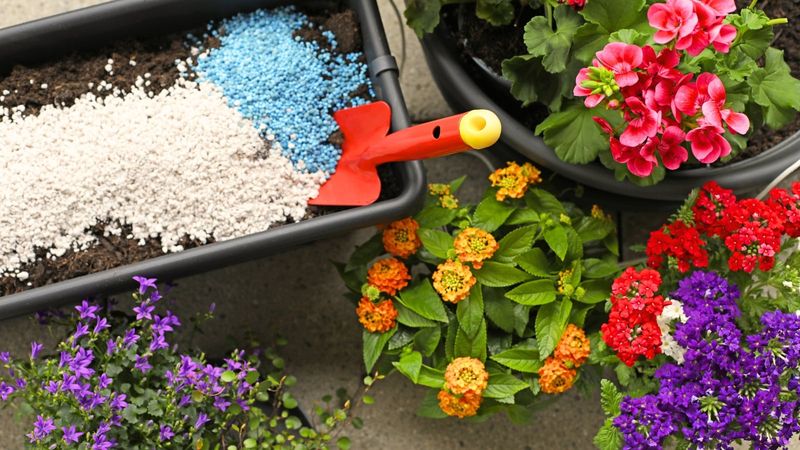
Picking up a lightweight pot that should feel heavier is a familiar signal for Michigan container gardeners.
When a planter feels almost hollow, the potting mix inside has likely dried out significantly, and that is one of the worst moments to reach for the fertilizer.
Dry potting mix does not absorb liquid evenly. Instead, fertilizer solution can run straight down the sides of the container and out through the drainage holes before it ever reaches the root zone in a useful way.
The concern goes beyond uneven distribution. Fertilizer salts are naturally present in most commercial plant foods, and when those salts contact dry roots without enough moisture to dilute them, they can draw water out of root tissue rather than feeding the plant.
The result can look like leaf edge browning, wilting that does not improve after watering, or a plant that simply seems to stall in growth during what should be its most productive summer weeks.
Michigan summers can be unpredictable. A stretch of hot, dry days in July or August can pull moisture out of containers faster than many gardeners expect, especially pots sitting on reflective surfaces like concrete patios or wooden decks in direct sun.
Checking containers daily during heat waves and watering before they reach the bone-dry stage is a straightforward habit that protects roots and makes fertilizing safer when feeding day comes around.
Waiting until the mix is at least slightly moist before applying any fertilizer is a low-effort step with meaningful benefits.
4. Heat-Stressed Plants Need A Pause
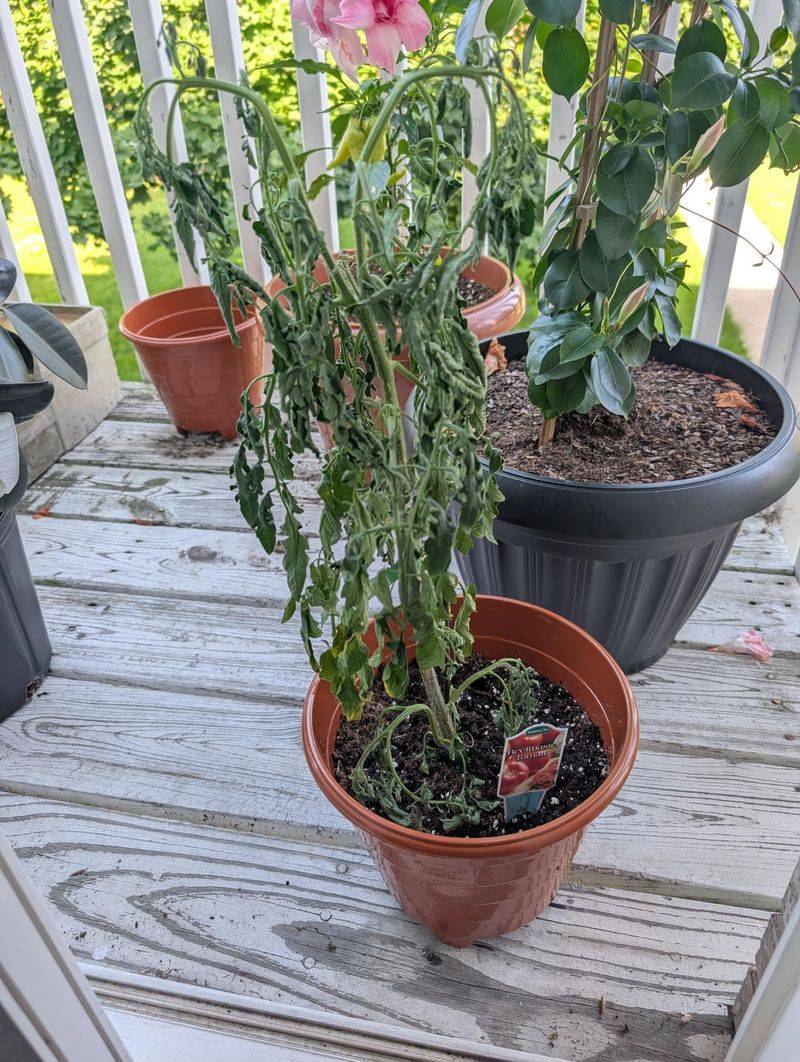
A plant drooping in the afternoon heat of a Michigan summer is not necessarily asking for fertilizer. Wilting during the hottest part of the day is often a temporary response to heat and water loss, not a sign of nutrient deficiency.
Reaching for a fertilizer at that moment can add stress rather than relief, because roots that are already struggling to manage heat and moisture loss are less equipped to process nutrients efficiently.
Fertilizer works best when a plant is in an active, healthy growing state. When a container plant is visibly stressed, whether from heat, drought, or a combination of both, its ability to take up nutrients slows down.
Applying fertilizer during that window does not speed recovery. It may actually make things harder for roots that are already working overtime just to keep the plant upright.
The more patient approach is to water the plant first, wait for it to recover, and then assess whether fertilizing makes sense later in the day or the following morning.
Michigan gardeners growing petunias, impatiens, herbs, or container tomatoes on south-facing decks may notice this mid-afternoon wilt regularly during July and August.
That pattern is worth paying attention to. Once the plant perks back up after evening watering and temperatures drop, it is in a much better position to benefit from a light feeding the next morning.
Letting the plant guide the timing is often more reliable than sticking to a rigid calendar schedule.
5. Diluted Fertilizer Is Easier On Roots
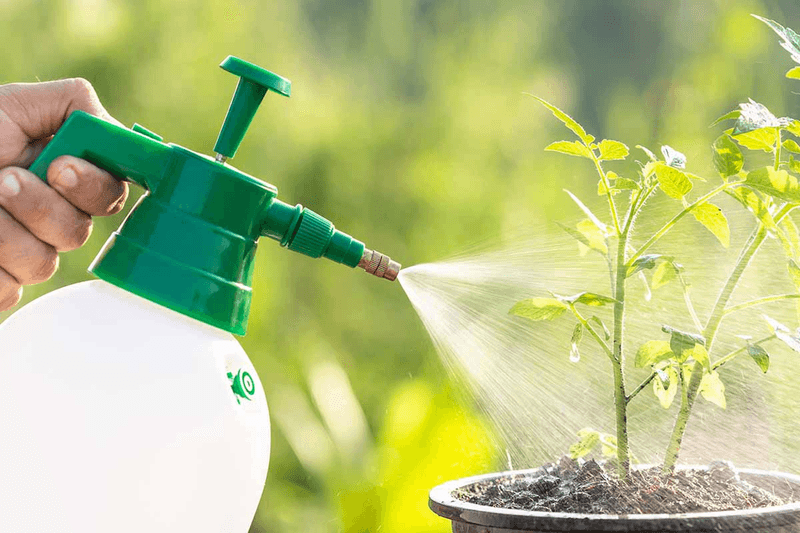
Fertilizer labels are worth reading more carefully than most people do.
Many liquid fertilizers sold for container plants are concentrated, meaning the recommended dilution on the label is already calculated to deliver nutrients at a rate that most healthy plants can handle under normal conditions.
During Michigan summer heat, some gardeners choose to dilute slightly beyond the label recommendation, applying a lighter dose more frequently rather than a stronger dose less often.
That approach, sometimes called fertigation or light feeding, keeps a steadier supply of nutrients available without flooding the root zone with a concentrated solution all at once. Roots in containers have less buffer than roots in garden beds.
There is no surrounding soil to help spread out fertilizer salts, so what goes into the pot stays more concentrated in that limited space.
Hanging baskets and smaller pots face this challenge more acutely than large containers.
A small basket on a Michigan porch may have only a few quarts of potting mix supporting a full canopy of blooming flowers, and that limited volume means fertilizer salts can build up faster.
Flushing containers with plain water occasionally helps move accumulated salts out through the drainage holes.
Combining that habit with a lighter dilution rate during the hottest weeks of summer gives roots a more comfortable environment to work with.
It also reduces the chance of seeing the leaf-edge browning or stunted growth that can come from repeated heavy feedings in warm weather.
6. Watering First Helps Fertilizer Spread
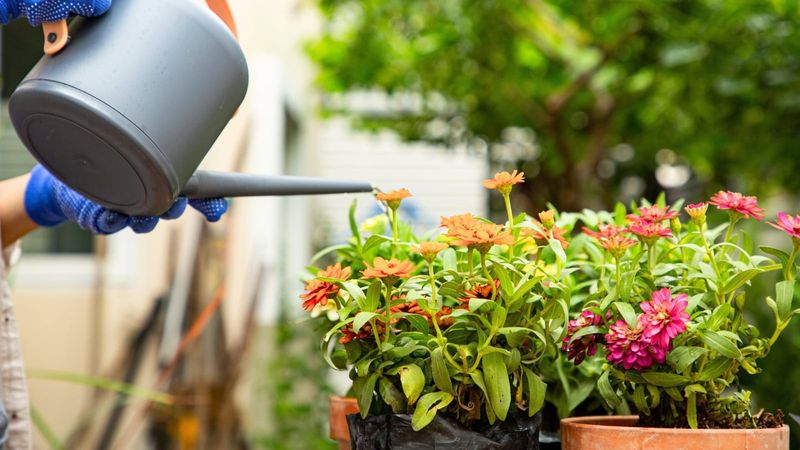
Grabbing the watering can before the fertilizer is a habit that Michigan container gardeners will rarely regret.
Watering a container thoroughly before applying fertilizer creates the moist environment that helps nutrients move through the potting mix more evenly and reach the root zone without sitting in concentrated pockets.
It also gives roots a chance to take up some moisture before they encounter fertilizer salts, which makes the whole feeding process gentler.
The timing between watering and fertilizing does not need to be exact. Some gardeners water the night before and fertilize the next morning.
Others give the container a good drink 20 to 30 minutes before applying a diluted liquid feed. Both approaches work reasonably well as long as the potting mix has moved from dry to consistently moist before the fertilizer goes in.
On a practical level, this habit fits naturally into the morning routine that many Michigan porch and patio gardeners already follow.
Walking out to check on containers, watering the ones that need it, and then coming back with a diluted fertilizer solution a short time later is a low-effort sequence that protects roots and supports steady growth through the summer.
Container vegetables like tomatoes, peppers, and herbs benefit from this approach just as much as flowering annuals.
Keeping the feeding consistent and the potting mix reliably moist between waterings makes a noticeable difference in how well container plants perform across Michigan’s variable summer weather.
7. Evening Works When Mornings Are Missed
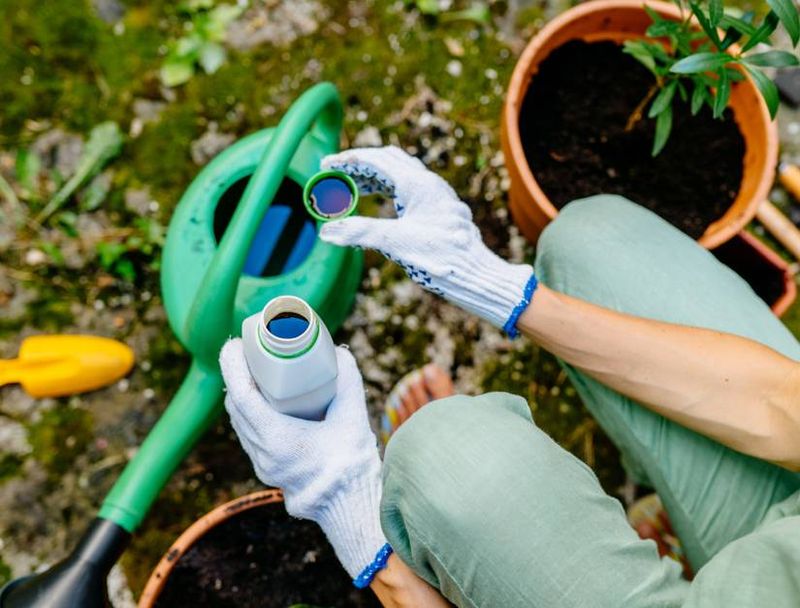
Not every Michigan summer morning goes according to plan. Work schedules, family routines, and the general unpredictability of life mean that the ideal early morning fertilizing window gets missed more often than gardeners would like.
Early evening, once the day’s heat has begun to back off, is a reasonable alternative that many experienced container gardeners rely on when mornings do not work out.
Temperatures in Michigan typically start dropping in the late afternoon and continue easing through the evening hours, which creates conditions that are less stressful for container roots than the midday peak.
Applying a diluted liquid fertilizer as the sun gets lower and the air cools down gives nutrients time to move through the moist potting mix before the next day’s heat arrives.
The main thing to keep in mind is that the potting mix should still be moist, not dry, before the fertilizer goes in.
Evening feeding does come with one consideration worth noting.
Keeping foliage wet overnight can create conditions that some fungal issues find favorable, so aiming fertilizer solution at the potting mix rather than the leaves is a sensible habit regardless of the time of day.
Michigan gardeners with shaded porches or north-facing balconies may find that evening conditions are actually quite comfortable for container plants, since those spots hold moisture longer and stay cooler than sun-drenched decks.
Using the evening window when mornings are missed keeps the feeding schedule consistent without forcing an inconvenient routine.
8. Container Plants Need Gentler Feeding
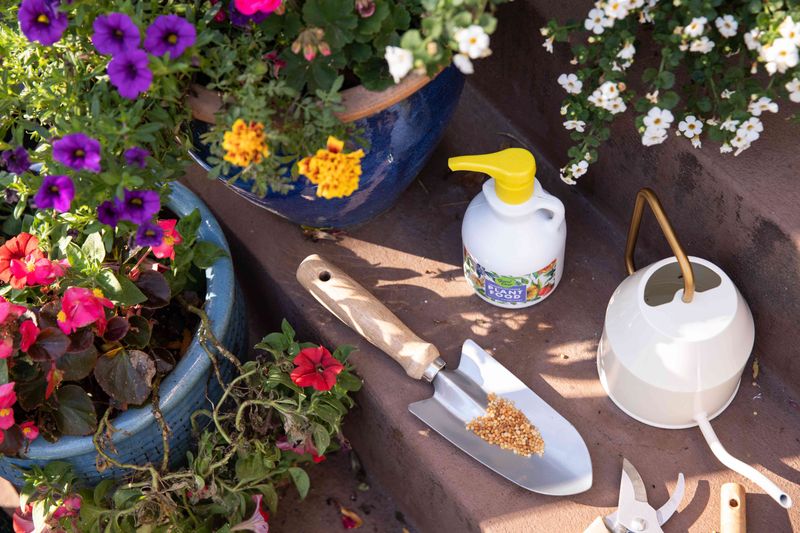
There is a meaningful difference between feeding plants in the ground and feeding plants in containers, and Michigan gardeners who understand that difference tend to have healthier pots through the summer.
Container plants live in a closed environment with a fixed volume of potting mix, limited water-holding capacity, and no connection to the surrounding soil ecosystem.
That setup makes them more sensitive to fertilizer concentration, salt buildup, and the timing of applications than plants growing in a traditional garden bed.
Frequent watering, which containers in Michigan summer heat often need, also flushes nutrients out of the potting mix faster than in-ground plants lose them.
That means container plants may need more regular feeding, but in lighter doses, to keep up with nutrient loss without overloading the root zone.
Following label directions and adjusting down slightly during heat waves is a practical starting point for most Michigan gardeners.
Patio containers, balcony pots, hanging baskets, and window boxes all share this need for a lighter touch.
Potted herbs like basil and rosemary, annual flowers like petunias and calibrachoa, and container vegetables like peppers and cherry tomatoes all respond well to consistent, moderate feeding rather than occasional heavy doses.
Across Michigan, where summer conditions can swing from cool and rainy to hot and dry within the same week, staying flexible with the feeding schedule makes a real difference.
Always checking the potting mix before applying fertilizer is the kind of thoughtful habit that keeps container plants looking their best through the whole growing season.