Why Beets Should Be Seeded In August For Sweet Michigan Fall Roots And Greens
Beets are one of those vegetables that reward a gardener who pays attention to the calendar, and in Michigan that calendar looks different depending on where you are standing.
Southern counties near Detroit have a meaningfully longer window before hard frost than gardeners further north toward Traverse City, and that gap matters when you are trying to time a fall planting that needs enough weeks to produce flavorful roots and tender greens.
Late summer soil is still warm, daylight is already quietly shortening, and the window closes faster than most people expect the first time they try it.
Getting the timing right for a Michigan fall beet planting is less complicated than it sounds, but it does require knowing your specific frost dates and working backward from there with a little intention.
1. Late July To Early August Supports Fall Planting
Gardening in Michigan during late summer means working with a narrow window before cooler weather settles in. For many parts of the state, late July through early August tends to offer a useful stretch of time to sow beet seeds for a fall harvest.
Counting backward from your expected first frost date is one of the most practical ways to figure out whether you still have enough days left in the season.
Beet varieties typically list a days-to-maturity range on the seed packet, and those numbers can help you estimate whether a planting will have enough time to produce usable roots.
Keep in mind that those figures are estimates, not guarantees, and fall growth tends to slow as daylight shortens and temperatures drop.
Gardeners in northern Michigan may find that late July is a more reliable sowing time than early August, since frost can arrive earlier in those areas. In southern parts of the state, early August may still leave enough growing days for many standard beet varieties.
Checking your specific location’s average first frost date before you plant can save a lot of guesswork and give your fall beet crop a reasonable chance at success.
2. Frost Dates Shape Michigan Seeding Times
Across Michigan, average first frost dates vary widely depending on how far north you are. Southern areas near the Ohio border may not see their first frost until mid to late October, while parts of the Upper Peninsula can experience frost as early as mid-September.
Those regional differences make a real impact on how much growing time a fall beet planting actually has.
When you know your local frost date, you can count backward by the number of days your chosen variety needs to mature, then add a week or two as a buffer. This approach helps you figure out the latest reasonable date to sow seeds while still expecting a harvest.
Soil temperature, rainfall, and cloud cover can all affect how quickly beets actually develop, so the buffer matters.
Michigan State University Extension and similar resources offer frost date information by county, which makes it easier to plan based on your specific growing area rather than a statewide average.
Your Michigan Garden Changes Every Week. Your Plan Should Too.
Gardening in Michigan changes quickly throughout the season. Every Friday you’ll receive a simple weekly plan showing exactly what to plant, prune, fertilize, harvest, and protect so you never miss the right timing.
Gardeners who treat frost dates as a planning guide rather than a fixed rule tend to have more flexibility and fewer surprises.
Knowing your region’s frost pattern is one of the most useful tools a Michigan fall gardener can have.
3. Fast-Maturing Varieties Suit Fall Gardens
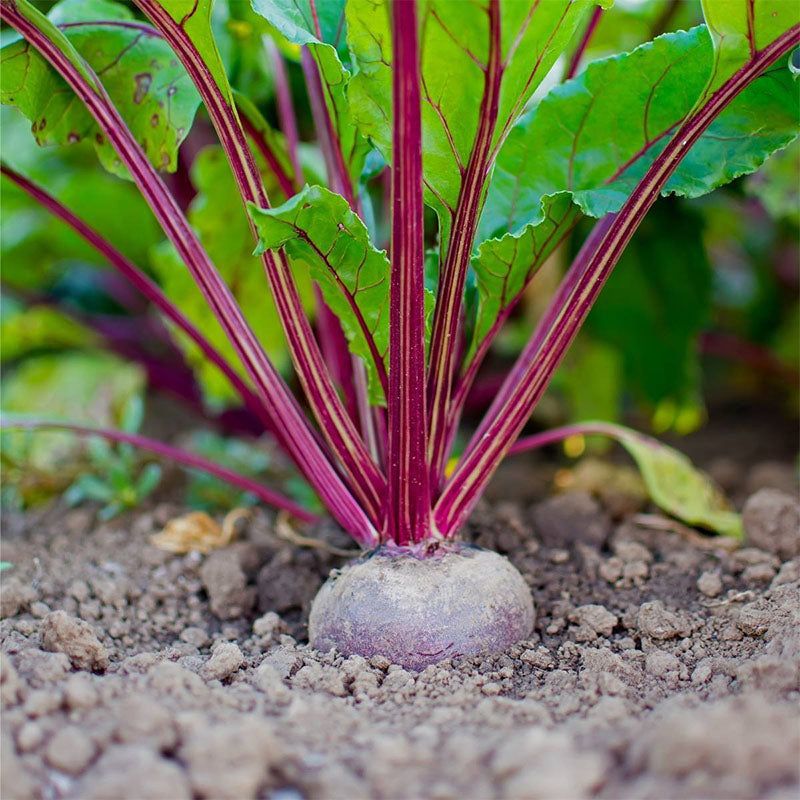
Choosing the right beet variety can make a noticeable difference when you are working with a limited fall growing window. Some varieties are listed at 50 to 60 days to maturity, while others may take 70 days or more.
When fall planting in Michigan, shorter-season varieties tend to give roots a better chance of reaching a usable size before colder weather moves in.
Popular quick-maturing varieties include options like Early Wonder, which is often listed around 48 to 55 days, and Cylindra, which can mature in roughly 60 days depending on conditions.
Red Ace is another variety sometimes chosen for fall gardens due to its relatively short maturity window.
Seed catalogs and packet labels are worth reading carefully, since days-to-maturity numbers can vary between suppliers.
It helps to remember that days-to-maturity figures are based on ideal growing conditions. As fall progresses and daylight shortens, plant growth tends to slow down, so the actual days needed may stretch beyond what the packet suggests.
Selecting a variety on the shorter end of the maturity range gives your fall beet planting a reasonable buffer. In Michigan, where the growing season can tighten quickly, that buffer can be the difference between a good harvest and an unfinished one.
4. Cool Fall Weather Supports Beet Growth
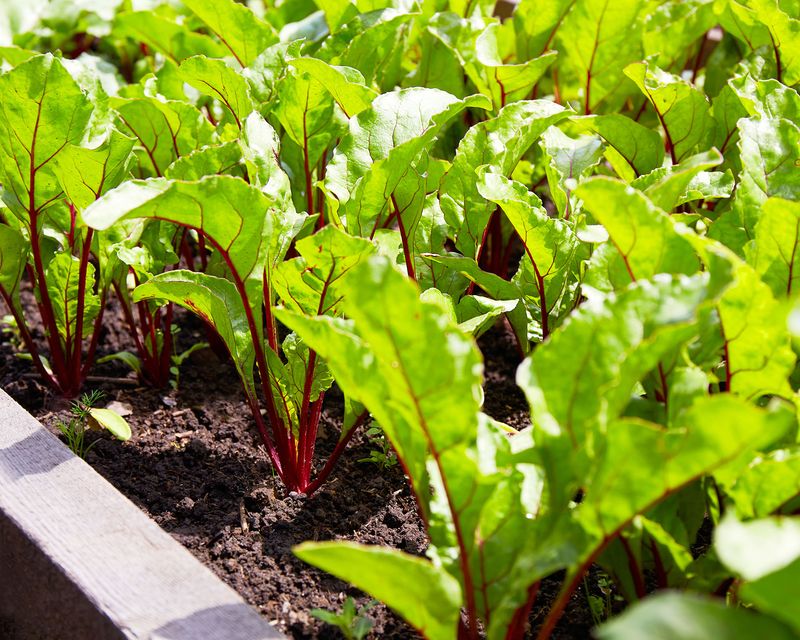
Beets are considered a cool-season crop, which means they tend to perform well as summer heat fades and fall temperatures settle in. Moderate temperatures in the range of roughly 50 to 75 degrees Fahrenheit generally support steady root and leaf development.
Michigan’s fall season, with its gradually cooling days and nights, can create favorable growing conditions for beets that were sown in late summer.
Cooler air slows some of the stress that hot summer weather can place on leafy vegetables. Beets grown during fall often develop firm, dense roots with good texture, and the greens can remain tender and flavorful longer than they might in midsummer heat.
That combination of root quality and usable greens is part of what makes fall-grown beets appealing to Michigan home gardeners.
As temperatures continue to drop through October and into November, growth will gradually slow. Beets that have not yet reached a harvestable size by the time sustained cold arrives may not develop further.
Monitoring the forecast and keeping track of how large your roots are becoming helps you decide when to start pulling. Waiting for roots to reach at least one to two inches in diameter before harvesting gives them time to develop their full flavor.
5. Warm Soil Can Speed Germination
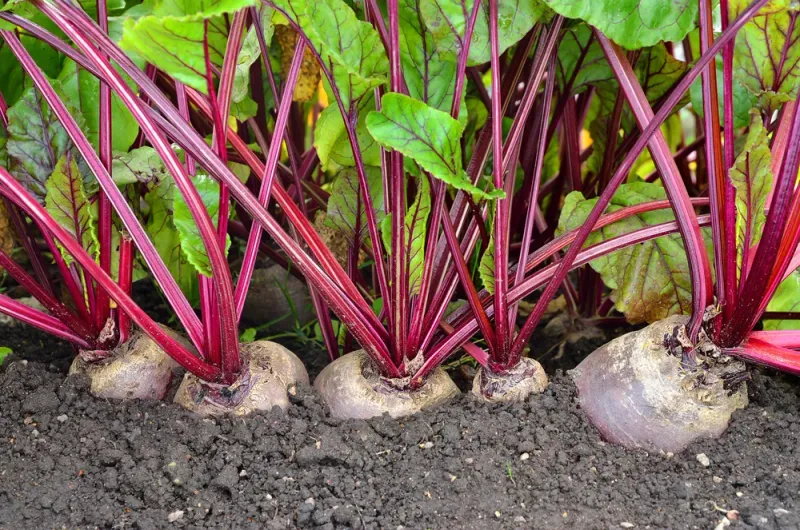
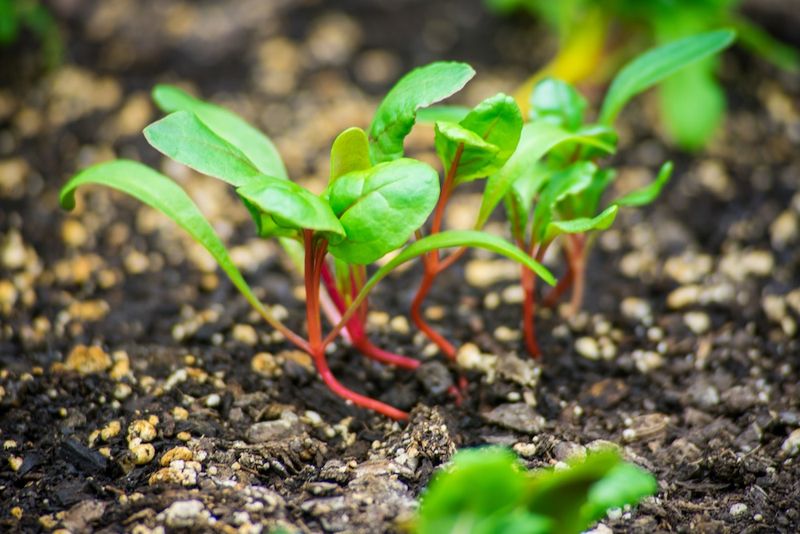
One advantage of sowing beets in late July or early August is that the soil is still warm from summer.
Beet seeds tend to germinate more reliably when soil temperatures are between about 50 and 85 degrees Fahrenheit, with faster sprouting occurring toward the middle of that range.
Warm late-summer soil in Michigan can help seeds sprout within a week or so under good conditions.
Germination slows noticeably when soil temperatures drop below 50 degrees, which is why fall-planted beets need to get into the ground while the warmth is still there.
Sowing too late means seeds may sit in cooling soil for a long time before sprouting, cutting into the already limited growing window.
Getting seeds in the ground while soil is still warm gives seedlings a head start before shorter days slow their development.
Soil temperature can be checked with an inexpensive probe thermometer, which takes the guesswork out of timing. Raised beds often retain warmth longer than in-ground plots and can extend the usable sowing window slightly.
Watering with cool water during a heat spike can help moderate soil temperature, but consistent moisture is generally more important than trying to adjust temperature precisely.
Warm soil and steady watering together give beet seeds a solid foundation for fall germination.
6. Consistent Moisture Supports Seedlings
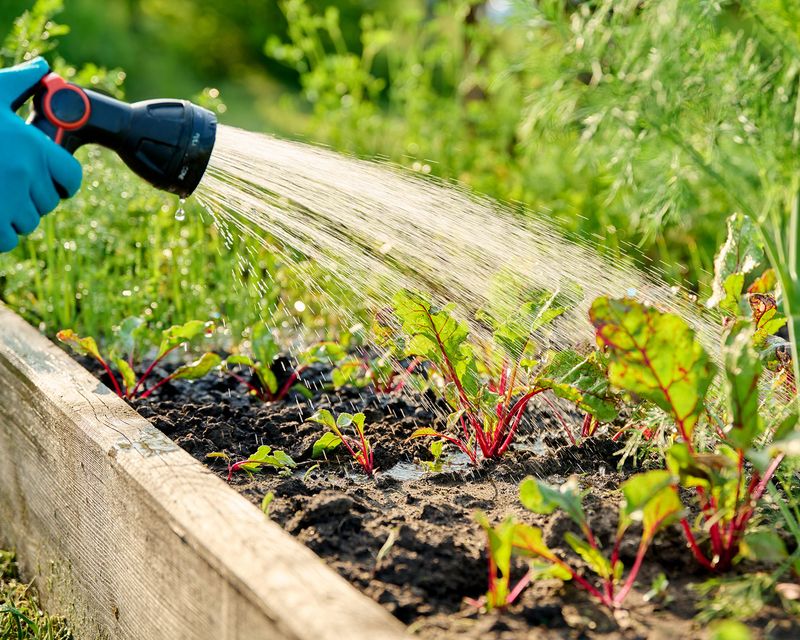
Late summer in Michigan can bring stretches of dry, warm weather that challenge newly sown seeds and young seedlings. Beet seeds need consistent soil moisture to germinate evenly, and seedlings that dry out shortly after sprouting may struggle to recover.
Keeping the top inch or two of soil moist during the first few weeks after sowing is one of the most important things a gardener can do for a fall beet planting.
Watering lightly and more frequently works better than soaking the soil deeply and then letting it dry out completely.
A gentle spray from a watering can or a soaker hose set to low pressure helps keep moisture at the surface where seeds and young roots are developing without washing them out of place.
Mulching around seedlings with a thin layer of straw or shredded leaves can help hold moisture between waterings.
As plants establish deeper roots over the following weeks, watering frequency can decrease, but the soil should not be left bone dry for extended periods.
Beets prefer steady, even moisture throughout their development, and inconsistent watering can sometimes lead to cracking or uneven root texture.
In Michigan’s late-summer heat, checking soil moisture daily during the first two weeks after sowing takes only a moment and can make a real difference in how well your fall beet planting gets started.
7. Thinning Helps Roots Develop
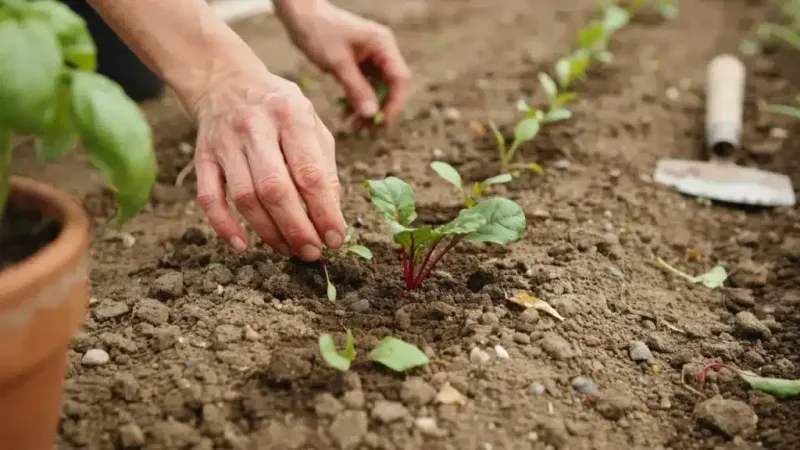
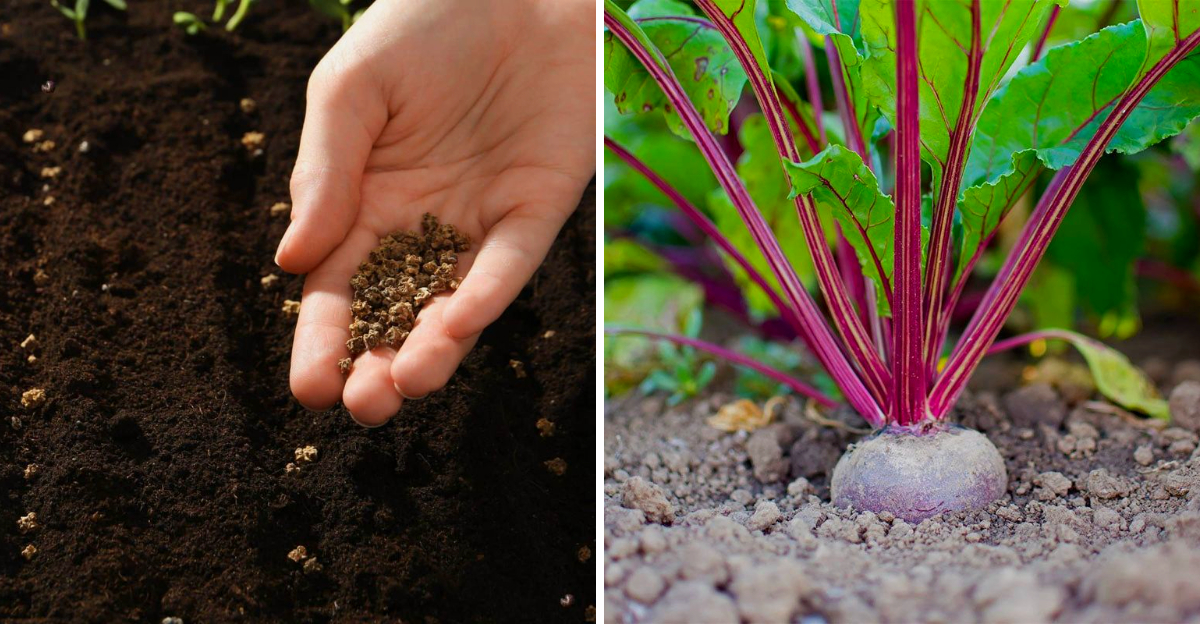
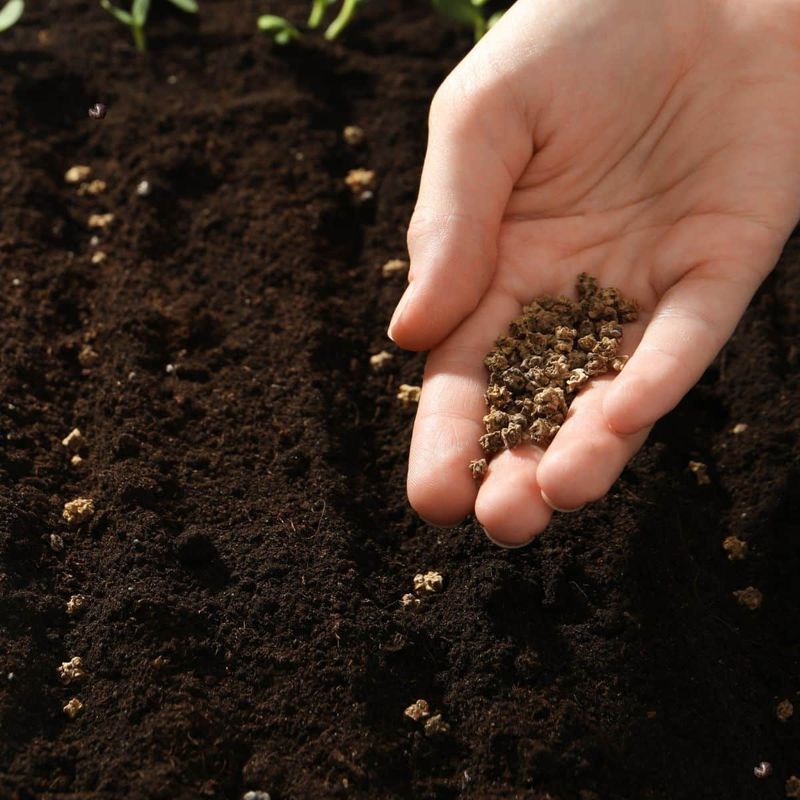
Beet seeds are often sold as multigerm seed clusters, meaning each small rough-textured pellet may contain more than one seed. When several seedlings sprout from a single cluster, they compete for space, water, and nutrients.
Without thinning, that crowding can prevent roots from expanding properly, leaving you with small or misshapen beets at harvest time.
Thinning beet seedlings to about three to four inches apart gives each plant enough room to develop a rounded root. Some gardeners prefer to thin in stages, first reducing clusters to two seedlings and then removing one more once the plants are a bit more established.
Snipping seedlings at soil level with small scissors, rather than pulling them out, avoids disturbing the roots of nearby plants.
The seedlings you remove do not have to go to waste. Young beet thinnings are edible and can be added to salads or used as microgreens.
They have a mild, slightly earthy flavor that many people enjoy. Thinning may feel like it slows your progress when plants are small and new, but giving remaining plants adequate space consistently leads to better root development by harvest time.
In raised beds and small garden plots, where every inch of space counts, proper thinning helps you get the most out of your fall beet planting.
8. Greens Can Be Harvested Early
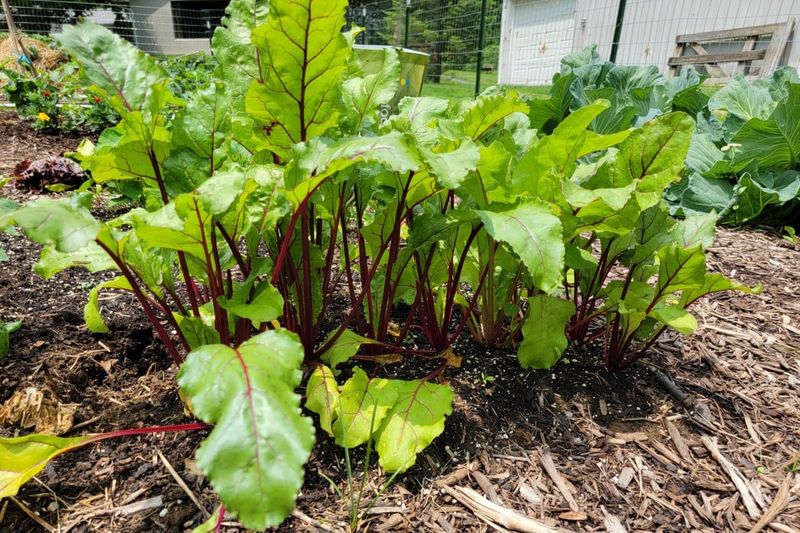
One of the quieter rewards of growing beets is that the greens are ready to eat well before the roots reach full size. Young beet leaves have a mild flavor and tender texture that works well in salads, stir-fries, and soups.
For Michigan gardeners working with a shorter fall window, harvesting greens provides something useful from the garden even before the roots mature.
Taking a small number of outer leaves from each plant, while leaving the inner and younger leaves intact, allows the plant to continue producing energy for root development.
Removing too many leaves at once can slow root growth, since the plant relies on its foliage to capture sunlight and fuel the rest of its development.
A good general approach is to take no more than one or two outer leaves per plant at a time.
Beet greens harvested in cool fall weather tend to be especially tender. The slightly cooler temperatures slow the toughening process that can happen during summer heat.
Rinsing and cooking them simply with a little olive oil and garlic is a common and satisfying way to enjoy them.
Treating the greens as an early bonus harvest, rather than the main event, helps keep root development on track so both parts of the plant can be enjoyed by the time fall harvest arrives.
9. Light Frost May Extend Harvest
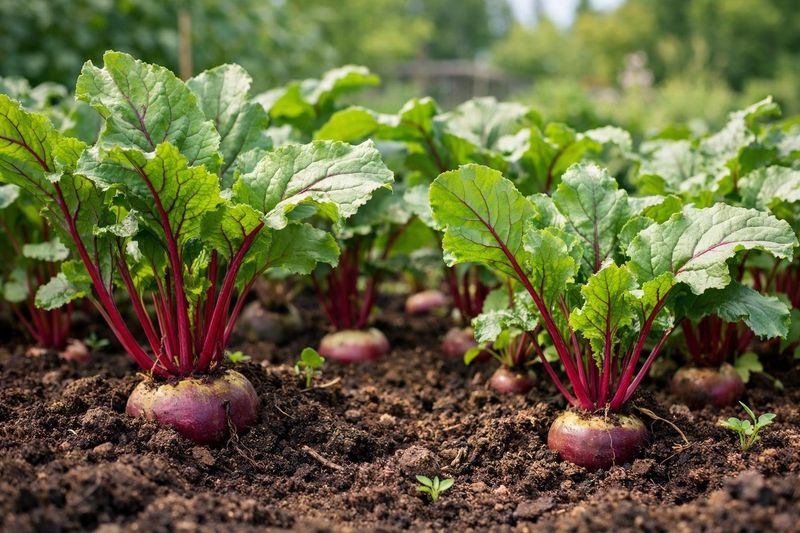
Established beet plants can handle some cold weather, which is one reason fall is a practical season for growing them in Michigan.
Light frosts, generally defined as temperatures dipping to around 28 to 32 degrees Fahrenheit for a short period, may not seriously harm beet roots or significantly damage the foliage of healthy, well-established plants.
This cold tolerance gives fall-planted beets a bit of flexibility near the end of the season.
Some cool-season crops are said to develop a slightly sweeter flavor after exposure to light frost, as plants convert some of their starches in response to cold.
Whether that applies consistently to every beet variety and every garden situation is not guaranteed, but it is a commonly noted observation among gardeners and supported by general cool-season crop research.
Roots that have already developed to a good size are better positioned to benefit from that kind of late-season cold snap.
Harder freezes, where temperatures drop well below 28 degrees for extended periods, are a different matter and can damage or compromise unprotected roots left in the ground.
Keeping an eye on Michigan’s fall forecast and harvesting roots before a hard freeze is the safer approach.
Covering plants with row fabric during a predicted cold snap can offer some additional protection, but planning to harvest before severe cold arrives is the most reliable strategy for home gardeners.