What Every California Gardener Should Plant In Containers Before Winter Rains Arrive
Fall often leaves a row of empty pots waiting on the patio, full of possibility. What happens next can brighten an entire season.
California’s mild winters open a generous window that many gardeners overlook, especially for anyone working with containers.
Movable pots bring a few clear advantages when weather turns wet and unpredictable.
A handful of simple habits keeps everything healthy through the rainy months, from smart drainage to a lighter hand with the hose.
The choices ahead range from cheerful blooms to fresh flavors for the kitchen, each with its own small quirks worth knowing.
A little planting now can turn gray winter days into a patio bursting with color and fragrance.
1. Pansies And Violas Bloom Through Winter
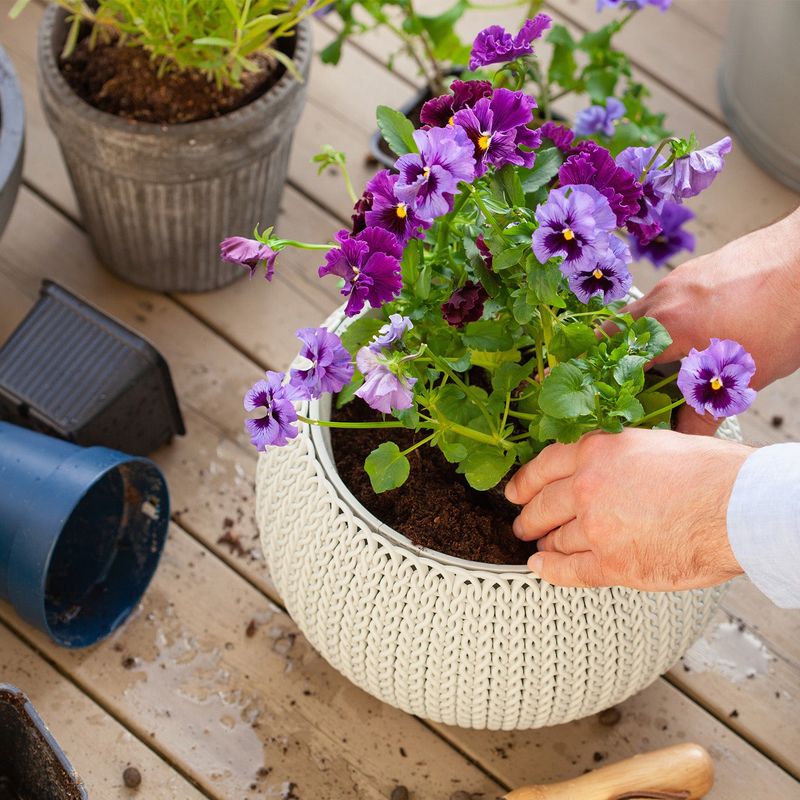
Bright purple faces grinning from a pot on a gray January morning offer a welcome lift. Pansies and violas deliver that cheer all winter, thriving in cool weather and flowering long after summer annuals have quit.
Fall planting, while soil still holds some warmth, lets roots settle before chilly nights arrive. Pansies offer big, showy flowers, while violas produce smaller blooms in greater numbers.
UC ANR planting guides list both as cool-season favorites across most of the state.
A spot with full sun or light shade works best. Winter sun runs weaker, so a bright location keeps flowers coming.
Containers with drainage holes and fresh potting mix make all the difference. Garden soil dug from the yard packs down in pots and holds too much water.
Pinching off faded flowers every few days encourages more blooms, since the plant stops putting energy into seeds. A quick snip with the fingers becomes a relaxing morning habit.
Slugs and snails deserve watching after rainy nights. They adore tender pansy leaves and can chew a pot ragged by sunrise.
A quick check under the rims, with hiding pests removed by hand, keeps damage low. Pot feet that raise containers also make them a little harder for these slimy visitors to reach.
October planting gives these flowers the strongest start, and the color often lasts well into late spring.
2. Snapdragons Handle Cool Wet Weather
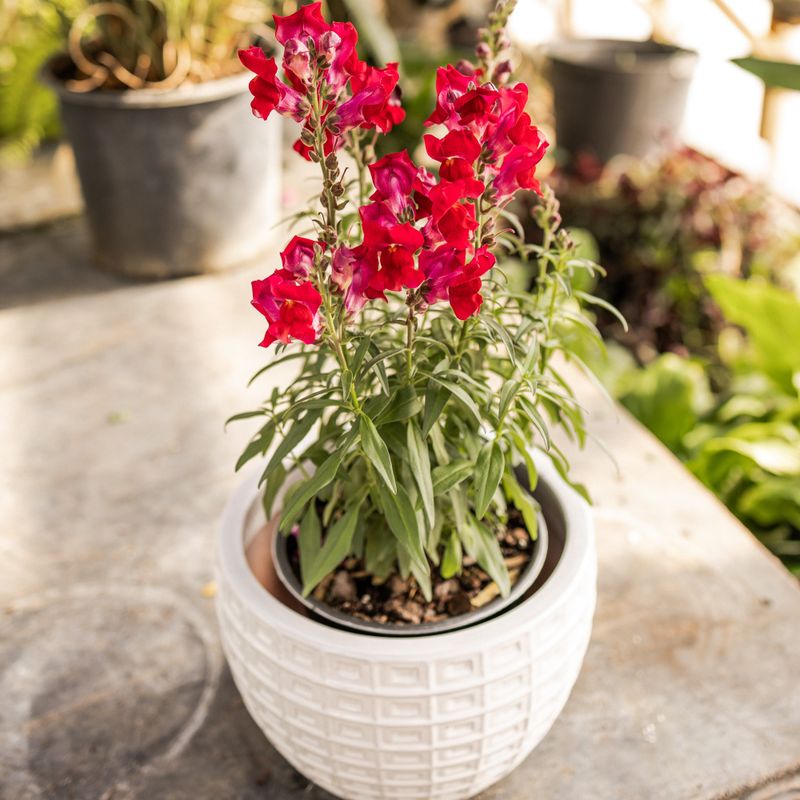
A gentle squeeze on the side of a snapdragon flower makes it open like a tiny dragon’s mouth, a trick that delights visitors of every age. Beyond the fun, these plants perform reliably through cool, damp months.
Snapdragons rank as a classic fall planting in mild parts of California. Set out in autumn, they build strong roots through winter.
In coastal and low desert areas, they often bloom from late winter into spring. Cooler inland gardens may see the biggest show once days start to lengthen.
Taller types need a container at least 10 to 12 inches deep. Dwarf varieties fit nicely in smaller pots or window boxes.
Tall stems can flop after a heavy storm, so a slim stake added early helps. A spot near a wall also blocks some wind.
Sun matters here. Snapdragons want at least six hours of light to flower well, and a south-facing patio makes a fine home during short winter days.
Your California Garden Changes Every Week. Your Plan Should Too.
Gardening in California changes quickly throughout the season. Every Friday you’ll receive a simple weekly plan showing exactly what to plant, prune, fertilize, harvest, and protect so you never miss the right timing.
Wet leaves can invite rust, a fungal disease that leaves orange spots on leaf undersides. Watering at soil level rather than overhead reduces that risk.
Spacing pots so air moves freely between them helps, too, along with prompt removal of any spotted leaves.
Snipping off finished flower spikes often encourages side shoots to send up a fresh round of color. October planting sets up the longest possible bloom season.
3. Cyclamen Loves Cool Shady Pots
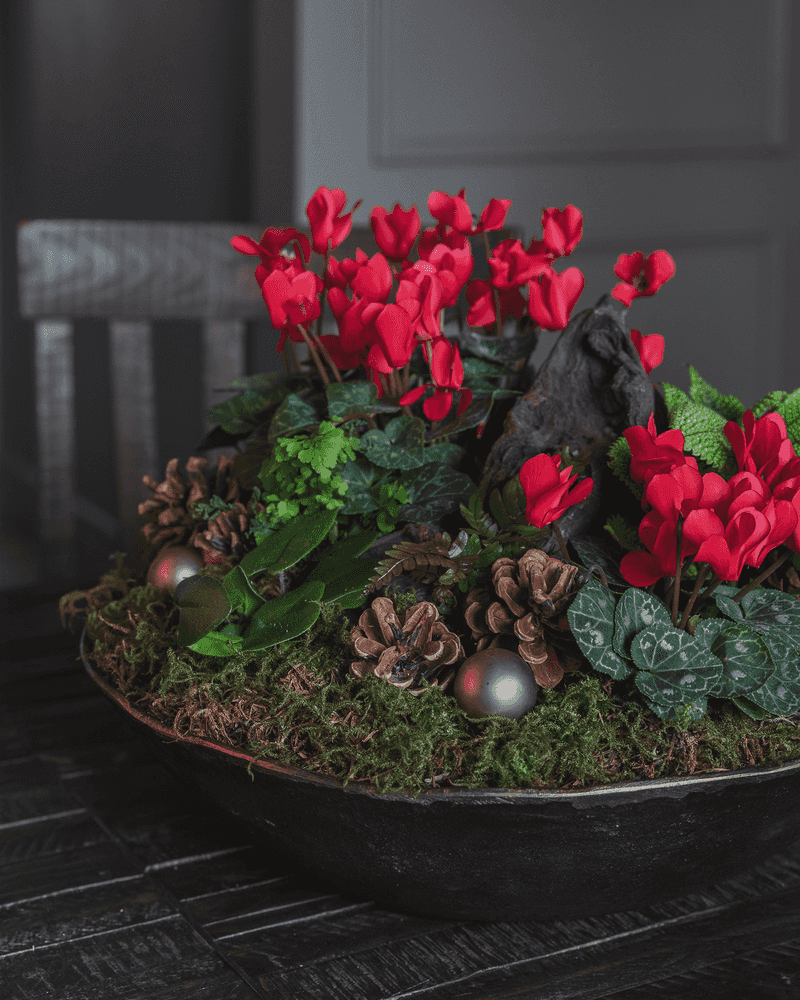
A north-facing front step usually ranks as the hardest spot to decorate in winter. Cyclamen turns that challenge into a showcase, with swept-back petals that resemble tiny butterflies hovering over silver-marked, heart-shaped leaves.
Florist cyclamen grows best in cool weather and bright shade. Hot afternoon sun makes it wilt, while a covered porch or the shady side of the house keeps it content.
In California, it often blooms from late fall into early spring, right when color runs scarce.
Watering calls for a gentle touch. Cyclamen grows from a rounded tuber, and that tuber can rot when water sits on top of it.
Pouring water around the pot’s edge, or letting the container soak from below for a few minutes, protects the tuber. An emptied saucer afterward keeps roots from staying soggy.
The top inch of mix can dry slightly between drinks. During rainy stretches, extra water may be unnecessary, and pots tucked under eaves stay drier, which suits this plant nicely.
Frost poses the main concern. Cyclamen handles chilly nights but not hard freezes, so a move against the house or into a garage helps when temperatures dip near freezing.
Yellow leaves and faded flowers come off cleanly with a twist of the stem down at the base. Clean stems leave fewer spots for mold to settle during damp weeks.
Cyclamen tubers are toxic to pets, so pots belong out of reach of curious dogs and cats.
4. Ornamental Kale Holds Color In The Cold
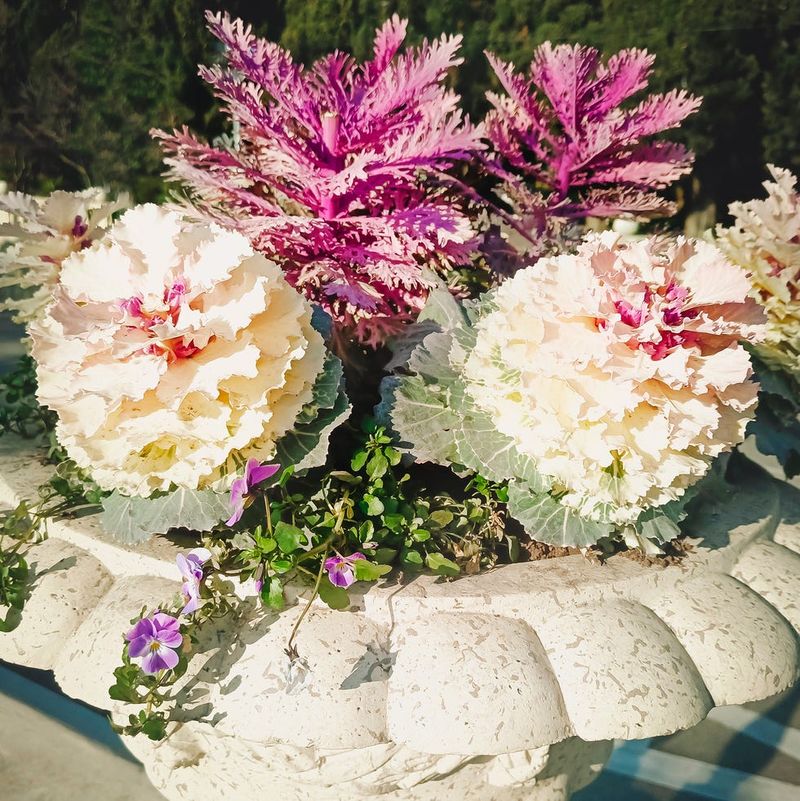
Most plants fade as nights turn cold. Ornamental kale does the opposite, growing brighter as its frilly centers flush pink, purple, or creamy white, like a rose blooming in reverse.
Cool nights serve as the secret ingredient. Color usually deepens once nighttime temperatures stay below about 55 degrees for a while.
Early fall planting lets the rosettes reach full size before cold arrives. Small plants set out too late may stay small all winter, which makes October an ideal window.
Full sun and a roomy pot suit kale best. A single plant looks tidy in an 8 to 10 inch container, while three in a wide bowl create a bold centerpiece.
Pansies tucked around the edges add a cheerful contrast in color and texture.
Drainage keeps roots firm and healthy. Fresh potting mix with plenty of bark or perlite lets heavy rain pass right through.
Small feet or bricks under the pot help water flow freely from the holes. That simple lift prevents soggy roots during wet spells.
Aphids and cabbage worms sometimes find kale, especially in fall. A firm spray of water rinses off aphids, and green caterpillars come off easily by hand.
Ornamental types are bred for looks rather than flavor, so they serve as decor, not dinner. By spring, the center stretches up to flower, signaling time to compost the plant and start fresh.
5. Lettuce And Greens Fill Small Pots
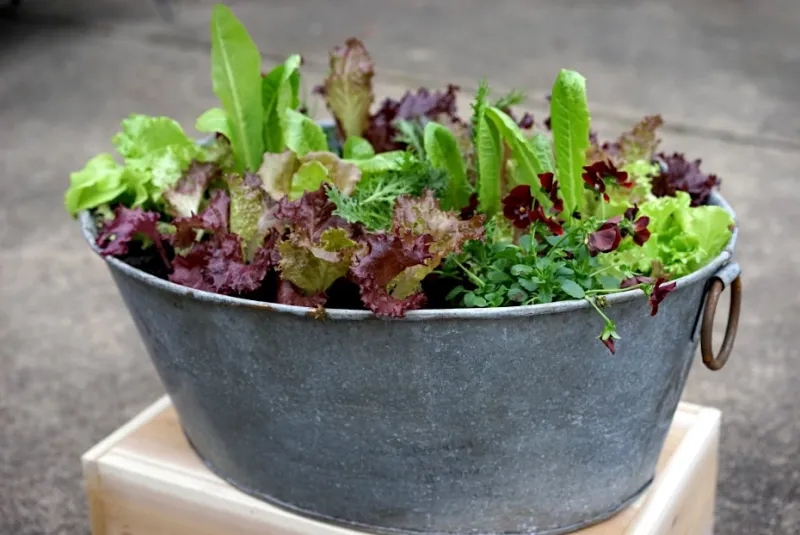
Grocery store salad mix gets pricey fast. A couple of pots on the patio can supply fresh greens for months. Winter makes the best season to try, since lettuce prefers cool weather and turns bitter in summer heat.
Lettuce has shallow roots, so a container only 6 to 8 inches deep works well. Wide pots, window boxes, and even sturdy bins with drainage holes all make good homes.
Seeds sown thinly work fine, while nursery transplants offer a quicker harvest.
Leaf lettuce makes the easiest choice for beginners. Spinach, arugula, mustard greens, and Swiss chard also grow happily in cool California weather.
A few kinds mixed in one pot create a ready-made salad bowl.
Picking outer leaves first lets the center keep growing. This cut-and-come-again method stretches each planting for weeks.
A new pot sown every few weeks keeps the harvest steady through winter and into spring.
Greens like even moisture, though rainy weeks change the routine. A finger pushed into the mix before watering tells the story, and damp soil an inch down means the clouds can handle the job.
Light frost usually causes little trouble, though tender leaves can suffer on very cold nights. A lightweight frost cloth over the pots, or a spot under an overhang, offers protection when a freeze is forecast.
October sowing gets the first salads ready by late fall.
6. Cilantro And Parsley Thrive In Cool Weather
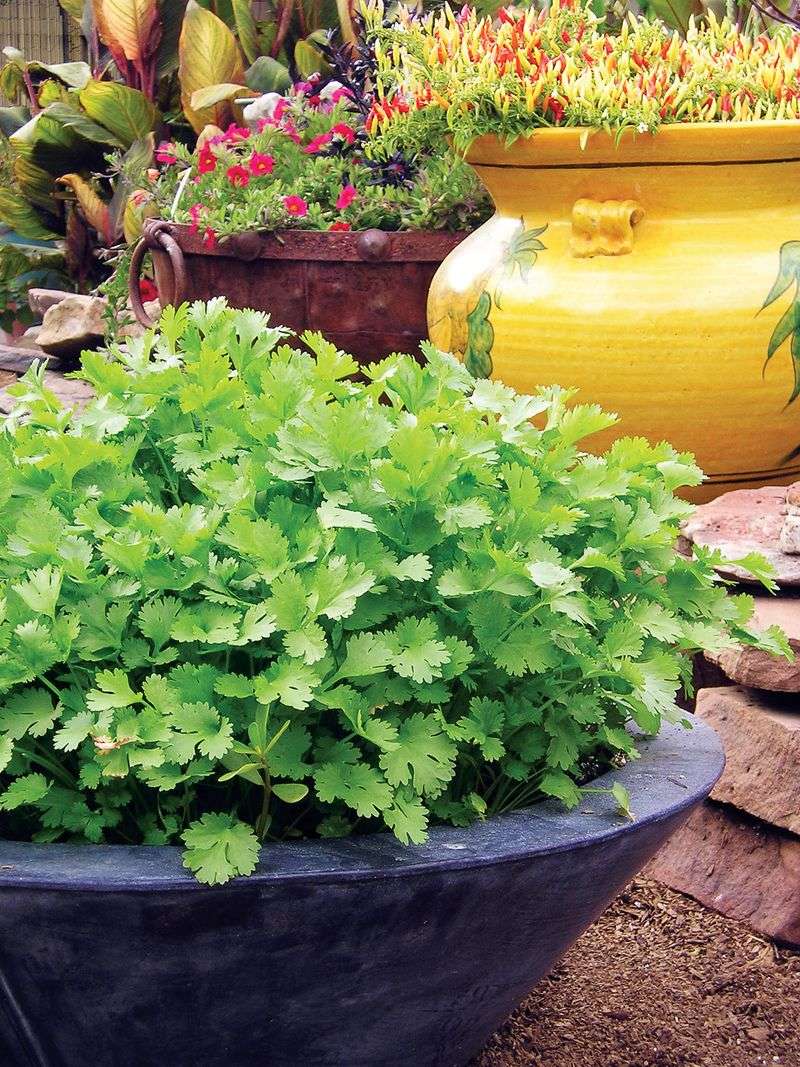
Anyone who has grown cilantro in July knows the frustration. The plant shoots up a flower stalk, and the leaves turn thin and bland almost overnight, yet fall planting changes the story completely.
Cool weather keeps cilantro leafy and full of flavor. In much of California, fall through early spring forms its happiest season.
Seeds sown directly in the pot work best, since cilantro grows a long taproot and dislikes being moved. A small batch sown every three or four weeks keeps a steady supply coming.
Parsley plays the slow and steady partner. Seeds can take two to three weeks or longer to sprout, so many gardeners start with small plants instead.
Flat-leaf types bring a bold taste for cooking, while curly parsley looks lovely tucked among flower pots.
Both herbs want sun, ideally four to six hours or more on winter days. A pot near the kitchen door makes snipping easy while dinner simmers on the stove.
A container at least 8 inches deep gives roots plenty of room.
Harvesting from the outside of each plant keeps new growth coming from the center, so regular trimming actually helps. Water works best once the top inch of mix feels dry, with saucers emptied after storms.
Parsley usually keeps going into spring before flowering, and its blooms attract helpful insects. October sowing gives both herbs a long, flavorful run through the cool months ahead.
7. Daffodil Bulbs Wait Out The Rain
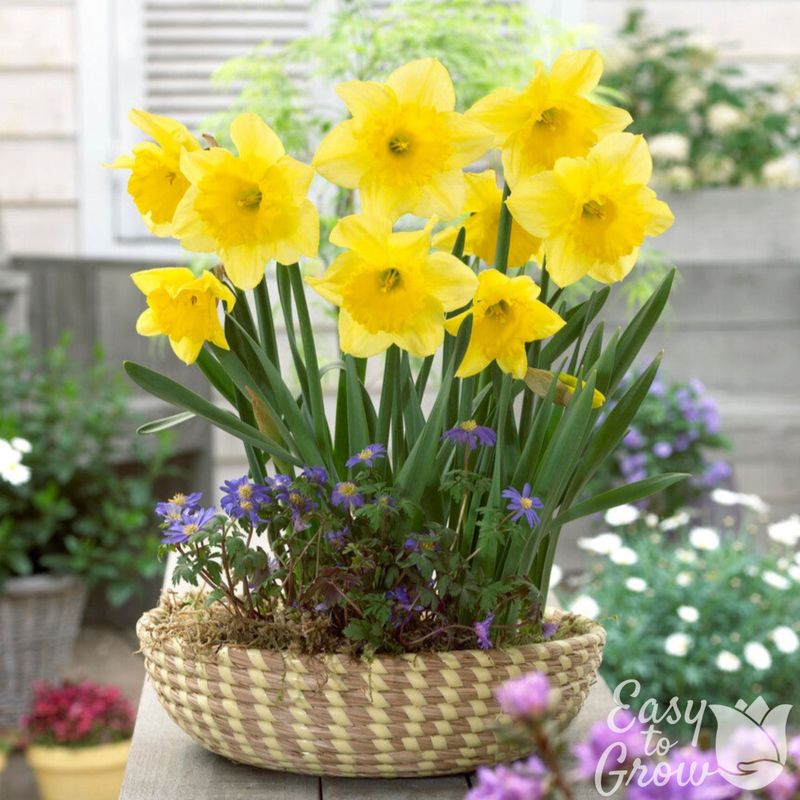
Tucking plain brown bulbs into a pot each fall feels like sending a letter to a future self. Come late winter, green spears poke up, followed by sunny yellow trumpets.
October through November suits bulb planting in most California areas. Bulbs set pointed end up, close together but not touching, create a full, bouquet-style look.
A few inches of potting mix on top and one thorough watering complete the job.
Drainage matters more here than almost anywhere else. Bulbs sitting in wet mix can rot long before spring arrives.
A pot with several holes, fresh fast-draining mix, and a raised position lets rain flow out easily. Watering only when the mix feels dry, which may happen rarely during a wet winter, keeps bulbs firm.
Daffodils suit mild climates well, since many types bloom without a long, hard freeze. Varieties such as Ice Follies and Tête-à-Tête make reliable picks for California gardens.
Safety deserves attention with these flowers. Every part of a daffodil is toxic if eaten, especially the bulb.
Bulbs are best stored out of reach before planting, with pots kept away from curious dogs, cats, and young children. Poison Control at 1-800-222-1222 and the ASPCA Animal Poison Control Center at 888-426-4435, where a fee may apply, can help after any ingestion.
On the bright side, gophers and squirrels tend to leave daffodils alone. After blooming, leaves left to yellow naturally help the bulb store energy for next year.
8. Calendula Keeps Blooming Through Winter
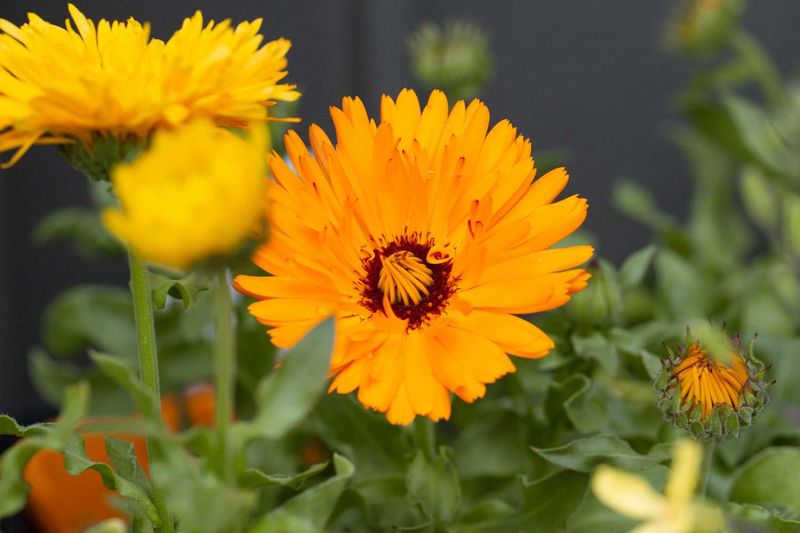
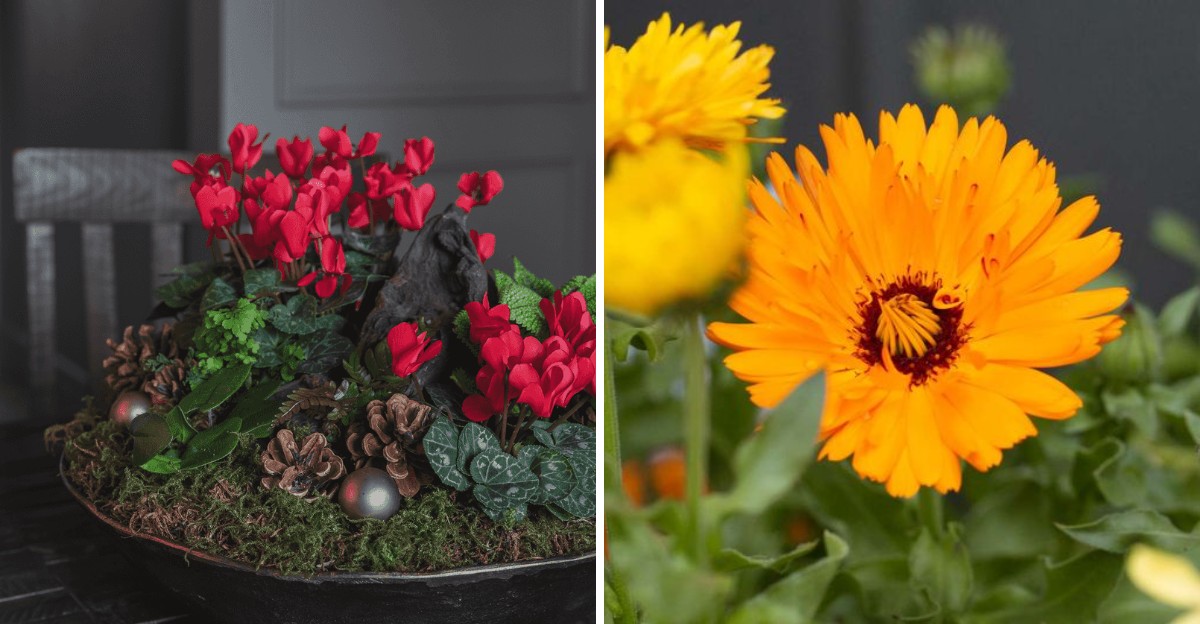
Few flowers handle container life during a soggy winter with more cheer than this one. Its orange and gold blooms glow like little suns on the dreariest days, and its common nickname, pot marigold, fits perfectly.
Seeds or transplants set out in fall grow quickly in cool weather. In mild California areas, calendula often blooms from winter well into spring.
Full sun keeps plants compact and loaded with flowers. The petals are edible, so a few can brighten a winter salad or soup.
Regular trimming keeps the show going. Powdery mildew, a white, dusty coating on leaves, sometimes appears in damp weather, and good airflow plus watering at the base helps prevent it.
Calendula also serves as a handy reminder for every winter pot on this list. Drainage holes deserve a check after big storms, with any clogs cleared.
Containers lifted on feet or bricks, with standing water dumped from saucers, stay healthier. Watering cut way back during rainy weeks, and tested with a finger before adding more, prevents soggy roots.
Fire-prone areas call for one more step. Approved Zone 0 rules limit plants and combustible materials within the first five feet around homes in designated fire hazard areas.
CAL FIRE guidance deserves a look before grouping pots against walls or decks. Keeping that strip lean protects the home while containers stay beautiful just beyond it.