What It Means When Raccoons Start Digging In Your California Yard
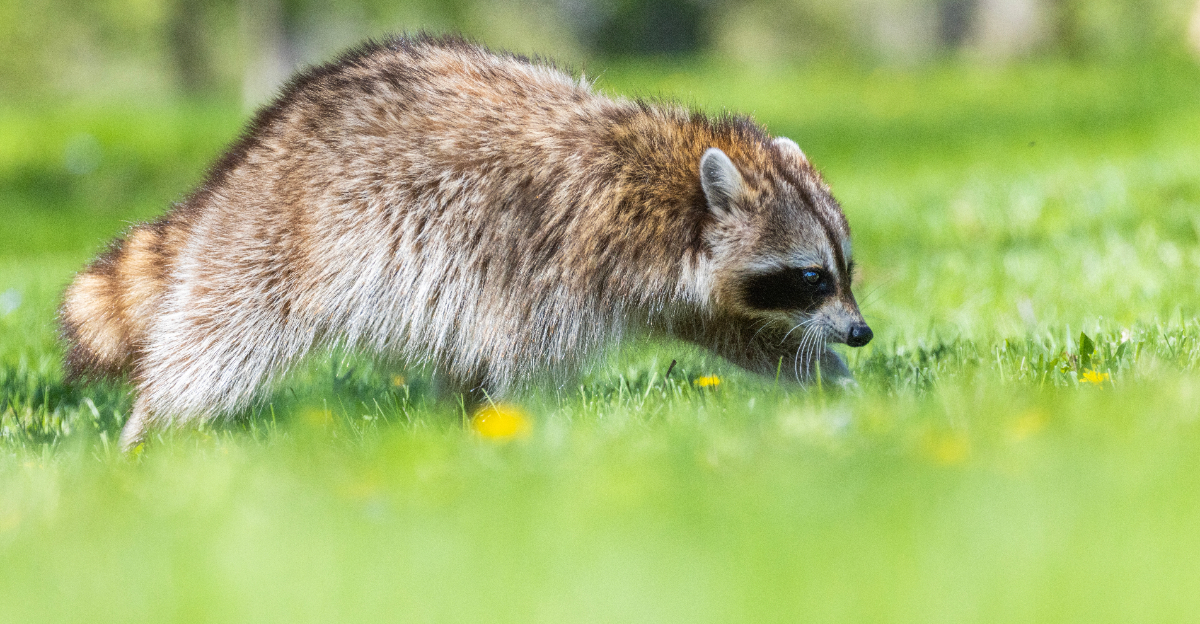
Fresh holes appearing across a California lawn can make the yard look like someone hosted a tiny midnight excavation crew. If the damage shows up overnight, raccoons may quickly become one of the first suspects.
Their visits are often easy to miss in real time. By morning, all that remains might be disturbed soil, flipped mulch, torn patches of grass, or a few mysterious divots that definitely were not there yesterday.
That kind of activity can feel random, but wildlife rarely spends energy digging without a reason.
Something about the yard has caught a raccoon’s attention, and the pattern of damage may offer useful clues about what is drawing it in.
Repeated digging can also change how you think about the space around your home. A lawn that looks ordinary during the day may become far more interesting once the neighborhood goes quiet.
Those scattered holes are more than an annoying cleanup job. They can reveal what raccoons are finding attractive about your yard and why they may keep returning after dark.
1. They May Be Hunting For Grubs Beneath The Lawn
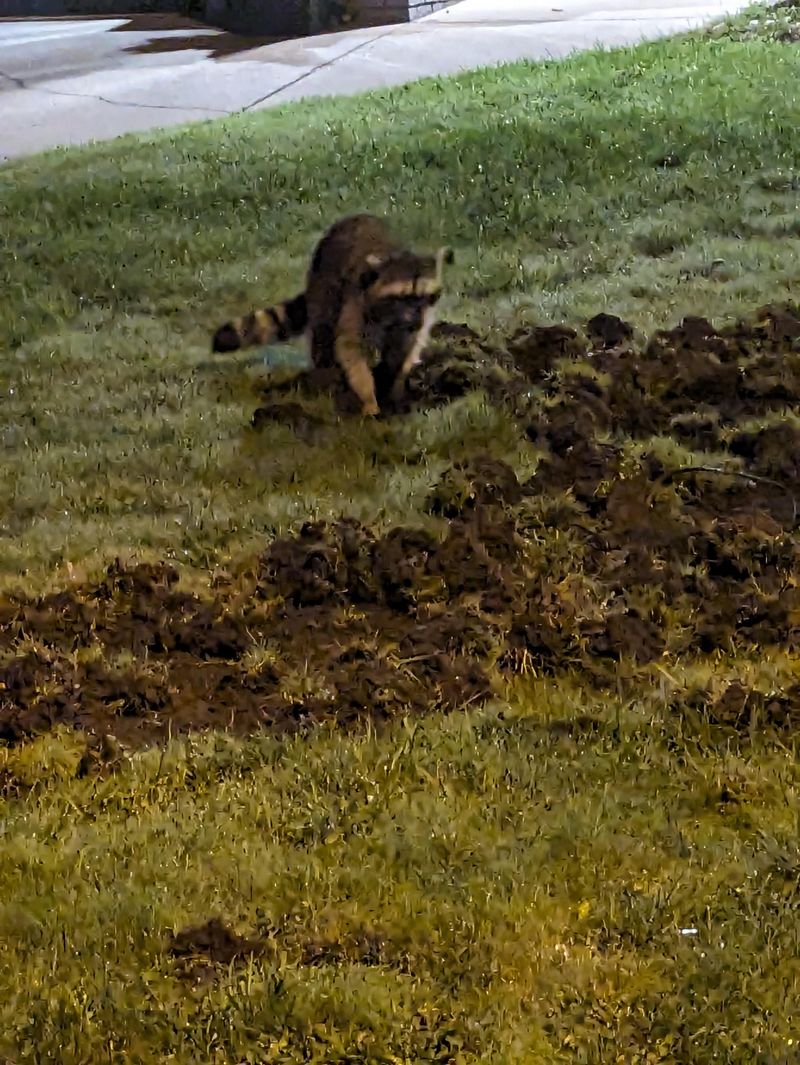
Few things are more frustrating than waking up to a yard that looks like something tore through it overnight. Raccoons have incredibly sensitive front paws that can feel movement underground.
When grubs are active near the surface, raccoons can actually sense them before they start digging.
Grubs are the larvae of beetles like Japanese beetles and June bugs. They live just beneath the surface of the soil, feeding on grass roots. A healthy lawn with a grub problem is basically a buffet for a hungry raccoon.
The digging pattern usually looks like small, shallow patches of overturned turf. You might notice the grass is peeled back in sections, almost like someone lifted a piece of carpet.
That is a strong sign that grubs are the target. Raccoons are not being destructive for no reason. They are simply following their natural instinct to find high-protein food.
Grubs are rich in nutrients, making them a top choice for a foraging animal. If you suspect grubs are the cause, you can apply a grub control product to your lawn. Reducing the grub population takes away the food source that is drawing the raccoon in.
Treating the lawn in late summer or early fall tends to be most effective, since that is when grubs are closest to the surface and easiest to target.
2. Freshly Watered Soil Makes Digging Much Easier
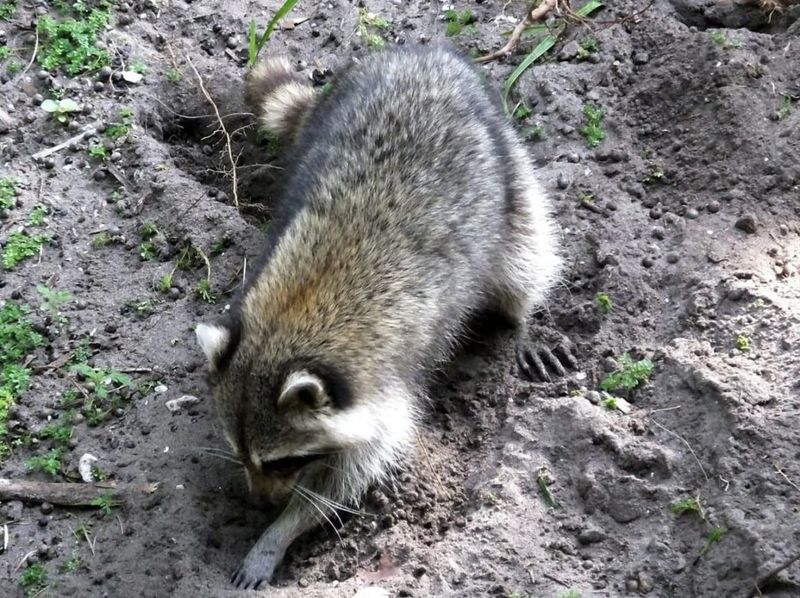
Raccoons are opportunists, and they always take the path of least resistance. Soft, moist soil is far easier to dig through than hard, dry ground.
If you water your lawn or garden beds in the evening, you may be making it much easier for raccoons to forage overnight.
When soil is dry and compact, digging takes more effort. Raccoons tend to avoid areas where the ground is too tough to break through quickly.
But after a good watering, the soil loosens up, and insects like earthworms move closer to the surface to breathe.
Your California Garden Changes Every Week. Your Plan Should Too.
Gardening in California changes quickly throughout the season. Every Friday you’ll receive a simple weekly plan showing exactly what to plant, prune, fertilize, harvest, and protect so you never miss the right timing.
This is a double problem. Not only does wet soil make digging easier, but it also brings more food sources up where raccoons can reach them.
That combination makes a freshly watered yard especially appealing to a foraging animal.
One simple adjustment is to change your watering schedule. Try watering in the early morning instead of the evening.
By nightfall, the soil will have had time to firm up again, making it less attractive to raccoons searching for an easy meal.
Drip irrigation systems can also help by delivering water directly to plant roots rather than soaking the entire surface. Less surface moisture means firmer soil at night.
Small changes like these can make a noticeable difference in how often raccoons choose your yard over a neighbor’s.
3. Small Torn-Up Patches Often Point To Overnight Feeding
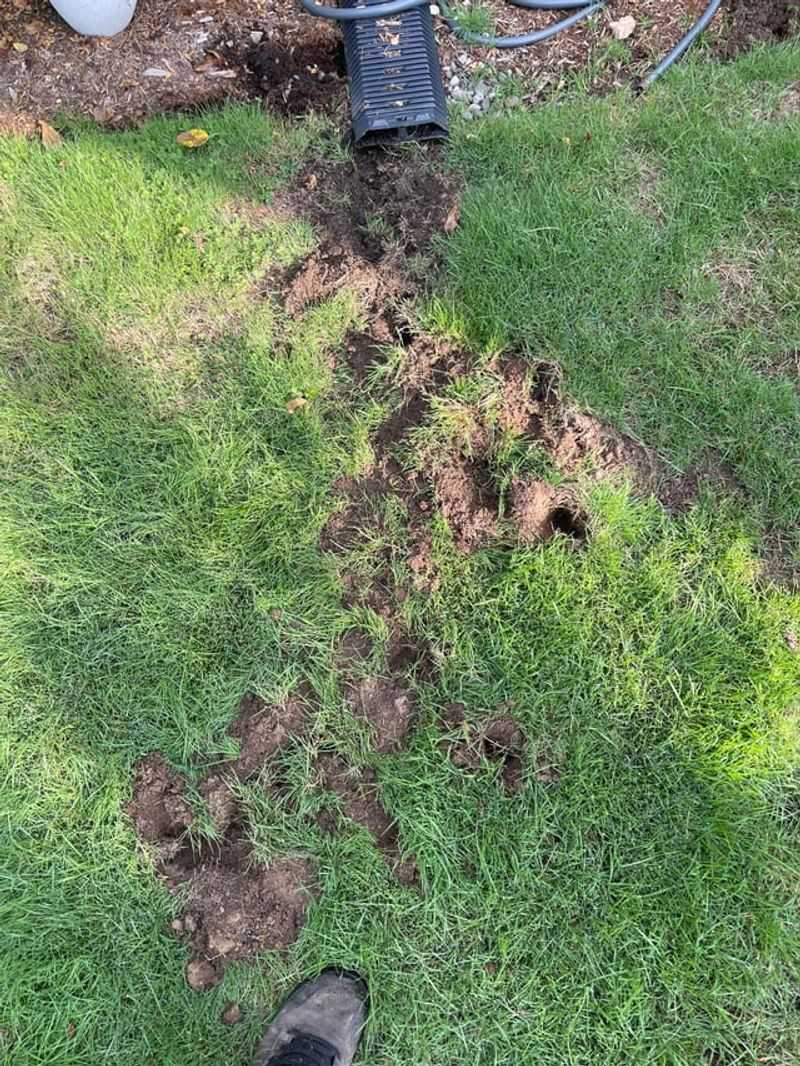
Not all yard damage looks the same, and the size and shape of the torn areas can tell you a lot.
Small, scattered patches of overturned grass are one of the clearest signs that a raccoon was feeding in your yard during the night.
Unlike larger animals that might dig deep holes, raccoons tend to make shallow, irregular patches.
These patches usually appear in clusters because raccoons move across the lawn while foraging. They sniff, dig a little, eat what they find, then move a few feet and do it again.
The result is a trail of small disturbances that can stretch across a large portion of your lawn.
You might also notice small cone-shaped holes where the raccoon pushed its paw into the soil to pull something out. Those are feeding marks left by a skilled forager working quickly in the dark.
Morning is the best time to inspect the damage because the evidence is fresh and easier to read. Look for patterns in where the digging occurred.
Raccoons often focus on areas with thicker, lusher grass because those spots tend to have more insect activity underneath.
Keeping a simple record of where and when the damage appears can help you spot patterns. Once you know which areas are being targeted most, you can focus your prevention efforts there for better results.
4. Worms And Beetle Larvae Can Keep Them Coming Back
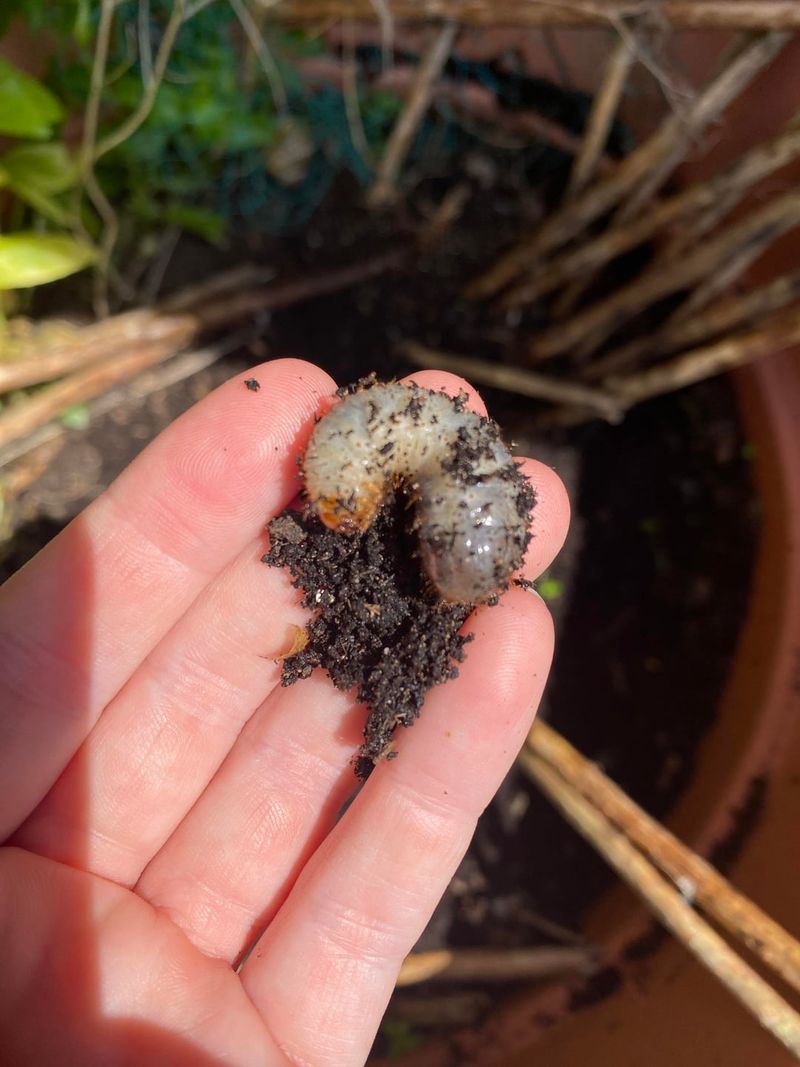
Earthworms and beetle larvae are two of the most common reasons a raccoon keeps returning to the same yard. Both are high in protein and easy to find in soft, healthy soil.
Once a raccoon discovers that your yard is full of them, it will treat your lawn like a regular stop on its nightly route.
Earthworms tend to gather near the surface after rain or heavy watering. They are easy to grab and require almost no digging.
Raccoons can sniff them out quickly, making a worm-rich yard a very efficient feeding spot for a hungry animal moving through the neighborhood at night.
Beetle larvae, on the other hand, take a bit more effort to reach. They live a few inches below the surface and are often found near grass roots.
But the payoff is worth it for the raccoon, since grubs are packed with nutrients and can be found in large numbers in a small area.
If your California yard has both worms and grubs, you are dealing with a double attraction. Addressing both issues at once gives you the best chance of discouraging repeat visits.
Improving lawn drainage can help reduce worm activity near the surface. Treating for grubs at the right time of year handles the beetle larva problem.
Combining both approaches makes your yard significantly less rewarding for a raccoon that is comparing options in your neighborhood.
5. Garden Beds Can Be Easier To Search Than Hard Dry Ground
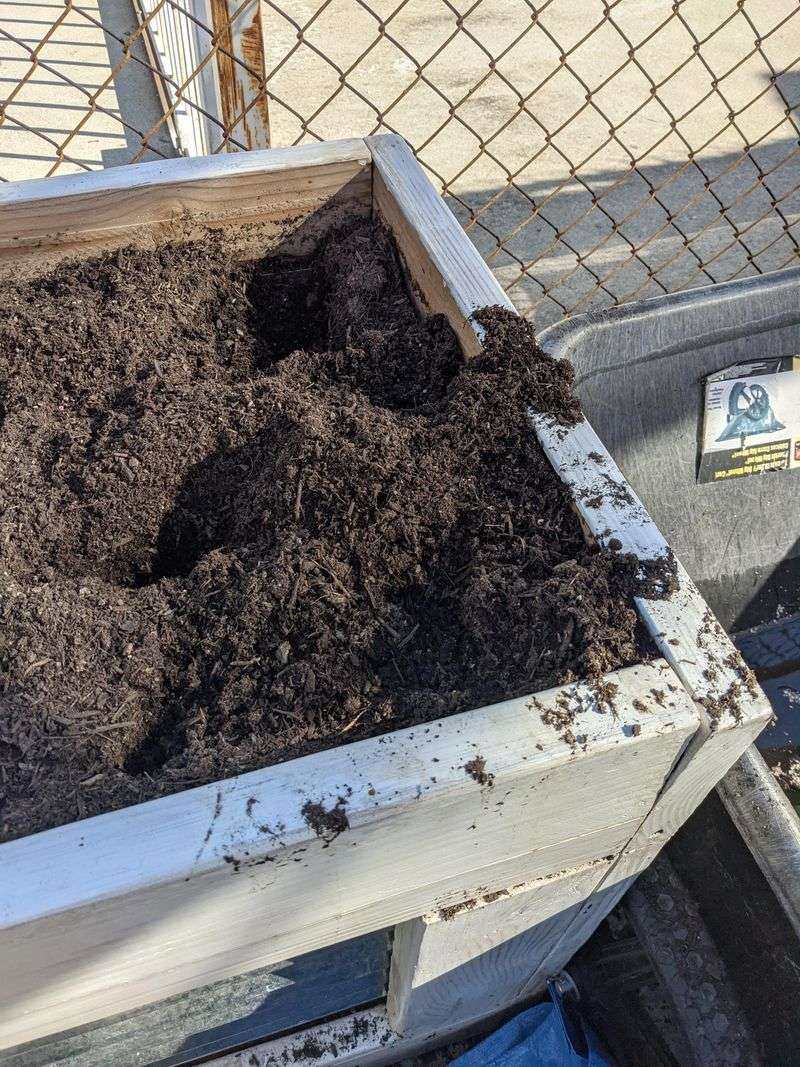
Garden beds are prime targets for raccoons, and it is not hard to understand why. The soil in a garden bed is usually loose, well-aerated, and full of organic matter.
That combination creates ideal conditions for insects, worms, and grubs to thrive, which means raccoons have plenty of reason to investigate.
Compared to a hard, dry patch of compacted ground, a garden bed is easy to dig through. Raccoons can work through soft garden soil quickly and quietly, covering a lot of ground in a single night.
The softer the soil, the faster they can search it for food. Mulched beds are especially attractive. Mulch holds moisture, keeps the soil loose, and creates a warm environment where insects like to gather.
A thick layer of mulch is basically an open invitation for a foraging raccoon to start poking around.
You can protect garden beds with physical barriers like wire mesh laid flat across the surface.
Hardware cloth works well because it is sturdy enough to resist a raccoon’s paws while still allowing water and air to reach the soil. Chicken wire is another option that is easier to cut and shape around plants.
Motion-activated lights or sprinklers placed near garden beds can also deter raccoons from approaching.
Raccoons prefer to work undisturbed, and anything that startles them tends to send them looking elsewhere for an easier meal.
6. Repeated Digging Usually Means The Food Source Is Still There
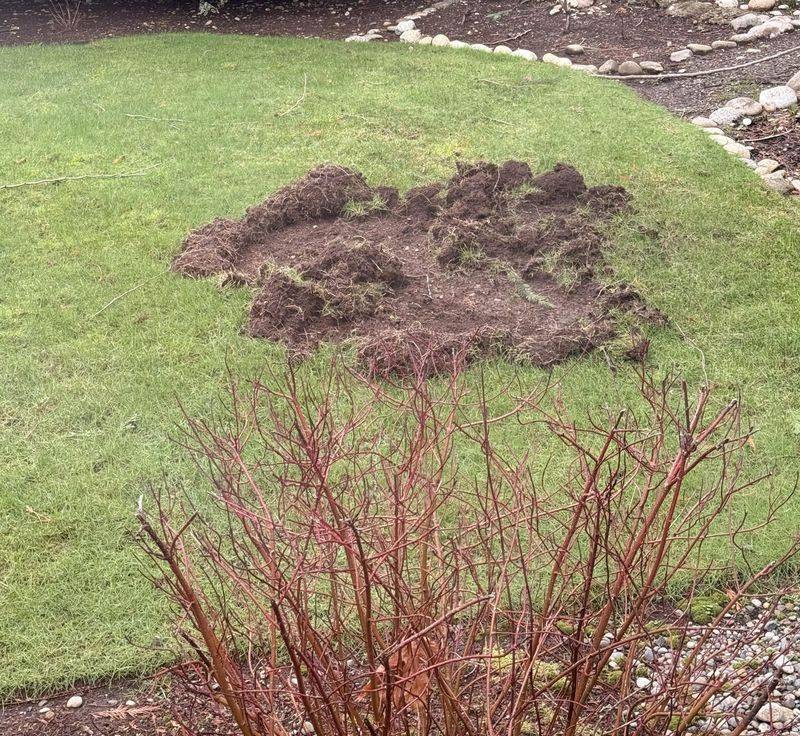
One visit from a raccoon might be random, but repeated digging is a clear message. If your yard is being torn up night after night, it means the raccoon found something worth coming back for.
The food source has not been removed, so the animal keeps returning to collect more. Raccoons have excellent memories. Once they identify a reliable feeding spot, they will revisit it regularly as part of their nightly routine.
They are not being stubborn. They are being smart. From their perspective, your yard is a proven food source that keeps delivering results.
The key to stopping repeated digging is to remove or reduce whatever is attracting the raccoon.
Treating the lawn for grubs, adjusting your watering schedule, and cleaning up fallen fruit are all steps that can make the yard less rewarding over time.
Persistence matters here. Raccoons are creatures of habit, and it may take a few nights of finding nothing before they decide to move on.
Do not expect the visits to stop immediately after you make changes. Give your efforts a week or two to take effect.
You can also use natural deterrents like cayenne pepper sprinkled around the digging areas. Raccoons dislike the scent and will often avoid treated spots.
Reapplying after rain keeps the deterrent effective and gives you an extra layer of protection while the food source is being addressed.
7. Pet Food And Fallen Fruit Can Make The Yard Even More Attractive
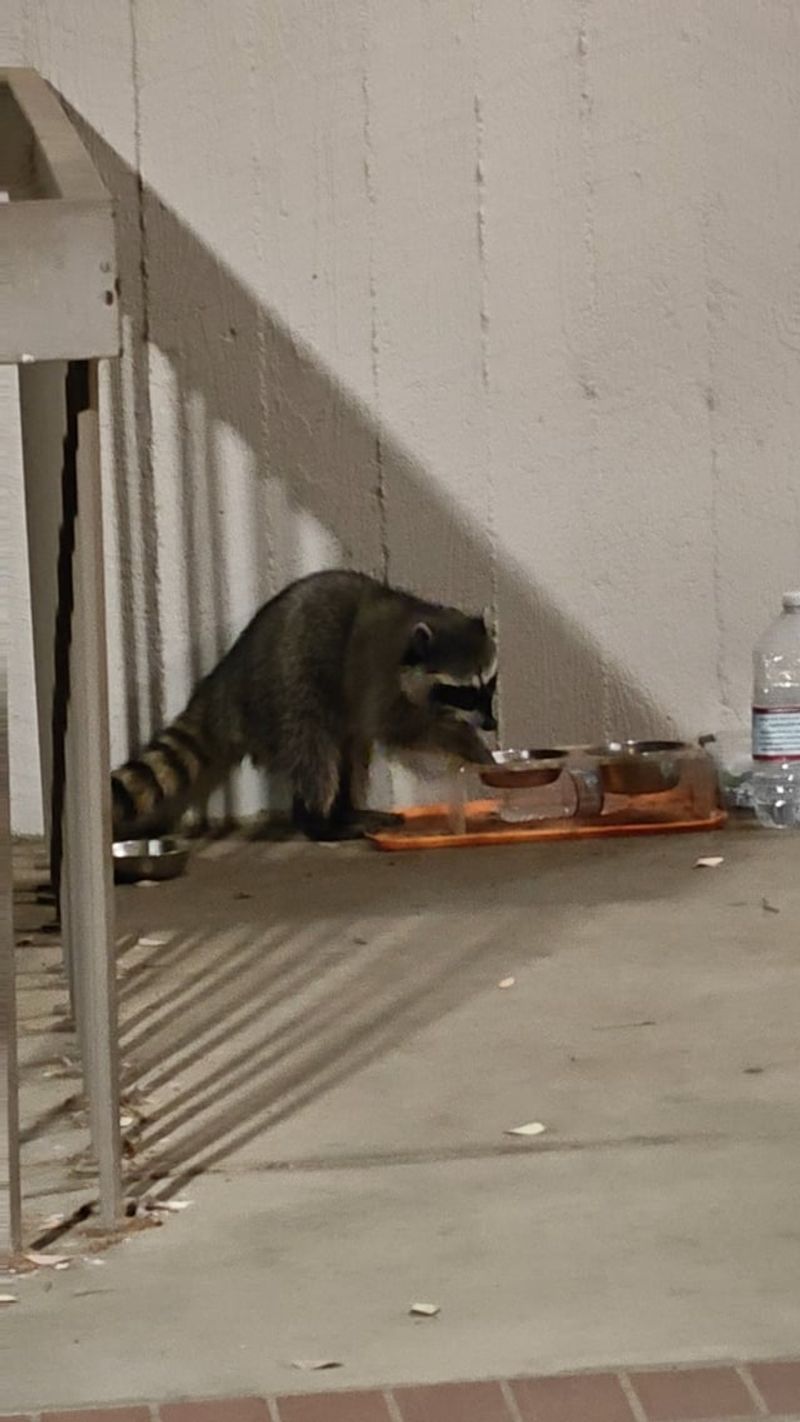
Sometimes the digging is not just about what is underground. Raccoons are attracted to any easy food source, and pet food left outside or fallen fruit on the ground can draw them into your yard in the first place.
Once they are in, they often start exploring other food options, including what might be hiding beneath your lawn.
A bowl of dog or cat food left on the porch overnight is one of the most common reasons raccoons start visiting a yard regularly. Raccoons are not picky eaters.
They will happily finish off whatever your pet left behind and then stick around to see what else is available.
Fruit trees are another big draw. Apples, peaches, figs, and citrus fruits that fall to the ground create an easy meal that raccoons can find by scent from a surprising distance.
Once they are eating fallen fruit regularly, they begin treating the yard as part of their territory.
Bringing pet food inside before dark is one of the easiest and most effective steps you can take. Picking up fallen fruit every day or two removes another major attraction.
These simple habits can significantly reduce the number of raccoon visits without requiring any special equipment or products.
Keeping your California yard clean and free of accessible food sends a clear signal that there is nothing easy to find here, which encourages raccoons to look elsewhere.
8. Raccoons Often Follow The Same Feeding Route Night After Night
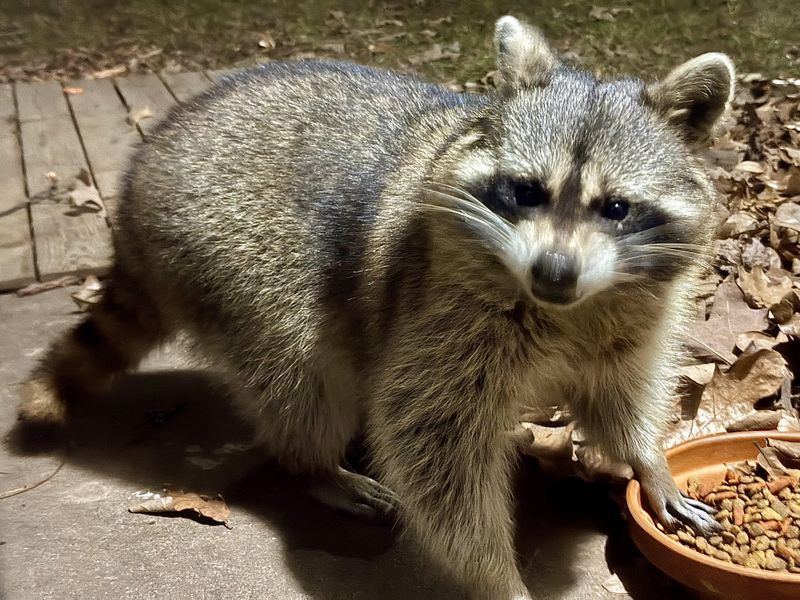
Raccoons are more organized than most people realize. They do not wander randomly through a neighborhood.
Instead, they follow established routes that take them to reliable food sources in a predictable order. If your yard has been visited more than once, there is a good chance it has become a regular stop on a raccoon’s nightly circuit.
These routes can cover a surprisingly large area. A single raccoon may travel a mile or more each night, stopping at several different yards along the way.
Each stop is chosen because it has offered food before, and the raccoon remembers exactly where to look.
Knowing this helps explain why the damage in your yard often appears in the same spots night after night. The raccoon is not exploring randomly.
It is following a mental map built from previous successful visits. One effective strategy is to disrupt the route by making your yard consistently unrewarding.
If a raccoon arrives several nights in a row and finds nothing to eat, it will eventually drop your yard from its regular circuit.
The goal is to make your yard the least interesting stop on the route. Neighbors can also help. Raccoons in California and across the country tend to move through connected properties.
Coordinating with nearby households to remove food sources and use deterrents at the same time can make an entire stretch of the route unprofitable, pushing the raccoon to search elsewhere for easier pickings.