The Cheap Pantry Trick That Helps Keep Ants Off Your Patio Table
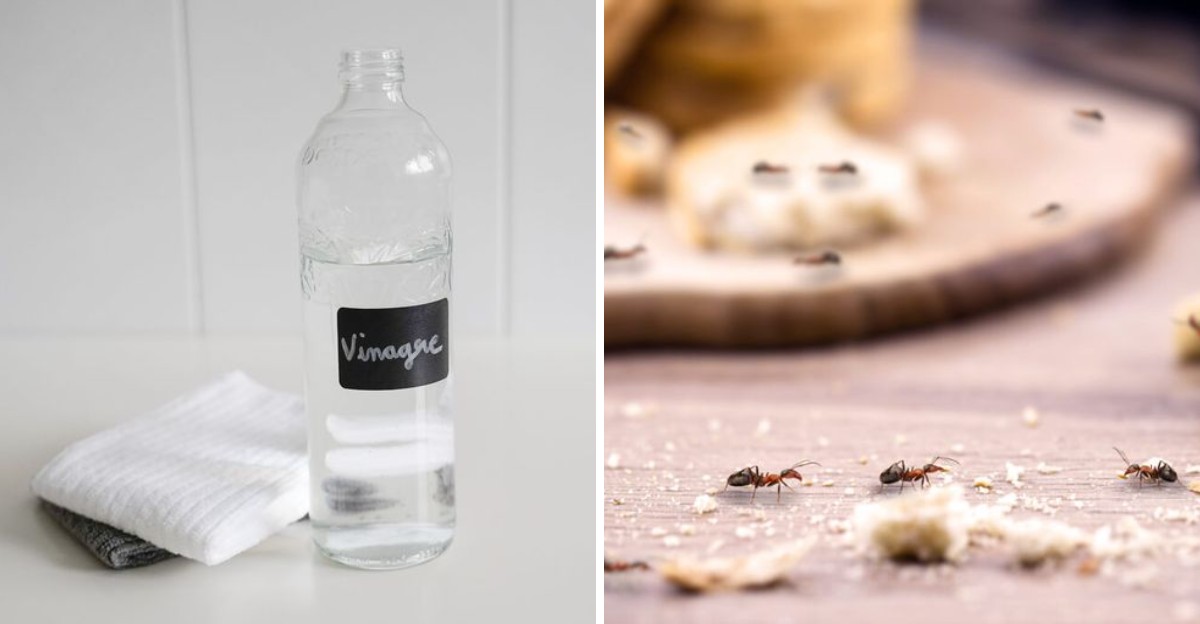
You set down warm apple slices, and ants arrive like they hold invitations. Within minutes, a single scout lays a chemical trail your nose cannot detect.
Reinforcements follow that invisible route, and your plate becomes their destination. Store-bought sprays can cost more and leave a noticeable odor near your cider.
Grab the bottle of white vinegar sitting behind your peanut butter. Spend a few dollars, and you own a jug that handles many tables.
Mix it with water, spritz your patio table, and watch the parade stall. Acetic acid can disrupt the pheromone trails your uninvited guests rely on.
Confused scouts wander in circles, and you reclaim your seat. Sharp aroma fades within an hour, so your cider keeps its spotlight.
Cleaning up gets easier too, since you wipe, let it dry, and move on. Your bouncer smells sour, works fast, and discourages crashers.
A Simple Vinegar Spray Recipe
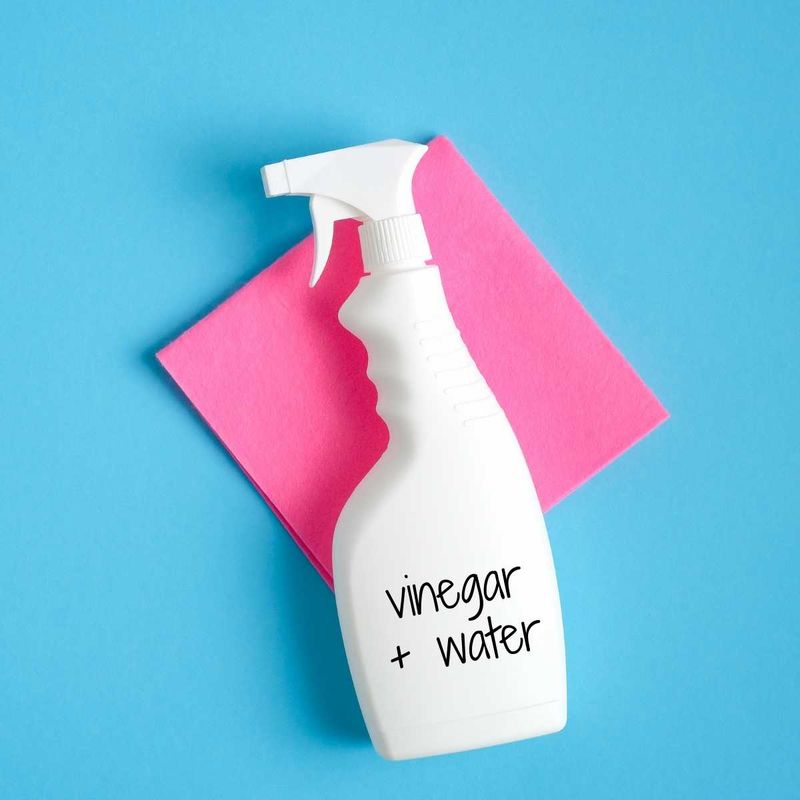
A classic trick sits in many pantries, right next to the pickling jars. Plain white vinegar mixed with water can wipe down a porch table before lunch.
You can use this simple method for just a few pennies a day. Pour equal parts white vinegar and tap water into a clean spray bottle, then shake it gently.
Spray the whole tabletop, the edges, and each table leg from top to bottom. Wipe it with a soft cloth, or let it air dry in the breeze.
The sharp sour smell helps disrupt the invisible paths that tiny insects follow. Without those paths, the scouts get confused and wander off to search somewhere else instead.
A gallon jug is usually inexpensive at grocery stores, though prices vary by store and country. That single jug can easily last you through a whole season of backyard patio dinners.
Glass and plastic tables usually handle the vinegar mix well. Some metals and finishes may react to it, so test a small hidden spot first.
The smell fades within an hour, so your food will not taste like a salad dressing. Your nose may notice it, and some guests might too.
Keep the bottle near the back door so grabbing it becomes a habit. Your thrifty, clever patio upgrade will pay off at mealtime.
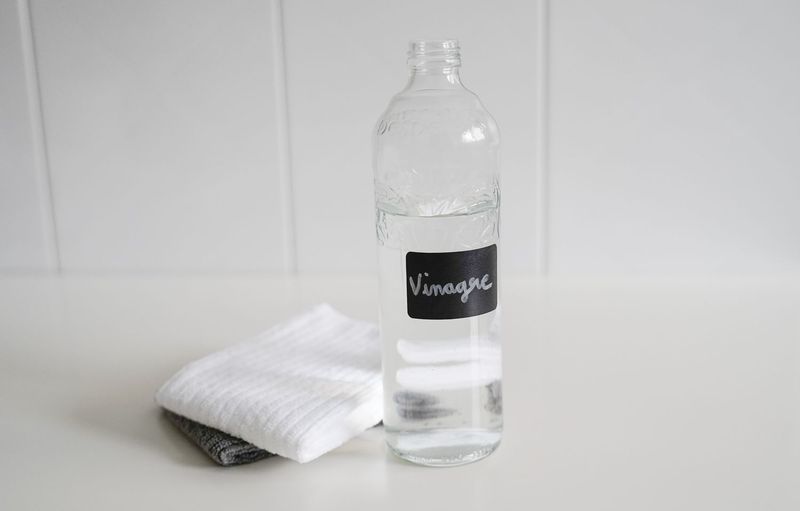
Label the bottle clearly with a marker so nobody mistakes it for window cleaner. A quick label saves confusion when friends offer to help tidy up. Never mix vinegar with bleach, since the combination releases toxic fumes.
The Scent Trails That Bring Scouts To Your Table
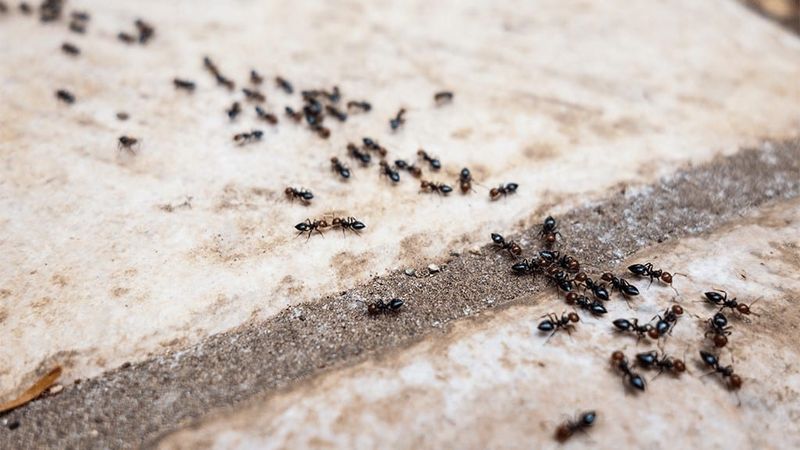
Picture a tiny explorer leaving a trail of invisible breadcrumbs behind it. Ant scouts do something similar, using chemical signals called pheromones to mark the way home.
When a scout finds a cookie crumb or juice drop, it races back to the nest. Along the way, it lays down a scent path for its sisters to follow.
Soon, dozens of workers march up your table legs in a neat little line. The more tasty food they find there, the stronger and busier that trail becomes.
Patio tables are common targets because people snack there and spill things. Sticky lemonade rings and melted ice cream leave sugar that scouts can sense quickly.
White vinegar likely helps because its strong scent masks those signals, and wiping removes the residue. To an ant, the trail suddenly goes silent, like a road sign wiped clean.
Vinegar is not a poison, though direct contact can harm very small ants. It mainly disrupts their trail and makes your table smell sour and unwelcoming to them.
Scientists have studied pheromone trails for decades, and some trails can linger for hours or longer. That is a remarkable ability to follow scent for such a tiny creature.
Once you understand the trail, the vinegar trick starts to make perfect sense. You are not targeting the insects, just disrupting their directions.
A freshly wiped table becomes a confusing puzzle that tiny scouts may struggle to solve. Many scouts may move on to other food sources instead.
October Visits From Hungry Ant Scouts
Leaves are crunching underfoot, and pumpkins sit on every porch step. You might think insects pack up for winter by now, but many colonies get extra busy.
In many regions, October is a busy time for ant colonies preparing for cold weather. Workers hunt hard for sugar and protein to stock up before the ground chills.
Your cozy fall treats make the backyard patio look like an open buffet. Caramel apples, pie crumbs, and spilled cider are very attractive to a hungry scout.
Warm afternoons followed by chilly nights may also draw insects toward sunny surfaces. A patio table soaking up afternoon light can feel like a heated hangout spot.
That makes this month a smart time to start the vinegar routine. Spray your table in the late morning, before lunch and snack time.
A second wipe in the early evening helps if you eat dinner outside. Cooler air slows evaporation, so the scent may linger a bit longer.
Rainy October days can wash away your hard work in just one heavy shower. After a storm, give the table and legs a fresh spray once everything dries.
Once frost arrives, most colonies settle deep underground and slow down for the season. Until then, your spray bottle deserves a front-row seat by the door.
Think of it as part of your autumn chores, like raking leaves. It takes less time than carving a jack-o-lantern, and it makes far less mess.
Your warm mug of cocoa will stay crumb-free and crawler-free. That alone is worth a quick spray.
The Mistake Of Spraying Only The Tabletop
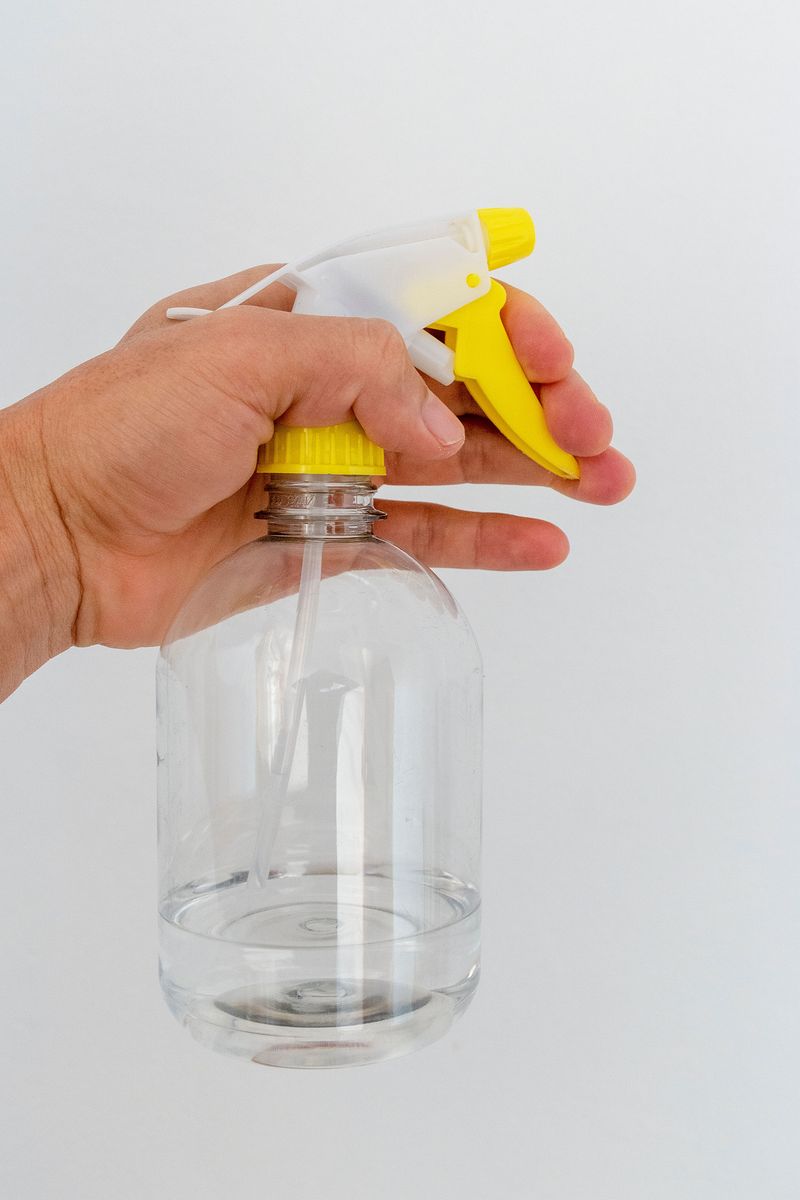
Lots of people confess the same frustrating story after trying this trick for the first time. They sprayed the tabletop, wiped it shiny, and still found a line of marchers an hour later.
The problem usually is not the vinegar itself, so do not toss that bottle yet. The real culprit is where the spray landed, and where it did not.
Insects do not teleport onto your table. They climb up from the ground, using legs, umbrella poles, and even chair backs touching the edge.
If you skip those climbing routes, the old trail stays strong. The scouts simply follow the leftover scent upward and find a fresh crumb anyway.
Spray every table leg from the floor up, and do not forget the feet. Hit the umbrella pole, the umbrella hole, and the underside edge of the table.
Another sneaky mistake is wiping too fast with a dirty rag. An old sponge can smear sugar around instead of removing it.
Clean off sticky spots with soapy water first, then follow with the vinegar spray. Soap removes the food, and vinegar helps disrupt the scent trail.
Chairs pushed against the table act like little bridges for climbing visitors. Slide them back a few inches, or give the chair legs a quick spray too.
Think like a tiny hiker searching for any path to the top. Once every path smells sour, the climb loses its appeal.
Fixing these slipups takes maybe two extra minutes. The payoff is a table that stays clearer for longer.
A Cleaner Table And A Calmer Patio Meal
Imagine setting down a plate of warm cinnamon donuts and actually enjoying every bite. No swatting, no flicking, and no surprise crawlers on your napkin.
That calm, quiet meal is the real reward of the vinegar trick. Many people notice fewer visitors within a few days of regular spraying.
The first day might still bring a few lost scouts wandering around. They are searching for a trail that no longer exists, so give it time.
By the end of the week, the steady parade may thin out noticeably. Foragers stop finding food on your table, so fewer of them make the climb.
Your patio table also ends up cleaner and shinier as a bonus. Vinegar cuts through grime, bird droppings, and greasy fingerprints on glass tabletops.
Families with kids and pets often like this method because it skips harsh chemicals. Little hands can touch the surface once it dries, though keep it away from eyes and mouths.
Keep your expectations realistic, though, because this is a shield and not a cure. Vinegar repels visitors from one spot, but it will not clear out a whole nest under your lawn.
If you spot huge numbers near your house foundation, a pest expert may be worth a call. For the patio table itself, the sour spray handles the job nicely.
Sit back, sip something warm, and enjoy the crisp fall view. Your table is yours to enjoy again.
Friends may even ask about your secret when they notice the quiet table. Feel free to brag a little about your cheap pantry hero.
A Steady Routine To Keep The Line Broken
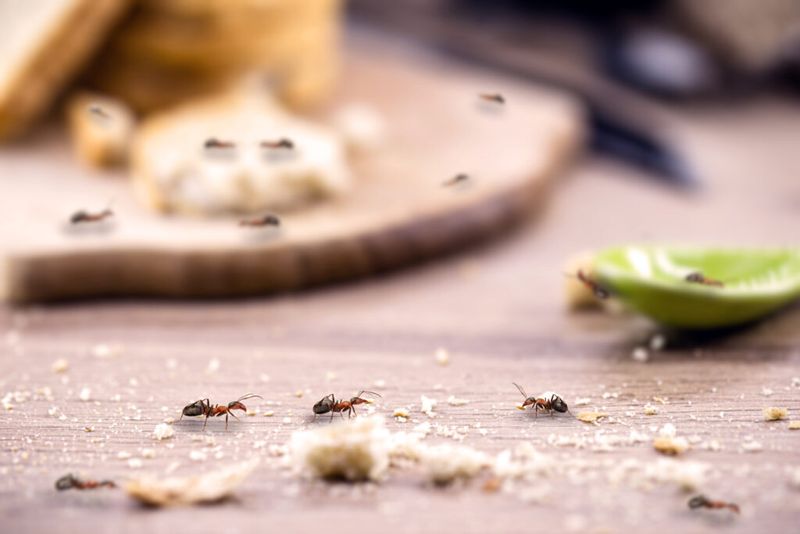
Consistency beats strength when it comes to keeping insects away from your outdoor table. One spray helps, but a steady routine keeps that scent trail disrupted.
Try spraying the table, legs, and umbrella pole every two or three days. Add an extra round after rainstorms or big backyard gatherings.
Mix a fresh batch every week or two to keep it clean. Skip essential oils if you have cats or dogs, since peppermint and some citrus oils can be toxic to pets.
Crumbs are the bait that starts the whole cycle again. Shake out placemats and wipe spills right away, especially sweet drinks like cider.
Look around the patio for other hidden snack stations that attract hungry scouts too. Pet food bowls, birdseed, and trash cans can pull scouts close to your table.
Move those items a few feet away, or wipe their bases with vinegar as well. A tidy patio gives scouts fewer reasons to stop by at all.
Trim plants and branches that touch the table or umbrella. Leaves can act like little bridges, letting crawlers sneak past your sprayed table legs.
Before storing furniture for winter, give everything one final vinegar wipe. Clean surfaces in storage mean fewer surprise guests when warm weather returns next spring.
A spray bottle, a cloth, and a few minutes every couple of days make a solid defense. Not bad for a pantry staple that usually ends up in salad dressing.
Write a quick reminder on your calendar so the habit sticks. Pair it with watering plants, and the routine will feel like second nature.