Why California Wildflower Seeds Fail To Sprout (And What Fixes It)
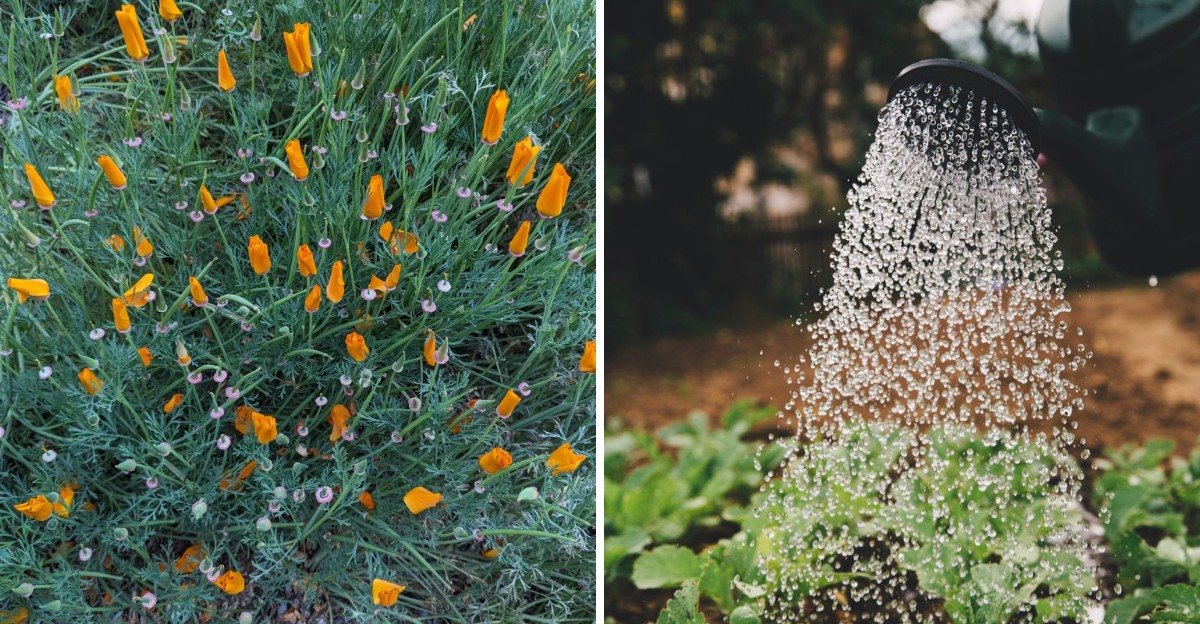
Few garden moments feel as hopeful as scattering a handful of tiny seeds across open ground. Weeks later, though, that hope sometimes gives way to a puzzling stretch of bare soil.
California’s native flowers are far from fussy. They simply follow a rhythm of their own, shaped by thousands of years of local weather.
A small misstep with that rhythm can leave an entire packet sitting quietly in place.
Other challenges show up from unexpected directions, some above ground and some right at soil level.
The encouraging part is that each one has a straightforward answer, and none call for special equipment.
With the right timing, a patch of plain dirt can become next spring’s most colorful conversation piece.
1. Sowing Too Late Misses The Rain
Golden hills in May tell an important story. The grass has turned brown, the ground has hardened, and rain won’t return until fall, so seeds scattered then land in a desert rather than a nursery.
California has a Mediterranean climate. Winters bring cool, wet weather, while summers stay long and dry.
Native annuals such as California poppy, baby blue eyes, and tidy tips evolved around that pattern. Their seeds sprout once fall and winter rains soak the soil and temperatures cool.
Young plants then spend months building roots before their spring bloom. That slow winter start gives them the strength to flower well.
Spring sowing flips the schedule. Seeds may sprout after a late shower, but warm days arrive fast, and shallow roots can’t keep up as the soil dries.
Many seeds fail to sprout at all, since the cool, damp trigger they wait for has already passed.
UC ANR and the California Native Plant Society both point gardeners toward fall. The best window usually runs from about October through December, just before or alongside the first good rains.
Sowing right before a forecast storm works beautifully, since nature handles the first watering. That makes this month an ideal moment to begin.
Seed left over after the window closes keeps well in a paper envelope stored somewhere cool and dry. Most native wildflower seed stays usable for a year or more, ready for next fall.
2. Seeds Buried Too Deep Stay Asleep
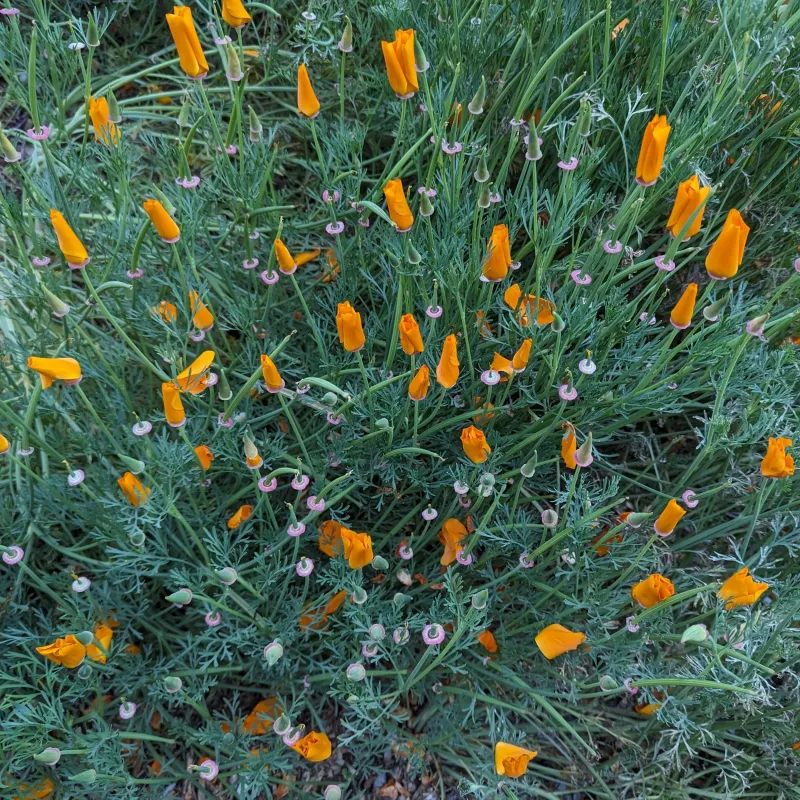
A few poppy or clarkia seeds poured into a palm reveal just how small they are. Many barely exceed a grain of sand in size, and a speck like that under two inches of soil faces a long climb.
Tiny seeds carry only a tiny lunch box of stored energy. Buried deep, a new sprout can run out of fuel before reaching sunlight.
Some small seeds also use light as a signal to start growing. Under too much soil, they stay dormant, waiting for a cue that may not arrive.
A common mistake treats wildflowers like vegetables. Gardeners dig rows, drop in seeds, and cover them the way they would plant beans.
Wildflowers in nature simply fall to the ground and settle in with rain. Copying that natural style works far better.
Your California Garden Changes Every Week. Your Plan Should Too.
Gardening in California changes quickly throughout the season. Every Friday you’ll receive a simple weekly plan showing exactly what to plant, prune, fertilize, harvest, and protect so you never miss the right timing.
For most small native seeds, sowing right on the surface or barely covering them makes the most sense. A light dusting of soil, about as thick as the seed itself, is plenty.
Gentle raking after scattering, followed by a firm press with hands, a board, or feet, settles everything into place. Larger seeds such as lupine can go a little deeper, around a quarter inch.
Clean sand helps with even spreading. Tiny seed mixed with sand shows exactly where it has landed.
That simple blend also prevents dumping an entire packet in one clump. The result is a more even carpet of color by spring.
3. Poor Soil Contact Leaves Seeds Stranded
A thick layer of wood chips looks tidy, yet for a wildflower seed it resembles camping on a pile of marbles. The seed slips into gaps, dries out, and misses real soil entirely.
Hard, crusty ground causes a similar headache. Seeds resting on top struggle to settle in.
Snug contact with soil lets seeds soak up moisture. Water moves from damp soil into the seed, softening it and starting growth.
A seed sitting on mulch, gravel, or packed clay stays dry on the bottom. Even after rain, it may sprout with nowhere for its root to go.
Pulling back mulch from every spot planned for sowing gives seeds the bare soil they prefer. Wildflower beds perform best that way.
Rock-hard ground benefits from loosening just the top inch or so with a rake or hand cultivator. Deep digging isn’t needed and can bring buried weed seeds to the surface.
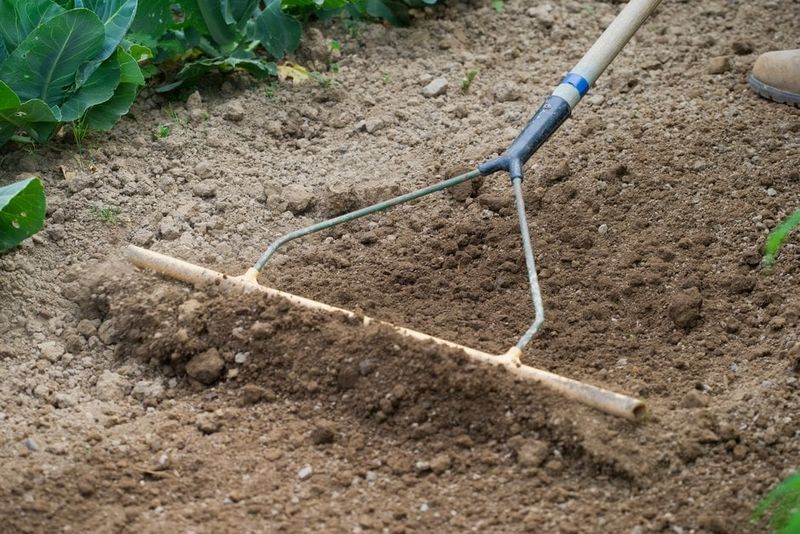
After scattering, a light raking settles seeds into small grooves. A firm press follows, whether from footsteps, a lawn roller, or a flat board.
Some gardeners call this step tucking the seeds into bed. It takes only minutes but makes a real difference.
A gentle sprinkle of water afterward settles everything further. Seeds that hug the soil grab moisture fast and anchor their roots quickly, giving them a much stronger start than those left stranded on top.
4. Weeds And Thatch Block Sprouts
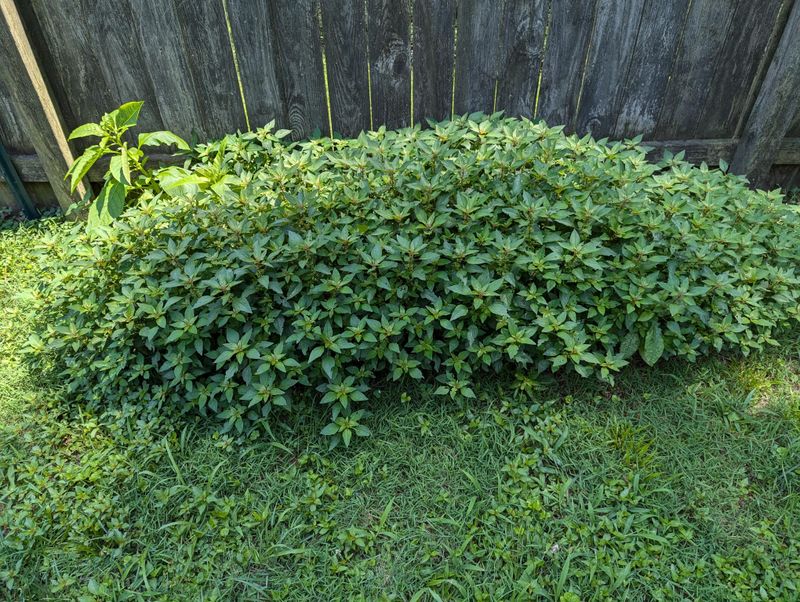
Uninvited guests tend to arrive early in a fresh wildflower bed. Weeds grab the best spots and refuse to leave, and in California many are non-native grasses and mustards that sprout with the same fall rains as wildflowers.
Those weeds grow faster and taller than most native annuals. They hog water, nutrients, and sunlight, shading out tiny wildflower seedlings before they build strength.
Old, brown grass, called thatch, adds another layer of trouble. It forms a mat that keeps seeds from reaching soil and blocks light from reaching sprouts.
A thoroughly cleared site gives wildflowers a fair start. Pulling or hoeing existing weeds and raking away dry grass and debris opens the ground.
Many native plant experts suggest an extra step for weedy ground. Watering the cleared area in early fall coaxes a flush of weeds to sprout, which can then be removed.
Repeating that cycle once or twice depletes the weed seed bank in the top layer of soil. The extra few weeks pay off all season.
Deep tilling afterward is best avoided. Turning soil brings fresh weed seeds to the surface and undoes the effort.
Once wildflowers sprout, regular checks catch intruders early. Poppies show feathery, blue-green leaves, while lupines carry small hand-shaped leaves.
Anything that doesn’t match comes out easily while small, especially after rain softens the soil. Early pulling keeps the wildflowers in charge of the bed.
5. Birds And Ants Carry Seeds Away
Ten minutes after sowing, a flock of sparrows may drop in for brunch. They hop across the freshly raked bed, pecking happily, while a line of ants marches off with seeds like tiny moving trucks.
Seed thieves are a normal part of nature. Finches, towhees, and doves all enjoy a free buffet, and harvester ants gather seeds to store in underground nests.
In the wild, wildflowers make up for these losses by dropping huge numbers of seeds. In a small garden bed, though, the same losses feel much larger.
Seeds pressed firmly into the soil offer the first line of defense. Tucked into shallow grooves, they’re much harder to spot than seeds sitting on top.
A very light layer of soil or fine compost helps, too, as long as it stays thin. Too much cover brings back the depth problem.
Timing matters as well. Sowing just before rain lets seeds absorb water and start growing quickly, which shortens the window for snacking.
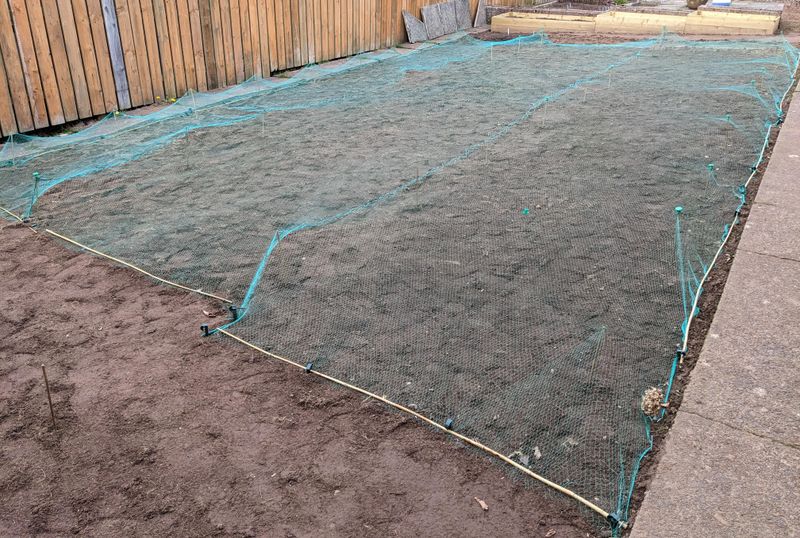
Lightweight row cover fabric or fine-mesh netting secured at the edges keeps hungry beaks out for a few weeks. Once seedlings are up and growing, the cover can come off.
Sowing a bit more seed than seems necessary also helps. Sharing a little with wildlife is part of gardening with natives.
Those same birds later help with insect control around the garden. The extra seed becomes a small investment in future pest patrol.
6. Dry Spells Stop Young Seedlings
Tiny green sprouts bring a wave of excitement. Then the storms pause, the sun returns, and two warm weeks pass without a drop, leaving those hopeful seedlings starting to shrivel.
California winters are known for this pattern. A wet November can give way to a bone-dry December.
Newly sprouted wildflowers have roots only a fraction of an inch long. They sit in the very top layer of soil, which dries out first.
Without moisture, growth stalls, and many seedlings decline quickly. That early stage is when they’re most vulnerable.
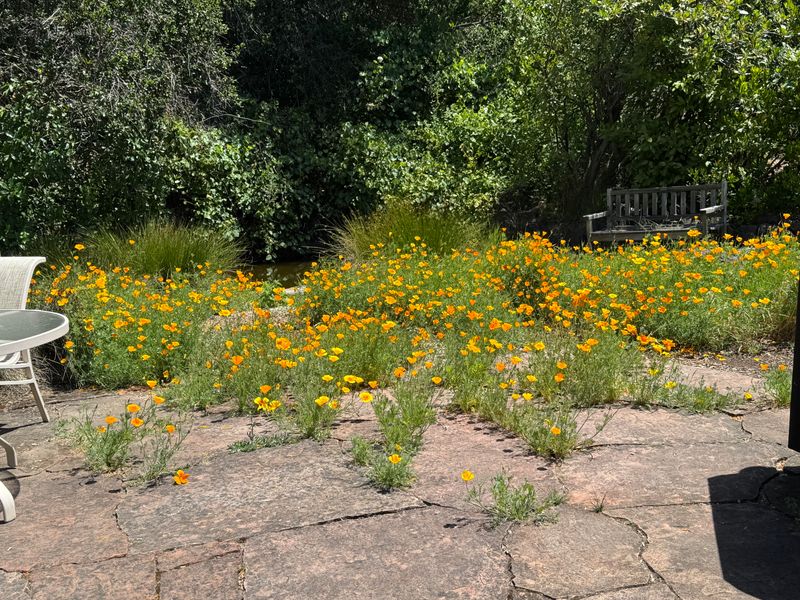
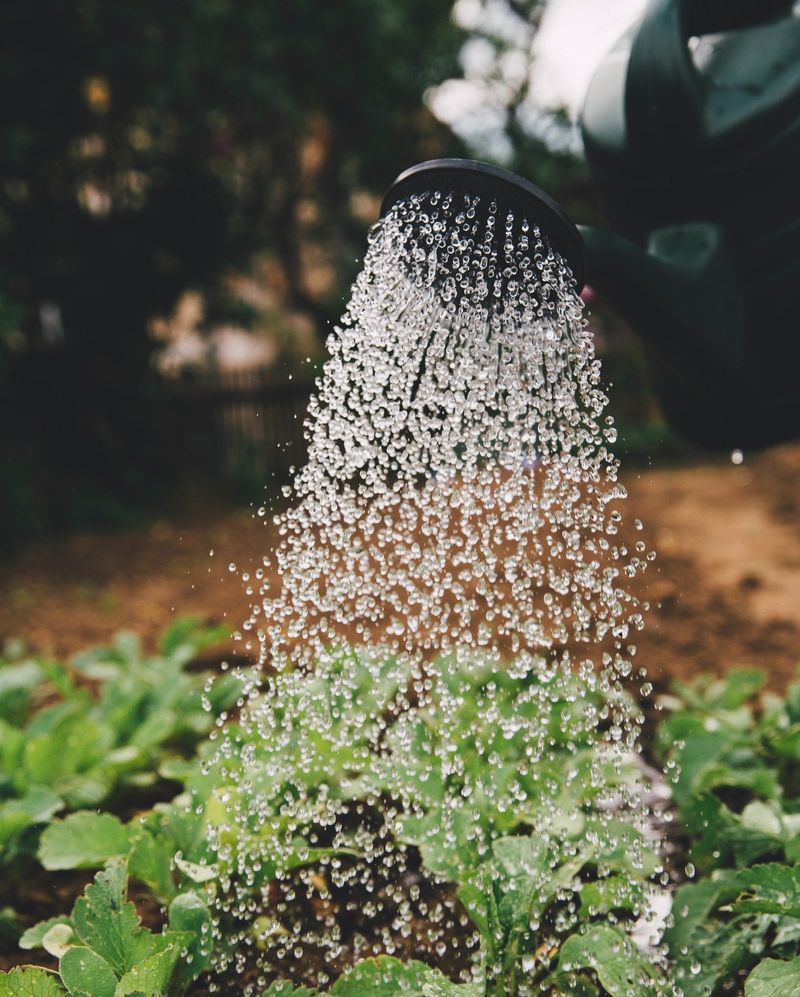
A watering can becomes the hero here. Checking the soil surface every few days during dry stretches helps catch trouble early.
Soil that feels dry about half an inch down calls for a gentle sprinkle. A fine spray or shower setting avoids washing seeds away or knocking seedlings flat. Morning watering lets leaves dry before cool nights.
Steady care continues until rains return reliably or plants look sturdy. Once seedlings have several sets of true leaves and deeper roots, they handle short dry spells much better.
By spring, most native annuals can carry on with natural rainfall alone.
Overwatering is best avoided, too. Soggy soil invites fungus problems and can make seedlings flop over, so the goal is the feel of a wrung-out sponge rather than a mud puddle.
A little steady attention in these first weeks separates a sparse patch from a full, blooming spread.
7. Hard Seed Coats Need Help
Little bank vaults come to mind with a handful of lupine seed. Their shiny, tough shells keep water out, sometimes for years.
In nature, that toughness serves a clever purpose by spreading sprouting across many seasons. In a garden, though, it can mean a disappointing first year.
Many members of the pea family share this hard coat, including lupines and several other native legumes. Water must pass through the shell before the seed can wake up.
In the wild, weather, soil abrasion, and time slowly wear the coat down. A few simple steps speed that process along at home.
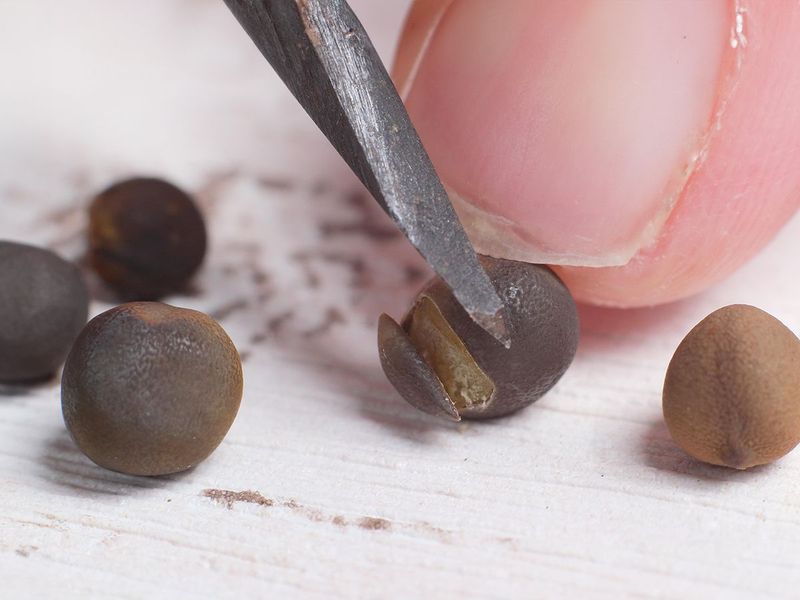
One method, called scarification, simply means scratching the seed coat. Seeds rubbed gently on sandpaper, or nicked with a nail file or small clipper, open up nicely.
The best spot sits opposite the tiny scar where the seed attached to its pod. Only the outer shell needs breaking, with the inside left intact.
Soaking offers another common option. Hot but not boiling water poured over the seeds and left overnight to cool softens many coats.
Seeds that swell are ready to plant right away. Any that stay small can be nicked and soaked again.
Treated seeds belong in the ground promptly, since swollen seeds don’t keep. Most small-seeded natives such as poppies skip this step entirely.
The extra effort is best saved for tough customers like lupine, with its tall purple spikes.
8. Fall Sowing On Raked Soil Fixes Most Problems
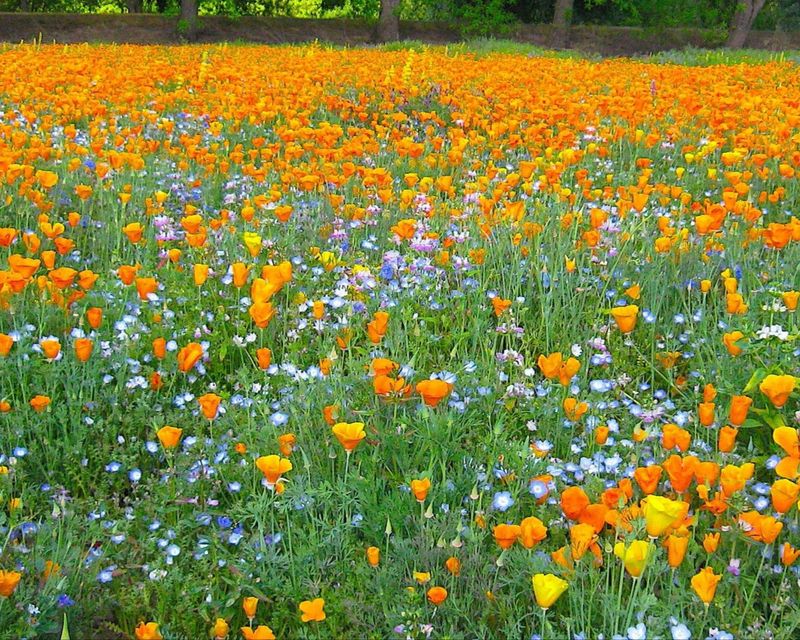
Gray clouds rolling over a freshly raked bed in November are a wildflower gardener’s best friend. Nearly every problem on this list shrinks with one simple fall routine.
The process begins in early fall with a sunny spot, since most California native annuals love full sun. Weeds come out, thatch gets raked away, and any mulch is pulled back.
Time permitting, a round of watering coaxes up a crop of weeds, which can then be removed as well. That extra step clears the way for cleaner sprouts.
Weather comes next. Sowing between about October and December works best, ideally right before rain.
Hard seeds like lupine benefit from nicking or soaking first. Tiny seeds mixed with sand spread more evenly across the bed.
A very light raking settles seeds into the surface, followed by a firm press with feet or a board. Netting or row cover helps where birds are especially bold.
Gentle watering fills the gap when rain is slow to arrive. Lightly damp soil through any dry spells keeps young seedlings moving forward.
After that, the work mostly shifts to enjoying the show. Weeds pulled while small and seedlings watched through winter set up a bright spring display.
Letting some flowers go to seed at season’s end allows them to replant themselves for next year. One well-timed sowing can keep a garden blooming for seasons with very little extra work.