Missed September? Here’s Why October Is The Perfect Time To Plant Garlic In North Carolina
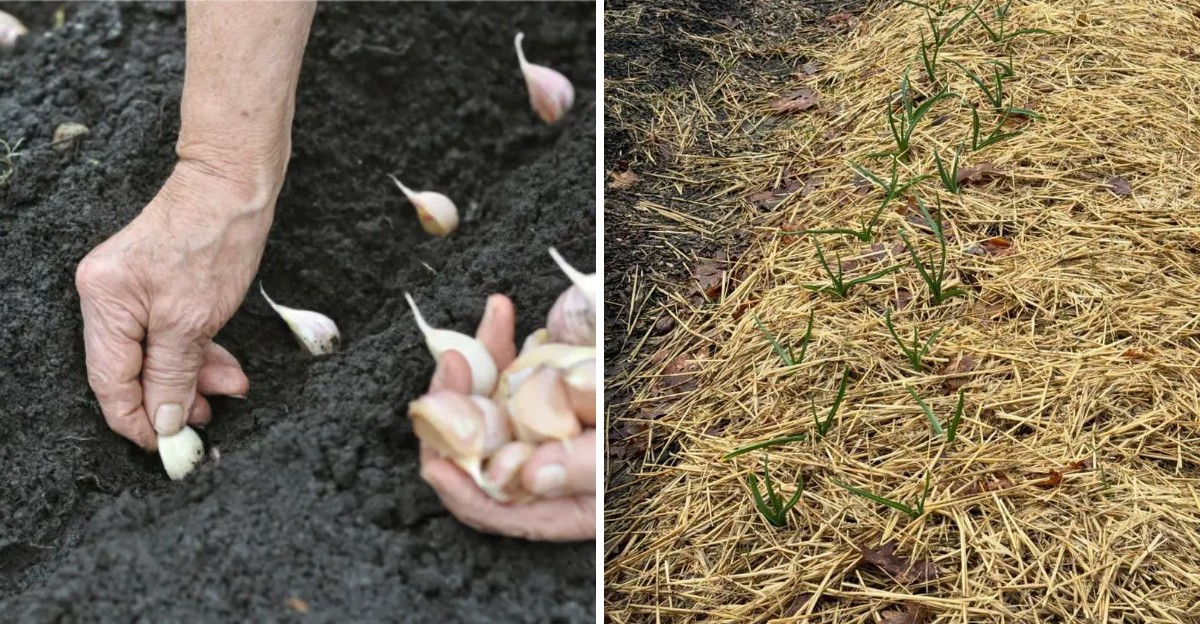
If September slipped by, relax. Garlic does not have a strict deadline in North Carolina. The best planting window runs from October into November, and the soil is cooling just right.
Cloves need cold weather to form full bulbs, and they use the fall to build roots before winter slows everything down. Plant too early in hot soil and the cloves can sprout leaves that suffer in the cold. October avoids that problem.
It also gives you better odds in a dry year like this one, since cooler days mean less water stress on new roots. You still need good drainage and a sunny spot. A little compost helps.
Get the cloves in the ground this month, and you will be harvesting plump bulbs next summer.
1. October Is Right On Time For Most Of The State
Good news travels fast in gardening circles, and here is some worth sharing. October is not a late date for planting garlic (Allium sativum) in most of North Carolina. For many gardeners across the state, it sits right in the sweet spot.
Garlic is a fall crop for a smart reason. Cloves planted in autumn grow roots before winter arrives, and then they spend the cold months chilling in the ground.
That cold period, called vernalization, signals the plant to divide and form full, plump bulbs once spring rolls around.
Timing all comes down to soil temperature. In much of North Carolina, the ground stays warm well into September, and it only cools to the right range in October and November.
Garlic roots grow best when the soil is cool, not toasty, so October soil often gives cloves exactly what they want. Planting too early can even cause trouble.
Cloves set into warm September soil may push out lots of leafy top growth before winter. Tender leaves can get damaged by hard freezes, and the plant spends energy on greenery instead of building a sturdy base underground.
So if you missed September, you have not missed the window at all. You may have actually dodged a common mistake. NC State Extension recommends fall planting timed to cooling soil, which lines up nicely with an October schedule for most home gardeners.
A simple soil thermometer can help you feel confident. When the soil about four inches down reads in the 50s or lower, conditions are friendly for garlic. Grab your cloves, check your calendar, and know that you are right on schedule.
2. Plant By Region For The Best Results
From the misty Blue Ridge to the sandy flats near the Outer Banks, North Carolina covers a lot of ground. Weather changes quite a bit as you travel across the state. Your garlic planting date should shift right along with it.
Elevation plays a big role. Cool weather shows up earlier in the mountains because higher land loses heat faster in fall. Down near the coast, the ocean holds warmth longer, so chilly nights arrive later in the season.
Your North Carolina Garden Changes Every Week. Your Plan Should Too.
Gardening in North Carolina changes quickly throughout the season. Every Friday you’ll receive a simple weekly plan showing exactly what to plant, prune, fertilize, harvest, and protect so you never miss the right timing.
Here is a handy guide to follow. Mountain gardeners usually plant from late September through October. In the Piedmont, which includes cities like Raleigh, Greensboro, and Charlotte, the best stretch runs from mid October to mid November.
Coastal Plain growers get the longest wait. Late October through November tends to work best in places like Wilmington, Greenville, and New Bern. Mild autumn days there can linger, so patience pays off.
Every year brings its own surprises, of course. A warm October might nudge you to wait an extra week or two, while an early cold snap could push you to plant a bit sooner.
Watching nighttime temperatures and checking your local forecast helps you fine tune the schedule. Matching your planting time to local conditions makes a real difference.
Cloves that go in at the right moment build stronger roots before winter, and strong roots lead to bigger bulbs at harvest. Your county Cooperative Extension office is also a great free resource if you want advice specific to your area.
A quick call or visit to their website can answer questions about timing, varieties, and soil.
3. Cool Soil Helps Roots Grow Before Winter
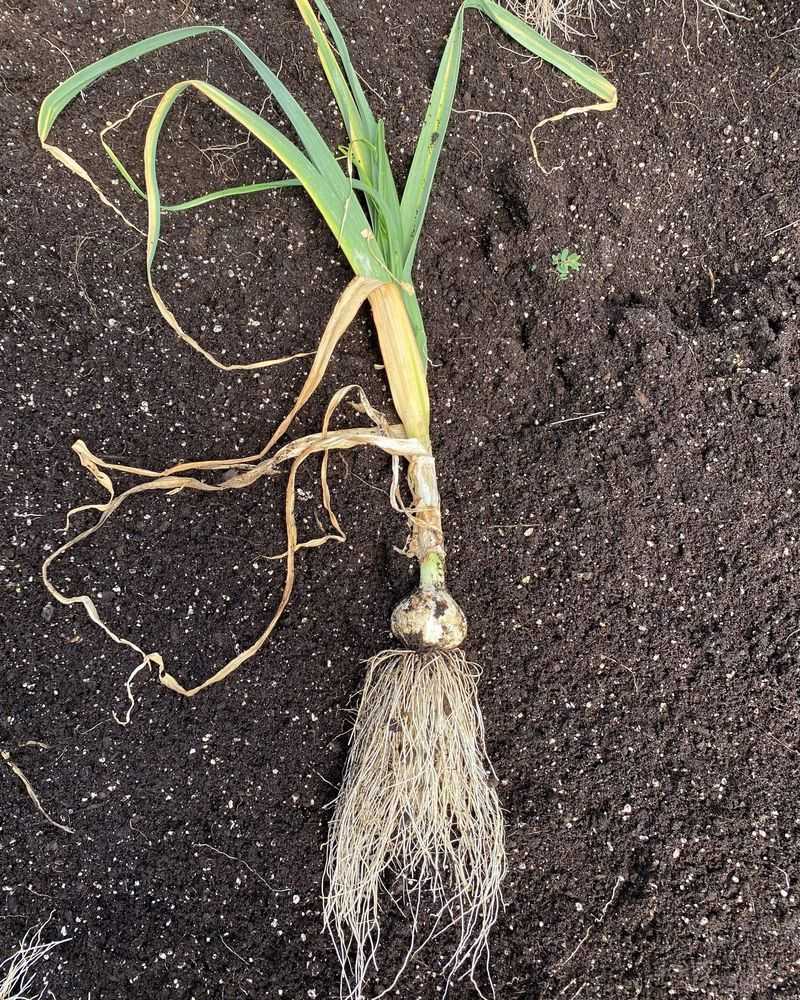
Underground, out of sight, the real magic of fall garlic happens. Roots start reaching into the soil long before you see much happening above ground. Cool soil is what gets that process moving.
Garlic cloves love chilly earth. When soil temperatures drop in autumn, cloves wake up and send out roots instead of racing to grow leaves. Planting a few weeks before the ground turns truly cold gives them time to build a strong root system.
Those roots do two important jobs. First, they anchor each clove firmly so it stays put through winter rain and frost. Second, they give the plant a head start, so it can take off quickly when spring warmth returns.
A few simple habits help roots settle in well. Wait until nights stay consistently cool before planting. After you set the cloves in the ground, give the bed a good drink if the soil feels dry.
Keep the soil lightly moist while roots get established, but avoid making it soggy. Think of a wrung out sponge, damp to the touch without puddles. Checking with your finger an inch or two down is an easy way to tell.
Watering matters even more in recent years. Much of North Carolina has faced drought conditions, and dry fall stretches are common. Without enough moisture, new cloves struggle to root, which can mean weaker plants come spring.
A soaker hose or watering can works perfectly for small beds. Give the area a deep soak about once a week during dry spells. Your garlic will reward that small effort with healthy growth and a sturdier start to the season.
4. Choose Varieties Suited To Your Area
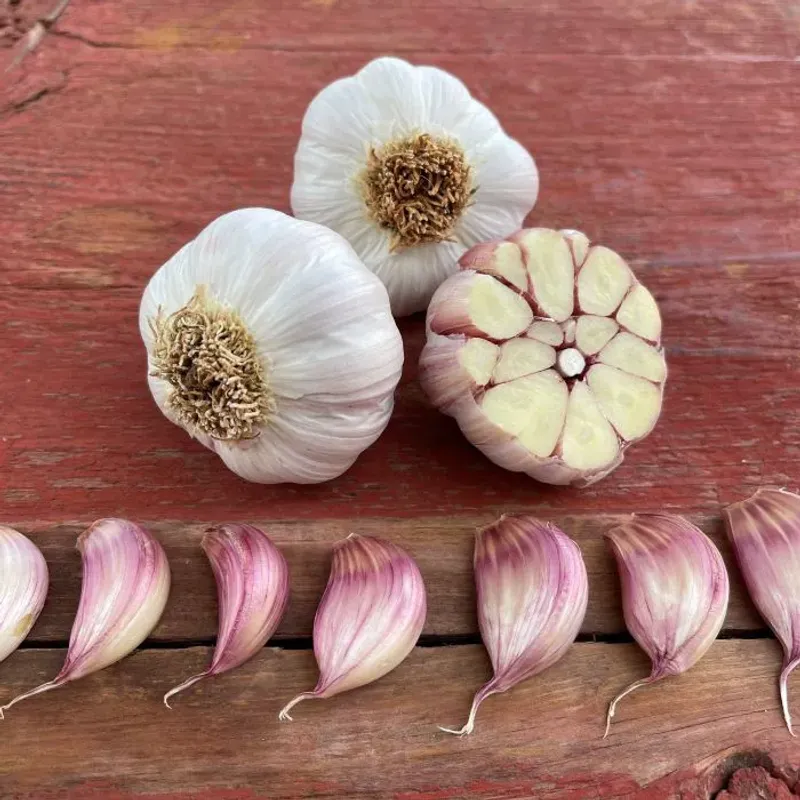
Walk into any seed catalog and you will find dozens of garlic types with fun names like Inchelium Red, Music, and Burgundy.
Picking the right one for your part of North Carolina can make or break your harvest. Variety choice matters more than many beginners realize.
Garlic falls into two main groups. Softneck garlic has a soft, flexible stem and stores well for months. Hardneck garlic grows a stiff central stalk and often has rich, bold flavor with fewer, larger cloves.
Climate decides which group shines. Softneck and Creole types generally perform well in the Piedmont and Coastal Plain because they handle milder winters. Creoles, known for their pretty purple skins, are especially tolerant of Southern heat.
Hardneck types need more winter cold to form good bulbs. They usually do best in the Mountains, where winters bring steady chill. Varieties like Music or German Extra Hardy can thrive at higher elevations.
Where you buy your cloves matters too. Look for seed garlic from reputable suppliers or local growers who know Southeastern conditions. Farmers markets can be a wonderful place to find garlic already adapted to your region.
Skip the grocery store bulbs for planting. Store garlic is often grown in very different climates, such as California or overseas, and may not suit North Carolina weather. Some of it is also treated to prevent sprouting, so it may not grow reliably.
With winters ranging from snowy mountain peaks to mild coastal breezes, one variety rarely fits the whole state. Choose wisely, and you set yourself up for success before a single clove goes into the ground.
5. Prepare Loose, Well-Drained Soil
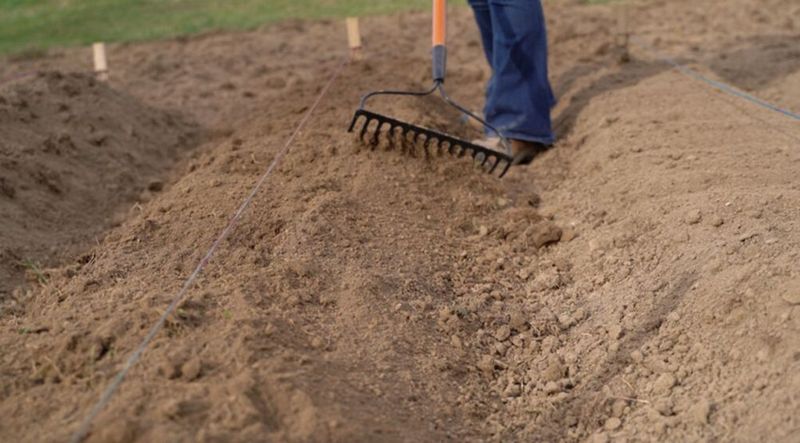
Anyone who has dug a hole in the Piedmont knows the story of red clay. It sticks to your shovel, holds water like a bathtub, and bakes hard in summer. Garlic is not a fan, but with some prep work you can give it a happy home.
Bulbs grow best in loose, well-drained soil rich in organic matter. Soft soil lets bulbs expand easily as they swell in spring. Heavy, waterlogged ground can squeeze bulbs and keep them small.
Wet soil brings another risk. Cloves sitting in soggy dirt all winter can rot before they ever get going. Good drainage keeps them healthy through North Carolina’s rainy months.
Start by working a few inches of compost into the planting area. Compost loosens tight soil, feeds helpful soil life, and improves drainage over time. Aged leaves or well-rotted manure can help too.
Raised beds are a fantastic choice where clay is heavy. Lifting the soil even six to eight inches above ground lets extra water drain away. They also warm up nicely in spring and are easier on your back.
Testing your soil is a smart and inexpensive step. NC State and the NC Department of Agriculture offer soil testing, and the results tell you if your soil needs lime. Garlic grows best in soil that is not too acidic, and many North Carolina soils lean that way.
Finally, take a walk around your yard after a hard rain. Notice where water collects, and avoid those low spots for your garlic bed. A little planning now saves plenty of disappointment later.
6. Plant Cloves At The Right Depth And Spacing
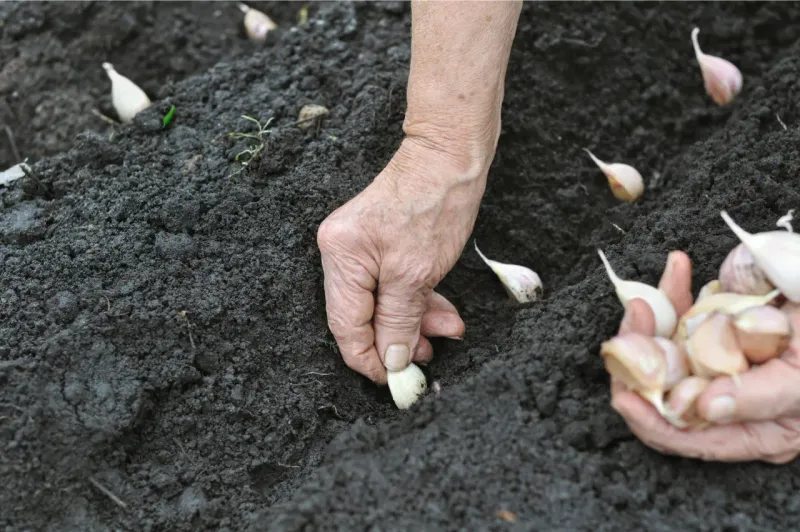
Ready, set, plant! Once your soil is prepped and your seed garlic is in hand, the fun part begins. A little care with depth and spacing goes a long way toward a great harvest.
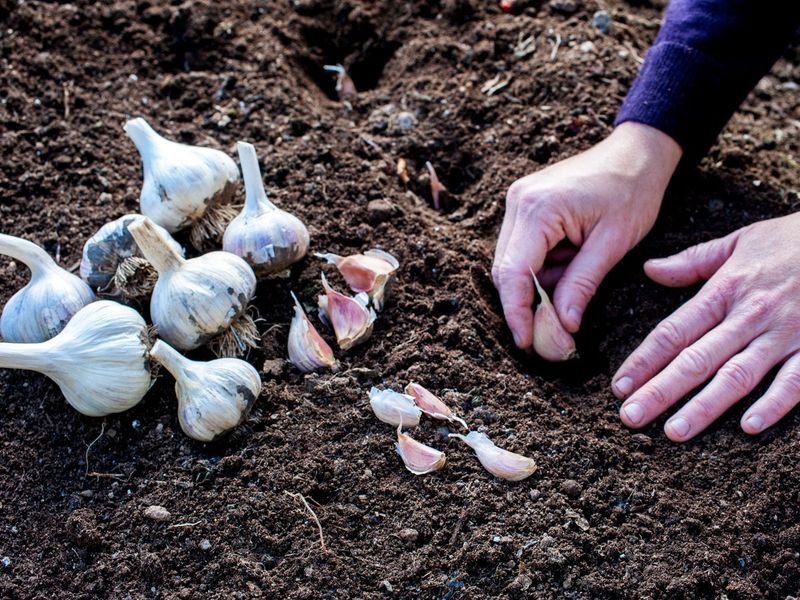
Start by breaking each bulb into individual cloves just before planting. Doing it too early can let cloves dry out. Keep the papery skins on, since they protect each clove as it settles into the soil.
Size matters here. Choose the largest cloves for planting because they tend to produce the biggest bulbs. Smaller cloves can head straight to the kitchen for tonight’s dinner.
Every clove has a flat end and a pointed end. The flat end is where roots grow, so place each one pointed end up. Planting upside down slows growth and can lead to oddly shaped bulbs.
Push each clove about 2 inches deep into the soil. That depth shields it from wild temperature swings, which are common during North Carolina winters when a frosty night can follow a sunny 65 degree day.
Shallow cloves can get pushed up by freezing and thawing. Spacing gives every bulb room to stretch out. Set cloves 4 to 6 inches apart, in rows about 12 inches apart. Crowded garlic competes for water and nutrients, and the bulbs often end up small.
A simple trick keeps rows neat. Lay a yardstick or a marked board along the bed and drop a clove at each spot. Careful planting in October leads straight to a better harvest the following summer, and your future self will thank you.
7. Mulch And Expect Some Green Shoots This Fall
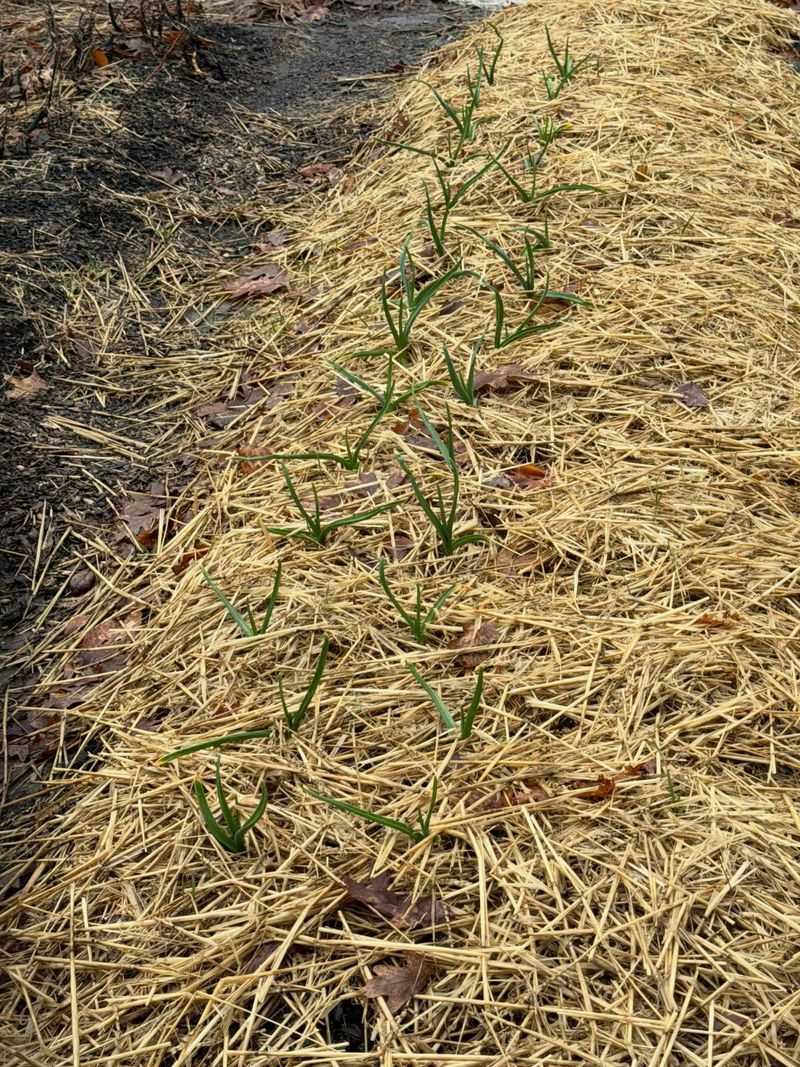
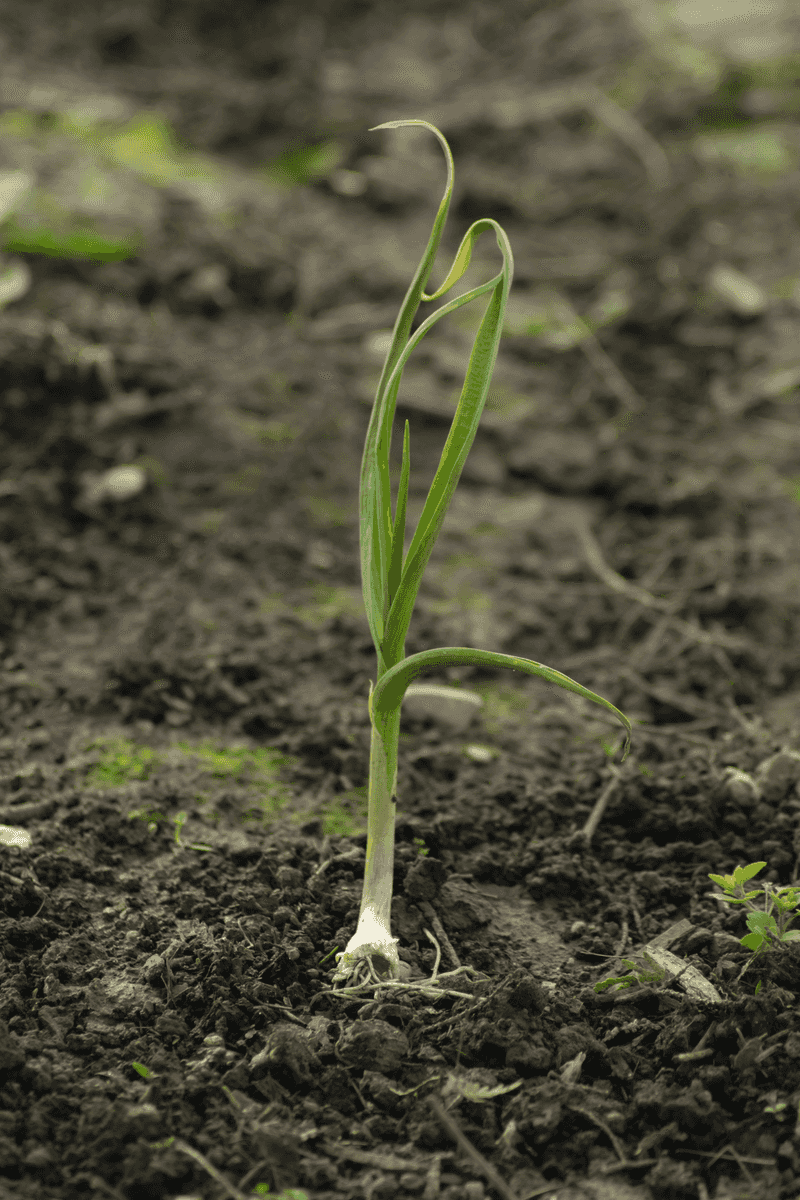
Surprise! A few weeks after planting, you might spot bright green shoots poking up from your garlic bed. Many first timers panic, but those little sprouts are completely normal. Garlic leaves are tough enough to handle winter cold.
North Carolina’s mild fall weather often encourages garlic to sprout before winter. Warm afternoons in November can wake up cloves quickly. Leave those shoots alone, since trimming them only weakens the plant.
Mulch is your garlic’s best winter friend. Spread 3 to 4 inches of straw or shredded leaves over the bed right after planting. That cozy blanket does several jobs at once.
First, it protects cloves from repeated freezing and thawing. North Carolina winters can bounce between frosty mornings and warm days, and those swings can heave cloves out of the soil. A thick mulch layer keeps soil temperatures steadier.
Mulch also holds moisture in the ground, which helps during dry stretches. On top of that, it smothers weeds before they get started. Garlic hates competition, so fewer weeds means bigger bulbs.
Choose straw rather than hay when you can. Hay often carries weed seeds that sprout right in your bed. Shredded leaves from your own yard are free and work beautifully.
Keep an eye on your bed through the colder months. Water during dry spells, especially if a few weeks pass without rain. Pull any weeds that sneak through the mulch while they are still small.
With a little attention, your garlic will rest quietly through winter. Those green shoots are a promise of good things ahead, so enjoy watching them grow.
8. Look Ahead To A Late Spring Harvest
Spring in North Carolina brings dogwood blooms, warm breezes, and a garlic patch that suddenly bursts to life. As days warm up, plants grow quickly and leaves stretch tall. The waiting is almost over.
Longer days tell garlic it is time to form bulbs. Underground, cloves start dividing and swelling. Most garlic is ready to harvest from late spring into early summer.
Feeding helps plants make the most of this growth spurt. Side-dress your garlic with a nitrogen fertilizer in late winter or early spring, when you notice new growth picking up. Sprinkle it alongside the rows and water it in.
Hardneck garlic will send up curly flower stalks called scapes. Snap or cut them off so the plant puts energy into the bulb instead of the flower. Scapes taste wonderful in pesto, stir fries, and scrambled eggs, so nothing goes to waste.
Timing the finish line takes a careful eye. Stop watering a few weeks before harvest so bulbs can firm up. Dig them when about a third to half of the lower leaves have turned brown, usually from late May into June.
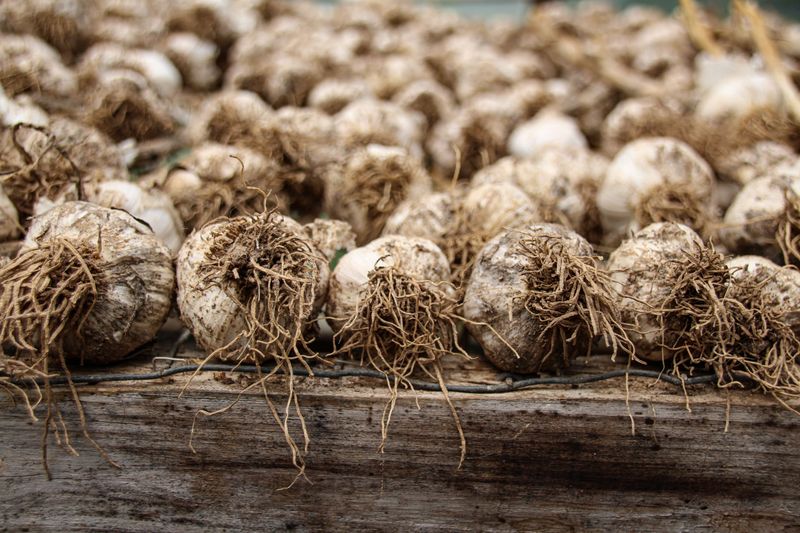
Loosen the soil with a garden fork rather than pulling by the stalk. Gently lift each bulb and brush off extra dirt. Then hang or spread them in a shady, airy spot for a few weeks to cure.
October-planted garlic is often harvested just as summer heat arrives across the state. That timing means your bulbs come out before the hottest weeks. Soon you will have a pantry stocked with homegrown flavor, all because you planted in October.