The Best California Trees To Plant In October While Nurseries Are Fully Stocked
Autumn often feels like a season for slowing down in the garden. For one important kind of project, though, it marks the perfect beginning.
Warm soil and the promise of rain create conditions that give young roots a meaningful head start, one that can pay off for years.
Nursery rows tend to look their fullest around now, too, offering plenty of choice before the best selections disappear.
Each option ahead brings its own personality, from flowering showstoppers to patient giants and tough survivors built for heat.
A little planning goes a long way, since mature size, water needs, and local rules all deserve a look before purchase.
The right choice planted this month can shape a yard’s character for generations.
1. Western Redbud Wakes Up To Spring Blooms
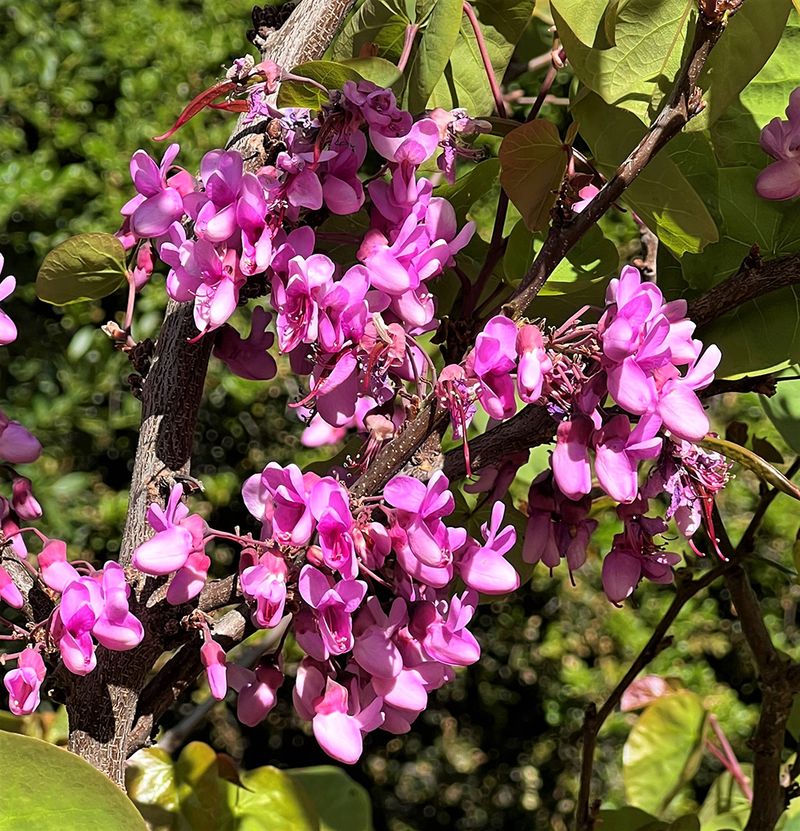
Bare gray branches bursting with magenta flowers in late winter make a showstopping sight. Western redbud puts on that display before a single leaf appears, and neighbors often stop on the sidewalk to stare.
Native to California foothills, this small tree usually reaches 10 to 20 feet tall and about as wide. It often grows with several trunks, giving it a soft, shrubby shape.
Heart-shaped leaves follow the flowers, then turn yellow or reddish in fall. Flat purple seed pods hang on through summer for a little extra interest.
Growth runs moderate, so the wait for blooms isn’t endless. Young plants may flower within a few years.
Once established, redbud needs little summer water. A deep soak once or twice a month in hot inland areas keeps it looking fresh.
Good drainage matters more than rich soil, since soggy roots cause trouble. Full sun or light afternoon shade suits it well.
Inland gardens get the best flowering, because redbud appreciates a real winter chill. Along the coast it still grows, though blooms may run lighter.
October planting suits redbud especially well. Roots spread through warm soil before winter, and rain helps them settle, so spring brings color rather than a struggle against heat.
A spot visible from a window makes the most of this tree. Something this pretty deserves an audience rather than a hidden corner behind the garage.
2. Coast Live Oak Grows Into A Shade Giant
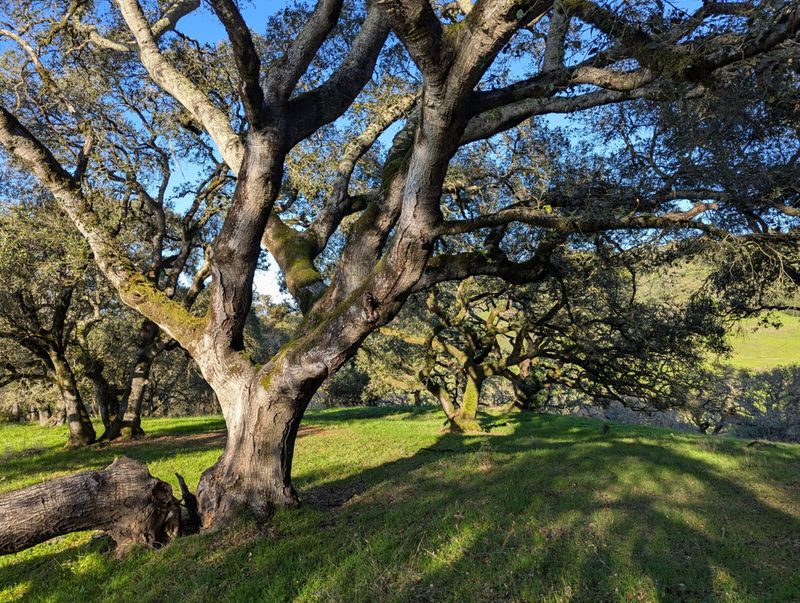
Twisted limbs made for climbing and deep, cool shade for a picnic blanket can last for generations. Coast live oak creates those moments, and it all starts with one small sapling.
Evergreen leaves stay on all year, so the shade continues right through winter. Mature trees often reach 30 to 70 feet tall with an even wider spread.
That size calls for careful planning, with plenty of distance from the house and pipes.
Growth runs moderate, often faster than people expect for an oak. Young trees can add a foot or two each year with good care.
Coastal valleys and foothills from Mendocino to Baja form its home turf.
Water needs shift as the tree matures. Young oaks benefit from deep, occasional water during their first few dry seasons, after which regular summer irrigation near the trunk is best stopped.
Your California Garden Changes Every Week. Your Plan Should Too.
Gardening in California changes quickly throughout the season. Every Friday you’ll receive a simple weekly plan showing exactly what to plant, prune, fertilize, harvest, and protect so you never miss the right timing.
Summer water around an established oak invites root rot and oak root fungus. Thirsty lawns or flower beds beneath the canopy are best avoided, and fallen leaves make excellent natural mulch.
Full sun to part shade works fine, and the tree handles many soil types. It also feeds a remarkable number of birds, insects, and other wildlife, with acorns drawing jays and squirrels.
Many cities and counties protect native oaks, so a quick ordinance check before planting or pruning near existing trees saves headaches later. October planting lets winter rain carry young roots deep before summer.
3. Valley Oak Rewards Patient Planters
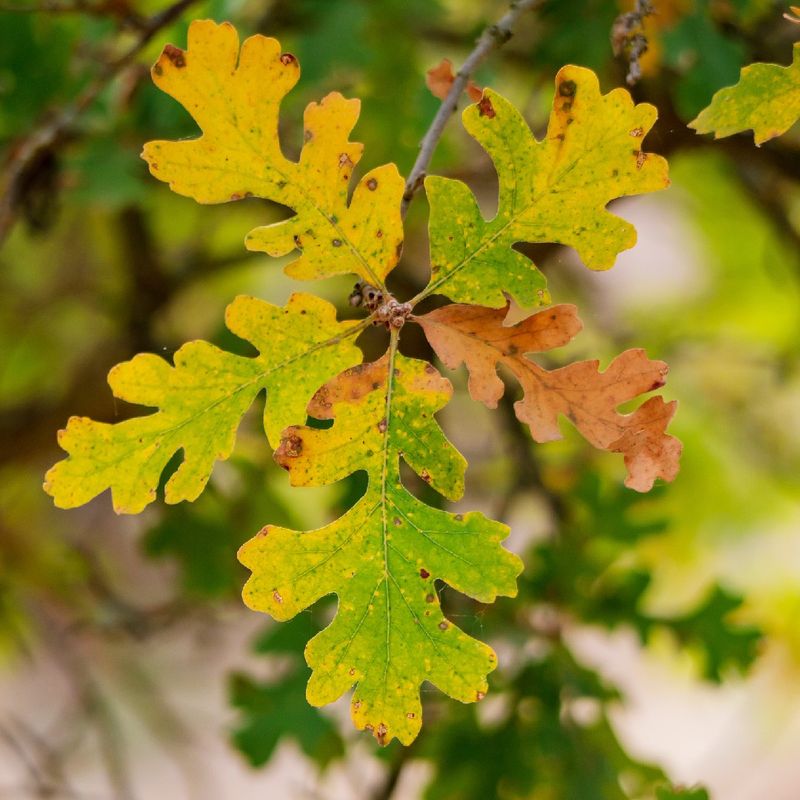
An old saying holds that oaks are planted for future generations, and valley oak fits that idea perfectly. This tree is built for the long haul, a living gift to people not yet born.
Valley oak ranks as the largest oak in North America. Mature trees can soar 70 feet or taller and spread just as wide, with graceful, drooping branches that give it a calm, stately look.
Unlike coast live oak, it’s deciduous. Leaves drop in fall, letting winter sun reach the ground, and the canopy returns in summer with generous shade.
Growth starts slowly while the tree builds a deep root system. Once those roots tap into moist soil below, growth picks up steadily.
A patient gardener may see a few feet of growth each year once the tree settles in.
Deep, rich soil in valleys and low slopes suits it best, and full sun is essential. Valley oak needs a big lot, a park strip, or acreage rather than a tight suburban side yard.
Deep watering helps while young, especially during the first few summers. After establishment, regular summer watering near the trunk is best avoided, since too much summer moisture can lead to root disease.
October timing works perfectly, as winter rain helps those deep roots push downward. Some gardeners even plant acorns directly in fall.
Local oak ordinances deserve a check first, since many communities protect valley oaks.
4. Toyon Makes A Berry Rich Small Tree
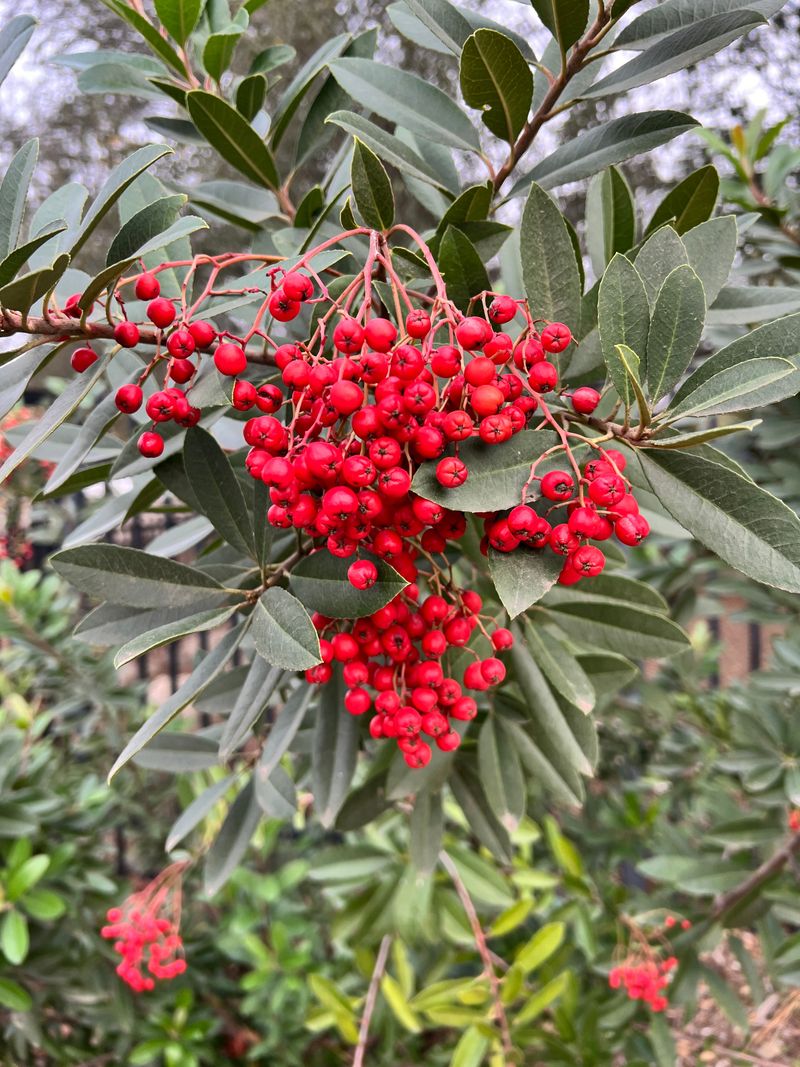
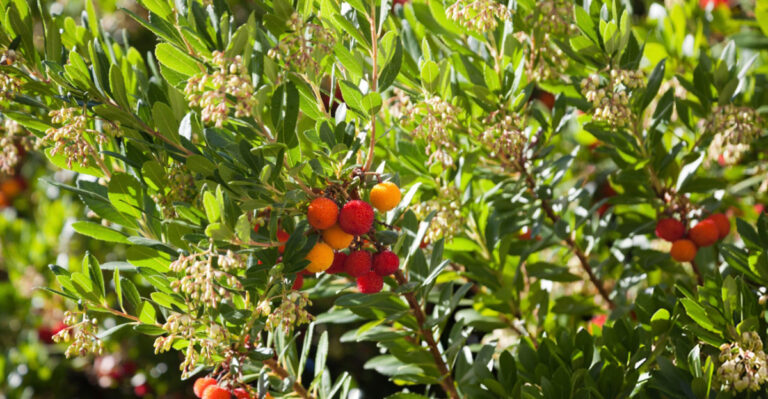
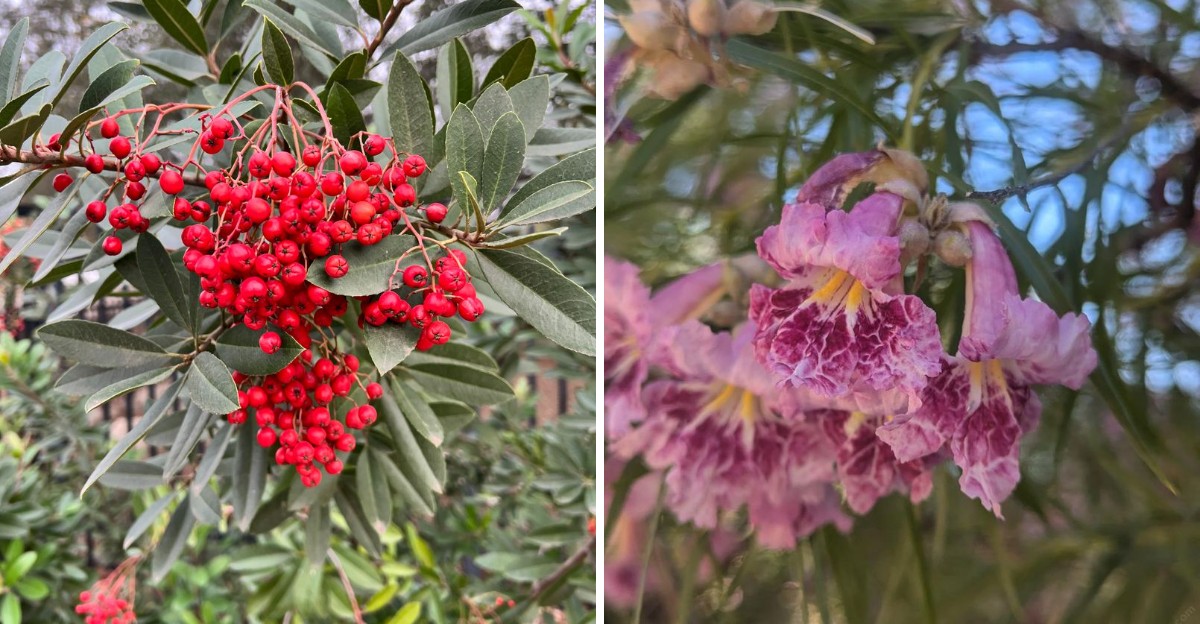
December arrives, and suddenly the robins show up in a crowd. They’re after bright red berry clusters that light up the darkest weeks of the year, turning the yard into a holiday party for birds.
Toyon is a tough native evergreen. It often grows as a large shrub but can be pruned into a small tree about 8 to 15 feet tall, sometimes taller, with a similar spread.
Leathery, toothed leaves stay green all year. Small white flowers appear in early summer and attract bees and butterflies.
By late fall, the berries ripen from green to bold red. The timing makes toyon a natural fit for holiday color.
Toyon also goes by California holly, and local lore suggests Hollywood took its name from the plant growing on nearby hills. It makes a fine story to share with visitors.
Growth runs moderate. Once established, toyon needs very little summer water, though an occasional deep drink in hot inland spots keeps it tidy.
Full sun or part shade both work. It handles clay, slopes, and poor soil without much fuss, though good drainage still helps.
Shaping a tree form takes a few years of gradually removing lower branches. Three or so strong trunks make a sturdy framework.
Fall planting gives roots a full winter of rain before summer arrives, easing worries about a slow start.
As a woody plant, it belongs beyond the first five feet around the house in fire hazard areas.
5. Catalina Cherry Gives Glossy Evergreen Cover
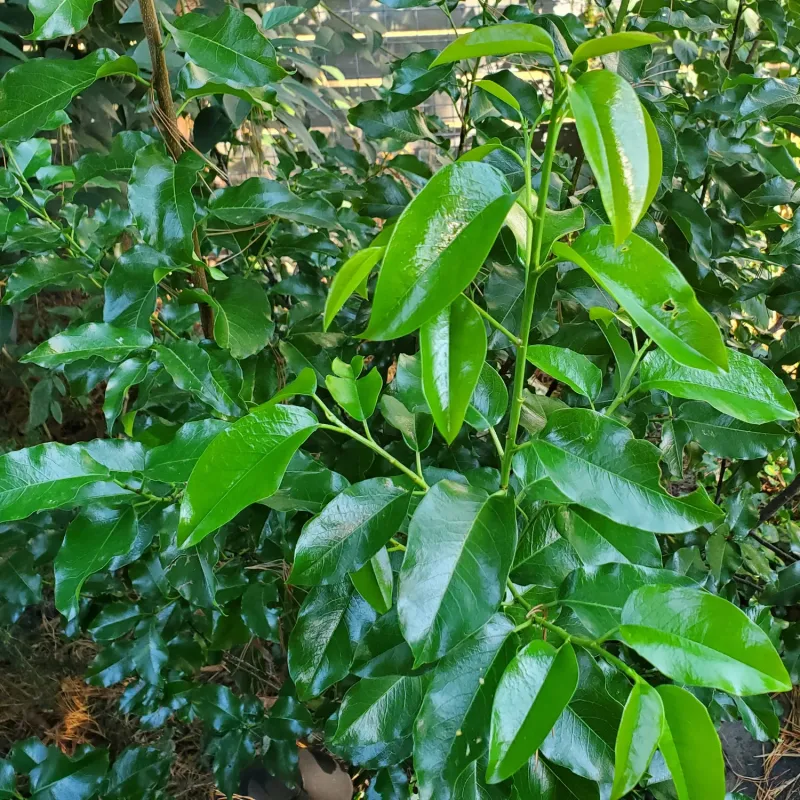
A neighbor’s second-story window that looks straight into the patio calls for creative screening. Instead of a tall fence, a living wall of shiny leaves can handle the job beautifully.
Native to the Channel Islands, Catalina cherry grows into a dense small tree. Mature trees reach roughly 15 to 35 feet tall and 15 to 25 feet wide, with glossy, dark green leaves that look polished all year.
Spring brings spikes of creamy white flowers that bees adore. Dark purple cherries follow in summer, and birds gobble them up, though the fruit is mostly a large pit with a thin layer of pulp.
Growth runs moderate to fairly fast, forming a solid screen within several years. Generous spacing gives each tree room to fill out, since crowding leads to weak, spindly growth.
Full sun suits it best, though light shade works. Coastal and mild inland gardens provide ideal conditions.
It handles drought once established and needs only occasional deep summer water.
Fallen fruit can stain patios and walkways. A mulched bed beneath the canopy, well away from paved areas, hides dropped cherries easily.
Fire safety shapes placement, too. Approved Zone 0 rules bar new trees within five feet of a home in fire hazard areas once they take effect, and they call for branches trimmed well clear of roofs and eaves.
October planting lets roots settle during the rainy months. By summer, the future privacy screen will already be reaching skyward.
6. California Buckeye Handles Dry Hillsides
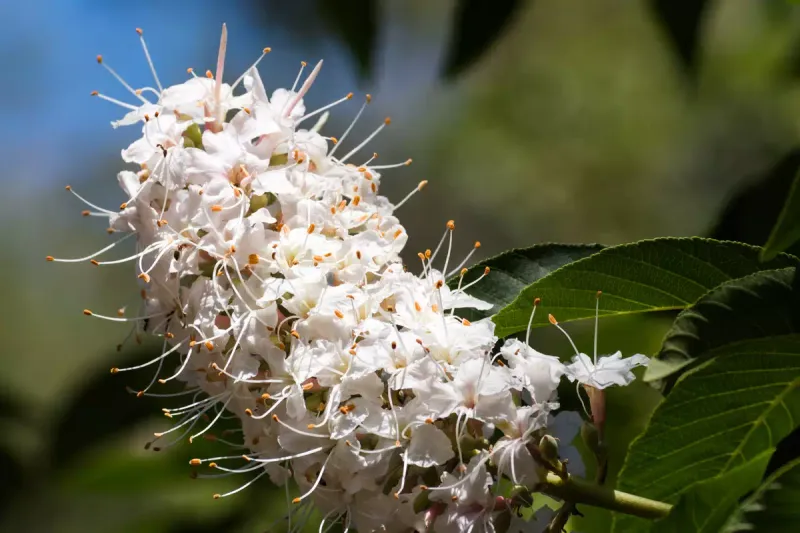
August visitors sometimes worry when they spot a leafless buckeye. The bare branches look like trouble, yet nothing has gone wrong at all.
California buckeye is summer deciduous. It drops its leaves in mid to late summer to save water during the dry season, simply waiting out the heat rather than fighting it.
Spring brings its finest moment. Big, fragrant spikes of white to pale pink flowers cover the tree, drawing hummingbirds and butterflies.
Mature trees usually reach 15 to 30 feet tall with a wide, rounded shape. Growth runs moderate.
During leafless months, silvery bare branches and large hanging seed pods look almost sculptural.
Dry hillsides, slopes, and foothill sites form its comfort zone. Full sun or part shade works, it tolerates poor soil, and after establishment it needs little or no summer water.
One caution matters for families. All parts of the buckeye, including the seeds, leaves, and flowers, are toxic if eaten, so the shiny brown seeds are best kept away from children and pets.
Poison Control at 1-800-222-1222 and the ASPCA Animal Poison Control Center at 888-426-4435, where a fee may apply, can help after any ingestion.
Buckeyes often leaf out early, in late winter, so October planting lines up nicely with their rhythm, as roots grow through the wet months ahead of spring flowers. Evergreen plants nearby keep the garden looking full during the leafless season.
7. Chinese Pistache Brings Fiery Fall Color
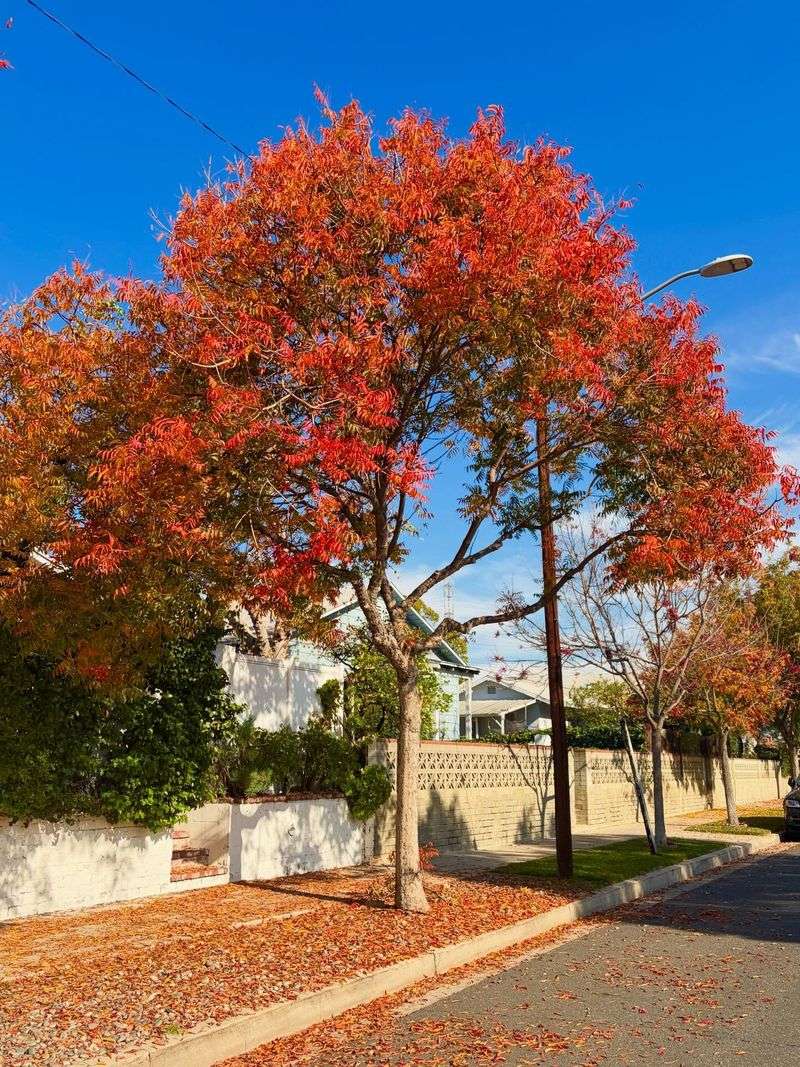
Many California autumns fade quietly from green to brown. This tree takes a different approach, blazing with red, orange, and gold each November.
Unlike the rest of this list, Chinese pistache isn’t native. It comes from China and Taiwan, yet it has earned a strong reputation in California as a reliable shade and street tree.
Mature trees usually reach 25 to 35 feet tall, sometimes more, with a broad, umbrella-like canopy. Growth runs moderate.
Young trees can look a bit awkward at first, though they fill out nicely with age.
Heat poses little problem. It handles hot inland valleys such as Sacramento and Fresno, where many trees struggle, and it tolerates drought once established in many soil types.
Full sun brings the best fall color, while shade leads to duller leaves. Deep, infrequent watering works better than frequent light sprinkles.
Female trees produce small berries that can drop on patios and cars, and those seeds can sprout in some areas. A male, fruitless selection avoids both the mess and stray seedlings.
Its canopy can shade a south or west side of the home nicely. In fire hazard areas, though, approved Zone 0 rules bar new trees within five feet of a house once they take effect, so the planting hole belongs farther out.
Fall planting may even reveal a hint of color while the tree still sits in its nursery can, offering a preview of autumns to come.
8. Desert Willow Thrives In Hot Inland Yards
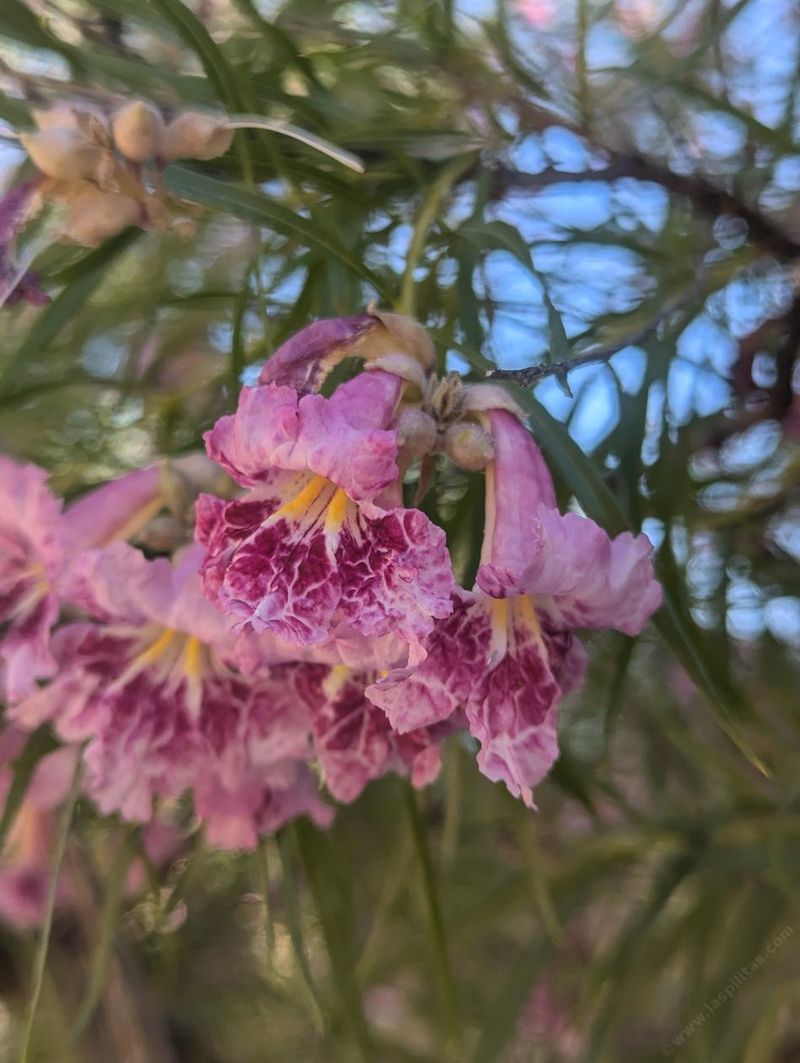
July heat can bake a backyard to 105 degrees. Most plants droop, yet one tree keeps blooming as though nothing has happened.
Despite the name, desert willow isn’t a true willow. Its narrow, willowy leaves explain the nickname, and it actually belongs to the same family as catalpa and trumpet vine.
Native to desert washes in Southern California and the Southwest, it handles extreme heat with ease. Mature trees usually reach 15 to 25 feet tall and about as wide.
Growth runs moderate to fast in warm sites, filling out within a few seasons.
Trumpet-shaped flowers appear from late spring through summer, in colors ranging from pale pink to lavender and deep burgundy. Hummingbirds treat each bloom like a drive-through snack bar.
Full sun and fast-draining soil are essential. Sandy or gravelly ground works ideally, while heavy, wet soil causes problems.
Once established, it needs only occasional deep summer watering.
Hot inland yards in the deserts and valleys suit it best. Cool, foggy coastal gardens often lead to weak flowering, making it a far better pick for Palm Springs than Pacifica.
Winter brings bare branches with long, skinny seed pods, and light pruning can shape a single or multi-trunk tree.
October planting lets roots settle before the next summer blast, with plenty of room left to spread clear of walls, roofs, and the first five feet around the house.