These Are The Signs Your North Carolina Blueberry Bushes Need Pruning Before They Stop Fruiting
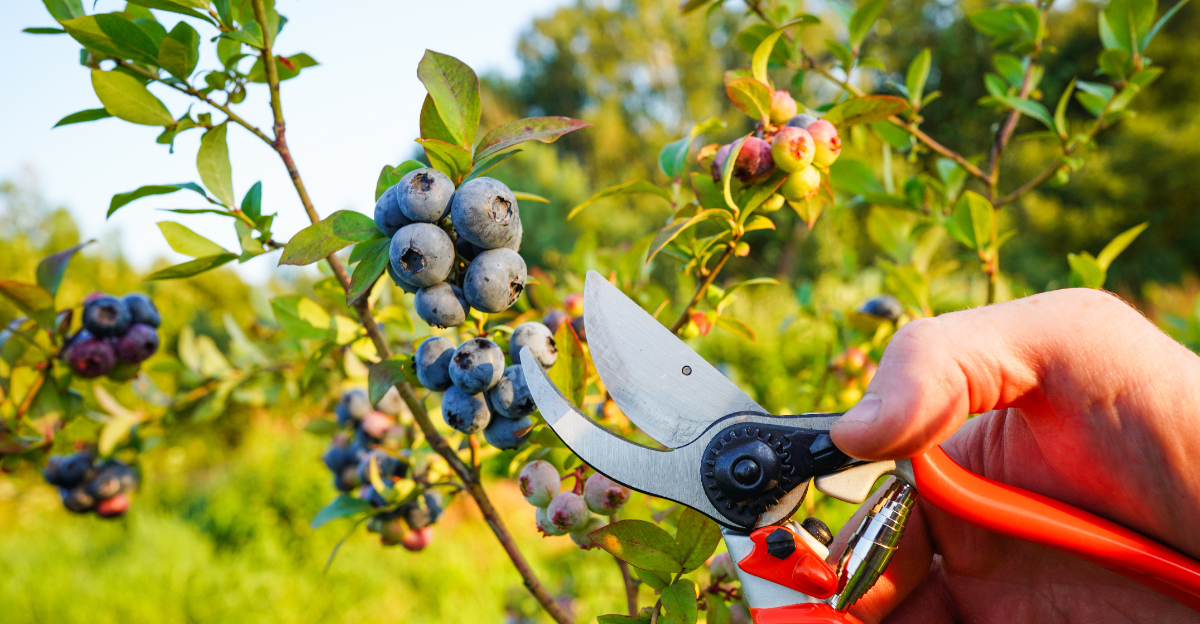
Blueberry bushes are easy to neglect when they are still producing fruit, even if that production has been quietly declining for a season or two.
North Carolina’s long growing season can actually mask the warning signs longer than gardeners in cooler climates would experience, because the plants stay green and leafy well into fall regardless of what is happening with their internal structure.
Weak new growth, clusters of thin twiggy stems at the center of the bush, fruit that stays small even in a good rainfall year, and branches that arch low without any real vigor are all signals the plant is sending that pruning is overdue.
Recognizing these signs now and acting on them before the season progresses any further is what keeps a blueberry bush in genuinely productive shape for years to come.
1. Overcrowded Branches
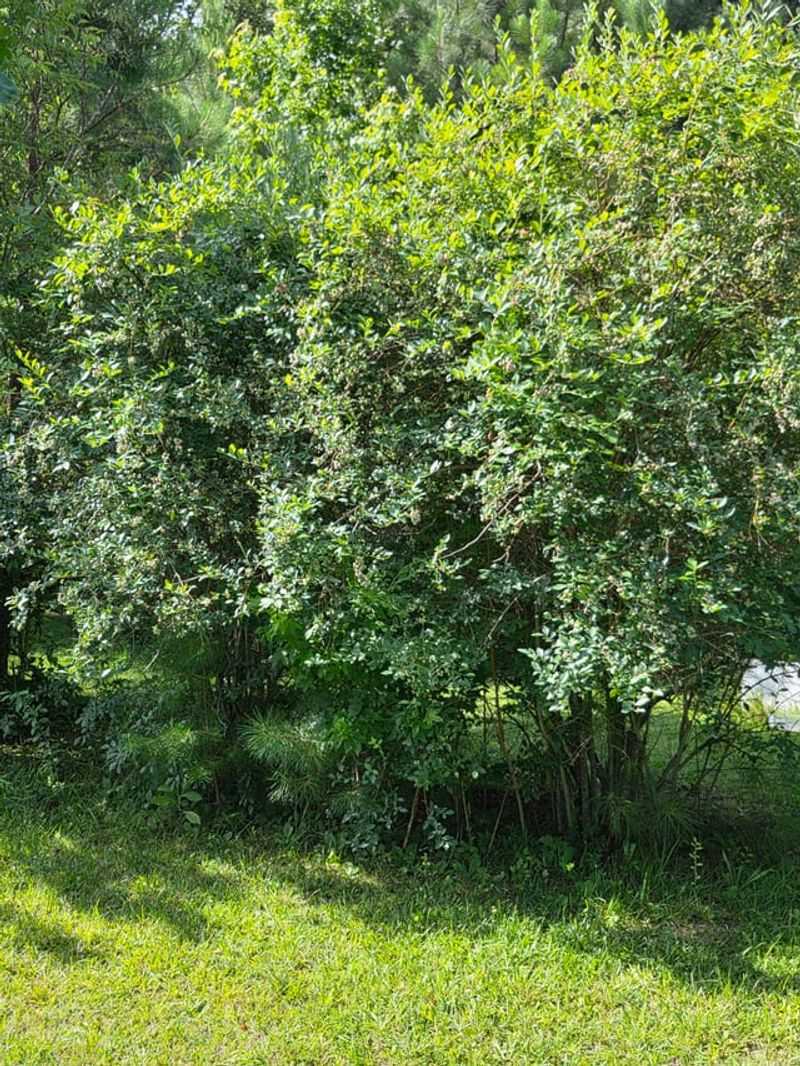
Picture a bush so packed with stems that sunlight can barely reach the center. That is exactly what happens when blueberry bushes go without pruning for too long, and it is one of the most common problems North Carolina gardeners face.
Vaccinium corymbosum, the highbush blueberry variety most popular in this region, thrives when air can flow freely between branches.
When branches become overcrowded, moisture gets trapped inside the bush. That trapped moisture creates the perfect environment for fungal diseases like mummy berry and botrytis blight, both of which are widespread in North Carolina’s humid climate.
Fruit production drops noticeably because flowers and developing berries simply do not get enough sunlight to mature properly.
Late winter to early spring, before new growth begins, is the ideal window to tackle this problem. Start by stepping back and looking at the overall shape of your bush.
Remove any stems that are growing inward toward the center rather than outward. A good rule of thumb is to keep no more than six to eight main canes on a mature bush.
Thinning out the canopy improves light distribution, boosts airflow, and sets your bush up for a much stronger harvest when summer arrives.
2. Weak Or Spindly Growth
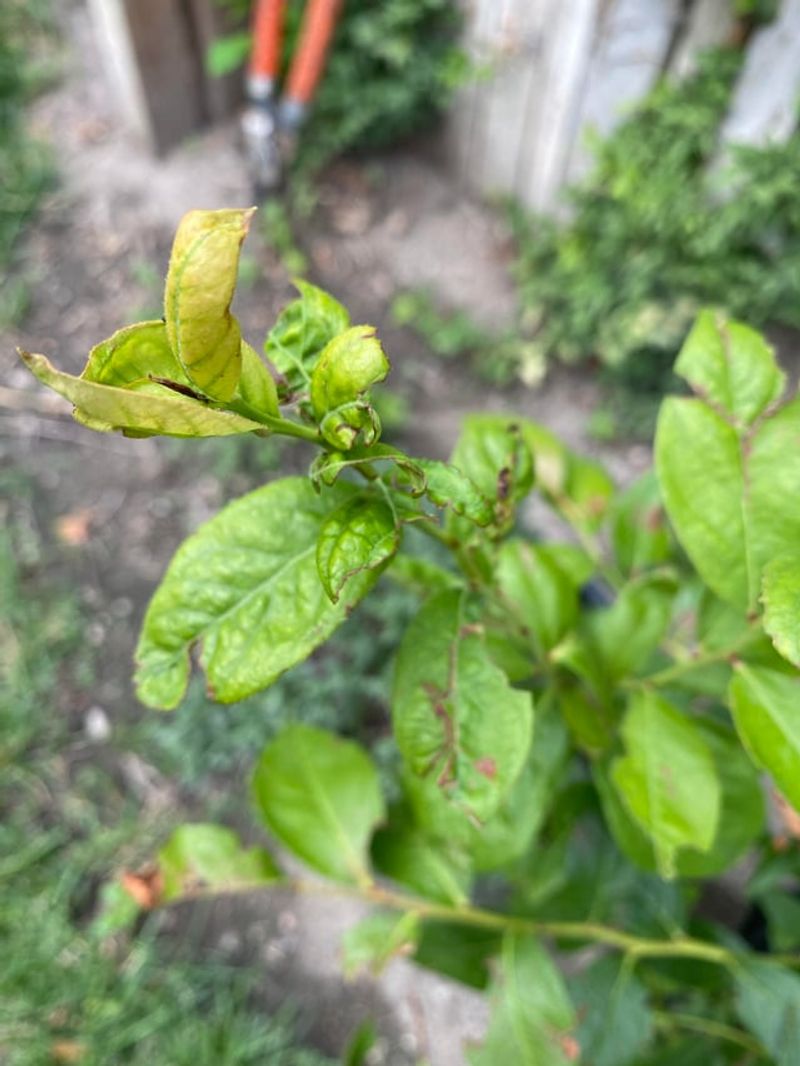
Not every stem on your blueberry bush is pulling its weight. Thin, pencil-width shoots that flop over or struggle to stand upright are a reliable sign that your bush is spreading its energy too thin.
These weak canes rarely produce quality fruit, and when they do, the berries tend to be small and sparse.
Redirecting the bush’s energy toward its strongest, most productive canes makes a real difference. When you remove spindly growth, the plant stops wasting resources on stems that contribute very little.
The stronger canes left behind receive more water, nutrients, and sunlight, which translates directly into bigger clusters of ripe berries come harvest time.
Identifying weak shoots is straightforward once you know what to look for. Any cane thinner than a standard pencil, or one that bends easily under its own weight, is a candidate for removal.
Focus especially on shoots growing from the base that look pale or yellowish compared to the healthy green or reddish stems nearby. Use clean, sharp bypass pruners to make smooth cuts close to the base.
Your North Carolina Garden Changes Every Week. Your Plan Should Too.
Gardening in North Carolina changes quickly throughout the season. Every Friday you’ll receive a simple weekly plan showing exactly what to plant, prune, fertilize, harvest, and protect so you never miss the right timing.
Leaving jagged stubs invites pests and pathogens. After thinning, your bush will look a bit bare at first, but within a few weeks, you will notice stronger new growth pushing through with noticeably more vigor.
3. Damaged Or Diseased Wood
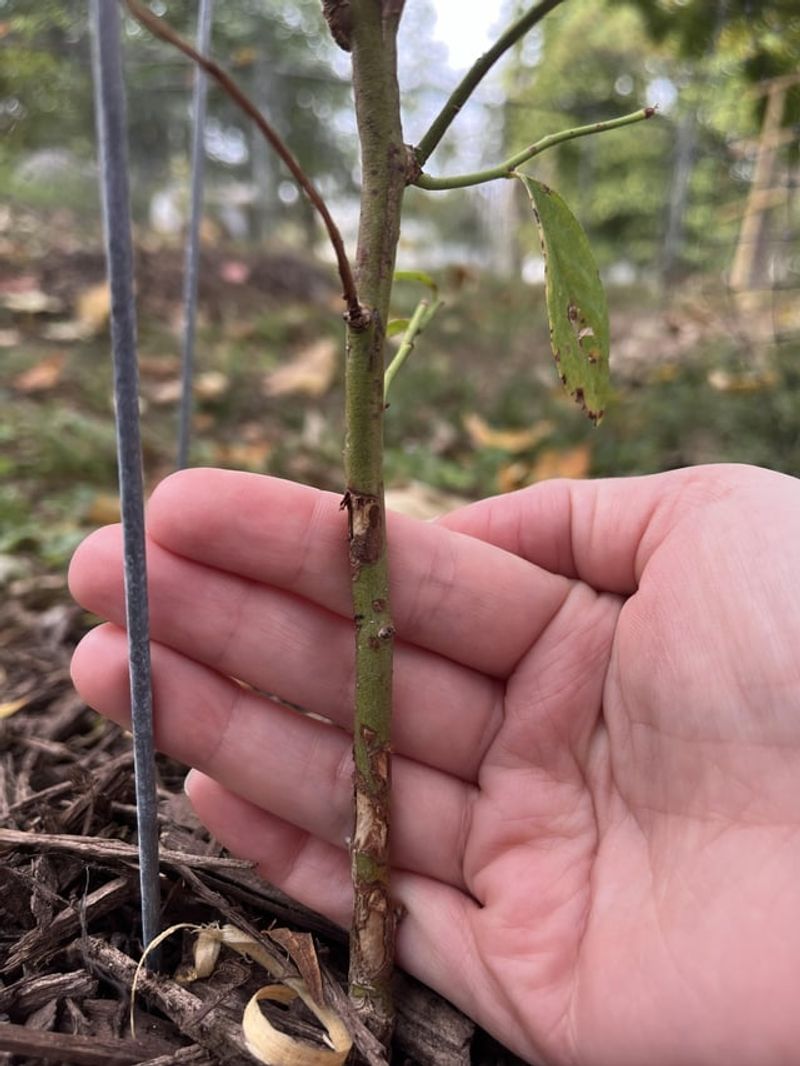
Blueberry bushes in North Carolina face a variety of threats throughout the growing season, from bacterial canker to stem blight caused by Botryosphaeria.
When canes show dark discoloration, sunken lesions, cracked bark, or unusual spotting, that is your signal to act quickly.
Leaving affected wood on the bush allows pathogens to spread to healthy tissue.
A thorough inspection should happen at least once a year, ideally in late winter when the leaves are off and you can clearly see the structure of each cane.
Run your eyes along each stem from base to tip, looking for any color changes or texture irregularities. Healthy wood is typically smooth and ranges from green to reddish-brown depending on age and variety.
When you find a suspect cane, cut back into healthy wood, going at least an inch or two below any visible damage. Always disinfect your pruning tools between cuts using a diluted bleach solution or rubbing alcohol.
This simple step stops pathogens from hitching a ride to the next cane you cut. Bag and remove all diseased clippings from the garden entirely rather than adding them to your compost pile.
Proper disposal is a small step that protects not just your blueberry bushes but every other plant growing nearby in your North Carolina garden.
4. Low Fruit Set On Older Canes
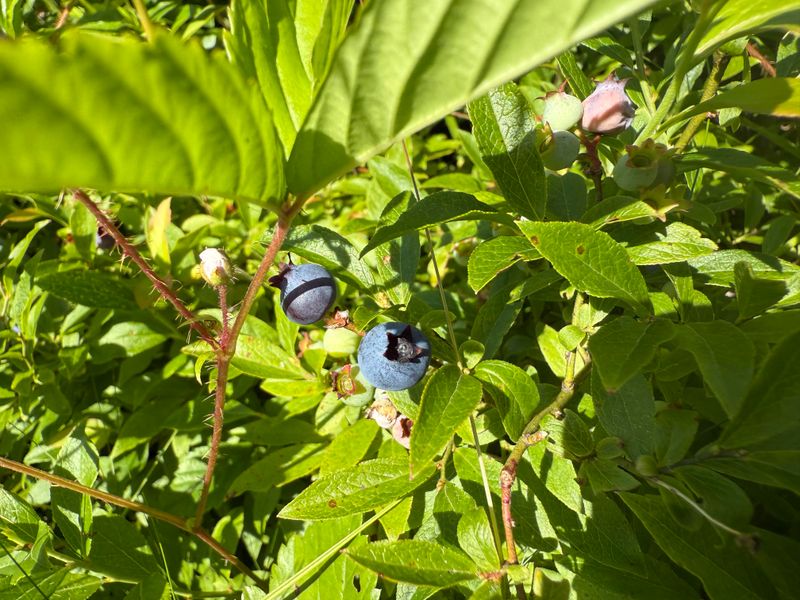
There is a clear pattern that experienced blueberry growers in North Carolina have noticed for years: older canes simply do not fruit as well as younger ones.
Canes that are six years old or more tend to produce fewer and smaller berries, even when the rest of the bush looks perfectly healthy.
The wood becomes less efficient at transporting water and nutrients, which directly limits how many flowers it can support.
Renewing the bush by removing a portion of the oldest wood each year keeps the fruiting potential high. Most pruning guides recommend removing the two or three oldest canes annually, cutting them back to ground level.
This approach encourages the bush to send up fresh new shoots from the base, which will become your most productive canes within two to three growing seasons.
Identifying old canes is easy once you know what to look for. Older wood tends to be thicker, darker gray or brown in color, and sometimes shows rough or peeling bark.
Younger canes are smoother, lighter in color, and more flexible. When you remove that old wood, you are essentially resetting part of the bush and giving it a fresh start.
Over time, this rotating renewal strategy builds a bush that consistently delivers strong harvests year after year, making your North Carolina blueberry patch genuinely worth the effort you put into it.
5. Crossing Branches
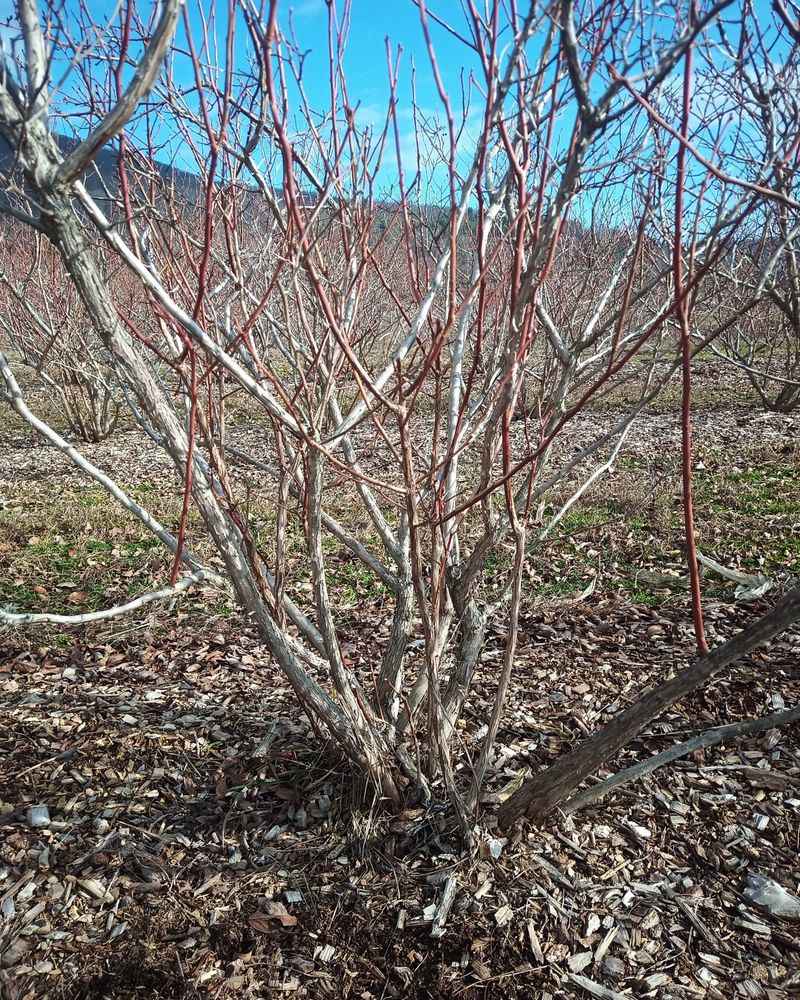
Branches that cross and rub against each other create a problem that starts small but grows steadily worse. Every time the wind moves those two branches, they grind against each other, wearing away the protective outer bark.
Those open wounds become entry points for bacteria, fungi, and insects looking for a place to settle in.
North Carolina summers bring plenty of wind and rain, which means crossing branches get a lot of opportunity to cause damage throughout the season. Once the bark is compromised, the wood beneath is vulnerable.
You might not notice the problem until you see yellowing leaves or a sudden decline in fruit production on one side of the bush.
Fixing this issue is one of the simpler pruning tasks you will do. Step back and look at the bush from above to spot any branches that form an X shape or press against each other.
When two branches cross, remove the one that is weaker, growing at a less favorable angle, or pointing back toward the center of the bush.
The goal is to encourage an open, outward-growing structure where no branches compete for the same space.
A bush shaped this way stays healthier, looks tidier, and channels its energy into producing fruit rather than repairing constant bark damage season after season.
6. Excessively Tall Bushes
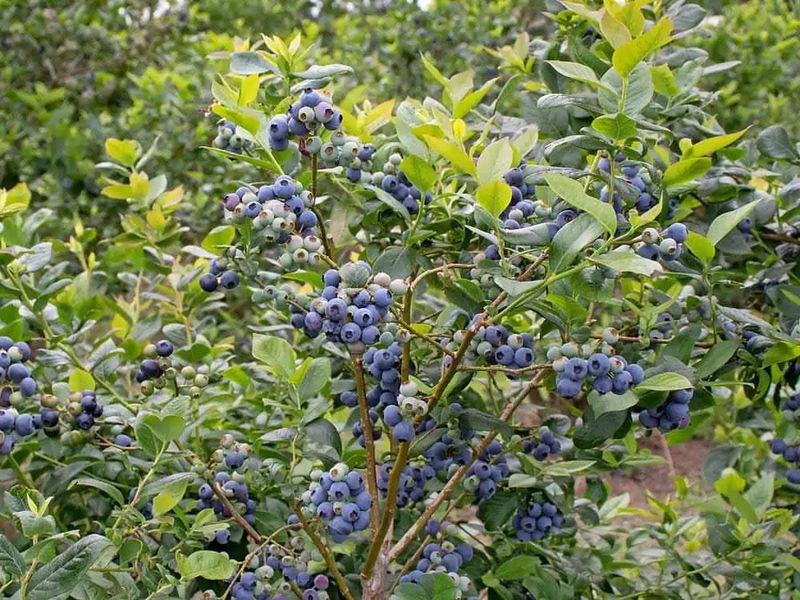
Highbush blueberries in North Carolina can grow surprisingly tall if left unpruned, sometimes reaching six feet or more. While a tall, lush bush might look impressive, height comes with real trade-offs.
Fruit that develops near the top is harder to pick, and the lower portions of the bush often get shaded out, reducing their ability to produce berries at all.
Keeping your blueberry bushes at a manageable height, typically between four and five feet, makes harvesting much more enjoyable and keeps the entire plant productive from base to tip.
Pruning for height is not about cutting everything back drastically at once. A gradual approach works best, reducing the tallest canes by about one-third each season rather than shocking the plant with a severe cut.
When selecting which tall canes to shorten or remove, prioritize the oldest, least productive ones first. Cutting back to a strong lateral branch that points outward encourages the bush to spread rather than continue reaching upward.
This shift in growth habit improves sunlight penetration throughout the entire canopy. More sunlight means more flower buds and, eventually, more berries across every level of the bush.
North Carolina gardeners who manage bush height consistently report easier harvesting, better fruit quality, and healthier plants that stay vigorous and productive for many seasons without needing a full renovation.
7. Thin Or Sparse Bush Base
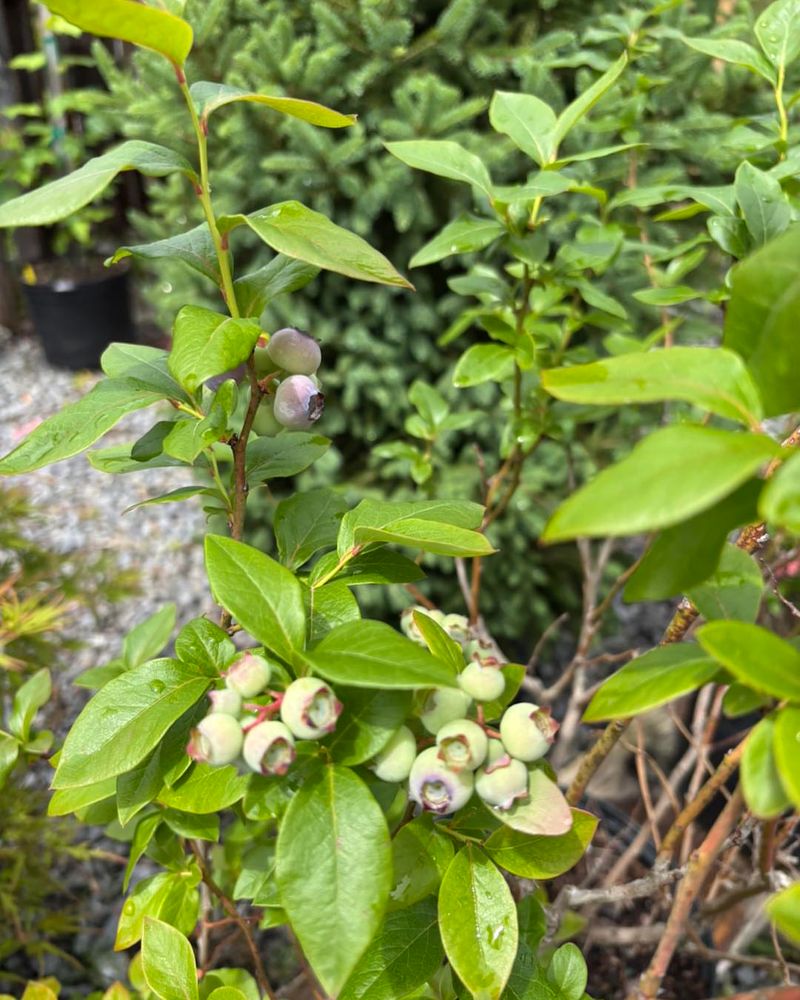
A blueberry bush with a thin, sparse base is quietly telling you that its renewal cycle has stalled. Healthy, productive bushes consistently push up fresh new canes from the base each season.
When that new growth slows down or stops, it often means that old, crowded canes are monopolizing the root system’s resources, leaving nothing left over to fuel the next generation of shoots.
Removing select older canes from the base is one of the most effective ways to wake up a sluggish bush.
When you free up space at ground level, light and air reach the crown of the plant, which stimulates dormant buds near the soil surface to sprout.
Those new shoots are the future of your bush, and encouraging them early pays off with stronger harvests in the years ahead.
When pruning the base, use loppers or a pruning saw for thick older canes and cut as close to the ground as possible without leaving a stub. Aim to open up the base so you can see clearly into the center of the bush at ground level.
Adding a fresh layer of acidic mulch, like pine bark or pine needles, after pruning helps protect the crown and supports the new shoots as they emerge.
North Carolina’s mild late winters make this the perfect time to give your blueberry bush the fresh start it needs.
8. Crowded Center
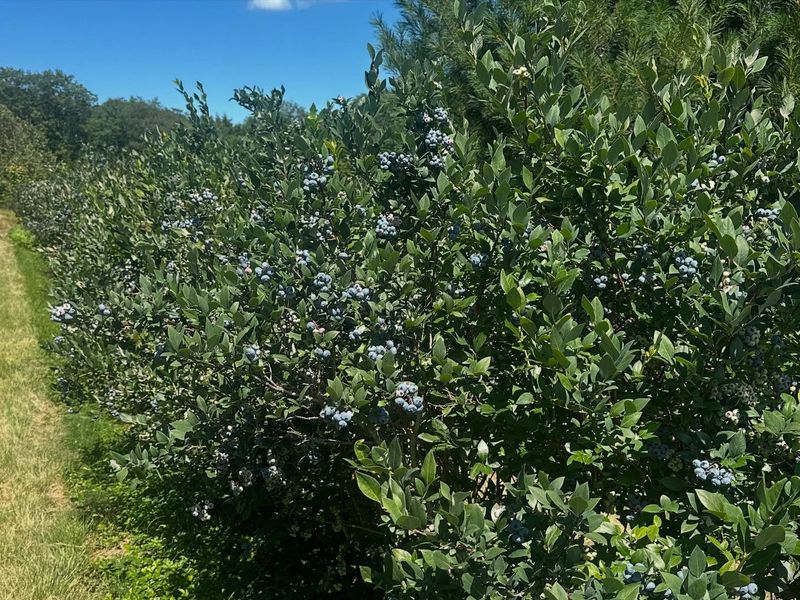
Imagine trying to grow inside a room with no windows and no air circulation. That is essentially what your blueberry bush experiences when its center becomes too crowded with stems.
A packed interior creates a humid, shaded microclimate that fungi absolutely love, while the berries that manage to form in there struggle to ripen evenly.
Opening up the center of your bush is a technique sometimes called vase pruning, and it works beautifully for blueberries.
The goal is to create an open, bowl-like shape so that sunlight reaches the interior canes and air moves freely through the entire plant.
This approach has been used by successful North Carolina blueberry growers for decades because it consistently improves berry quality and reduces disease pressure.
Start by removing any canes growing straight up through the middle of the bush, especially those that are rubbing against surrounding stems.
Then step back frequently to assess your progress, because it is easy to over-prune when you are focused on the interior.
You want to create openness without stripping the bush of productive wood. A good target is to be able to see daylight through the center when you look down from above.
Selective thinning done annually prevents the center from becoming crowded again and keeps your North Carolina blueberry bush producing generous harvests season after season.
9. Signs Of Fungal Issues
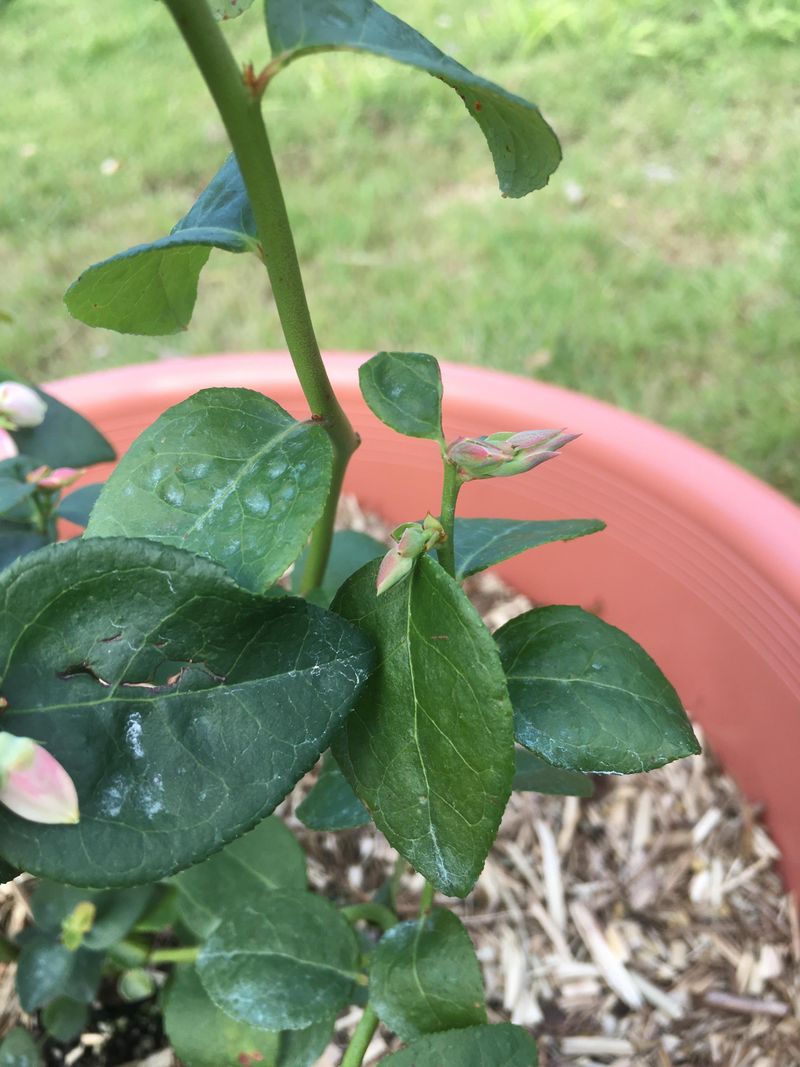
North Carolina’s warm, humid summers create nearly ideal conditions for fungal pathogens to take hold on blueberry bushes.
Mummy berry, powdery mildew, and Botrytis blight are among the most common culprits, and they all share one thing in common: they spread faster when the bush is dense and poorly ventilated.
Spotting early signs of fungal trouble is one of the most important skills a blueberry grower can develop.
Look for grayish or white powdery coatings on leaves, dark water-soaked spots on stems, or berries that shrivel and turn tan rather than ripening normally. Any of these symptoms warrant immediate attention.
Pruning out affected branches removes a significant portion of the fungal spore load and reduces the chance of the infection spreading to healthy tissue nearby.
When cutting out infected wood, always make your cuts several inches below the visible symptoms to ensure you are removing all compromised tissue. Wipe your pruner blades with rubbing alcohol between every single cut.
Burning or bagging the removed material keeps spores from spreading through your garden. After pruning, consider applying a copper-based fungicide approved for edible plants to protect the remaining healthy wood.
Consistent pruning combined with good airflow is genuinely one of the most reliable ways to keep fungal problems manageable and preserve your blueberry bush’s ability to fruit strongly through every North Carolina growing season.