Is It Still Smart To Plant Trees In North Carolina This Fall After A Drought This Long?
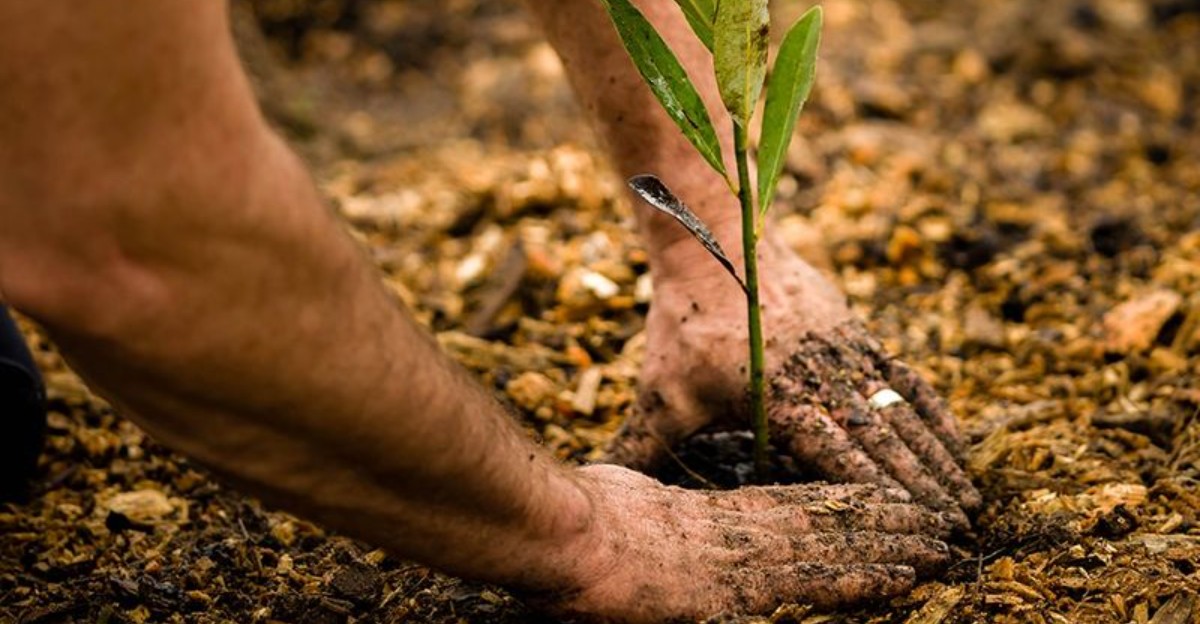
A long drought makes planting a tree feel risky. The ground is dry, the weather is odd, and you do not want to waste money. The good news is that fall is still one of the best times to plant in North Carolina.
Air cools down, but the soil stays warm enough for roots to grow for weeks. Trees planted now can settle in before summer heat returns. The catch is water.
New trees depend on you, especially in dry ground. Planting in a drought year means paying close attention to how deep you water and how often.
Tree choice matters too, since some species handle dry conditions better than others. Know what to expect, and this fall can still be a smart time to plant.
1. Fall Is Still The Best Season To Plant Trees
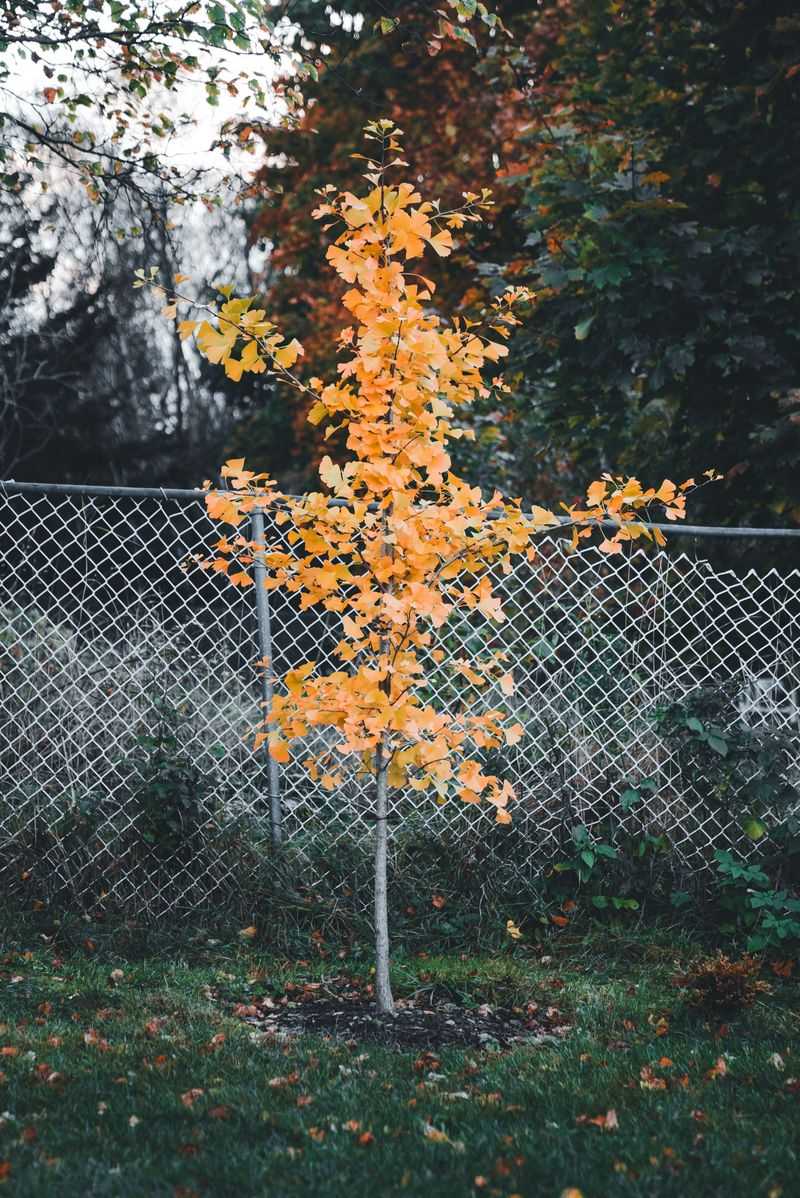
Gardeners across the South have a saying: fall is for planting. Even in a dry year, that old advice still holds up for North Carolina, and the reasons are rooted in simple science.
Cooler air is the first big helper. When temperatures drop, a young tree loses less water through its leaves, so it feels far less stress than it would in the blazing heat of July.
Meanwhile, the soil below stays warm for weeks or even months after the air cools down. Warm soil means busy roots. While the top of the tree slows down and gets ready for winter, the roots keep stretching out into the ground around them.
A tree planted in October can quietly build a strong root system all season long. By the time spring arrives, a fall-planted tree usually has a real head start.
It has already settled into its new home, so it can focus on pushing out fresh leaves instead of scrambling to find water. A tree planted in spring, on the other hand, has only a few short months before summer heat and dry spells hit hard.
There is one important catch, though. All of these benefits depend on the tree getting enough water, especially when rain is scarce. Fall planting gives roots a great chance, but it does not replace a hose or watering can.
North Carolina has a special advantage here. In most of the state, the ground rarely freezes for long stretches, so roots can keep growing through much of winter.
Mountain areas get colder, but even there, early fall planting gives trees useful growing time. That long window is a gift, and smart gardeners use it well.
2. Success Depends On Your Ability To Water
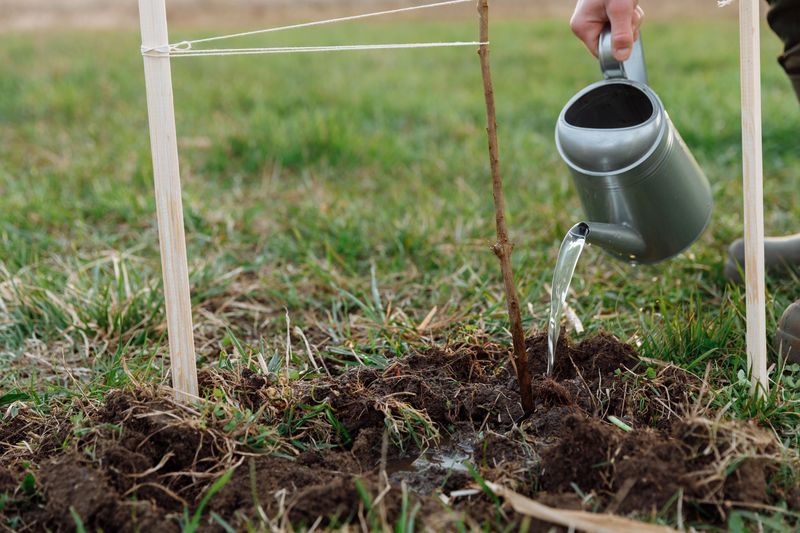
Think of a new tree as a houseplant that just moved outdoors. For its first year, it still drinks mostly from the small ball of soil it came in, and that little ball dries out much faster than the ground around it.
Here lies the real key to fall planting during a drought. The roots have not spread far yet, so they cannot reach deeper moisture on their own. When fall and winter turn dry, rain alone may not give the tree what it needs.
Your North Carolina Garden Changes Every Week. Your Plan Should Too.
Gardening in North Carolina changes quickly throughout the season. Every Friday you’ll receive a simple weekly plan showing exactly what to plant, prune, fertilize, harvest, and protect so you never miss the right timing.
So before you buy anything, ask yourself one honest question. Can you water this tree deeply about once a week during dry spells for at least the first year? If the answer is yes, you are in great shape to plant.
Deep watering beats quick splashes every time. A slow trickle from a hose left at the base for a while lets water soak down into the root ball instead of running off.
Soaker hoses work nicely too, and tree watering bags are a handy tool because they release water slowly over several hours.
Checking moisture is easier than you might think. Push a finger or a long screwdriver into the root ball itself, not just the soil beside it. If it feels dry a couple of inches down, your tree is thirsty.
Watering matters even more in North Carolina right now. Much of the state has been in drought for about a year, and soils in many areas are still low on stored moisture.
A few gallons from you each week can make the difference between a tree that struggles and one that thrives for years to come.
3. Check Local Water Restrictions First
Nobody wants to plant a beautiful new tree and then find out the hose is off limits. Yet that can happen during a drought, when some cities and water systems limit outdoor watering to save supplies.
Rules can range from mild to strict. Some places only ask people to cut back, while others allow watering on certain days or at certain hours. In tougher cases, outdoor watering may be banned for a while, which makes caring for young trees very hard.
A quick phone call or website visit can save you a lot of trouble. Check with your local water provider for the current rules before you head to the nursery. Some systems even make special allowances for new plantings, so ask about that too.
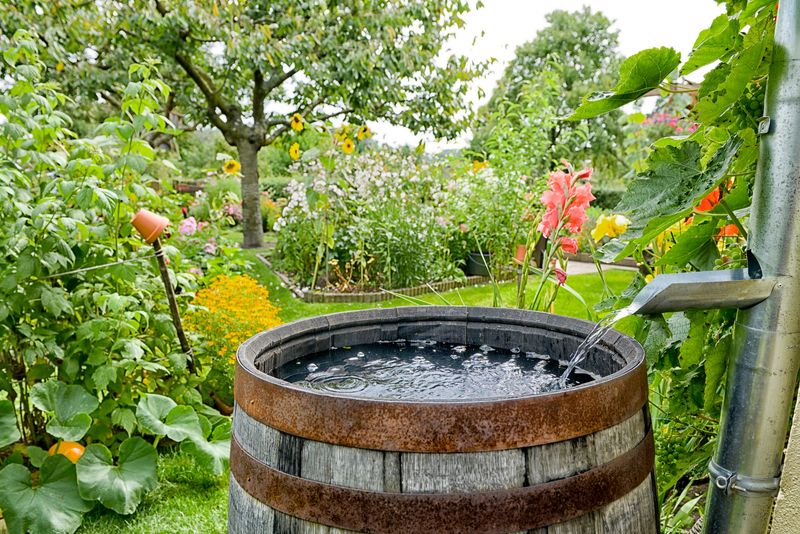
If restrictions are tight, waiting is a perfectly smart move. Trees are a long investment, and a few extra weeks of patience will not hurt your plans. You can also look into collecting rainwater in rain barrels where your town allows it.
Rain barrels are surprisingly useful. Just one inch of rain falling on a 1,000 square foot roof can produce roughly 600 gallons of water. Even a single barrel can carry a young tree through a short dry stretch.
Watering rules matter for North Carolina homeowners because they change from place to place. A town in the mountains may have very different limits than a city in the Piedmont or a county near the coast.
Your neighbor across the county line could be following completely different guidelines. Knowing your local rules ahead of time keeps your planting plan realistic and your trees well cared for.
4. Choose Drought-Tolerant Native Trees
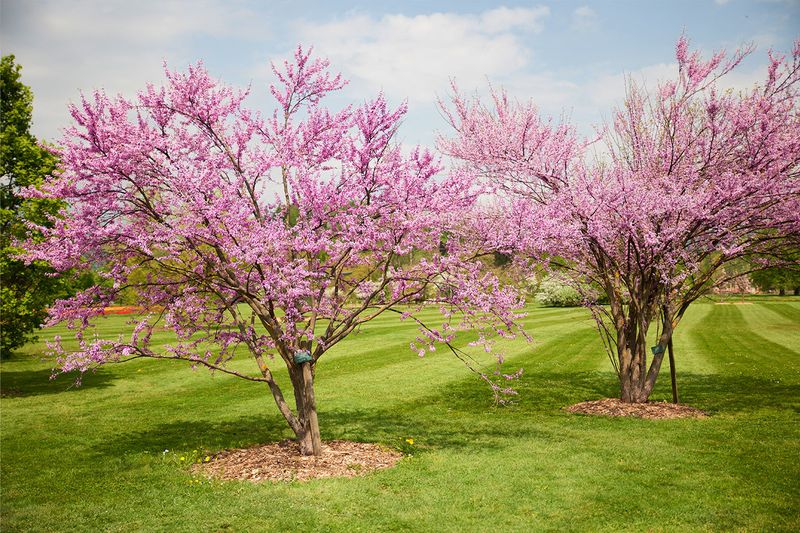
Native trees have been handling North Carolina weather for thousands of years. They grew up with the state’s soils, summer heat, and occasional dry spells, which gives them a real edge when rain gets scarce.
Once established, many natives cope with dry periods better than trees brought in from faraway places. They still need care while young, of course. Still, picking the right species from the start gives your tree a much better shot during and after a drought.
A few strong choices are worth a look. Willow oak is a tough shade tree often planted along streets, and southern red oak handles drier, sandy, or clay sites well. Eastern redbud brings bright pink spring blooms, and blackgum glows with brilliant red fall color.
Blackgum also has a neat claim to fame. Some of the oldest known blackgum trees in the eastern United States are believed to be several hundred years old, showing just how sturdy this species can be.
Matching the tree to your yard is just as important as choosing a tough species. Look at how much sun the spot gets, how well the soil drains, and how much room the tree will need when fully grown.
A sun-loving oak will not be happy squeezed into a shady corner. Your local Cooperative Extension office is a fantastic free resource.
Experts there can suggest trees that grow well in your county and soil type. Since dry spells are likely to return in North Carolina even after this drought eases, choosing wisely now means fewer worries in future summers.
5. Plant Correctly To Help Roots Spread
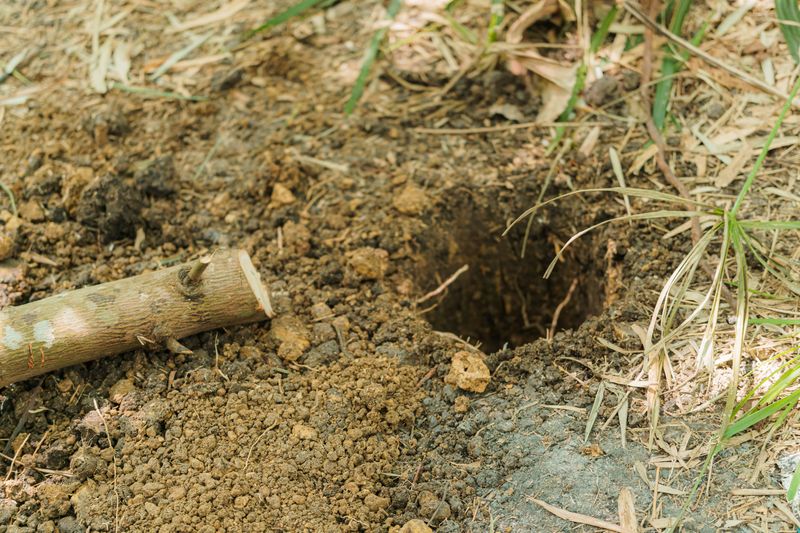
Ever seen a tree that looks like a telephone pole sticking straight out of the ground? That is often a sign it was planted too deep, and it is one of the most common mistakes gardeners make.
Good planting helps roots spread fast, which means the tree needs less help from you over time. Trees set too low or squeezed into narrow holes struggle to push roots outward. Trees planted at the right depth in a wide hole settle in much more quickly.
Start by digging a hole two to three times as wide as the root ball, but no deeper. Width matters more than depth because most tree roots grow sideways near the surface.
Next, find the root flare. That is the spot where the trunk widens as it meets the roots. Set the tree so the flare sits at or slightly above the soil surface, even if you have to scrape away extra soil from the top of the root ball.
Take a good look at the roots before backfilling. If they circle around the inside of the pot, gently loosen them or cut them so they point outward.
Fill the hole with the same native soil you dug out, then water thoroughly right away to settle everything in place. Planting the right way is extra important in North Carolina.
Heavy Piedmont clay can act like a bowl, trapping roots in a narrow hole and holding water in a soggy pocket. A wide, shallow hole lets roots break out into the surrounding ground and build a strong, healthy foundation.
6. Mulch Wide And Skip The Fertilizer
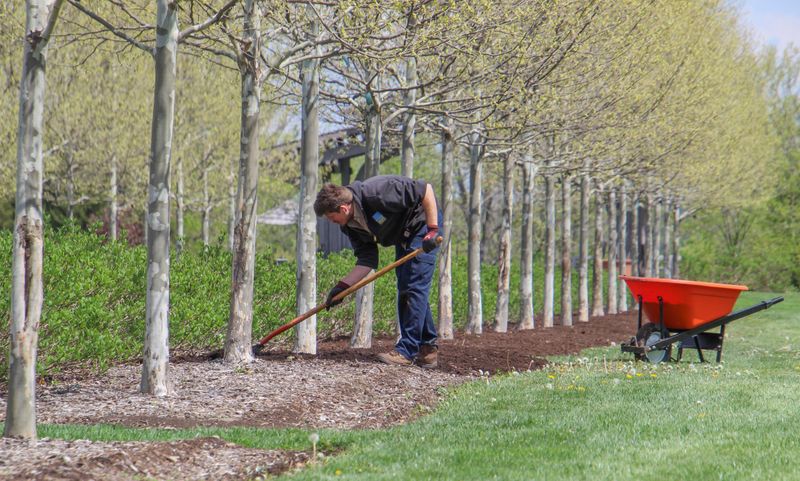
A good layer of mulch works like a cozy blanket for young roots. It holds moisture in the soil, keeps roots cooler on warm days, and blocks grass and weeds that would otherwise steal water.
Spreading it the right way makes all the difference. Use 2 to 3 inches of shredded bark or wood chips in a wide circle around the tree. Wider is better, and a ring several feet across gives roots plenty of protected space to grow into.
Keep the mulch pulled back a few inches from the trunk, though. Piling it up against the bark, often called a mulch volcano, can trap moisture and invite rot and pests.
Before mulching, remove the grass inside that circle so your tree does not have to compete for every drop of water.
Fertilizer is a different story. Many people assume feeding a new tree helps, but fertilizer at planting time can stress roots and push out tender new growth. Right now, the tree should be busy building roots, not leaves.
Patience pays off here. Wait until spring, and get a soil test first so you know what your soil actually needs. North Carolina residents can get soil testing through the state Department of Agriculture, and boxes are often available at local Cooperative Extension offices.
Mulch shines especially bright in North Carolina during a dry year. When rainfall is limited, every bit of moisture counts, and mulch helps the soil hold onto it longer.
A simple ring of wood chips may be the cheapest and easiest way to give your new tree a stronger start.
7. You Can Still Plant Later This Winter If Needed
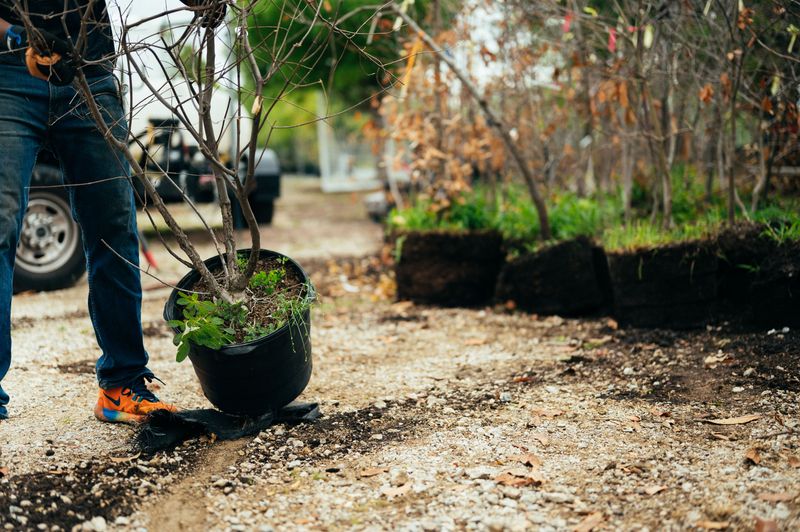
Feeling rushed? Relax a little. In much of North Carolina, the planting season does not end when October does, and that gives you room to wait for better conditions. As long as the ground is not frozen, trees can go in the ground through late fall and into winter.
Waiting a few weeks for rain to return or for water restrictions to ease is often a reasonable and smart choice. Your tree will still have time to grow roots before spring.
Keep an eye on drought updates and the weather forecast. The North Carolina Drought Management Advisory Council posts weekly drought maps for each county, which makes it easy to see how your area is doing.
When soil moisture improves after a few good rains, that is your signal to grab the shovel. Already bought your trees? No problem at all. Keep them in their pots, water them regularly, and tuck them in a sheltered spot out of harsh wind.
Grouping pots together and adding mulch around them can help protect roots on cold nights.
One thing to avoid is planting into bone-dry, dusty soil with no plan to water. Dry ground can pull moisture right out of the root ball, leaving your young tree struggling from day one.
Mild winters are a real advantage for gardeners in the Piedmont and Coastal Plain, where tree planting often works well beyond October and into the colder months.
Mountain gardeners have a shorter window, so planting earlier makes more sense there. Either way, a little flexibility can turn a tough dry year into a great planting season.