These North Carolina Fruits Reach Peak Harvest In September
September in North Carolina smells like warm orchards and cool morning air. The summer heat starts to soften, and the fields feel a little quieter than they did just weeks ago.
Something sweet is happening on farms across the state right now. Baskets are filling up faster than folks can carry them home, and roadside stands are stocked with more variety than any other point in the year.
This is the month when patience finally pays off for growers who spent all summer watching and waiting. Months of sun, rain, and careful tending finally turn into juice, crunch, and color right before harvest ends for the season.
Stick around, because these fruits are hitting their very best moment this September, and knowing which ones to look for could change how you shop or what you plant next year.
1. Apples
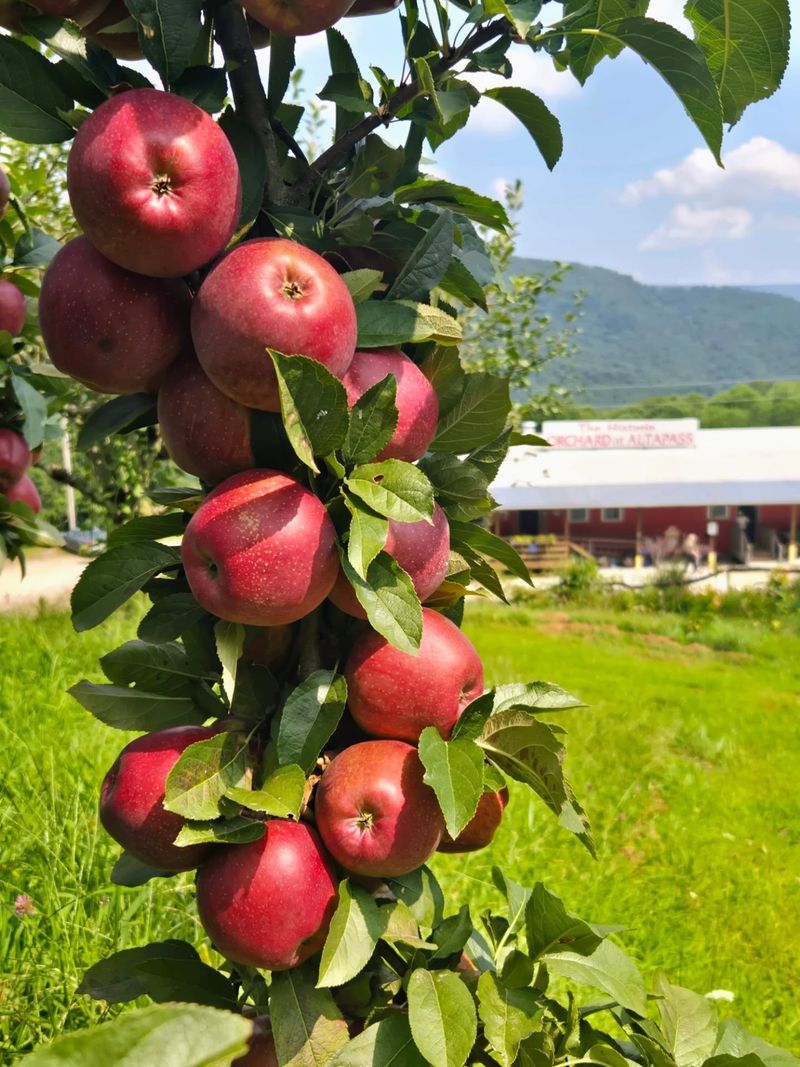
If you head into the North Carolina mountains this month, you will likely bump into an apple orchard begging to be picked. Counties like Henderson are famous for their apple crops, and September is prime time.
North Carolina ranks among the top apple-producing states in the country. Much of that fruit comes from the cooler, higher elevations near Hendersonville, where the climate helps apples develop crisp texture and balanced sweetness.
Popular varieties reaching their stride now include Gala, Golden Delicious, and Red Delicious. Some later types like Rome and Fuji finish out the season, so the picking window stretches nicely into fall.
When choosing apples, look for firm fruit with tight, smooth skin and no soft spots. A ripe apple should feel heavy for its size, which usually means it is packed with juice.
Store them in the crisper drawer of your refrigerator, and they can stay fresh for weeks. Keep them away from bananas, since that speeds up ripening more than you might want.
Fresh apples are wonderful raw, but September practically invites you to bake. Think pies, crisps, and warm applesauce simmering on the stove.
Many mountain orchards offer pick-your-own days, letting families fill bags straight from the branch. It is an easy, affordable outing that turns lunch into an adventure.
Did you know the Hendersonville area celebrates with an annual apple festival each fall? It shows just how proud the region is of this crunchy September star.
2. Pears
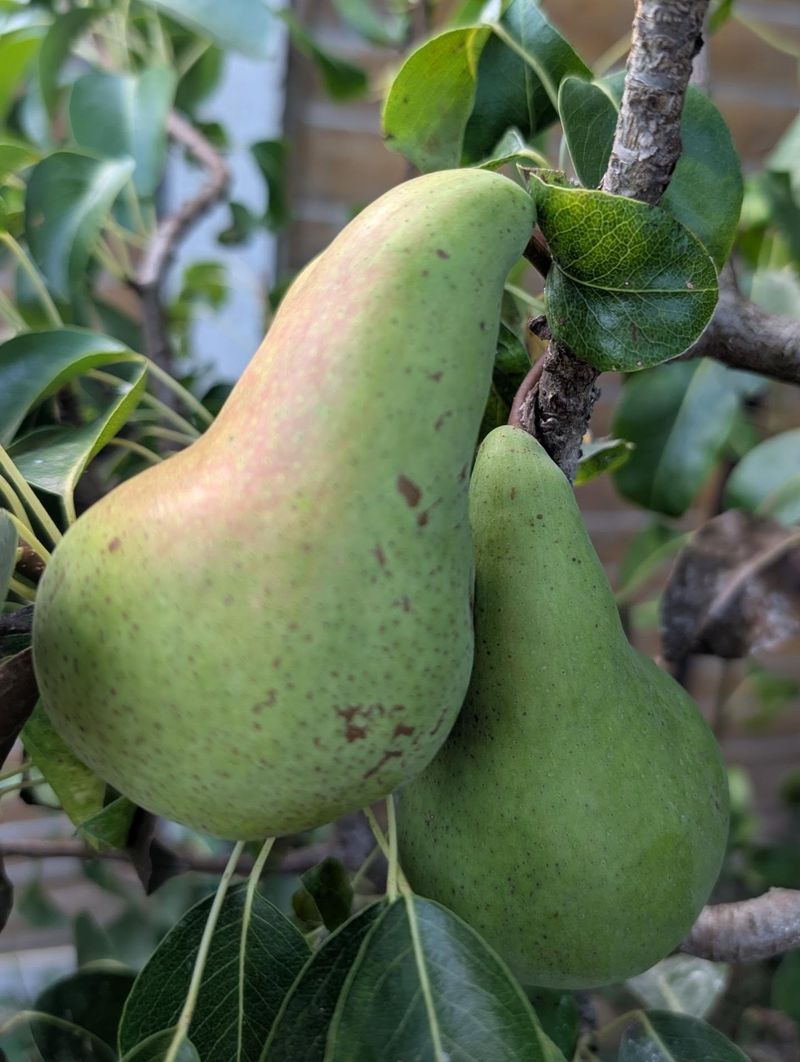
There is something old-fashioned and comforting about a September pear tree loaded with fruit. Many North Carolina backyards still hold a gnarled pear tree that has quietly produced for decades.
Hard, crunchy varieties like Kieffer are especially common across the state. These pears handle the Southern climate well and often ripen from late summer into fall.
Unlike apples, most pears do not fully ripen on the tree. Growers usually pick them while still firm and let them soften indoors over several days.
To check ripeness, press gently near the stem end. When it gives a little to your thumb, the pear is ready to enjoy.
Firm cooking pears may stay crisp even when ripe, which makes them fantastic for canning and preserves. Softer dessert types turn buttery and juicy when left to sit on the counter.
Your North Carolina Garden Changes Every Week. Your Plan Should Too.
Gardening in North Carolina changes quickly throughout the season. Every Friday you’ll receive a simple weekly plan showing exactly what to plant, prune, fertilize, harvest, and protect so you never miss the right timing.
Store unripe pears at room temperature, then move them to the refrigerator once they soften. This trick keeps them from turning mushy too fast.
Kieffer pears in particular are prized for pear preserves and spiced pear butter. Their sturdy texture holds up beautifully during long simmering.
You can also slice ripe pears over oatmeal, tuck them into salads, or roast them with a drizzle of honey. Their mild sweetness pairs with almost anything.
For families with an aging tree in the yard, September becomes a reason to gather, pick, and share. A single productive pear tree can supply neighbors, friends, and plenty of jars for winter.
3. Asian Persimmons
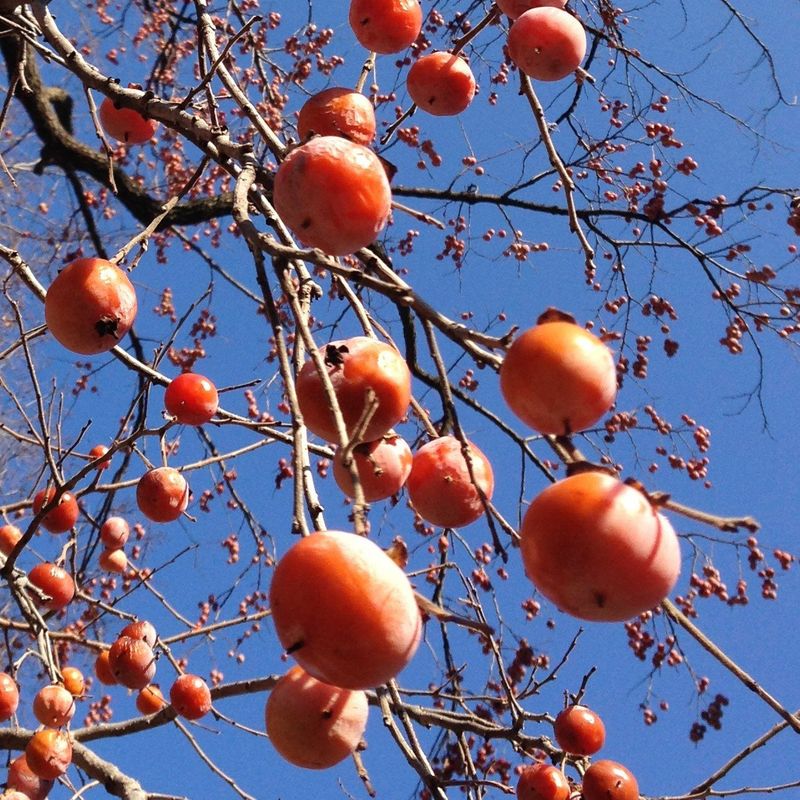
Few fruits glow quite like a persimmon in the soft light of early fall. Their bright orange color practically shouts that autumn has arrived in North Carolina.
The state grows both native American persimmons and cultivated Asian types. September marks the beginning of persimmon season, with the fruit ripening into the following months.
Native persimmons are small and grow wild in fields and along wood edges. They turn sweet only after fully ripening, and eating one too early leaves your mouth puckered and dry.
Asian persimmons, like the Fuyu variety, are larger and often sold at markets. Fuyu types can be eaten while still firm, much like an apple, which makes them beginner friendly.
To enjoy the astringent kinds, wait until they feel soft and almost jelly-like. That patience turns a mouth-puckering fruit into a spoonful of natural sweetness.
When shopping, choose persimmons with smooth, glossy skin and no deep cracks. A little softness is fine for the varieties meant to ripen fully.
Store firm persimmons at room temperature until they reach the texture you like. Ripe ones can go in the fridge to slow them down for a few days.
Cooks love using ripe persimmon pulp in puddings, breads, and cookies. Old Southern persimmon pudding recipes have been passed down for generations here.
If you spot a wild tree glowing orange this fall, note where it stands. Come back after a frost, and you may find nature’s own free dessert waiting.
4. Figs
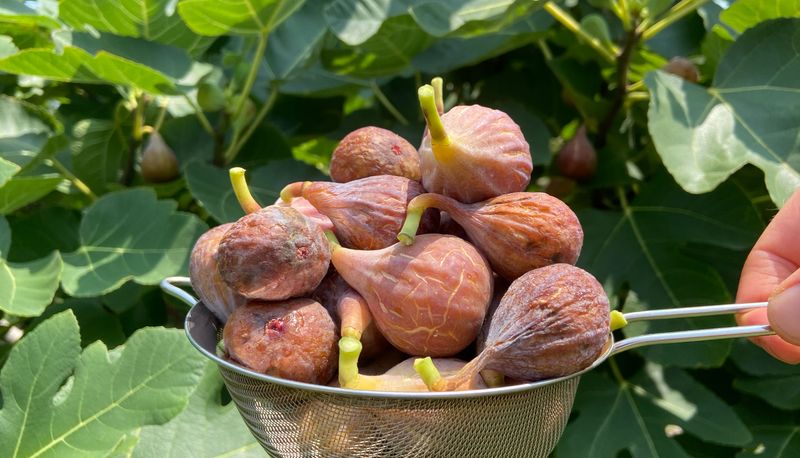
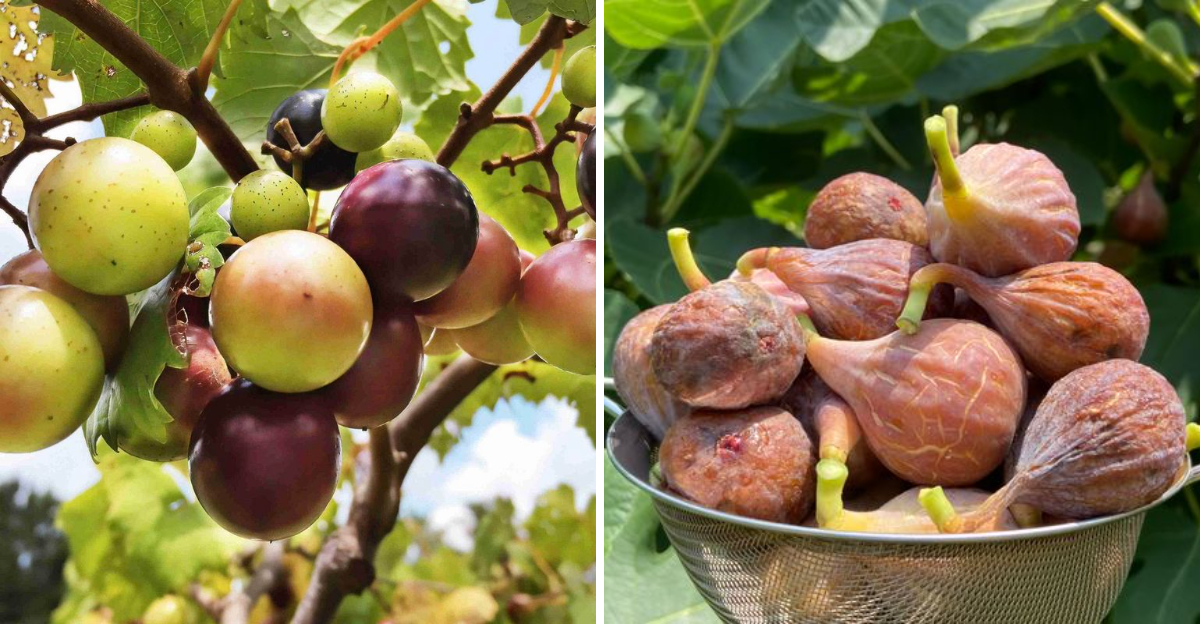
Warm from the sun, a fresh fig tastes almost like candy straight off the branch. Across eastern and coastal North Carolina, backyard fig trees hit a delicious stride in late summer and early September.
Brown Turkey and Celeste are two varieties that thrive in the state’s warm, humid conditions. They handle the heat gracefully and reward gardeners with soft, honeyed fruit.
Figs do not ripen much after picking, so timing matters. Look for fruit that hangs down slightly and feels tender to a gentle squeeze.
A ripe fig may show a tiny drop of syrup at the bottom, which is a good sign of peak sweetness. The skin should give easily without splitting apart.
Because they bruise so easily, figs need careful handling. Pick them into a shallow container and eat or use them within a day or two.
These fruits do not store long in the refrigerator, so many folks turn extras into jam or preserves. Fig preserves spread over warm biscuits are a beloved Southern treat.
Fresh figs also pair wonderfully with cheese, yogurt, or a light sprinkle of cinnamon. Their natural sugars make them feel like dessert with zero effort.
Fig trees are generous once established, often producing more than one family can eat. Sharing the surplus with neighbors is practically a tradition in fig-growing areas.
If you spot a loaded fig tree this September, do not wait. Birds and squirrels adore these treats just as much as people do.
5. Muscadine Grapes
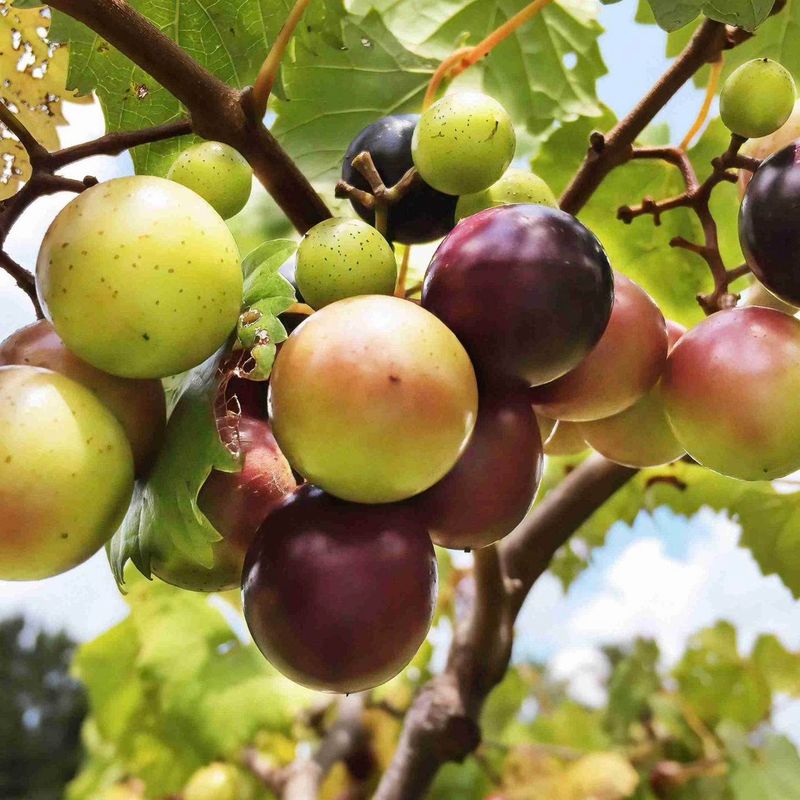
Bite into a muscadine and you will understand why North Carolinians get so attached to this thick-skinned grape. It pops in your mouth with a sweetness that store grapes just cannot match.
Muscadines are native to the southeastern United States, and North Carolina has a long history with them. The famous Mother Vine on Roanoke Island is often called one of the oldest cultivated grapevines in the country.
September is when these grapes reach their sweet peak. You will find bronze types, sometimes called scuppernongs, alongside dark purple varieties bursting with flavor.
The skins are tough, so many people squeeze the pulp into their mouth and toss the rest. Others eat the whole thing, since the skins carry helpful nutrients and a bold tang.
When shopping at farmers markets or roadside stands, choose grapes that feel plump and firm. A dusty coating on the skin is natural and simply means they are fresh.
These grapes shine in homemade jelly, juice, and even pies. Plenty of small North Carolina wineries turn them into sweet local wines too.
Store muscadines loosely in the fridge and rinse them right before eating. They keep well for several days, though they rarely last that long in most kitchens.
Growing your own is surprisingly doable in this climate, since the vines handle heat and humidity gracefully. For anyone wanting a taste of true Southern tradition, muscadines are a rewarding September pick.
6. Pawpaws
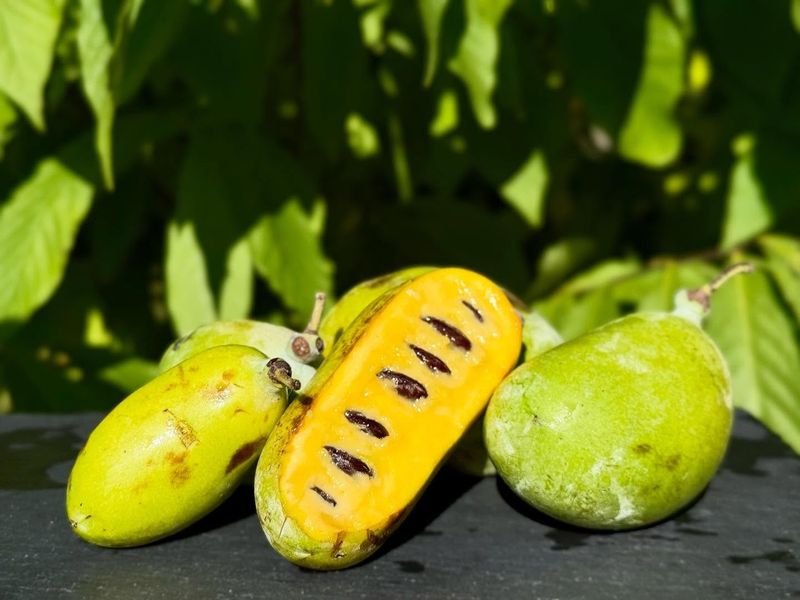
Ever heard of a fruit that tastes like a mix of banana and mango but grows wild in North Carolina woods? That is the pawpaw, one of the most surprising treats of September.
Pawpaws are the largest edible fruit native to the United States. They grow on small understory trees found along shady creek banks and forest edges across parts of the state.
The season is short and lands right around September, so timing is everything. Miss the narrow window, and you may wait a whole year for another chance.
Ripe pawpaws feel soft, similar to a ripe peach, and give slightly when pressed. The green skin may develop a few dark spots as the custardy inside sweetens.
Inside, you will find creamy flesh dotted with large brown seeds you spit out or scoop around. The texture is smooth and rich, almost like a tropical pudding.
Because they bruise fast and do not ship well, pawpaws rarely appear in regular grocery stores. That rarity is part of what makes finding one feel like a small victory.
Eat them fresh with a spoon, or blend the pulp into smoothies, breads, and ice cream. The flavor is bold, so a little goes a long way.
Some North Carolina growers and native plant fans are working to bring pawpaws back into gardens. Planting a couple of trees can reward patient gardeners with a taste of true wild Appalachia.
7. Late-Season Blackberries
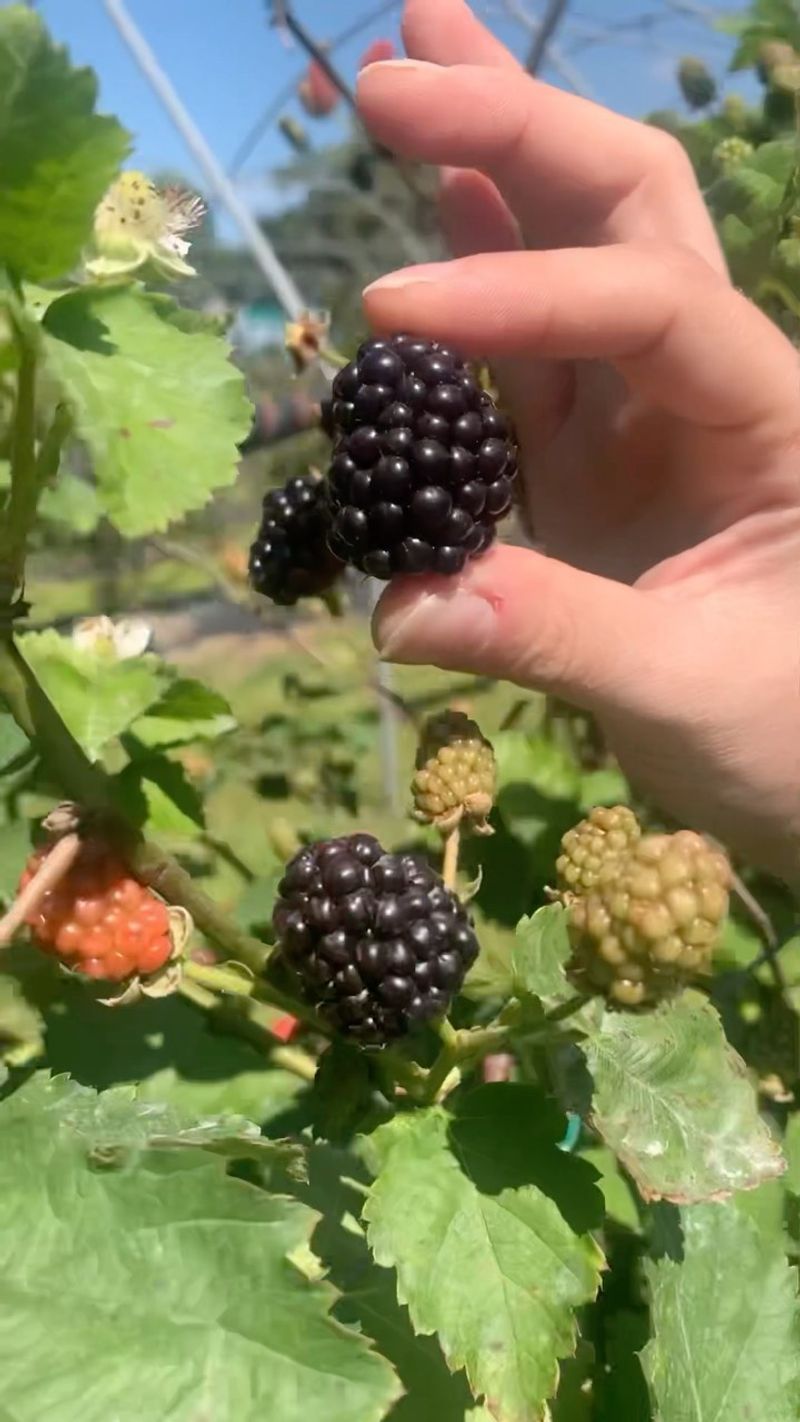
Just when you think berry season has slipped away, certain blackberries offer one last generous round. In North Carolina, some later-ripening varieties keep producing into September.
The state grows a lot of blackberries, both on commercial farms and along country roadsides. Cultivated types like Navaho and Ouachita extend the harvest well past the peak of summer.
A ripe blackberry turns deep, glossy black and pulls off the plant with barely any tug. If you have to yank it, give it another day or two.
Color alone can fool you, since a shiny black berry may still taste tart. The easiest test is that gentle, almost effortless release from the stem.
Wild brambles often carry thorns, so long sleeves and a bit of patience help during picking. Many farms plant thornless varieties that make the job far more comfortable.
Blackberries spoil quickly, so plan to eat or freeze them soon after picking. Spread them on a tray to freeze first, then bag them so they do not clump together.
These berries shine in cobblers, jams, and simple bowls topped with cream. A classic blackberry cobbler is about as Southern as dessert gets.
They also freeze beautifully, letting you stash a taste of late summer for winter mornings. Toss a handful into pancakes or smoothies when the weather turns cold.
Pick-your-own farms across the state welcome families for one final berry outing. It is a sweet, slightly sticky way to send summer off in style.