The Most Underrated Fall-Blooming Ohio Wildflower Most Gardeners Have Never Heard Of
Every fall garden reaches a point where things start winding down, and honestly it happens faster than anyone wants to admit. The coneflowers are done, the phlox has checked out, and the yard starts looking like it is already mentally in November.
Meanwhile, out in the wet meadows and along Ohio’s creek banks, one native wildflower is just getting started. It glows in shades of gold and rust, the bees absolutely lose their minds over it, and almost nobody grows it on purpose.
Part of the problem is the name. Sneezeweed. Not exactly the kind of name that makes you rush to the garden center.
But here is the thing: once you get past it, you will find one of the most cheerful, hardworking, pollinator-friendly fall plants Ohio has to offer.
Your garden needs to meet this one.
1. Meet The Native With The Funniest Name
Sneezeweed sounds like a plant that wants to ruin your day. The truth is a lot sweeter, and it starts with an old habit.
Long ago, people dried the leaves and flower heads and ground them into snuff. Sniffing that powder made folks sneeze, which they thought helped clear out bad spirits or stuffy heads.
The name stuck, even though the plant does not cause allergies the way ragweed does.
Its scientific name is Helenium autumnale. The origin of the Helenium name is actually debated among botanists and plant historians.
A popular folk story connects it to Helen of Troy, the famous beauty from Greek mythology, though other sources suggest it may derive from a Greek word related to the sun or refer to a Greek island. It is a fun bit of plant history to look into, even if the full story remains a little uncertain.
The second part of the name, autumnale, simply means it blooms in autumn, which is exactly what it does across Ohio.
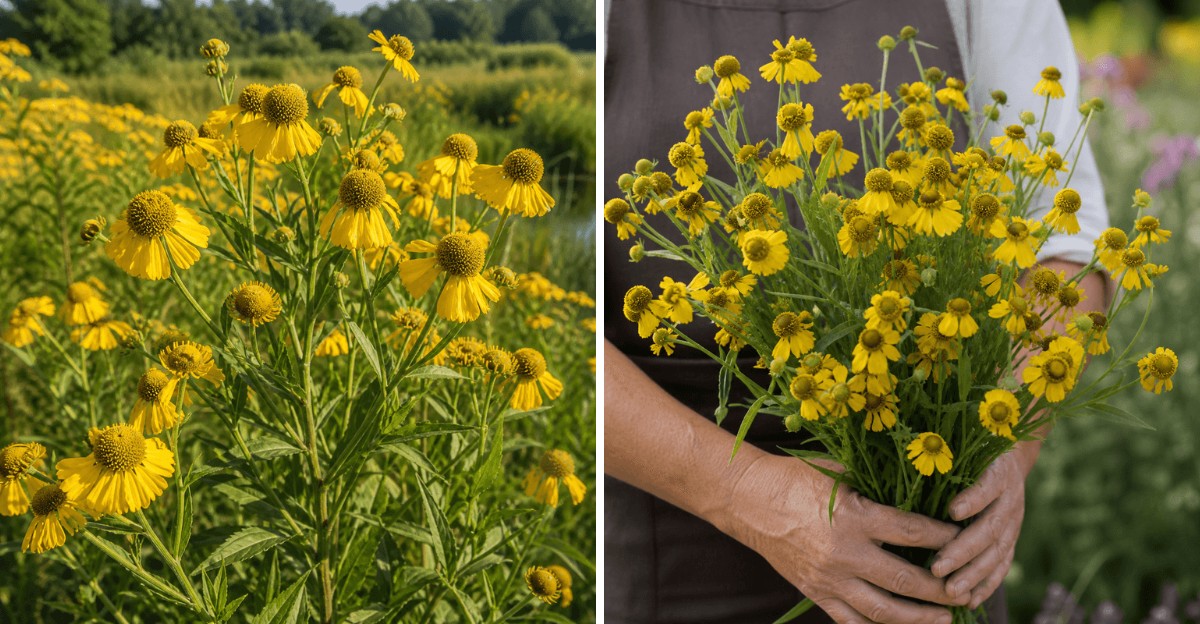
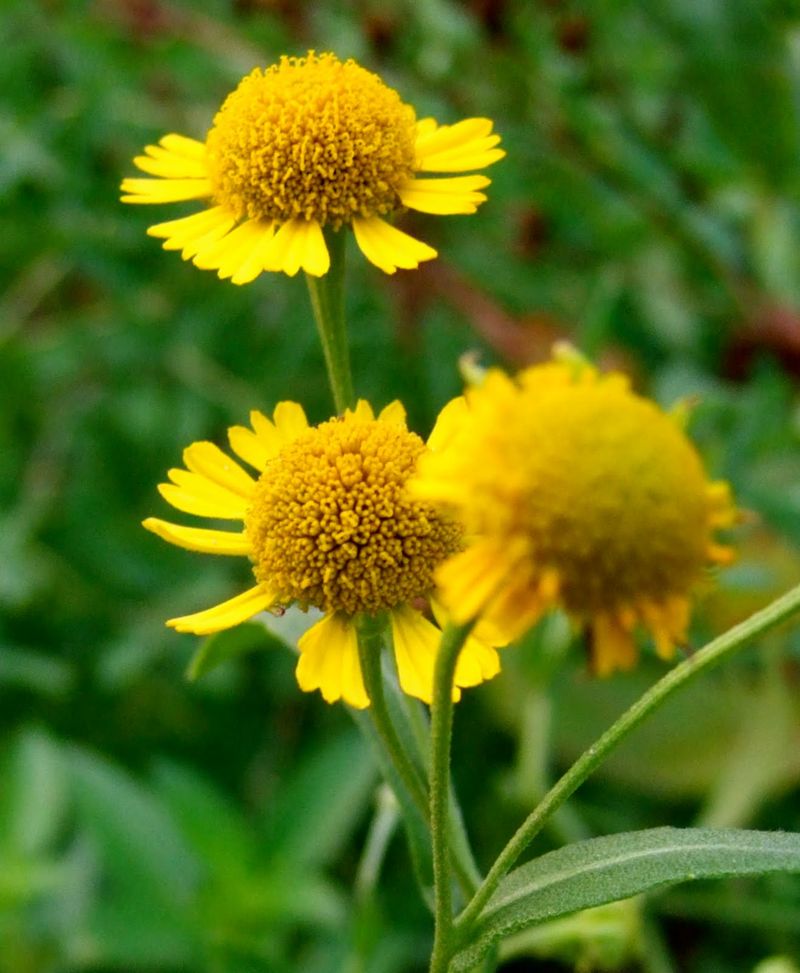
Each flower has a round, bumpy center that looks like a tiny tennis ball. Around it sit wedge-shaped petals with little notches at the tips, like someone trimmed them with pinking shears.
The petals often sweep backward, giving each bloom a playful, windblown look.
You can find it growing wild in wet ditches, river edges, and damp prairies throughout the state. It usually reaches three to five feet tall, with sturdy stems and narrow leaves.
Once you learn to spot it, you will start noticing it on fall drives. Keep an eye on low, soggy spots near roads and streams.
Chances are good you will see a golden patch waving back at you before October ends.
2. Why Pollinators Go Crazy For Sneezeweed
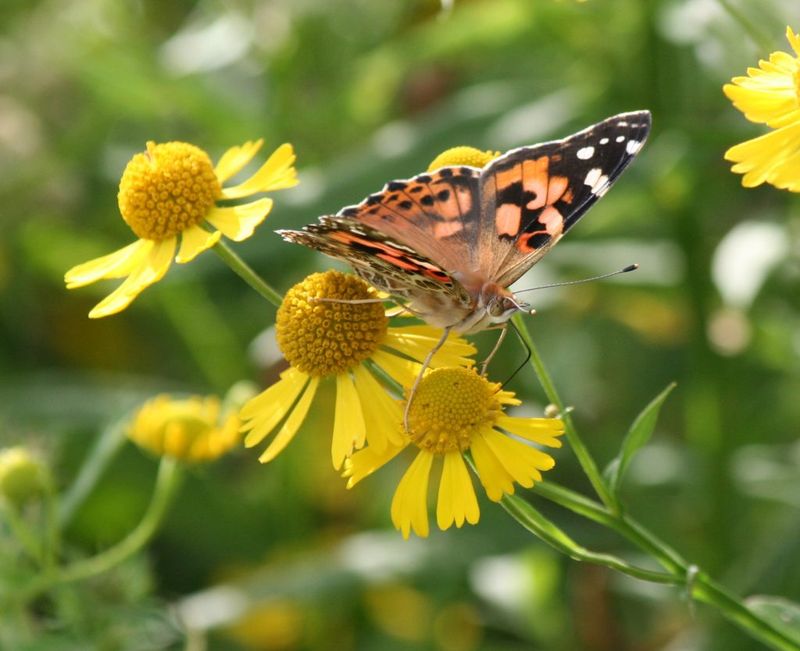
Ask any bumblebee in September where the party is, and it might point you straight to a sneezeweed patch. By late summer, food for insects starts running low.
Many early flowers have finished their show, leaving hungry bees, butterflies, and beetles searching for snacks. Sneezeweed fills that gap with tons of pollen and nectar right when bugs need it most.
Your Ohio Garden Changes Every Week. Your Plan Should Too.
Gardening in Ohio changes quickly throughout the season. Every Friday you’ll receive a simple weekly plan showing exactly what to plant, prune, fertilize, harvest, and protect so you never miss the right timing.
Its domed centers are packed with tiny flowers, each one offering a small treat.
Native bees in Ohio love it, including bumblebees, sweat bees, and some special bees that focus on late flowers. Honeybees visit too.
Monarch butterflies heading south for the winter often stop for a sip, using that energy for their long trip to Mexico.
Soldier beetles also show up in big numbers. They look like little orange and black bugs, and they help gardeners by eating aphids and other pests.
So a single plant can bring in helpers as well as pretty visitors.
Want to give pollinators the best buffet? Plant sneezeweed in groups of three or more instead of one lonely stem.
Bigger patches are easier for insects to find from the air.
Skip bug sprays near your blooms, too. Even gentle products can harm bees.
A little chewed leaf here and there is just a sign your garden is busy feeding the neighborhood.
3. The Wet Spot Solution You Have Been Waiting For
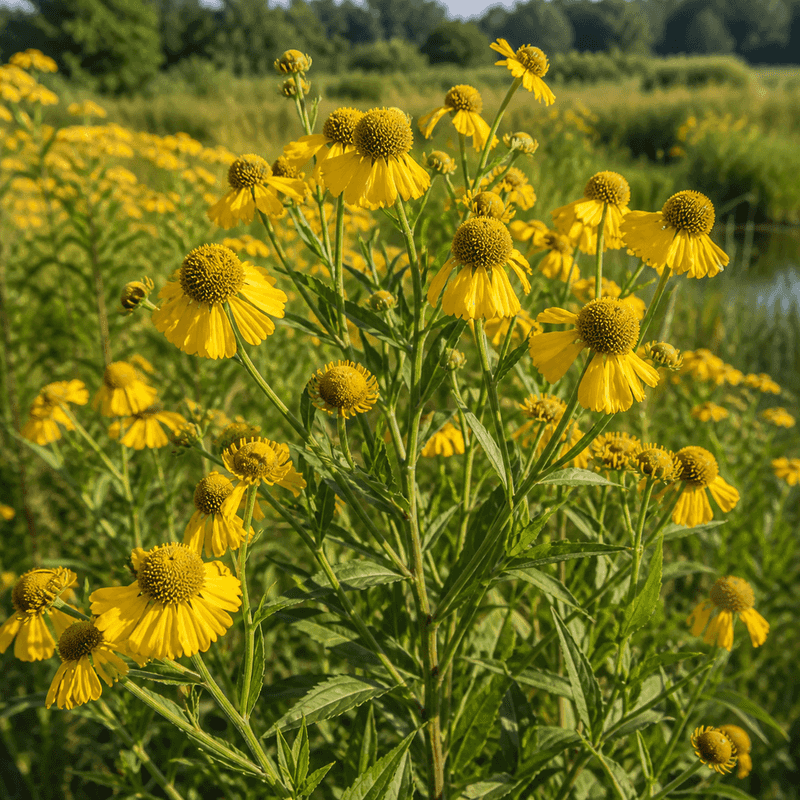
Every yard seems to have one stubborn soggy corner. Grass turns mushy there, and most flowers sulk or rot in the heavy, wet clay.
Good news is on the way. Sneezeweed actually likes having its feet damp.
In nature, it grows along streams, marshes, and wet meadows, so a puddly patch feels like home to it.
A lot of Ohio yards sit on thick clay soil that holds water after rain. Instead of fighting it, you can plant something that enjoys those conditions.
Sneezeweed handles clay well and keeps blooming even when spring rains leave the ground squishy for days.
Rain gardens are a perfect match. A rain garden is a shallow dip in your yard that catches water running off your roof or driveway.
Plants there soak up the water and help keep it out of storm drains.
To get started, find the low spot where water gathers after a storm. Loosen the soil, add a little compost, and set your plants about eighteen inches apart.
Water them often during their first month while roots settle in.
Pair sneezeweed with other moisture fans like swamp milkweed, blue flag iris, or cardinal flower. Together they make a colorful, busy wetland corner.
That messy problem spot might turn into the favorite part of your whole yard.
4. Giving Sneezeweed The Sunshine It Craves
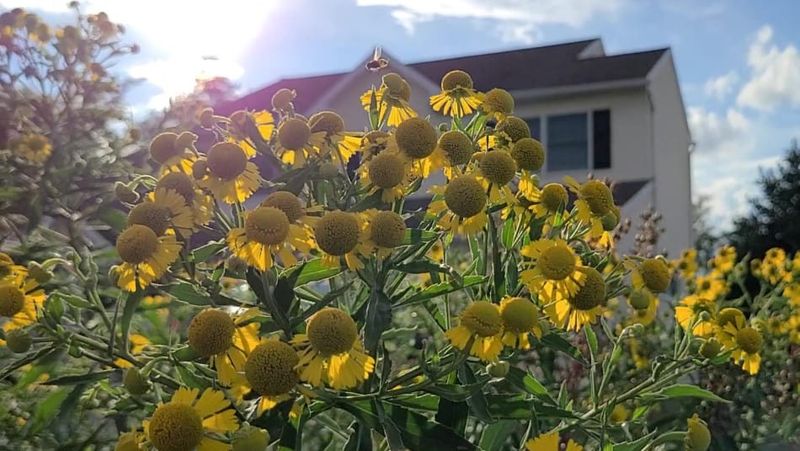
Sunlight is the secret fuel behind those golden blooms. Give sneezeweed plenty of it, and the plant pays you back with flowers for weeks.
Aim for a spot with at least six hours of direct sun each day. Eight hours is even better.
In too much shade, stems tend to grow tall and floppy as they stretch toward the light, and you get fewer blossoms.
Across most of Ohio, open yards and sunny borders work great. Look for places away from big trees or the shady side of your house.
A south or west facing bed often makes a cheerful home.
Here is a trick plenty of gardeners swear by. In late May or early June, cut the plant back by about one third.
It sounds scary, but it helps. The stems branch out, stay shorter, and stand up better when fall storms roll through.
Pinching also gives you more flower buds, since every new branch can make blooms. You might wait a week or so longer for flowers, but the show is fuller.
Skip heavy fertilizer. Rich food makes soft, leggy growth that leans over.
Average soil with steady moisture works just fine.
If stems still lean, tuck in a few twigs or a low hoop support early in summer. By September, nobody will see them behind all that color.
5. Colorful Sneezeweed Varieties For Gardens
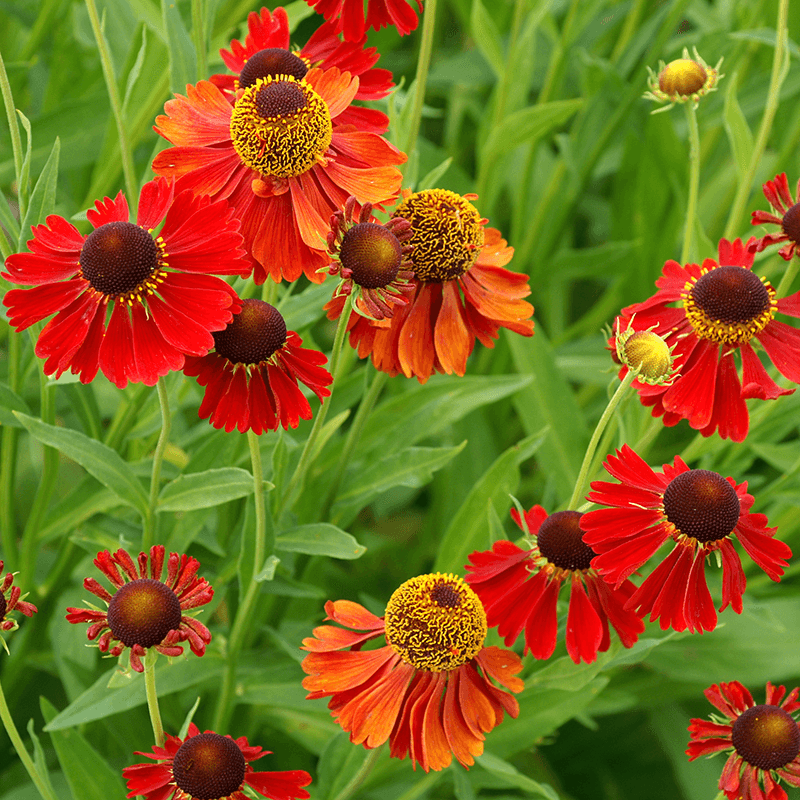
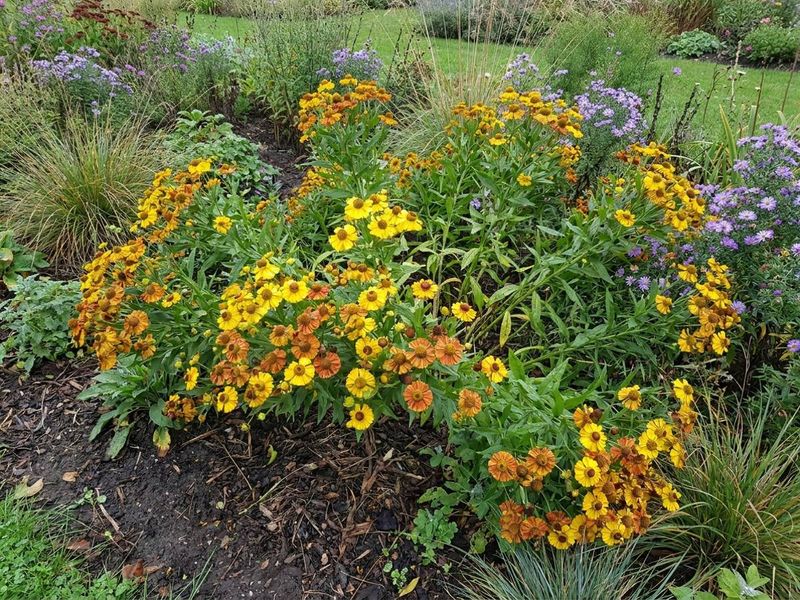
Yellow is the classic look, but sneezeweed has a surprising wild side. Plant breeders have created types in shades of copper, brick red, and fiery orange.
The wild form found in Ohio has sunny yellow petals and a yellow-green center. It is tough, simple, and very friendly to local insects.
If you want the most help for pollinators, the plain native version is a smart pick.
Still, the fancy kinds are fun. Moerheim Beauty shows off rich, rusty red petals that slowly fade to orange.
Mardi Gras mixes yellow, orange, and red on the same flower, like a tiny sunset. Compact types such as Dakota Gold are bred to stay on the shorter side, generally in the range of eighteen inches to two feet, though as with many plants, actual height can vary a bit depending on soil, moisture, and growing conditions.
Here is a fun fact. Many of these colorful cultivars were developed in Europe, especially Germany and England, where gardeners fell in love with this American plant long before folks here noticed it.
When shopping, read the tag for height and bloom time. Some start in July, while others wait until September.
Mixing a few types can stretch the color for months.
Try buying from a local native plant nursery when you can. Staff there know which plants do well in our weather and soil.
They can also point you toward straight species seeds if you want the true wild look.
6. Planting Sneezeweed Step By Step
My neighbor once planted sneezeweed in July heat and wondered why it wilted every afternoon. Timing makes a big difference, and it is an easy fix.
Spring is the best season to plant in Ohio, after the last frost, usually from late April to May. Early fall also works if you get plants in the ground about six weeks before the first hard freeze.
Cooler weather helps roots settle without stress.
Dig a hole about twice as wide as the pot. Set the plant so the top of its soil sits level with the ground.
Fill in around it, press gently, and give it a deep drink of water.
Growing from seed? Seeds need light to sprout, so just press them onto the soil surface instead of burying them.
Many gardeners scatter seeds outdoors in late fall. Winter cold and moisture help wake them up, and seedlings pop up in spring.
Keep young plants moist during their first summer. A two inch layer of shredded leaves or mulch helps hold water, but keep it a little away from the stems.
Every three or four years, clumps can get crowded in the middle. Dig them up in spring, split them into smaller pieces with a shovel, and replant.
You get free plants to share with friends, too.
7. A Safety Note Everyone Should Know
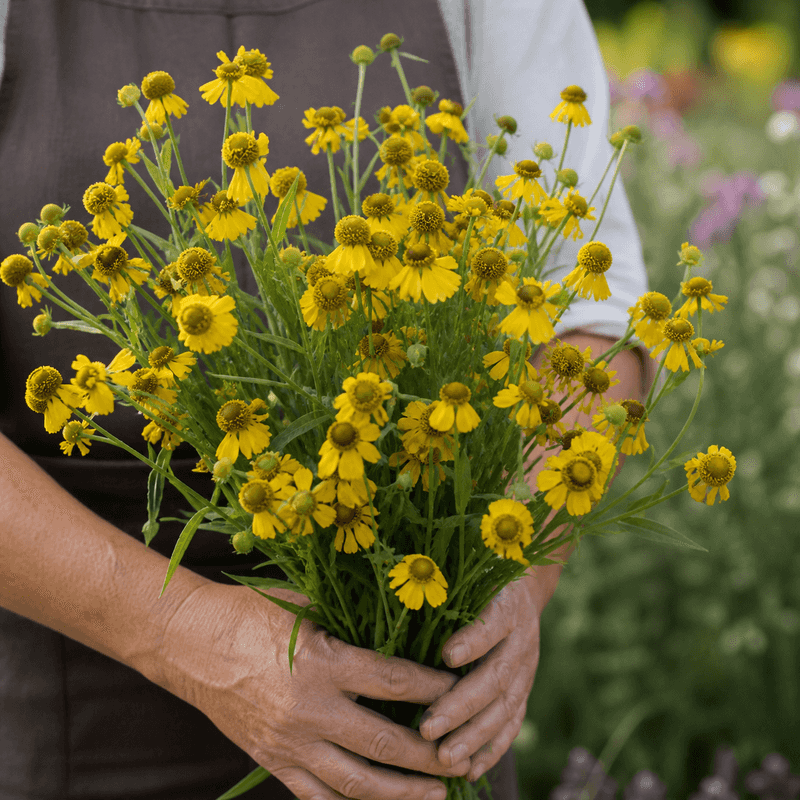
Pretty does not mean tasty. Sneezeweed contains natural bitter compounds that make it toxic to both people and animals when ingested in meaningful amounts.
Farmers have long been aware of this. Cattle, horses, and sheep generally avoid it because it tastes awful, but when hungry livestock consume significant quantities, the results can be serious.
Helenium autumnale toxicity is well documented in veterinary and agricultural literature, with a condition sometimes called sneezeweed poisoning or spewing sickness recorded in grazing animals. That is one reason you see it standing tall in pastures across Ohio while the grass around it gets nibbled short.
For home gardens, the risk is considerably lower. Most pets and children take one bitter taste and spit it right out, and accidental nibbling of a small amount is unlikely to cause serious harm.
That said, it is always worth treating ornamental plants with appropriate caution.
Teach little ones that garden flowers are for looking, not eating, and call a vet or poison control right away if a pet or child ingests any plant material and shows signs of illness.
Some people get mild skin irritation from handling the leaves. Wearing gloves while you trim or divide plants is an easy and sensible precaution.
Wash your hands afterward, just like you would after any garden chore.
Here is the bright side. That bitter taste also means deer and rabbits mostly leave it alone.
If critters gobble your hostas and tulips, sneezeweed can be a welcome break.
Planting it toward the back of a border, away from play areas, keeps everyone comfortable. You still get the color without worry.
8. Best Garden Buddies For Sneezeweed
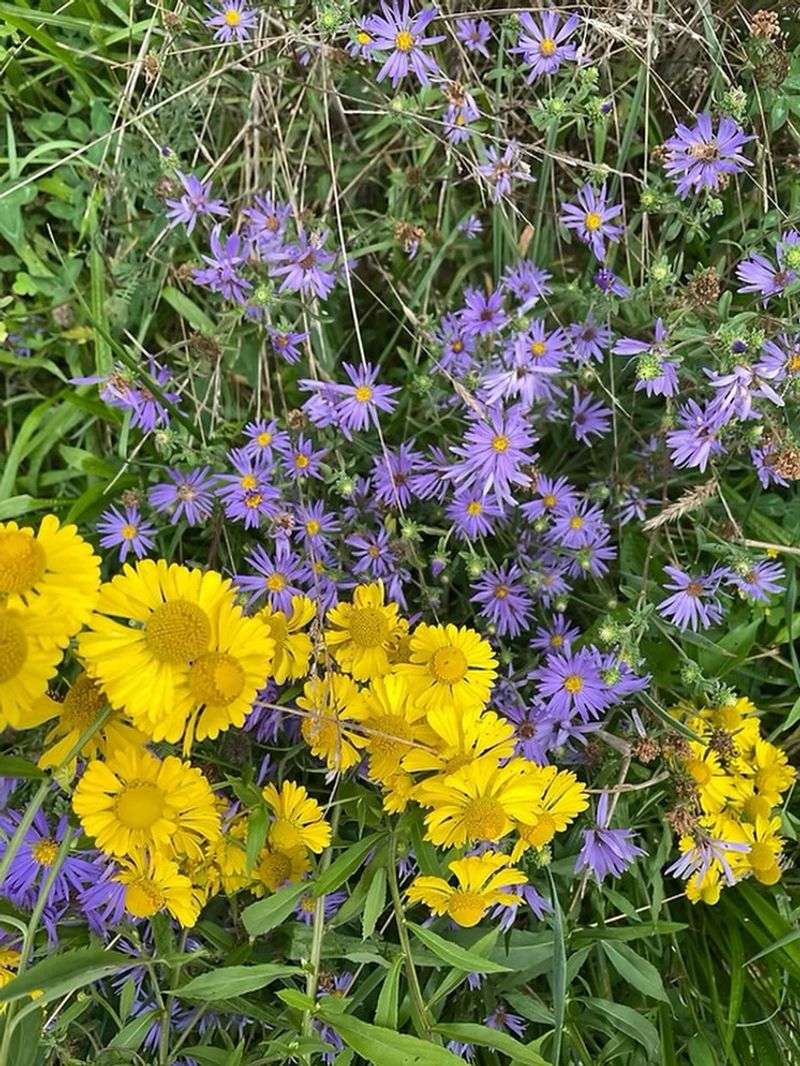
Golden yellow next to bold purple is one of nature’s best color combos. Fall gives you lots of ways to pull it off with native plants.
New England aster is a top choice. Its violet daisies bloom at the same time as sneezeweed and enjoy similar damp soil.
Together they look like a painting, and bees bounce happily between them.
Ironweed adds deep purple clusters on tall stems, great for the back of a bed. Joe Pye weed brings soft pink puffs that butterflies adore.
Both handle the moist spots common in many Ohio yards.
Want some airy texture? Try native grasses like switchgrass or little bluestem.
Their fine blades soften the scene and turn lovely shades of copper and red later in fall. They also help hold up taller flowers.
Goldenrod is another fun partner. Many people blame it for hay fever, but its pollen is heavy and sticky, so ragweed is usually the real culprit.
Goldenrod and sneezeweed both get a bad rap they do not deserve.
For a tidy design, plant in drifts or waves. Repeat the same group of plants a few times across the bed.
That repetition makes a garden feel planned and calm instead of random.
Leave seed heads standing into winter. Birds like goldfinches will stop by to snack on them.
9. Where To See Wild Sneezeweed Across Ohio
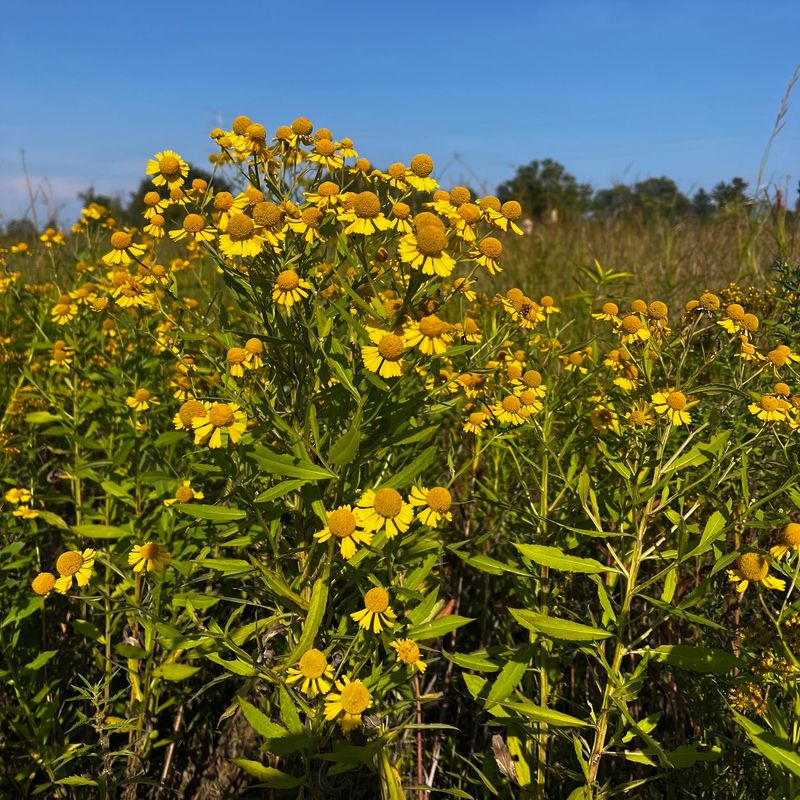
Nothing beats seeing a plant in its natural home. A fall walk can teach you more about sneezeweed than any garden book.
State nature preserves and parks with wet prairies or marshes are great places to look. Spots near Lake Erie, along river floodplains, and in old glacial wetlands often have golden patches in September and October.
Many have boardwalks that keep your shoes dry.
Bring a phone or a small notebook. Snap photos of where the plants grow, what grows beside them, and how wet the ground feels.
Those clues will help you copy the same setup at home.
Please leave wild plants where they are. Digging in parks is not allowed, and wild patches feed local insects.
Instead, buy plants or seeds from native plant sales, which pop up every spring around Ohio. Many county soil and water offices hold them too.
Here is a fun bonus. Some local groups lead guided wildflower walks in fall.
Experts can help you tell sneezeweed apart from look-alikes like black-eyed Susan or wild sunflowers.
Keep an eye out for the winged stems. Sneezeweed stems have thin ridges running down them, almost like tiny fins.
It is a neat detail that makes spotting the plant easier, and once you notice it, you will feel like a real wildflower detective.