The Peony Foliage Mistake Ohio Gardeners Make In October
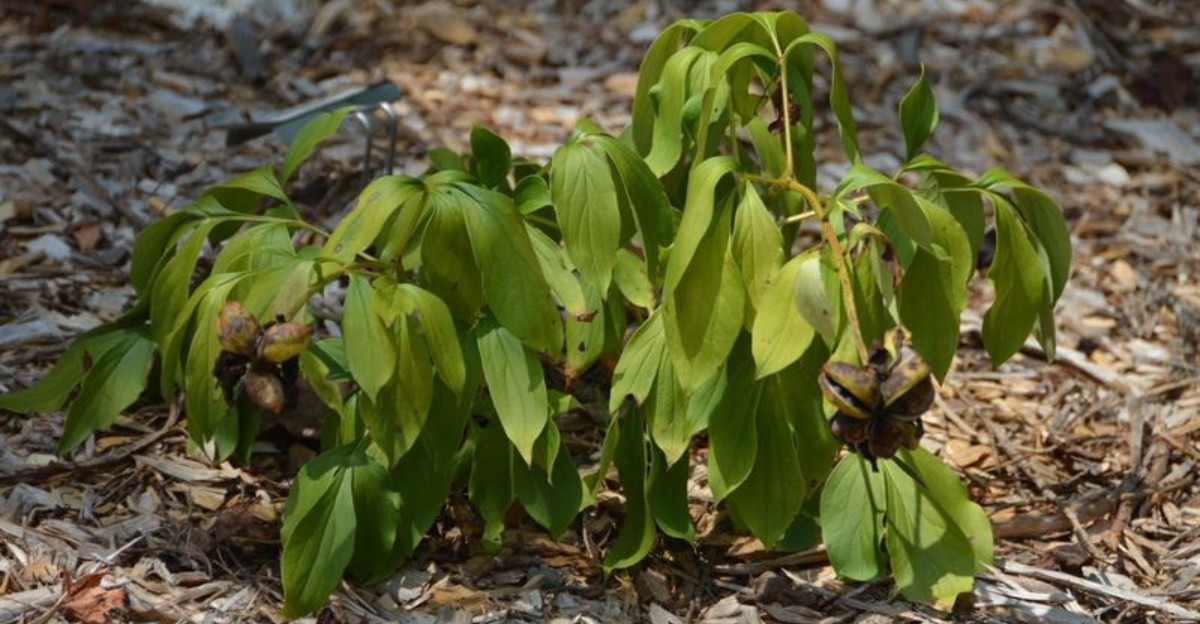
Plenty of Ohio gardeners stroll past a tired flower bed in October and decide floppy leaves can wait. The air smells like wet bark and apple pie, and nobody wants to kneel in cold mud.
Those leaves look harmless enough, slumped over like sleepy dogs after a long Sunday dinner on the porch. Yet underneath that brown and yellow pile, something quiet and fuzzy is planning a very busy winter vacation.
Gardeners in Ohio know the feeling of finishing fall chores and admiring a tidy yard with muddy knees. Still, one small skipped step can turn next year’s showiest plant into a sad, spotty, droopy disappointment.
The fix takes less time than raking the front lawn, and it costs nothing but a sharp tool. Most people simply forget about it because the plant stopped blooming months ago and slipped out of mind.
Some gardeners leave the leaves standing until March, convinced they keep the roots cozy. By June, the flowers can wear gray fuzzy coats, and the ants look deeply offended by the whole mess.
Leftover Leaves Invite Winter Fungus Trouble
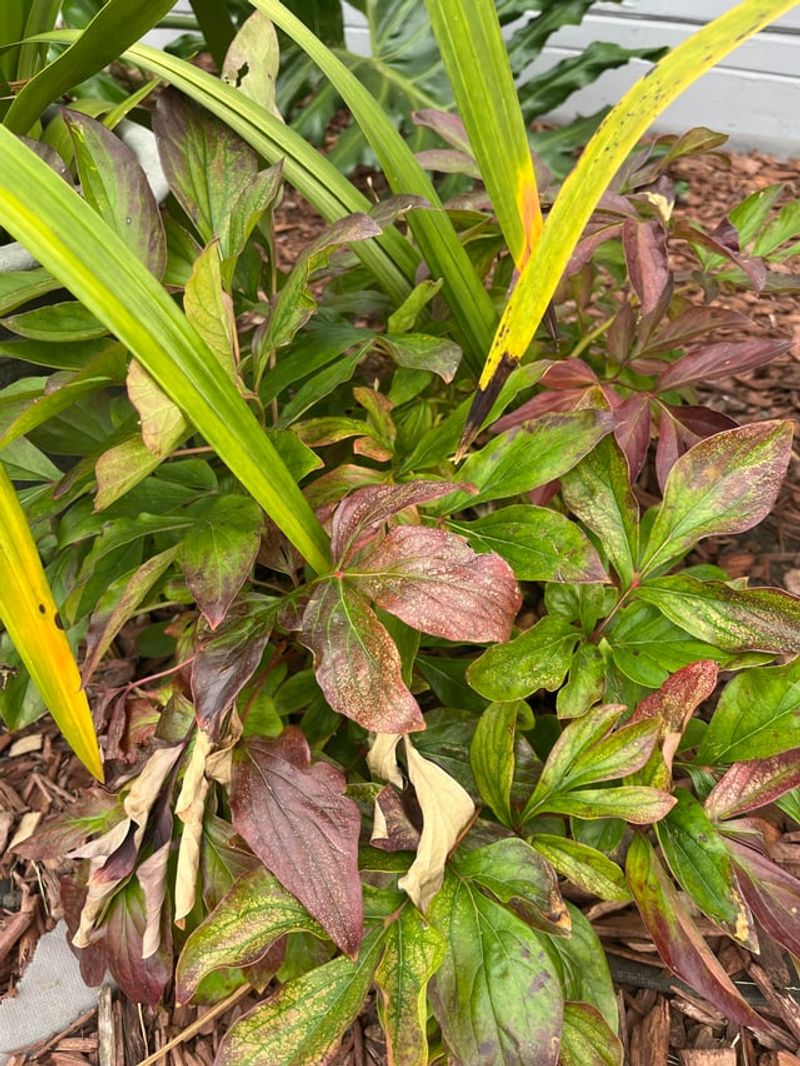
Picture a cozy hotel where mold spores check in for free and stay until the warm spring rain arrives. That hotel is the pile of peony leaves many Ohio gardeners leave flopped over their beds every October.
The biggest troublemaker is botrytis blight, a gray fungus that loves cool, damp weather and soggy plant tissue. It spends the winter resting inside old stems and leaves, waiting quietly for new shoots to poke up.
Powdery mildew is another common guest, and its white, dusty coating often shows up on leaves by late summer. Leaf blotch also leaves purple spots behind and overwinters right in the fallen foliage.
When spring arrives, those spores can splash onto fresh red shoots whenever rain hits the soil. The result is blackened buds, wilted stems, and flowers that stay shut like tiny fists instead of opening.
Ohio weather makes the problem worse, since our springs tend to be chilly, cloudy, and soaking wet. Those conditions are a dream come true for fungus, and a real headache for anyone growing showy blooms.
So the real mistake is simple, leaving the old foliage in place instead of clearing it away this month. Removing those leaves cuts off the fungus’s winter home and gives your plants a much cleaner fresh start.
A few minutes with pruners now can save you a lot of frustration once the buds begin forming next year. Think of it as tucking your garden into bed with clean sheets instead of a moldy old blanket.
The Right Moment For The Cut
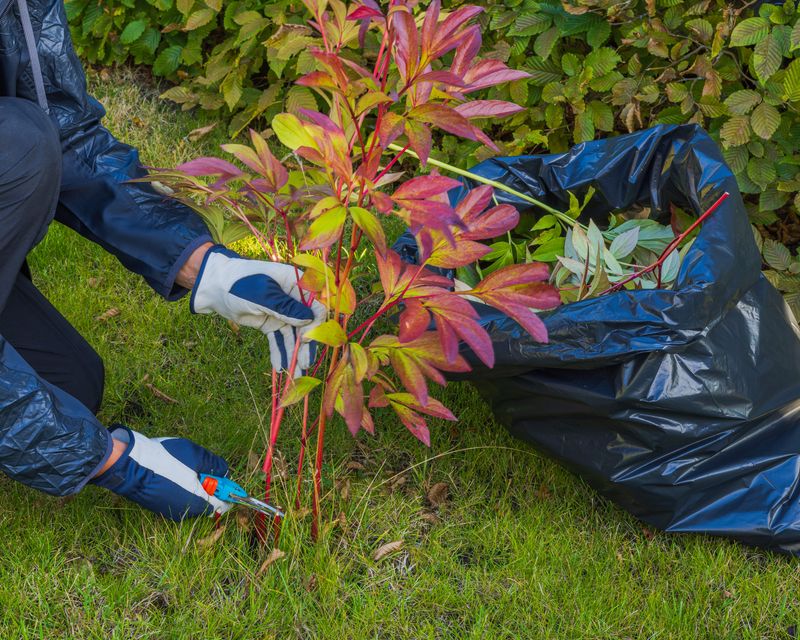
Timing matters more than most people expect, and cutting too early can be almost as unhelpful as waiting. In Ohio, the sweet spot usually arrives once the leaves turn yellow or brown in October, and it can stretch to the first hard frost.
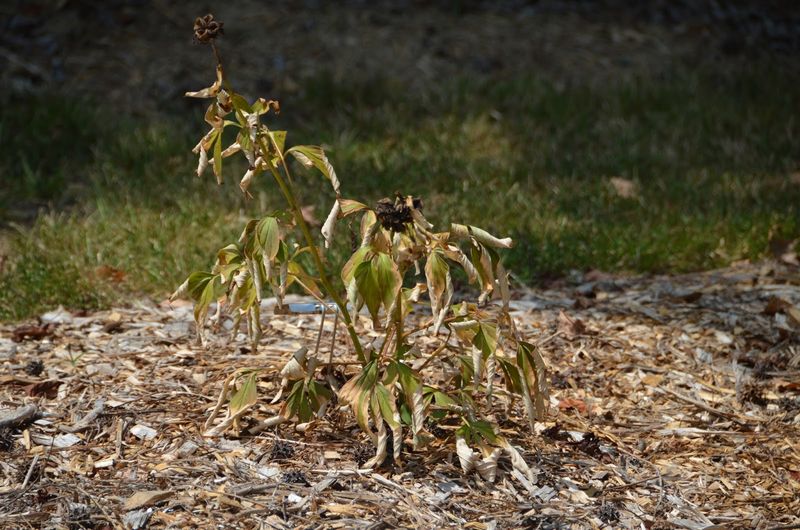
Watch the leaves closely, because they send clear signals when they are ready to come down for winter. Healthy green foliage slowly fades to yellow, bronze, or brown, and the stems start leaning or flopping over.
Your Ohio Garden Changes Every Week. Your Plan Should Too.
Gardening in Ohio changes quickly throughout the season. Every Friday you’ll receive a simple weekly plan showing exactly what to plant, prune, fertilize, harvest, and protect so you never miss the right timing.
Northern Ohio, near Cleveland and Toledo, often sees frost by mid to late October, so cleanup can happen a bit sooner. Gardeners down around Cincinnati may have a little extra time, sometimes stretching their chores into early November.
A hard frost that blackens the leaves overnight is a handy cue that the plant has finished working. After that crisp morning, the foliage has little left to offer the roots, so grab your pruners.
There is one exception worth knowing about, and it involves leaves that already show heavy spots or mold. Badly diseased foliage can come off earlier, since keeping it around only gives the fungus more time to spread.
Pick a dry afternoon for the job, because wet leaves stick to tools and smear spores everywhere. A sunny day with crunchy leaves underfoot also makes the work feel more like a pleasant fall stroll.
Mark the task on your calendar right next to carving pumpkins and pulling out the warm flannel shirts. Once it becomes part of your October routine, you will hardly have to think about it at all.
Green Leaves Still Feed The Roots
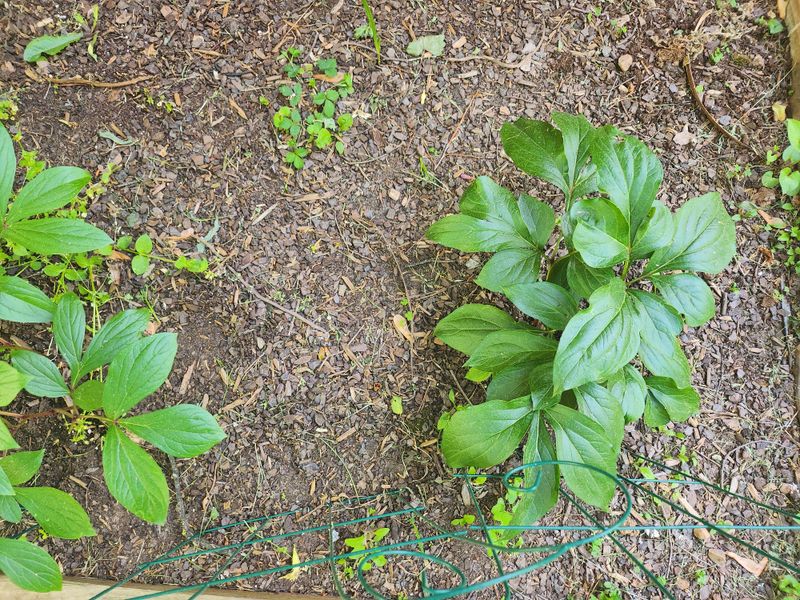
Here is a twist that surprises plenty of tidy gardeners who love a neat, clean bed by Labor Day. Chopping healthy green peony leaves in late summer or September can actually weaken the plant for next year.
Those leaves act like tiny solar panels, soaking up sunlight and turning it into food for the roots. The thick, knobby roots store that energy all winter, then spend it pushing up stems and big buds.
Fun fact, some peonies keep blooming in the same garden spot for fifty years or even longer. That kind of staying power depends on roots that get recharged each fall.
Cutting the foliage while it is still green is a bit like unplugging your phone at half battery. The plant will probably survive, but you may notice fewer flowers or shorter stems when June rolls around.
So the goal is balance, letting healthy leaves work as long as they can before clearing them away. Early October is often that tipping point, when the color shifts and the plant naturally winds down.
If the leaves look messy but still have plenty of green, try staking them upright for a few weeks. A simple ring of twine around the clump keeps things tidy while the roots finish their fall snack.
Patience pays off here, and your reward comes in the form of fat buds and fragrant blossoms. Give those leaves their final weeks of sunshine, and they will return the favor with a spectacular show.
Clean Cuts At Ground Level
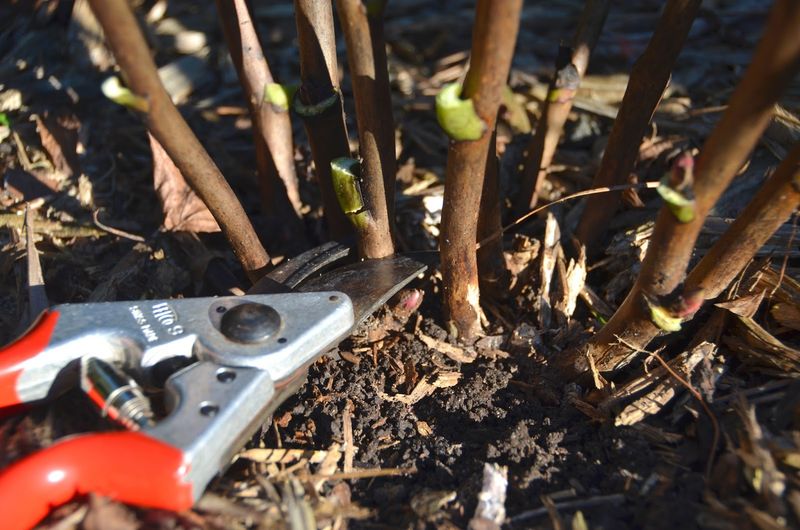
Grab a pair of sharp bypass pruners, a bucket, and some gloves before heading out to the flower bed. The whole job usually takes about ten minutes per plant, even for a large, overgrown clump of stems.
Cut each stem down close to the soil, leaving only a short stub about one inch tall. Long stubs can trap moisture and hold fungus, so shorter is better as long as you stay careful.
Look closely at the base, and you may spot small pink or red buds called eyes near the surface. Those eyes become next year’s stems, so snip gently around them and avoid scraping them with your blade.
After cutting, rake up every fallen leaf, petal, and bit of stem lying on the ground nearby. Spores hide in the tiniest scraps, so a careful sweep matters just as much as the cutting itself.
Between plants, wipe your pruner blades with a household disinfectant or a mild bleach and water mix. Clean tools stop you from carrying fungus from one sick clump over to a healthy neighbor down the row.
Skip the heavy mulch right over the crowns, since peonies planted too deep often struggle to bloom. A light layer of shredded leaves or pine needles is fine for first-year plants in colder Ohio spots.
Stand back when you finish, and the bed may look a little bare and lonely for a while. That empty patch of soil is exactly what you want, a fresh stage waiting for spring’s opening act.
The Compost Pile Is The Wrong Destination
Tossing peony leaves onto the compost pile feels like the responsible, earth-friendly thing to do this fall. Unfortunately, that good intention can quietly send fungus right back into your garden beds next spring.
Most backyard compost piles in Ohio rarely get hot enough to break down tough fungal spores. Commercial operations reach high temperatures for days, but a home bin usually stays warm rather than truly hot.
When you spread that finished compost around your plants, any surviving spores tag along for the ride. It is a sneaky cycle, and many gardeners struggle with botrytis for years without spotting the real source.
A better plan is bagging the cuttings and setting them out with your regular trash. Many Ohio cities offer curbside yard waste pickup in the fall, but some compost it at lower temperatures, so regular trash is the safest bet for diseased cuttings.
Check your local rules first, since some towns want yard debris in paper bags instead of plastic ones. Burning leaves is also off the table in many communities, and the smoke bothers neighbors anyway.
Even leaves that look healthy can carry spores you cannot see, so bagging all peony cuttings is the safest route. If you notice gray fuzz, purple blotches, or white powder, that is one more reason to bag it up and send it away.
Your compost pile will thank you, and so will the tomatoes and roses that share the same soil. Sometimes the greenest choice is simply keeping trouble out of the garden before it gets comfortable there.
Tree Peonies Need A Different Plan
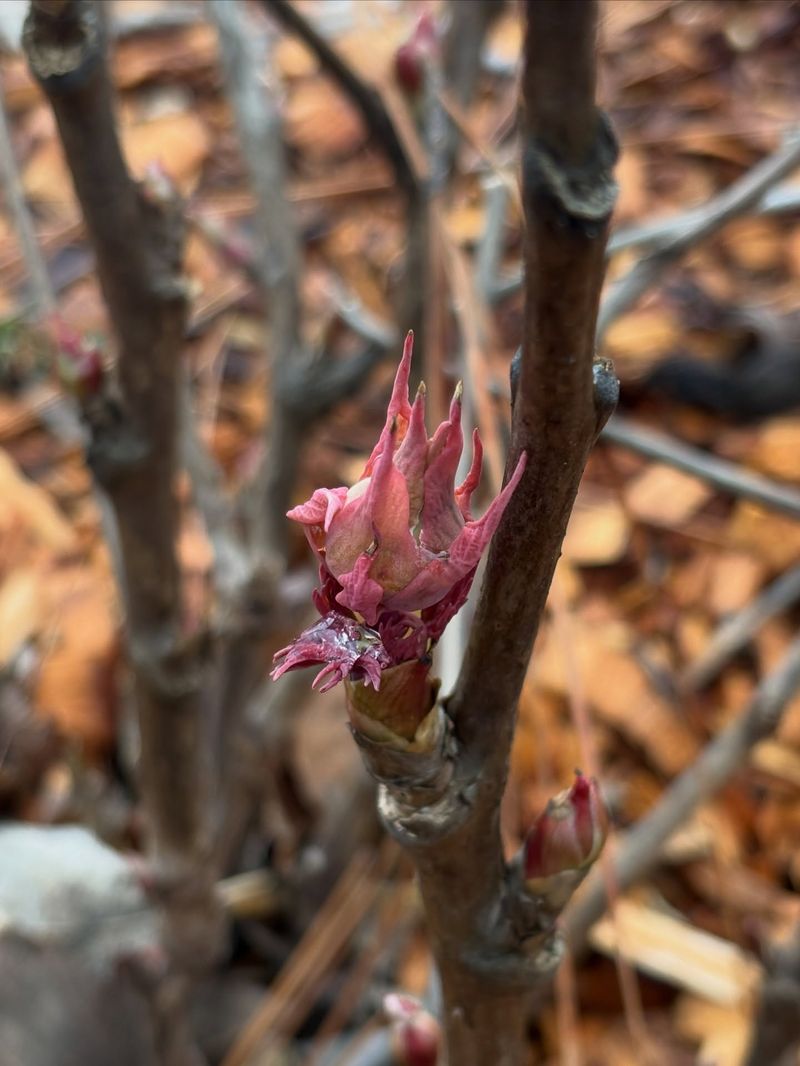
Not every peony in your yard should get the ground-level haircut, and mixing them up happens surprisingly often. Tree peonies grow woody stems that stay above ground all winter, much like a small flowering shrub.
Those woody branches carry next spring’s flower buds, so chopping them down removes the whole upcoming show. Cutting them down by mistake can mean waiting a few years for blooms to return.
Telling them apart is easy once you know the trick, so take a close look this month. Herbaceous types have soft, bendy stems, while tree types have stiff, bark-covered branches that feel like twigs.
Intersectional peonies, also called Itoh hybrids, fall somewhere in between and can be a little confusing. Their leafy stems usually get cut back to a few inches above the soil, and any woody stubs at the base stay in place.
For tree peonies, simply pick up fallen leaves from around the base and toss them in the trash. Trim only broken or clearly diseased twigs, cutting just above a healthy bud with clean, sharp pruners.
Gardeners in China have treasured tree peonies for well over a thousand years, calling them the king of flowers. With that kind of royal history, they deserve a gentler fall routine than a quick ground-level chop.
In windy parts of Ohio, wrapping young tree peonies loosely in burlap can protect branches from harsh winter gusts. Remove the wrap in early spring, and those swollen buds will soon open into large, silky blossoms.