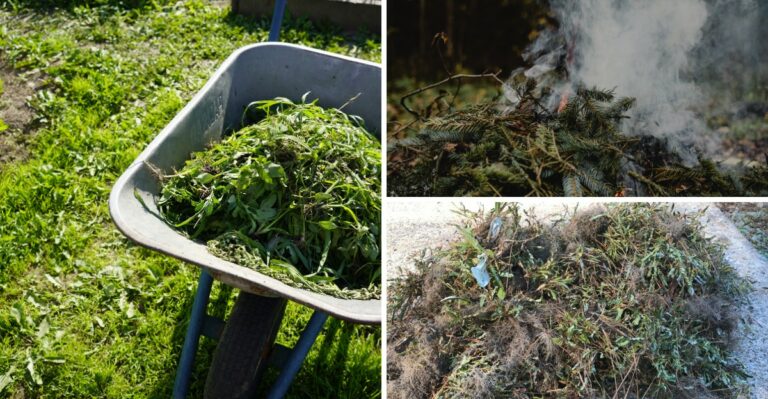
What A Hurricane Washes Into Your Alabama Backyard Besides The Water
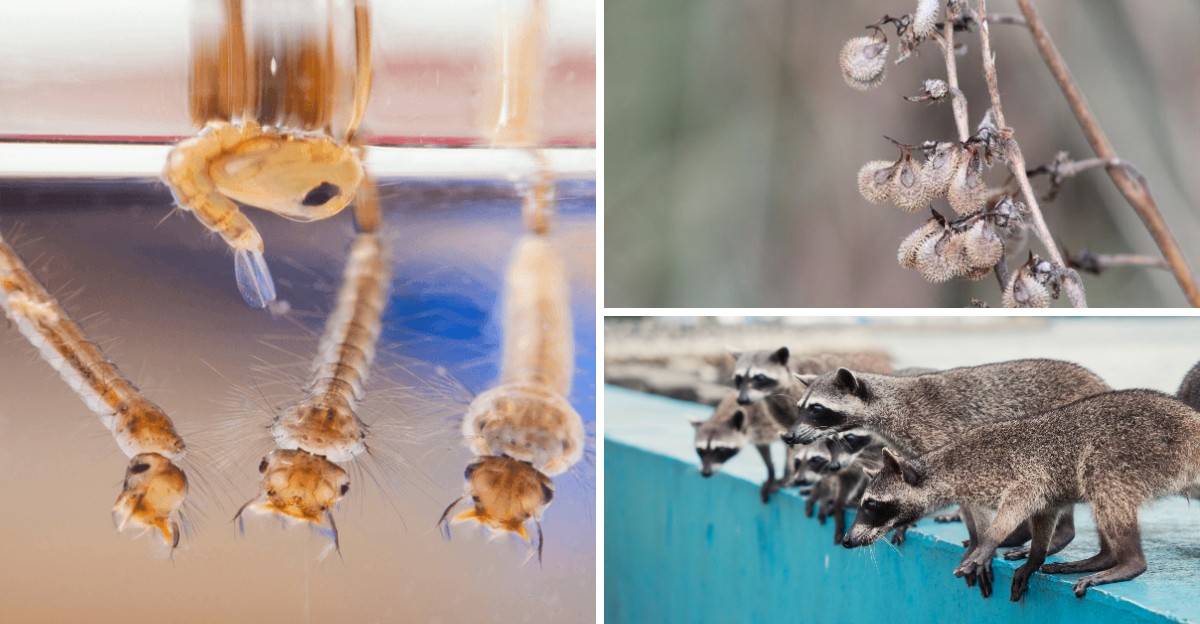
Lift that waterlogged plywood slowly, because the storm may have moved in tenants. Floods across Alabama push wildlife into corners you did not plan to share.
Fire ants link legs and drift across your lawn on living rafts. Snakes squeeze under your boards and settle into dry, quiet spots.
Mosquito larvae wiggle inside your flowerpot saucer long before you notice. Brown floodwater film coats your grass and carries runoff from streets and farms.
Mold spores settle on damp cushions and cardboard within days. Hanging limbs and buried nails wait beneath your leaves.
Invasive weed seeds settle in the mud and sprout beside your tomatoes. Armadillos, box turtles, and raccoons wander in looking for dry ground.
Crisp October air keeps many of them active across Alabama. Wear sturdy gloves, grab a bright flashlight, and inspect each corner before you reach in.
1. Floating Fire Ant Rafts
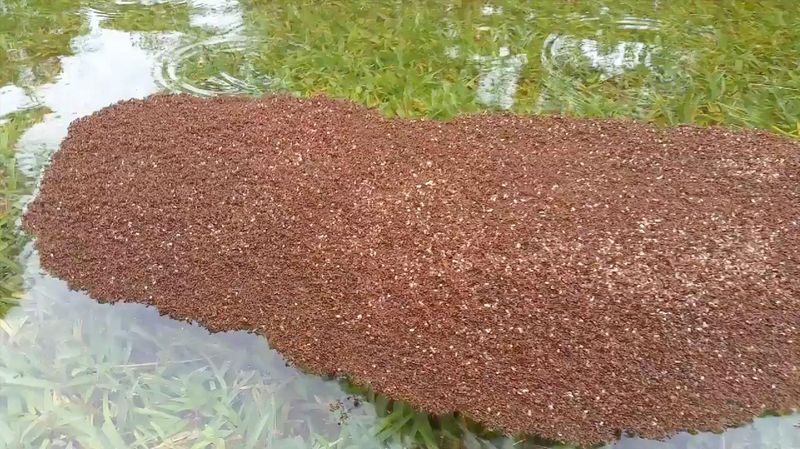
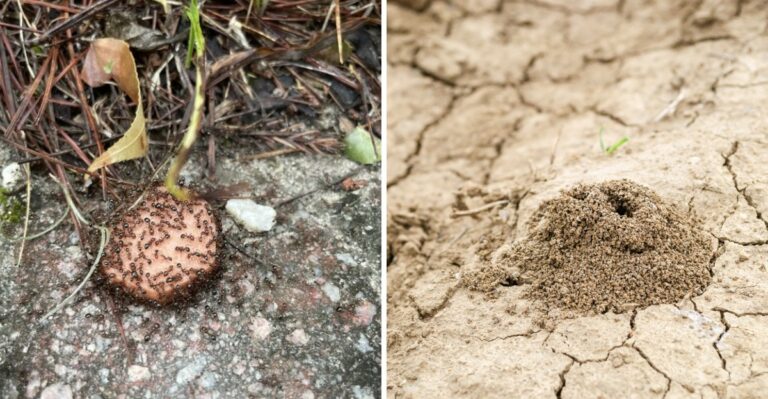
Picture thousands of tiny ants linking legs to build a living boat. Fire ants do exactly that when floodwater swamps their underground homes.
Those rafts drift until they bump into something dry, like your fence post or porch step. Then the whole colony climbs off and starts building a brand new mound.
Floating ant rafts can also hold eggs and larvae safely above the water. That clever teamwork is why one flood can spread colonies so quickly.
After a big storm in Alabama, new mounds can pop up in unexpected places within days. You might spot them near your mailbox, along the driveway, or inside a garden bed.
Their stings burn like a match tip and leave itchy white bumps behind. Kids and pets can get stung when they wander into mounds without looking.
Keep a sharp eye out when you walk across the yard after heavy rain. Wear closed shoes and tuck pant legs into socks if you plan to do cleanup.
Poking a mound with a stick is a bad idea, even if it seems harmless. Disturbed ants pour out fast and climb up anything nearby, including your arm.
October is a smart time to treat mounds because ants are still active in the warm afternoons. Bait products spread around the mound work slowly but reach the queen.
Read every label carefully and keep children and pets away from treated spots. With a little patience, your yard will feel friendly again by Thanksgiving.
2. Displaced Backyard Snakes
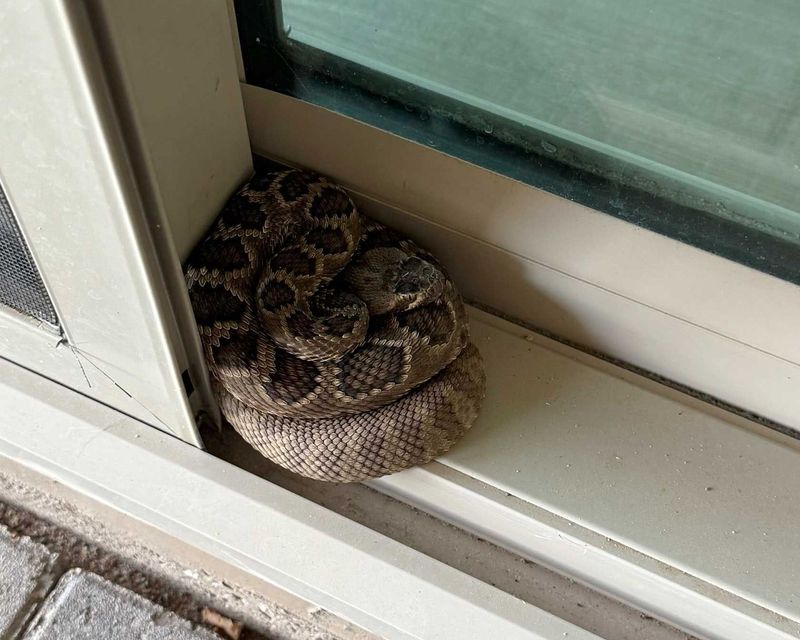
After storms, homeowners sometimes find snakes curled inside boots and shoes left on the porch. Shake out your footwear before you put it on.
Rising water pushes snakes out of creeks, ditches, and burrows. They hunt for dry, quiet spots, and your woodpile looks like a five-star resort.
Most snakes in Alabama are harmless and help by eating mice and insects. Rat snakes, garter snakes, and kingsnakes are common backyard neighbors.
A few venomous types live here too, such as copperheads, cottonmouths, rattlesnakes, and coral snakes. Giving every snake plenty of space is the safest plan.
Snakes usually want to escape more than they want to fight. Back away slowly, and most will slither off on their own within minutes.
Your Alabama Garden Changes Every Week. Your Plan Should Too.
Gardening in Alabama changes quickly throughout the season. Every Friday you’ll receive a simple weekly plan showing exactly what to plant, prune, fertilize, harvest, and protect so you never miss the right timing.
Use a rake or long stick to move debris piles instead of reaching in by hand. Snakes love to hide under boards, tarps, and stacks of fallen branches.
Thick gloves and sturdy boots make cleanup much safer. A flashlight helps too, especially around sheds and crawl spaces where light is poor.
In October, snakes start searching for cozy places to spend the cooler months. Sealing gaps under doors and around foundations can keep them outside where they belong.
If one shows up indoors, close the room and call a local wildlife removal service. Trying to catch it yourself can lead to a painful bite.
Keep grass trimmed short and clear away clutter near the house. Fewer hiding spots means fewer surprise meetings while you water the mums.
3. Mosquito Breeding Sites
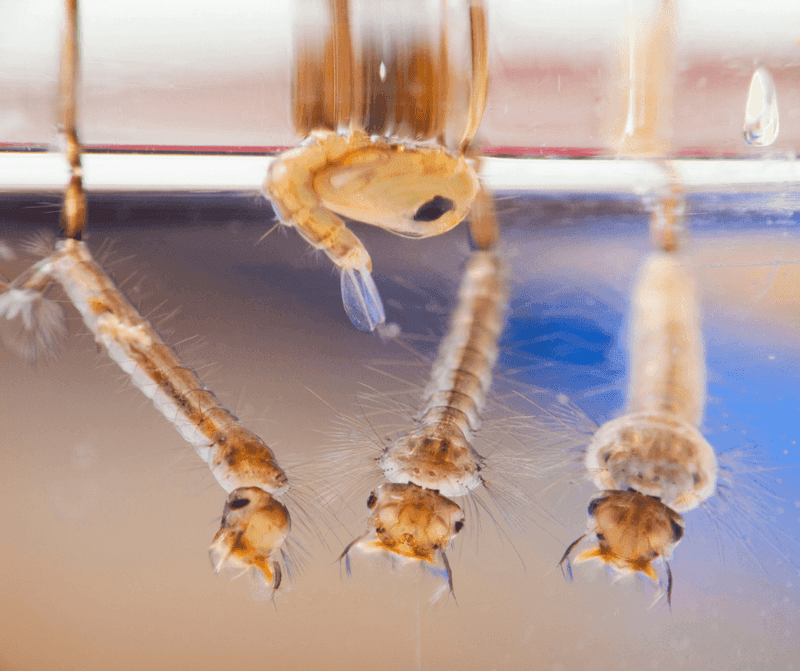
One bottle cap of standing water can be enough for mosquito larvae to develop in about a week. Now imagine every bucket, tire, and clogged gutter in your yard doing the same.
Storm puddles can become breeding sites within days. Many female mosquitoes lay eggs on or just above still water, and warm Alabama weather speeds up development.
After a heavy storm, mosquito numbers can climb enough to disrupt outdoor gatherings. Those itchy bites can also spread illnesses like West Nile virus.
Taking a weekly walk around your property makes a big difference. Tip over flowerpot saucers, kiddie pools, wheelbarrows, and anything else that holds water.
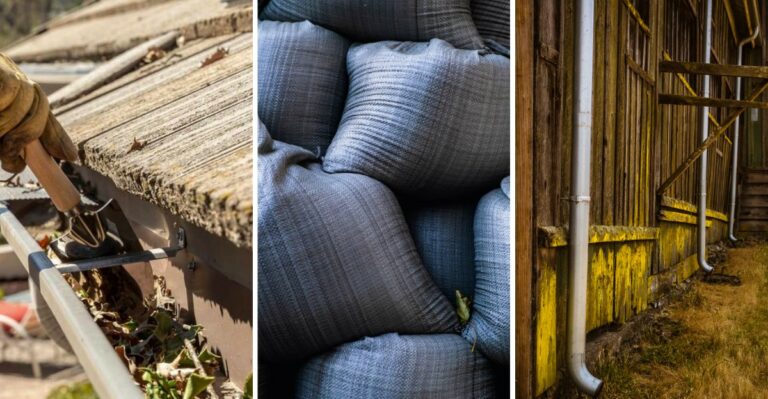
Gutters deserve special attention because leaves and twigs from the storm can trap water up high. Clean them out so rain flows freely down the spout.
Birdbaths are lovely, but they need fresh water every few days. A quick rinse stops wigglers before they grow wings.
For ponds or rain barrels, mosquito dunks are a handy fix. They target larvae and are considered safe for birds, pets, and fish.
October brings some relief, yet mosquitoes in Alabama often stay active until the first real frost. Warm afternoons can still bring a hungry crowd to your porch.
Wear long sleeves at dusk and use an approved bug spray when you head outside. A box fan on the patio helps too, since mosquitoes are weak fliers.
Staying on top of standing water now also means fewer eggs waiting around for spring. Your future self will thank you during next year’s barbecue season.
4. Contaminated Floodwater Sediment
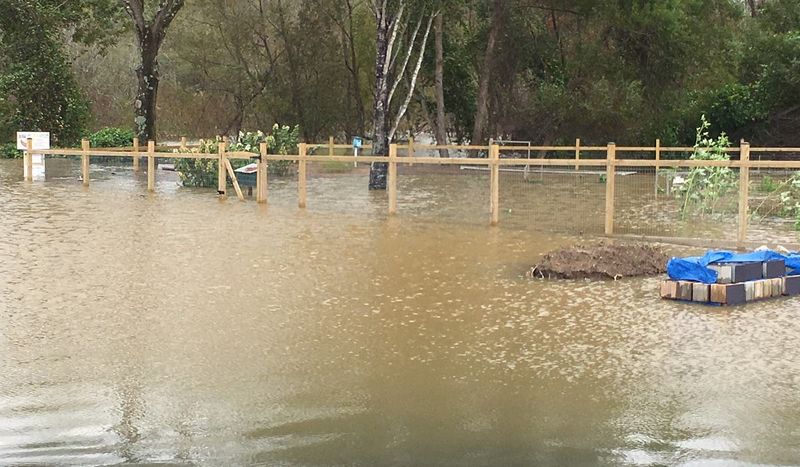
That brown film coating your grass is more than plain dirt. Floodwater can pick up a range of contaminants before it settles into your yard.
Runoff can carry sewage, motor oil, fertilizer, pet waste, and chemicals from streets and farms. When the water drains away, the muck stays behind on soil and sidewalks.
Vegetable gardens need extra care after a flood. Leafy greens and low-growing crops like strawberries touched by floodwater should be tossed out. Root crops like carrots and potatoes grown in flooded soil should go too.
Fruits growing high on vines or trees may be okay if the water stayed below them. Wash them well and peel them when possible before eating.
Kids love splashing in leftover mud, but that habit can lead to tummy troubles. Keep little ones and pets off flooded areas until things dry out.
Wear gloves and boots when you shovel or rake the sludge. Wash your hands with soap afterward, even if your gloves seemed clean.
A soil test can show nutrient levels and pH in your garden beds, and your extension office can advise on testing for contaminants. The Alabama Cooperative Extension System offers affordable testing for homeowners.
Waiting times vary by crop and source, so ask Alabama Extension how long to wait before planting edible crops in flooded soil. Spring garden plans often leave enough time to wait.
October is a great month to add compost and plant a cover crop like crimson clover. Both steps help rebuild healthy soil over the cooler months.
Hose off patios and play sets with clean water and a little mild soap. Then let the sunshine finish the job by drying everything thoroughly.
5. Hidden Mold Spores
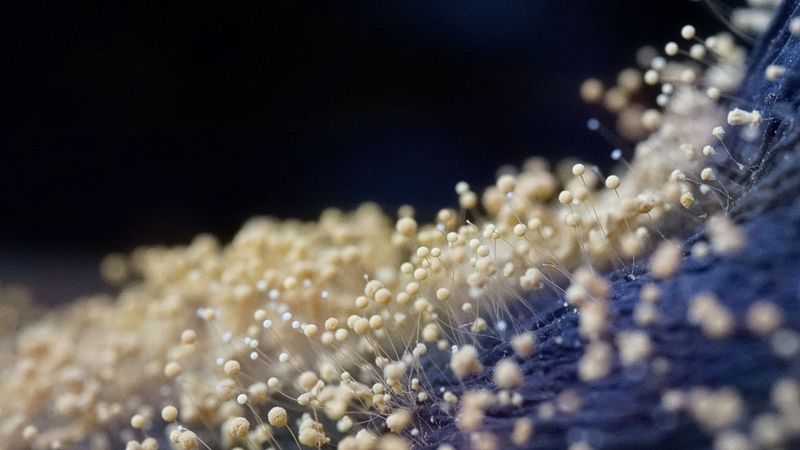
Does your shed smell like an old gym bag left inside a hot car all summer? That musty odor usually means mold moved in when the storm left everything damp.
Mold spores float through the air and land on wet wood, cardboard, and fabric. In humid Alabama weather, they can spread across surfaces in just a day or two.
Outdoor cushions, garage boxes, and wooden fences are favorite targets. Patio furniture left soaked for days often grows fuzzy black or green spots.
Breathing in spores can trigger sneezing, coughing, and itchy eyes. People with asthma or allergies may feel the effects quicker than others.
Dry things out fast by opening shed doors and setting up fans on sunny days. Toss soggy cardboard and paper, since they soak up moisture like sponges.
For hard surfaces, scrub with soap and water first. A stiff brush works wonders on plastic chairs and metal tools.
Wear an N95 respirator, gloves, and goggles while you clean moldy spots. Mixing bleach with ammonia creates toxic fumes, so stick to one product at a time.
Fabric cushions with deep staining may not be salvageable. Replacing them can be easier than dealing with persistent mold for months.
Cooler October air helps slow mold growth, but damp corners can still cause problems. Check under tarps, behind stored items, and inside lawn equipment bags.
Store cushions in a dry bin once the patio season winds down. Adding a moisture absorber inside keeps the musty smell from returning by spring.
6. Scattered Storm Debris
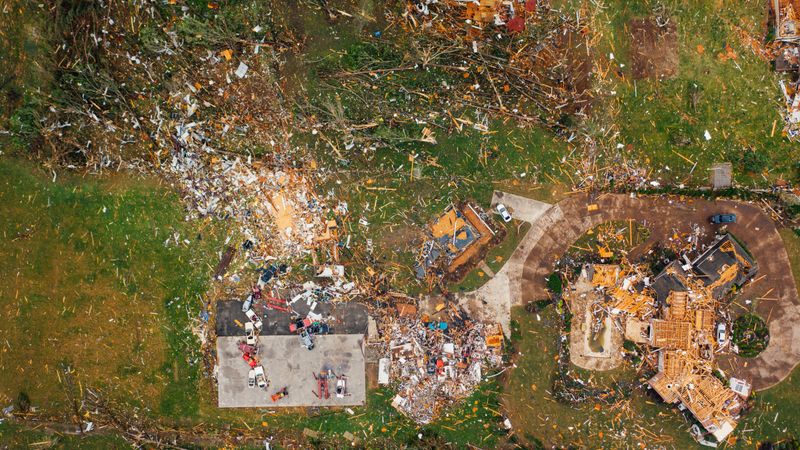
Shingles, lawn chairs, and even trampoline parts can land in a single yard after a strong storm. Strong winds turn everyday objects into flying surprises.
Broken branches are a common leftover after a hurricane passes through. Some hang loosely in trees, waiting to drop on someone below.
Arborists call those hanging limbs widowmakers because they can fall without warning. Stay clear of them and call a certified tree pro for anything high up.
Sharp hidden objects are another worry once the water drains. Nails, broken glass, and twisted metal can hide under leaves and mud.
Walk your yard slowly with sturdy shoes and a bucket for small pieces. Gloves protect your hands from splinters and jagged edges.
Downed power lines are a serious hazard. Assume every fallen wire carries electricity, and report it to your power company right away.
Snap photos of damage before tossing anything important. Insurance companies often need proof, and pictures make claims much easier.
Sort cleanup piles into groups like yard waste, building materials, and appliances. Some Alabama cities and counties ask residents to separate items before curbside pickup, so check your local rules.
Check your city or county website for debris collection dates. Piles placed too close to mailboxes, hydrants, or drains can slow down crews.
Branches and leaves do not have to go to waste. Chopped limbs make great mulch, and fallen leaves add rich nutrients to compost bins.
October weather is perfect for this chore since the heat finally backs off. Grab a friend, play some music, and turn cleanup into a team project.
7. Invasive Weed Seeds
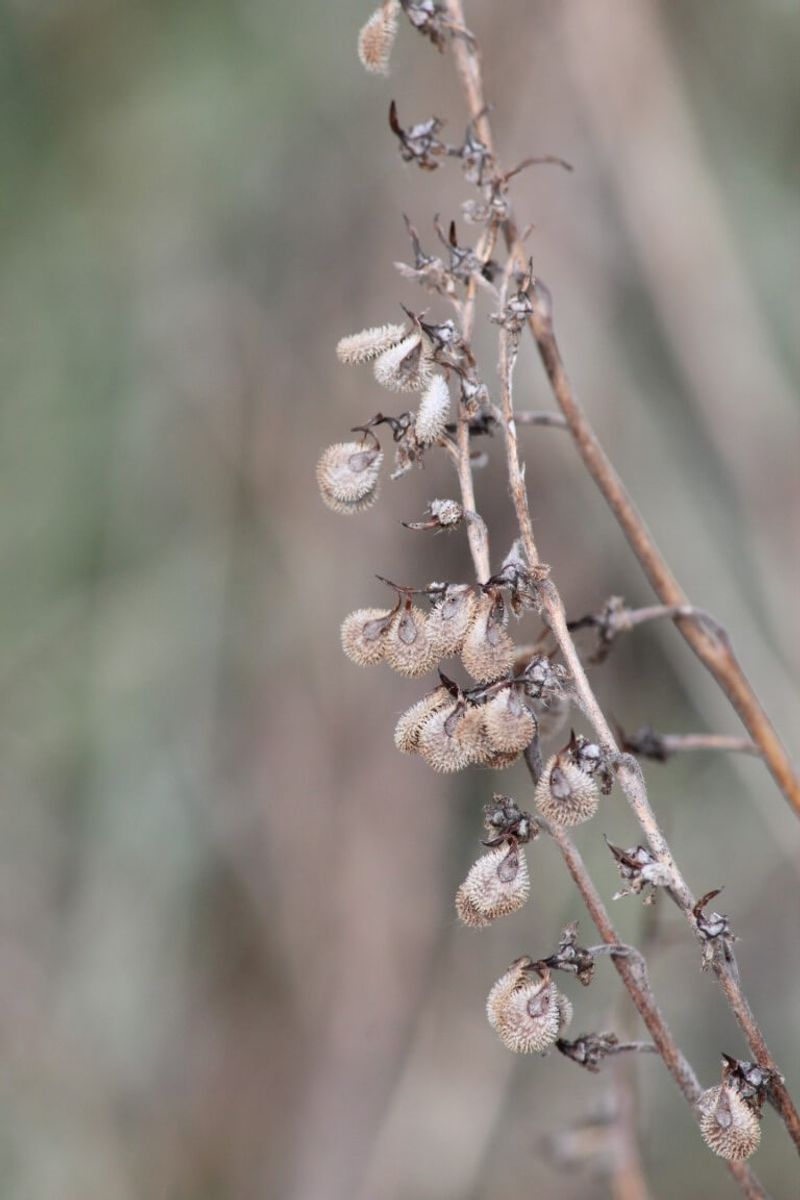
Weeds spread easily. A single flood can carry seeds miles from where they started and plant them right beside your tomatoes.
Floodwater scoops up seeds from ditches, fields, and riverbanks. When it drains, those seeds settle into soft mud that is perfect for sprouting.
Alabama already faces tough invaders like cogongrass, Chinese privet, and Japanese stiltgrass. Storms can help these invasive plants spread into neighborhoods that were free of them before.
Cogongrass is especially aggressive because its sharp roots can push through other plants. It also burns hot and fast, which raises wildfire risks.
Watch for strange new plants popping up along fences and low spots in your yard. Snap a photo and compare it with an online identification guide.
Pulling young weeds before they form seeds saves a lot of future work. Wet October soil makes roots slide out easier than in dry summer dirt.
Bag invasive plants instead of tossing them in the compost pile. Many seeds survive home composting and sprout again wherever you spread it.
A thick layer of mulch blocks sunlight and keeps many seeds from germinating. Pine straw is widely available in Alabama and looks tidy around shrubs.
Healthy, thick grass is another strong defense against weeds. Fall is a good time to overseed cool-season lawns, but on warm-season grass, ryegrass gives only temporary winter cover, so patch thin areas in spring.
Not sure what you found? Your county extension office can help identify plants and suggest safe removal methods.
Catching invaders early keeps them from taking over the whole yard. A few minutes of weeding each week beats dense overgrowth by next summer.
8. Wildlife Displaced By The Storm
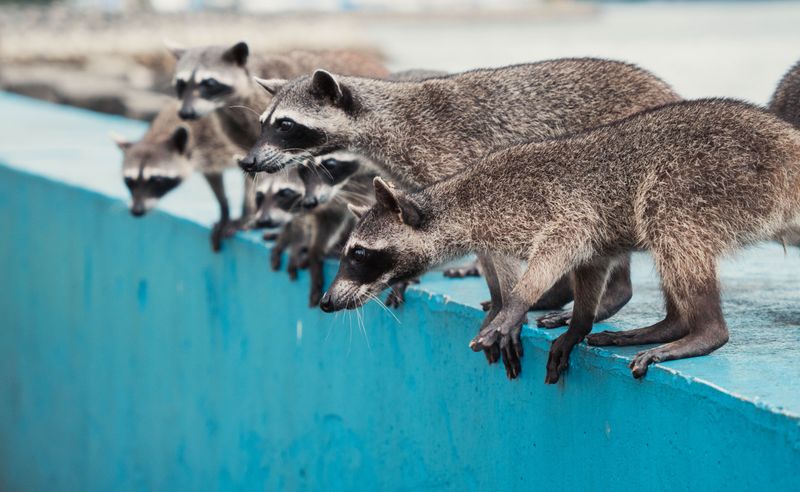
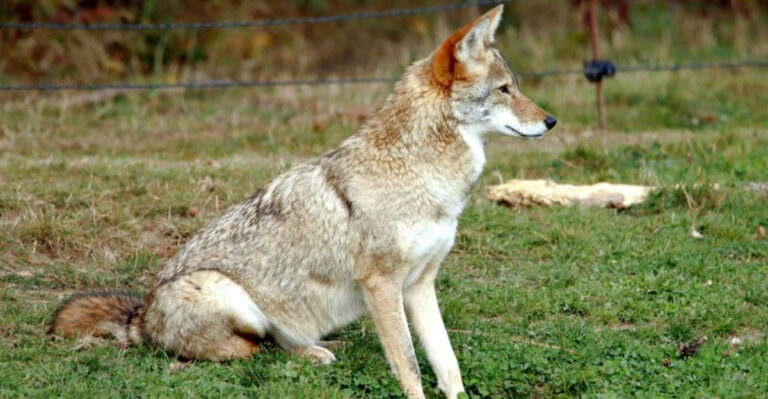
Ever wake up to an armadillo digging holes in your freshly raked lawn? Storms push all sorts of animals into new territory, and backyards make easy rest stops.
Raccoons, opossums, frogs, and turtles often wander far from flooded homes. Birds blown off course may also land in strange places looking tired and confused.
Box turtles crossing driveways are a common sight after heavy rain. If one needs help, move it across the road in the direction it was heading.
Baby birds and young squirrels sometimes fall from damaged nests. Parents usually return, so watch quietly from a distance before stepping in.
Wild animals can carry diseases like rabies, so touching them is a bad idea. Call a licensed wildlife rehabilitator if an animal seems hurt or sick.
Keep pet food bowls indoors at night to avoid inviting hungry guests. Trash cans with tight lids also stop raccoons from throwing midnight parties.
Armadillos dig for grubs, worms, and other insects, so a lawn full of tiny holes is a clue. Reducing grubs may help, but it will not always keep them away.
Frogs and toads are welcome helpers because they eat slugs and insects, including some mosquitoes. A shallow dish of clean water gives them a friendly place to rest.
October is migration season, so some lost birds may simply be passing through. A feeder with seeds helps seed-eating migrants refuel, while a shallow water dish and native shrubs help insect-eaters on the long trip south.
Most visitors head home once their habitats dry out. Until then, enjoy the wildlife show from a safe spot on your porch.