The Tulip Trick Texas Gardeners Start In Their Refrigerator This Month
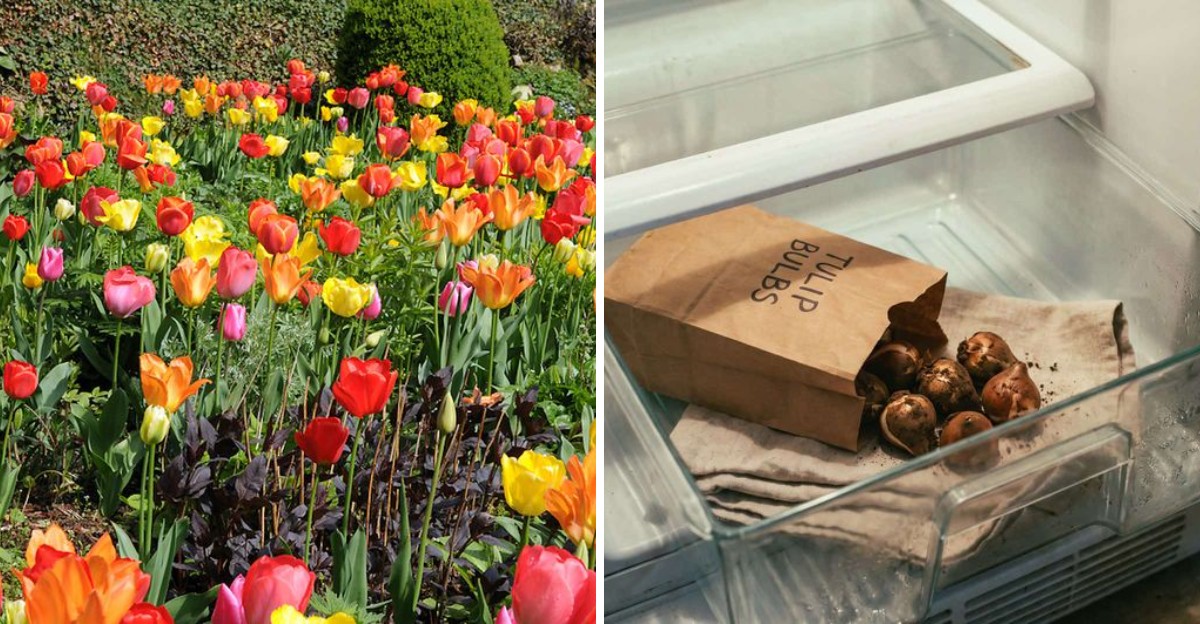
Open almost any fridge in Texas this time of year and you will find the usual suspects: half a gallon of milk, mystery leftovers, and a jar of pickles that has been there longer than anyone can explain.
But in some kitchens, there is also a plain paper bag tucked quietly in a drawer, and anyone who tries to snack from it is in for a very disappointing surprise.
That bag is a gardener’s secret weapon. Inside are tulip bulbs taking a carefully planned winter vacation, because our mild, wishy-washy winters simply do not give them the long chill they crave.
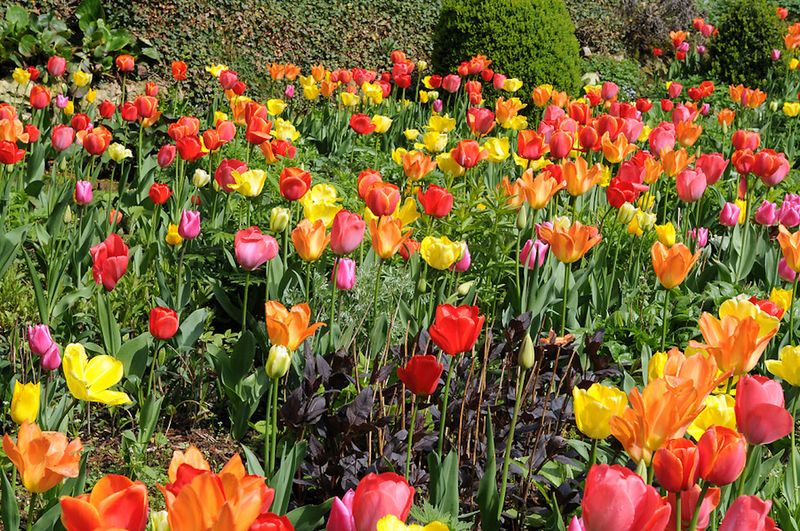
Without that cold spell, tulips tend to sulk instead of bloom. With it, your spring yard can explode in red, pink, and gold.
And the magic happens right next to the butter.
1. Why Texas Winters Leave Tulips Confused
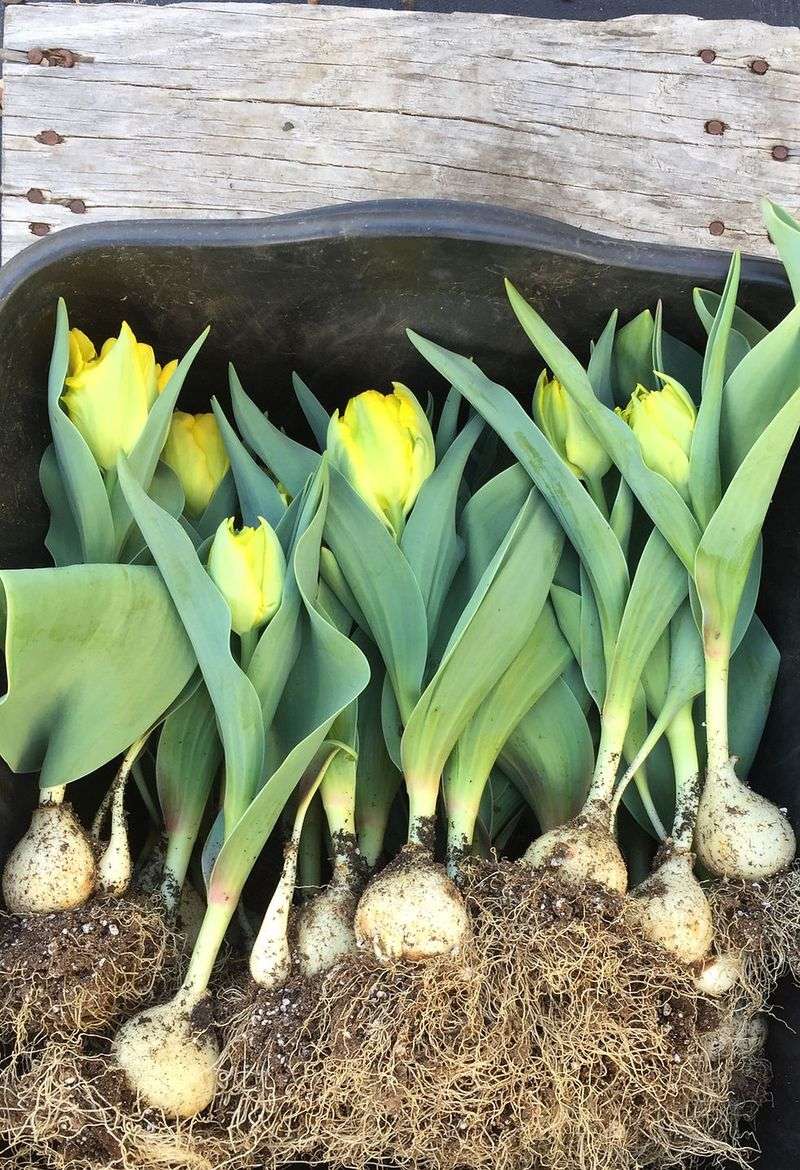
Tulips grew up in the cold mountains of Central Asia. Their bulbs expect a long, chilly nap before they wake up and flower.
Inside each bulb is a tiny flower bud waiting for a signal. That signal is many weeks of steady cold, usually around 35 to 45 degrees.
Here is the problem for folks in Texas. Our winters bounce around like a ping pong ball, with a frosty morning followed by a balmy 75 degree afternoon.
Bulbs planted straight from the store often get mixed messages. They may send up short leaves, stubby stems, or flowers that open right at ground level.
Some bulbs skip blooming entirely and just sit there. Gardeners call this a flop, and it feels like a waste of good money.
Fun fact: during the 1600s in Holland, tulips became so popular that some rare bulbs reportedly sold for as much as a house. That frenzy became known as Tulip Mania, and while historians say many stories about it have been exaggerated over time, it still shows how much people have treasured these flowers.
You do not need a fortune to enjoy them today. You just need to give them the winter your region cannot.
Pre-chilling copies that missing cold season in a safe, controlled spot. Once you understand why bulbs need it, the rest of the process makes a lot of sense.
2. Buy The Right Bulbs For Fridge Chill
Shopping for bulbs is a bit like picking onions at the grocery store. You want them firm, heavy, and free of soft or moldy spots.
Size matters more than you might think. Bigger bulbs hold more stored food, which means sturdier stems and larger blooms when spring arrives.
Look for packages marked 12 centimeters or larger if you can find them. Many garden centers in Texas stock bulbs from late September through November.
Some varieties handle warm climates better than others. Darwin hybrids, Single Late types, and species tulips like Tulipa clusiana tend to do well in the South.
Some nurseries sell bulbs that are already pre-chilled. Those cost a little more, but they save you a step and some fridge space.
If you order online, buy early in the fall. Popular colors sell out fast, and you want plenty of time for chilling before planting.
Your Texas Garden Changes Every Week. Your Plan Should Too.
Gardening in Texas changes quickly throughout the season. Every Friday you’ll receive a simple weekly plan showing exactly what to plant, prune, fertilize, harvest, and protect so you never miss the right timing.
Skip any bulb with a papery skin that peels off to reveal blue mold. A little loose skin is fine, but squishy spots mean trouble.
Write down the date you bring them home. That simple note will help you track the chilling clock later and keep you from guessing.
3. Gardeners Keep Bulbs Away From Fruit
Apples look innocent sitting in the crisper drawer. Yet they quietly give off a gas called ethylene that can ruin your tulip plans.
Ethylene helps fruit ripen. Around bulbs, it can harm the flower bud hiding inside, leaving you with leafy plants and no blooms.
Bananas, pears, tomatoes, and avocados release this gas too. So the golden rule is simple: keep bulbs and fruit in separate places.
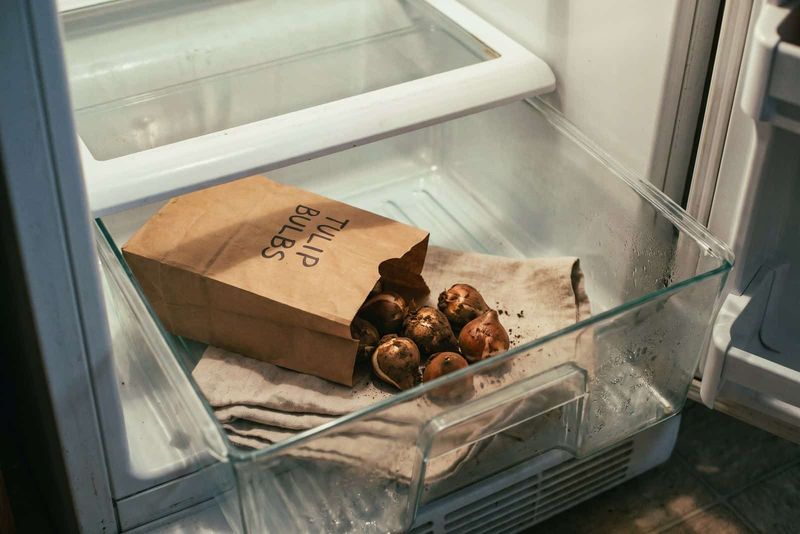
Plenty of gardeners in Texas use a spare fridge in the garage for this reason. If that is not an option, empty one drawer and give it to the bulbs alone.
Clear out any old produce first. A forgotten apple in the back corner can still cause problems over several weeks.
Tell everyone in the house what you are doing. A clear label like Tulip Bulbs, Do Not Eat saves both the flowers and an unhappy snacker.
Tulip bulbs can upset the stomach if eaten, so keep them away from kids and pets as well. Store them up high or in a closed drawer.
Small steps like these make a huge difference. Your bulbs will thank you with straight stems and bright, cheerful petals.
4. Pack Bulbs The Smart Way
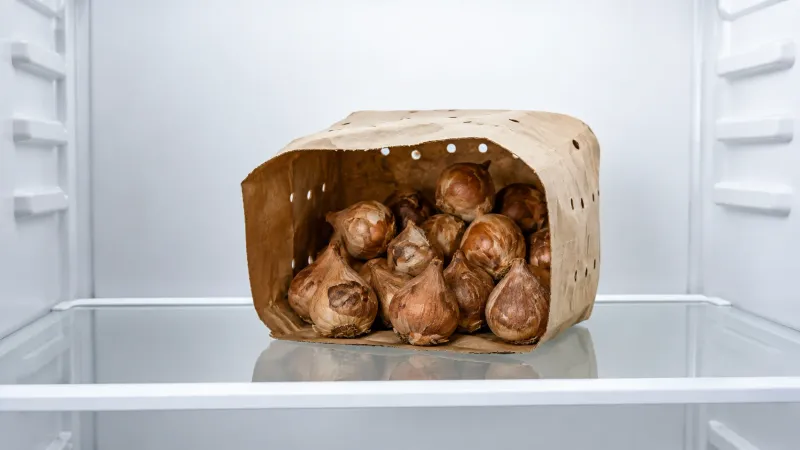
Plastic bags trap moisture. Moisture plus bulbs for weeks usually equals a smelly, moldy mess you will not enjoy cleaning.
Paper lunch bags work wonderfully. Mesh bags, like the ones onions come in, are another great choice because air moves freely through them.
Poke a few small holes in paper bags for extra airflow. Fold the top loosely rather than taping it shut.
Some gardeners tuck bulbs into slightly damp peat moss or vermiculite. Others store them dry, and both methods can work if you check on them now and then.
Label each bag clearly with the variety and the start date. You might think you will remember, but by week eight many gardeners in Texas forget.
Do not stack heavy containers on top of the bags. Crushed bulbs bruise easily, and bruises invite rot.
Every couple of weeks, take a peek inside. Toss any bulb that turns mushy or grows fuzzy mold so it does not spread trouble to the others.
A little sprout poking out is normal and nothing to worry about. Think of it as the bulb stretching, getting ready for its big spring show.
5. Count The Weeks Like A Texas Pro
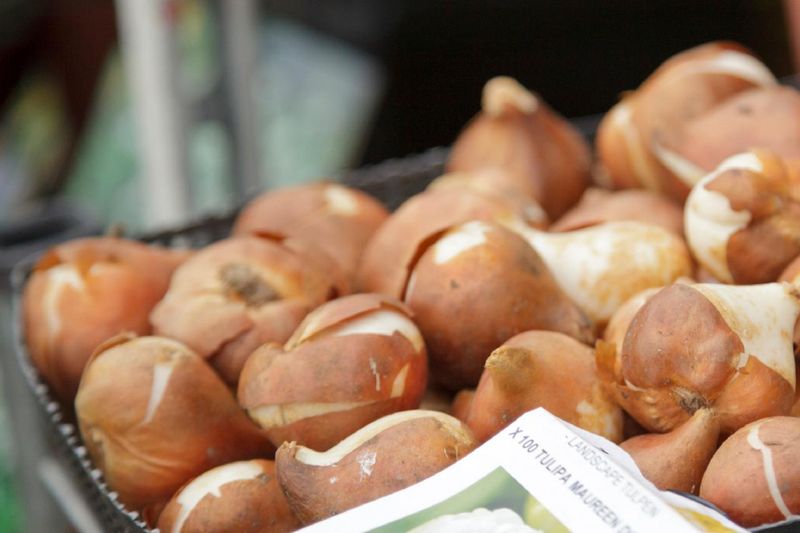
Patience is the secret ingredient nobody can buy. Tulips need about 8 to 12 weeks of cold before they are ready to plant.
Mark your calendar the day the bulbs go in. Counting backward from your planting date helps you know exactly when to start.
Most gardeners plant tulips from late December through early January. That means chilling usually begins in October or early November.
Keep your fridge between 35 and 45 degrees. A cheap fridge thermometer helps you confirm the temperature instead of guessing.
Avoid the freezer entirely. Frozen bulbs turn soft and watery, and they rarely recover.
Try not to pull bulbs out early just because a pretty weekend shows up. Cutting the chill short often leads to short stems and small flowers.
On the other hand, leaving them a week or two longer is usually fine. Tulips are fairly forgiving as long as they stay cool and dry.
Set a phone reminder for the halfway point. It is a good moment to check for mold, see how things look, and feel a little excitement about spring coming closer.
6. Pick The Perfect Planting Window
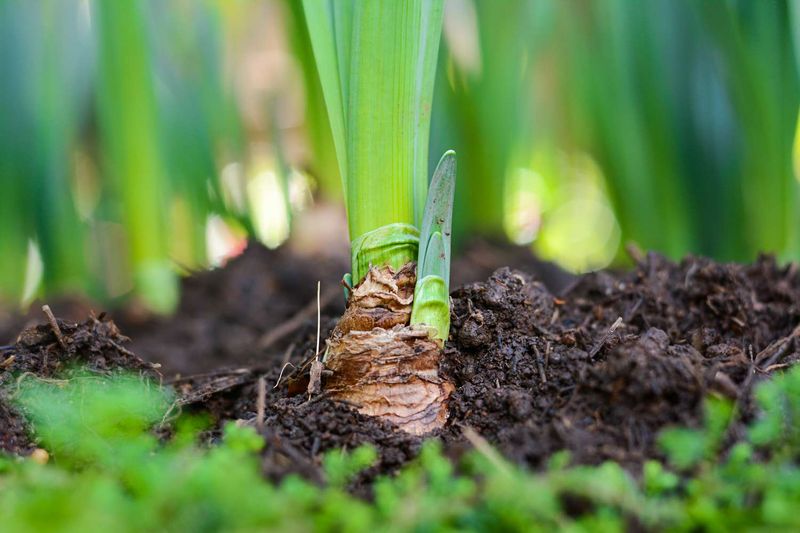
Timing your planting is like catching a bus. Show up too early and you wait in the heat, show up too late and the ride is gone.
Soil temperature is the real guide. Tulips like to go into ground that has cooled to around 55 degrees or lower.
In North Texas, that might happen in mid December. Down near Houston or San Antonio, gardeners often wait until late December or the first week of January.
A soil thermometer costs only a few dollars. Push it about six inches deep in the morning for an honest reading.
Plant your bulbs right after taking them out of the fridge. Letting them sit warm on the porch for days can undo some of your hard work.
Watch the weather forecast too. A cool, cloudy stretch gives roots a smooth start without a sudden heat wave.
Do not panic if a warm spell pops up after planting. A layer of mulch will help keep the soil cool and steady.
Gardeners who keep a simple journal each year learn their own yard’s best dates. Over time, you will spot patterns and plant with real confidence.
7. Dig Deeper In Warm Soil
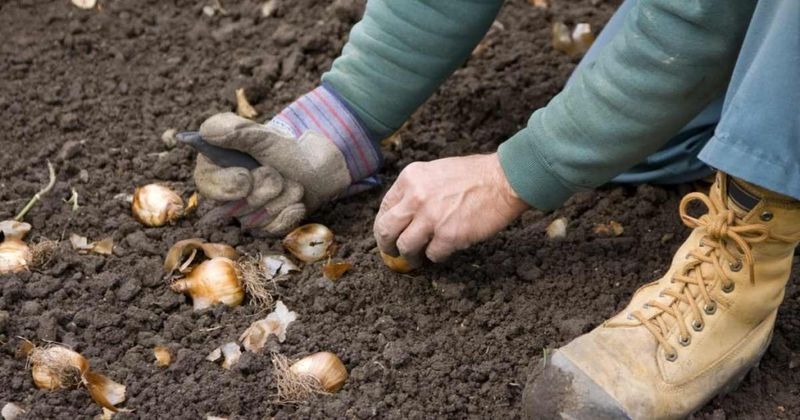
Deeper is better in warm places, and here is why. Soil several inches down stays cooler than the surface baking in afternoon sun.
Plant bulbs about 6 to 8 inches deep, with the pointy end facing up. If you cannot tell which end is which, set the bulb on its side and it will figure things out.
Space them roughly 4 to 6 inches apart. Planting in clusters of ten or more makes a bolder splash of color than single rows.
Good drainage is a must. Heavy clay, common in many parts of Texas, holds water and can cause bulbs to rot.
Mix in compost to loosen the soil. Raised beds and containers are great choices if your yard stays soggy after rain.
Choose a spot that gets morning sun and some afternoon shade. That small break from the hottest light helps flowers last longer.
After planting, water once to settle the soil. Then add two to three inches of shredded bark or pine straw on top.
Hold off on heavy watering until shoots appear. Too much water while bulbs are resting is one of the most common beginner mistakes.
8. Try Pots For An Easy Spring Show
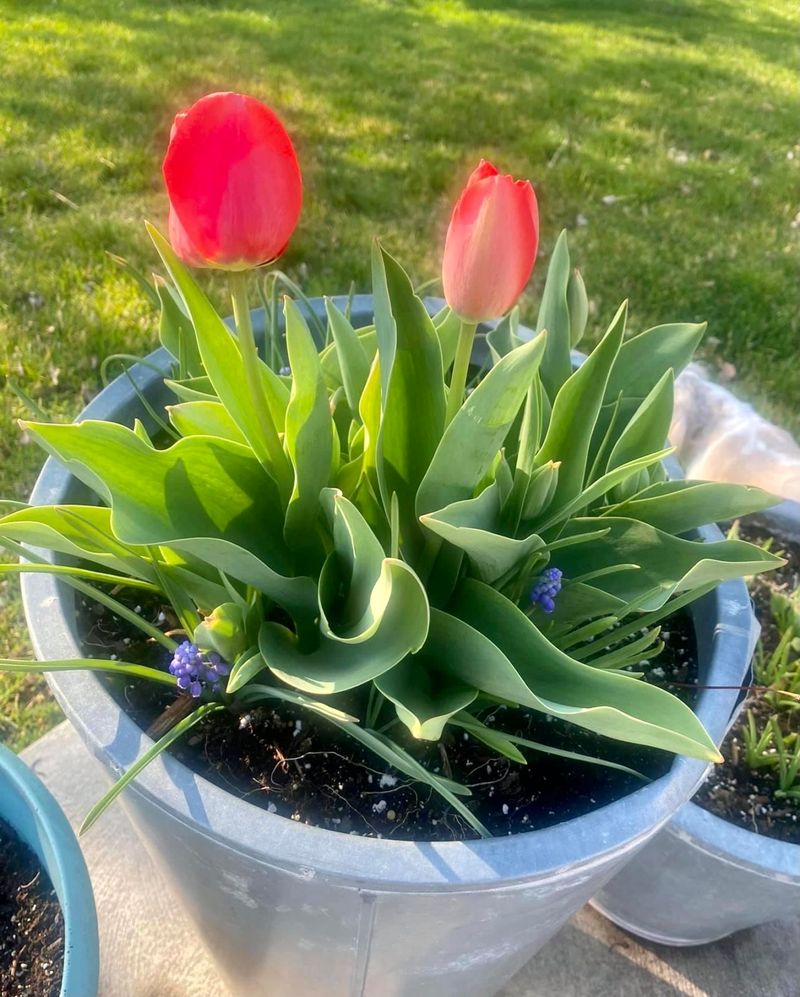
Containers are a little bit of magic for small spaces. You can move them, show them off, and control the soil completely on your own terms.
Choose a pot at least 12 inches deep with good drainage holes. Fill it with quality potting mix rather than heavy garden dirt.
Here is a fun trick called the lasagna method. Plant bulbs in layers, with larger ones deep and smaller ones like grape hyacinths above, so blooms pop up in waves.
Pack bulbs closer together in pots than in the ground. They can nearly touch, which creates a full, lush look by spring.
Many apartment dwellers in Texas grow gorgeous tulips on patios this way. A sunny balcony can become the brightest spot on the block.
If a hard freeze shows up, simply roll the pot into the garage overnight. During a sudden warm spell, slide it into a shadier corner.
Water whenever the top inch of soil feels dry. Pots dry out faster than garden beds, especially on windy days.
Pots also make thoughtful gifts. A container of blooming tulips brightens a grandparent’s porch or a teacher’s desk in early spring.
9. Enjoy Tulips As Spring Treats
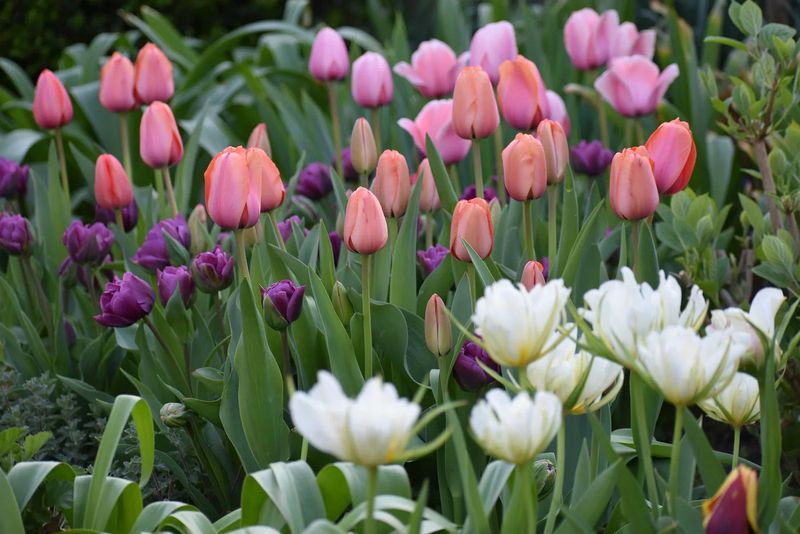
Blooms usually arrive in March for most of us. After all those weeks of waiting, the first open flower feels like winning a small prize.
Many gardeners in Texas treat tulips as annuals. Our hot summers rarely let bulbs build enough strength to bloom well again the next year.
That is perfectly okay. Think of them like a holiday bouquet that lasts for weeks in the yard instead of days in a vase.
Cut a few stems to bring inside. Snip them in the morning when buds are just showing color, and they will keep opening on your table.
Here is a quirky fact: cut tulips keep growing in the vase, sometimes an inch or more. They also bend toward light, so turn the vase daily for straighter stems.
When flowers fade, you can compost the plants or let the foliage yellow and see what happens next year. Either choice is fine.
Keep notes on which colors and varieties performed best. That list makes next fall’s shopping trip faster and much more fun.
Before long, the paper bag in the fridge becomes a cozy yearly habit. Friends and neighbors might even start asking for your secret.