The California Fire Officials Checklist For Yards Near Open Space This Fall
If your California home sits near open space, hillside, canyon, or wildland edge, fall is the season that deserves your full attention.
The golden hills look stunning this time of year, no argument there, but that dry grass and warm wind combination is exactly what fire crews spend their careers thinking about.
The good news is that CAL FIRE has a very clear, very practical checklist for homeowners in your situation, and most of it comes down to a few focused weekends and some honest attention to detail. None of it requires a contractor or a big budget.
What it does require is actually doing it before the next red flag warning shows up on your phone. Because at that point, the time for yard prep is officially over.
Let’s walk through what fire officials actually recommend.
1. Clear The First Five Feet Around Your Home

Fire officials call it the ember-resistant zone, and they mean business about it. It covers the first five feet out from your walls, decks, and porches.
Flying embers cause many home fires in California, not just big walls of flame. A tiny glowing speck can land in bark mulch and quietly start smoldering.
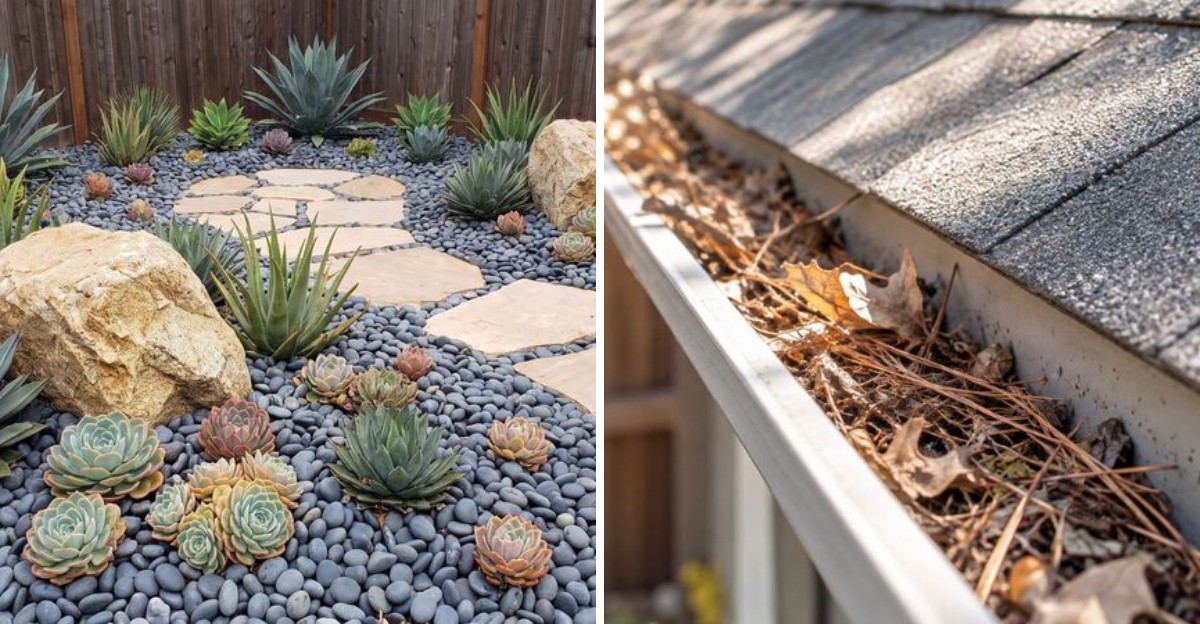
So swap wood chips for gravel, pavers, or bare dirt near the house. Pull out shrubs that touch siding or sit under windows.
Move firewood, trash bins, and stacked boxes at least five feet away. Patio cushions should come inside on windy days too.
Look under decks with a flashlight, since leaves love to hide there. A rake with a long handle works well for that job.
Wood fences that attach to the house can act like a fuse. Many homeowners replace the last few feet with a metal gate or panel.
Potted plants are fine if they stay green and well watered. Keep pots small and avoid tucking them against wooden walls.
Fun fact: newer state rules are pushing this zone into law for high fire areas. Getting ahead now saves stress later and makes your home look tidy.
Walk around your house once a week this fall. A five minute check can catch fresh leaves before they pile up.
2. Keep Gutters And Roofs Spotless
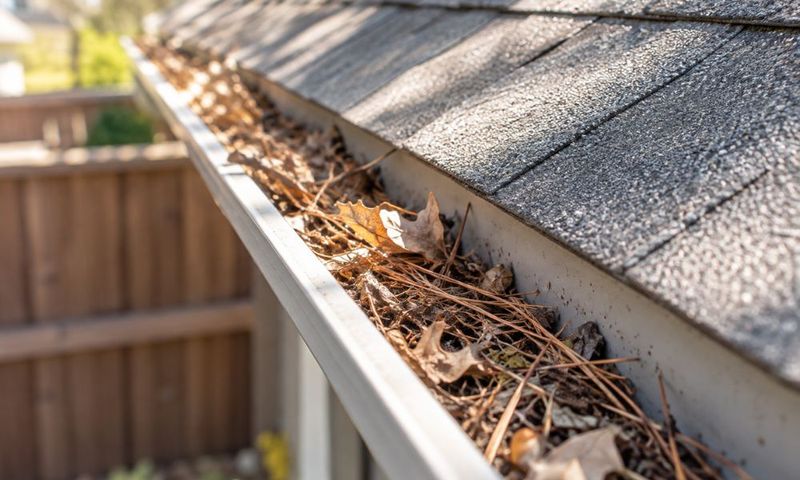
Ask any firefighter what worries them on a windy night, and gutters often come up. Packed pine needles up there act like a ready-made campfire.
Embers drift for a mile or more during fall wind events in California. They roll down roofs and settle right into those dry piles.
Clean gutters at least twice in autumn, and more if tall trees lean nearby. A sturdy ladder, gloves, and a helper make the chore safer.
Metal gutter guards can cut down on buildup. They still need a quick look now and then, because small debris slips through.
Check roof valleys where two slopes meet, since leaves gather there. Sweep off branches and needles with a soft broom.
Roof type matters as well. Class A materials like tile, metal, or certain shingles hold up much better than wood shakes.
Your California Garden Changes Every Week. Your Plan Should Too.
Gardening in California changes quickly throughout the season. Every Friday you’ll receive a simple weekly plan showing exactly what to plant, prune, fertilize, harvest, and protect so you never miss the right timing.
Small gaps under roof tiles can trap embers. Bird stops or end caps help seal those openings at the edges.
Do not forget chimneys. A spark arrestor with fine mesh keeps hot bits from escaping when you light the fireplace.
If heights make you nervous, hire a local gutter service. Many offer fall deals, and the cost is small compared to the peace of mind.
3. Create Defensible Space Out To 100 Feet
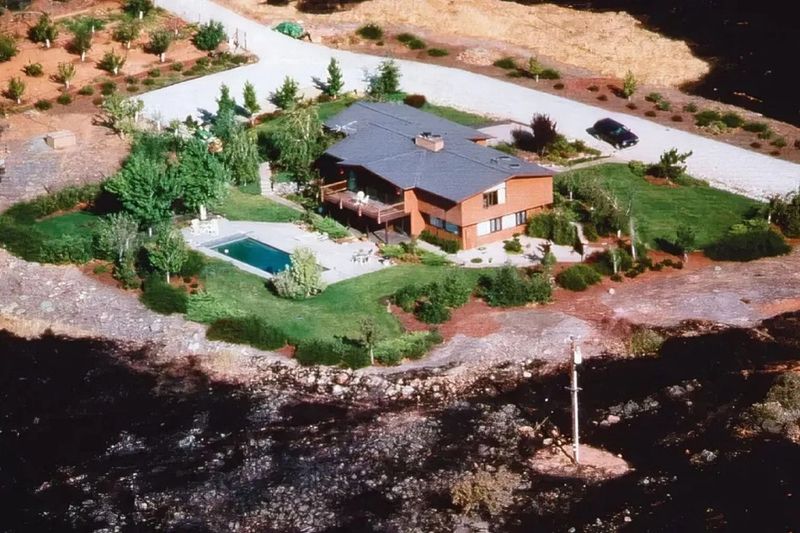
Thirty feet and one hundred feet are the two magic numbers here. California law asks homeowners in fire areas to manage plants within both distances.
In the first thirty feet, keep things lean, clean, and green. Remove dried plants, trim lawns, and space shrubs apart so flames cannot jump.
From thirty to one hundred feet, the goal shifts a bit. You want gaps between trees and bushes, plus grass mowed down to about four inches.
Think of it like breaking up a line of dominoes. When plants stand apart, a fire loses speed and heat as it travels.
Your property might end before the hundred foot mark. In that case, chat with neighbors so you can work together on shared edges.
Mow early in the morning when it is cooler and damp. Metal blades hitting rocks on hot afternoons can toss sparks into dry grass.
Leave some ground cover on slopes to stop soil from washing away. Low, green plants hold dirt in place without adding much fuel.
Local fire departments often offer free yard checks. An inspector can walk your land and point out problem spots you might miss.
Snap photos after you finish. Insurance companies sometimes ask for proof of good yard work.
4. Trim Trees The Smart Way
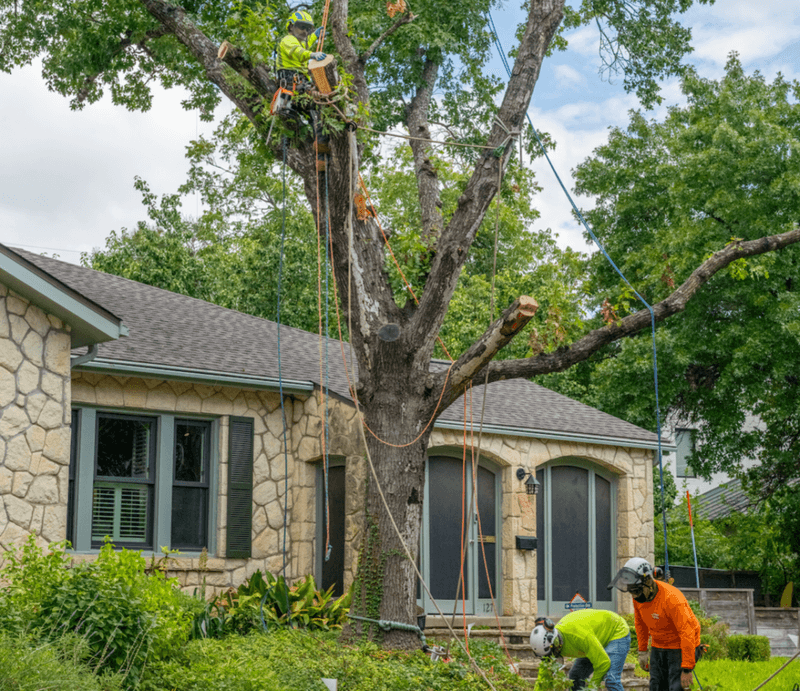
Low branches hanging near dry brush form what crews call ladder fuels. Flames climb them like a kid climbs a jungle gym.
A good rule is to prune lower limbs up to six feet off the ground. On short trees, trim up about a third of the height instead.
Keep at least ten feet between tree tops and your chimney. Branches over the roof should be cut back so leaves do not drop into gutters.
Spacing between tree crowns matters in California hill country too. On steep slopes, crews suggest even wider gaps since fire runs uphill fast.
Native oaks deserve special care. Many cities protect them, so check local rules before you cut big limbs.
Fall is a handy time to trim many trees. Pests are less active, and cooler weather is easier on both you and the plant.
Hire a certified arborist for anything near power lines. Utility companies sometimes handle those branches at no charge.
Chip the cut branches or haul them away quickly. A big pile of fresh trimmings will dry out and become a new hazard within weeks.
Step back after trimming and look for open air beneath the trees. That clear space is exactly what firefighters hope to see.
5. Pick Fire-Wise Plants For Your Garden

Some plants are basically torches with leaves. Juniper, rosemary hedges, and tall ornamental grasses hold oils or dry bits that burn hot.
Others behave much better in a blaze. Succulents, aloe, ice plant, and many low perennials store water in thick leaves.
California natives can be smart picks when chosen carefully. Toyon, California fuchsia, and coffeeberry handle dry summers and stay fairly moist.
Plant type is only half the story, though. A well watered, trimmed plant is safer than a neglected one of any kind.
Group plants in small islands with gravel or paths between them. Those breaks act like speed bumps for flames.
Fall is planting season for many native gardens. Cooler soil and early rains help roots settle in before summer heat returns.
Skip palms close to the house unless you can keep dry fronds trimmed. Old fronds hanging down catch embers easily.
Visit a local native plant nursery for advice. Staff there know which shrubs thrive in your exact neighborhood.
Fun fact: no plant is fully fireproof. The goal is choosing ones that slow fire down and buy precious time.
6. Seal Vents And Gaps On Your House
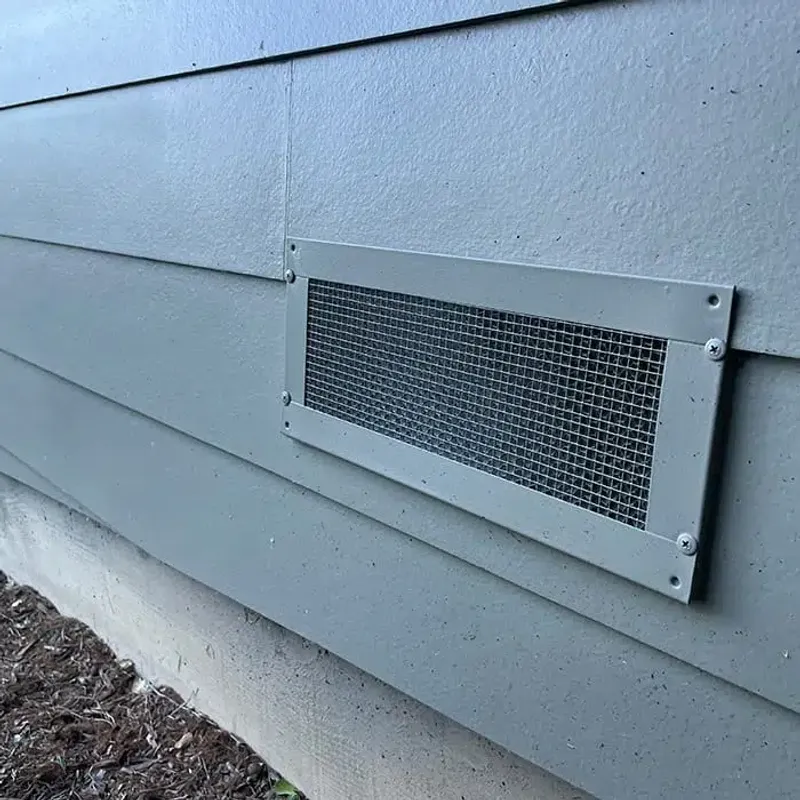
Tiny openings can let in big trouble. Attic and crawl space vents are favorite entry points for wind-blown embers.
Fire experts recommend metal mesh with openings of one eighth inch or smaller. Some newer vents are built to block embers while still letting air flow.
Check where siding meets the foundation for cracks. A tube of fire-rated caulk can close many of those small gaps in an afternoon.
Garage doors are often overlooked. Add weather stripping along the bottom and sides so sparks cannot slide underneath.
Look at eaves too, since open eaves trap heat and embers. Boxing them in with soffits is a common upgrade in California foothill towns.
Dryer vents need a flap that closes when not in use. Clean lint from the vent pipe as well, since lint catches quickly.
Windows matter more than people think. Dual-pane tempered glass resists cracking from heat much better than single pane.
Most of these fixes are weekend projects. Start with vents, then work through the rest as time and money allow.
Keep a short list on your fridge. Checking off one item each week makes the whole job feel easy.
7. Rethink Decks And Patios In Fire Country
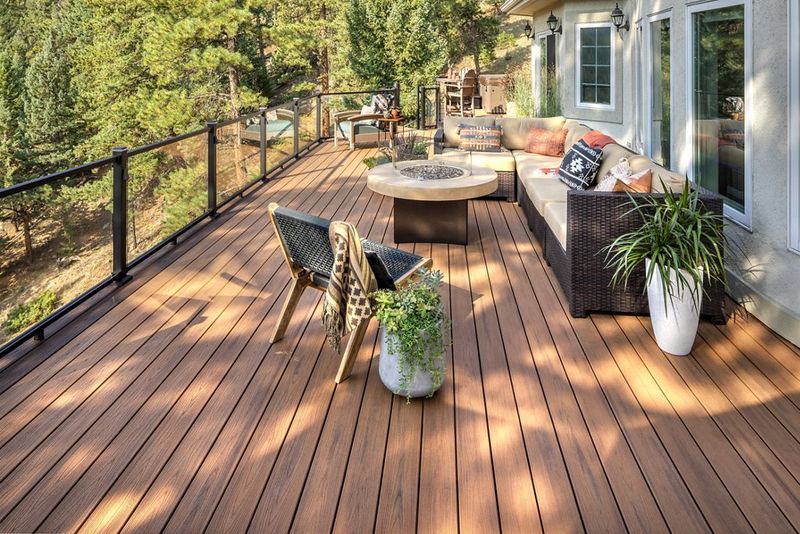
Decks feel like outdoor living rooms, which is exactly why they need attention. Clutter underneath and dry boards on top can catch fire before the house does.
Start by clearing everything stored below the deck. Lumber, old toys, and plastic bins all count as fuel.
Enclosing the bottom with fine metal mesh keeps leaves and embers out. It also stops critters from building nests there.
Sweep between deck boards with a stiff brush. Needles wedged in those cracks can smolder for a long time unnoticed.
Furniture choices matter as well. Metal frames are safer than wicker, and cushions should go inside when red flag warnings appear.
Propane tanks for grills need space from the house. Store spare tanks in a shady spot away from plants and wood.
When it is time to rebuild, look into fire-rated composite or hardwood decking. Many California building codes now require these in high risk areas.
Doormats made of coconut fiber are surprisingly easy to ignite. Rubber mats are a simple swap that costs only a few dollars.
A clean deck looks nicer for fall parties anyway. Guests will enjoy the view, and you will rest easier at night.
8. Prep Water And Hoses Around Your Property
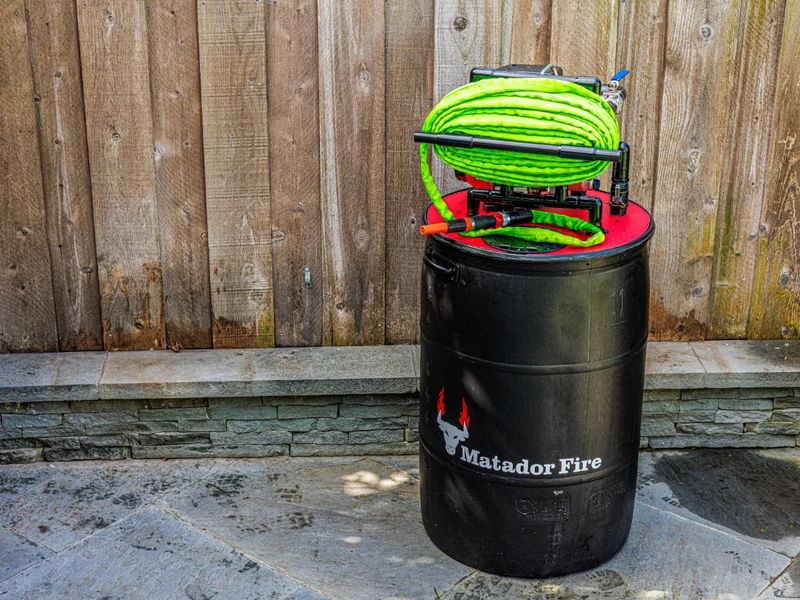
A hose that reaches every corner of your house is a quiet hero. Many homeowners find out too late that theirs stops ten feet short.
Walk around the house and test each spigot this fall. Make sure hoses are attached, coiled, and long enough to wrap around the building.
Keep a nozzle on every hose so it is ready to go. A spray setting helps you wet down small spot fires from embers.
Store a sturdy ladder where you can grab it quickly. Firefighters sometimes use it to reach roofs, and you might need it for gutters.
Pools and large water tanks can be useful in an emergency. Some California counties offer signs that tell crews where your water source is.
Do not plan to stay and fight a big fire with a garden hose. Evacuation orders come first, and leaving early is the smartest choice.
Fill a few buckets and keep them in the garage. They come in handy during power outages when pumps may not work.
Label your main water shutoff too. Low water pressure is common during fires, so knowing your system helps.
Small prep steps like these feel simple. They add up to a much safer setup.
9. Plan Your Family Exit From A California Neighborhood

Even the best yard work cannot replace a solid exit plan. Fire officials say the first hour of a warning is the most precious time you have.
Pack a go-bag for each person in your home. Include water, snacks, medicine, phone chargers, copies of important papers, and N95 masks.
Know at least two ways out of your neighborhood. Drive them once in daylight so everyone feels confident.
Sign up for local emergency alerts on your phone. Many California counties use systems that send texts and calls when danger nears.
Pets need a plan too. Keep carriers handy, plus food and leashes, so nobody wastes time searching.
Park your car facing the street with at least half a tank of gas. That small habit can shave minutes off a stressful exit.
Practice with the kids like a fire drill at school. Make it a game, and time how fast everyone reaches the car.
Pick a meeting spot outside the area in case phones fail. A relative’s house or a library in another town works well.
Leaving early is a sign of wisdom. Homes can be rebuilt, but your family’s safety comes first.