What California Gardenias Need In Late Summer Before Temperatures Cool
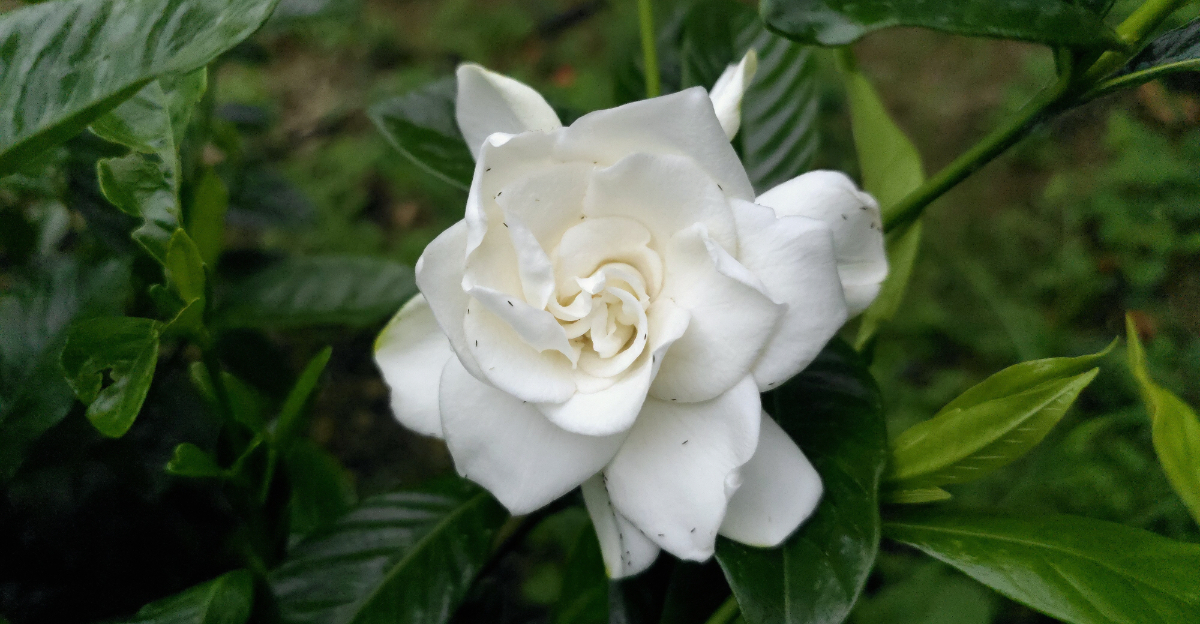
Gardenias have a way of looking fine right up until they suddenly do not. Late summer is when that shift can begin, especially after weeks of California heat have quietly worn the plant down.
The blooms may thin out first. Then the leaves lose some of their polish, and the shrub starts looking less vigorous without giving you an obvious reason why.
That is what makes this point in the season so easy to misread. The plant is not necessarily failing, but it may be entering a stage where one overlooked need starts to matter more than it did in June.
Catching that change now gives you a better chance of carrying the shrub into cooler weather without a bigger setback. If your gardenia seems just a little “off,” late summer is the moment to pay attention.
1. Keeping Soil Moist Without Leaving Roots Soggy
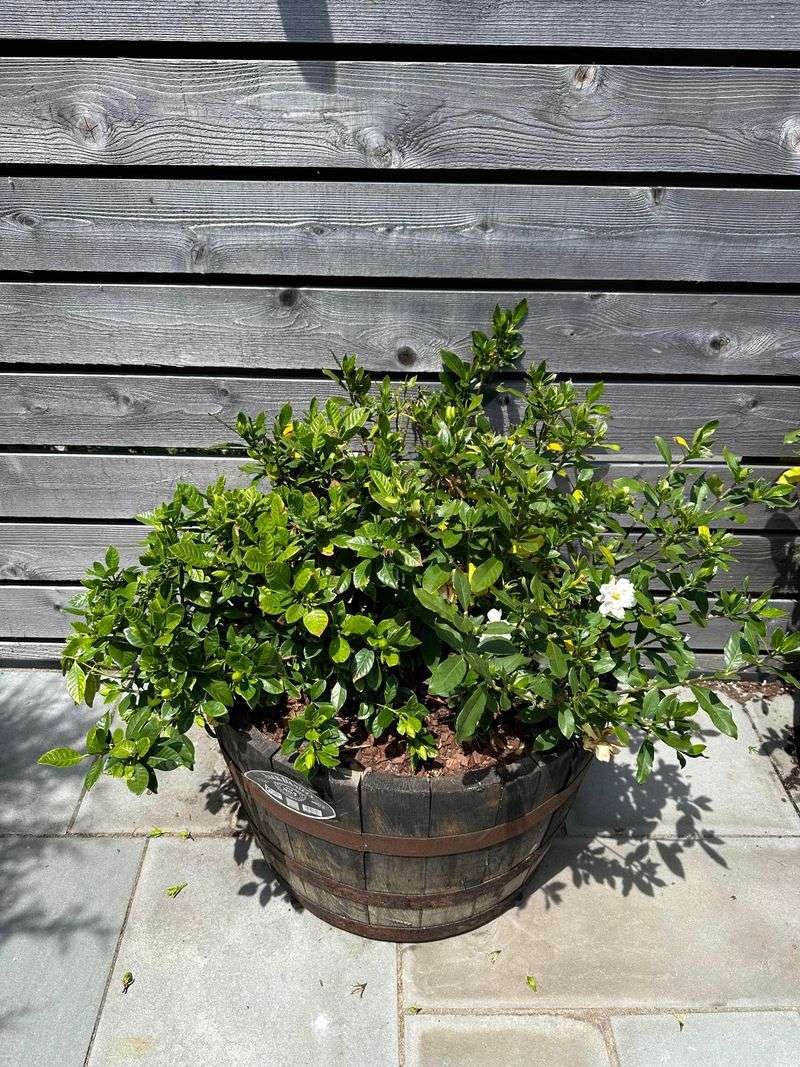
Watering gardenias in late California summer feels like walking a tightrope. Too little water and the plant wilts fast.
Too much and the roots sit in soggy soil, which leads to rot and weak growth. The goal is to keep the soil consistently moist, not wet and not bone dry.
Check the soil every day or every other day during hot spells. Stick your finger about an inch into the ground near the base of the plant.
If it feels dry at that depth, it is time to water. If it still feels damp, wait another day before checking again.
Water deeply and slowly so the moisture reaches the roots. A slow drip or soaker hose works better than a quick spray from above.
Watering in the early morning gives the soil time to absorb moisture before the afternoon heat kicks in. Avoid watering at night because wet leaves in the dark can invite fungal problems.
Good drainage matters just as much as regular watering. If your soil holds water for too long after rain or irrigation, mix in some compost or coarse sand to improve drainage.
Gardenias love rich, well-draining, slightly acidic soil. Keeping that balance steady through the hottest weeks of summer sets the plant up for a smooth transition into cooler fall weather.
2. Giving Afternoon Shade Before Leaves Start Scorching
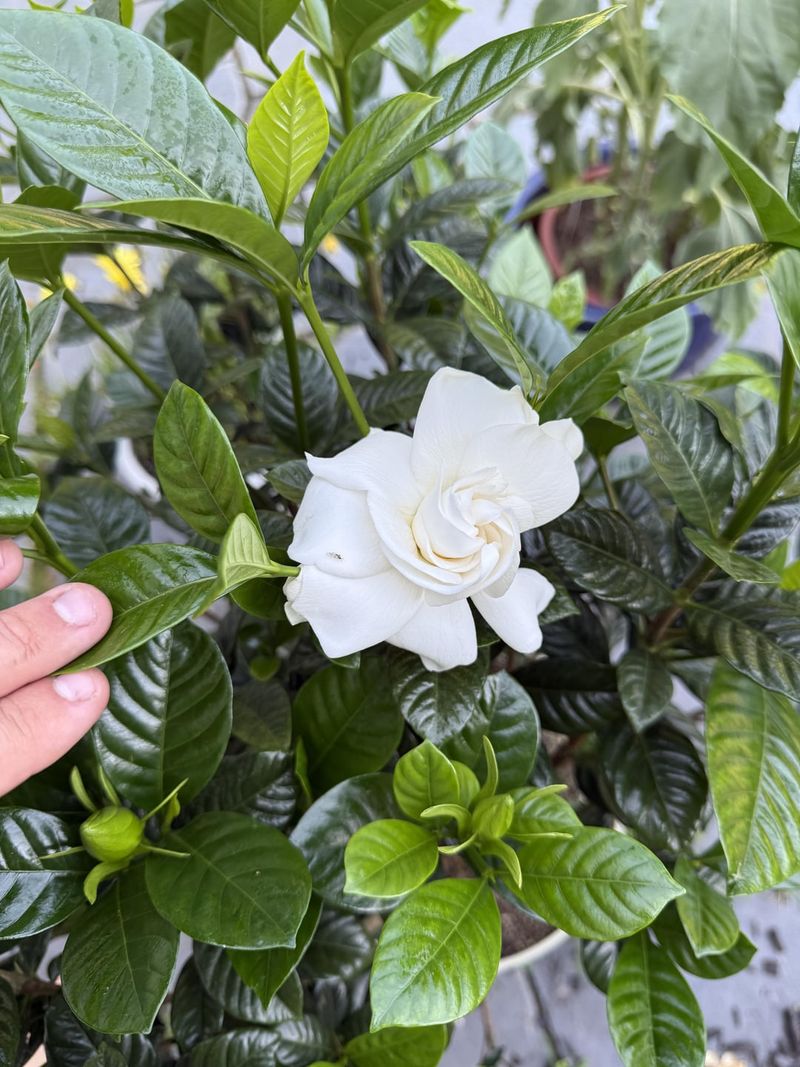
Full sun all day long is too much for gardenias during late summer heat. California morning sun is fine and actually helps the plant thrive.
But when the afternoon sun hits hard, leaves can start to look bleached, brown at the edges, or even crispy.
Providing some afternoon shade is one of the simplest ways to protect your plant right now. You do not need a fancy setup to make this work.
A shade cloth hung on a frame, a patio umbrella, or even the natural shadow of a nearby fence or taller plant can do the job well.
If your gardenia is planted in a spot that gets blasted with full western sun from noon onward, consider adding a temporary shade solution for the next few weeks.
Even blocking just two to three hours of the most intense afternoon light can make a noticeable difference in how the leaves look and feel.
Your California Garden Changes Every Week. Your Plan Should Too.
Gardening in California changes quickly throughout the season. Every Friday you’ll receive a simple weekly plan showing exactly what to plant, prune, fertilize, harvest, and protect so you never miss the right timing.
Scorched leaves do not recover once the damage is done. They stay brown and crispy until they eventually drop off.
Preventing that damage now keeps the plant looking full and green heading into fall. A gardenia with healthy foliage going into cooler weather is far better prepared to push out new growth and possibly even another round of blooms before the season ends.
3. Refreshing Mulch To Keep Roots Cool
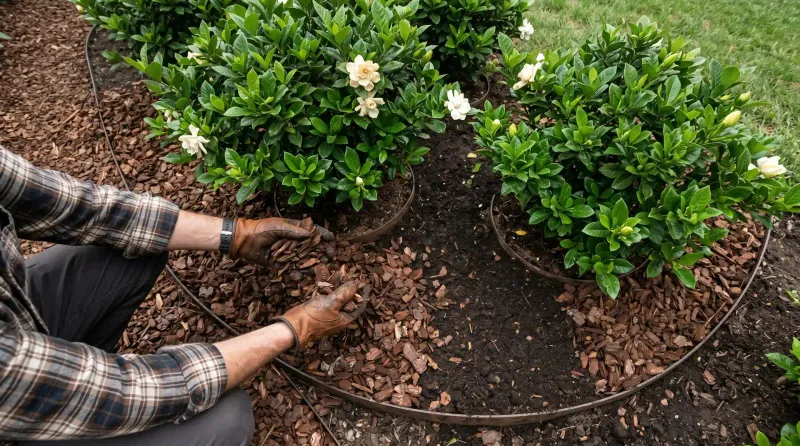
Mulch is one of the hardest-working tools in a California gardener’s kit, and late summer is a great time to refresh what you already have down. Over time, mulch breaks down, thins out, and stops doing its job as well as it did in spring.
A fresh layer right now can make a real difference for your gardenia’s roots.
A good layer of mulch keeps the soil cooler by blocking direct sun from hitting the ground. It also slows down evaporation, which means the soil holds onto moisture longer between waterings.
That is a big deal when temperatures are still climbing into the upper 80s or 90s.
Aim for about two to three inches of mulch around the base of the plant. Keep it a few inches away from the main stem so air can circulate and moisture does not build up right at the crown of the plant.
Pine bark, shredded wood, or pine needles all work well and are slightly acidic, which gardenias love.
Pull out any old mulch that looks matted, smells sour, or has started to mold before adding the fresh layer.
A quick refresh now costs very little time or money but pays off in healthier roots, more stable soil temperature, and a plant that handles the last stretch of summer heat with much less stress.
4. Skipping Heavy Fertilizer This Late In Summer
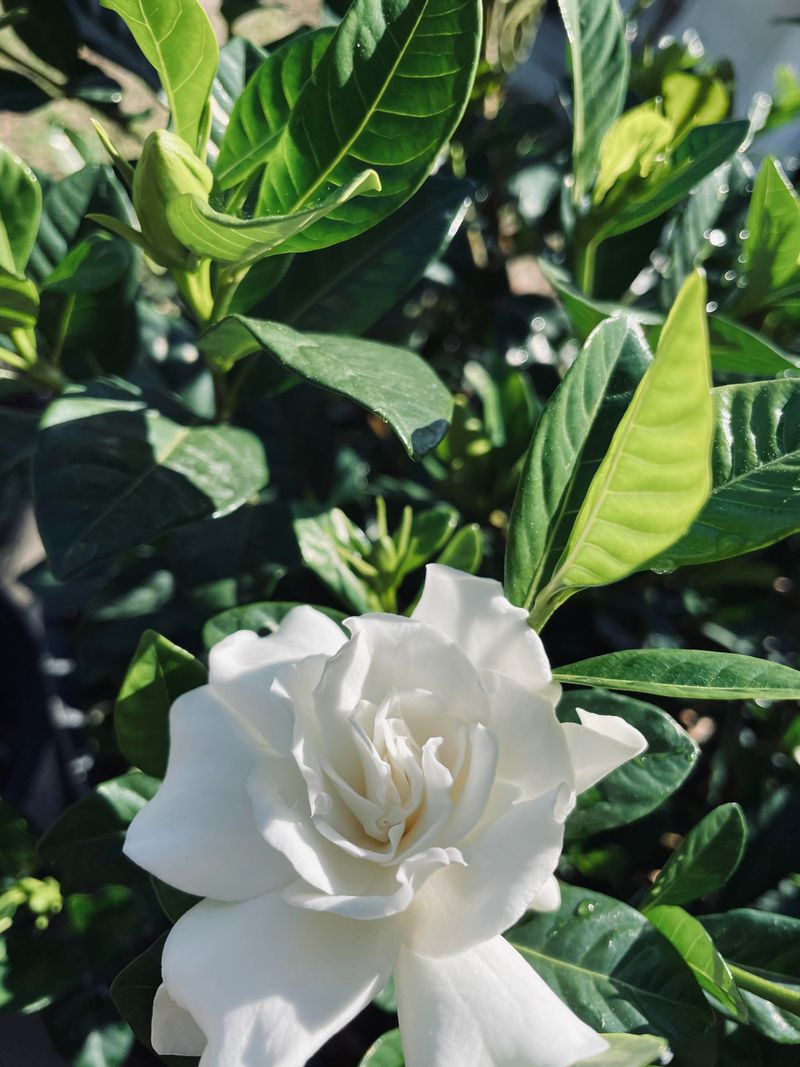
Fertilizing at the wrong time can actually set your gardenia back instead of helping it. Late summer is not the right moment to push heavy feeding.
Applying a strong fertilizer now encourages a flush of tender new growth, and that soft new growth is very vulnerable when cooler temperatures arrive in a few weeks.
Most gardening experts recommend stopping heavy fertilizer applications by midsummer for gardenias in warm climates. If you have already fertilized this season, you are probably in good shape.
Just hold off on any additional doses until spring rolls back around and the plant is actively pushing new growth again.
If your gardenia looks a little pale or you are worried about nutrient levels, a light application of a slow-release, acidic fertilizer is a safer choice than a liquid boost right now.
Slow-release formulas feed the plant gradually and are less likely to trigger a sudden burst of growth that the plant cannot support through the coming seasonal shift.
Iron deficiency is common in gardenias and shows up as yellowing leaves with green veins. If that is what you are seeing, a targeted iron supplement or soil acidifier is a smarter fix than all-purpose fertilizer.
Read product labels carefully and always follow the recommended rates. Less is genuinely more when it comes to late-summer feeding for these plants.
5. Checking For Yellow Leaves Before Fall Arrives
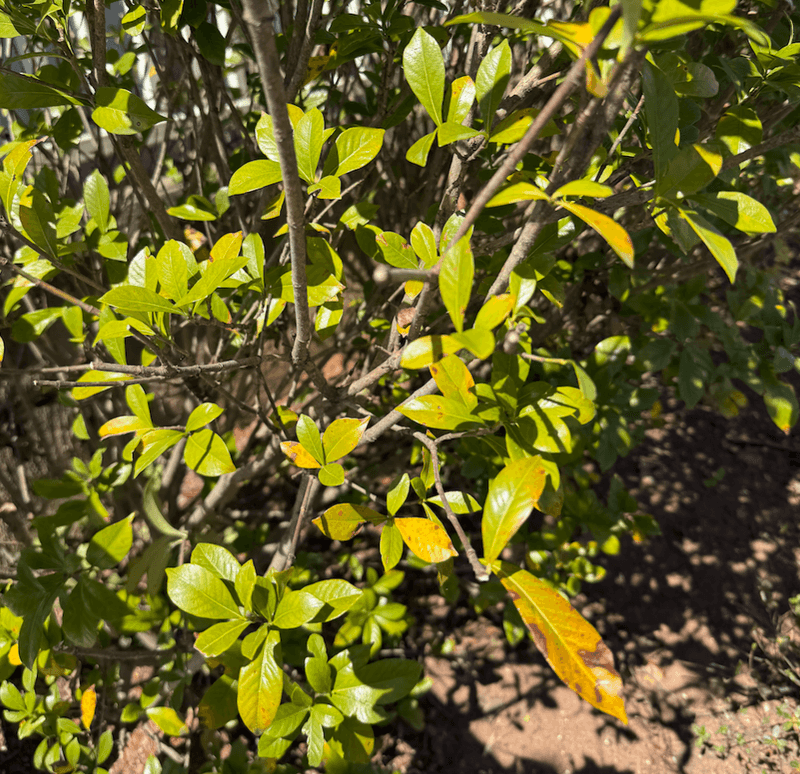
Yellow leaves on a gardenia can mean several different things, and not all of them are serious. Some yellowing at the end of summer is completely normal.
Older leaves near the bottom of the plant naturally yellow and drop as the plant focuses its energy on newer growth. That kind of yellowing is nothing to worry about.
But if yellow leaves are showing up all over the plant, or if the yellowing is spreading fast, something else is going on. The most common causes include overwatering, poor drainage, low soil pH, or a nutrient deficiency.
Each one of these has a different fix, so figuring out the root cause matters.
Check the soil pH if you have not done so recently. Gardenias prefer a soil pH between 5.0 and 6.0.
When the pH creeps too high, the plant cannot absorb iron and other nutrients even if they are present in the soil. A soil test kit from a garden center can give you a quick and accurate reading.
If the soil pH is off, a dose of sulfur or an acidifying fertilizer can help bring it back into range over time.
Catching yellow leaves now, before fall officially arrives, gives you a few weeks to correct the problem while the plant still has enough warmth and energy to respond well to any changes you make.
6. Watching For Spider Mites In Hot Dry Weather
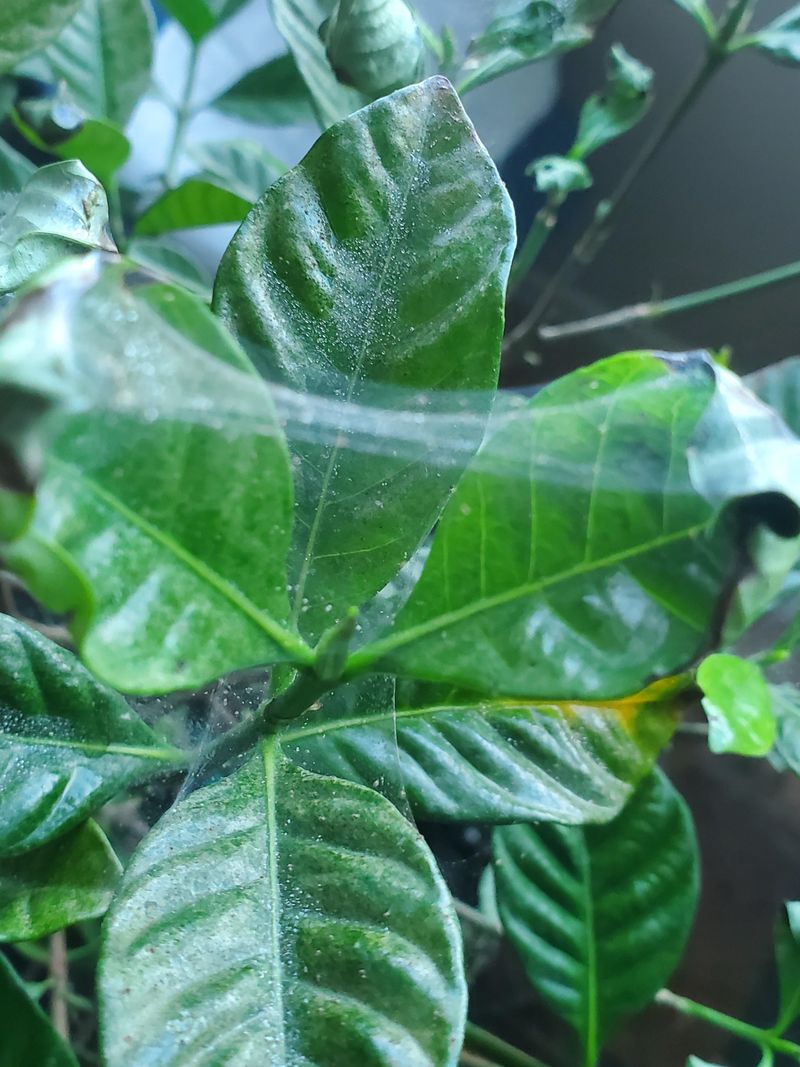
Hot, dry late-summer weather is prime time for spider mites. These tiny pests are barely visible to the naked eye, but the damage they cause is very easy to spot.
Leaves start to look dusty, speckled, or faded. Flip a leaf over and you might see fine webbing and tiny moving dots clustered along the veins.
Spider mites thrive when the air is hot and dry and when plants are already a little stressed. Gardenias under heat stress are more vulnerable than healthy, well-watered plants.
Keeping up with consistent watering and mulching actually helps reduce the risk of a serious mite infestation.
If you catch mites early, a strong spray of water directly on the undersides of the leaves can knock a lot of them off. Do this in the morning so the leaves dry out before evening.
For a heavier infestation, insecticidal soap or neem oil spray applied to the leaf undersides works well and is safe for most garden plants.
Check your gardenia at least once a week through the rest of summer. Catching mites early makes control much easier.
A heavy infestation left unchecked can weaken the plant significantly and make it harder for the gardenia to bounce back once cooler weather arrives.
Early action is always the most effective approach when dealing with these fast-reproducing pests.
7. Deadheading Spent Blooms To Keep Plants Tidy
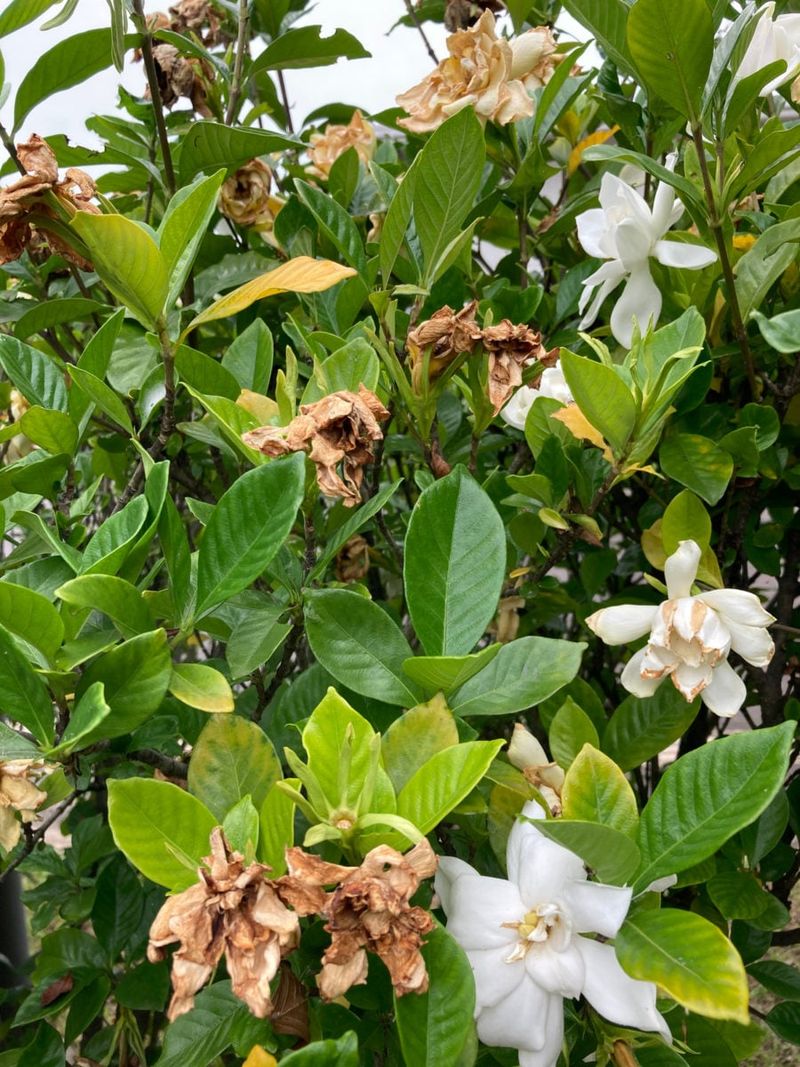
Spent blooms left on the plant do not just look messy. They can also invite fungal issues, especially when humidity is high or when water splashes up from the soil during irrigation.
Removing old flowers regularly is a simple habit that keeps the plant healthier and looking its best.
Gardenias bloom heavily in early summer, but some varieties push out a second flush of flowers in late summer. Deadheading, which just means removing faded or brown blooms, encourages the plant to redirect its energy.
Instead of putting resources into forming seeds, the plant can focus on root health and overall strength heading into fall.
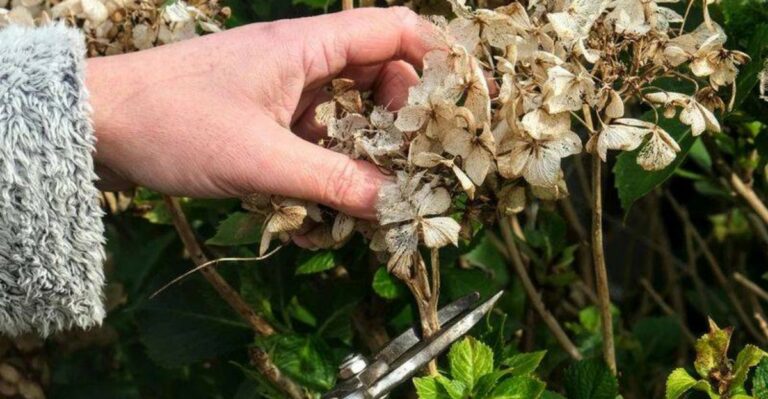
Use clean, sharp scissors or small pruning snips to remove spent flowers. Cut just below the base of the bloom where it meets the stem.
Avoid tearing or pulling flowers off by hand because that can damage the stem and leave a wound that is slow to heal in the heat.
While you are deadheading, take a moment to look over the whole plant. Check for any crossing branches, withered twigs, or leaves that look diseased.
Light tidying up now, without heavy pruning, keeps the plant in good shape without stimulating too much new growth this late in the season. A clean, tidy gardenia going into fall is a happy and healthy one.
8. Keeping Containers From Baking On Hot Concrete
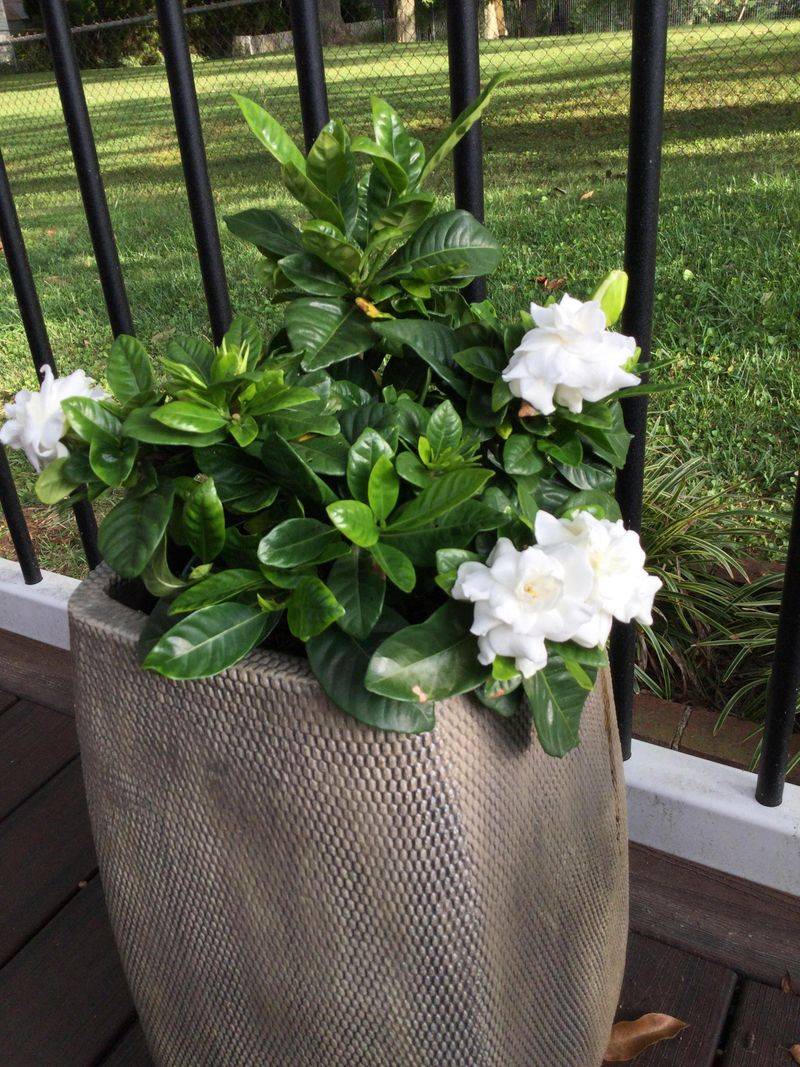
Container-grown gardenias face a challenge that in-ground plants do not. Pots sitting directly on concrete or pavement absorb heat from below as well as from the sides.
On a hot afternoon, the soil inside a dark-colored pot sitting on concrete can reach temperatures that stress roots badly.
Moving containers off hot surfaces is one of the easiest fixes you can make right now. A wooden plant stand, a few bricks, or even a rubber mat under the pot creates an air gap that reduces heat transfer significantly.
That small lift can lower the soil temperature inside the pot by several degrees.
Light-colored pots or those wrapped in burlap also absorb less heat than dark plastic or terracotta in direct sun.
If repotting is not realistic right now, wrapping the outside of a dark pot with a light-colored cloth or placing it inside a larger decorative pot can help insulate the roots from extreme heat.
Water evaporates much faster from containers than from garden beds, so check soil moisture in pots daily during hot spells. A pot that feels slightly dry at the surface may already be very dry deeper down.
Slow, thorough watering until it drains from the bottom ensures the entire root zone gets enough moisture to stay cool and healthy through the last hot weeks of summer.