October Is a Good Month to Plant Citrus Trees in Arizona’s Low Desert
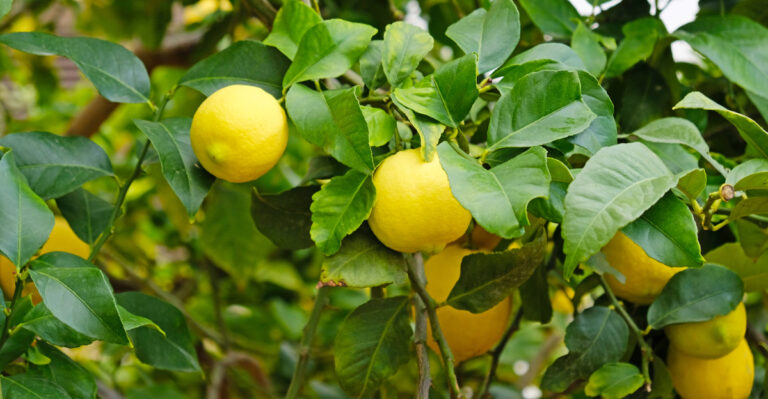
A citrus tree planted at the right time can settle in before the harsh weather arrives. In the low deserts around Phoenix and Tucson, fall and spring both offer good chances, and October often gets the spotlight.
Timing is only part of the story, though, because frost, soil, and watering matter just as much. Here is how to pick a planting window that fits your yard.
October offers a useful fall planting window
Early October is a solid time to put a citrus tree in the ground in Pima County and in low-desert yards with similar conditions. The Pima County October gardening guide recommends planting trees, citrus included, early in the month.
The reasoning is simple: the soil is still warm from summer while the air has finally cooled down.
That combination gives roots a comfortable stretch to start growing without the stress of 105 degree afternoons. A young tree also has months of mild weather to get its footing before the next summer arrives.
Still, October is a good fall pick, not a statewide champion. The advice comes from Pima County and similar low-desert conditions, so it does not automatically fit every corner of Arizona.
A yard at higher elevation or in a colder pocket may need a different calendar. Spring is also a respectable choice, which the next section covers.
Treat October as a strong option when your site is warm, your soil drains well, and you can commit to regular watering. If one of those pieces is missing, waiting for spring may be the smarter move.
Spring is also a recommended planting window
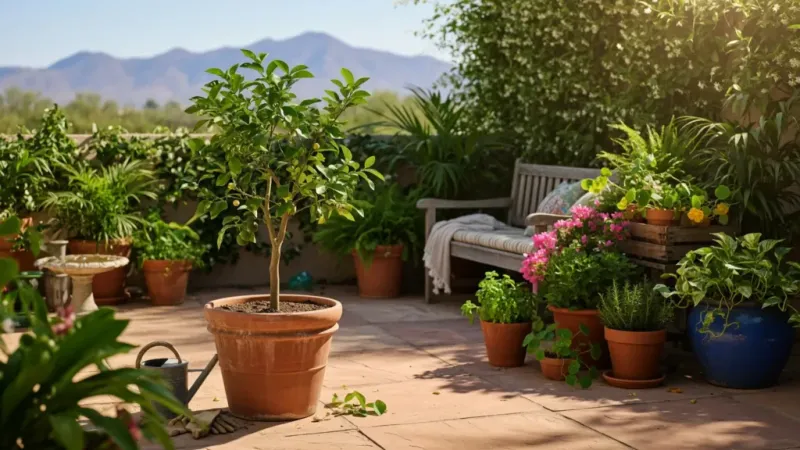
Fall does not have a lock on citrus planting. The March gardening guide for Pima County lists citrus among the things to plant that month, which makes late winter into early spring a legitimate alternative.
April matters too in Tucson-area advice. The April guide says to plant citrus so it can establish before hot weather arrives.
The key idea is giving roots a head start before summer turns up the pressure.
Notice what the guidance does not do. It never crowns one season as the winner over the other.
Both fall and spring come with trade-offs, and neither is a promise of success.
A spring planting can make sense if frost worries you about a fall tree, or if you simply missed the October window. The catch is that the clock runs faster, since heat builds quickly in the low desert.
If you plant in April, plan on careful watering from day one.
Let local frost risk shape the decision
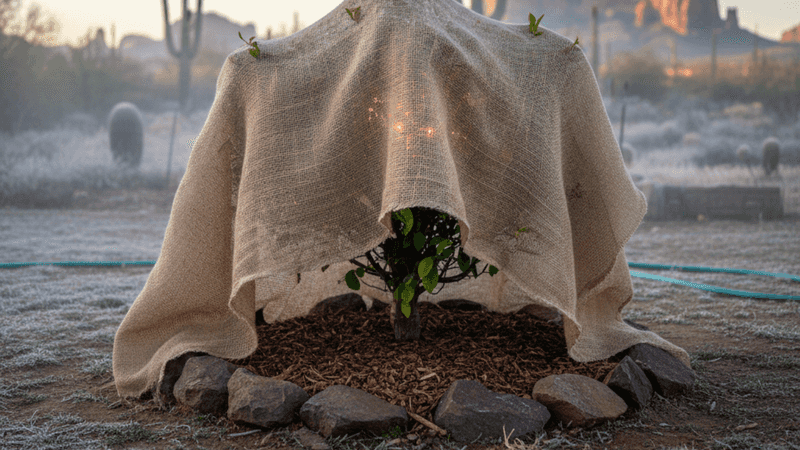
October is not frost-free. The Pima County October guide warns that frost can show up late in the month, and a tender new tree has little cushion against it.
Citrus is not particularly cold-hardy, and guidance on protecting citrus from cold explains that young trees often need protection. Keep a frost cloth and a few stakes handy, so a surprise cold night does not catch you off guard.
Your Arizona Garden Changes Every Week. Your Plan Should Too.
Gardening in Arizona changes quickly throughout the season. Every Friday you’ll receive a simple weekly plan showing exactly what to plant, prune, fertilize, harvest, and protect so you never miss the right timing.
Your own spot matters a lot. A yard in a low, cold pocket can get frost when a block away stays above freezing, while a south-facing wall can hold warmth overnight.
Pay attention to where cold air settles on your property.
The Pima County recommendations also do not transfer neatly to higher or colder parts of Arizona. If you live there, check with your local Extension office, and look at the Extension citrus page before choosing a variety and a planting date that suit your area.
Check drainage before planting
Before you fall for a sunny spot, test how it drains. Dig a hole, fill it with water, and watch how quickly the water disappears.
Citrus roots dislike sitting in soggy soil, so slow drainage is a warning sign.
Caliche is often the culprit in desert yards. Extension advice on managing caliche notes that this hard, cement-like layer can restrict both root growth and drainage, so it is worth locating before you plant.
Many people assume a deeper hole will solve the problem. It usually will not, because a deep hole above a restrictive layer can simply fill with water like a bathtub.
Where drainage is poor, the planting guidelines for container trees and shrubs point toward planting on a mound instead. You can also pick a different location in the yard.
A little testing now can save a tree later.
Set the root ball at the right level
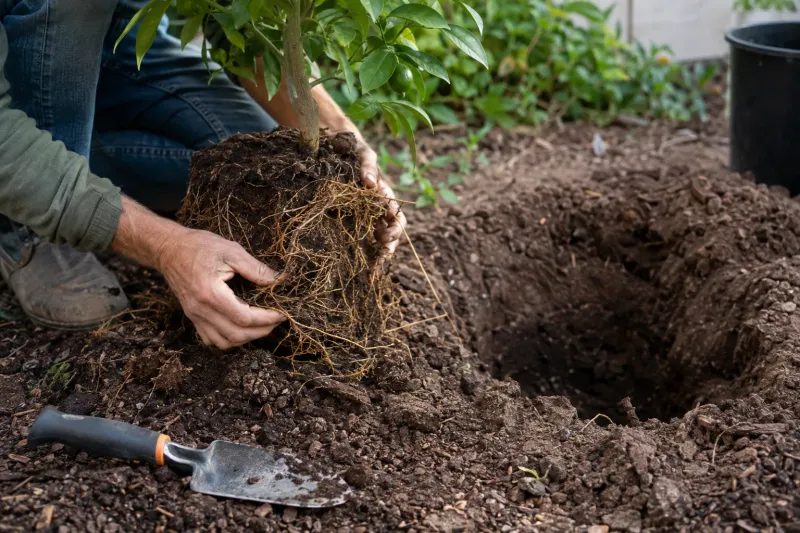
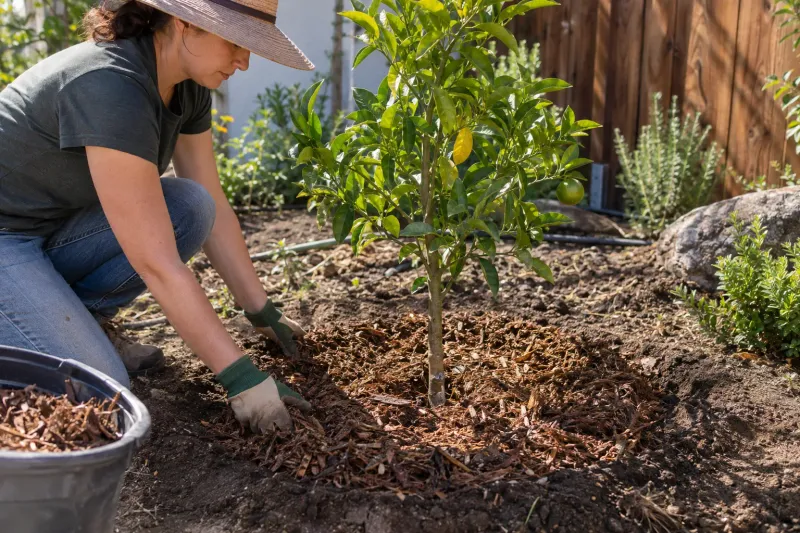
Planting depth is where many new trees go wrong. Dig the hole no deeper than the root ball itself, so the tree has firm soil beneath it and will not sink as the ground settles.
According to Extension planting guidelines, the top of the root ball should sit level with or slightly above the surrounding finished grade. A slight rise is better than a dip.
Look for the graft union, the bumpy bend low on the trunk where the variety joins the rootstock. Keep it above grade, never buried under soil.
When you backfill, use the native soil you dug out. Skip compost, potting mix, or other amendments in the hole, since a rich pocket surrounded by tougher desert soil can discourage roots from spreading outward.
Firm the soil gently around the ball and stop there.
Water the root ball according to conditions
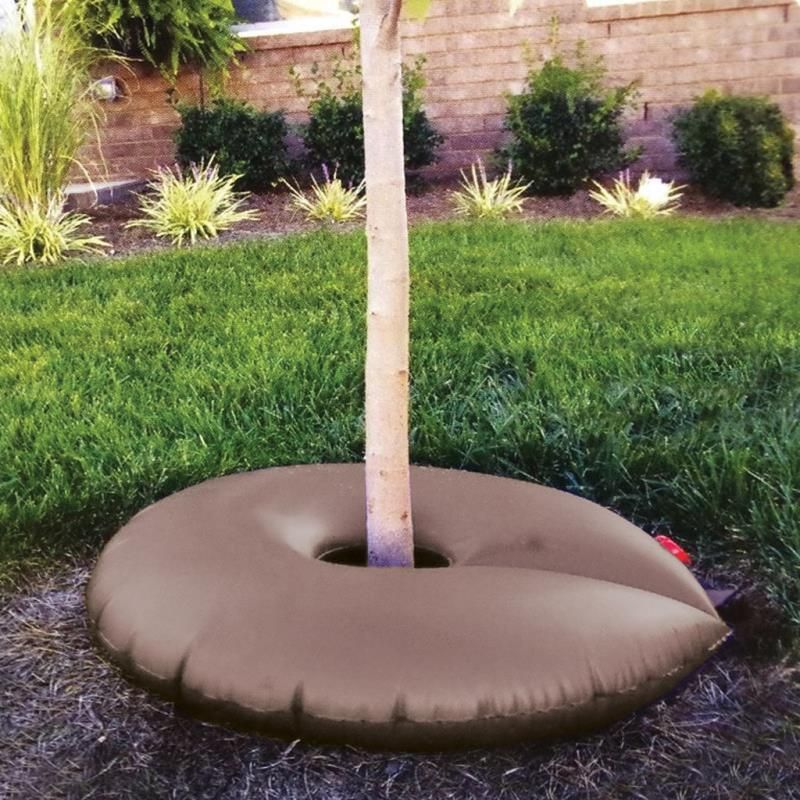
For the first stretch after planting, the original root ball is what the tree depends on. Keep it moist, because the roots have not yet reached out into the surrounding soil.
The Extension guide on irrigating citrus offers a general interval of every two to three days during the first month, then longer gaps as the tree settles in. Think of that as a starting point, not a rule for every yard.
Weather, soil type, drainage, and your irrigation method all change the answer. A hot, windy week in April calls for more attention than a cool, cloudy one in October.
Poke a finger into the soil near the root ball to see what is really happening.
Be honest about the long game, too. The same guide estimates mature citrus uses about 60 inches of water a year, so this is not a water-saving tree.
A separate southern Arizona watering handout gives different starting frequencies, which shows why checking the soil beats following a fixed calendar.
Choose a window your site can support
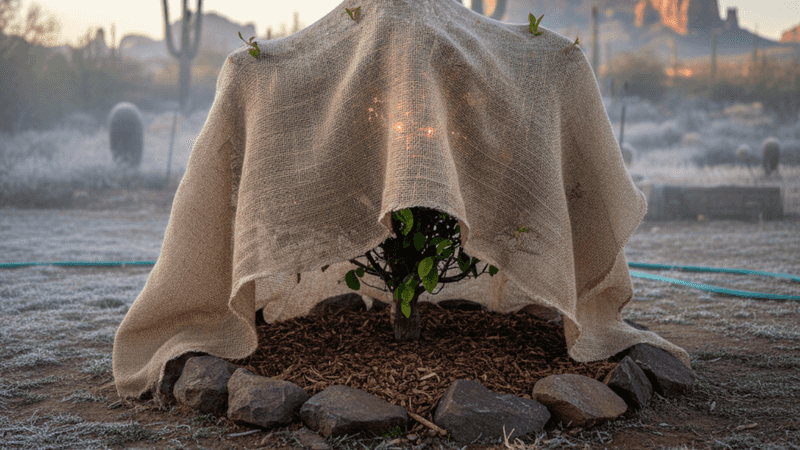
Here is a simple way to decide. In the low desert, consider early October for fall planting, as the Pima County October guide suggests, or look to March or April if local guidance supports spring.
Then weigh your frost exposure, your drainage, and whether you can keep up with the watering. No month is a guarantee anywhere in Arizona.
The best planting date is the one your yard can actually back up.