From 80 Degrees To Frost In One Week: How To Prepare Your Pennsylvania Garden
Plants don’t flip a switch when winter arrives. They prepare slowly, toughening up a little more with each cooler night.
Their cells adjust, their growth slows, and they gradually build up the strength to handle freezing temperatures. Pennsylvania weather doesn’t always give them that time.
Some years, a stretch of summerlike days lingers well into fall. Plants keep growing as if nothing has changed.
Then a cold front sweeps through, temperatures plunge 40 degrees in a matter of days, and the first frost arrives.
Tender vegetables, potted tropicals, fresh growth on shrubs, and late-blooming flowers are caught completely off guard.
Those sudden swings can do more damage than a steady, gradual cooldown. A few quick steps can help your garden ride out the shock. When the forecast starts bouncing between extremes, it pays to be ready.
1. Harvest Tender Crops Before The Frost
Nothing stings quite like walking outside to find your tomato plants turned black overnight. One light frost can ruin crops you spent all summer growing.
Warm-weather plants like tomatoes, peppers, squash, beans, and basil simply cannot handle freezing air.
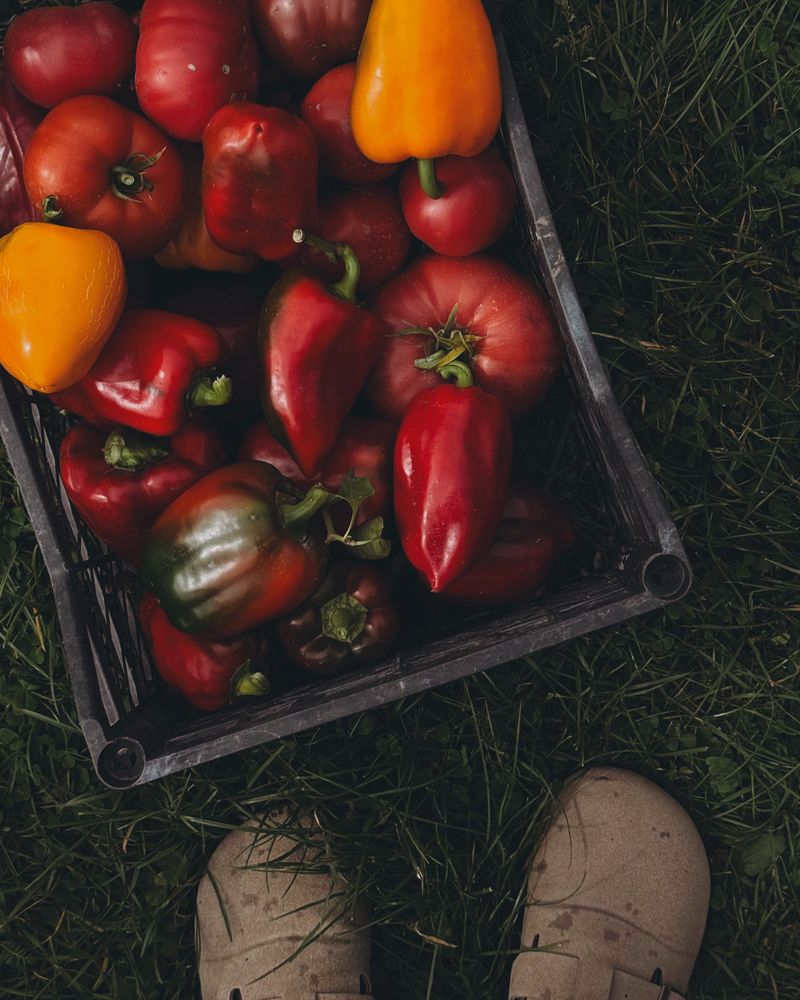
So when the forecast shows temperatures dipping toward 32 degrees, grab a basket and get picking. Take everything that is ripe or close to ripe. Peppers can be picked green and still taste great in stir-fries and salsa.
Squash and zucchini should come in too, even if they are a bit small. Pick all your beans, since the pods turn mushy after a freeze.
Basil is the most delicate of the bunch. It often turns black when nights reach the low 40s, so harvest it first.
Got a pile of green tomatoes? Good news, they can still ripen indoors. Choose ones that are full-sized and shiny, with a slight lightening of color. Set them on the kitchen counter at room temperature, out of direct sun.
For faster ripening, place a few tomatoes in a paper bag with a ripe banana. Bananas give off a natural gas called ethylene that speeds things along. Check the bag every couple of days and pull out any soft or spotted fruit.
Small, hard green tomatoes may never ripen well. Do not toss them, though. Fried green tomatoes are a classic treat, and green tomato relish is delicious on burgers.
Extra basil can be blended into pesto and frozen in ice cube trays. Peppers can be chopped and frozen in bags for winter soups. A little work now means summer flavors all season long.
2. Bring Tropical Plants And Houseplants Inside
Your hibiscus spent all summer soaking up sunshine on the patio, blooming like it lived in Hawaii. Sadly, it has no idea what a Pennsylvania October feels like. Tropical plants get stressed fast when nights turn chilly.
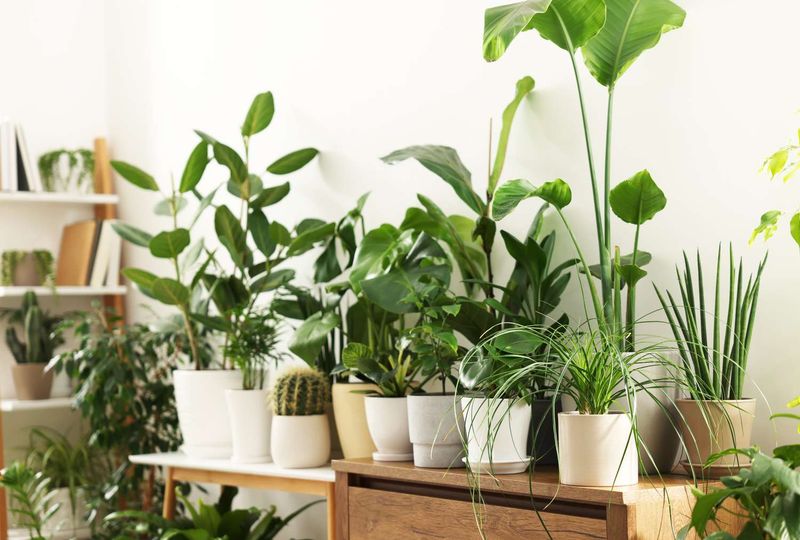
Hibiscus, mandevilla, citrus trees, and most houseplants start to suffer once temperatures fall below 50 degrees. Leaves may yellow, drop, or show dark spots. Waiting until frost is far too late for these sun lovers.
A good rule is to move them inside before nights reach the 40s. Check the ten-day forecast often during September and early October. When you see a cold dip coming, plan your move a day or two early.
Your Pennsylvania Garden Changes Every Week. Your Plan Should Too.
Gardening in Pennsylvania changes quickly throughout the season. Every Friday you’ll receive a simple weekly plan showing exactly what to plant, prune, fertilize, harvest, and protect so you never miss the right timing.
Before any pot crosses your doorway, play detective. Look under leaves for tiny bugs like aphids, spider mites, mealybugs, and whiteflies. Peek at the soil surface for ants, slugs, or fungus gnats.
Spray leaves with a strong stream of water from the hose to knock off hitchhikers. For stubborn pests, insecticidal soap works well and is safe for most plants.
Some gardeners soak smaller pots in a tub of water for fifteen minutes to flush out critters hiding in the soil.
Once inside, give plants the sunniest window you have. South-facing windows are best for citrus and hibiscus. Expect some leaf drop for a week or two as plants adjust to lower light.
Water less often than you did outdoors, since plants grow slower in winter. Keep them away from heater vents and cold drafts.
Fun fact: a well-cared-for Meyer lemon can even bloom indoors in winter, filling your home with a sweet scent.
3. Cover Tender Plants Overnight
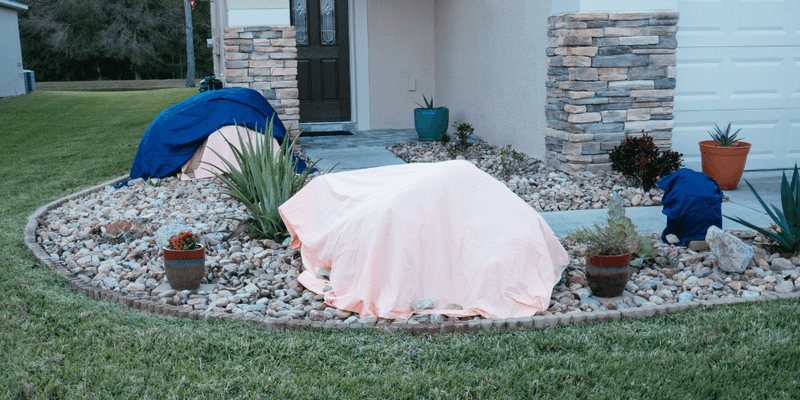
Think of it as tucking your garden into bed. A simple cover can keep plants several degrees warmer on a frosty night. That small boost is often enough to save flowers and veggies for a few more weeks.
Here is the neat part. Many early frosts in Pennsylvania are followed by days of mild weather again. If your plants survive one or two cold nights, they may keep blooming and producing into late October.
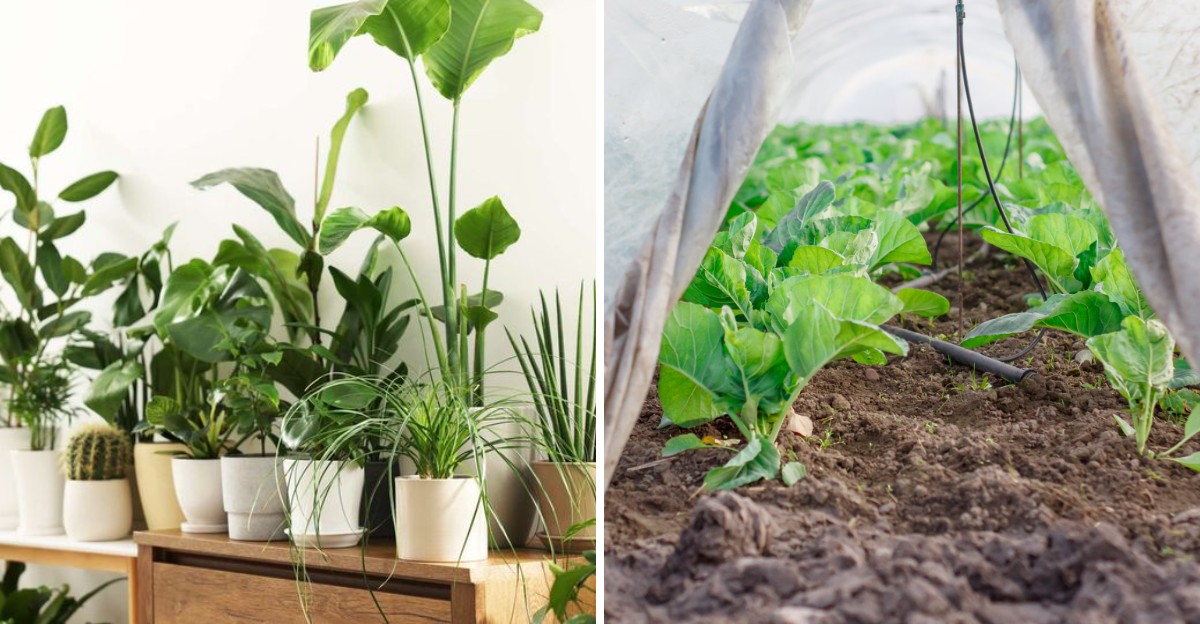
Frost cloth is the best choice because it is light and lets air and moisture through. Old bedsheets, blankets, and towels work fine too. For small plants, flip a bucket, flower pot, or laundry basket over the top.
Avoid plastic touching the leaves. Plastic does not hold heat well, and leaves that touch it can freeze. If plastic is all you have, drape it over stakes so it does not rest on the plants.
The secret trick is letting covers reach all the way to the ground. Soil soaks up warmth during the day and releases it at night. When your cover touches the soil, it traps that rising heat like a little tent.
Hold the edges down with rocks, bricks, or garden staples. Wind loves to steal sheets in the middle of the night. Put covers on in late afternoon, before the sun sets, to catch the most heat.
Next morning, pull covers off once temperatures climb above freezing. Leaving them on too long can overheat plants on a sunny day. Fold everything up and keep it handy, because the next cold night may be close behind.
4. Water Before The Cold Arrives
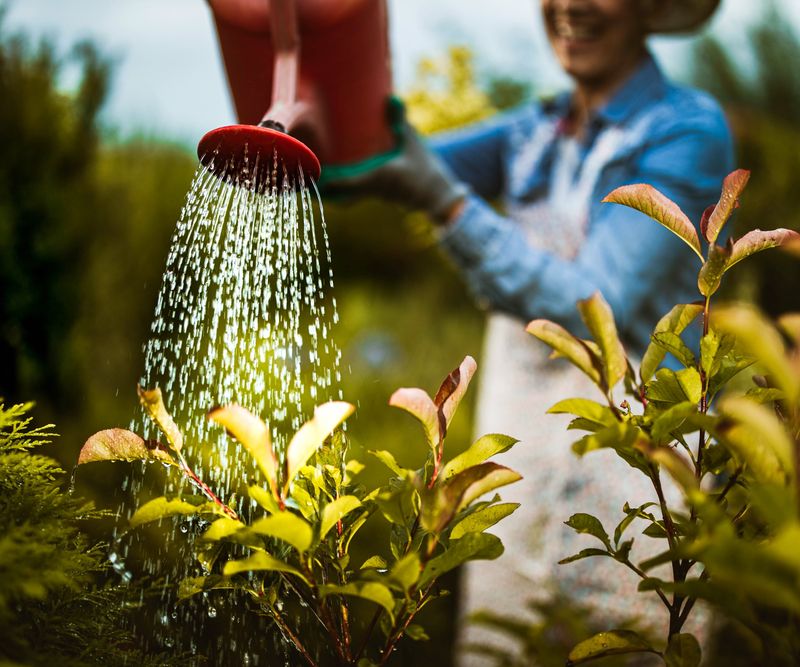
Watering your garden right before a freeze sounds a little backward, right? Most people assume water and cold make a bad mix. In the garden, though, damp soil is actually a secret weapon against frost.
Moist soil holds heat much better than dry soil. During the day, wet ground soaks up warmth from the sun. At night, it slowly releases that heat, keeping roots and low leaves a bit cozier.
Dry soil has lots of air pockets. Air cools down quickly, so dry ground loses its warmth fast. That leaves roots exposed to harsh temperatures.
The best timing is a day before frost is expected. Water deeply in the morning or early afternoon so the soil has time to warm up. Watering late at night can leave wet leaves, which freeze more easily.
Aim to soak the top few inches of soil. A slow trickle from a hose or soaker line works better than a quick sprinkle. Push a finger into the dirt afterward to make sure it feels damp, not just the surface.
There is one big exception. Succulents and cacti should stay dry before a cold snap. Their thick leaves and stems are full of water already, and soggy soil makes them more likely to freeze and rot.
Move potted succulents under a porch roof or into a garage if possible. Trees and shrubs benefit from a good drink too, especially evergreens. Pennsylvania falls can be surprisingly dry, and thirsty evergreens often brown out over winter.
5. Protect Cool-Season Crops
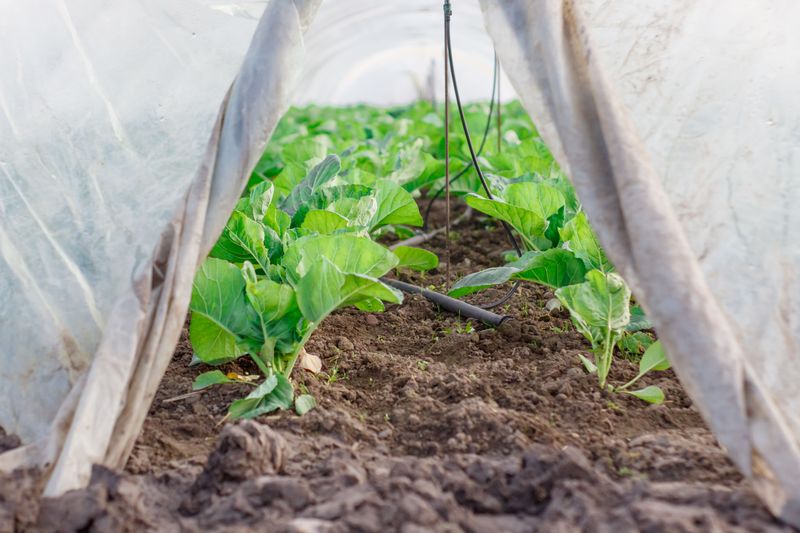
Kale actually tastes sweeter after a frost. Cold weather makes the plant turn some of its starches into sugar, almost like a natural antifreeze. Many Pennsylvania gardeners swear their best salads come in November.
Cool-season crops are tough, but they still have limits. Kale, spinach, lettuce, chard, carrots, and broccoli can handle light frost with ease. A hard freeze in the low 20s, however, can damage leaves and stop growth.
Lettuce is the most delicate of the group. Spinach and kale are true champs and can often keep going into December with a little help. Carrots and beets are safe underground for a long while.
Row covers are an easy fix. These lightweight fabrics drape over plants or rest on wire hoops. They trap warmth and block wind, adding about four to eight degrees of protection.
Want more power? Try a cold frame. Basically, it is a bottomless box with a clear lid, like a mini greenhouse. You can build one from scrap lumber and an old window.
On sunny days, crack the lid open so plants do not cook. Even in cold weather, a closed cold frame can get very hot by noon. Close it again in the afternoon to hold the heat overnight.
Keep harvesting as you go. Pick the outer leaves of kale and lettuce and let the center keep growing. With a little care, you could be eating fresh greens from your own yard well past Thanksgiving.
6. Get Ready To Dig Tender Bulbs
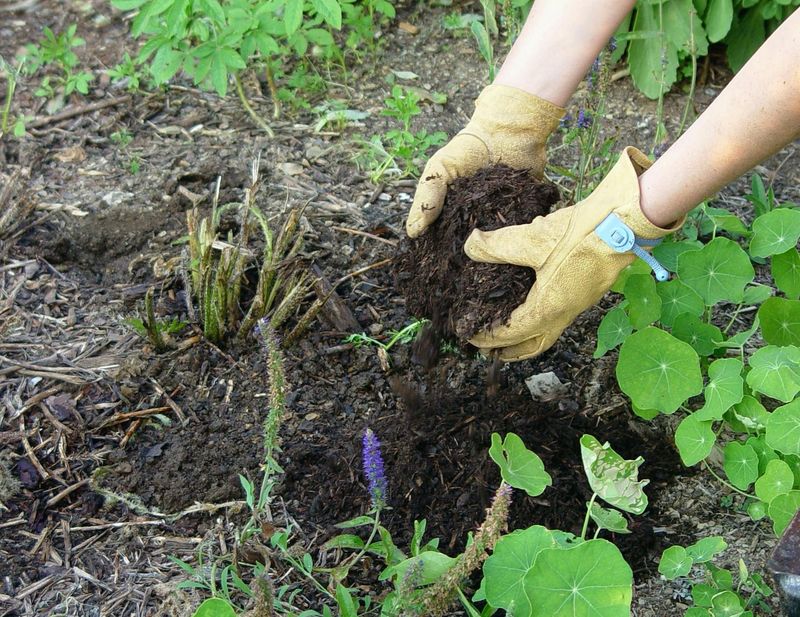
Dahlias are the divas of the late summer garden. They put on a stunning show with blooms as big as dinner plates. But they cannot stand a Pennsylvania winter in the ground.
The same goes for cannas and elephant ears. These plants come from warm places, and frozen soil turns their roots to mush. The good news is you can save them and replant next spring for free.
Timing matters here. Wait until frost blackens the leaves. That signal tells the plant to stop growing and helps the tubers toughen up for storage.
After the foliage turns dark, cut stems down to about six inches. Then gently loosen the soil with a garden fork, starting a foot away from the stem. Lift the clump carefully, since tubers snap easily.
Shake or rinse off the extra dirt. Set the tubers in a dry, shaded spot like a garage for a few days. They should feel dry on the outside, but not shriveled.
For storage, place them in boxes or bins filled with peat moss, wood shavings, or dry sand. Keep them somewhere cool and frost-free, ideally between 40 and 50 degrees. A basement or unheated room often works perfectly.
Check on them once a month during winter. Toss any that feel soft or moldy. If some look wrinkled, mist them lightly with water.
Fun fact: dahlias were once grown in Mexico as food, and the Aztecs ate the tubers. Label each variety with a marker so you remember the colors come spring.
7. Prepare Hoses, Faucets, And Containers
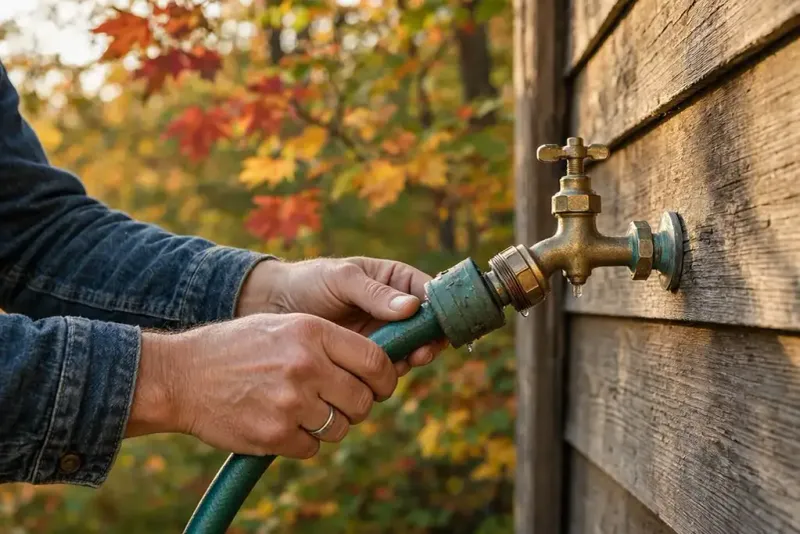
A split hose in April is a frustrating way to start the gardening season. Even worse is a burst pipe inside your wall. Both problems often begin with one surprise freeze in the fall.
Water expands when it freezes. Trapped inside a hose, faucet, or pipe, that ice pushes outward with surprising force. Cracks and leaks are the result.
Start with your hoses. Unscrew them from the faucet and stretch them out on a slight slope. Let all the water drain, then coil them up loosely and store them in a garage or shed.
Next, handle your outdoor faucets. Many Pennsylvania homes have a shut-off valve for outdoor spigots inside the basement. Turn that valve off, then open the outside faucet to let leftover water drain out.
If your home has frost-free spigots, you are in better shape. Still, they only work right when the hose is disconnected. A hose left attached can trap water and cause the pipe to crack.
Foam faucet covers cost just a few dollars at hardware stores. They add an extra layer of protection against bitter winds. Install them before the first hard freeze.
Finally, look at your pots. Terracotta and ceramic containers soak up moisture. When wet soil freezes, it swells and can crack them wide open.
Empty these pots, brush them clean, and stack them indoors. Plastic and resin pots are tougher and can usually stay outside. Rain barrels should be drained and flipped upside down too, so you are ready for spring.