Found A Black Hornworm With White Spots In Indiana? Leave It Alone
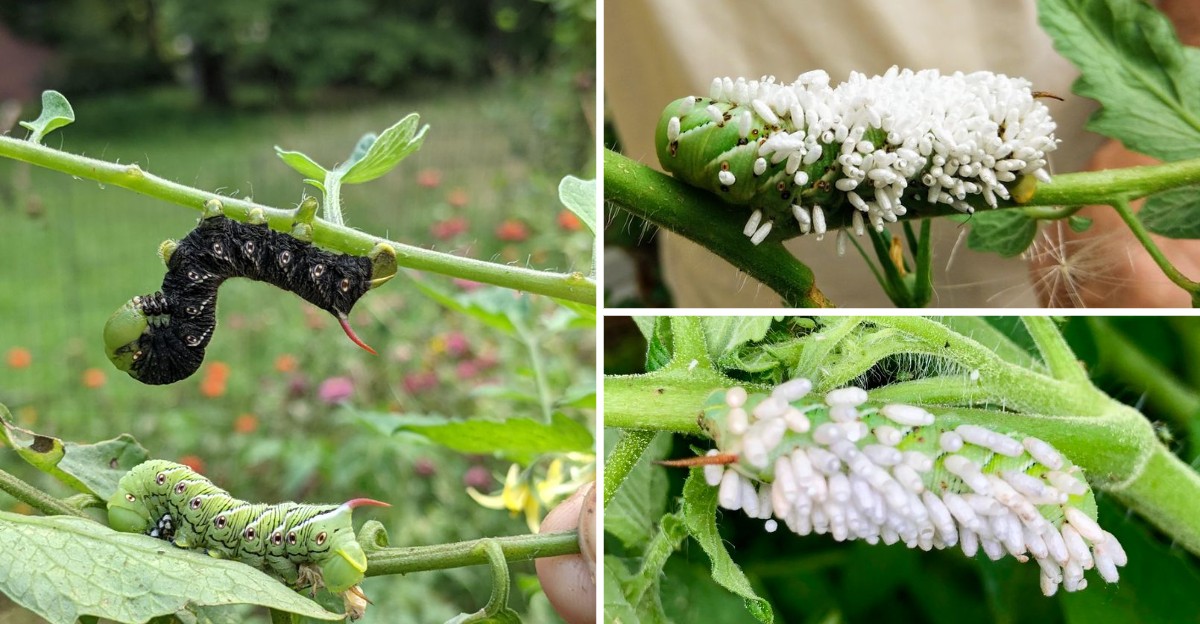
A fat caterpillar on your tomato plant can carry dozens of tiny white cocoons like grains of rice. I remember staring at one in an Indiana garden and wondering if someone had glued them there.
Those little white bumps are not eggs from the caterpillar, and they are not a fungus either. Each one holds a tiny helper that spent its early life growing quietly inside that chubby green body.
Your first instinct may be to pluck the whole thing off and toss it far from your plants. I believe that quick move works against you, because those cocoons are some of the best garden allies around.
October in Indiana still brings a few late caterpillars to tired tomato vines before the first hard frost. You may spot one dark and sluggish, covered in white specks that look almost like a sprinkle of salt.
I can’t imagine a cheaper pest helper than one that shows up on its own and asks for nothing. So what exactly is happening inside that strange spotted caterpillar, and should you really just walk away?
Those White Spots Signal Natural Pest Control At Work
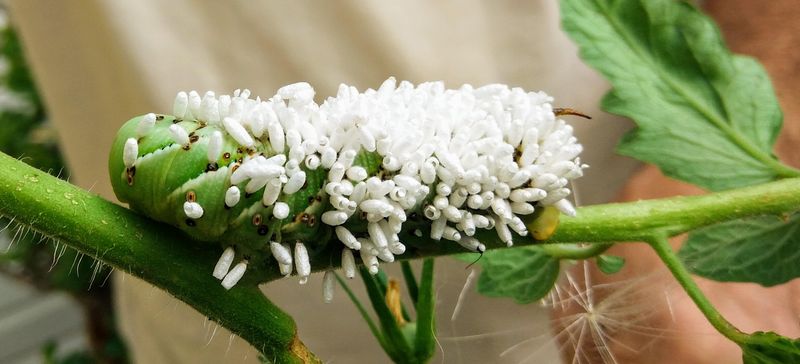
Most of those white specks are tiny silk cocoons spun by young braconid wasps. Purdue Extension and other university experts identify the most common species as Cotesia congregata, a helpful native insect.
The caterpillar carrying them is usually a tomato hornworm or a close relative, both big feeders on tomato plants. Both can strip leaves fast, so a natural control on your side is a real gift for gardeners.
Once the wasp larvae finish feeding inside, they chew through the skin and spin cocoons on the outside. The host caterpillar mostly stops eating at this point, which means your tomato leaves get a welcome break.
Leaving that spotted caterpillar in place lets the next generation of wasps finish growing and fly off to hunt. Each adult wasp can then seek out more hornworms, giving you free help in the garden next season.
I love that this whole process happens quietly, without any sprays or extra work needed from you at all. Nature handles the job while you sip warm cocoa on the porch and watch the October leaves fall.
Spraying broad insecticides on that plant can harm the young wasps resting inside their delicate little silk cases. Hand picking is fine for plain green hornworms, but the spotted ones deserve a free pass every time.
Indiana gardeners who learn this simple trick may notice fewer hornworm problems over the following few years. Results can vary from yard to yard, yet giving these tiny helpers a chance costs you nothing.
Braconid Wasps Lay Eggs Inside Living Hornworms
Science fiction writers would struggle to invent a life story stranger than the one these tiny wasps live. A female wasp lands on a hornworm and uses a slender egg-laying tube to place eggs under its skin.
She can deposit dozens of eggs in one visit, and some hornworms end up hosting well over a hundred. Despite that crowd inside, the caterpillar keeps crawling and munching leaves for a while as if nothing happened.
Your Indiana Garden Changes Every Week. Your Plan Should Too.
Gardening in Indiana changes quickly throughout the season. Every Friday you’ll receive a simple weekly plan showing exactly what to plant, prune, fertilize, harvest, and protect so you never miss the right timing.
The wasp also passes along a special virus that weakens the host defenses, so the eggs stay safe. Scientists call this virus a polydnavirus, and it has fascinated insect researchers for many decades now.
Once the eggs hatch, the larvae feed on the fluids inside the hornworm rather than its vital organs. That careful feeding keeps the host alive long enough for every larva to finish growing up inside safely.
Adult braconid wasps are tiny, dark, and harmless to people, measuring only a few millimeters in length. They do not sting gardeners, and most folks rarely notice them drifting quietly around the tomato patch.
Adults sip nectar from flowers for energy, which is a big reason your garden plants matter so much. More blooms nearby usually means more wasps hanging around to find the next hungry hornworm on your vines.
University entomologists describe these wasps as native across Indiana, so they belong here just like the hornworms. Watching this tiny drama play out on your own tomato plant is a free lesson in biology.
A Dark Color Can Mean The Caterpillar Is Weakened
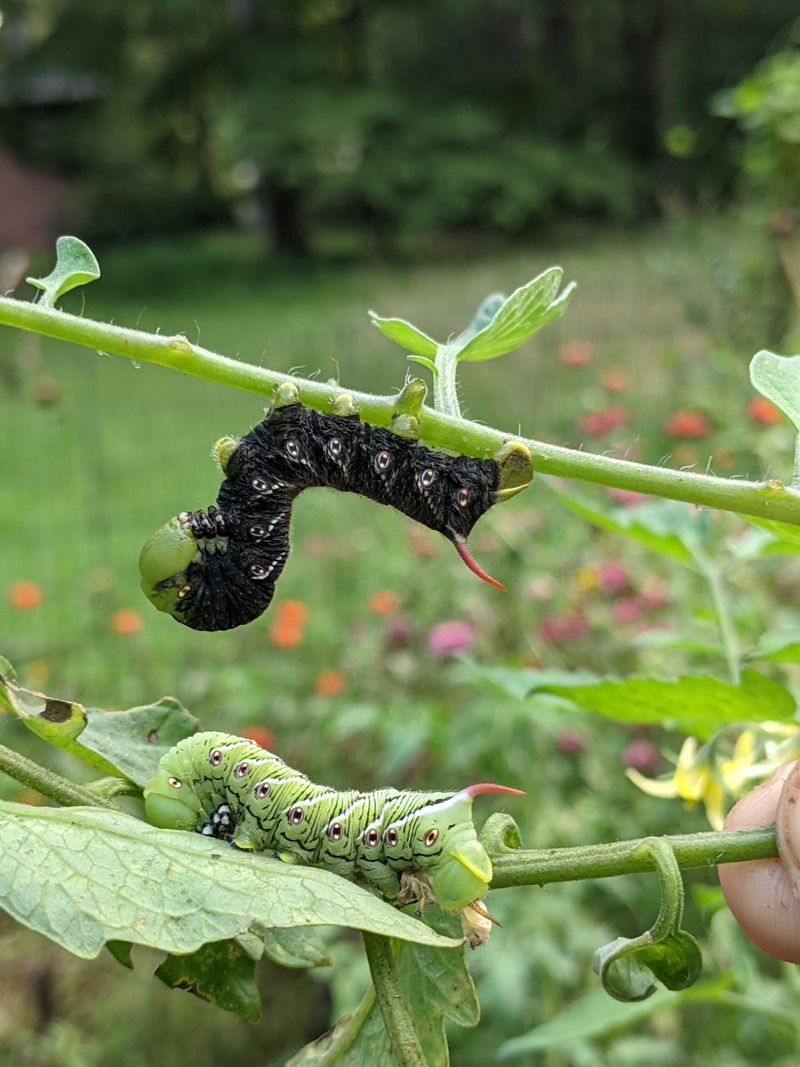
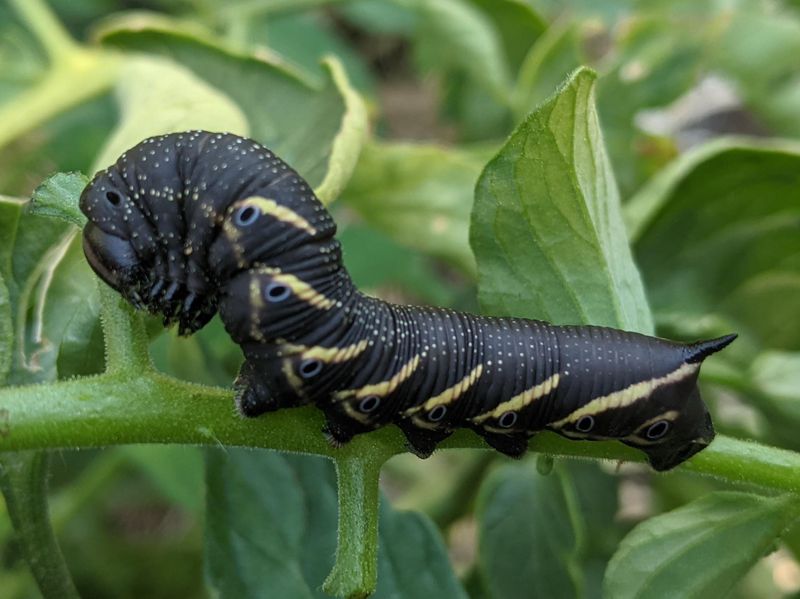
Hornworms usually wear bright green skin with pale stripes, so a dark one tends to catch your eye fast. Extension guides rarely describe a black hornworm as a separate kind, so the color likely signals something else.
A heavily parasitized caterpillar often becomes sluggish and dull as the wasp larvae finish their work. By the time cocoons appear, the host has mostly stopped eating and moves very little.
Some hornworms also show darker natural coloring, and rare dark forms have been reported by insect researchers. Experts are not fully sure how common those forms are, so a quick closer look really helps.
Bacterial and fungal diseases can also turn caterpillars black and limp, often leaving them hanging from a stem. Either way, a dark hornworm that barely moves is no longer chewing through your remaining tomato leaves.
I treat any dark, sluggish hornworm with white bumps as a wasp nursery and simply leave it on the plant. Removing it gains you nothing, because the leaf damage from that particular caterpillar has already slowed down.
A dark hornworm with no white cocoons is harder to judge, so watch it for a day or two. Cocoons may still pop out soon, since the larvae can take a little while to break through.
Wear gloves if you want to move one, since its skin can feel slimy and a bit unpleasant to touch. Washing up afterward is a smart habit anytime you handle garden bugs in the cool fall air.
Tiny Exit Holes Show The Wasps Have Emerged
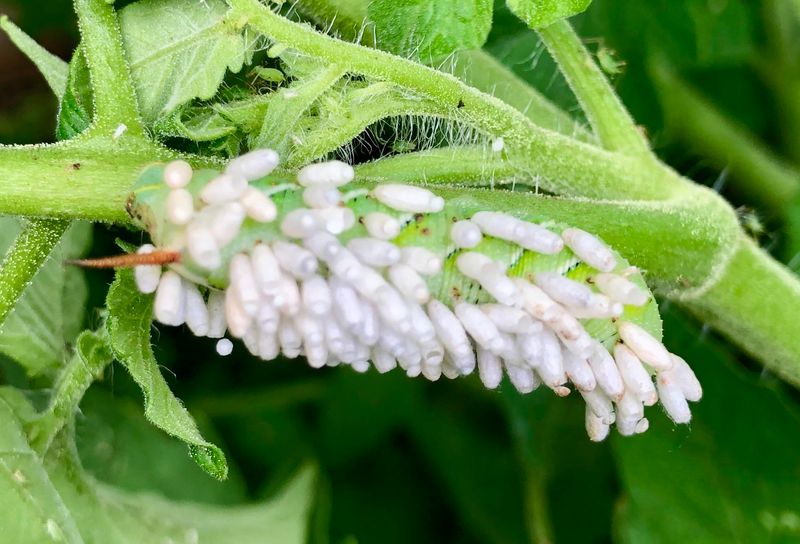
Look closely at an old cocoon and you might spot a perfect little round lid flipped open at one end. That neat doorway means an adult wasp chewed its way out and flew off to find a mate.
Fresh cocoons look plump, bright white, and sealed tight, almost like miniature cotton swab tips standing upright. Empty ones look papery and slightly gray, with a small hole or hinged cap at the very top.
Under warm conditions, adult wasps usually emerge about four to eight days after the cocoons first appear. Cooler October nights can slow things down, and some late cocoons may take noticeably longer to open.
Once every cocoon shows an exit hole, the job is done and the old hornworm has served its purpose. At that point, you can remove the shriveled body from your plant without hurting any helpful wasps.
A cheap magnifying glass makes this check much easier, and kids usually love joining in on the hunt. I like turning it into a little backyard mystery where everyone guesses how many wasps escaped this week.
Watch for even tinier holes too, since some cocoons get targeted by other small insects called hyperparasitoids. Nature has layers upon layers of helpers, and even the helpers sometimes have their own tiny visitors.
Gardeners across Indiana can use these exit holes as a simple clock for knowing when to tidy up. Patience pays off here, since waiting just a week keeps a whole new crew of garden helpers flying.
Small Flowered Herbs That Attract Beneficial Wasps
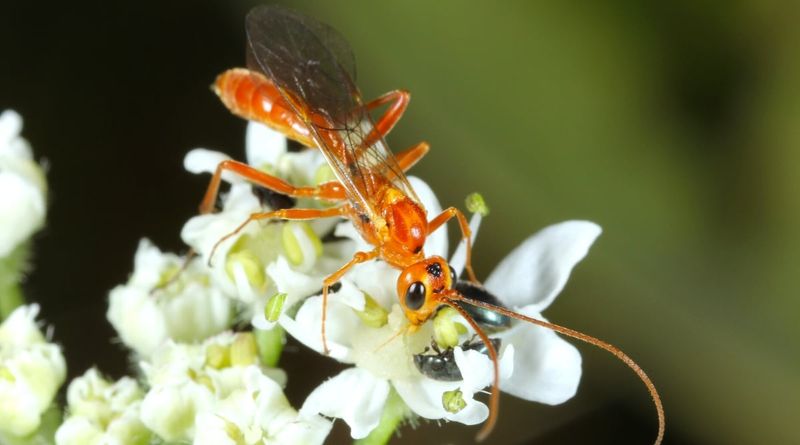
Tiny wasps have tiny mouthparts, so they struggle to reach nectar hidden inside deep, tube-shaped flowers. Herbs with clusters of small, open blooms give them an easy snack bar right next to your vegetables.
Dill, fennel, cilantro, and parsley all belong to the carrot family and produce flat umbrella-shaped flower heads. University extension programs often recommend these herbs because their nectar sits right out in the open.
Sweet alyssum is another favorite, with honey-scented white flowers that keep blooming well into cool fall weather. I tuck a few plants along the edges of my tomato bed, and the sweet smell feels like a bonus.
Thyme, oregano, and mint also offer small flowers that draw in many kinds of helpful insects. Mint spreads fast underground, so planting it in a pot keeps it from taking over your whole yard.
October is a smart time to plan, since you can sow dill or cilantro seeds for early blooms next year. Perennial herbs like thyme and oregano are best planted in early fall, so this is also a good time to plan for spring planting.
Let a few herbs flower instead of snipping every stem, because blooms matter more than leaves for wasps. Dill heads covered in tiny yellow flowers can become busy little hubs for pollinators and pest helpers alike.
Skipping broad pesticide sprays near these herbs protects the visitors you worked so hard to welcome. A garden full of small flowers often becomes a cozy home base for braconid wasps across many seasons.
Late Season Hornworms In Indiana Gardens
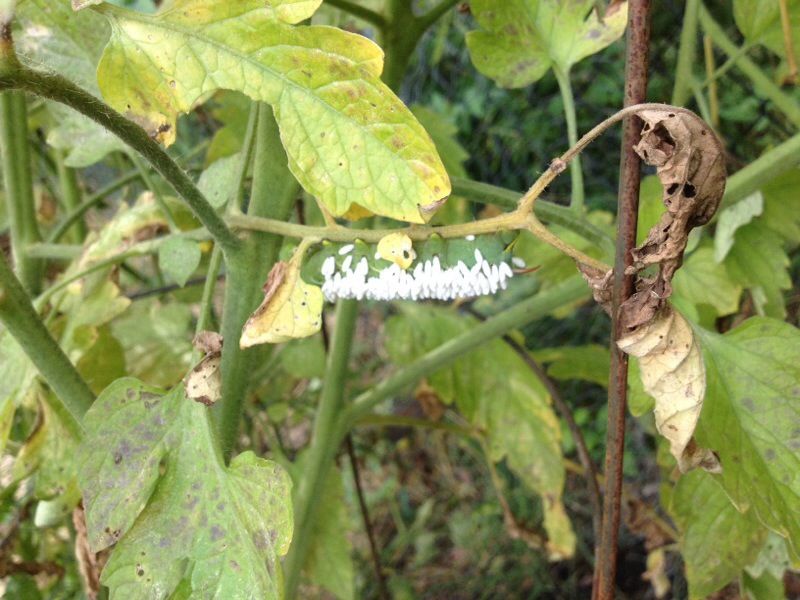
Fall gardens can still surprise you, especially when a giant green caterpillar shows up on a frost-nipped tomato vine. Hornworms in Indiana can complete one or two generations a year, so a few late stragglers appear in fall.
Late caterpillars are mostly fattening up before crawling into the soil to form a hard brown pupa. That pupa spends the winter several inches underground, then emerges as a large sphinx moth next summer.
Tilling the soil this fall can expose those buried pupae to cold weather and hungry birds looking for snacks. Extension specialists list fall tilling as a simple way to reduce next year’s hornworm numbers in vegetable beds.
Spotted hornworms with white cocoons deserve the same respect in October as they do in midsummer. Leave them on the vine until the wasps exit, even if you plan to pull the plants soon.
Pulling spent tomato vines after the first hard frost is fine, just check them for cocoons first. You can lay any spotted stems near your compost pile for a week so the wasps can still escape.
I find late season hornworm hunts oddly relaxing, with crisp air and crunchy leaves underfoot as I search. Plain green ones go into a bucket of soapy water, while the spotted ones stay right where they are.
Indiana gardeners who protect these tiny wasps this fall may see fewer hungry hornworms when tomatoes return. Few garden chores are this easy, since the smartest move here is simply leaving the spotted caterpillar alone.