The Rain-Barrel Watering Mistake Florida Vegetable Gardeners Should Avoid This Fall
Free water sounds like a win, and that’s exactly how the trouble starts.
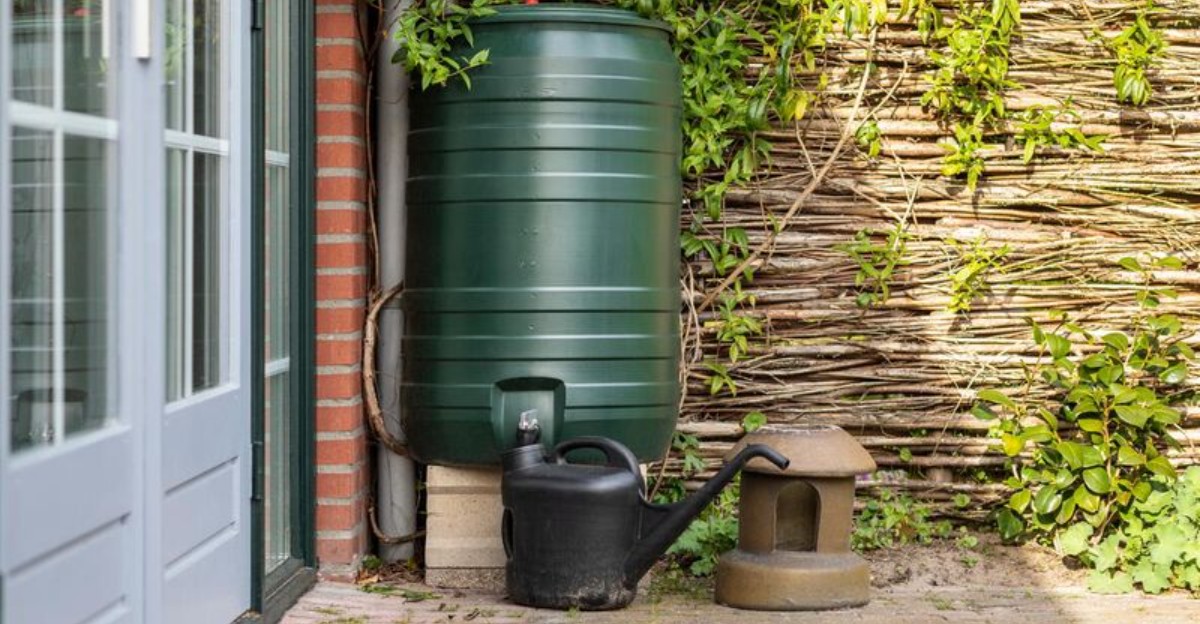
That barrel by your downspout fills up with every storm, and Florida’s fall rains keep it topped off. Pour a can over your lettuce and you feel like the smartest gardener on the block.
Nothing about it looks risky. The water is clear, the price is zero, and the plants drink it right up.
The catch isn’t something you’ll see in the bed. The plants look healthy, and the harvest looks fine.
The risk rides along on the food itself, and nobody connects it back to the barrel.
Plenty of vegetable growers repeat the same habit for years without a clue. One small detail in how you use that water decides whether it helps your garden or quietly works against it.
Check your routine before the next fill-up. A few tweaks keep the savings and drop the downside.
1. UF/IFAS Advises Against Untreated Barrel Water On Edibles
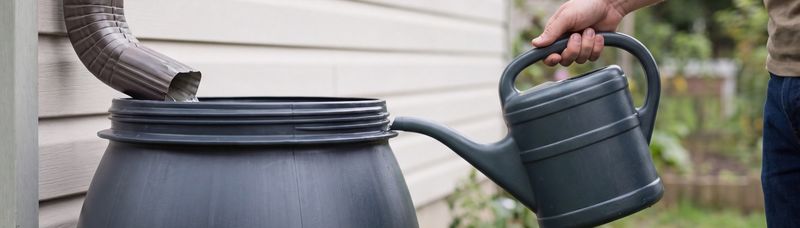
Picture a full barrel of rainwater sitting next to a bed of young lettuce. Grabbing a watering can and getting to work seems like the obvious move.
The University of Florida Institute of Food and Agricultural Sciences, known as UF/IFAS, urges a pause. Their experts generally advise against using untreated roof water on plants you plan to eat.
Why the caution? Water that runs off a roof can pick up germs, dust, and bits of chemicals before it ever lands in the barrel.
To be fair, the picture is not all gloomy. A UF/IFAS study that tested water from 60 South Florida rain barrels found low nutrient levels and no detectable pathogens.
Still, one good test result does not promise every barrel is clean. Your roof, your trees, and the local birds all change what ends up inside.
So the broader advice stays steady and practical. Save barrel water for ornamental plants, or treat and test it carefully before using it on food crops.
Think of it like tap water versus pond water. Both are wet, but only one is meant to touch your salad.
Following this guidance does not mean giving up your rain barrel. It simply means pointing that water toward the right plants this fall.
2. Roof Runoff Can Carry Bird Droppings And Debris
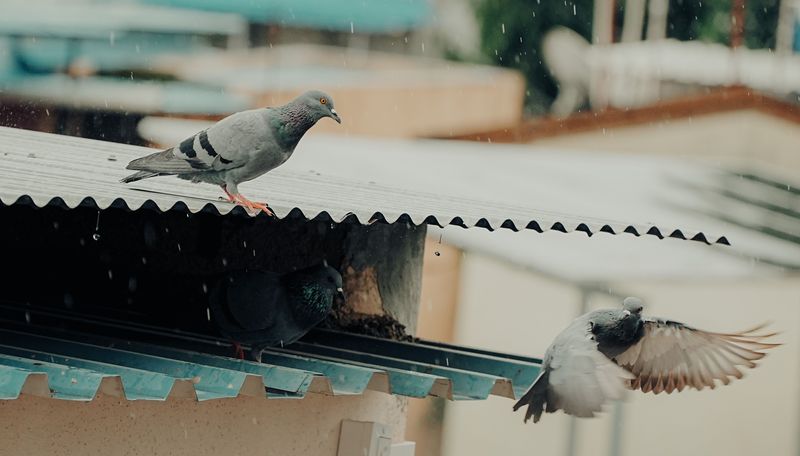
Ever watched a flock of grackles hang out on your roof? They are not just enjoying the view up there.
Birds, squirrels, and even raccoons leave droppings on rooftops and inside gutters. When rain arrives, all of that washes straight down the spout and into your barrel.
Animal waste can carry bacteria, viruses, and tiny parasites. Those are not things anyone wants splashed onto a ripe tomato or a bunch of fresh herbs.
Then there is the stuff you cannot see at all. Car exhaust and burning fuel release pollutants called PAHs, which settle on roofs like invisible dust.
During a storm, rain scrubs those particles loose. The water looks clear in the barrel, yet it may be carrying a surprising mix of leftovers.
Your Florida Garden Changes Every Week. Your Plan Should Too.
Gardening in Florida changes quickly throughout the season. Every Friday you’ll receive a simple weekly plan showing exactly what to plant, prune, fertilize, harvest, and protect so you never miss the right timing.
Fun fact: a single inch of rain on a 1,000 square foot roof produces around 600 gallons of water. That is a lot of rinsing power moving over every shingle.
Leaves and pollen add to the soup too. In Florida, oak catkins and pine needles pile up quickly in fall gutters.
Keeping gutters cleaned out helps a lot. Trimming branches that hang over the roof also gives birds fewer places to perch and drop surprises.
3. Your Roofing Material Affects Water Quality
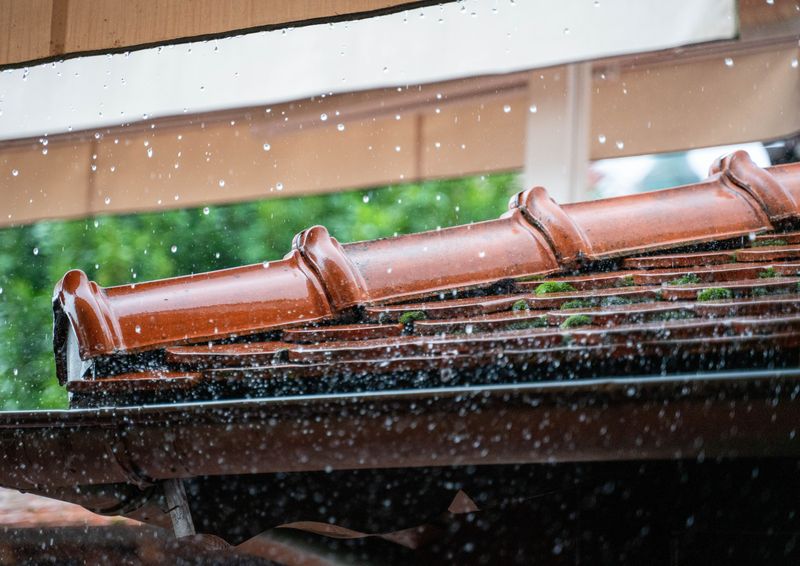
Here is a question most homeowners skip: what is my roof actually made of? The answer matters more than you might guess.
Rain does not just slide off a roof untouched. It can pull small amounts of metals like lead, zinc, and copper out of the roofing as it flows.
Asphalt fiberglass shingles, which cover many Florida homes, can add high levels of dissolved organic carbon. If that water is later treated with chlorine, it may form unwanted byproducts.
Treated wood-shake roofs raise even bigger flags. Studies have found them releasing high levels of arsenic, plus extra cadmium and copper.
On the brighter side, some roofs are friendlier to water collectors. Metal, concrete tile, and light-colored cool roofs tend to produce cleaner harvested rainwater.
Older homes deserve a closer look too. Copper flashing, old paint, or worn materials can add their own traces to the runoff.
Not sure what is up there? A quick chat with a roofer or a peek at your home inspection report can clear it up.
Knowing your roof helps you decide how to use your barrel water wisely. It turns a guessing game into a smart, informed choice for your yard.
4. Use Barrel Water On Lawns And Ornamentals Instead
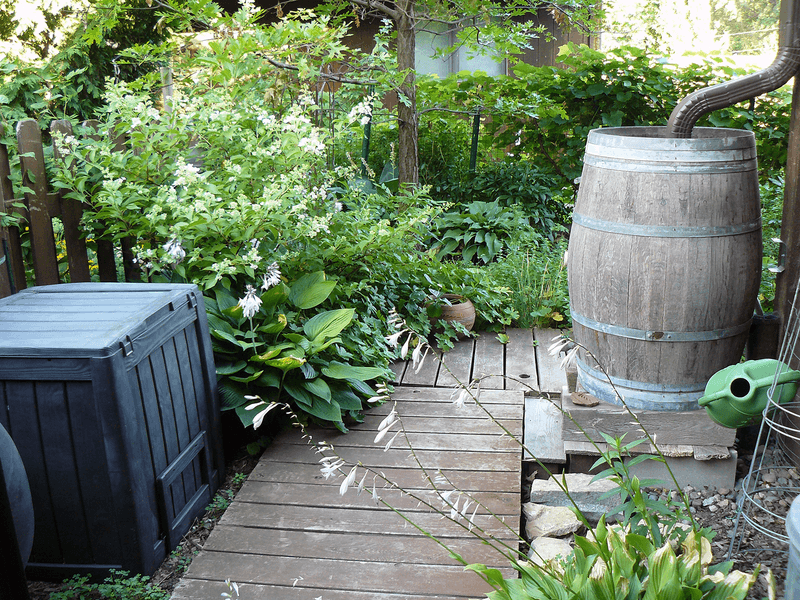
Good news for barrel lovers: your stored rain still has a big job to do. It just needs a new assignment.
Lawns, flowering shrubs, shade trees, and potted ornamentals are perfect targets. Hibiscus, crotons, firebush, and palms will happily soak up every drop.
Plants often prefer rainwater over city water. It is naturally soft and free of chlorine and other treatment chemicals found in many public supplies.
Houseplants love it too. Ferns and calatheas, which can get brown tips from tap water, often look perkier after a rain barrel drink.
Beyond the garden, barrel water has plenty of handy uses. Rinse muddy boots, wash the car, or clean off patio furniture without touching your water bill.
It also works well for topping off a small pond or a decorative fountain. Birds and butterflies get a fresh splash, and you save money.
Here is a simple trick that helps. Label your barrel spigot with a tag that says flowers and lawn only, so family members remember.
Shifting barrel water to these plants frees up your clean hose water for the veggie beds. Everyone wins, and nothing in your rain collection goes to waste.
5. Other Extension Services Allow It With Precautions
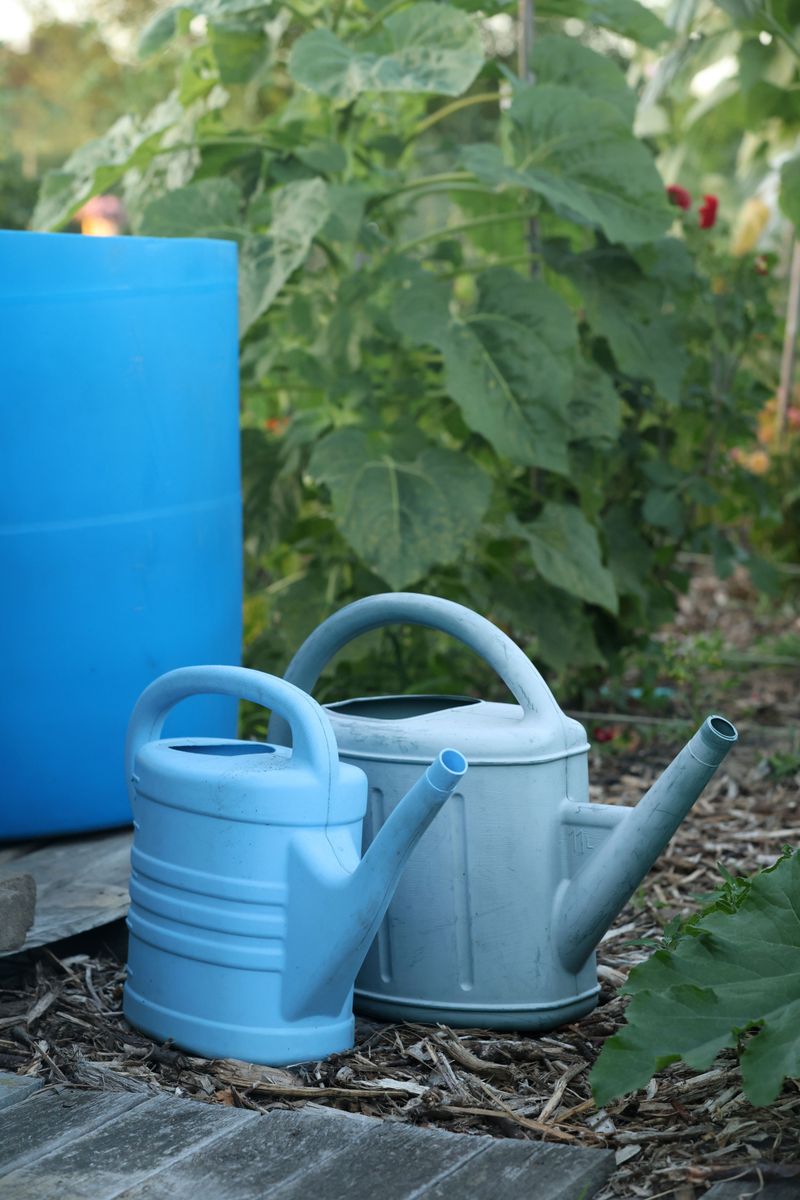
Travel north a few states, and the advice gets a bit more flexible. Several universities say barrel water can work on vegetables, as long as you follow some rules.
The University of Arkansas and the University of Connecticut both suggest watering the soil directly. Their main point is to keep the water off the parts you eat.
Minnesota Extension says the same thing in plain terms. Rain barrel water should not touch the edible portion of a plant.
Clemson University goes one step further with a treatment recipe. If you worry about quality, add 1/8 teaspoon of unscented bleach per gallon, using a 5 to 6 percent chlorine product.
After mixing, let the water sit for 24 hours before using it. That waiting time gives the bleach a chance to work and then fade.
Rutgers University offers similar treatment tips. So the pattern is clear: use care, treat when in doubt, and protect the harvest.
For a 55 gallon barrel, that comes to roughly 7 teaspoons of bleach. Measure carefully, because more is not better here.
Florida gardeners can borrow these ideas while still respecting UF/IFAS guidance. When unsure, keeping treated water off produce is the safest middle ground.
6. Never Splash Barrel Water On Leaves Or Produce
Splash, splash, splash goes the watering can across a bed of kale. It feels refreshing, but the leaves are catching more than water.
When barrel water hits foliage or fruit, any germs inside land right where you will take a bite. Aiming low makes a huge difference.
Pour water at the base of each plant instead. Soil acts like a natural filter, trapping many unwanted particles before they reach the roots.
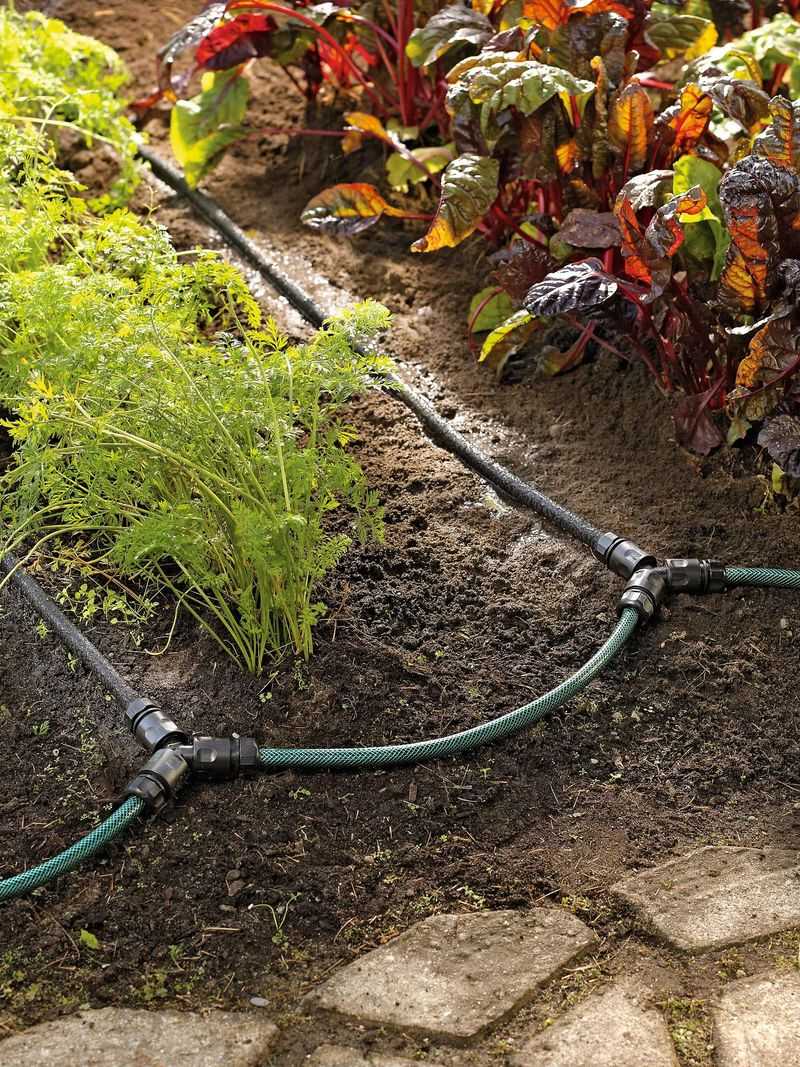
Drip lines and soaker hoses make this easy. They deliver water slowly to the root zone and keep stems, leaves, and produce dry.
There is a bonus for Florida growers too. Wet leaves in humid weather invite leaf spot diseases, so dry foliage means healthier plants overall.
Mulch helps as well. A layer of straw or pine needles stops muddy water from bouncing up onto low lettuce and strawberries.
Once you pick your crops, give them a good rinse with clean drinking water. Wash fruits, veggies, and herbs well before they hit the cutting board.
Think of it as a two-step shield. Water the dirt, then wash the food, and your fall harvest stays fresh and worry-free.
7. Stop Watering With It A Day Or Two Before Harvest
Timing is the secret ingredient many gardeners forget. When you stop using barrel water can matter as much as how you use it.
Some sources suggest pausing barrel water a day or two before harvest. That short break helps reduce contact between the water and the food you pick.
Other experts take a more careful approach. They recommend stopping a full three weeks before harvest, giving any bacteria time to dry out.
Which plan fits you? Quick crops like radishes and baby greens may not allow a long break, so switching to tap water early makes sense.
Slower crops like cabbage, broccoli, and carrots give you more room. Mark the expected harvest date and count backward to plan your switch.
A simple calendar on the garden shed works wonders. Circle harvest dates in red and switch days in blue, and the whole family can follow along.
During the pause, keep your plants happy with hose water. Your barrel can keep watering roses and the lawn in the meantime.
This small habit costs nothing and takes almost no effort. It is one more easy layer of protection between roof runoff and your kitchen table.
8. Divert The First Flush Off The Roof
The first few minutes of a rainstorm are the dirtiest. All the dust, pollen, and droppings get swept off the roof in that opening rush.
A first flush diverter catches that early water and sends it away from your barrel. Once the dirty part passes, cleaner rain flows into storage.
Most diverters are simple tubes attached to the downspout. They fill with the first gallons, then a small ball or valve seals and lets fresh water pass.
You can buy one ready-made or build one with PVC pipe from a hardware store. Many Florida extension workshops even teach how to make them.
A common rule of thumb is to divert about 10 gallons for every 1,000 square feet of roof. Bigger roofs need longer chambers.
Remember to empty the diverter after each storm. A small drip hole or cap at the bottom lets the trapped water drain out.
Even with a diverter, barrel water still is not drinking water. It simply starts out cleaner, which is helpful for every use around the yard.
For a few dollars and an afternoon of tinkering, this gadget really pays off. Your barrel stays cleaner, and maintenance gets a lot easier.
9. Keep Barrels Covered To Stop Mosquitoes
Leave a bucket of water out in Florida, and mosquitoes will move in within days. A rain barrel can turn into a nursery fast.
That is more than an itchy annoyance. In Florida, mosquitoes can spread Zika, chikungunya, dengue, and West Nile virus.
A tight-fitting lid is your first line of defense. Add fine mesh screen over every opening, including the inlet and overflow spout.
Mesh also blocks leaves, frogs, and other critters that want a swim. Check it often, since storms and squirrels can tear small holes.
For extra backup, try mosquito dunks made with Bti. That stands for Bacillus thuringiensis israelensis, a natural bacteria that stops larvae without harming plants or pets.
Drop a dunk in and replace it about once a month. Water treated this way stays safe to use on your lawn and flowers.
Fun fact: a mosquito can go from egg to adult in about a week in warm weather. That is why weekly barrel checks are a smart habit.
A covered barrel protects your family and your neighbors. It keeps your water-saving project a helpful one instead of a buzzing problem.