The Hidden Garden Invaders Rising In New Jersey Backyards After The Storm Season
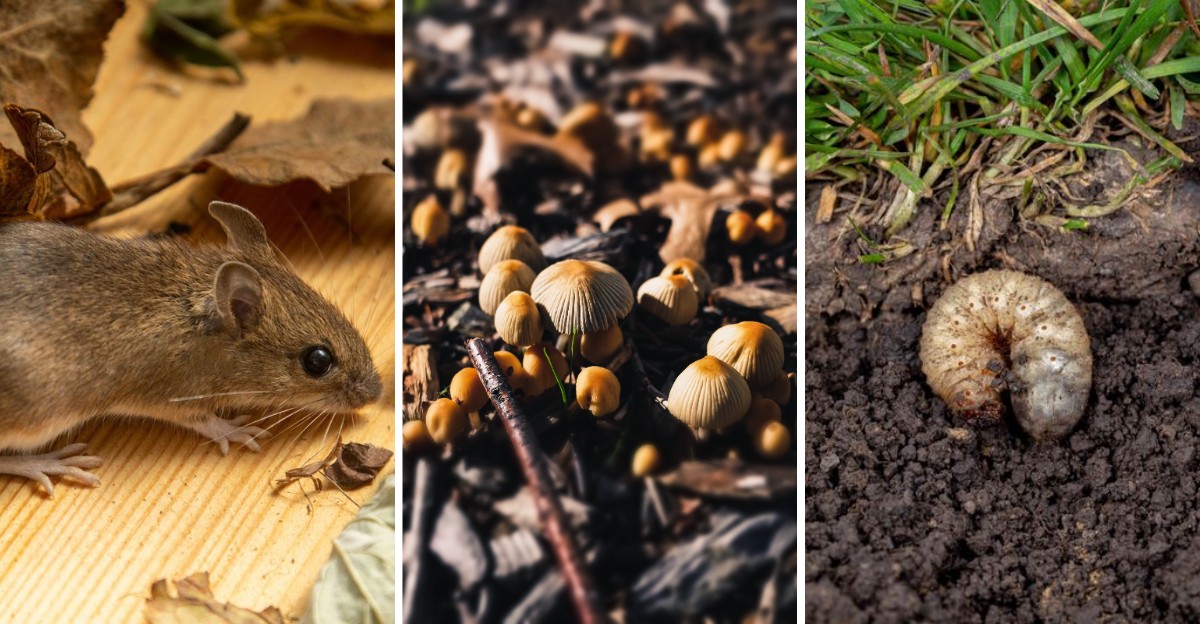
You think the storm left, but it delivered tenants. New Jersey rain soaks your mulch, so mushrooms push up fast and grubs feed below.
Those soggy beds hold moisture until the sun sets. A bottle cap of standing water gives mosquitoes enough room to multiply.
Eggs hatch within days, and you will hear the whine by dusk. Fallen limbs tempt spotted lanternflies, which lay eggs on bark and soggy fence posts.
Slugs glide out at night and nibble your hostas. Rodents leave soaked tunnels and test your shed, garage, and crawl space.
Mildew dusts your zinnias while stiltgrass claims bare soil nearby. Each of these pests needs only moisture and cover, and your backyard offers both.
Act within days, and you protect New Jersey homes before pests reach your walls. Empty standing water, trim debris, and seal gaps while problems stay small.
1. Slugs Sliding Through Soggy Flower Beds
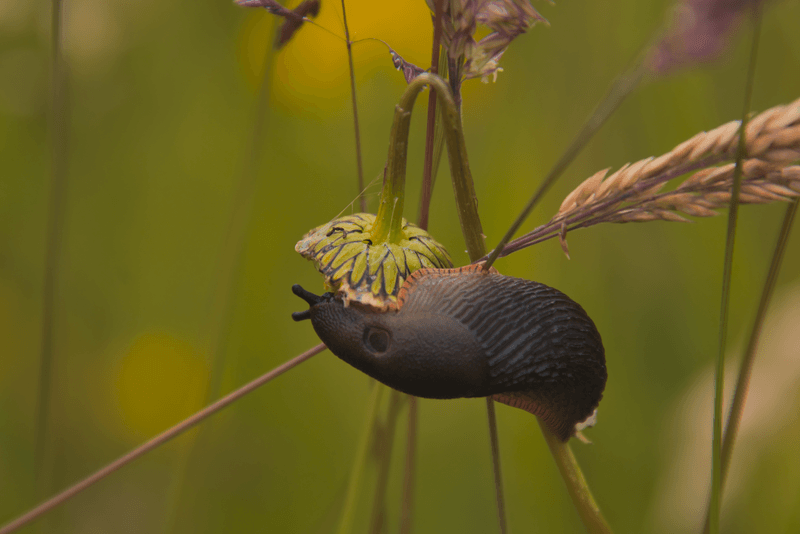
Picture stepping outside at night with a flashlight and spotting silver trails glittering across your hosta leaves. Those shiny ribbons belong to slugs, and wet October weather makes them more active.
Slugs are basically snails without a shell, so they dry out fast in sunny weather. After heavy rain, soggy ground lets them roam freely and munch whatever they find.
Their favorite snacks include lettuce, kale, strawberries, hostas, and young pansies planted for fall color. You will notice ragged holes with smooth edges, usually starting near the bottom of plants.
Slugs hide during the day under boards, rocks, and piles of soggy leaves left by storms. Cleaning up that debris takes away their daytime shelter and makes your garden less inviting.
A simple trick is laying a wet board on the soil overnight. Flip it in the morning, and you can scoop up the hiding slugs and move them far away.
Shallow dishes of cheap beer also work because slugs love the yeasty smell and crawl right in. Sink the dish so its rim sits level with the soil surface.
Copper tape around pots can slow them down, since slugs dislike its tingly feel. Crushed eggshells have weaker evidence behind them, so rely on copper to protect your container plants.
Watering in the morning instead of the evening helps more than people expect. Soil dries by nightfall, and slugs prefer damp ground when they head out to feed.
Birds, toads, and garter snakes enjoy slugs as a tasty meal, so welcome them into your yard. A small brush pile or birdbath can turn your garden into their favorite hunting ground.
2. Spotted Lanternflies Laying Eggs On Outdoor Surfaces
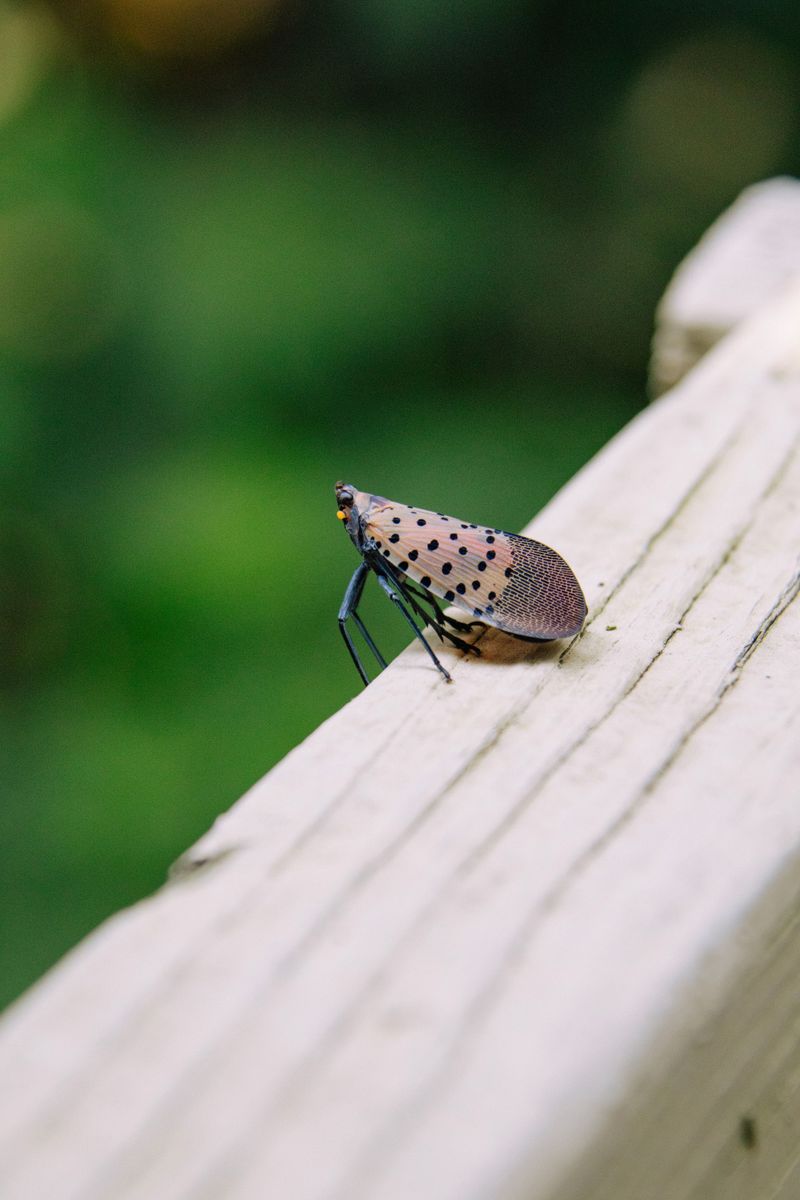
New Jersey has been managing spotted lanternflies for years, and fall is when they are easy to overlook. Adult females are busy laying eggs right now, and storm debris gives them plenty of hiding spots.
The adults look like moths with gray, spotted front wings and bright red underwings. Their egg masses look like smears of dried mud, about the size of your thumb.
Females lay eggs on almost anything flat, including tree bark, fences, lawn chairs, and stacked firewood. Fallen branches from storms make perfect egg spots that you might haul away without noticing.
That is how lanternflies travel to new towns, by hitching rides on moved wood and outdoor gear. Each egg mass can hold around 30 to 50 eggs waiting for spring.
Grab a plastic card, like an old gift card, and scrape any egg masses you find. Drop them into a bag with rubbing alcohol or hand sanitizer to dispose of them.
Check the undersides of branches, the backs of grills, and the bottoms of patio furniture. Lanternflies love tree of heaven, grapevines, maples, and black walnut trees in local yards.
Before moving firewood or storm branches, give everything a quick inspection. Check the current New Jersey Department of Agriculture guidance on reporting sightings, and dispose of any adults you spot before winter cold arrives.
Adults will fade away once hard frost settles in, but their eggs survive the winter. Each mass you scrape this fall means fewer newly hatched nymphs next spring.
Kids can help too, since hunting for egg masses feels a little like a treasure hunt. Just remind them to wash their hands after touching sanitizer or scraped bark.
3. Mosquitoes Breeding In Standing Water
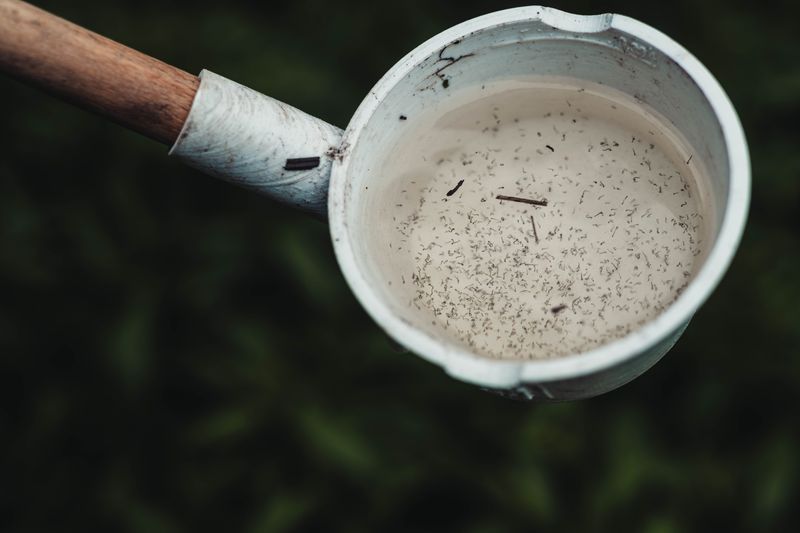
Ever wonder why mosquitoes still pester you in October after a big storm? A bucket, clogged gutter, or flipped frisbee filled with rainwater can become a mosquito breeding site within days.
Mosquitoes need only a bottle cap of standing water to lay their eggs. Within about a week, those eggs turn into wiggling larvae and then biting adults.
Asian tiger mosquitoes are common in New Jersey and bite during the daytime, not just at dusk. They have black and white stripes that make them easy to recognize.
Warm spells in early fall keep them buzzing until the first real frost arrives. That means storm puddles can still produce plenty of itchy bites before winter settles in.
Walk your yard after every heavy rain and dump out anything holding water. Check plant saucers, tarps, toys, wheelbarrows, old tires, and the folds of pool covers.
Gutters packed with leaves and twigs from storms trap water for days. Cleaning them out protects your roof and removes one of the most overlooked mosquito breeding spots.
Birdbaths deserve a fresh refill every few days so larvae cannot finish growing. For ponds or rain barrels, mosquito dunks with natural bacteria target larvae without harming birds or pets.
Wearing long sleeves and using repellent helps during evening yard work. A small fan on the patio also works well, since mosquitoes are weak fliers.
Mosquitoes can carry West Nile virus, so these steps matter for your family. A few minutes of puddle patrol each week keeps your backyard much more comfortable.
4. Stiltgrass Spreading Across Bare Soil
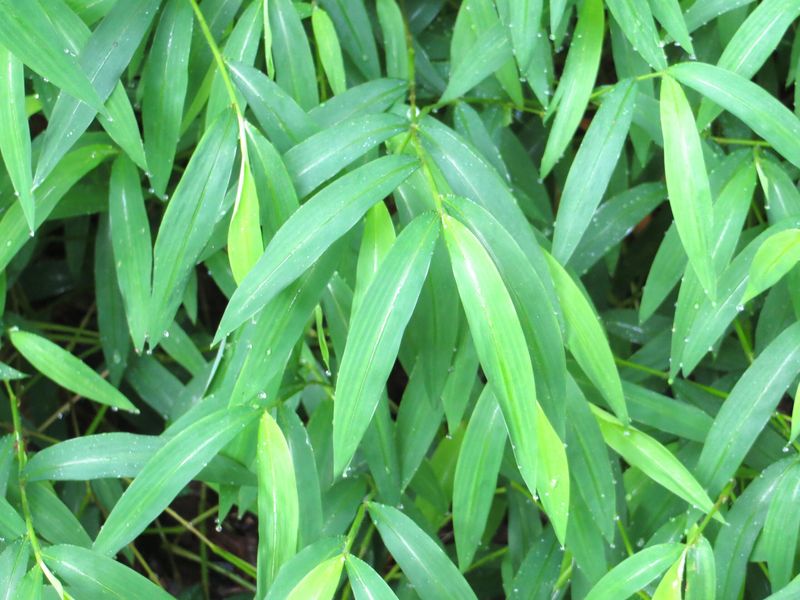
Storms can leave patches of bare soil, and Japanese stiltgrass takes advantage of that kind of opening. It can spread through a shady yard before you notice.
This grass looks soft and harmless, with thin, pale green leaves shaped like little bamboo blades. A shiny silver stripe runs down the middle of each leaf, which helps you identify it.
Flooding and runoff spread its tiny seeds across yards, woods, and stream banks throughout New Jersey. One plant can drop up to 1,000 seeds, and they stay alive in soil for years.
Right now in October, the plants are finishing their seed drop and turning a bit purple or tan. Any seeds already on the ground are waiting for spring to sprout.
Since stiltgrass has shallow roots, pulling it by hand is easy. Bag what you pull instead of composting it, so the seeds do not spread.
Cover any bare soil with mulch now, and plan to overseed with cool-season grass in late summer next year. Thick, healthy turf leaves little room for this weed to sneak back next year.
Mark the spots where stiltgrass grew so you can watch them closely in spring. Young plants usually appear in May, and pulling them again in late summer, before they set seed, prevents a new seed crop.
Avoid walking through infested areas and then into clean parts of the yard. Seeds stick to shoes, pet fur, and mower wheels like tiny hitchhikers.
Stay patient, because managing stiltgrass usually takes three to five seasons of steady weeding, since its seeds stay viable in soil for years. Each year, the patch gets smaller and your native plants get more breathing room.
5. Powdery Mildew Coating Leaves In Damp Air

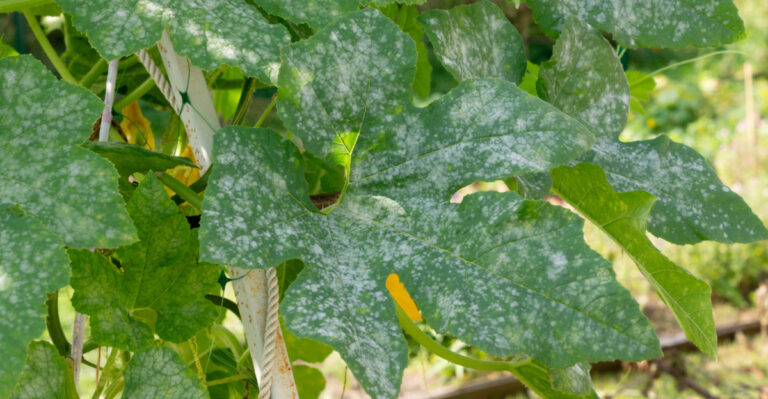
If your zinnias look like someone dusted them with powdered sugar, you have met powdery mildew. This fungus thrives in humid fall weather that follows a stormy stretch.
Warm days, cool nights, and damp air create the perfect setup for its spores. Squash, cucumbers, phlox, bee balm, roses, and lilacs are some of its favorite targets.
The white coating starts as small spots and spreads until leaves look gray and faded. Badly infected leaves curl, turn yellow, and drop early, which weakens the plant.
Wind from storms carries spores from yard to yard, so neighbors often notice it at the same time. Crowded plants with poor airflow are most affected.
Start by snipping off the worst leaves and tossing them in the trash. Keep them out of the compost, since spores can survive there and return next season.
Some gardeners mix one tablespoon of baking soda and a little dish soap into a gallon of water. Evidence for this spray is mixed, so test a small area first to avoid leaf burn.
Water at the base of plants rather than sprinkling the leaves from above. Dry foliage gives the fungus fewer chances to settle in and grow.
When you plan next year’s garden, give plants extra elbow room for better airflow. Look for seed packets labeled mildew resistant, especially for zinnias and squash.
Powdery mildew looks concerning, but it seldom harms healthy plants this late in the season. Most annuals are wrapping up anyway, so focus on cleanup and prevention.
6. Grubs Chewing Beneath Waterlogged Lawns
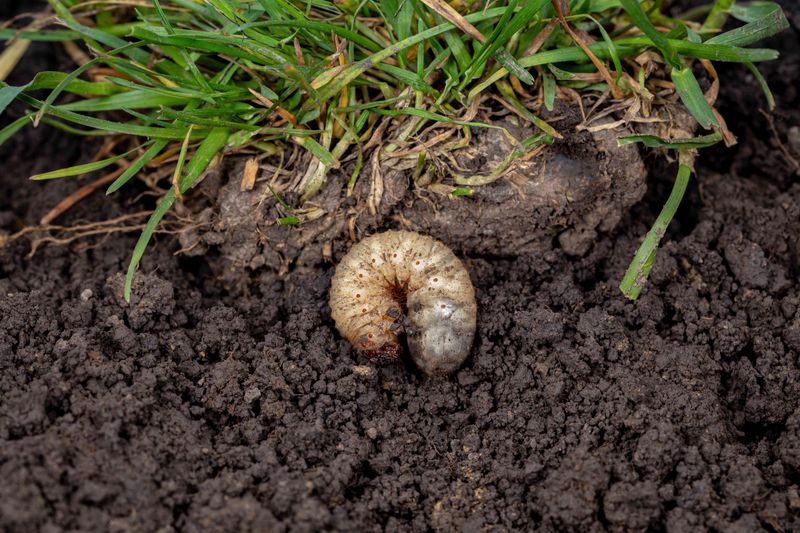
A flock of crows pecking at your lawn might seem cute until you see torn-up patches. Those birds are hunting white grubs, the chubby young of Japanese beetles and other beetles.
Grubs are C-shaped, creamy white, and have brown heads with six tiny legs. In fall, they feed on grass roots near the surface before burrowing deeper for winter.
Soaked soil after storms makes the ground soft, so skunks and raccoons dig easily for grubs. Overnight, a smooth lawn can look like someone flipped it with a shovel.
Damaged grass feels spongy and lifts up like a loose carpet because the roots are chewed away. Brown, irregular patches are another strong clue that grubs are feeding below.
To check, cut a square foot of sod on three sides and peel it back. Finding more than ten grubs in that spot means treatment is worth considering.
Beneficial nematodes are microscopic worms that hunt grubs and leave people, pets, and plants alone. Apply them in the evening onto moist soil, since sunlight harms them quickly.
They work best on young grubs in late summer, so time your next application for then.
Milky spore powder is another natural option that targets Japanese beetle grubs over several years. Both choices are safer than harsh chemicals for kids and backyard wildlife.
Healthy grass handles some grubs without much trouble, so feed and reseed thin spots this fall. Mowing a little higher, around three inches, helps roots grow strong and deep.
Fixing the lawn quickly also discourages skunks from returning for another midnight snack. Few things ruin a morning like discovering your yard looks freshly plowed.
7. Mushrooms Sprouting In Wet Mulch
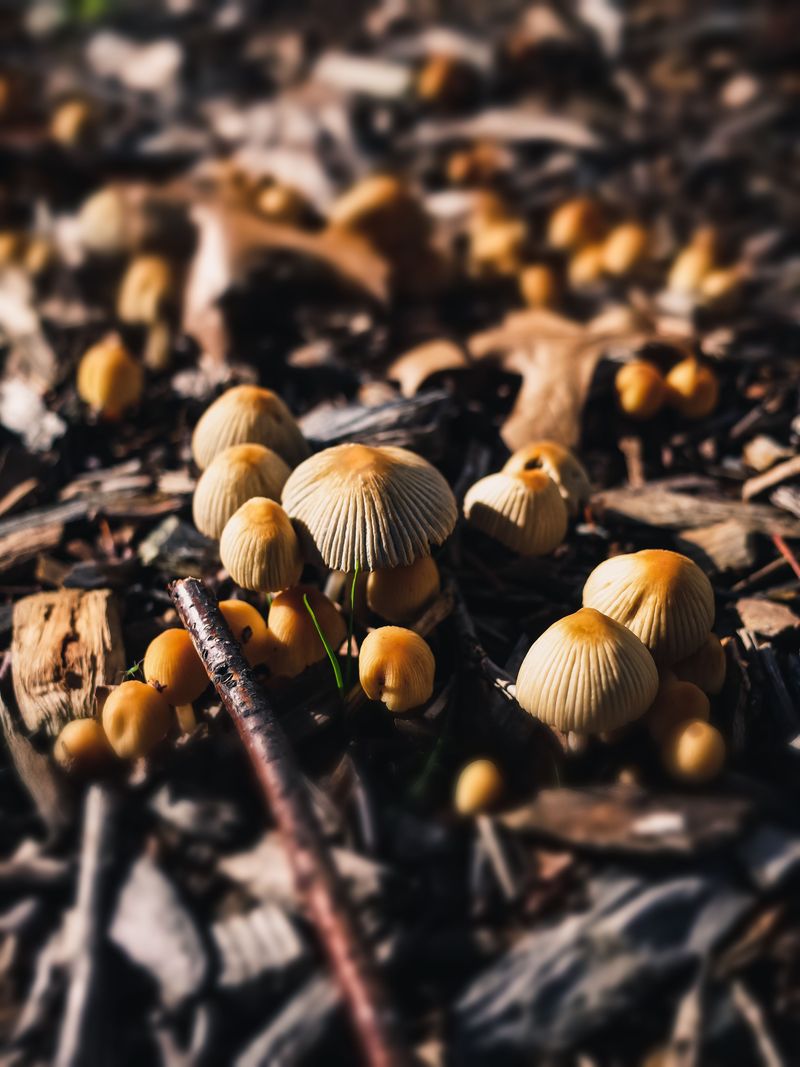
Within a day or two, mulch that looked normal can be crowded with tiny umbrellas. Mushrooms appear fast after soaking rains, and October is when they are most common.
These mushrooms are just the visible part of a much bigger fungus living underground. Thin threads spread through soil and wood, breaking down old roots, leaves, and buried stumps.
Most backyard mushrooms actually help your garden by recycling nutrients back into the soil. Some even form partnerships with tree roots, trading minerals for sugars like friendly neighbors.
Still, a few kinds are toxic to people, dogs, and cats, and they look alike. Treat every wild mushroom as unsafe unless an expert confirms otherwise.
If you have curious pets or toddlers, pick mushrooms as soon as they appear. Wear gloves, pop them into a bag, and toss them in the trash.
Another surprise after storms is artillery fungus, which shoots tiny black spores onto siding and cars. Those sticky dots are hard to remove, so swapping old mulch for fresh bark helps.
Mushrooms circling the base of a tree may signal hidden rot inside the trunk or roots. Storm-stressed trees with fungus at their base deserve a checkup from a certified arborist.
Raking mulch to let it dry out slows new mushrooms from popping up. Fixing low spots where rain puddles also keeps soil from staying soggy for days.
Once the weather cools and dries, most mushrooms fade on their own. Enjoy the strange little show, but keep small hands and paws away from it.
8. Mice and Voles Seeking Shelter Near Garden Sheds
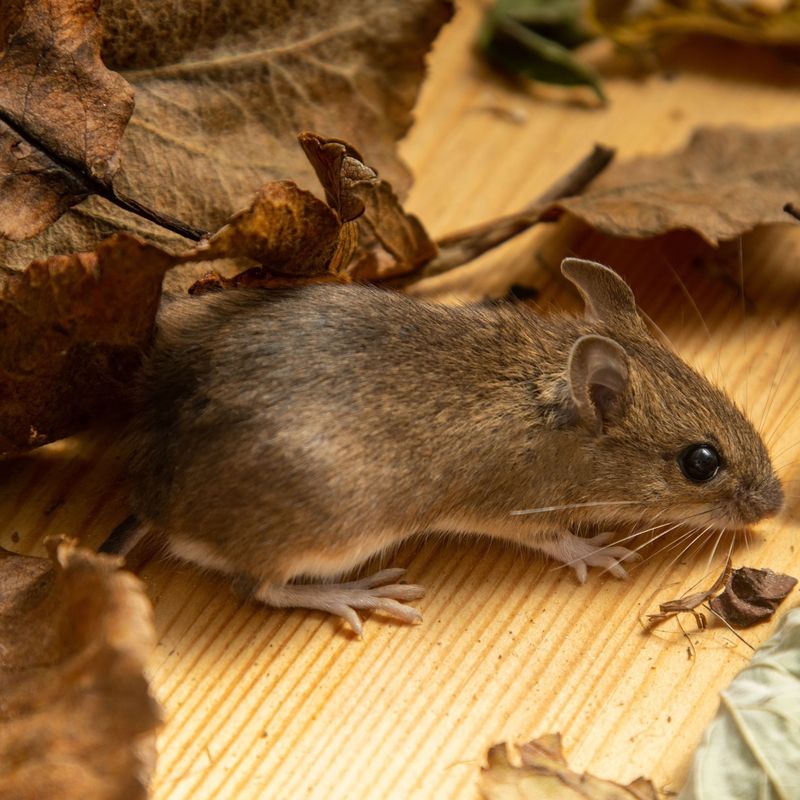
Your garden shed might feel quiet, but listen closely and you may hear tiny scratching sounds. Cooler nights push field mice toward dry, sheltered spots near homes, and flooded burrows can add to the move.
Heavy rains wash out the underground tunnels mice and voles use all summer. Once storms pass and October chills arrive, sheds, garages, and woodpiles look like attractive shelter.
A mouse can squeeze through a gap about the size of a dime, or even smaller. They chew bags of birdseed, grass seed, and pet food, leaving droppings and shredded nests behind.
Voles cause trouble outside too, nibbling bark at the base of shrubs and young fruit trees. Look for narrow runways in the grass and gnaw marks low on trunks.
Store seeds and pet food in metal or thick plastic bins with tight lids. Take away the buffet, and your shed becomes much less appealing to hungry visitors.
Seal gaps around shed doors and walls with steel wool and caulk. Mice struggle to chew through steel wool, so it makes a sturdy, inexpensive barrier.
Pull mulch a few inches back from tree trunks to reduce hiding spots for voles. Hardware cloth wrapped around young trees protects bark through the long winter months.
Stack firewood off the ground and away from your house walls. Clearing storm branches and tall weeds near buildings also removes the cover mice use for moving around.
Owls, hawks, and foxes eat rodents, so a nest box can add some natural rodent control. It works best alongside sealing gaps and storing food securely.