How To Make A Simple DIY Stink Bug Trap In Georgia This October
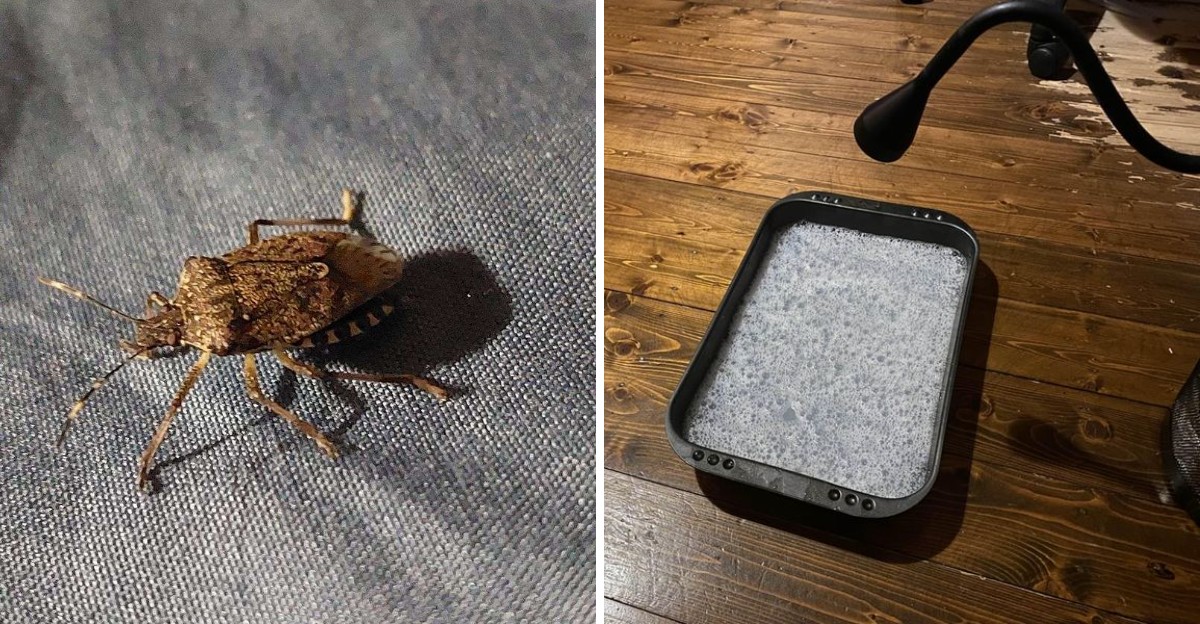
Swatting a stink bug on the curtain usually leaves behind a smell that hangs around longer than the bug did.
Vacuuming them works too, though the odor can cling to the bag or canister for a while afterward.
Many Georgia homes see a steady trickle of these insects indoors as they search for warm places to spend the winter.
Homemade traps can catch a surprising number of them without any sprays. Most versions rely on everyday household items rather than expensive store-bought products.
Placement makes a big difference, since the bugs tend to gather near windows and other light sources at night.
Set one up in the room where you spot them most often. A few nights of results can tell you a lot about where they are getting in.
1. Household Basics Can Catch Indoor Stink Bugs Overnight
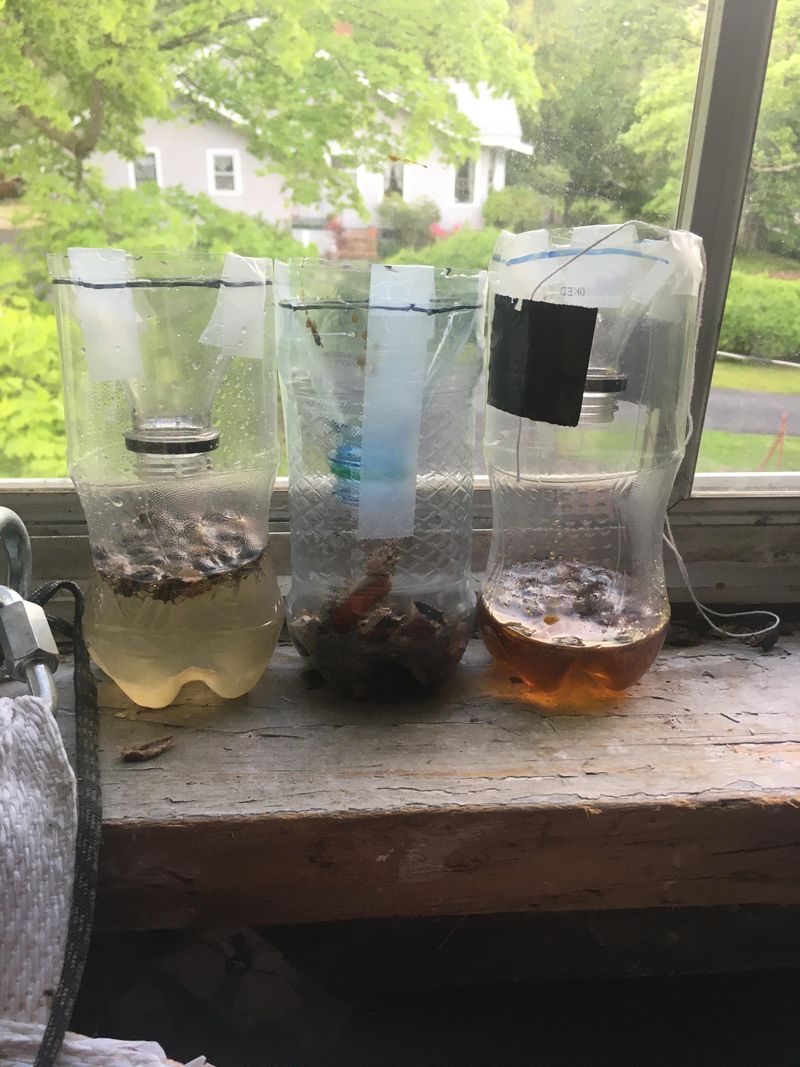
No fancy gadgets are needed for this project. A basic stink bug trap uses things already sitting in most kitchen cabinets and closets.
You will need a shallow pan, warm water, a squirt of dish soap, and a small lamp you can aim downward.
A disposable aluminum roasting pan works well because it is wide and cheap. A metal baking sheet with raised edges or a plastic storage lid can also do the job.
Once you gather your supplies, setup takes only a few minutes before bedtime.
Stink bugs that slip inside a Georgia home in fall tend to wander toward light once the house gets dark. That habit is what makes an overnight trap possible.
Catch numbers can be modest, so set your expectations to match what you see. Some nights you may find several bugs in the water, while other nights the pan stays empty.
Bug activity often depends on how warm the house is and how many found a way inside.
Keep the trap away from small children and pets, since soapy water and a hot bulb are not safe toys. Placing it on a sturdy table or counter helps prevent spills and tipped lamps.
Simple tools, a dark room, and a little patience are really all it takes to get started tonight.
2. A Shallow Pan Of Soapy Water Does The Real Work
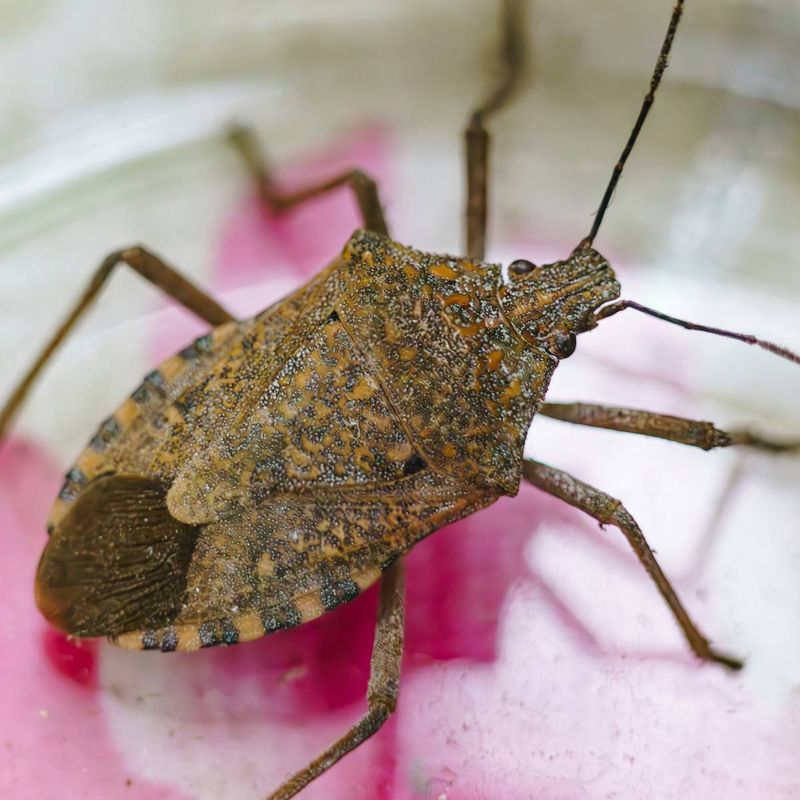
Forget the lamp for a second, because the pan is the true hero here. Light draws bugs in, but the water is what actually holds them.
Shallow and wide beats deep and narrow when you choose a container.
A broad surface gives a flying or falling bug more chances to land in the water. Stink bugs are clumsy fliers, and they often drop when they bump into a light or a wall.
Fill the pan about an inch or two deep with warm water from the tap.
Deep water is not required, and a shallow fill makes the pan easier to carry and empty without sloshing. Lighter pans also mean fewer messes on your floor.
Empty the pan each morning and refresh it before night falls again.
Flushing the catch down a toilet or dumping it outdoors works for most households. Wearing gloves keeps any lingering smell off your hands.
Your Georgia Garden Changes Every Week. Your Plan Should Too.
Gardening in Georgia changes quickly throughout the season. Every Friday you’ll receive a simple weekly plan showing exactly what to plant, prune, fertilize, harvest, and protect so you never miss the right timing.
Homes in Georgia often see stink bug activity rise as October nights cool down, so daily refills may help you stay ahead of new arrivals. Weather can shift that timing, though, and a warm spell may slow things for a while.
Watch your catch over a week or two to learn the best spot in your house.
3. Dish Soap Reduces Surface Tension So Bugs Sink Into The Water
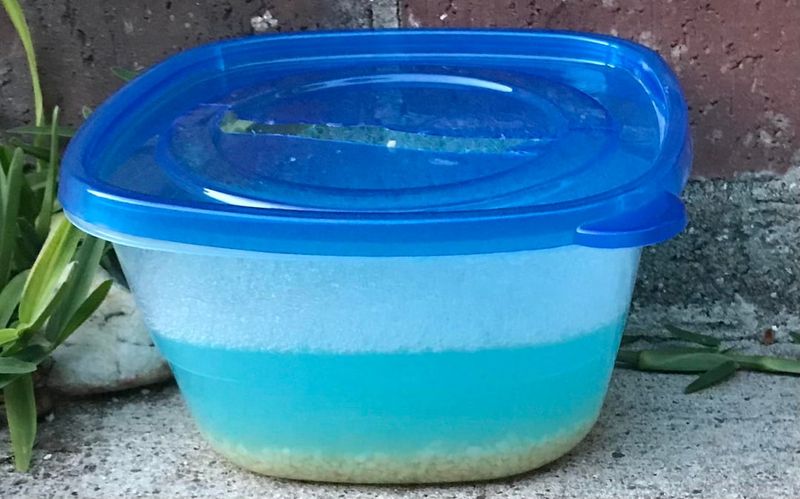
Plain water alone often fails to hold a stink bug. Water has a kind of thin skin on top called surface tension, and light insects can sometimes rest on it.
Adding a little dish soap breaks that skin so bugs slip under instead of floating.
Only a small amount is needed for the job. About a teaspoon or a quick squirt in the pan is usually enough to change how the water behaves.
Too much soap creates heavy suds, which can actually give bugs something to cling to.
Any basic liquid dish soap should work fine for this trap. Scent does not seem to matter much, so choose whatever you already have by the sink.
Stir gently with a spoon until the soap mixes in without making foam.
Some Georgia homeowners swap water for other liquids, but soapy water is cheap, easy to find, and simple to clean up. Sticking with it keeps the project safe and low effort.
Mix a fresh batch each evening, since dust and floating debris can weaken the effect over time.
A clean pan and new soapy water give your trap the best chance to catch bugs that wander in after dark. Small habits like these make a noticeable difference.
4. Dark Rooms With No Competing Light Give Traps An Edge
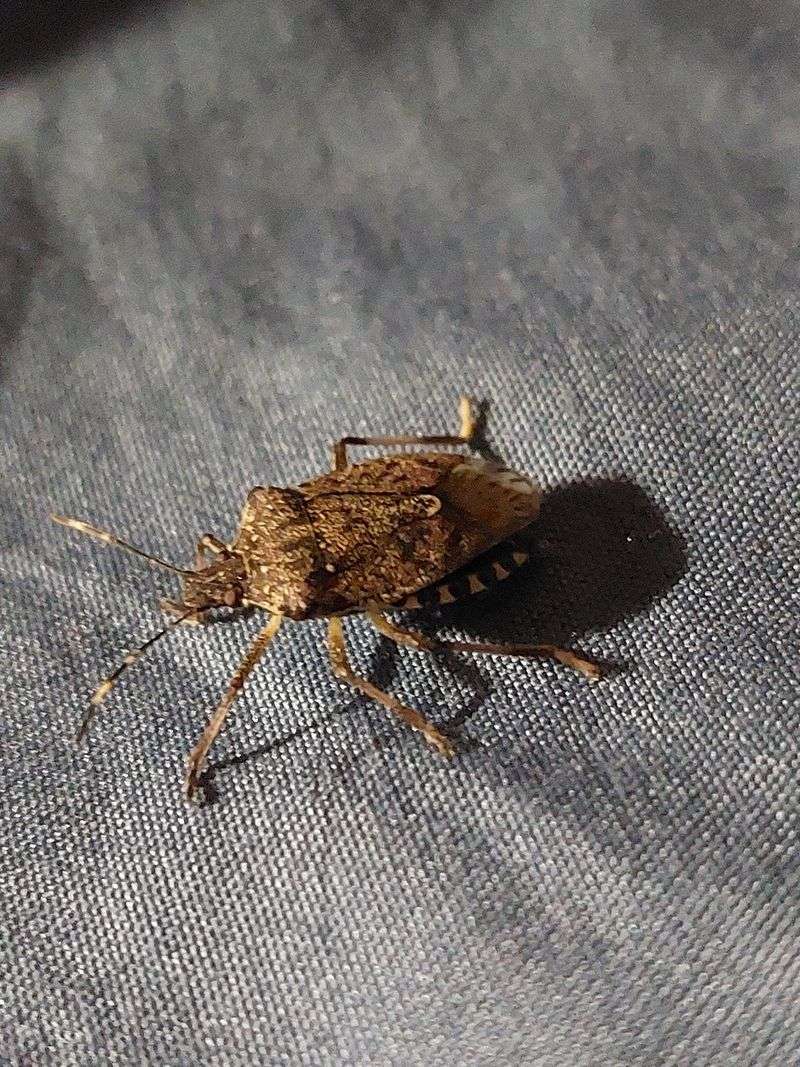
Competition ruins a good light trap fast. When a room has a TV, nightlights, or streetlight shining through the window, bugs have plenty of other places to go.
Pick a room you can make truly dark for the night.
Spare bedrooms, laundry rooms, and attic spaces often work well because they stay quiet after sunset. Closing blinds or curtains also blocks outside light from pulling bugs toward the windows instead.
Shut the door to keep the trap’s glow as the brightest spot in the space.
Rooms where you have already spotted stink bugs are a smart starting point. Sunny south and west sides of a house tend to attract them as they search for warm walls in fall.
Moving the trap around for a few nights can help you find the busiest location.
Across Georgia, older homes with drafty windows may see more bugs slipping inside than newer, tighter houses. Each home is different, so your best room might surprise you.
Turn off electronics with glowing screens or small indicator lights if possible.
Even a phone charger light can draw a curious bug away from the pan. A little extra darkness gives your homemade trap a much better shot at success.
5. A Small Lamp Over The Pan Lures Them After Dark
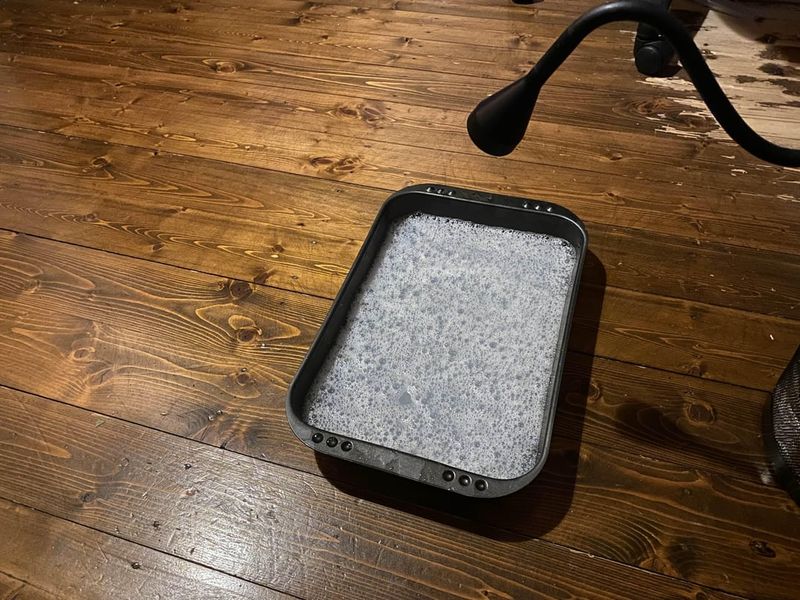
Picture a porch light on a fall evening with bugs circling it. Your trap borrows that same pull, just on a smaller scale inside the house.
A desk lamp or clip-on reading light can be aimed right at the water.
Point the bulb so the light shines on the surface of the pan. Bugs drawn to the glow may bump into the lamp, lose their grip, and drop straight into the soapy water below.
Keep the bulb a safe distance from the water and away from anything that could catch fire.
LED bulbs stay cooler than older types, which makes them a smarter pick for an overnight setup. Check that the cord is not stretched or sitting in a walkway where someone could trip.
Electrical safety matters more than the number of bugs you catch.
Some people place the lamp so the light reflects off the water, which may help bugs notice the pan. Results differ between rooms, so try a few angles over several nights.
Stink bugs in Georgia homes are usually most noticeable on warm October afternoons and evenings, when sleepy bugs stir and move toward light.
Turning the lamp on at dusk and checking it in the morning is a simple routine.
6. Outdoor Pheromone Traps Near The House Can Backfire
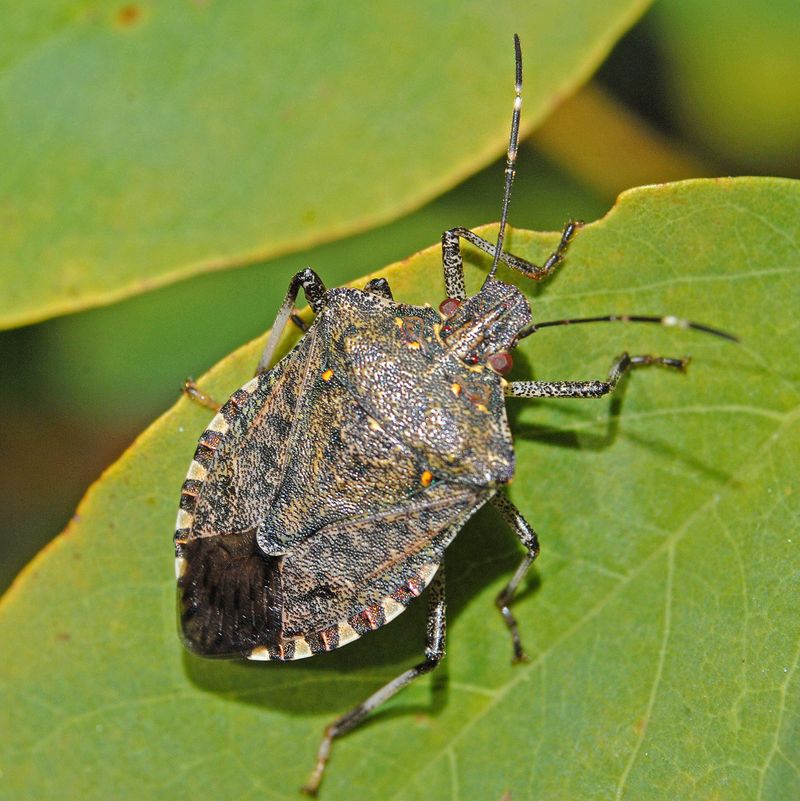
Store-bought outdoor traps sound like an easy fix, yet placement can work against you. Many of these products use a lure based on the bugs’ own scent signals.
That scent can draw stink bugs from nearby yards toward your property.
Not every bug ends up inside the trap itself. Some may land on nearby walls, plants, or windows, which can raise the number of bugs near your doors.
Extension experts have raised this concern about lures set too close to homes.
If you choose to use an outdoor pheromone trap in Georgia, setting it well away from the house may lower the risk. Follow the package directions, since products vary in strength and design.
Indoor light traps do not use these lures, so they do not attract bugs from outside.
Fall timing also plays a role in how useful outdoor traps can be. By October, many stink bugs are focused on finding shelter rather than feeding, so lures may perform differently than in summer.
Keep an eye on bug numbers around your doors and windows after setting any outdoor trap.
Should you notice more bugs instead of fewer, moving or removing the trap may be the wisest choice for your home.
7. Caulked Cracks Mean Fewer Bugs Need Trapping At All
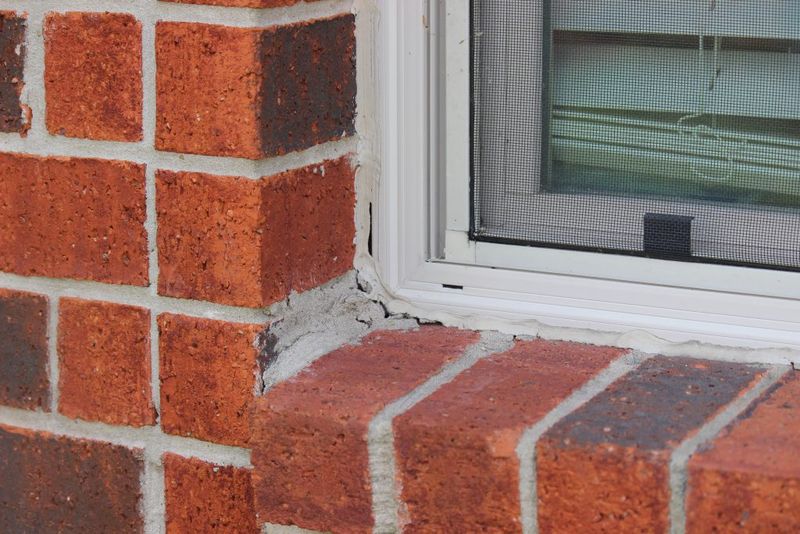
Prevention beats any trap you could build. Every bug that stays outside is one you never have to fish out of a pan.
Walk around your house on a sunny afternoon and look closely at windows, doors, and siding.
Small gaps around window frames, utility lines, and vents can let stink bugs slip through. A tube of exterior caulk is usually inexpensive and easy to use on most small cracks.
Wider openings may need expanding foam or weatherstripping instead of caulk.
Check that window screens fit snugly and have no tears. Door sweeps along the bottom of exterior doors can also close a common entry point that gets overlooked.
Attic and crawlspace vents may benefit from fine mesh screening when it can be added safely.
Timing matters here, since sealing works best before bugs settle in for winter. Late September and early October are often good windows in Georgia, though weather and local bug activity can shift that schedule.
Sealing will not stop every single bug, but it can cut down on how many get inside.
Pairing a tight house with a simple indoor trap gives you a practical, low-cost way to handle stink bugs this fall without harsh sprays or costly services.