The Minnesota Windowsill Habit That Can Cost You Christmas Cactus Blooms
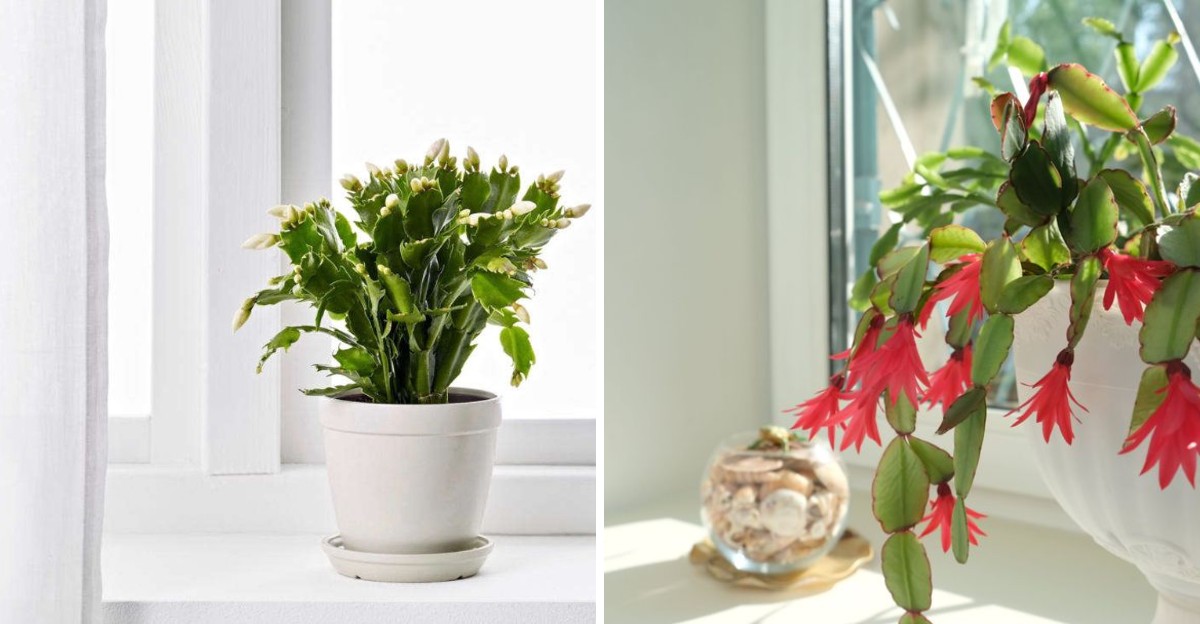
Buds that drop from your Christmas cactus unopened carry a message. You placed it near the window for light, yet the glass cools the spot.
Minnesota winters push cold straight through your windowpanes and onto the leaves. Chilled air slides off the glass and settles around the stems you admire.
Cool nights trigger bud formation, but a cold pane sends your plant mixed signals. Sudden temperature swings make your plant release buds to conserve energy.
Your cactus also favors a steady spot, so relocating it adds confusion. Press your palm against the glass on a chilly morning and feel the gap.
Older frames in your Minnesota home let in drafts that stay hidden from the couch. Slide your cactus inward, away from the pane, and you protect those swelling buds. Blooms then have a better chance of opening on schedule.
Chilled Glass Can Cost You Buds
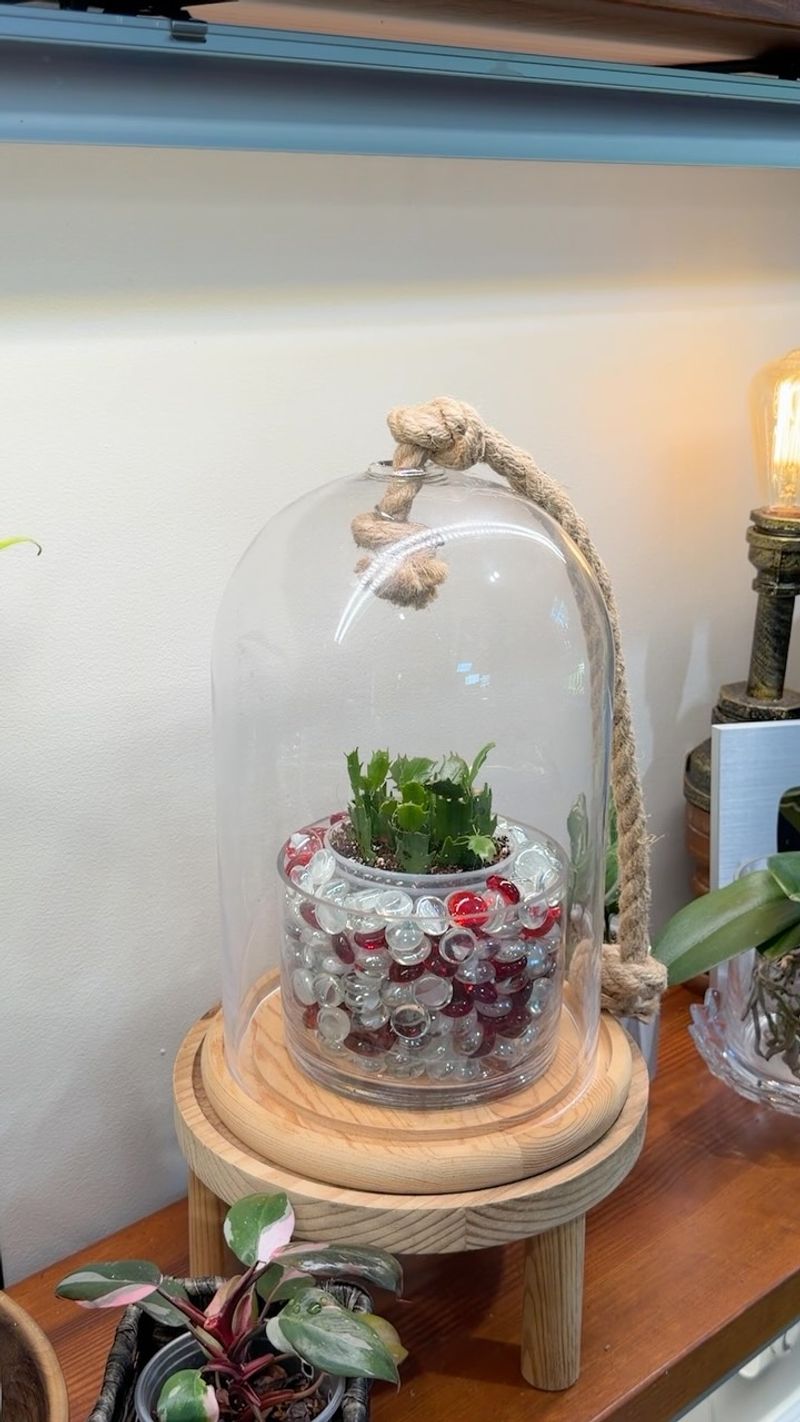
Put your palm flat on a Minnesota window in January and you will pull it back fast. That chill is similar to what your plant can feel on cold nights.
Christmas cactus buds are sensitive to sudden chills and big temperature swings. When the plant feels stressed, it drops buds to save energy for its leaves and roots.
Glass is a poor insulator, even in decent double-pane windows. On a frigid night, the air right beside the pane can dip into the forties Fahrenheit.
Meanwhile, the middle of your living room might sit at a cozy sixty-eight degrees. Your plant sits in much cooler air while the rest of the family relaxes by the heater.
Gardeners call this reaction cold shock, and it hits buds before they get a chance to open. The leaves can look fine, which makes the problem confusing. Buds of any size can drop, and larger ones may turn soft before they fall.
Leaves touching the glass can also get damaged. Look for pale, mushy, or reddish patches where stems pressed against the cold pane.
So the window is not a problem because of light. The cold air layer hugging that glass can reduce your holiday blooms. Think of that thin strip of air as a pocket of cold. Your plant sits inside it through the night.
The October To December Budding Period
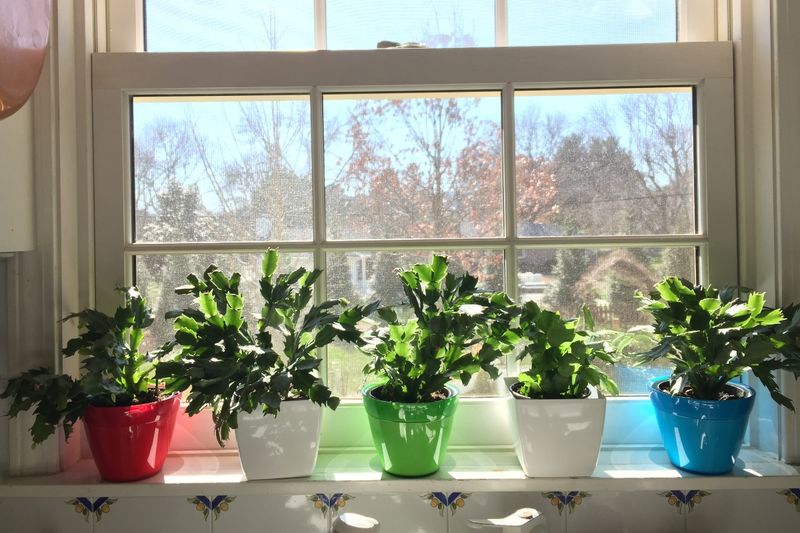
October is the month when this process begins. Cooler nights and shorter days tell the plant it is time to form flower buds.
That part is helpful, since a little chill around fifty to fifty-five degrees encourages budding. Trouble starts when the gentle chill turns into a sharp, sudden drop in temperature near the glass.
In Minnesota, the first real cold snaps often arrive in late October or early November. That timing often overlaps with buds that are just starting to swell.
Buds typically need several weeks to develop into full flowers. Each week of that stretch is a chance for a chilly window to make them drop.
Nighttime is the riskiest part of the day. Sunlight warms the sill in the afternoon, then temperatures drop after dark, creating a large swing.
Your Minnesota Garden Changes Every Week. Your Plan Should Too.
Gardening in Minnesota changes quickly throughout the season. Every Friday you’ll receive a simple weekly plan showing exactly what to plant, prune, fertilize, harvest, and protect so you never miss the right timing.
A large drop in temperature over a few hours can upset a budding plant. Furnace vents nearby can make swings bigger by pushing out warm air, then shutting off.
Mark your calendar for the first frost warning in your area. That forecast is your signal to check how cold the windowsill really gets at night.
A cheap digital thermometer placed by the plant overnight tells the truth quickly. If it reads below forty-five, your buds may be at risk.
Early action helps more than late rescue. Moving the pot in October costs very little, while waiting until December may reduce the bloom season.
A Common Windowsill Mistake
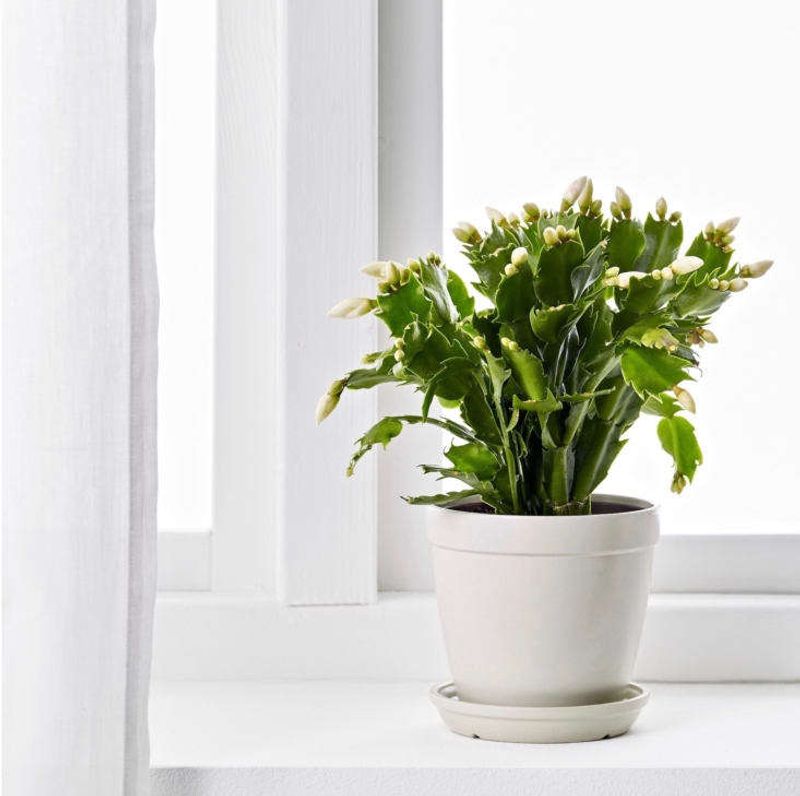
You may have kept your plant on the kitchen sill for years and assumed that spot was perfect. Bright light, a pretty view, and easy watering made it feel like the obvious choice.
Light does matter, so the logic makes sense at first. The problem is that sunny sills in summer turn into chilly spots once winter settles over Minnesota.
Many growers leave the pot in the same place from spring through the holidays. Few people notice the chill, since they do not press their noses against the glass.
Curtains and blinds can make things worse in a less obvious way. Closing them at night can leave the plant between fabric and cold glass.
Leaves brushing the pane are another common slip. Even a few inches of contact can chill the stems that feed the buds.
Some folks also move the plant right after buds appear, hoping to show it off. Shifting it from a cold sill to a warm room causes its own sudden temperature change.
Watering with icy tap water adds one more chill to a plant already under stress. Room-temperature water is kinder and helps the roots stay calm.
None of these slips make you a bad plant parent. They just come from treating a winter window like the same friendly spot it was in July.
The fix starts with noticing the season, not just the sunshine. A spot that worked beautifully in spring may need a fresh look each fall.
A Simple Shift Of Several Inches
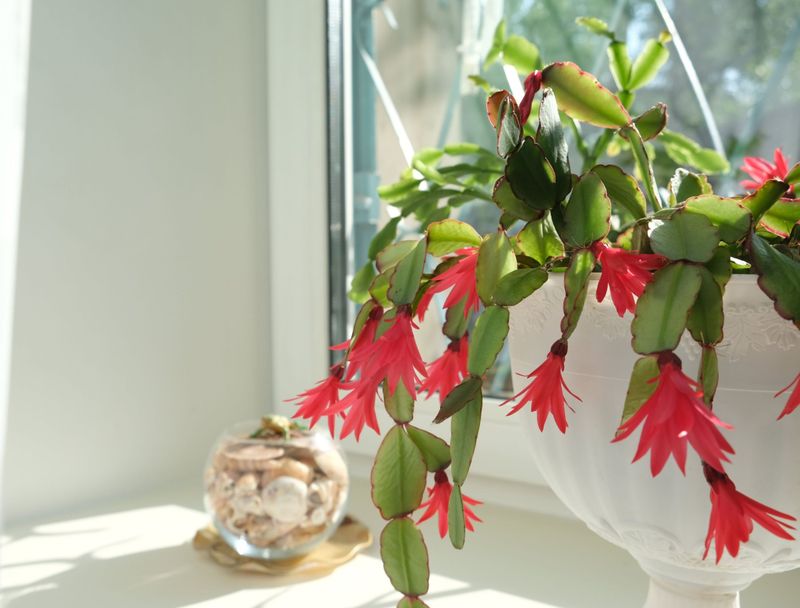
Relief comes cheaper than you might expect, because no greenhouse or fancy gear is required. Often the whole fix is sliding the pot back a short distance from the glass.
Moving the plant six to twelve inches away may raise its air temperature a few degrees. That small gap lets the plant escape the coldest layer of air hugging the window.
A small table beside the window works beautifully. The plant still gets bright, indirect light without sitting in the chill zone.
Aim for steady temperatures between sixty and seventy degrees during the day once buds form. Nights around fifty-five to sixty-five keep things comfortable without causing stress.
Keep the pot away from heating vents, radiators, and drafty doors. Blasts of hot or cold air create the same jarring swings you are trying to avoid.
If space is tight, a sheet of bubble wrap taped to the lower glass adds extra insulation. Some growers also slip a folded towel under the pot to block cold from the sill.
Make any move slowly and gently. Relocate the plant once, then let it settle instead of shuffling it around every few days.
Check the new spot with that handy thermometer for a couple of nights. If the reading stays steady, you have found your plant a winter home.
Curtains should close between the plant and the room, not trap it against the glass. That one small change keeps evening warmth flowing toward the leaves.
Plump Buds And A Full Holiday Show
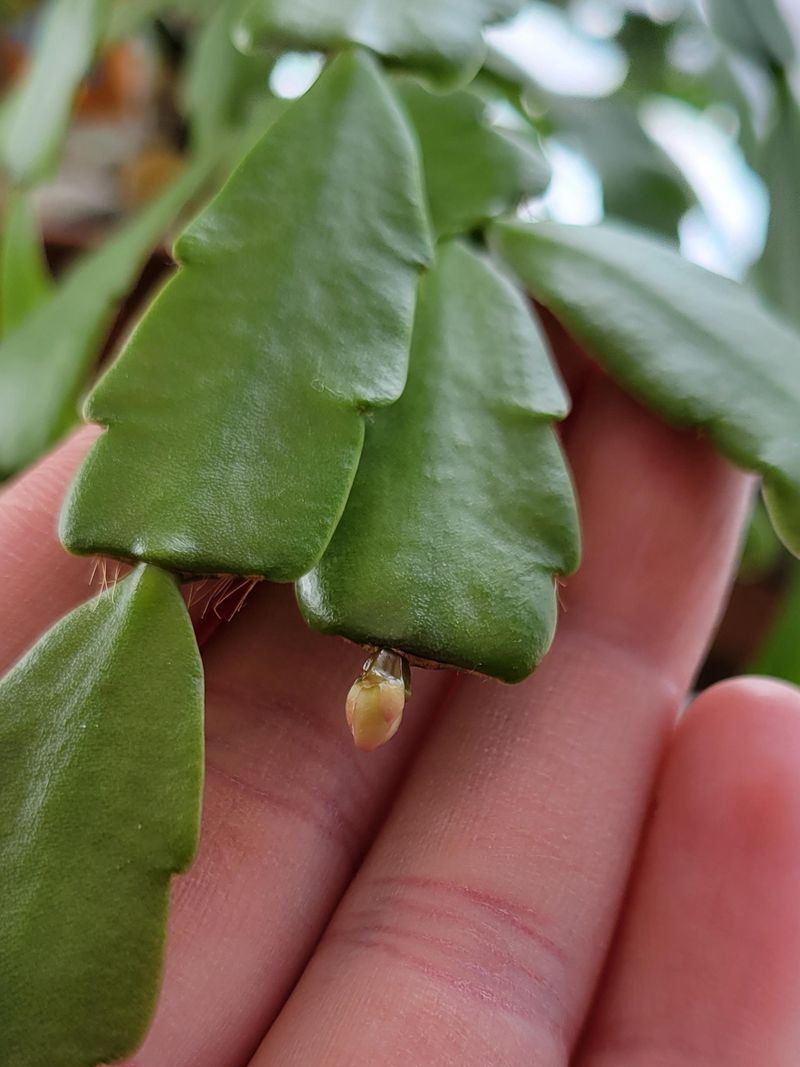
Imagine walking into the living room in mid-December and seeing bright blossoms dangling from many stems. That picture is quite possible once the cold glass stops stealing buds.
Plants kept in steady temperatures hold their buds much better. Instead of dropping, the buds grow fat and colorful, then open one after another over several weeks.
Each flower can last several days, and a healthy plant may bloom for a month or more. Pinks, reds, whites, and even soft peach shades brighten gray Minnesota afternoons.
Many of these plants live for decades with good care and get passed down through families. Some Christmas cactus plants live for many decades with good care.
Keeping buds safe this year also helps the plant stay strong for next season. Less stress means healthier stems, better roots, and more energy for future flowers.
Once flowers open, keep enjoying them from a warm, bright spot. Pinch off faded blooms gently so the plant looks tidy and stays fresh.
Watering should stay moderate while the plant is in bloom. Let the top inch of soil dry slightly before giving it another drink.
Snap a few photos when the flowers peak. They make a handy record of what worked, so next October you can repeat the same setup.
Picture the relatives who visit, and the show waiting for them. Few things feel better than a winter windowsill bursting with color while snow piles up outside.
Winter Habits That Keep Blooms Safe
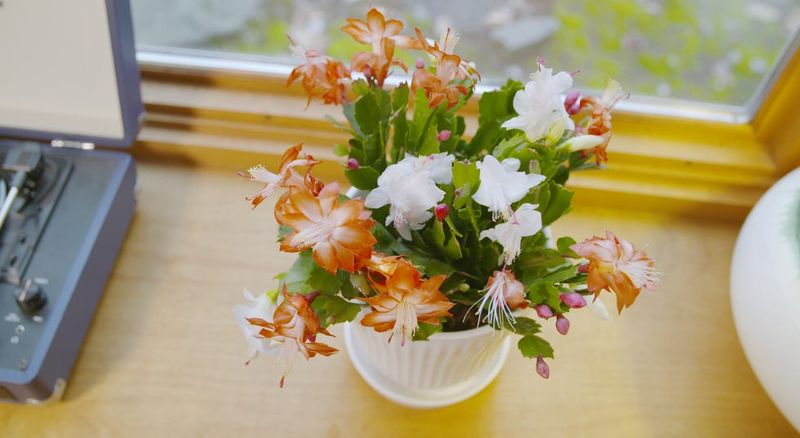
A helpful habit each fall is to check your windowsill plants the week the furnace first kicks on.
Building a small routine makes cold shock far less likely. Start in early October by choosing a bright spot that stays above fifty degrees all night long.
Keep a thermometer near the plant through winter, and glance at it on frosty mornings. A quick look takes seconds and can save a whole season of buds.
Watch the weather forecast for extreme cold warnings, which affect Minnesota in some winters. On those nights, slide the pot a little farther into the room for extra safety.
Seal drafty windows with removable weatherstripping or plastic window film kits. These cheap fixes protect your plants and lower your heating bill at the same time.
Avoid moving the plant once buds appear unless it is in real danger. Stability helps most, so pick a good spot early and leave it there.
Water with room-temperature water and keep humidity moderate, since dry furnace air adds stress. A tray of pebbles and water under the pot may add a little moisture.
After blooming ends, let the plant rest a few weeks with lighter watering. Then repeat the whole routine next fall, adjusting it based on what you learned this winter.
Writing notes in a small garden journal helps a lot. Jot down dates, temperatures, and bud counts so patterns become easy to spot.