Planting Palms In Georgia This Fall Can Leave Roots Struggling Through Winter
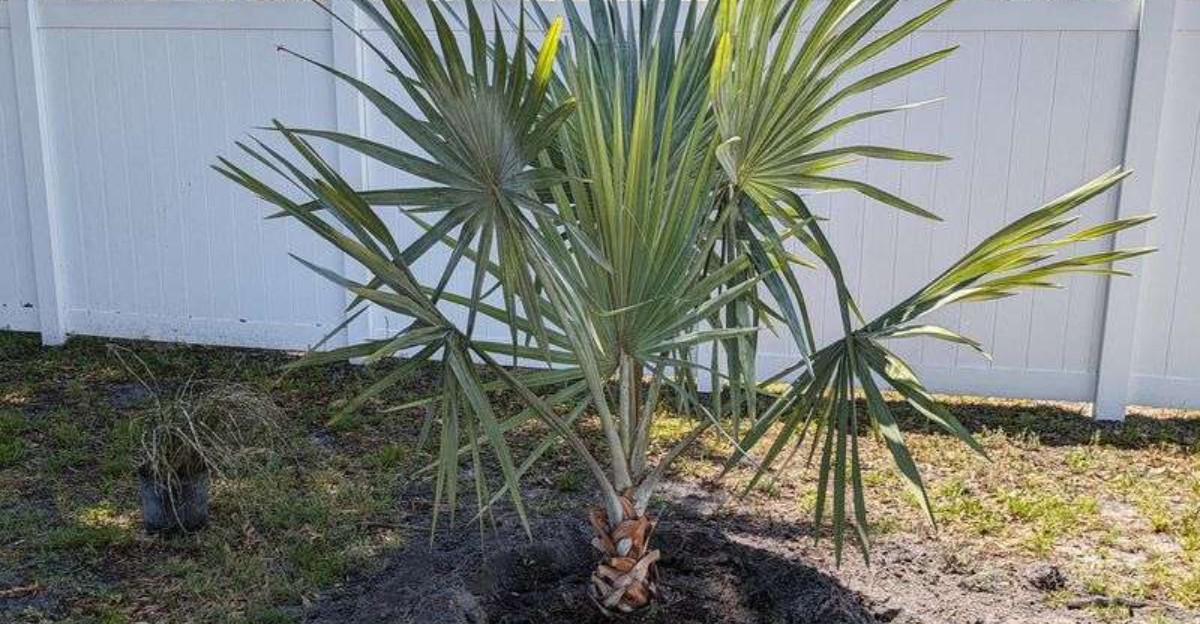
Discounted palms at the end of the season can look like a bargain too good to pass up. Planting one now seems like a quick way to add tropical style before winter.
Palms grow new roots mostly when the soil is warm, and that growth slows sharply as temperatures drop.
Trees planted this late may sit through months of cold with little more than the roots they came with.
Cold stress hits a newly planted palm harder than an established one, even with cold-hardy types. Ask whether the nursery can hold your palm until spring, or keep it potted somewhere protected.
Many Georgia gardeners see better results when planting waits for steady warm weather.
Waiting a few months can give the roots a far stronger start than a rushed planting.
1. Palm Roots Grow Fastest In Warm Soil
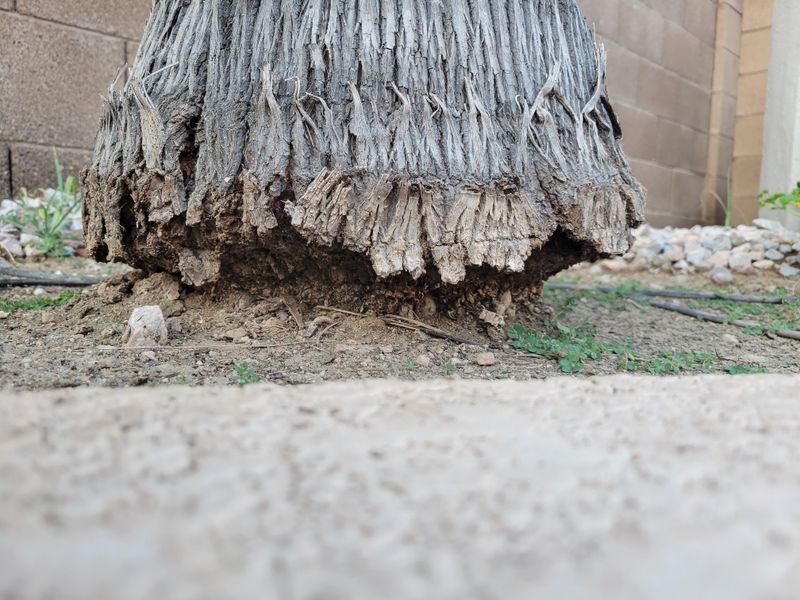
Warm dirt is what palm roots really want. Unlike oaks or maples, palms tend to push most of their new root growth when soil temperatures climb during late spring and summer.
Palms are monocots, which puts them closer to grasses than to typical shade trees.
Their roots grow out from a zone at the base of the trunk instead of branching from a big woody taproot. When roots are cut during digging, many palms replace them with new roots from that base, and warmth helps drive that process.
In Georgia, soil usually stays warm from late spring through early fall, though the exact timing shifts by region and year.
South and coastal areas warm up sooner and stay warm longer. North Georgia soil, especially at higher elevations, cools off earlier in the season and warms up later in spring.
A simple soil thermometer can tell you more than the calendar.
Push it a few inches into the ground in the morning and check it over several days. Steady readings matter more than one warm afternoon.
Keep in mind that sun exposure, soil type, and mulch can all change how warm your planting spot stays.
Sandy soil in full sun often warms faster than heavy clay in shade. Choosing a bright, well-drained location can give roots a better shot at active growth.
2. Cooling Fall Soil Gives New Roots Little Time To Spread
Autumn sneaks up on palm roots. Air may still feel pleasant in October, yet soil temperatures are already dropping week by week.
Once the ground cools, root growth on most palms slows down quite a bit.
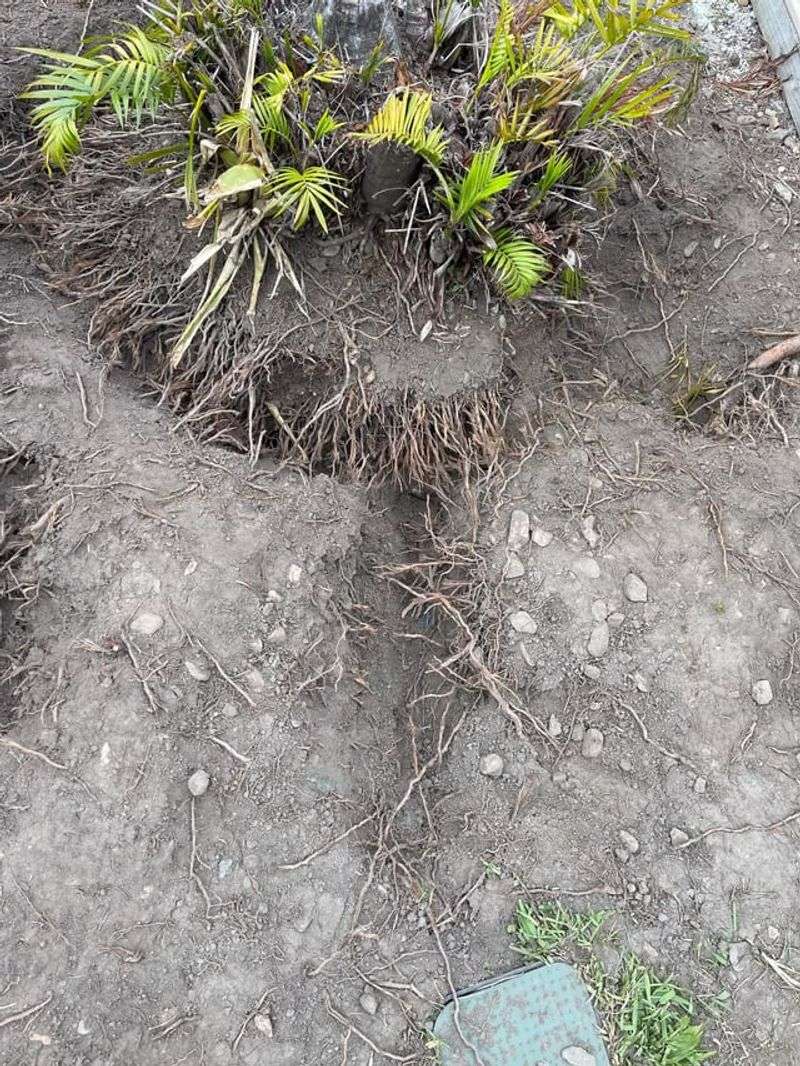
A palm set in the ground in mid or late fall may only have a few weeks of decent rooting weather. In that short window, new roots often stay close to the original root ball instead of reaching into the surrounding soil.
Why does that matter? A small root system has a harder time pulling up water, even in winter.
Palms keep their green fronds year-round, so they still lose some moisture on sunny or windy winter days. If the roots can’t keep up, fronds may brown or look scorched by spring.
Gardeners across Georgia sometimes notice that a fall-planted palm looks fine until late winter, then starts showing stress.
Your Georgia Garden Changes Every Week. Your Plan Should Too.
Gardening in Georgia changes quickly throughout the season. Every Friday you’ll receive a simple weekly plan showing exactly what to plant, prune, fertilize, harvest, and protect so you never miss the right timing.
That delay can make the cause hard to spot. Cold, dry roots, poor drainage, or transplant shock may all play a part, so it helps to look at the whole picture.
Planting earlier in fall gives roots more time than planting in November or December.
Still, even an early fall planting usually offers less root growth than a summer one. Weather patterns vary, so treat any fall planting as a shorter runway.
3. Freshly Planted Palms Are More Vulnerable To A Hard Freeze
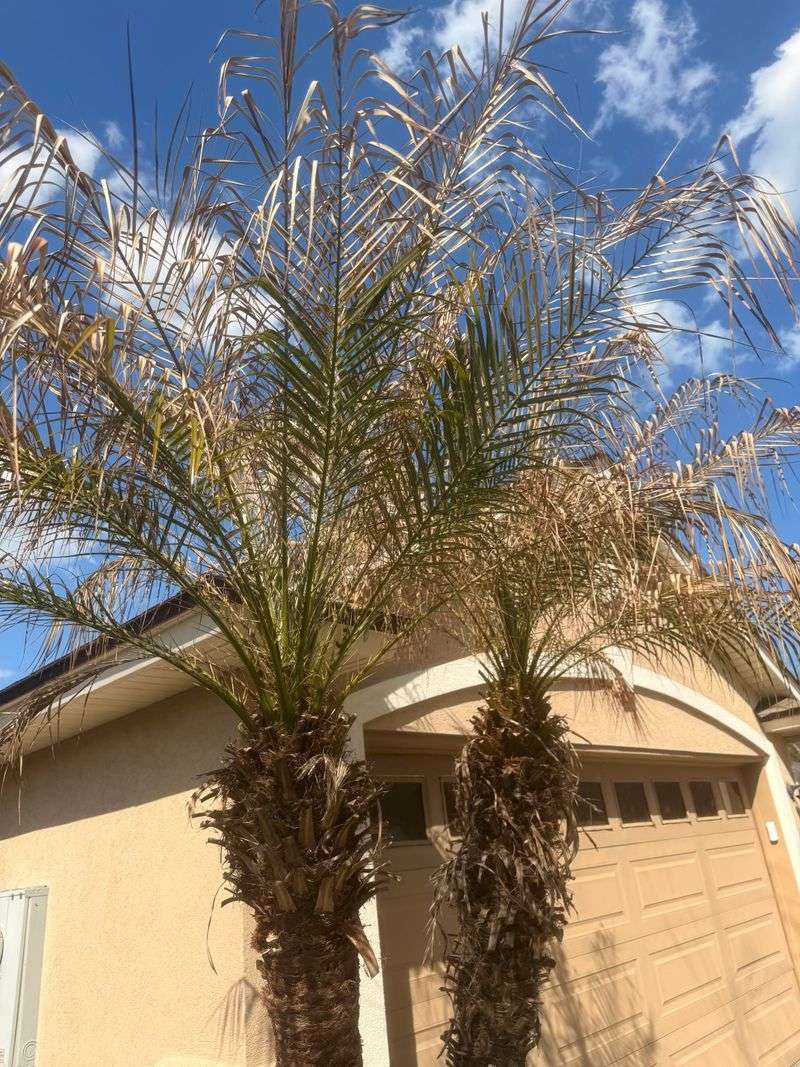
Frost on a palm frond is a sight that makes Georgia gardeners wince. Established palms often handle cold better than new ones, partly because their roots are spread out and settled.
A freshly planted palm hasn’t built that support yet.
Its roots sit in a small area, and it may already be under some stress from the move. Adding a hard freeze on top of that can push a weak plant past what it can handle.
Damage doesn’t always show right away. Fronds may turn brown weeks later, and the most serious concern is harm to the bud, the growing point at the top of the trunk.
If the bud survives, many palms can grow new fronds once warm weather returns.
Patience pays off here. Experts often suggest waiting until late spring or early summer before deciding a cold-damaged palm won’t recover.
Hold off on cutting away brown fronds right after a freeze.
Even damaged fronds can offer the bud a bit of protection through the rest of winter. Removing them too early may expose the growing point to more cold.
When a hard freeze is in the forecast, a frost cloth over a small palm can help hold in ground warmth overnight. Remove covers once temperatures rise so the plant doesn’t overheat.
4. Late Spring Through Summer Makes A Better Planting Window
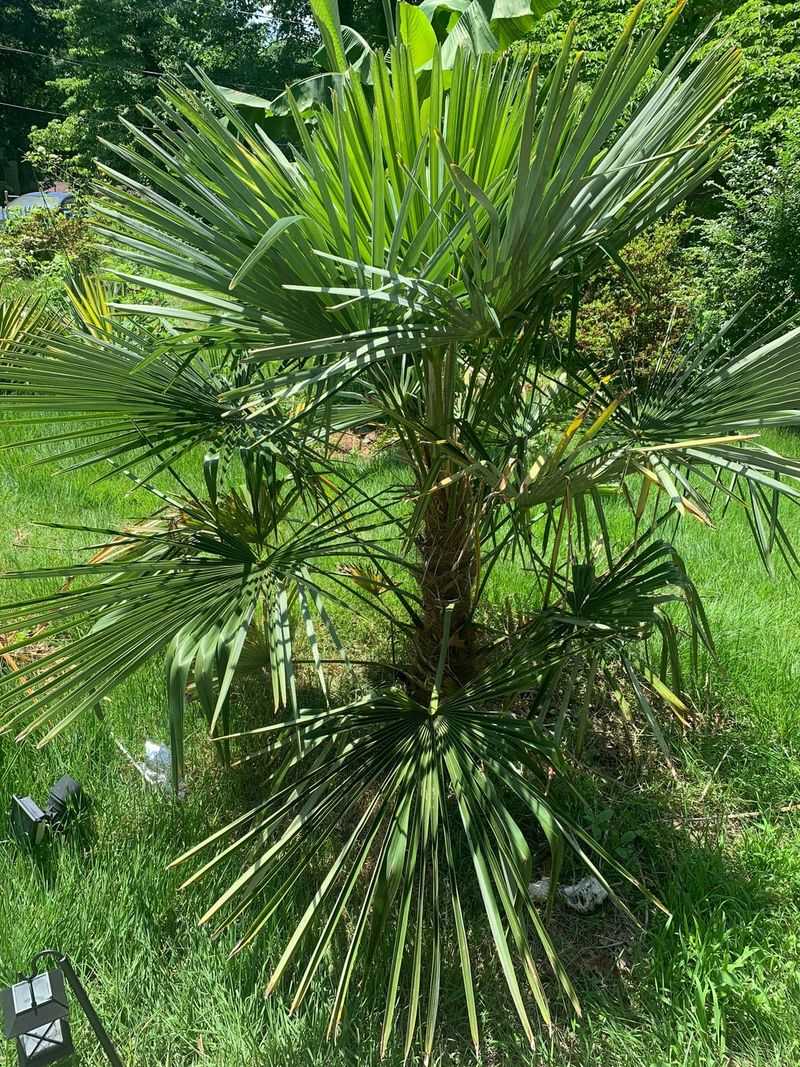
Sweaty, buggy, and hot? Sure, but early summer is often when palms settle in best.
Planting from late spring into summer lines up with the warm soil palms need for strong root growth. A palm set out in May or June usually has several months to build roots before cold weather arrives.
That longer stretch can make a big difference by the first winter.
Roots have time to move beyond the planting hole, which helps the plant find water and hold steady in wind. A well-rooted palm tends to bounce back from cold stress more easily than a brand-new one.
Summer planting does come with its own challenges.
Heat and dry spells mean you’ll need to keep a close eye on watering, especially during the first few weeks. Georgia summers can swing between heavy storms and dry stretches, so check the soil instead of guessing.
Mornings or cloudy days are easier on both you and the palm.
Plant at the same depth the palm grew before, since burying the trunk too deep can cause problems later. Mulch around the base helps hold moisture, but keep it a few inches from the trunk.
Local timing varies, so a nursery or county Extension office near you can help narrow down the best weeks for your area.
5. Container-Grown And Field-Dug Palms Have Different Transplanting Needs
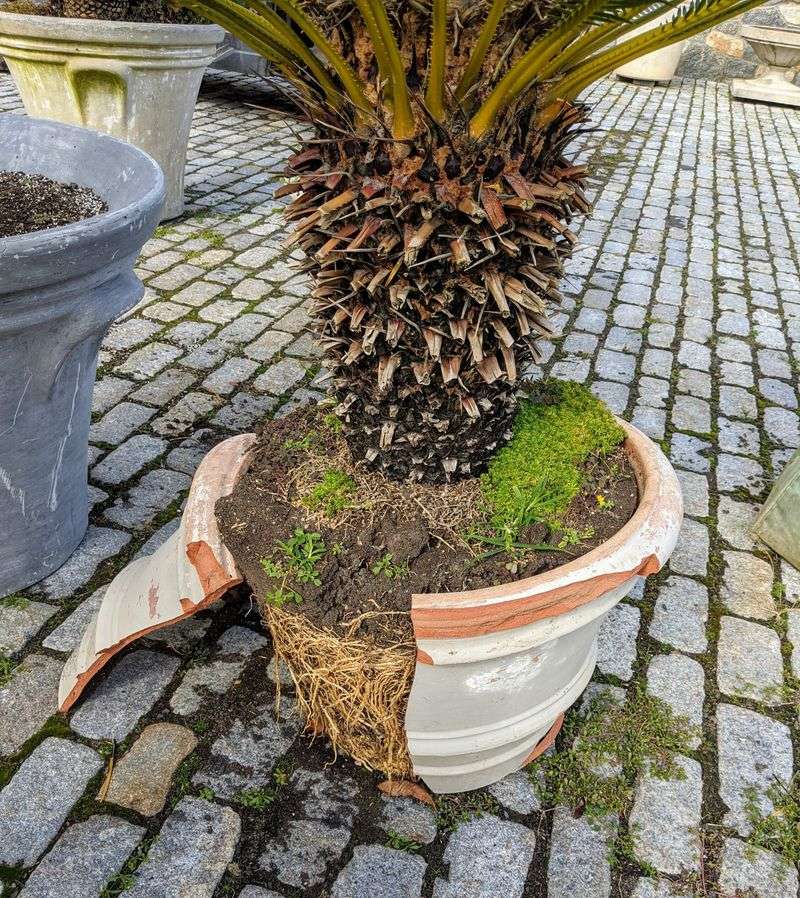
Not every palm arrives at your house the same way. Some come in plastic pots from a nursery, while larger ones are often dug straight from a field.
Container-grown palms usually keep most of their roots intact.
That gives them a smoother start, and they can often be planted over a wider part of the year. Even so, warm soil still helps them settle in faster than cold soil does.
Field-dug palms are a different story. Digging cuts many of their roots, so the plant has to grow new ones before it can take up water well.
Some species, such as cabbage palm, lose nearly all their cut roots and depend on regrowth from the trunk base.
Because of that, field-dug palms tend to struggle more when planted as soil cools. Many sources recommend moving them during warm months so new roots form quickly.
Before buying, ask the seller how the palm was grown and when it was dug.
A palm that sat in a holding area for weeks may already be under stress. Look for firm, green fronds and a solid bud with no soft or foul-smelling spots.
Big field-dug palms in Georgia are often handled by professional crews with the right equipment. For most homeowners, a smaller container palm is easier to manage and less risky.
6. Hardier Species Lower The Risk If Fall Planting Can’t Wait
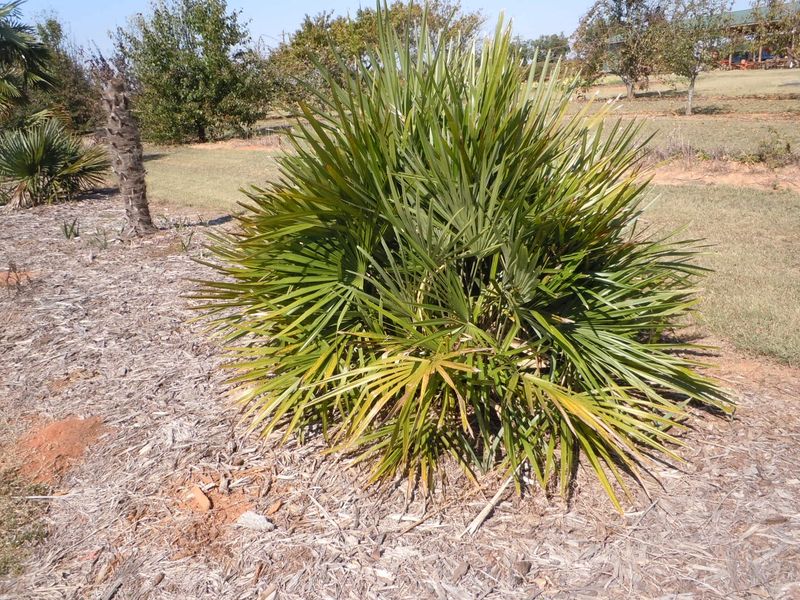
Sometimes the right palm shows up on sale in October, and waiting just isn’t happening. If you plant in fall, picking a cold-tolerant species can help tip the odds in your favor.
Needle palm is often listed among the toughest palms for cold areas.
It grows as a low, shrubby clump and handles shade fairly well. Windmill palm is another common choice, with a slim trunk and fan-shaped fronds that fit smaller yards.
Dwarf palmetto and saw palmetto are native to the Southeast and tend to handle cold better than many tropical types. Sabal palms, also called cabbage palms, do well in many parts of Georgia, especially in the south and along the coast.
Queen palms and many other tropical species are a much riskier bet in most of the state.
Even hardy palms can be hurt by cold when they’re small or newly planted. Cold tolerance numbers you see online usually refer to established plants, not fresh transplants.
Microclimates matter too.
A spot near a south-facing wall may stay a bit warmer than an open, low area where cold air settles. Planting in a sheltered, well-drained location can give a fall palm extra protection.
Smaller container plants of hardy species are usually the safest fall picks.
7. Proper Watering Helps Newly Planted Palms Establish Their Roots
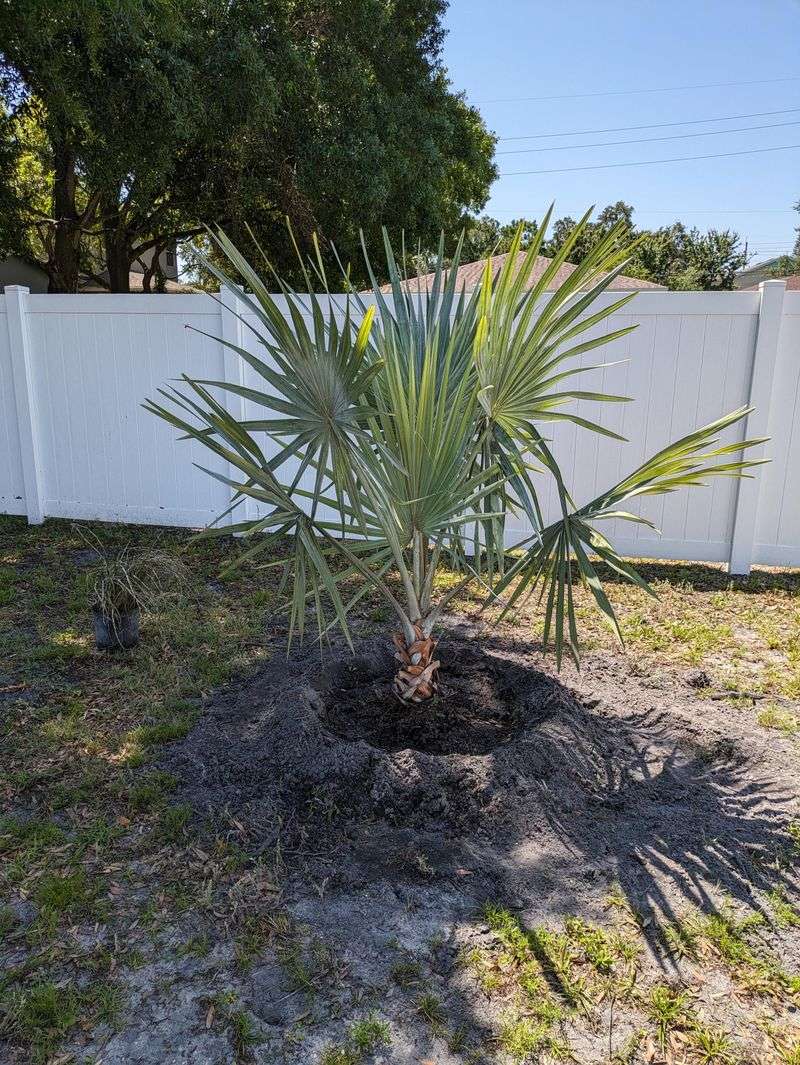
Water is where a lot of new palms win or lose. Too little leaves roots dry, while too much can leave them sitting in soggy, airless soil.
Right after planting, soak the root ball and surrounding soil thoroughly.
A small soil berm around the planting hole can help hold water in place so it soaks down instead of running off. Over the next several weeks, aim to keep the root zone evenly moist but not muddy.
How often should you water? The honest answer depends on your soil, the weather, and the size of the palm.
Sandy soil in south Georgia drains quickly and may need water more often.
Heavy red clay holds moisture much longer, so overwatering becomes a bigger risk there. Stick a finger or a small trowel a few inches into the soil before you reach for the hose.
In cooler months, palms use less water, so scale back as temperatures drop.
Still, winter dry spells happen, and a new palm with limited roots can dry out faster than you’d think. Watering before a forecast freeze may help, since moist soil tends to hold heat better than dry soil.
Skip heavy fertilizer on a fall-planted palm. Pushing new growth heading into winter can leave tender fronds open to cold damage, so wait for spring instead.