The Tulip Planting Depth Most Ohio Gardeners Get Wrong Every October
Tulips that bloomed beautifully the first spring and then came back thin and floppy often have one thing in common below the surface.
Many sat at a depth that seemed right at planting time but left them exposed later, a common mistake in Ohio beds.
Bulb packages often list a general depth, but soil type and bulb size can change what actually works. Gardeners who dig a little deeper than feels necessary tend to see sturdier stems.
Depth also affects how well the bulbs handle freeze and thaw cycles through winter.
Squirrels play a role too, since shallow bulbs are much easier for them to dig up. A few extra inches can make your bed less tempting.
Grab a ruler or mark your trowel before you start digging this weekend.
1. Quick Shallow Holes Can Cost You Blooms Down The Road
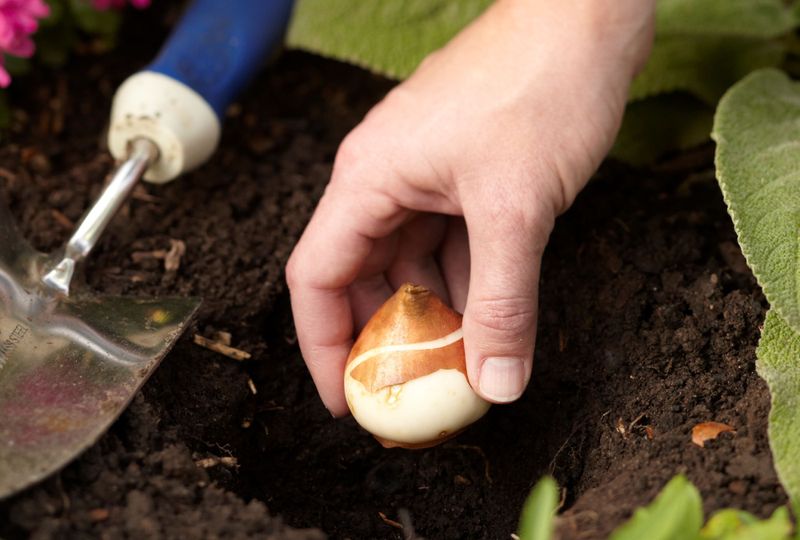
Speed feels great on a chilly fall afternoon, but rushing the hole is where trouble often starts. A bulb tucked just under the surface sits closer to cold swings, hungry critters, and drying winds.
Tulip bulbs need a depth that matches their size, and a common guideline is about three to four times the bulb’s height.
Package directions are worth reading before you dig. Most standard tulips end up roughly 6 to 8 inches deep, measured from the bottom of the bulb.
Shallow planting does not mean your tulips will fail right away.
Some shallow bulbs still bloom the first spring, since the flower forms inside the bulb before you ever buy it. Weaker stems or fewer flowers can show up in later years, though results vary with soil and weather.
Ohio winters add another wrinkle, since temperatures can swing from mild to bitter in a single week.
A ruler or a marked bulb planter takes the guesswork out of the job. Many trowels have inch markings on the blade, which makes checking depth quick and simple.
Loose, crumbly soil also helps you dig to the right depth without fighting every inch.
Spending an extra minute per hole adds up to a better spring display. Your future self, standing over a bed of bright tulips in April, will likely appreciate the effort.
2. A Simple Rule Ties Depth To The Size Of The Bulb
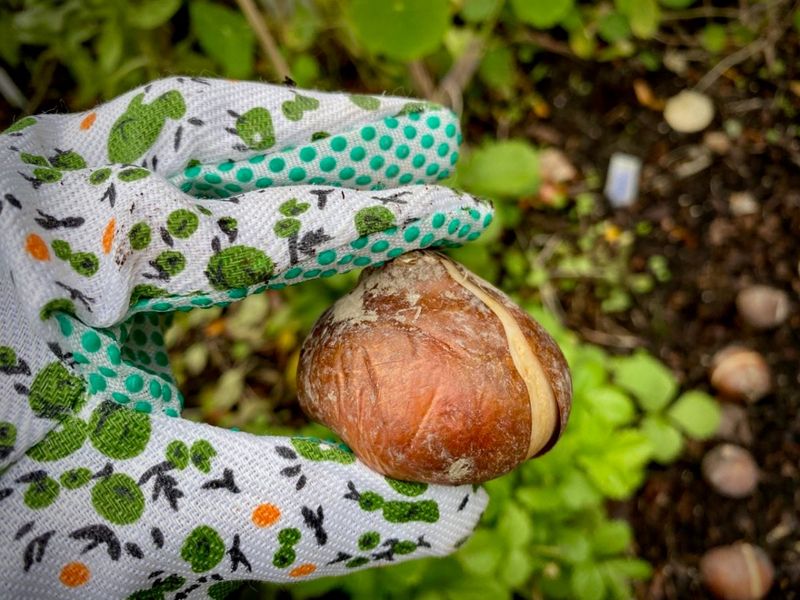
Measure the bulb first, and the hole practically measures itself. Gardeners often use a rule of planting a bulb about three times as deep as its height.
Some guides stretch that number to four times, especially in colder or sandier spots.
So a bulb that stands 2 inches tall would go roughly 6 to 8 inches down. Depth is usually measured from the soil surface to the base of the bulb, not the tip.
Tulip bulbs come in different sizes, and that matters more than people think.
Small species tulips often need less depth than big hybrid types. Planting a tiny bulb as deep as a large one can leave it working harder than it should.
Package labels give the best starting point because growers know their varieties.
Your Ohio Garden Changes Every Week. Your Plan Should Too.
Gardening in Ohio changes quickly throughout the season. Every Friday you’ll receive a simple weekly plan showing exactly what to plant, prune, fertilize, harvest, and protect so you never miss the right timing.
Soil type can nudge the number up or down a little. Heavy clay, which is common in many Ohio yards, may call for planting at the shallower end of the range.
Sandy soil drains faster and dries out sooner, so going a bit deeper can help.
A quick habit makes it easy. Hold a bulb against your trowel, eyeball its height, then multiply in your head before digging.
Once you do it a few times, you’ll get a feel for the right depth without much thinking.
3. Planting Too Deep Is Not Always Better For Tulips
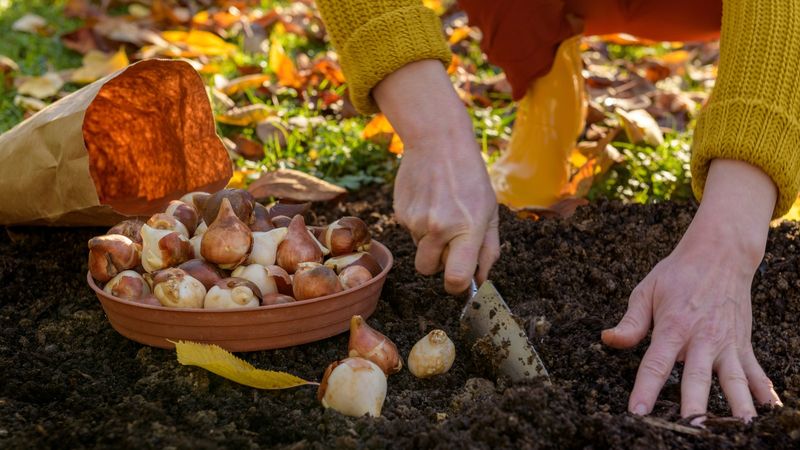
Deeper sounds safer, right? Not quite, since going too far down can create its own set of problems.
A bulb buried well past the recommended depth has to push its shoot through extra soil every spring.
Emergence may be delayed, and stems sometimes come up weaker or later than nearby tulips. In heavy soil, the effort can be even tougher.
Clay is the big concern here.
Much of Ohio has clay-rich ground that holds water after rain or snowmelt. Bulbs sitting deep in soggy clay are more likely to rot, especially in low spots where water collects.
Some gardeners do plant a little deeper on purpose, and there can be reasons for it.
Extra depth may offer some protection from digging animals or from temperature swings. A few growers also believe deeper planting helps some tulips return better, though results depend on variety, soil, and care.
Balance is the real goal.
Aim for the depth on the package, then adjust a bit for your soil instead of guessing. If your yard stays wet, working in compost or choosing a raised bed may help more than simply digging deeper.
A little restraint with the shovel often leads to healthier spring growth.
4. Squirrels Can Dig Up Bulbs Even When Planted Correctly
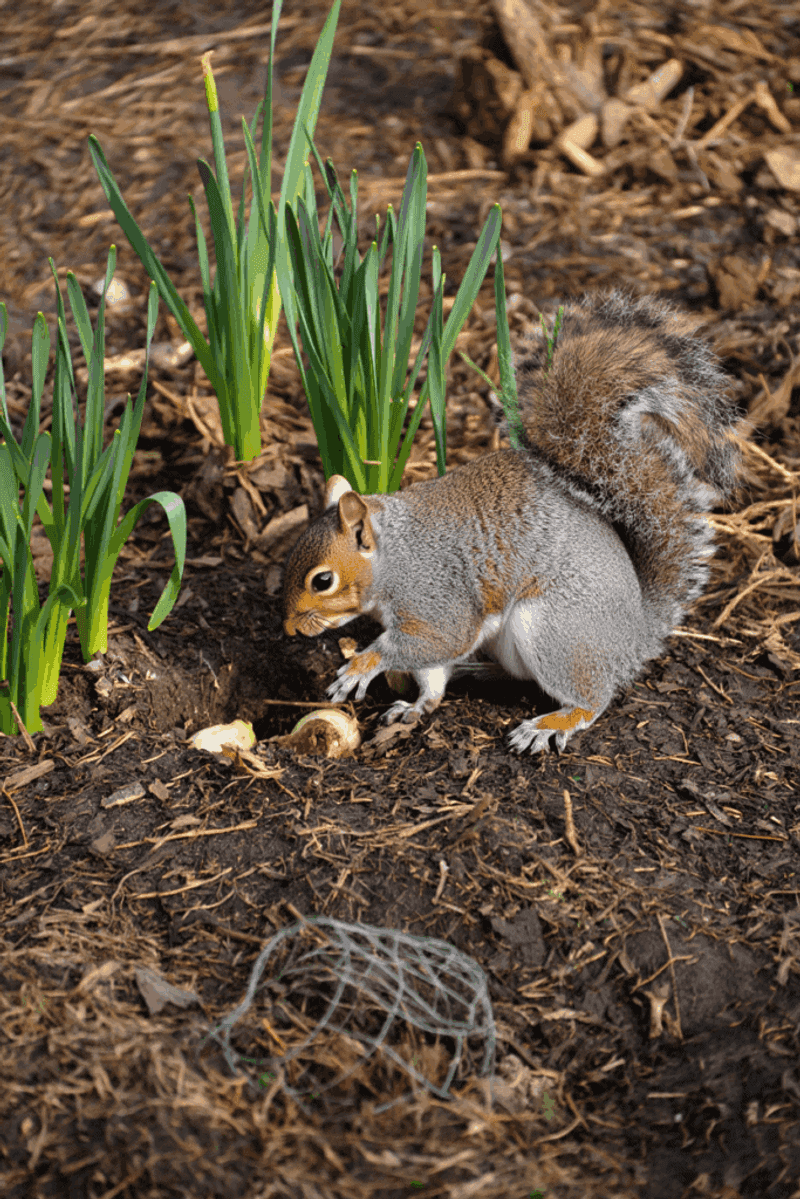
You did everything right, and the squirrel still found your tulips. Proper depth helps, but it won’t stop a determined digger every time.
Squirrels and chipmunks are often drawn to freshly turned soil.
Loose dirt and leftover bulb papery skins can catch their attention quickly. Clearing away debris and firming the soil after planting may make the spot a little less obvious.
Gray and fox squirrels are common across Ohio, and fall is a busy season for them.
Chicken wire or hardware cloth laid flat over the bed can help discourage digging. Pin it down, cover it with mulch, and remove it in late winter before shoots come up.
Some people plant tulips inside wire bulb cages for extra protection.
Repellent sprays are another option, though their success varies and they usually need reapplying after rain. Results can differ from one yard to the next.
Spring brings a different threat, since deer and rabbits often nibble tulip leaves and flowers.
If animals are a constant problem, consider mixing in daffodils. They are less appealing to squirrels and deer, which is why gardeners in critter-heavy neighborhoods often lean on them.
Patience and a few layers of defense usually work better than any single fix.
5. Freeze And Thaw Cycles Can Push Shallow Bulbs Upward
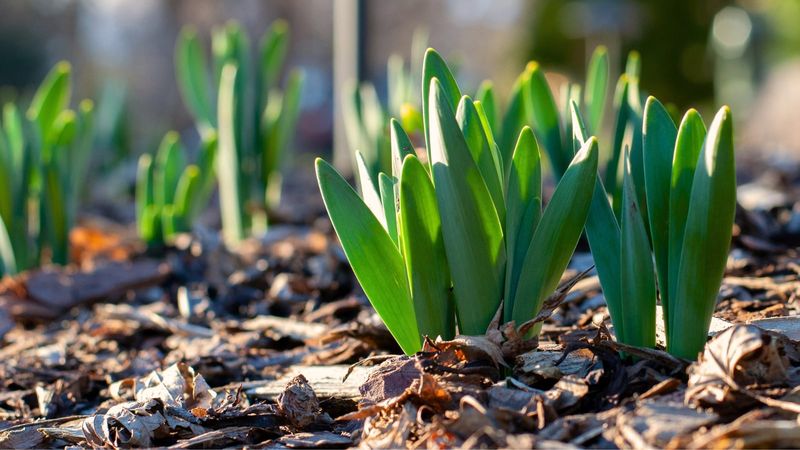
Winter ground isn’t as still as it looks. As moist soil freezes, it expands, and as it thaws, it settles again.
Repeated swings like that can slowly lift plants and bulbs toward the surface, a process called frost heaving.
Shallow bulbs tend to be more at risk than ones planted at the right depth. Exposed bulbs can dry out or get damaged by cold air.
Ohio often sees mild spells between hard freezes, and some winters bring plenty of back-and-forth weather.
Southern parts of the state may cycle through freezing and thawing more often than colder northern areas with steadier snow cover. Every winter is different, though, so the risk changes from year to year.
Mulch can help even things out.
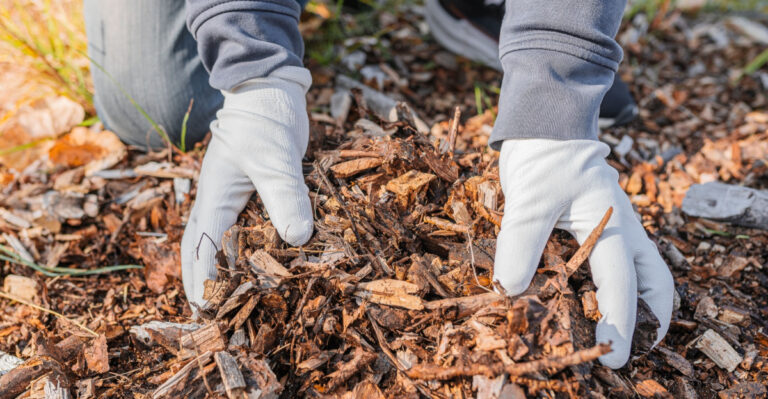
A layer of shredded leaves or bark, about 2 to 3 inches deep, can buffer soil temperature after the ground gets cold. Applying it after the soil starts to chill helps keep it from staying too warm too long.
Peek at your beds after a thaw in late winter.
If you spot a bulb poking out, gently press it back into place and cover it with soil. Proper depth from the start remains the easiest way to cut down on heaving trouble.
6. Planting In Fall Gives Bulbs Time To Establish Roots
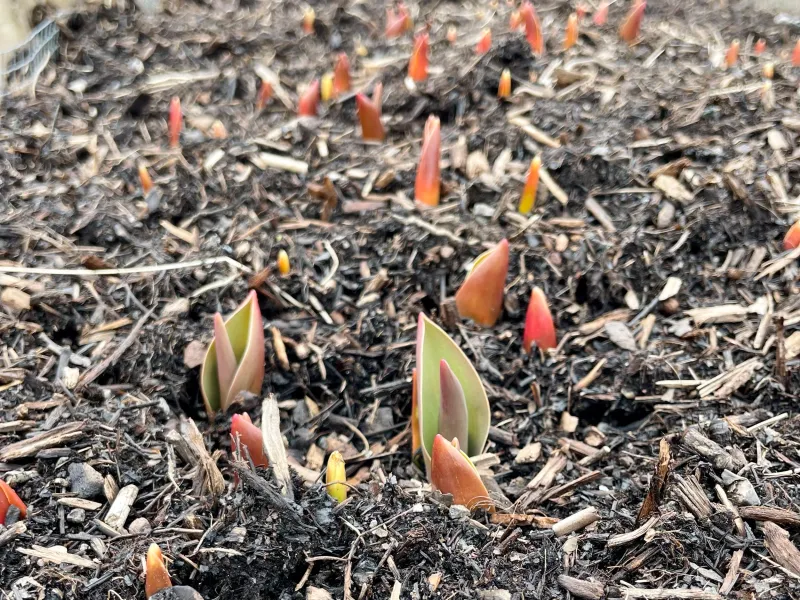
Tulips need a cold season before they can bloom well. Fall planting gives them that chill along with time to grow roots before the ground freezes.
Roots form while the soil is still workable, even after the air turns crisp.
Gardeners often plant once soil temperatures cool, which in most of Ohio means October into early November. Northern areas and spots near Lake Erie may cool at a different pace than southern counties, so local conditions matter.
Planting too early, while the soil is still warm, may lead to problems like early sprouting.
Waiting too long brings its own challenges. Frozen soil is hard to dig, and bulbs have less time to root before winter settles in.
Watering after planting helps settle soil around the bulbs and supports root growth.
Skip heavy fertilizing at this stage unless a soil test shows a need. A light amount of bulb fertilizer worked into the planting area is common, but rich soil often has enough to start.
Store bulbs in a cool, dry, airy spot if you can’t plant right away.
Firm, healthy bulbs are a better pick than soft or moldy ones. Good timing and solid bulbs together give spring tulips their best chance.
7. Pointed Tips Up And Good Drainage Finish The Job
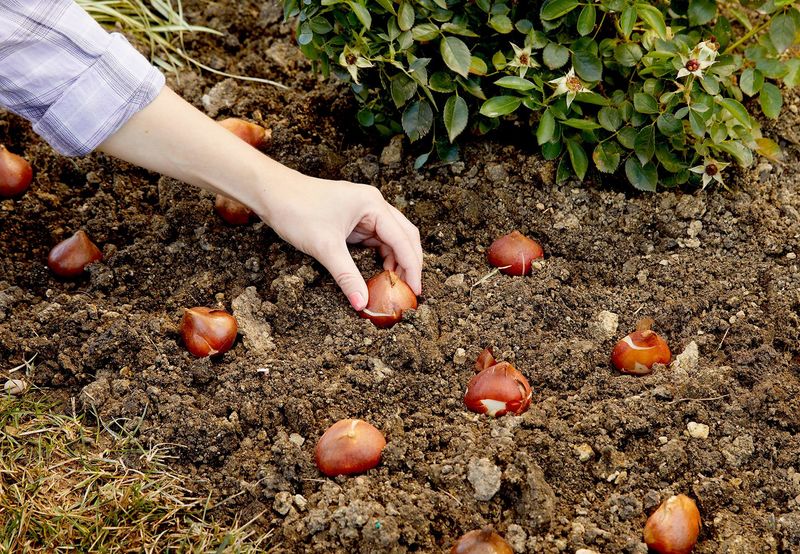
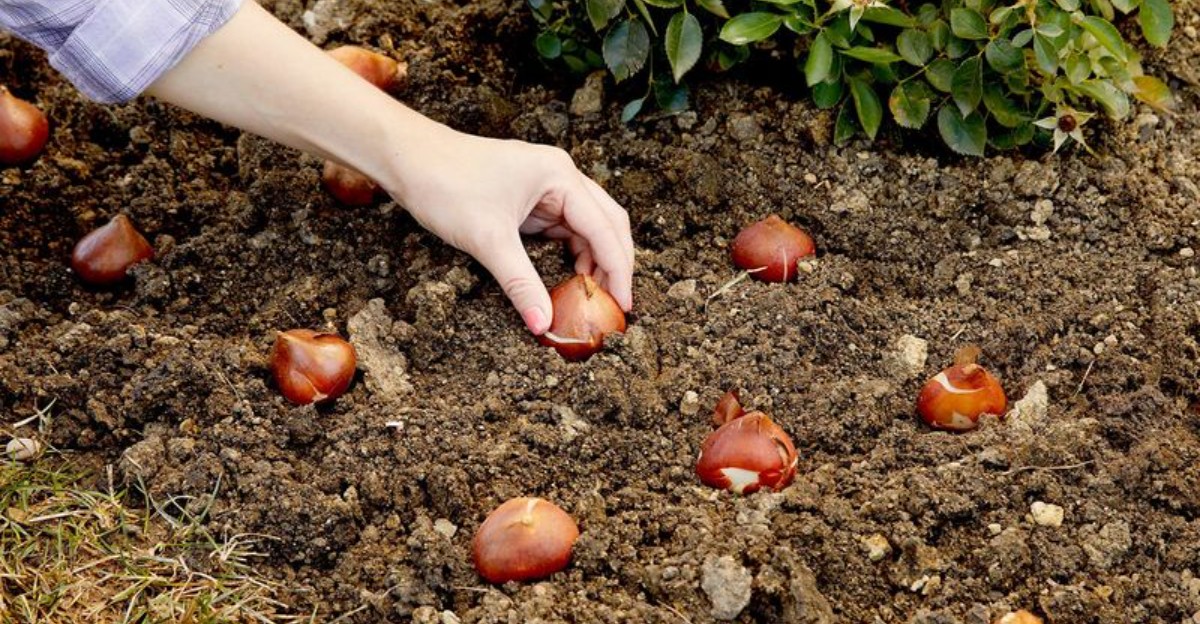
Small details can make or break a planting. Setting each bulb with its pointed tip facing up helps the shoot head straight for the surface.
The flatter end, where roots grow, should rest at the bottom of the hole.
If you can’t tell which way is up, laying the bulb on its side is often fine. The shoot can usually find its way, though it may take a bit longer.
Drainage deserves just as much attention as direction.
Tulips dislike sitting in wet ground, and soggy soil can lead to rot over a long winter. Before planting, dig a test hole, fill it with water, and see how quickly it drains.
Slow drainage is common in clay-heavy Ohio yards, especially in low corners.
Mixing compost into the bed can improve soil structure over time. Raised beds or gentle slopes are other good choices where water tends to pool.
Spacing matters too, and a few inches between bulbs gives each one room.
Once everything is set, cover the bulbs, press the soil gently, and water well. Mark the spot so you don’t dig into it later, then let winter do its quiet work until spring color appears.