Before Buying Another Florida Tropical Plant This Fall, Check The Lowest Temperature It Can Handle
That tropical beauty at the Florida nursery could turn into an expensive regret after one cold snap. Warm afternoons can fool you into thinking summer will stick around, but fall has a way of throwing a wrench into your garden plans.
The real kicker? Some tropical plants handle a chilly night just fine, while others start showing damage at temperatures you might not think twice about.
And the difference can come down to just a few degrees.
Before you bring home another leafy showstopper, check its cold tolerance. That tiny detail on the plant tag could save you a lot of heartache when temperatures take a nosedive.
1. Florida Spans USDA Zones 8 Through 11
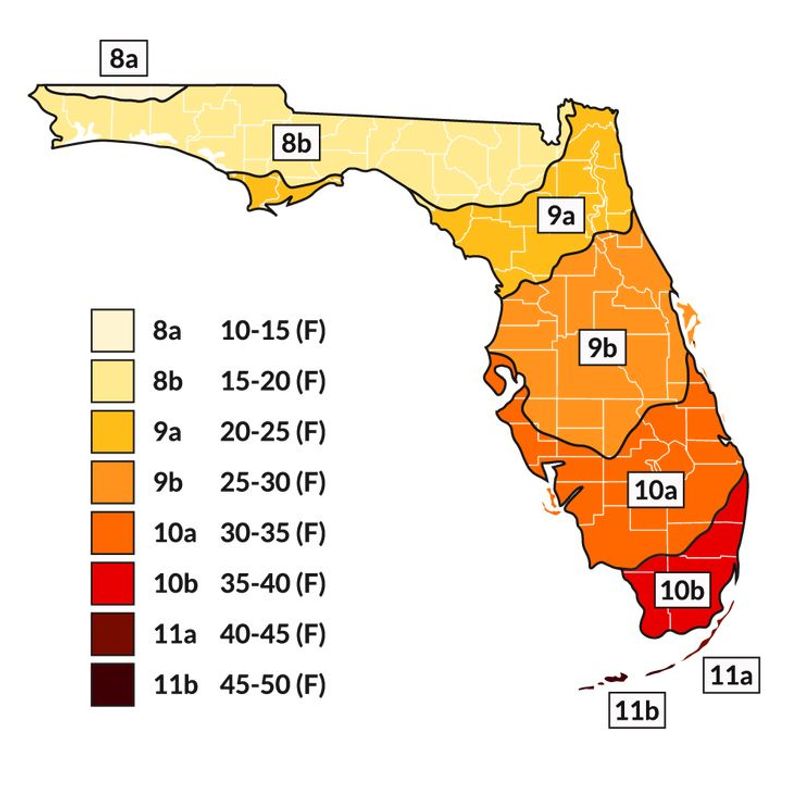
Drive from Pensacola to Key West, and you cross more than 800 miles of surprisingly different weather. A frosty morning in the Panhandle can feel like another planet compared to a breezy day in the Keys.
The state spans USDA hardiness zones from about 8b in the Panhandle to 11a in the warmest parts of the Keys. Each step up in that range means warmer average extreme winter lows, so a plant that thrives in Miami may struggle badly in Tallahassee.
For the most accurate result, check the USDA’s current interactive map for your specific location rather than relying on a statewide range.
Many shoppers assume all of the state is tropical. That idea feels true in July, but winter tells a different story, especially in the northern half of the state.
Think of it this way. North Florida shares more winter weather with parts of Georgia than with the Caribbean, while the Keys rarely see a frost at all.
Central Florida sits in the middle, which makes it tricky. Some winters pass with barely a chill, and others bring a hard freeze that catches gardeners off guard.
Before you buy, picture where you live on that long map. A friend in Naples may grow mangoes with ease, but the same tree could need serious protection near Ocala.
Knowing your place in this wide range is the first smart step. It helps you shop with confidence instead of crossing your fingers every cold front.
2. Your Zone Reflects Your Area’s Average Coldest Night
Here is a fun fact many gardeners miss. Your hardiness zone is not about average winter weather, but about the single coldest night your area tends to get each year.
The USDA looks at the lowest temperature recorded each winter over a 30-year span. Then it averages those extreme lows to place your area in a zone.
Each numbered zone covers a 10-degree Fahrenheit band. The letters a and b split that band into two 5-degree slices, so 9b is a bit warmer than 9a.
Why does this matter so much? A plant does not care about pleasant afternoons if one bitter night damages its leaves or roots.
For example, zone 10a has average extreme lows between 30 and 35 degrees. Zone 9a drops to between 20 and 25 degrees, which is a big difference for tender plants.
Your Florida Garden Changes Every Week. Your Plan Should Too.
Gardening in Florida changes quickly throughout the season. Every Friday you’ll receive a simple weekly plan showing exactly what to plant, prune, fertilize, harvest, and protect so you never miss the right timing.
Keep in mind that an average is not a promise. Some winters will be milder, and some will dip below the usual mark, so a little extra caution pays off.
When a plant label lists a hardiness zone, it gives you a guide to the winter cold the plant can typically survive once established. It does not guarantee that the plant will avoid leaf damage during a brief cold snap, and it does not tell you everything about its needs for heat, moisture, or shelter.
Match the plant’s recommended zone to your own, then check its specific cold tolerance before buying. That extra step can save you costly mistakes at the nursery checkout line.
3. The 2023 Map Shifted Much Of Peninsular Florida
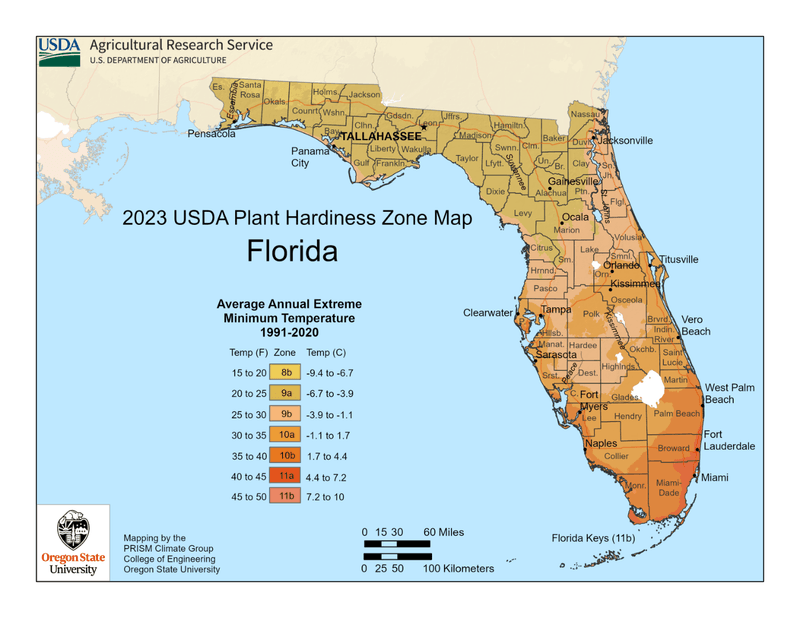
Remember checking your zone years ago? If so, it might be time for a fresh look, because the map has changed.
In November 2023, the USDA released its first updated hardiness map since 2012. Roughly half the country moved into a warmer half-zone, and much of peninsular region came along for the ride.
Coastal Manatee County is a good example. Areas once labeled 9a and 9b now show up as 10a and 10b along the coast.
That sounds exciting, right? It can open the door to a few plants that once felt risky, like certain palms or flowering shrubs.
Still, a new label does not erase cold snaps. The map reflects averages built from more weather stations and better data, not a guarantee that frost has packed its bags.
So treat the update like helpful news, not a free pass. If your zone moved up, try a borderline plant in a sheltered spot first, such as near a south-facing wall.
Older plant books and websites may still list the 2012 zones. Double-check the year on any chart you use so your choices match the latest information.
A quick update today can help you plan a smarter garden for many seasons ahead.
4. Look Up Your Zone By Zip Code
Grab your phone for thirty seconds. That is about all the time it takes to find your exact hardiness zone.
The USDA offers a free online map where you type in your zip code. In a blink, it shows your zone and subzone, plus the temperature range that goes with it.
Doing this beats guessing based on a big state map. Zones can change within a short drive, especially near the coast or large lakes.
Water holds heat, so homes near the ocean or a big lake often stay a little warmer. Inland neighborhoods and low spots may grab more of the cold.
Once you know your zone, write it down somewhere handy. A note on your phone or a sticky label inside your garden journal works great.
Bring that number with you when you shop. When a pretty plant catches your eye, you can compare its zone right there in the aisle.
Here is a bonus tip. Pay attention to your own yard, too, because cold air sinks and can pool in low corners.
Your zip code gives you a strong starting point. Your own eyes and a cheap outdoor thermometer can fill in the rest of the picture.
5. Check UF/IFAS Plant Guides, Not Just The Tag
Plant tags are tiny, and so is the information they usually share. Many are printed for the whole country, not for the sandy soil and quirky winters of Florida.
That is where UF/IFAS steps in. The University of Florida Institute of Food and Agricultural Sciences runs an Extension service packed with free, local advice.
Its Gardening Solutions website is a gold mine. You can search a plant by name and learn its cold tolerance, sun needs, and best regions in the state.
Another handy resource is the Florida-Friendly Landscaping Guide to Plant Selection and Landscape Design. It suggests plants that fit North, Central, and South Florida separately.
Why trust these guides over a tag? Researchers test plants in real conditions, so the advice reflects local frost, heat, and humidity.
Your county Extension office can help, too. Many offer Master Gardener volunteers who answer questions by phone, email, or at local plant clinics.
Try this habit next time you shop. Snap a photo of the tag, then look the plant up on the UF/IFAS site before you pay.
A few minutes of reading can save you money and heartache. It also turns you into the smartest shopper in the garden center.
6. Many Tropicals Suffer Chilling Injury Below 50 Degrees
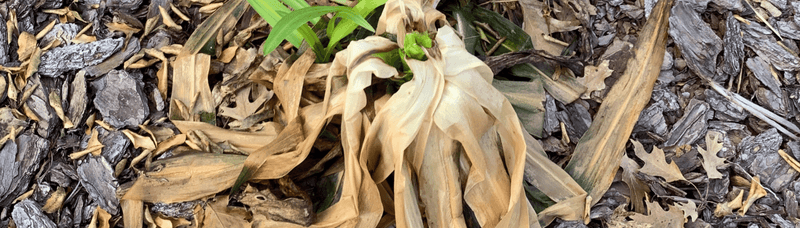
No frost on the windshield? Your tropical plants may still be shivering.
Many tropical plants are sensitive to cool weather, and some can develop chilling injury at temperatures well above freezing. But there is no single cutoff that applies to every tropical plant: sensitivity varies by species, variety, exposure time, and growing conditions.
The signs can sneak up on you. Depending on the plant, leaves may turn dark, look water-soaked, develop brown patches, or wilt even though the soil is moist.
Growth often slows down, too. A plant that pushed out new leaves all summer may seem to hit the pause button for weeks.
How bad it gets depends on two things. The type of plant matters, and so does how long the chill lasts, since one cool hour is easier to handle than a whole cold night.
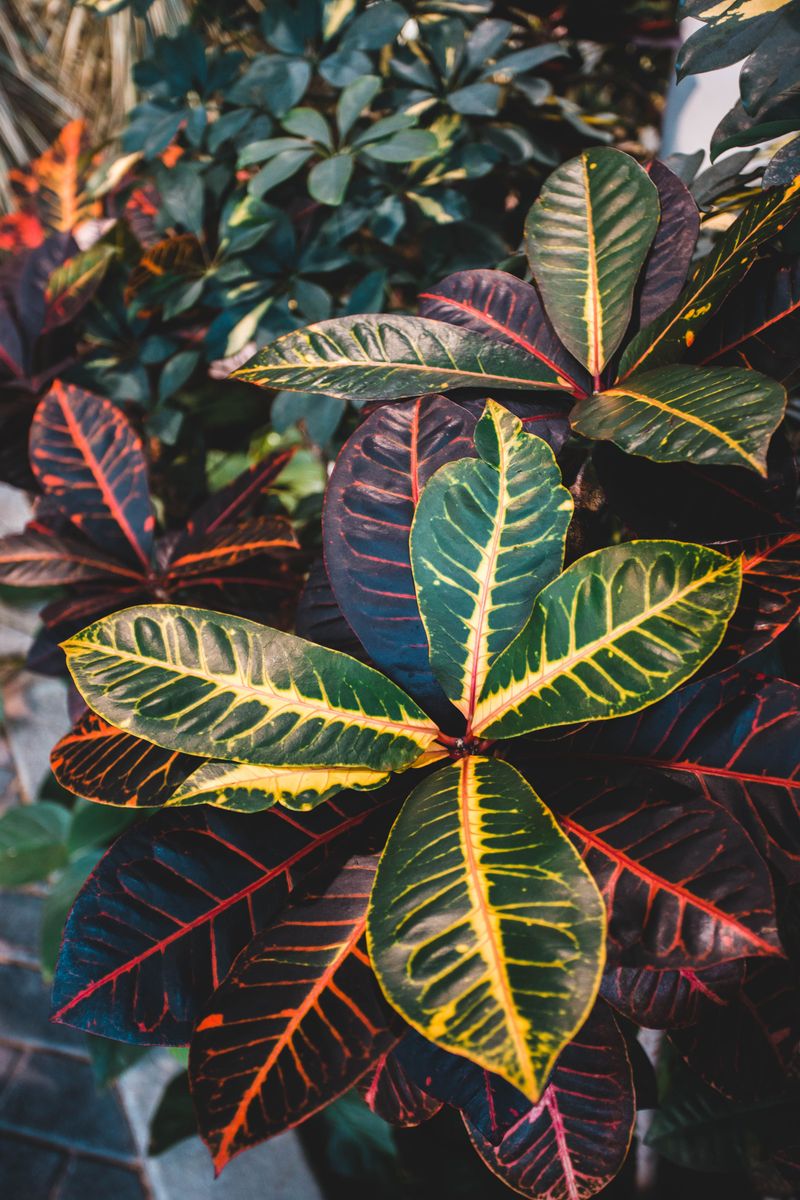
Popular plants like crotons, some philodendrons, and many orchids can be sensitive to cold, but their responses vary. A night in the 40s may injure some plants, while others can tolerate cooler conditions.
Check the specific plant’s care guidance before deciding when to bring it indoors.
So what can you do? Watch the forecast, and move potted plants into a garage or porch when lows dip into the 40s.
For in-ground plants, a frost cloth or old bedsheet can help trap warmth from the soil. Remove it in the morning so the plant does not overheat.
Planning for 50 degrees, not just 32, keeps tropical beauties looking their best.
7. Plumeria Does Best In Zones 10B To 11
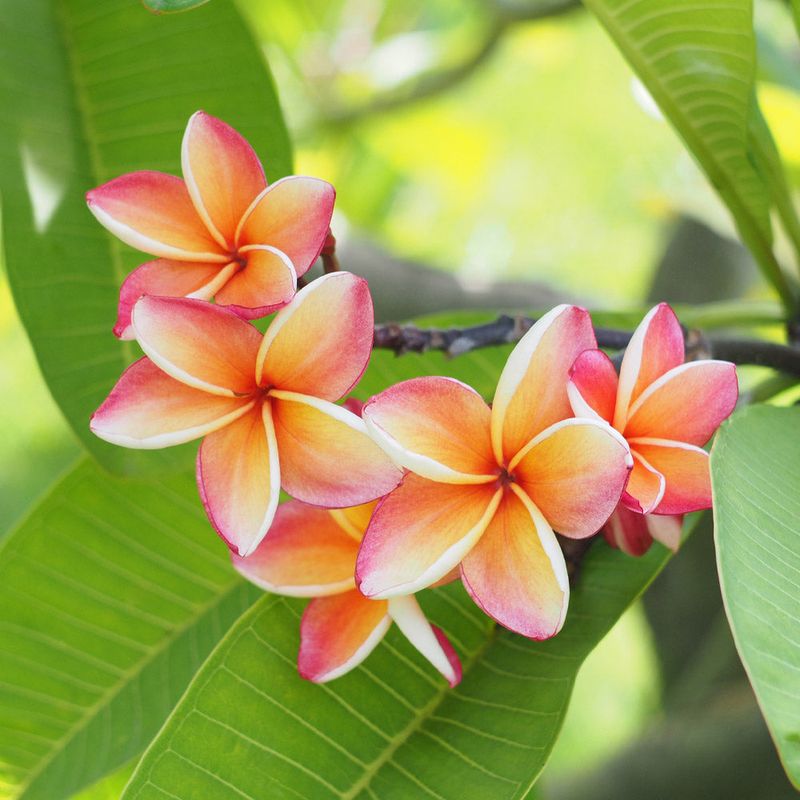
One sniff of a plumeria flower can transport you straight to a Hawaiian beach. Those sweet, waxy blooms are the classic flowers used in leis.
Plumeria loves heat, and it shows. The plant grows well in zones 10 through 12, while UF/IFAS recommends zones 10B to 11 for the best results in the state.
That means much of South Florida can grow it in the ground. Gardeners farther north usually need a different plan.
Containers are a practical option for gardeners in colder parts of Florida. Plant plumeria in a pot with fast-draining soil so you can move it to a sheltered spot when cold weather approaches.
Plumeria often goes dormant as days shorten and temperatures cool, dropping its leaves and looking like a bare stick. That can be normal, but protect it from cold and avoid keeping the soil wet while it is dormant.
During this resting time, water very little. Soggy soil in cool weather can lead to rot, which is a bigger problem than the chill itself.
Fun fact for curious gardeners. Plumeria is named after Charles Plumier, a French botanist who explored the Caribbean in the 1600s.
When spring warms up, roll the pot back outside. With sunshine and steady warmth, those fragrant flowers should return to brighten your summer evenings.
8. Bananas Can Be Damaged At 32 Degrees
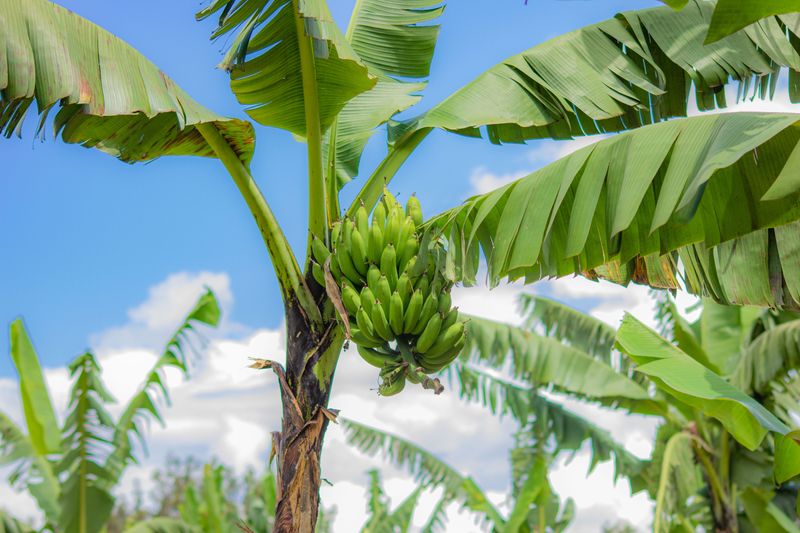
Big, floppy banana leaves can make any backyard feel like a jungle. One frosty night, though, can turn that green canopy brown in a hurry.
Banana plants are quite sensitive to cold. Leaf damage often shows up around 32 degrees, and most edible varieties may suffer even from a light frost.
Cool weather slows them down long before that. When temperatures stay below 50 degrees for a stretch, growth can stall and fruit may take much longer to ripen.
Here is the hopeful part. The underground rhizome, which is the plant’s underground growing base, is tougher than the leaves and aboveground stem.
Even when frost destroys the leaves and stem, the rhizome may survive and send up fresh shoots when warm weather returns. Severe cold can damage or destroy it, though, so don’t count on every banana plant bouncing back after a freeze.
To give them a fighting chance, pile mulch thickly around the base before a cold snap. Some gardeners also wrap the lower trunk with burlap or frost cloth.
After a freeze, resist the urge to chop everything right away. Wait until warm weather returns, then trim brown leaves and see where new growth appears.
Planting bananas on the south side of your home can add a few precious degrees of warmth during chilly nights.
9. Desert Rose Is Sensitive Below 40 Degrees
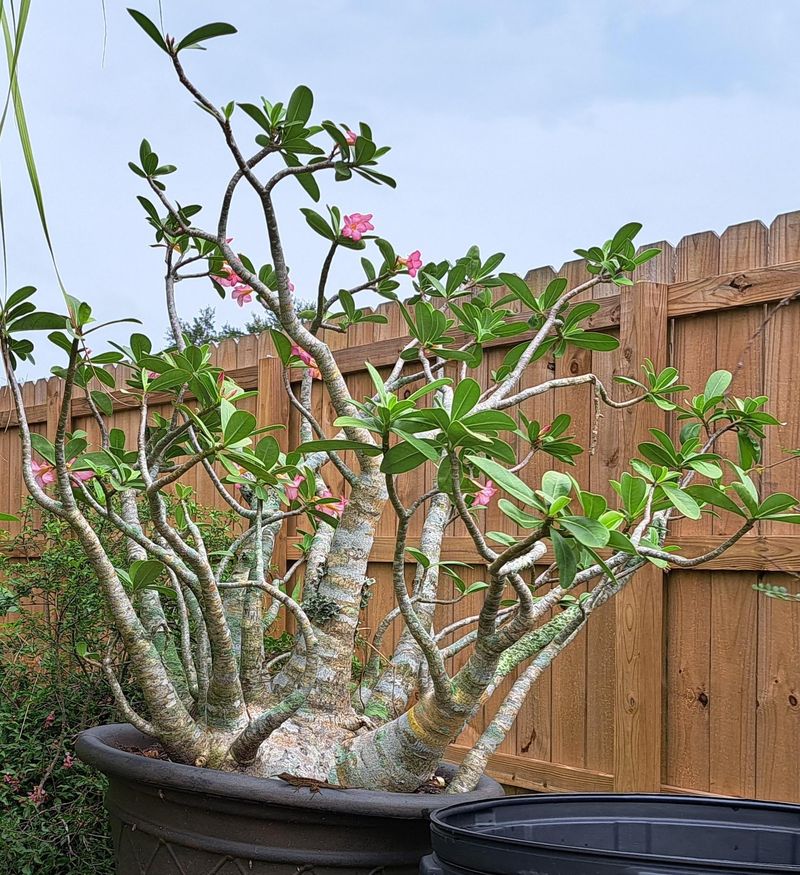
With its chubby trunk and bright pink flowers, desert rose looks like a tiny bonsai tree that got dressed up for a party. It is easy to fall for one at first sight.
This succulent, known by scientists as Adenium obesum, comes from hot, dry parts of Africa and Arabia. It feels most at home between 65 and 90 degrees.
Cold is its weak spot. Desert rose is a heat-loving succulent, and cold conditions can cause leaf drop and damage.
Wet soil during cool weather also increases the risk of rot.
Many gardeners play it safe by growing desert rose in a container and moving it to a warm, sheltered spot before cold weather arrives. The exact temperature to act at depends on the plant and its growing conditions, so avoid treating 40°F as a guaranteed safe limit.
That is why it is often grown in pots here. A container lets you move it inside quickly when a cold front rolls through.
Indoors, place it near your sunniest window. Cut back on water during cool months, since wet soil plus chilly air is a risky mix for that thick trunk.
Did you know? The swollen base, called a caudex, stores water so the plant can survive long droughts in its native home.
Treat it like a sun-loving houseguest during winter. Come spring, it will be ready to soak up Florida sunshine and bloom once again.