Wild Animals You Can’t Keep As Pets In Virginia, Even If You Found Them In Your Yard
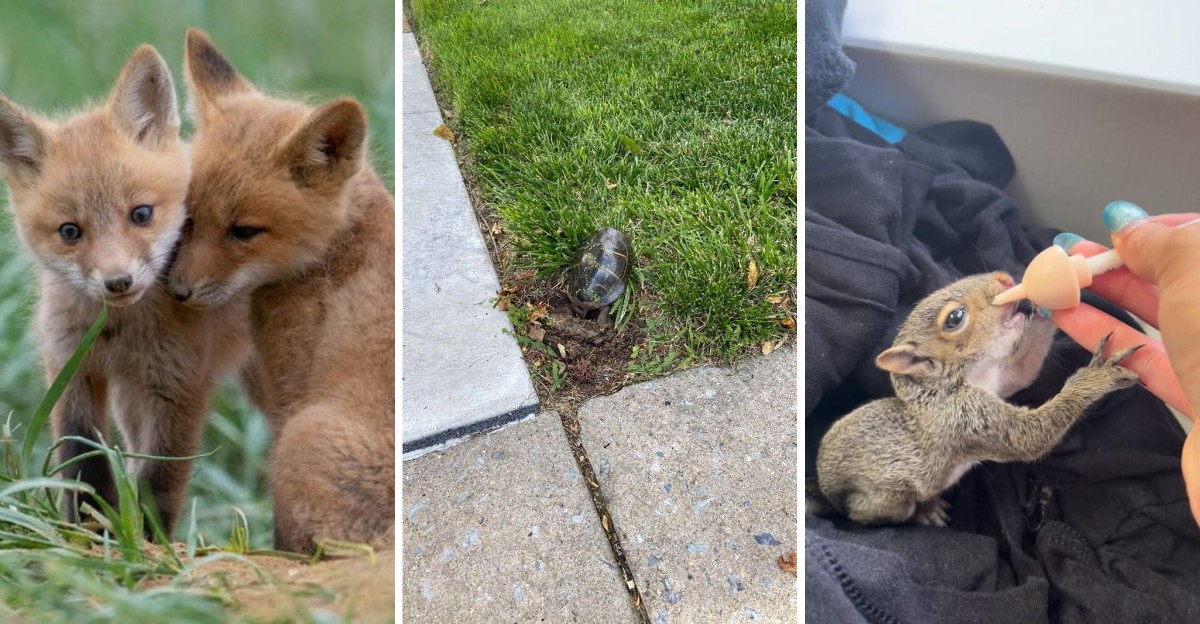
A tiny box turtle crawls across your dewy lawn, its shell glowing like polished wood in the morning sun. Your first instinct might be to find a shoebox and give it a cozy new home.
Plenty of kind-hearted people feel that same tug when they spot a fawn curled in the grass or a baby bird under a bush. Good intentions, though, don’t change the rules.
Virginia has clear laws about wild animals, and many of them surprise folks who simply wanted to help. Some limit how many creatures you can keep, while others cover where you’re allowed to move them.
Before you scoop up that critter, it pays to know what the law says and why it exists. The answer could save you a fine and save an animal a lot of stress.
1. Keeping Any Wild Animal As A Pet Is Illegal In Virginia
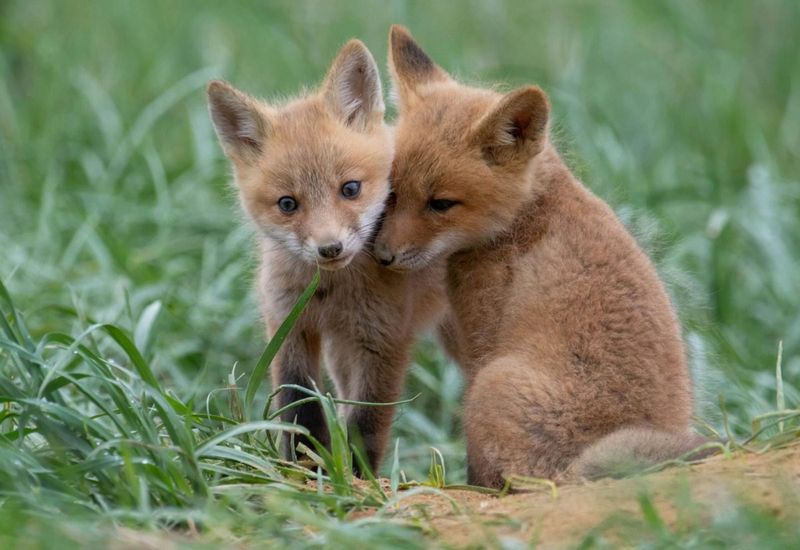
Raccoons look like cute bandits, and squirrels seem friendly enough to tame. Under Virginia law, though, owning almost any wild animal without a permit is off limits.
The rule is wide on purpose. People generally cannot possess, transport, import, or sell wildlife unless a specific law allows it.
Many folks are surprised by how broad the ban really is. It covers mammals, birds, and many other creatures that wander into neighborhoods each day.
Safety plays a big part in why the law exists. Wild animals can bite, scratch, and carry illnesses like rabies that spread to people and pets.
Animal welfare matters too. A wild creature kept in a cage or spare bedroom rarely gets the space, diet, or freedom it needs.
Think about what a fox does in a single night. It may roam for miles, hunt, dig, and explore, which no living room can match.
Permits do exist for certain situations, such as education, research, or licensed rehabilitation. Those permits come with strict rules, inspections, and training requirements most families could not meet.
So what can you do if you adore local wildlife? Try setting up a trail camera or a bird feeder to enjoy animals safely from a distance.
Planting native flowers and shrubs can also attract butterflies, birds, and other visitors. You get the fun of watching nature while staying on the right side of the law.
Keep in mind that a wild animal is happiest in the wild. Admiring it from your window is often the kindest choice of all.
2. That Box Turtle In Your Yard Can’t Become A Family Pet
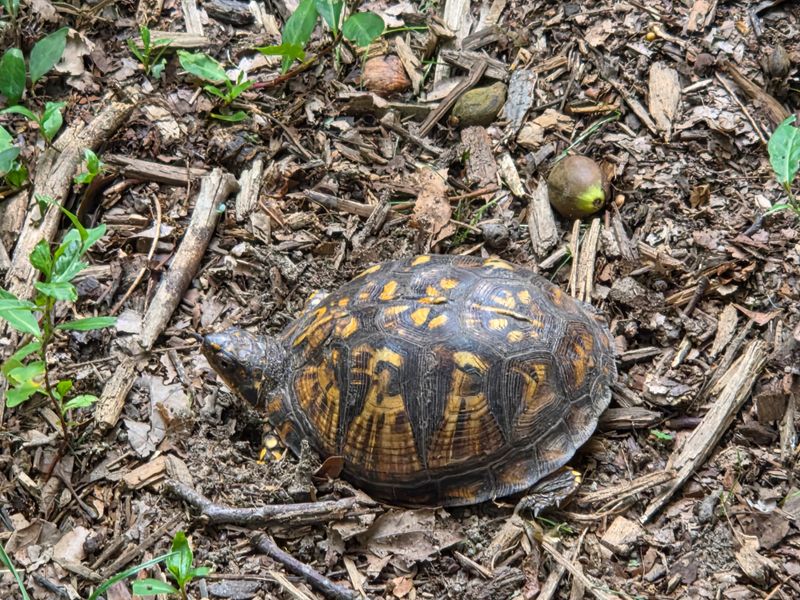
Few backyard finds feel as magical as an Eastern box turtle. With its orange speckles and slow, steady walk, it seems made for a kid’s bedroom terrarium.
Sadly, that charming visitor needs to stay outdoors. The Virginia Department of Wildlife Resources has seen a rise in illegal reptile trade, especially involving turtles.
New rules took effect on July 1, 2021, and they made keeping a box turtle as a pet illegal. The same rules also limit how many other native reptiles and amphibians a household can keep.
Your Virginia Garden Changes Every Week. Your Plan Should Too.
Gardening in Virginia changes quickly throughout the season. Every Friday you’ll receive a simple weekly plan showing exactly what to plant, prune, fertilize, harvest, and protect so you never miss the right timing.
Box turtles face plenty of trouble in the wild already. Roads, lawn mowers, pets, and shrinking habitat all cut into their numbers each year.
Here is a fun fact that might surprise you. Box turtles can live well over 50 years, and some reach 100 in the right conditions.
Because they live so long, each adult matters a lot. They grow slowly and lay few eggs, so losing even one can hurt a local group.
Captivity also tends to go poorly for these turtles. Many grow sick from poor diets, wrong temperatures, or stress from constant handling.
Want to help instead? Snap a photo, enjoy the moment, and let the turtle continue on its way.
You can also make your yard friendlier by leaving leaf piles and brushy corners. Checking the grass before mowing can protect a hidden turtle from serious injury.
Your family still gets a turtle story to share. The best part is that the turtle gets to keep living its long, slow life outdoors.
3. Moving A Turtle To A “Better” Spot Breaks The Law Too
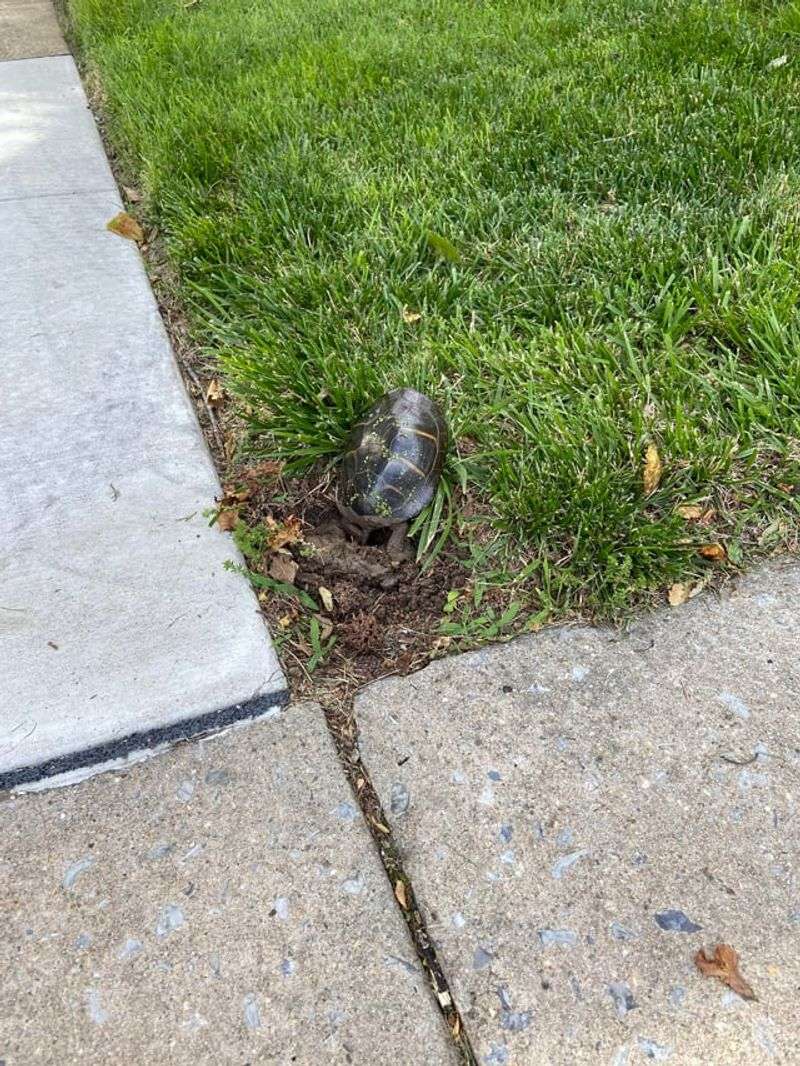
Imagine spotting a turtle near a busy street and carrying it to a peaceful park across town. It feels like a heroic move, yet it can actually hurt the turtle.
Virginia law generally forbids relocating wild animals within the state unless a rule permits it. Pulling a creature from its native area is also considered inhumane.
Why does a short car ride matter so much? Turtles know their home range very well, including spots for food, water, shelter, and winter sleep.
Box turtles often live their whole lives within a small area. When moved far away, many wander for months trying to find their way back.
That wandering puts them in danger. They may cross more roads, face unfamiliar predators, or struggle to find a safe place to rest.
So what should you do with a turtle on the road? If it is safe for you, carry it across in the direction it was already heading.
Place it a little way off the pavement in grass or brush. Turning it around will only send it right back into traffic.
Keep your own safety first, too. Turn on hazard lights, watch for cars, and skip the rescue if the road feels too busy.
Washing your hands afterward is a smart habit. Reptiles can carry germs like Salmonella, even when they look perfectly healthy.
A few careful steps can make a big difference. The turtle stays in its neighborhood, and you leave knowing you truly helped.
4. Most Native Reptiles And Amphibians Are Capped At One Per Home
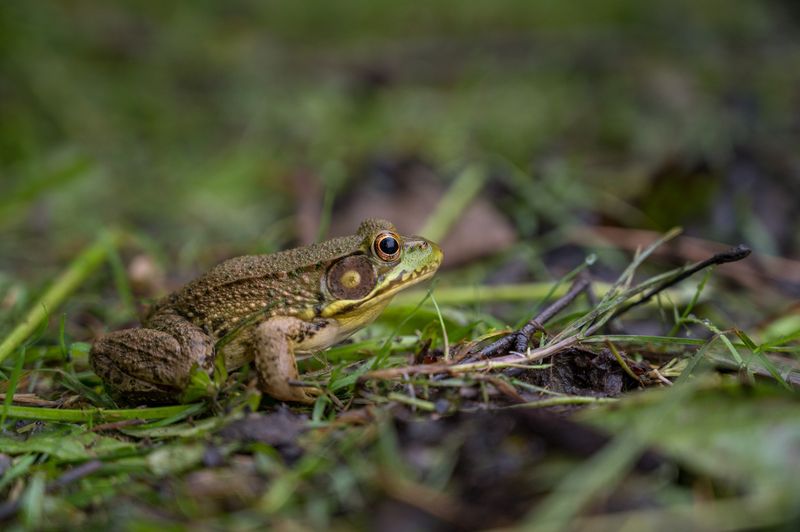
One. Yes, just one is the magic number for many native reptiles and amphibians in Virginia.
Under rules set in 2021, each household may keep only one native reptile or amphibian of a non-listed species, total. That’s one animal per address, not one per person or one of each kind.
Closing that gap helped slow collectors who gathered animals by the dozen. Some of those animals ended up sold, shipped away, or kept in poor conditions.
Picture a kid catching three green frogs from a backyard pond. Under the current rule, only one of those frogs could legally stay.
Threatened and endangered species get even stronger protection. Keeping any of them for personal use is strictly prohibited, no matter how you found the animal.
Telling species apart can be tricky for beginners. A harmless-looking salamander or snake might actually be a protected species that needs to stay put.
Here is a handy tip before you keep anything. Check the DWR website for species lists, or ask a local nature center for help identifying the animal.
Also remember that box turtles are on Virginia’s list of Species of Greatest Conservation Need. That means keeping one isn’t just discouraged; it’s against the law.
Many families find that watching beats keeping. A pond with native plants can draw frogs, toads, and dragonflies all summer long.
Kids often enjoy keeping a nature journal of what they spot. Sketching a toad or counting frog calls builds curiosity without removing animals from the wild.
5. A “Lonely” Fawn Usually Isn’t Orphaned
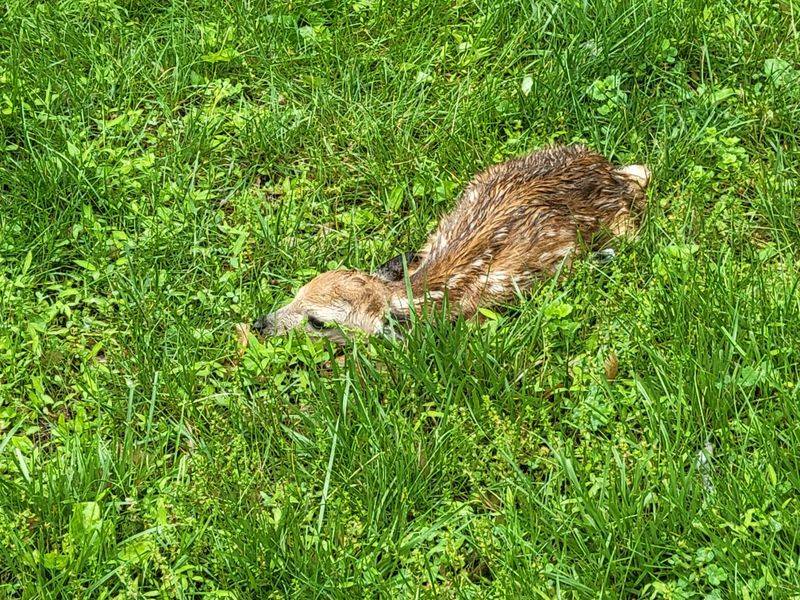
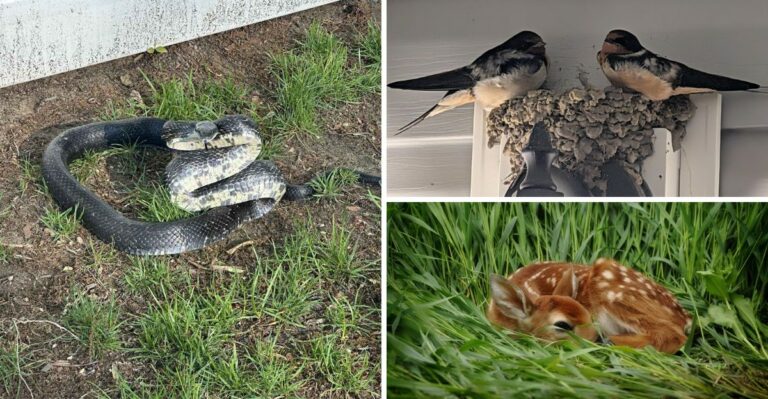
Every spring, someone in Virginia finds a spotted fawn curled up alone in the grass. The tiny deer looks helpless, and hearts melt instantly.
Here is the good news, though. That fawn is most likely just fine, with its mother waiting somewhere nearby.
Wildlife experts see this situation over and over. Many young animals that people rescue each spring should have been left right where they were.
Deer mothers seldom abandon their babies for good. Instead, they leave fawns hidden for hours while they feed and keep watch from a distance.
A fawn has clever built-in protection, too. Its spotted coat blends into dappled sunlight, and it gives off very little scent for predators to track.
The fawn’s job is to stay still and quiet. It may not move even when people walk close, which can look alarming but is normal.
So how can you tell if something is wrong? Signs of trouble include visible wounds, flies swarming around it, or constant crying for many hours.
If none of those signs appear, back away and give the area space. Keep pets indoors or leashed so the mother feels safe returning.
You can check again the next day from far away. A fawn in a slightly different spot usually means its mom has been visiting.
Touching or picking up the fawn is not a good idea. Leaving it alone is often the most caring thing you can offer.
6. Wild Parents Leave Their Babies Alone On Purpose
Human parents would never leave a baby alone in the yard. In the wild, though, stepping away is often the smartest form of protection.
Many wild mothers hide their young and leave on purpose. Staying close all day could draw predators straight to the nest.
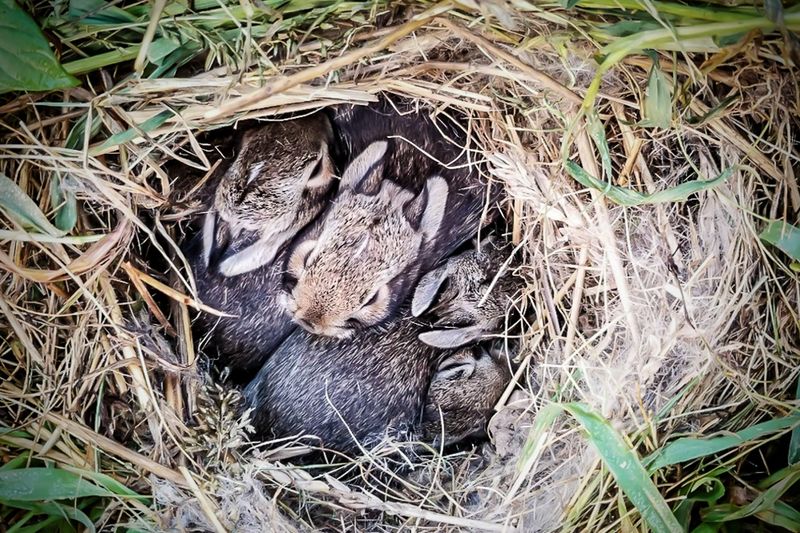
Cottontail rabbits offer a great example. A mother rabbit may visit her nest only around dawn and dusk to feed her babies quickly.
To a homeowner, that shallow nest of bunnies can look abandoned. Most of the time, the mother is simply keeping her distance to stay unnoticed.
Birds work in a similar way. Fledglings often hop on the ground for a few days while parents feed them from nearby branches.
Want to test whether a rabbit mom is returning? Lay a few pieces of string or grass in an X shape over the nest.
Check back the next morning. If the pattern has moved, the mother has likely stopped by to feed her young.
For baby birds, look at their feathers. A bird with feathers hopping around is probably a fledgling and should stay where it is.
A naked or nearly bare chick may have fallen from its nest. If you can reach the nest safely, gently placing it back is usually fine.
Patience is the secret ingredient here. Watching quietly from inside gives parents the room they need to finish their important work.
7. Only Licensed Rehabilitators Can Raise Wild Babies
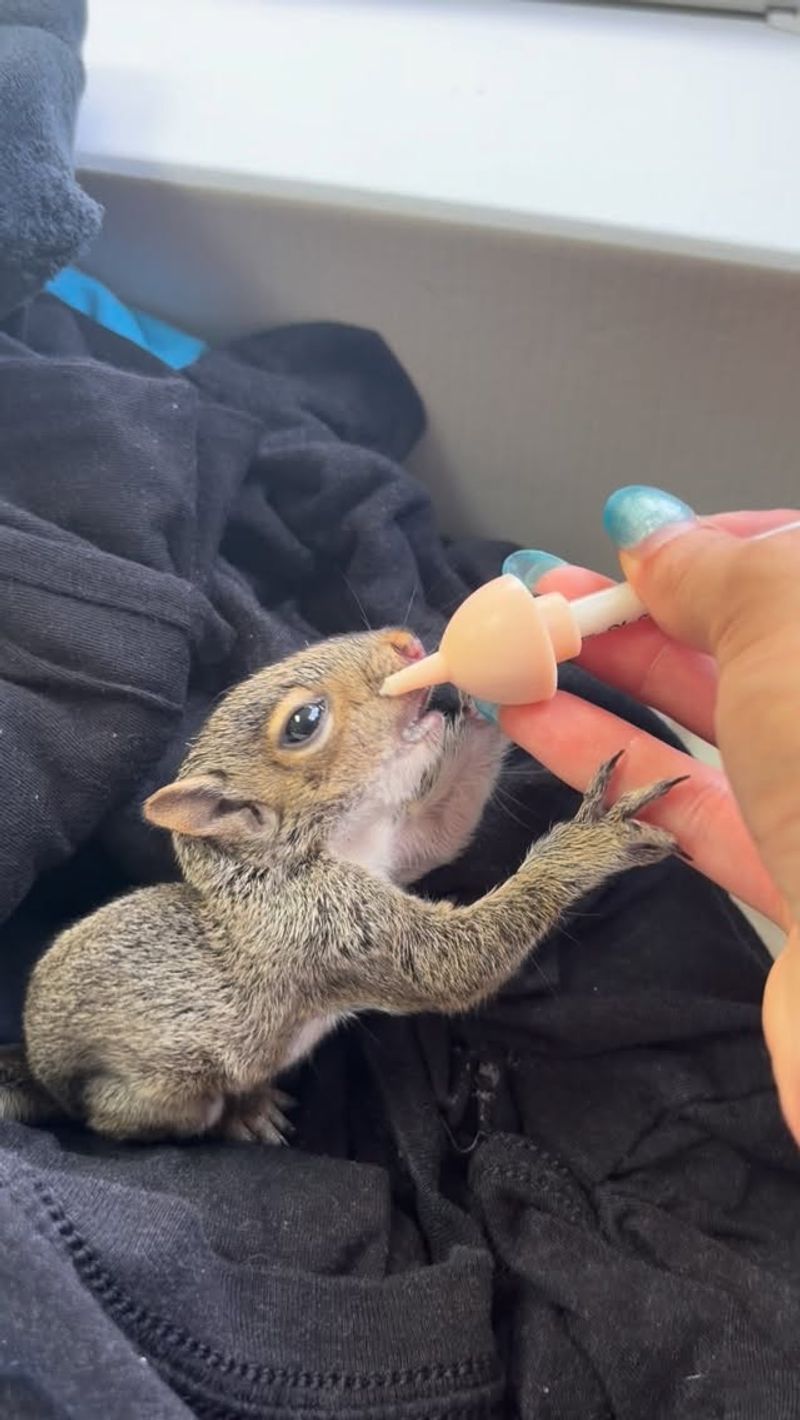
Bottle-feeding a baby squirrel sounds sweet, like something from a cozy movie. In real life, it requires special training, gear, and a state permit.
In Virginia, only licensed wildlife rehabilitators with DWR permits may care for sick, injured, or orphaned wildlife. Raising a wild animal on your own is against the law.
There is one helpful exception to know. You may legally transport a wild animal in need directly to a permitted rehabilitator.
Why not just do it yourself at home? Wild babies need very specific diets, and the wrong formula can cause serious health problems quickly.
Cow’s milk, for example, upsets the stomachs of many young mammals. Feeding the wrong thing, or feeding too fast, can lead to choking or pneumonia.
Rehabilitators also work to keep animals wild. They limit human contact so the animals do not grow too comfortable around people.
A squirrel raised like a pet may approach strangers or dogs after release. That friendliness can put the animal in real danger later on.
Licensed centers also check for diseases that people might miss. Some, like rabies or certain parasites, can spread to humans and pets.
Curious about this kind of work? Many wildlife centers welcome volunteers to clean enclosures, prepare food, or help with fundraising events.
Volunteering lets you support animals while learning from trained experts. It may even spark a future career in wildlife care.
8. Relocating Wildlife Is Illegal In Virginia
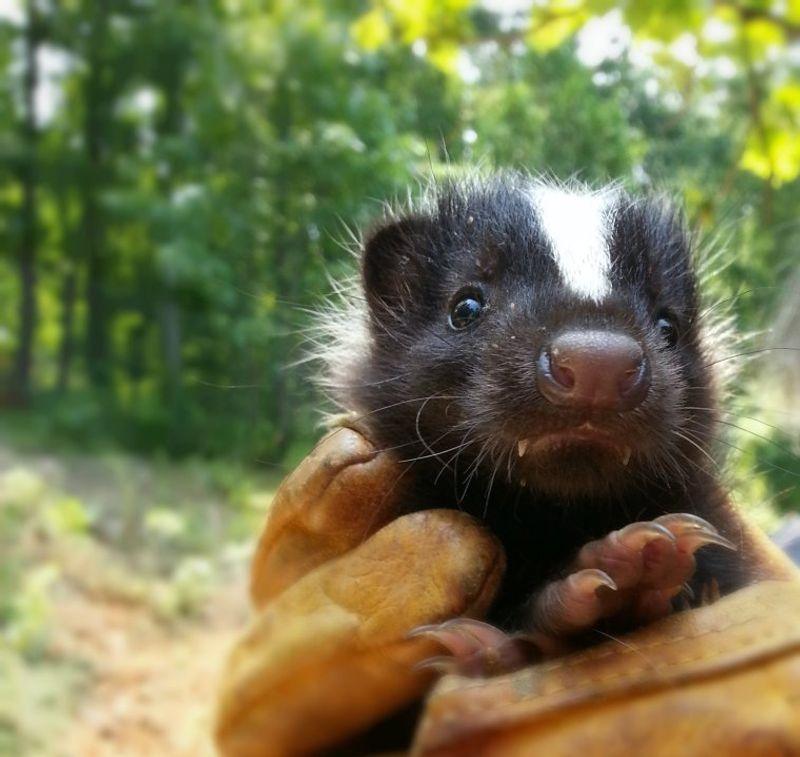
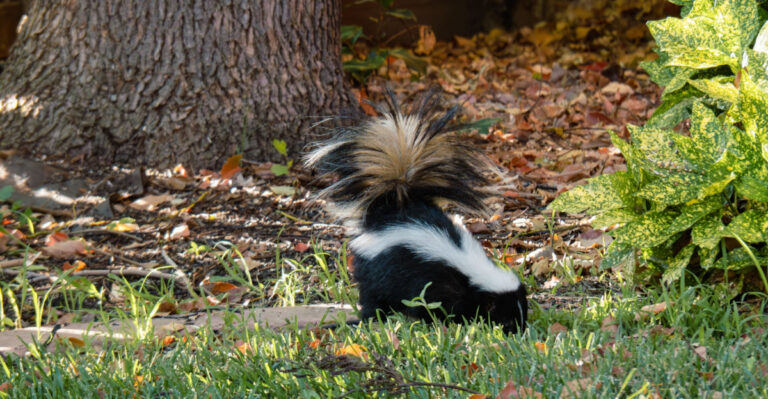
Trapping a skunk under the shed and driving it to the woods sounds like a tidy fix. Unfortunately, Virginia law sees that plan very differently.
Transporting or releasing trapped wildlife off the property where it was caught requires a written DWR permit. Without one, the move is illegal.
Rules get even tighter for rabies-vector species. Raccoons, skunks, and foxes cannot be relocated off-site at all.
Those animals must either be released on the same continuous property or humanely put down. Many homeowners find that detail quite surprising.
Why so strict? Moving animals can spread diseases like rabies and distemper into new areas where they were not present before.
Relocated animals also struggle in strange territory. They may fight with resident animals, fail to find food, or leave babies behind at the old den.
A smarter approach is to make your property less inviting. Secure trash cans with tight lids, and bring pet food indoors at night.
Seal gaps under decks, porches, and sheds once you know no animals are inside. Bright lights and a radio can gently encourage a critter to move out.
Timing matters as well. Late spring is baby season, so waiting a few weeks may let a family leave on its own.
If you need help, hire a licensed wildlife control operator. These professionals know the rules and can handle tricky cases safely.
9. Each Extra Animal Can Mean Another $500 Charge
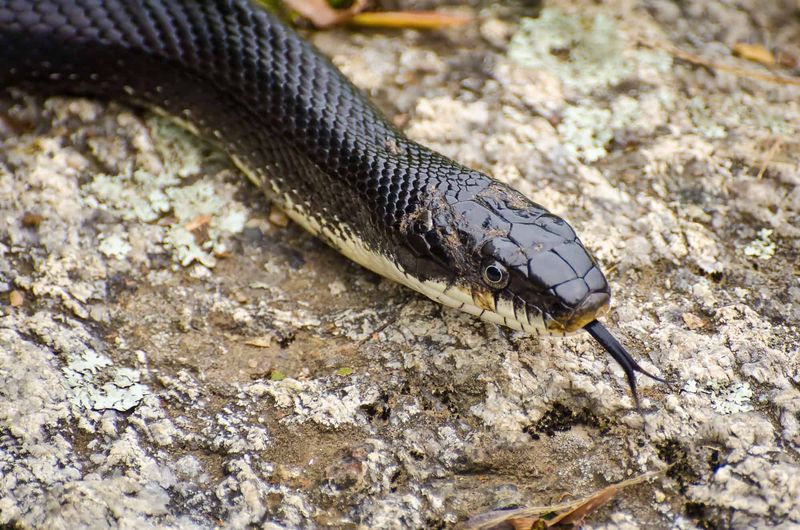
Here is some math nobody wants to do. Five illegal turtles could add up to a much bigger problem than one.
Breaking the state’s wildlife laws, including illegal possession, can count as a Class 3 misdemeanor. A conviction can bring a fine of up to $500.
The tricky part is that charges may stack. Each animal held illegally could lead to its own fine of up to that amount.
Picture a family that collected a few frogs, two turtles, and a snake one summer. What started as a fun project could turn into a pricey mistake.
A misdemeanor also creates a court record. That record can be a hassle down the road, even if the fine seems small at first.
Most people who break these rules do not mean any harm. They simply did not know the laws changed or how strict they are.
Fortunately, staying legal is fairly easy. Before keeping any wild creature, read the current regulations on the DWR website.
If you already have an animal and feel unsure, reach out to DWR for guidance. Asking questions is far better than guessing and hoping for the best.
Never release a long-kept animal into a random spot, either. It may carry germs or fail to survive, so ask experts about proper steps.
A few minutes of research can protect your wallet. It also helps protect the wild animals that make your area special.
10. Found An Injured Animal? Here’s Who To Call
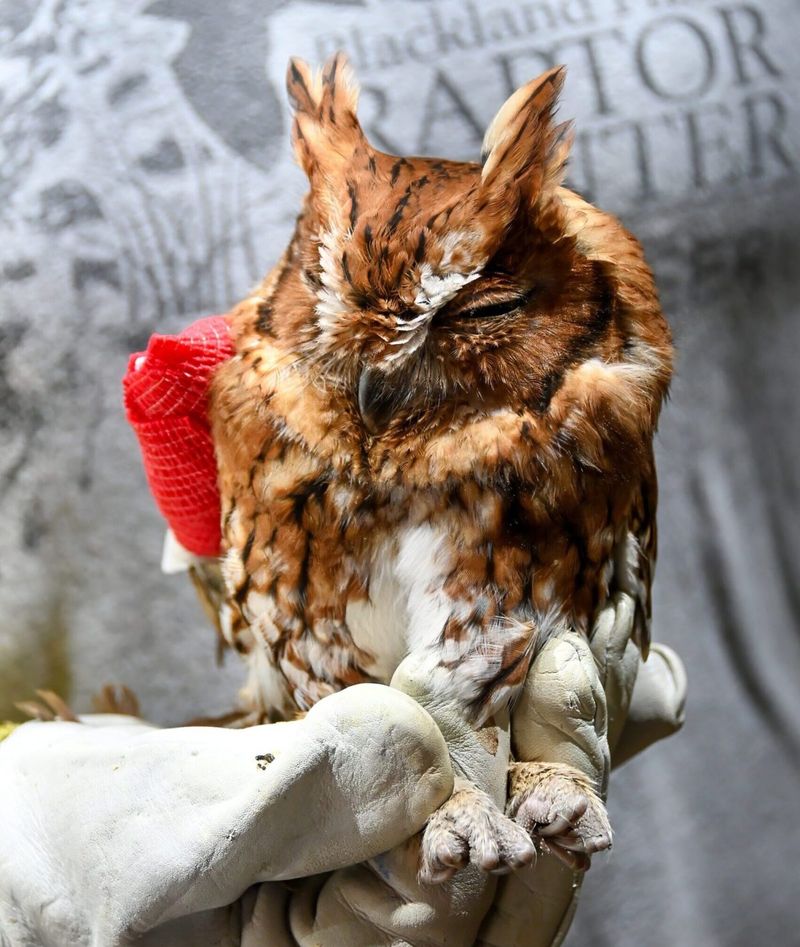
A hawk with a drooping wing or a rabbit caught by the family cat calls for quick action. Knowing who to contact can make all the difference.
Start with the DWR Wildlife Conflict Helpline at 1-855-571-9003. Staff answer Monday through Friday, from 8:00 AM to 4:30 PM.
You can also search the DWR website for a permitted rehabilitator near you. Saving that link on your phone now can save precious time later.
While you wait for advice, keep things calm. A quiet, dark, warm space helps lower stress for a frightened animal.
For small animals, a cardboard box with air holes and a soft towel works well. Wear gloves, and keep children and pets away.
Here is a key tip many people miss. Do not give the animal food or water, since that can cause choking or other harm.
Resist the urge to check on it every few minutes. Peeking and handling may feel caring, but they can raise the animal’s stress level.
Larger or risky animals need a hands-off approach. Deer, foxes, raccoons, and bats should only be handled by trained professionals.
After hours, try calling a local wildlife center or animal control office. Some centers have emergency lines for urgent situations.
Acting thoughtfully gives injured wildlife the best shot at recovery. With the right call, you can be a real hero for animals across the state.