The Asian Vegetables California Gardeners Are Planting Now For Winter Harvests
Autumn rewrites the rules in a California vegetable bed. Crops that would have struggled through August suddenly find their stride once mornings turn cool and damp.
A whole family of leafy greens, crisp heads, and long roots thrives in exactly that kind of weather, and many grow with surprising speed.
Their flavors range from mild and buttery to sharp and peppery, with a few that blur the line between vegetable and herb.
Timing still matters in a state with coast, valley, desert, and mountain climates, each cooling on its own schedule.
Steady care brings results quickly, and the harvest lands right when summer gardens have gone quiet.
A winter kitchen rarely tastes this fresh, and the next few months hold plenty.
1. Bok Choy Grows Fast In Cool Weather
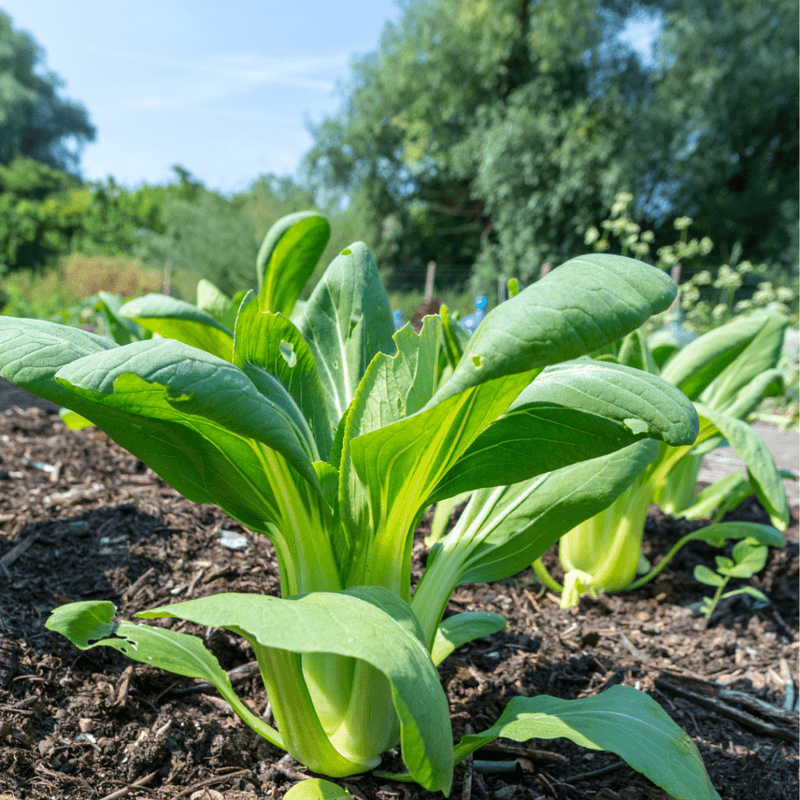
Few vegetables race from seed to supper as quickly as this crunchy Chinese cabbage. Baby plants can be picked in about 30 to 40 days, while full-size heads usually need 45 to 60 days.
Those white or pale green stems stay juicy only while the weather stays cool. Heat and long days push plants to bolt, sending up a flower stalk and turning leaves bitter.
Inland valley gardeners often wait until late September or October, once soil has cooled. Coastal growers enjoy a longer sowing window, and desert gardeners plant in fall for a winter crop.
Mid-October sowings still work well across much of the state.
Seeds go about half an inch deep, or transplants can go straight into the bed. Baby types need 4 to 6 inches between plants, while full-size plants appreciate 8 to 12 inches so heads can fill out.
Evenly moist soil matters, since dry spells stress plants and can trigger early bolting.
Flea beetles love young leaves and chew tiny holes in them. Lightweight row cover laid over the bed right after planting helps keep them out.
Slugs and snails also show up on damp nights, and a quick morning check under leaves and along bed edges helps catch them early.
Baby plants come out whole with a cut at the base. For bigger heads, outer leaves can be picked as needed, or the entire plant harvested once it looks full. Either way, a stir-fry is never far off.
2. Napa Cabbage Forms Crisp Heads By Winter
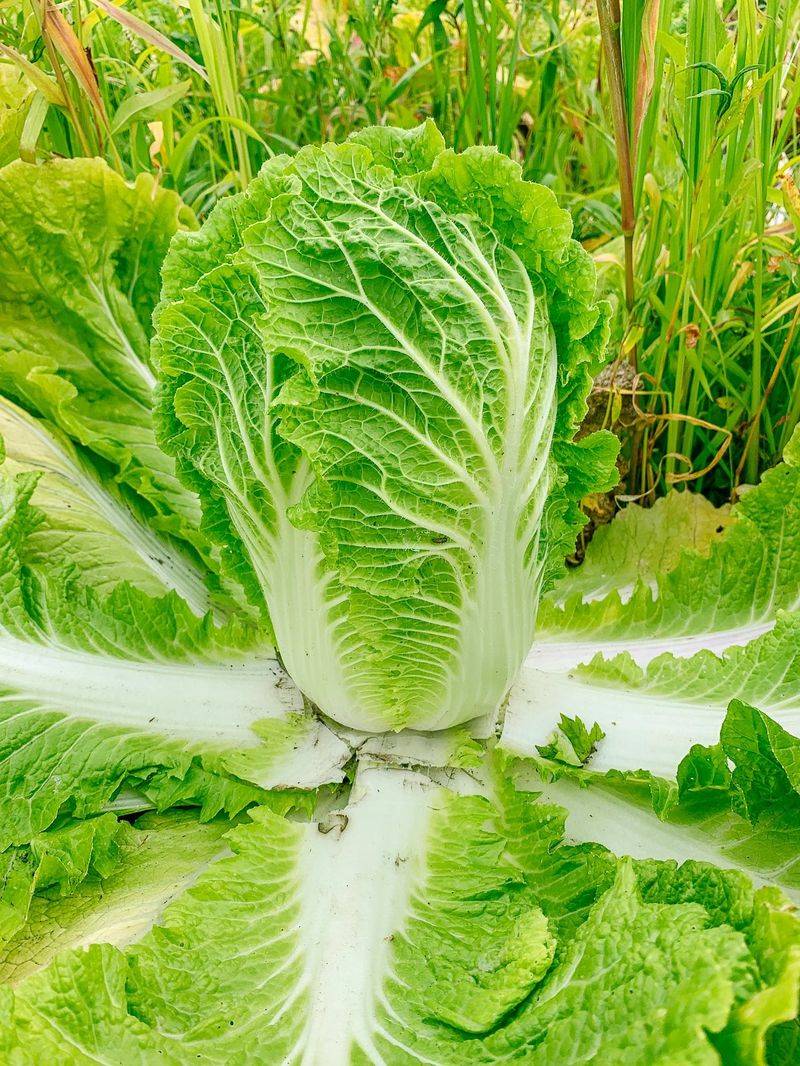
Patience pays off with this tall, wrinkled Chinese cabbage. Unlike speedy greens, the heads take their time, usually needing about 70 to 90 days from seed, and the reward is a sweet, crisp head suited to kimchi, soups, and slaws.
Timing makes all the difference. Planted too early, napa bolts in warm weather before a head ever forms.
Many inland gardeners start seeds indoors in late summer and transplant once the hottest weeks pass. By mid-October, nursery transplants offer a handy shortcut toward a midwinter harvest.
Coastal areas with mild falls offer a wider window, and desert gardens often plant in early fall for winter heads.
Plants need 12 to 18 inches of space in rich, well-drained soil. Compost worked into the bed before planting helps, since a hungry cabbage forms a loose, floppy head.
Your California Garden Changes Every Week. Your Plan Should Too.
Gardening in California changes quickly throughout the season. Every Friday you’ll receive a simple weekly plan showing exactly what to plant, prune, fertilize, harvest, and protect so you never miss the right timing.
Deep, regular watering keeps growth steady. Uneven moisture can lead to tip burn, where inner leaf edges turn brown.
Aphids like to hide deep within the folds of the leaves. A strong blast of water knocks many loose, and ladybugs and lacewings handle much of the rest.
Cabbage worms and loopers may chew holes too, so a regular look under leaves for green caterpillars, followed by hand-picking, keeps damage down.
A ready head feels firm and solid when squeezed, and a sharp knife at the base finishes the job. In cool weather, heads can hold in the garden for a while, turning the bed into a living refrigerator.
3. Daikon Radish Digs Deep In Loose Soil
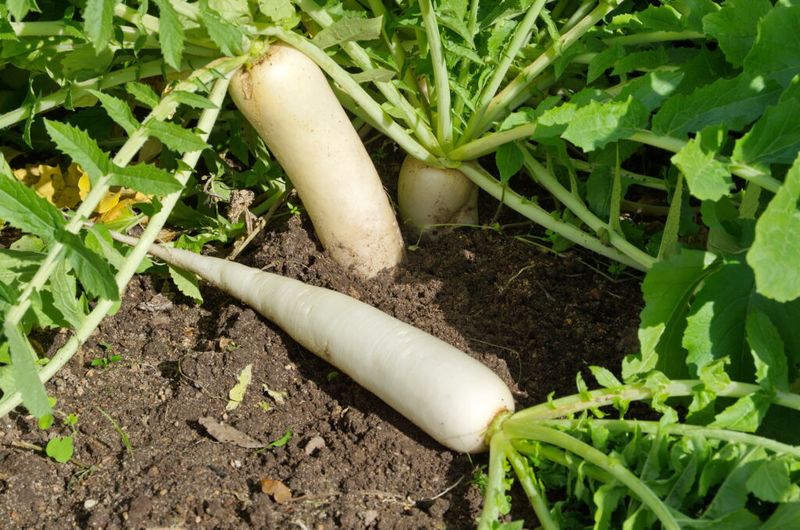
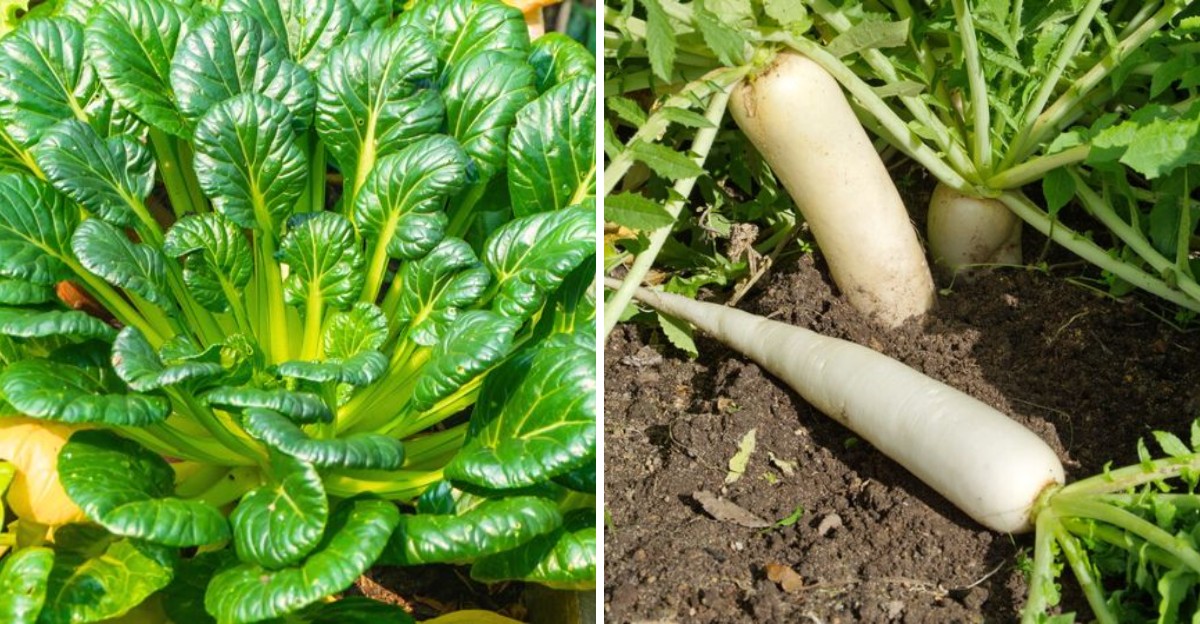
Harvest day can feel like landing a fish. These white roots can stretch a foot or longer, some grow as thick as a forearm, and most varieties mature in about 50 to 70 days.
All that length needs room to travel. Heavy clay or rocky soil makes roots fork, twist, or stop short. Over time, those roots can also help open up compacted ground.
Loosening the bed at least a foot deep before sowing, then mixing in compost, keeps it crumbly. Raised beds work beautifully, especially where dense clay rules the yard.
Seeds belong directly in the garden, since radishes dislike being moved. A depth of about half an inch works well, with seedlings thinned to 4 to 6 inches apart.
Crowded roots stay skinny, so bold thinning pays off, and the thinned sprouts make a peppery snack.
Cool soil produces the sweetest, mildest roots. Hot weather pushes daikon to bolt and turns the flesh pithy and sharp.
Fall sowing after the heat fades suits most of the state, while mountain gardens with early frosts typically need an earlier start in late summer.
Steady moisture matters. A dry spell followed by a heavy soak can split roots open. Flea beetles may nibble the leaves, though older plants usually shrug it off.
Roots are ready when the shoulders poking above the soil look wide and firm. An early harvest, before they turn woody, gives the best texture for pickling, grating, or simmering.
4. Mizuna Delivers Feathery Spicy Greens
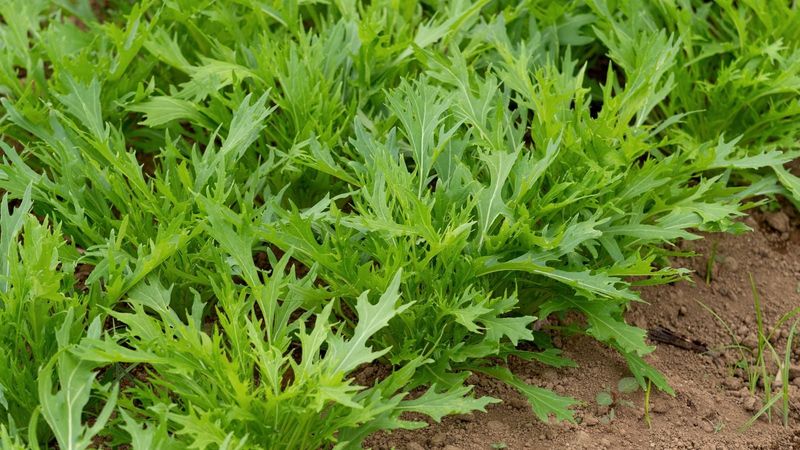
A couple of weeks after each haircut, this salad green comes right back for more. Its deeply cut, feathery leaves look almost like a fern, and they carry a mild mustard bite.
Speed adds to the charm. Baby leaves are often ready in about 21 to 30 days, and full plants arrive around 40 days.
A wide band of seed or a single container can reach the salad bowl before most other crops look grown up.
Seeds go about a quarter inch deep in moist, well-drained soil. For cut-and-come-again harvests, plants can sit just a few inches apart.
Once leaves reach 3 to 5 inches tall, a cut about an inch above the soil starts the cycle. New growth sprouts from the center, so leaving that little crown untouched keeps plants producing.
Mizuna tolerates cold better than many lettuces, and light frosts barely slow it down across most of California. Warm spells tell a different story, since heat makes plants bolt and leaves turn tough.
Sowing a small patch every two or three weeks keeps the supply steady all winter.
Flea beetles and aphids may show up, so row cover helps on young beds. Slugs also enjoy the tender leaves during rainy stretches, and early morning hand-picking keeps numbers in check.
Raw leaves brighten salads, a handful tossed into noodle soup at the last second adds gentle heat, and a pile on a sandwich beats plain lettuce by a mile.
5. Tatsoi Forms Tidy Rosettes Of Spoon Leaves
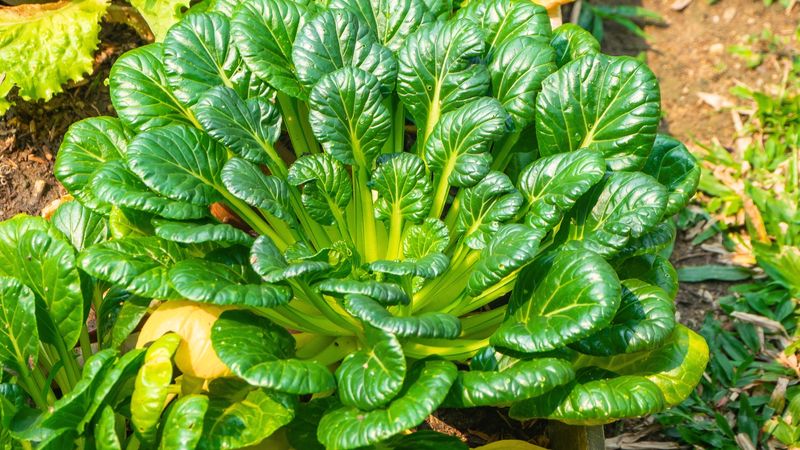
Seen from above, a mature plant looks like a perfect green flower made entirely of leaves. Glossy, spoon-shaped leaves spiral out from the center in a flat rosette, and the flavor lands somewhere near a gentle, buttery mustard.
Cold weather is where tatsoi truly shines. It ranks among the hardier Asian greens and often handles frost with little fuss, and cool temperatures even sweeten the leaves.
Inland growers with chilly nights tend to love it for that reason, and mountain gardeners with a protected bed can stretch it further into the season.
Baby leaves can be picked in about 21 days, while full rosettes usually take around 40 to 45 days.
Seeds go a quarter inch deep, with plants thinned to 6 to 10 inches apart for wide, tidy rosettes. Closer spacing works fine for baby greens.
A small footprint makes tatsoi handy in tight spaces. It tucks neatly along bed edges, between slower crops, or into pots on a sunny balcony.
Fertile soil, good drainage, and regular water keep growth tender. A light layer of compost before sowing gives it a good start.
Like its relatives, tatsoi attracts flea beetles and aphids, so covering young plants and checking leaf undersides often helps.
Warm days in early fall can push it to bolt, which makes mid-October a comfortable time to sow in many areas. Single leaves or whole rosettes both work at harvest, ready for soups, stir-fries, or salads.
6. Komatsuna Handles Cold And Heat Swings
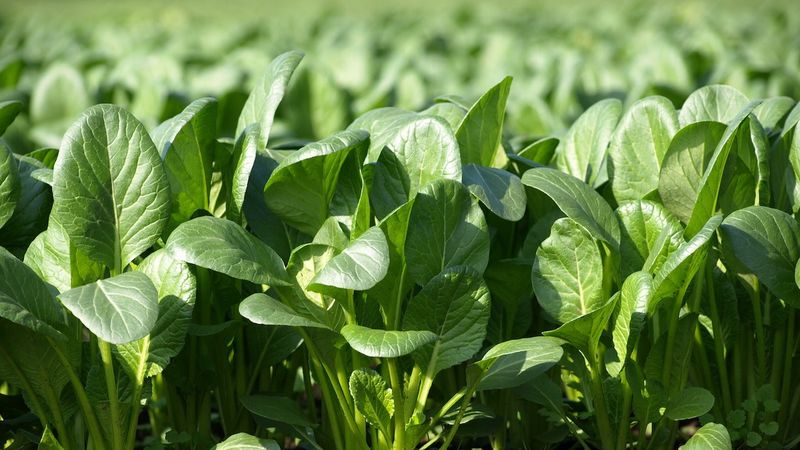
California weather loves to play tricks in fall. One week brings a frosty morning, and the next serves up a surprise 85-degree afternoon, yet this Japanese green rolls with those swings better than most.
Often sold as Japanese mustard spinach, komatsuna grows smooth, dark green leaves on upright stems. The flavor sits somewhere between mild cabbage and spinach.
Despite the nickname, it belongs to the mustard and cabbage family rather than true spinach.
Baby greens can be harvested in about 21 to 30 days, while full-size plants usually take around 35 to 40 days.
Tolerance for both cold and warm spells makes it a smart pick for inland valleys, where temperatures swing widely. It still prefers cool weather, though.
Long stretches of heat eventually trigger bolting, so fall and winter remain its best seasons. Coastal gardeners can often keep it going for months.
Seeds go about a quarter inch deep in loose, compost-rich soil. Thinning to 4 to 6 inches suits baby leaves, while 8 to 12 inches suits full plants.
Steady moisture keeps leaves tender and mild, while drought makes them tougher and spicier.
Flea beetles, aphids, and slugs all find komatsuna tasty. Row cover, morning slug patrols, and a quick spray of water handle most trouble.
Picking outer leaves keeps plants producing, though cutting the whole bunch at once works too. Steamed, stir-fried with garlic, or blended into soup, it delivers an easy green boost through the coolest months.
7. Gai Lan Brings Chinese Broccoli To The Bed
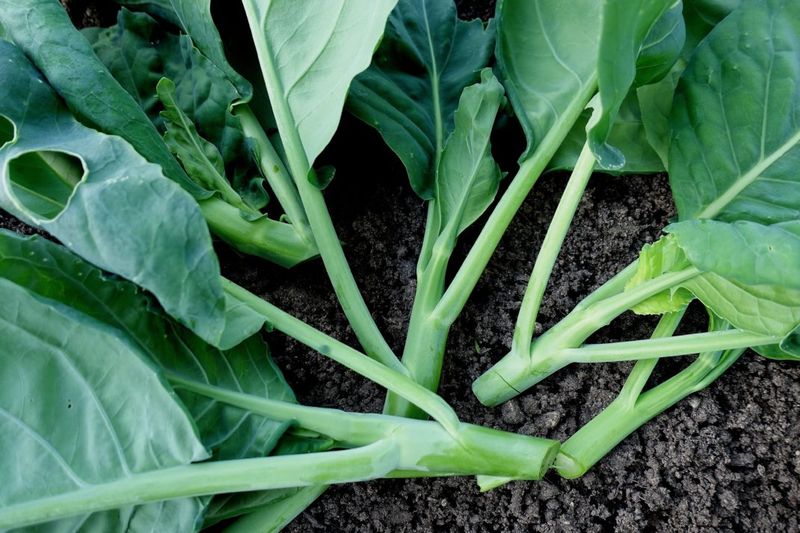
Instead of one giant crown, this Chinese broccoli offers thick, juicy stems, broad blue-green leaves, and small flower buds, all of them edible. The stems are the real prize, tasting sweet with a pleasant hint of bitterness.
Most plants are ready in about 60 to 70 days. Harvest timing lands when the first flower buds appear but before they open.
A cut taking the main stem about 6 to 8 inches long encourages side shoots for more picking, and those shoots keep coming for several weeks with regular cutting. Waiting too long turns stems woody once flowers bloom.
Cool weather keeps gai lan tender. Heat makes it rush into flowering, which shortens the harvest.
Inland gardeners often start seeds in late summer for fall transplants, and nursery seedlings fill the gap for anyone starting in mid-October. Coastal growers enjoy a longer planting season, while desert gardens do best with fall plantings that grow through the mild winter.
Plants need 8 to 12 inches of space in fertile, well-drained soil. Compost or a balanced fertilizer helps, since leafy stems need plenty of nutrients.
Even watering keeps stems crisp rather than stringy.
Aphids gather on new shoots and under leaves. Cabbage worms may visit too, so frequent inspections, hand removal, and a strong spray of water for aphids keep both in check.
Row cover offers solid protection early in the season. After harvest, blanched stems drizzled with oyster sauce make a classic dim sum side dish.
8. Garland Chrysanthemum Adds Tender Herb Like Leaves
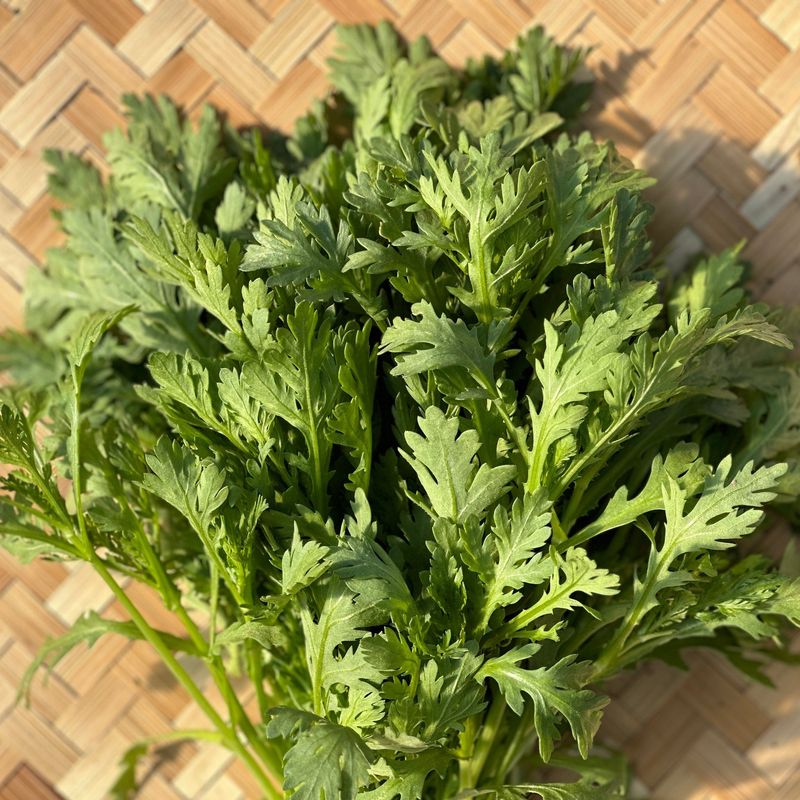
A light brush of the hand across the patch releases a fresh, grassy scent. Known as shungiku in Japanese and tong ho in Chinese, this edible chrysanthemum has lobed, tender leaves with a bright, herbal flavor that straddles the line between green and herb.
Growth comes quickly. Young leaves are often ready in about 30 to 45 days, and stems cut a few inches above the soil branch out and send up fresh shoots.
Steady harvesting before flowers form matters, since leaves turn bitter once plants bloom.
Cool weather suits shungiku best. Warm days and longer daylight trigger flowering, so fall and winter sowings give the longest harvest.
Coastal and inland valley gardeners can sow once the heat fades, and desert growers often plant in fall.
Seeds need only a light covering in moist, well-drained soil, with plants thinned to about 4 to 6 inches apart. Even watering keeps leaves soft and mild.
One caution deserves attention. Cal-IPC lists this plant, also called crown daisy (Glebionis coronaria), as invasive with a Limited rating, with escaped stands along the central and south coast.
Pulling plants before they set seed keeps them in the kitchen garden and out of nearby wildlands. Gloves help, since contact can irritate sensitive skin.
Aphids are the main pest, and a spray of water usually handles them. Leaves added to hot pot at the very end, or young shoots tossed into salads, give a fragrant finish.