Why California Fire Departments Are Now Checking Side Yards, Not Just Front Yards
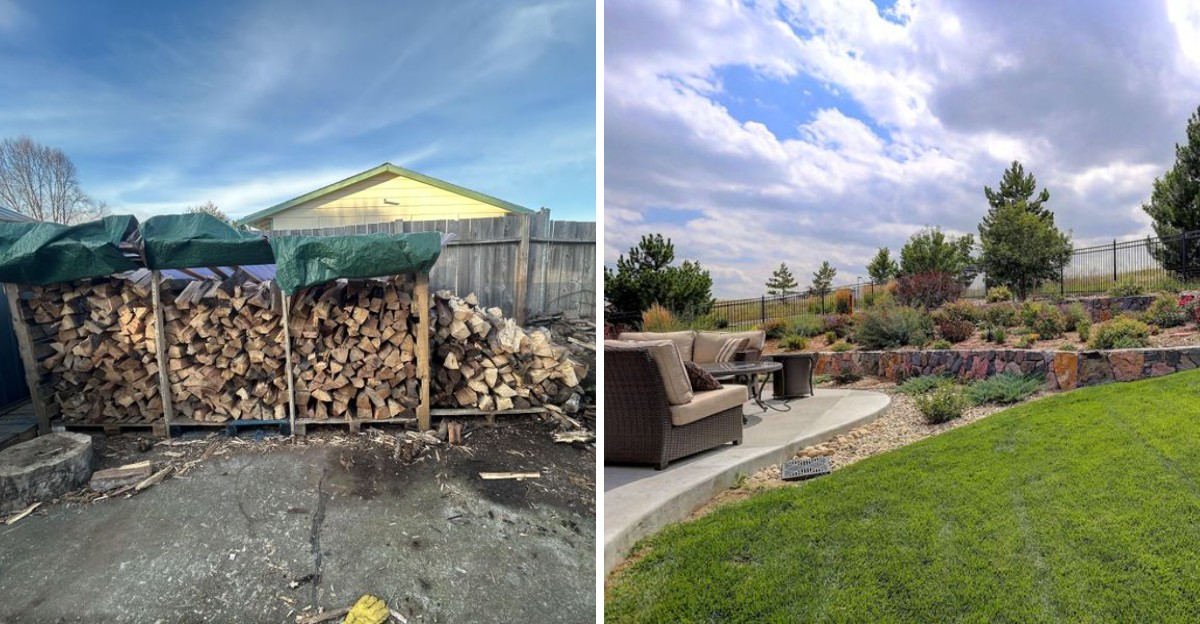
The most dangerous part of a California yard may be the strip nobody shows off.
The front looks polished. Shrubs are trimmed. Leaves are gone. The driveway could practically pose for a listing photo.
Then an inspector walks past all of it.
They head beside the garage, behind the gate, or toward the narrow space where firewood, dry mulch, and forgotten pots have collected.
Why does that hidden strip matter so much?
Wildfire does not approach a home from the prettiest angle. Embers swirl around walls, fences can carry flame, and debris often gathers exactly where homeowners look least.
California’s defensible space approach treats the house as a full perimeter, and the first few feet around walls have become an especially important focus.
That makes side yards impossible to ignore.
You do not need a perfect landscape. You need fewer easy ignition points.
Take one lap around the house, especially the awkward corners. The areas you rarely notice may deserve your attention first before the next windy fire day arrives.
1. Narrow Side Yards Can Funnel Heat And Embers

A side yard can look too small to matter.
That is exactly why it deserves a closer look.
Narrow spaces between a house, fence, garage, or neighboring structure can collect leaves, dry mulch, and lightweight debris.
Wind also moves differently through those corridors, pushing embers into corners where they can settle against walls, gates, or stored materials.
The front lawn may be open and watered. The side strip often gets less attention.
Walk that corridor slowly.
Look along the base of siding, beneath hose reels, behind trash bins, and around utility equipment. Dry material tucked into those spots can sit unnoticed for months.
Keep combustible storage away from the house when possible. Rake out leaf piles and needles, especially where wind naturally deposits them.
A gravel or paved strip can make maintenance easier in a tight passage. Low, well-kept vegetation may also fit where local rules allow it.
Do not forget access.
Firefighters and homeowners may need that side route during an emergency, so blocked gates and stacked materials create more than a fuel problem.
The key is not making the side yard empty enough to echo.
It is making sure the narrowest part of the property does not become the place where every ember, leaf, and forgotten project decides to meet for a very bad neighborhood reunion.
2. Embers Settle Where Leaves And Debris Collect

The corner that catches every autumn leaf is also worth checking during fire season.
Wind carries embers far ahead of visible flames, and those lightweight pieces do not land neatly in the middle of an open lawn. They swirl around buildings, drop behind fences, and settle into sheltered pockets.
That makes side yards natural collection zones.
Look beneath eaves, around air-conditioning equipment, beside stairs, and along the edges of decks. Roof valleys and gutters above those same spaces deserve attention too.
A handful of dry leaves may look harmless on an ordinary day.
Your California Garden Changes Every Week. Your Plan Should Too.
Gardening in California changes quickly throughout the season. Every Friday you’ll receive a simple weekly plan showing exactly what to plant, prune, fertilize, harvest, and protect so you never miss the right timing.
During an ember shower, that little pile can become the first material to ignite close to the structure.
Keep the cleanup simple and regular.
Sweep or rake spots where debris gathers naturally. Remove dry plant material from beneath windows, vents, and deck edges. Check again after strong wind because the cleanest yard in the morning can collect a new pile by evening.
Fine metal vent screening and other home-hardening measures also matter, but local building standards should guide any retrofit.
This is why an inspector may spend more time beside the garage than near your roses.
They are following the places wind uses.
Your side yard does not need to look glamorous. It just needs to stop acting like the junk drawer for everything light enough to blow there.
3. Firewood And Storage Can Turn A Side Yard Into A Fuel Strip
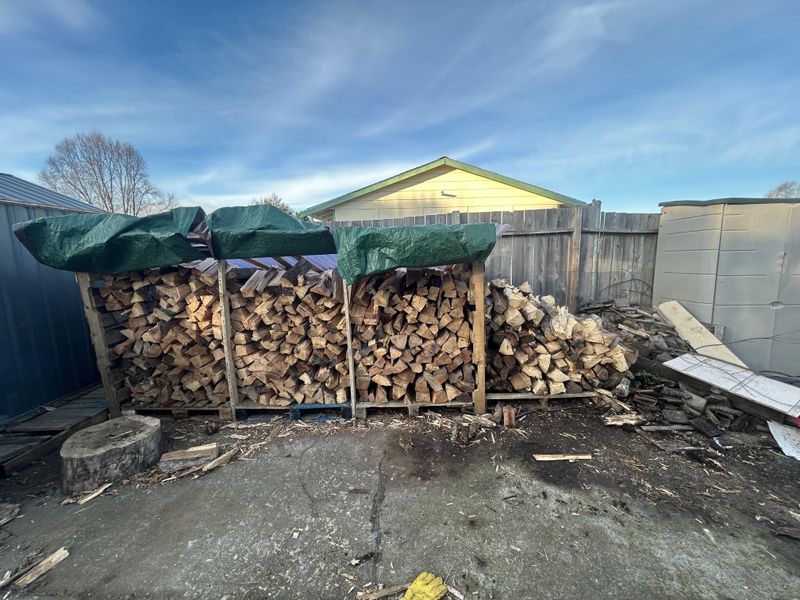
Every house has a place where useful things slowly become permanent residents.
Side yards are especially good at collecting them.
Firewood, cardboard, old lumber, spare fencing, outdoor cushions, empty pots, and recycling bins can build up beside a wall because the space feels convenient and hidden.
That convenience becomes the problem.
Combustible storage close to the house gives embers more material to work with. Firewood deserves special attention because a stacked pile holds plenty of dry fuel in one compact spot.
Move seasonal wood and other combustible items farther from structures when local guidance calls for it. Keep only what you actually use near the house.
Take a hard look at the forgotten layer underneath too.
Leaves often gather behind wood racks and bins where nobody sees them. A clean-looking stack can hide a dry mat at ground level.
Metal storage cabinets can help with some items, but they do not make the surrounding debris disappear. Keep the area around them tidy as well.
The goal is not a side yard stripped of every practical object.
It is a side yard where storage does not create a continuous path from ground fuel to siding, gate, or deck.
That old pile of fence boards may feel like a future weekend project.
During fire season, it should not also qualify as the most organized stack of kindling on the property.
4. Wooden Gates And Fences Can Carry Fire Toward The House

A fence can connect two properties long before neighbors ever share a garden hose.
It can also connect fuel.
Wooden fence lines can carry flame toward a structure when dry vegetation, leaves, or other combustible material sits along the base. The highest concern comes where a wood fence or gate meets the house.
That connection deserves special attention during a side-yard inspection.
Clear dry weeds and leaf litter from fence lines. Check the bottom of gates, where debris tends to collect around posts and hinges.
For homeowners planning upgrades, a noncombustible section near the structure can interrupt that fuel path.
California’s Zone 0 approach gives fence and gate connections close to buildings particular attention, though local requirements and timelines can differ.
Sheds deserve the same careful look.
A small outbuilding squeezed beside the house may hold cardboard, paint supplies, cushions, fuel, or tools with plastic parts. Distance, exterior materials, and surrounding clearance all affect how much risk it adds.
Do not assume a structure is harmless because it is technically separate from the house.
In a narrow side yard, “detached” can still mean “very close.”
Inspectors are not critiquing your gate style.
They are tracing possible fuel connections.
A pretty cedar fence can remain part of the landscape, but the section kissing the house deserves far more attention than the section posing nicely beside the front garden.
5. Zone 0 Puts The First Five Feet Under A Microscope
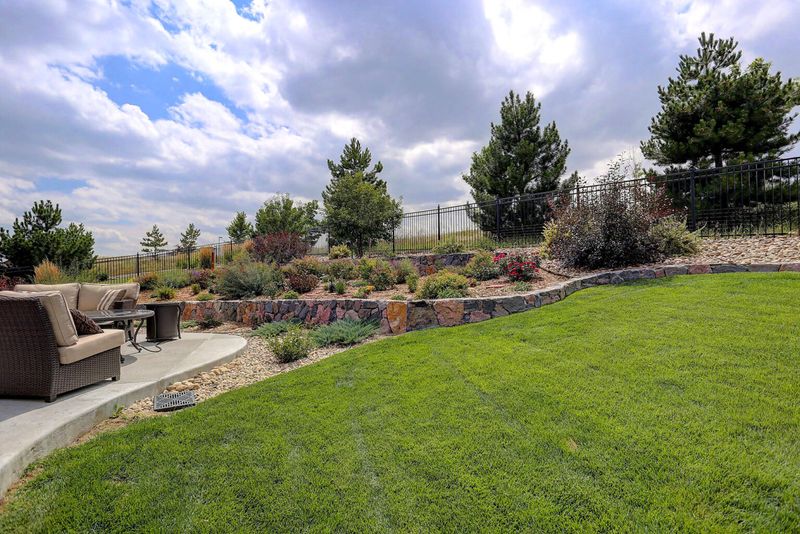
The most important wildfire zone may be smaller than many homeowners expect.
California calls the first five feet around a structure Zone 0.
That band wraps around the home, which means side yards count just as much as the front entry. Walls, windows, doors, vents, decks, gates, and the ground beneath eaves all fall into the conversation.
The direction is simple.
The closer combustible material sits to a structure, the more carefully it deserves to be managed.
Leaves, wood chips, firewood, and stored items can become concerns in this narrow band. Areas beside openings, attached decks, and eaves also deserve a closer look because embers can collect there.
That is why a beautiful front lawn does not settle the inspection.
An inspector may walk directly into the narrow side passage to see what sits within those first few feet.
Start your own check at the wall and move outward.
Look behind pots. Check beneath hose boxes. Pull back anything that hides piles of leaves near siding.
You may discover that five feet is not much space at all.
It is basically one generous garden stride, which makes every forgotten bag, board, planter, and pile inside it surprisingly important.
The smallest zone around the house can turn into the biggest reason an inspector disappears around the corner.
6. Inspectors Follow Ignition Paths, Not Curb Appeal
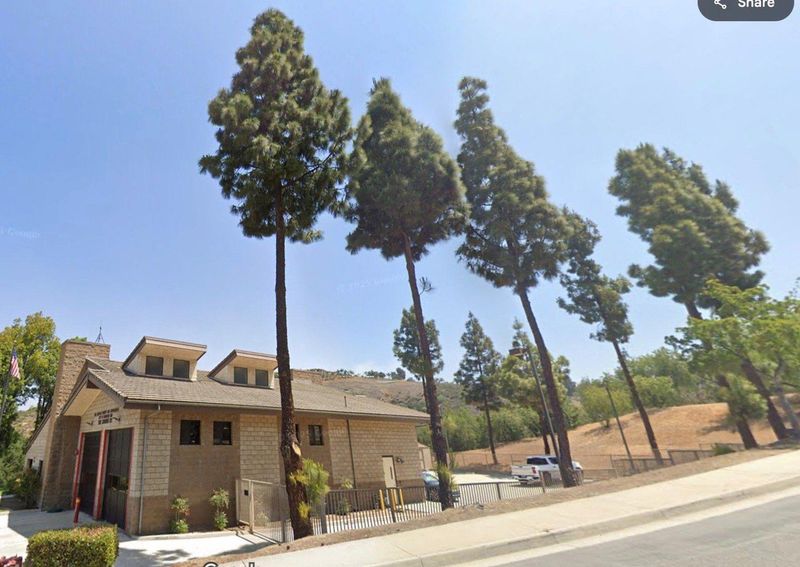
A tidy front yard can create false confidence.
Wildfire risk is not graded from the sidewalk.
A defensible-space inspection can follow possible ignition routes around the entire structure. That means attention may shift under decks, beside gates, around vents, behind stored items, and along the least photogenic wall of the house.
The logic comes back to embers and fuel connections.
A small ember can settle close to a wall or opening. Fences, decks, debris, and nearby combustible objects can create short paths that help fire reach the structure.
So the inspection follows those paths.
A rear slope may deserve more attention than the driveway. A narrow side yard may matter more than a large irrigated lawn.
Even a clean gutter above the garage can matter more than another afternoon shaping ornamental shrubs.
Prepare by walking the property from the house outward.
Look under things, not just around them. Check roof edges, fence connections, vents, decks, and any place dry material stays protected from routine cleanup.
Local agencies can differ in inspection schedules and added requirements, so use your fire department’s current checklist when one is available.
The good news is refreshingly unglamorous.
You do not need better curb appeal.
You need fewer places where an ember can land and immediately find a comfortable next step toward the house.
7. A Full-Perimeter Cleanup Can Fix The Weakest Side
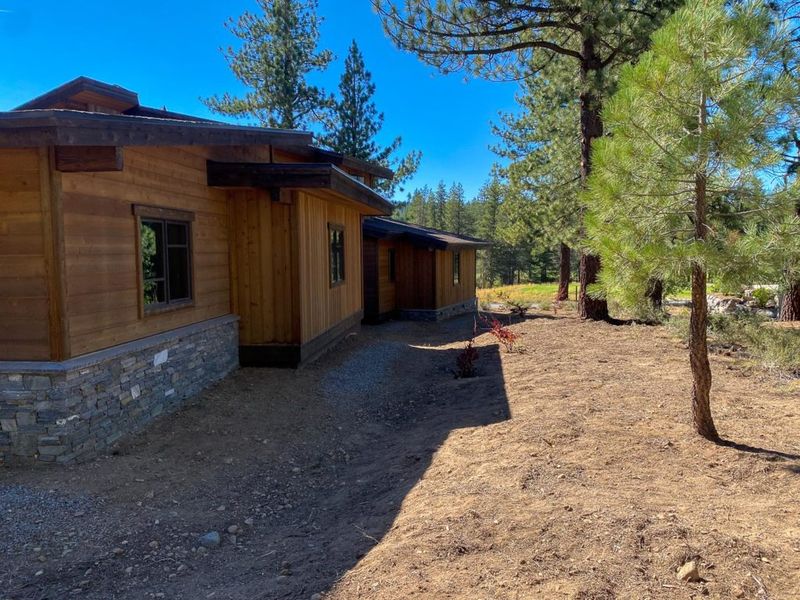
The easiest place to start is not the front door.
Start with the corner you avoid.
Walk the full perimeter with a rake, gloves, and a bag. Check the first few feet beside every wall, then look upward at gutters, eaves, vents, and nearby branches.
Remove dry leaves, needles, weeds, and forgotten combustible debris.
Move firewood and stored materials to a safer location that matches current local guidance. Keep gates clear and easy to open.
Look at fence connections next.
A combustible fence attached directly to the house deserves extra attention, especially as California’s Zone 0 standards move toward implementation.
Homeowners planning replacement work can ask the local fire agency about noncombustible options near structures.
Keep decks clear underneath and avoid storing cushions, cardboard, or scrap lumber there.
Then check vegetation.
Remove dry growth, maintain spacing where required, and keep branches from creating easy routes toward roofs or chimneys.
Repeat the walk after wind events and before peak fire weather. Side yards collect new debris faster than most homeowners expect.
No single cleanup can make a home wildfire-proof.
The goal is to remove easy opportunities one by one.
Your least attractive side yard does not need a makeover worthy of a magazine.
It just needs to stop being the one corner of the property that quietly undoes all the careful work everywhere else.