Why California Gardeners Are Adding More Deergrass This Fall
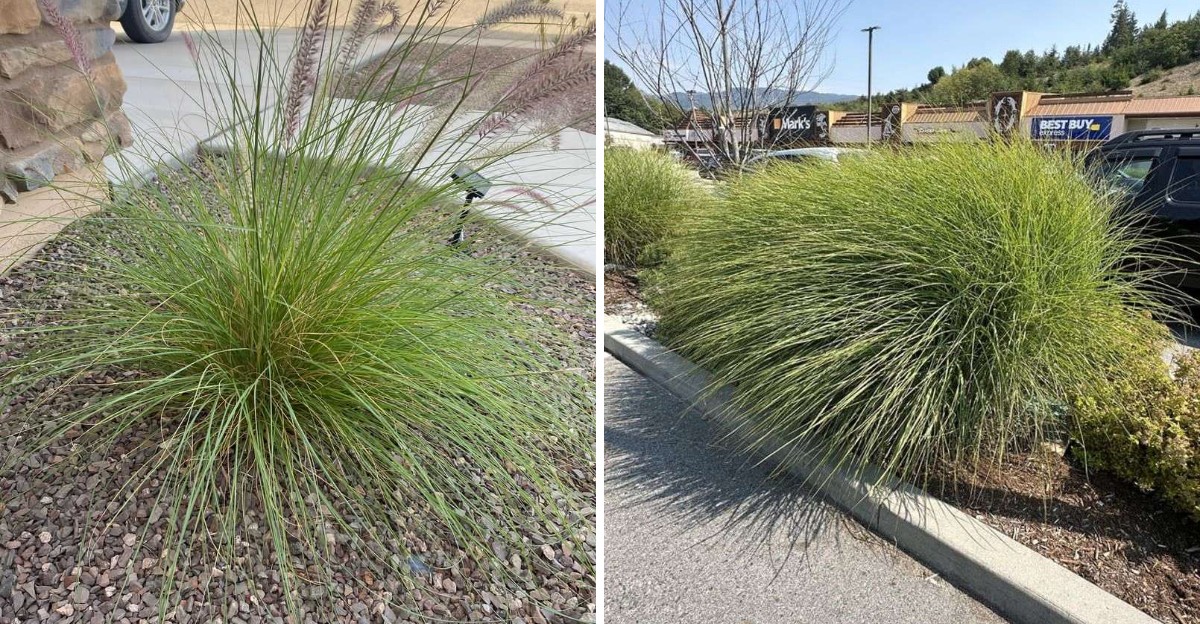
Fall planting lists across California keep featuring one plant that seems almost too humble for the spotlight. It doesn’t bloom in bright colors or carry a famous name, yet it keeps earning space in yards from coastal hills to inland valleys.
Its appeal starts underground and stretches all the way to the feathered visitors that hide among its leaves.
Late-season light turns it into something special, and its rhythm matches California’s seasons almost perfectly. Low water needs and easy care add to the charm.
Like any plant, it comes with a few habits worth understanding, especially in fire country.
Once those quirks make sense, it becomes easy to see why so many gardeners keep making room for one more clump.
Fall Planting Fits Its Growth Cycle
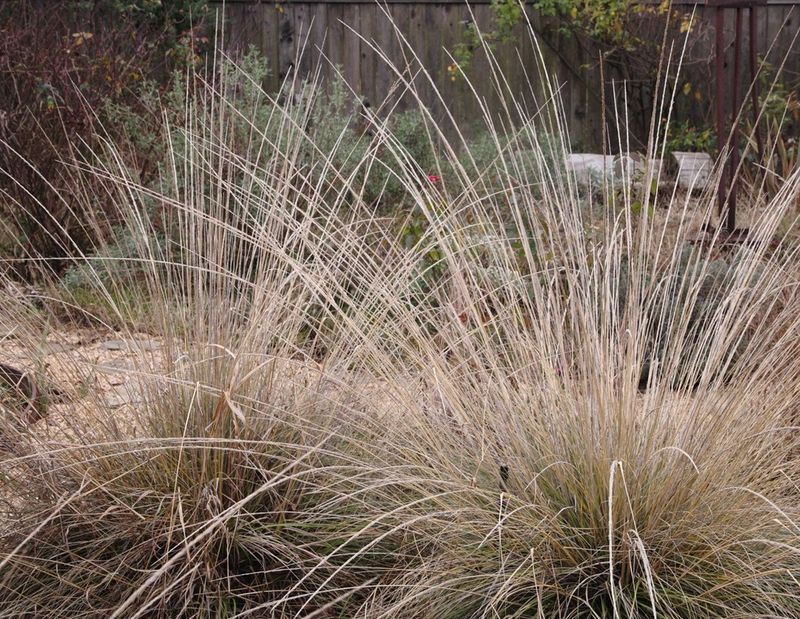
Cool mornings and the first autumn rain send a quiet signal across California. Soil that baked all summer finally softens, and for a young deer grass plant, that shift works like a green light.
Fall planting lets roots grow while the air stays cool and the ground stays damp. UC ANR and the California Native Plant Society both recommend fall as the best planting season for most natives.
Winter storms handle much of the watering. By the time summer heat returns, roots have had months to spread out and settle in.
Spring planting can work, though it offers a tougher start. A plant set out in May has only a few weeks before hot, dry weather arrives.
It has to push leaves and roots at the same time, often with daily help from a hose. Fall plants get a head start without that stress.
Rain alone isn’t a full plan, though. California winters can be stingy, and dry spells happen even in January.
A soil check a few inches down every week or two keeps young plants on track. Dry soil calls for a deep, slow soak.
Small plants from one-gallon pots often settle in faster than big ones, and they cost less, too. Spacing them about four to six feet apart leaves room for a mature clump to spread.
Patience in fall pays off with a sturdy fountain of grass by next summer.
Deep Roots Handle Dry Summers
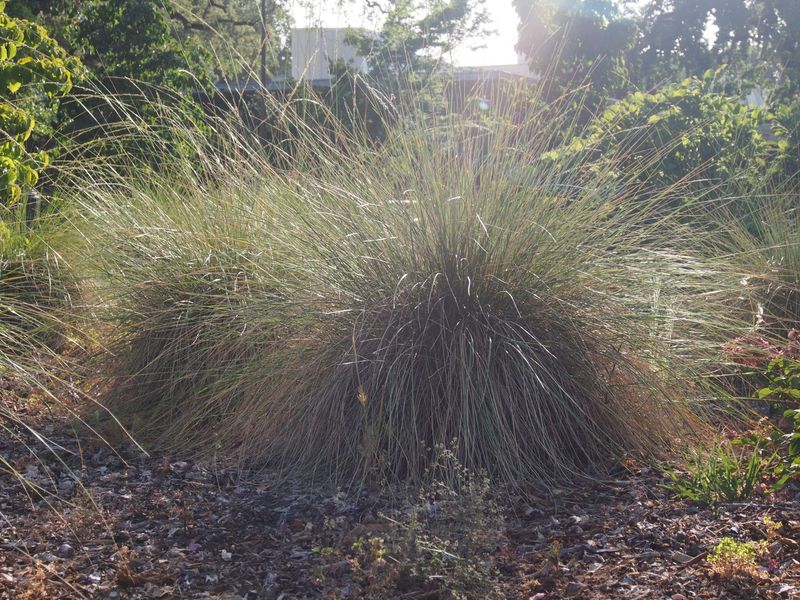
An old deer grass clump hides a surprise below the surface. A thick mat of fibrous roots plunges deep into the soil, with some reaching several feet down.
That depth goes far beyond where most lawn grass ever reaches. Those roots work like a hidden savings account.
While the top few inches of soil dry out in July, deeper layers often hold some moisture. Deer grass can tap that water long after shallow-rooted plants start to wilt.
UC ANR describes it as drought tolerant once established, which explains its place in so many water-wise gardens. The words once established matter here.
During the first year or two, those roots are still growing. Young plants need regular deep watering through their first summer, perhaps once a week in hot inland areas.
Your California Garden Changes Every Week. Your Plan Should Too.
Gardening in California changes quickly throughout the season. Every Friday you’ll receive a simple weekly plan showing exactly what to plant, prune, fertilize, harvest, and protect so you never miss the right timing.
Skipping that step can leave a new plant struggling. After a couple of years, watering can drop sharply.
Many gardeners water mature clumps every two to four weeks in summer, depending on heat and soil. Coastal gardens may need even less.
Leaves offer helpful clues. Blades that fold or turn a dull gray-green early signal a need for a deep drink.
Deep, infrequent watering works better than frequent sprinkles. A long, slow soak trains roots to dig down.
Quick sprinkles keep them lazy and close to the surface, waiting for handouts instead of digging for treasure.
Slopes Benefit From Its Erosion Control
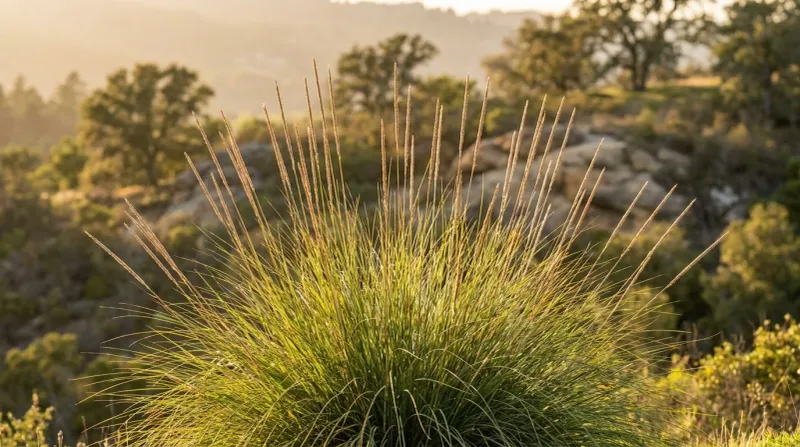
A steep backyard bank after a heavy January storm can turn messy fast. Bare spots become tiny rivers, mud slides toward the fence, and costly topsoil washes into the street.
Deer grass helps stop that slow-motion mess. Its dense, fibrous roots weave through the soil like rebar in concrete.
Each clump grips the ground around it, and many clumps together form a living net. UC ANR and native plant groups often recommend bunchgrasses like this one for slopes and banks.
Above ground, the leaves help, too. Thick tufts soften the force of falling rain before it reaches bare dirt.
Water slows down, soaks in, and carries away less soil. Fallen leaves around the base also add a light mulch layer.
Placement matters on a hill. Clumps planted in staggered rows, like a checkerboard, work better than straight lines running down the slope.
Water then has to wind between plants rather than racing downhill. A layer of wood chip mulch between young plants protects the soil while roots fill in.
One caution belongs here. Very steep or unstable slopes may need more than plants, such as erosion fabric or advice from an engineer.
Deer grass makes a strong helper rather than a cure for a failing hillside. On ordinary garden banks, though, it can turn a muddy problem into a handsome, grassy hold-out that stays put season after season.
Birds And Insects Use It
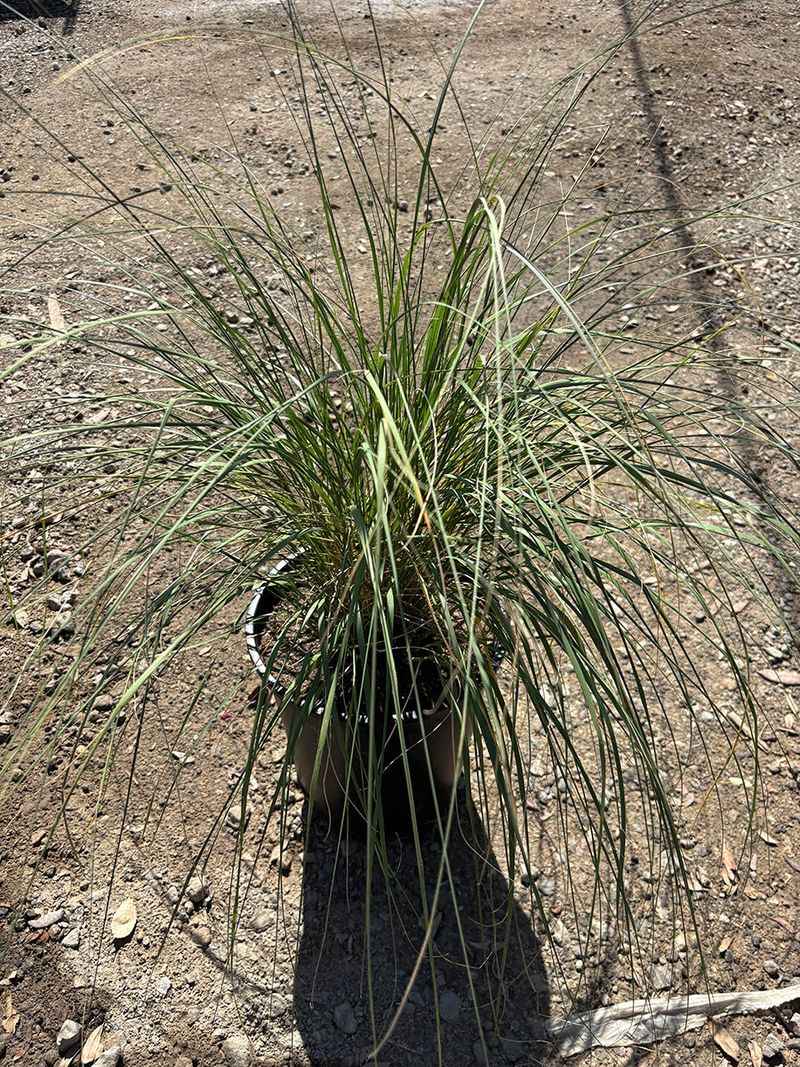
A flicker of movement at dawn often reveals a small sparrow hopping out from the base of a deer grass clump. It shakes off the dew and darts back inside, proof that the shaggy fountain offers far more than decoration.
Dense clumps make excellent hiding places. Ground-feeding birds such as quail, towhees, and sparrows tuck into the leaves to escape hawks and cats.
Lizards and other small creatures also shelter there during hot afternoons. The California Native Plant Society highlights native bunchgrasses for this kind of cover.
Food comes along, too. In late summer, tall, narrow flower spikes rise above the leaves and ripen into tiny seeds that some birds pick at through fall.
Insects visit and live in the clumps, drawing even more birds looking for a snack. Native grasses also host certain butterfly and moth caterpillars.
Some skipper butterflies, for example, rely on native grasses as larval food. Exact partners for deer grass aren’t always well documented, so that link remains possible rather than proven.
A few simple habits invite more visitors. Skipping pesticides around the grasses protects the insects birds depend on.
Leaving some seed heads standing into fall before trimming adds a natural snack bar. A shallow birdbath nearby and other natives planted for variety round out the setup.
Before long, the garden can feel like a busy little neighborhood, with the grass serving as the local apartment building.
One Annual Cutback Keeps It Tidy
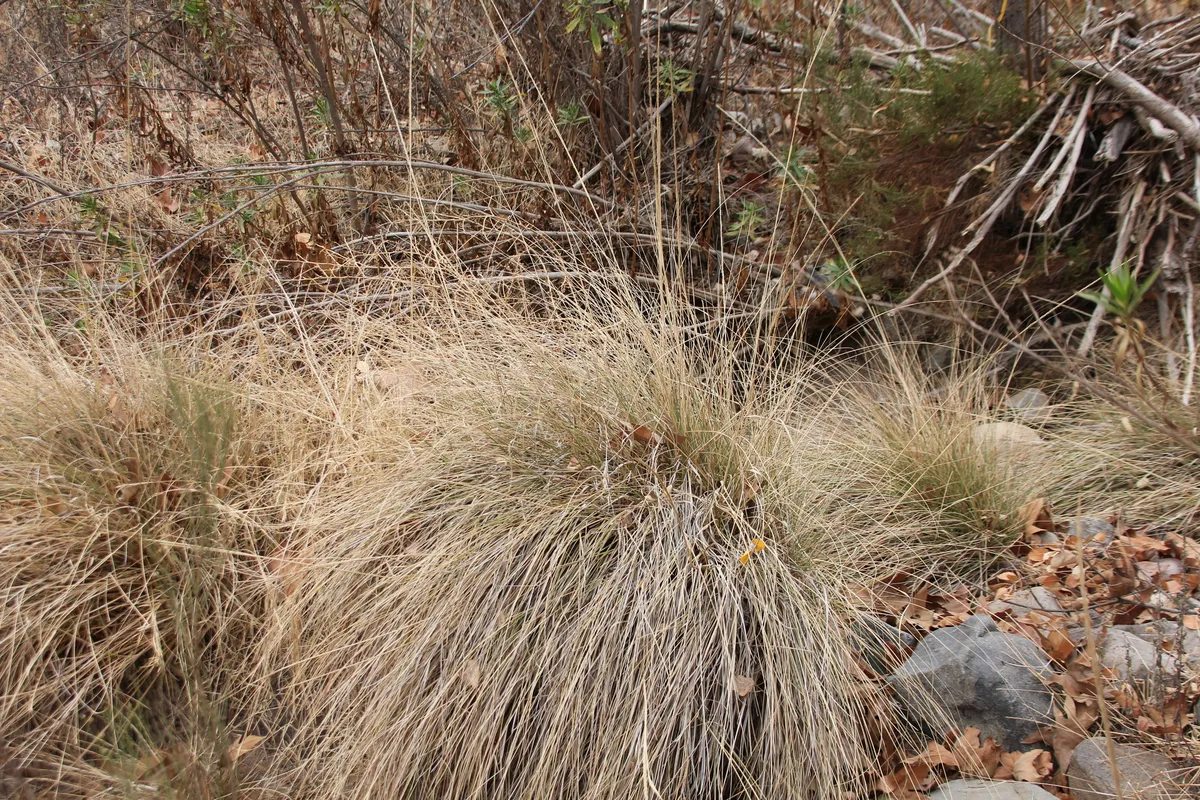
A quick tie, a few cuts, and a tidy bundle lifted away cover most of the work deer grass asks for each year. Without that routine, the plant slowly turns into a tangled, grayish mop.
Old leaves don’t drop off neatly. They stay tucked inside the clump, drying out and piling up year after year.
New green blades then have to push through that thatch. Over time, the center can look dull, flattened, or even hollow.
UC ANR and many native plant guides suggest cutting deer grass back hard in late fall or winter, before spring growth begins. A mound about four to six inches tall works well.
Some gardeners wrap twine around the clump first, like a ponytail. Cuts below the tie let the whole bundle lift away in one neat piece.
Electric hedge trimmers make fast work of big clumps. Gloves and long sleeves help, since the leaf edges can feel rough on bare skin.
Clippings belong in green waste or a compost pile rather than a heap beside the plant. Within a few weeks, fresh green shoots appear.
By summer, the plant looks full and bright again. A few gardeners trim only every other year in cool coastal spots, though yearly cutting is safer, especially in fire country.
That annual trim works like a fresh haircut, sending the grass into spring looking sharp.
Fire Zones Call For Extra Care Near Homes
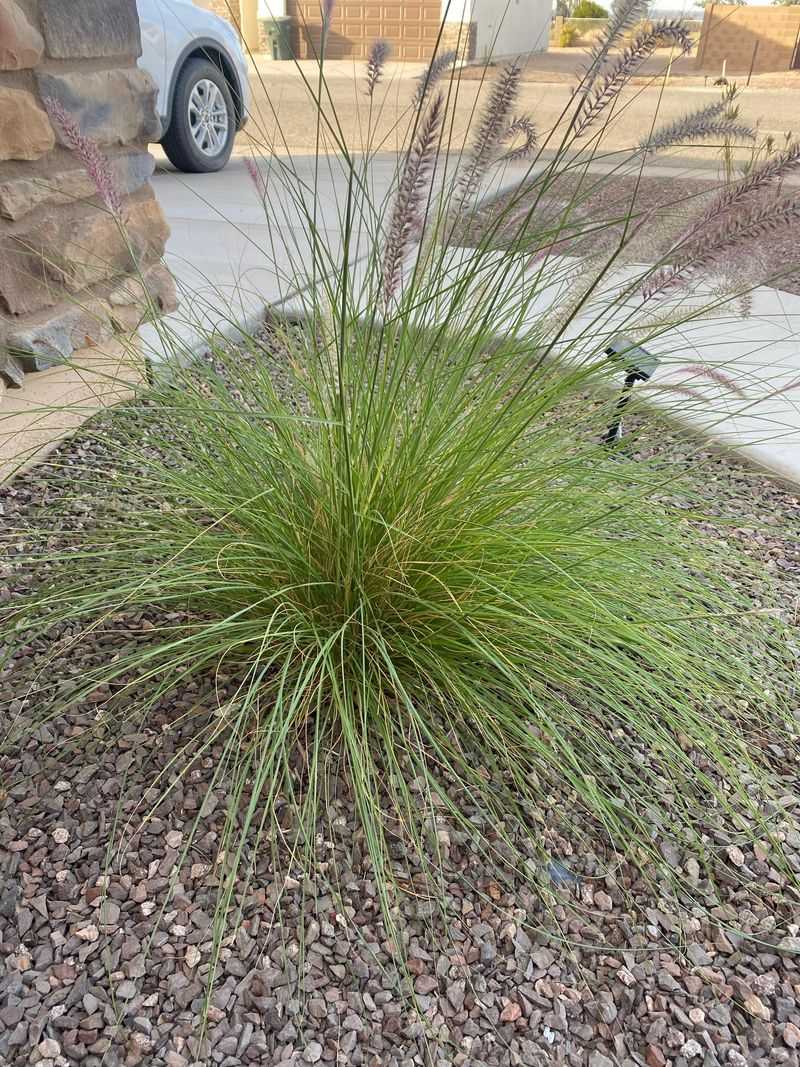
Dry grass and sparks make a risky pair. Anyone who has lived through a California fire season knows how fast flames can race through tall, brown growth.
Deer grass, for all its charm, can join that race. The concern centers on old foliage.
Spent leaves build up inside each clump and turn bone dry by late summer. That fine, airy material can catch and burn readily.
A large, untrimmed clump beside a wall or deck could carry flames toward the house. CAL FIRE defensible space guidance divides the area around a home into zones.
The first five feet, often called Zone 0, works best nearly free of plants that can burn, especially dry grasses. Within 30 feet, plants should be well spaced, trimmed, and kept free of old, dry material.
Farther out, plants still benefit from regular care. Smart placement brings all of this together.
Clumps belong well away from walls, fences, decks, and spots under windows. Generous spacing between plants makes it harder for fire to jump from one to the next.
A yearly cutback removes old growth, and pulling out dry leaves during summer helps when needed. Rules differ by area, so local fire departments or CAL FIRE offer the best guidance.
Some communities set stricter standards. Thoughtful placement lets gardeners enjoy the plant’s beauty without inviting trouble, keeping both garden and home on the safe side.
It Pairs Well With Other Natives
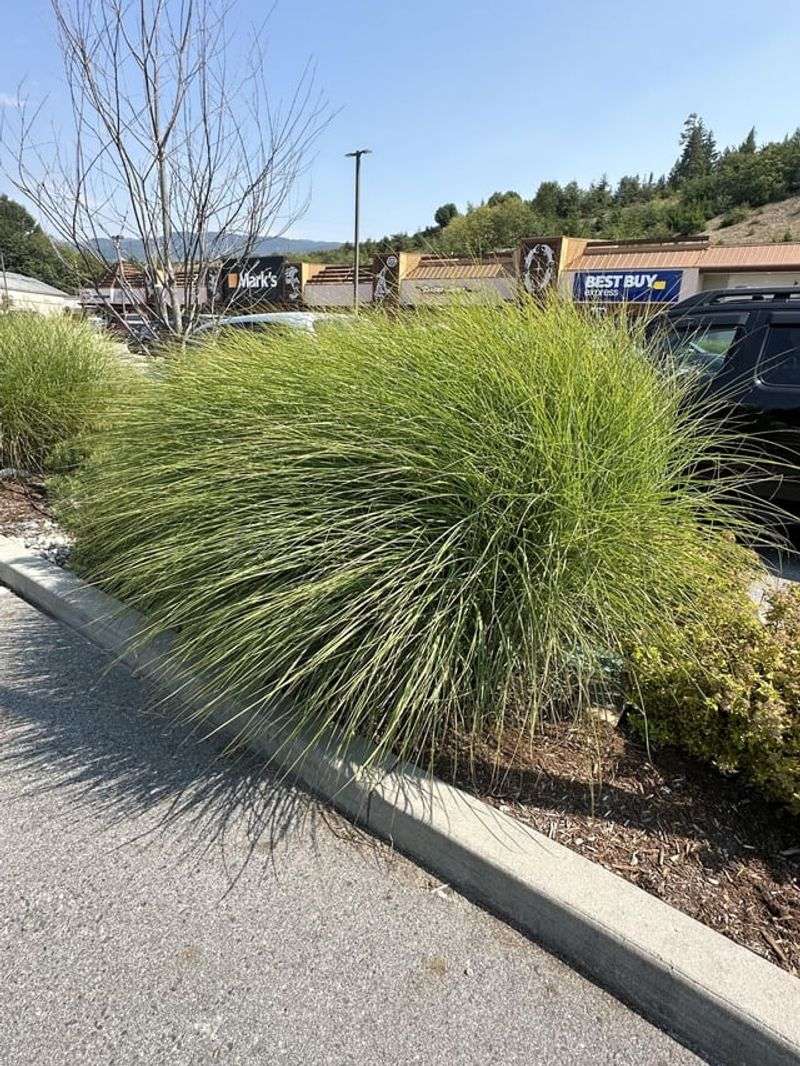
Three clumps of deer grass in place of a single pampas grass can make a garden look instantly calmer. The California Invasive Plant Council lists deer grass as a native alternative to pampas grass, which spreads aggressively into wild lands.
That swap delivers a similar fountain shape without the weedy downside. In design terms, deer grass works like a sturdy anchor.
Its fine, upright texture contrasts nicely with broad or rounded plants. Manzanita, ceanothus, and coffeeberry all make handsome neighbors, with the fine blades making bold leaves pop.
Flowering perennials fit in, too. Purple sages, California fuchsia, and yarrow add color while the grass provides structure.
California poppies scattered around the base bring a burst of orange in spring. By fall, the grass flower spikes take over the show.
Matching water needs keeps a planting healthy. Deer grass naturally grows in spots with some extra moisture, such as near streams, yet tolerates a range of conditions.
Companions that like similar summer watering once established suit it best. Mixing thirsty plants with very dry-loving ones often leaves somebody unhappy.
Repetition helps a garden feel planned. Three, five, or seven clumps scattered through a bed look far better than one lonely plant.
Drifts feel natural, like a hillside meadow. Adequate spacing, especially near the house, keeps the design both handsome and fire smart, letting this grass play well with the whole native team.